The 1st grade approach

Remember when you were six? Being chosen for “show and tell” was a big deal.

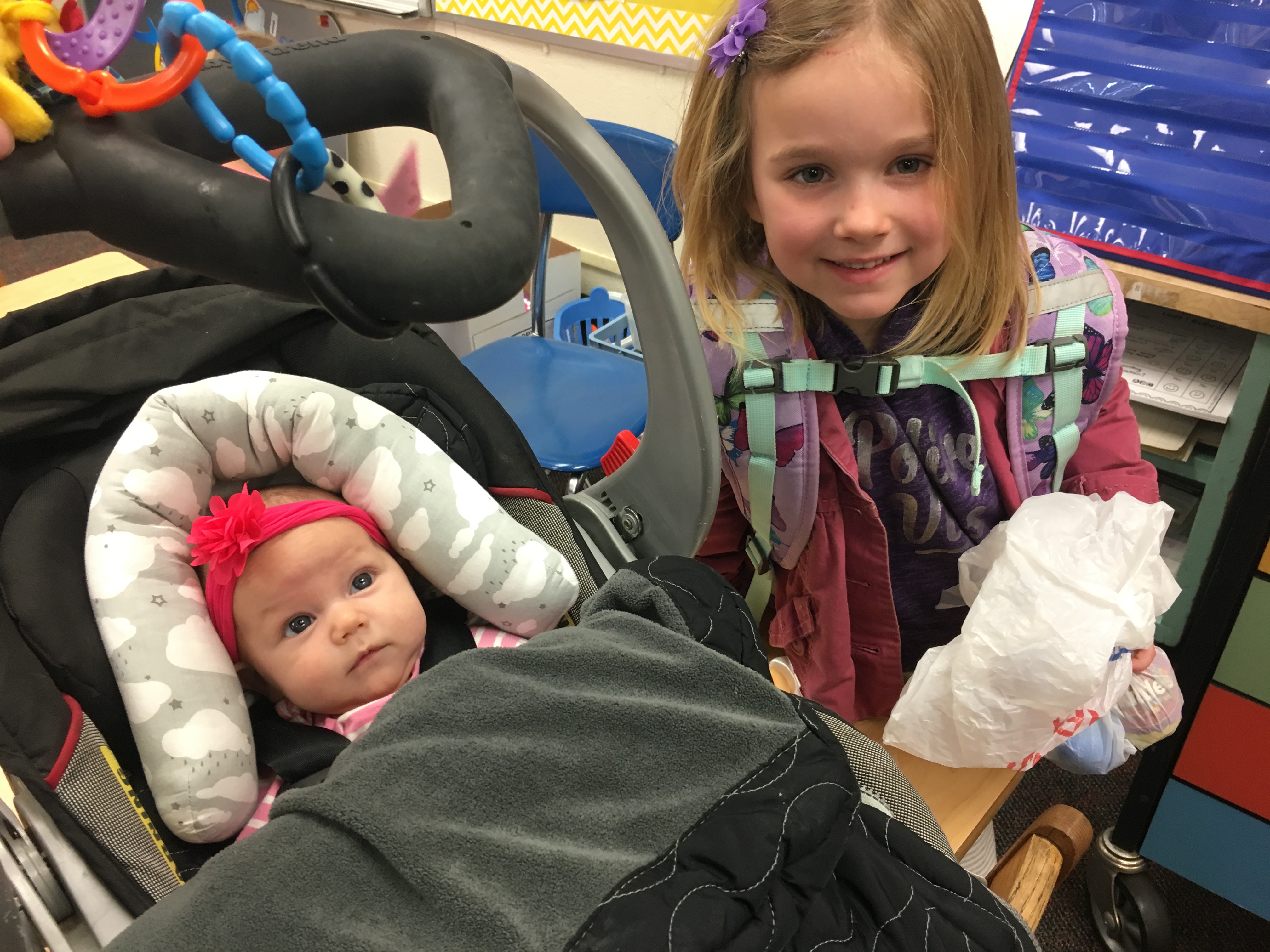
My elementary-age kids have brought their class everything from Indian beads dug on the family ranch to a misshapen egg their chicken laid. A newborn baby sister has even made a school appearance once or twice.

As they selected items, they went for the “wow” factor every time.
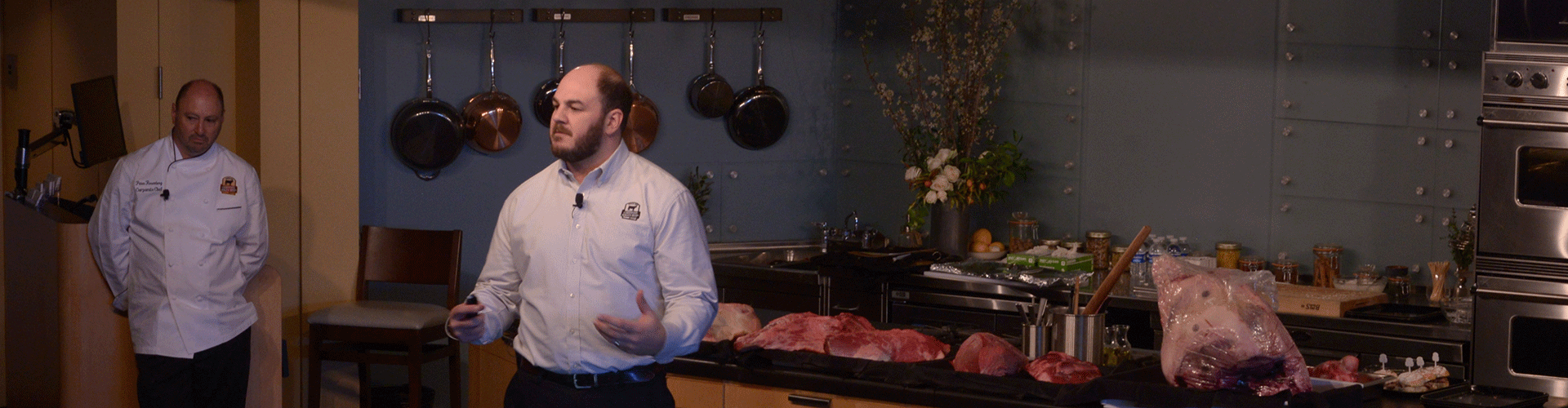
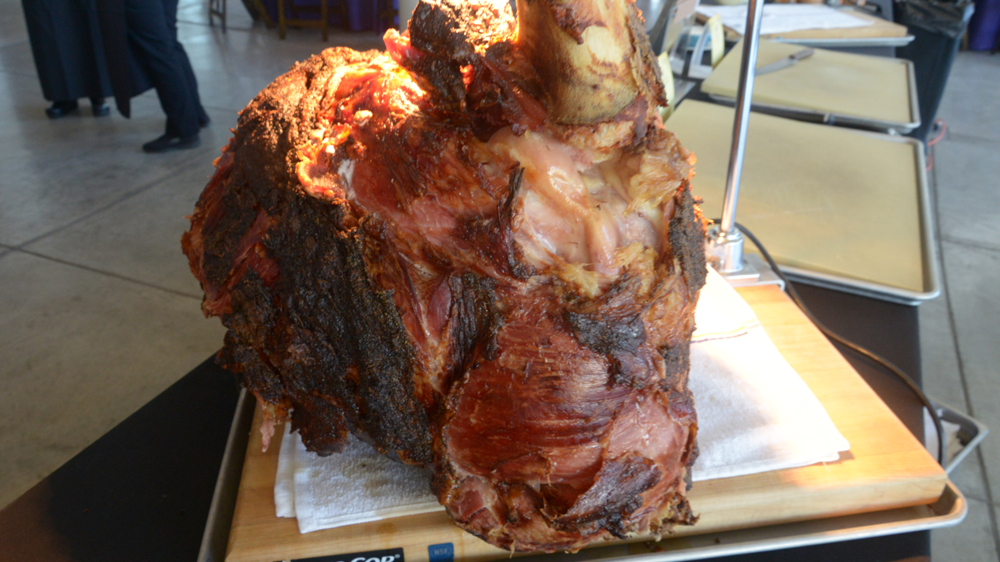
Grownup show and tell isn’t a lot different. We still go for that when we bring guests into our Certified Angus Beef ® (CAB®) brand Culinary Center. But it’s about more than showcasing incredible food and the hospitality to match.

We want people to leave saying, “Wow. I didn’t realize the relevance this brand has to my business.” We want them to leave knowing how high-quality beef can boost their bottom line.

“You read a paragraph to a first grader and they might know what you’re talking about,” says Harry Knobbe, a longtime cattle feeder from West Point, Neb. “You show them what you’re talking about, they get it.”

Harry came into headquarters as part of the 21st Century Beef Club last month and said afterwards, “I’ve been involved with National Cattlemen and the Beef Councils and everything for a long time. For some reason, I didn’t know that much about Certified Angus Beef until I went there.

“It’s like I was going to the wrong church,” he jokes.

He wasn’t the only one.

“I realized [CAB] was a beef promotion arm of the American Angus Association. I did not realize that it was 100% funded by beef sales from the packer,” says rancher Cody Cornwell of Glasgow, Mont. “I was really shocked to learn that.”

The simple business model makes sense, he says

“Educate the chefs, sell the beef. Let the packers sell the product and the rancher will get his share in the end,” says Cody, noting the brand has helped bring along beef demand for the entire beef community, not just the Angus category.

We talked everything from brand assurance to carcass value (while breaking down a primal in the meats lab). Few producers get to take a deep dive into beef merchandizing or thinking like a chef.

Harry has been in the feeding business for more than five decades. “CAB” has shown up on his carcass data sheets for years.

“We get a premium, but on the other hand, we pay a premium for the cattle, too, but where our windfall is, is that we may sell more product than if we just have USDA Choice,” Harry says.

Cody put himself in the chef’s shoes.

“I was impressed with the amount of support staff there. If I had a restaurant, it would be well worth an additional dollar per pound, for example, for the product, just to have people to do menu development and advertising.” But, he says on top of that, “The quality of the product was also very, very good.”

Building demand.
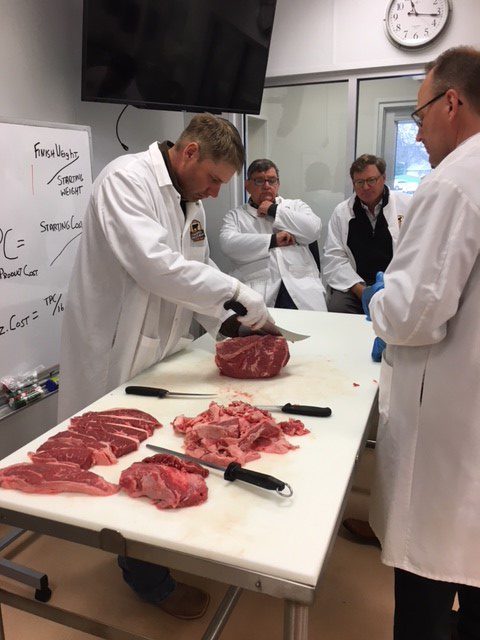
When you’re talking to cattlemen, that’s the very best kind of show and tell.

May your bottom line be filled with black ink,

Miranda

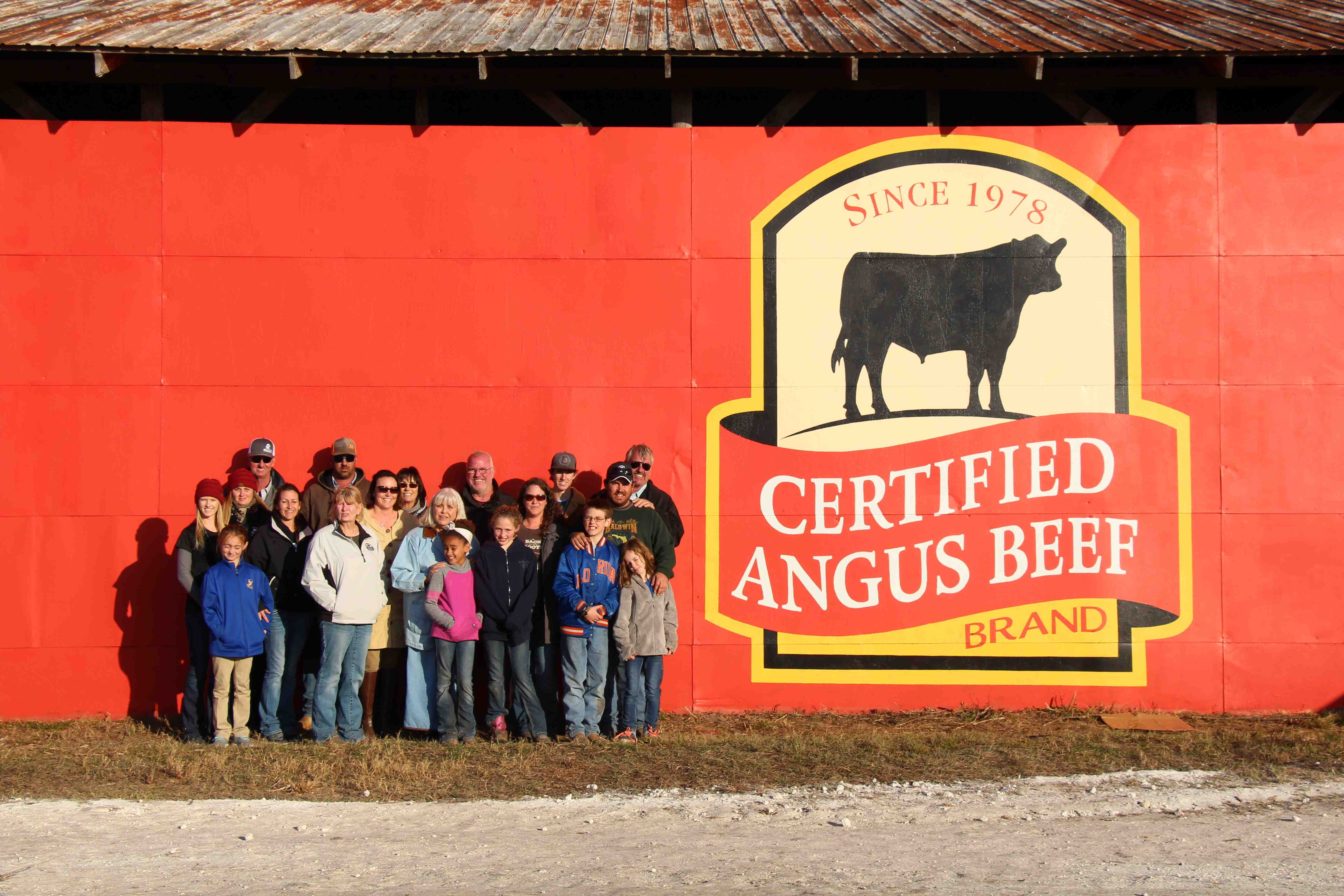
*Thanks to participant Wade Vedeer for sharing the shots of the group in action.

You may also like 
Michigan Angus Family Earns Ambassador Award

Michigan Angus Family Earns Ambassador Award

Seldom Rest Farms in Michigan, known for show-ring success, receives the CAB 2023 Ambassador Award for sharing their beef production story with Meijer grocery communications team and other CAB partners. The Foster family shares their passion for Angus cattle while fostering connections within the beef supply chain and promoting the Angus breed and CAB’s role in the industry.
North Dakota Partnership Earns CAB Progressive Partner Award

North Dakota Partnership Earns CAB Progressive Partner Award

The Bruner and Wendel families earned the 2023 CAB Progressive Partner award by selling high-quality beef through Dakota Angus, LLC, as part of the CAB Ranch To Table program. They focus on their commitment to quality, data-driven decisions, achieve impressive CAB and Prime percentages and offer high-quality beef directly to consumers in their communities.
Future Focused Business

Future Focused Business

Pilot partners in CAB’s Ranch to Table program, these North Dakota ranch families took some of the market volatility into their own hands in April 2022. Their leap of faith provides high-quality beef options for their communities and diversifies their income. Now they sell their finished cattle, as well as those of their customers, through Dakota Angus, a direct-to-consumer beef business.

From the beginning 

My mom does this thing with movies that I’ve just never understood. She’ll scroll through the channels, find a film and invest in it – even if it’s halfway over.

“Mom! We have no idea what happened in the beginning,” I’ll say with a smile and a tinge of frustration.

In reality, it matters none. The lady works a lot and, after long days of handling cattle and keeping a family business thriving, she knows she likely doesn’t have time to enjoy a full movie anyway.

But sometimes, in real life, knowing and understanding the beginning is crucial. History educates our decisions and reveals the big picture. We move forward, stronger because of it.

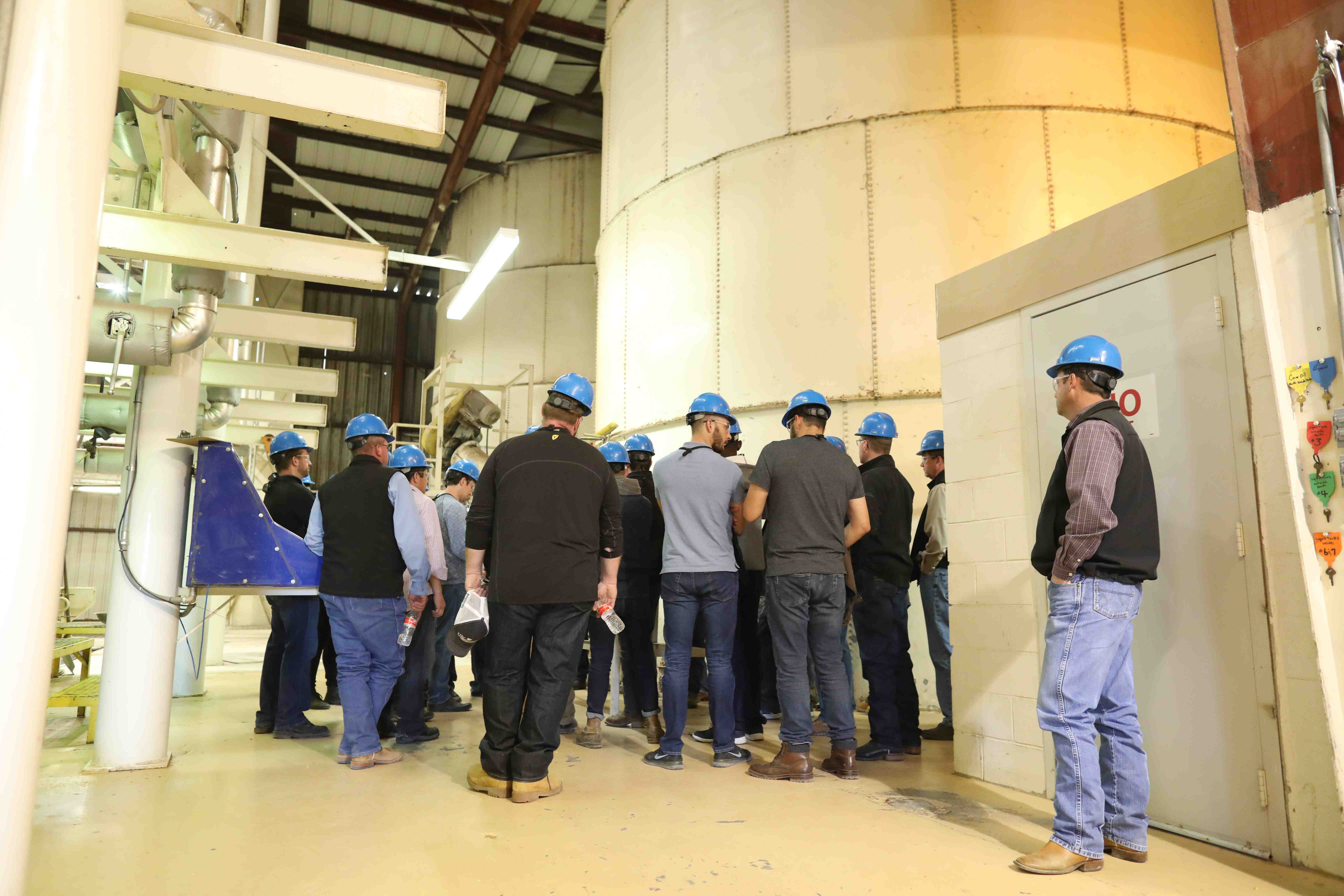
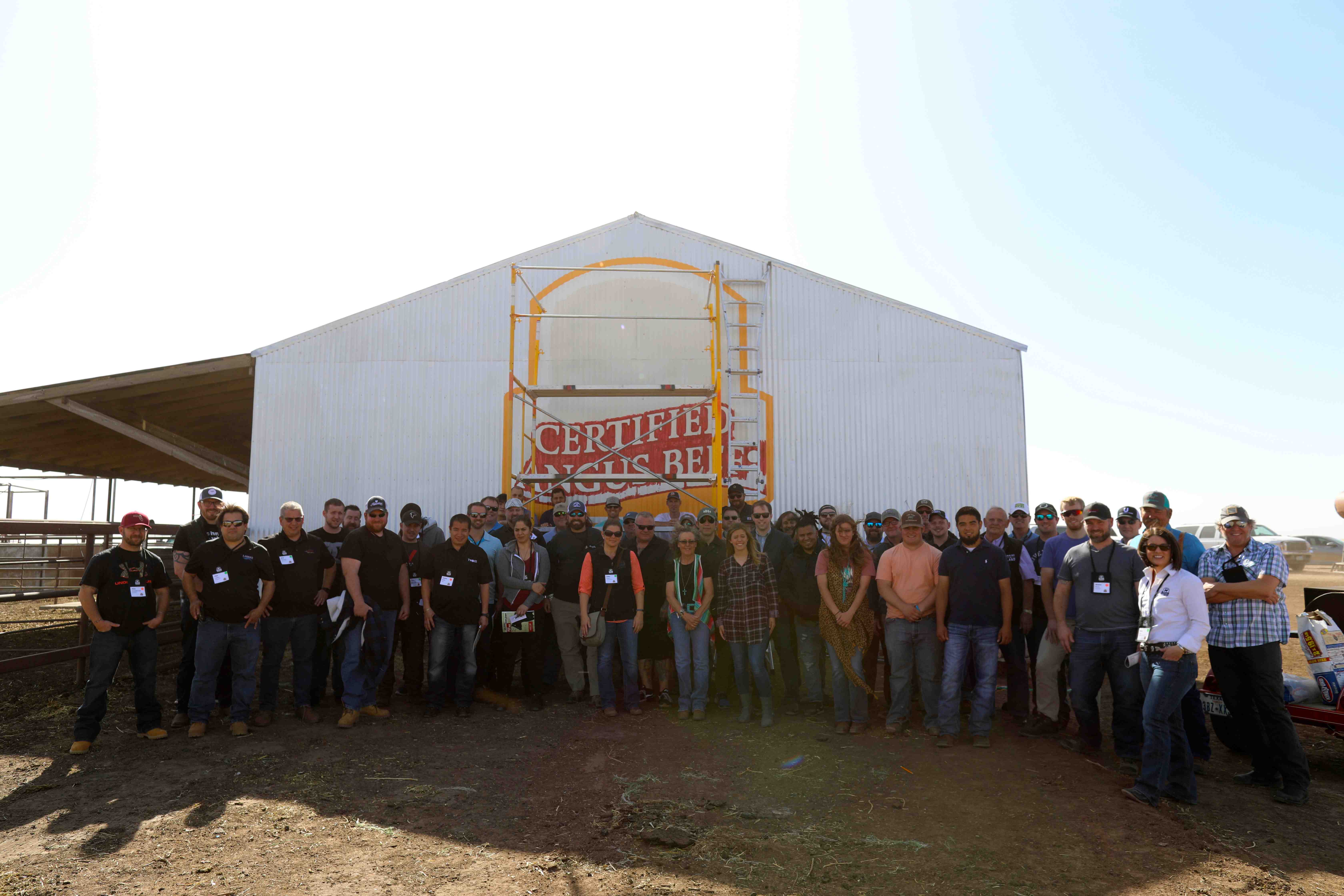
In late April, a few CAB staffers (including me) and 40 chefs gathered in the Amarillo area of Texas for CAB Chef Tour. It’s an impressive affair, one where our education team goes above and beyond to create an experience for culinary folks who serve our product in their restaurants or are considering doing so. It’s a time when the beginning is absolutely necessary.

Our stops included 2 Bar Angus, a seedstock supplier, near Hereford, Texas, owned and operated by Steve and Laura Knoll and their family. Then it was the coveted packing plant tour before we headed to Wrangler Feedyard, near Happy, Texas.

“It was fascinating, the whole thing. The whole thing was fascinating.”

That’s how attendee George Motz described our walk through the production side of our business as we sat down for dinner the last night. He’ll take those memories back to NYC and share them in his areas of influence. Forty other chefs will do the same.

As I sat down for lunch that second day, one attendee said, “Wow lunch yesterday seemed so long ago. We’ve done a lot between now and then.”

Indeed we had and I’d say that’s our goal. To take these 40 plus chefs and give them insight into the side of the business we know and love is an honor, but an obligation, too.

Once home attendee Chad Foust, Sweet Lou’s Restaurant and Bar, Ponderay, Idaho, shared, “This past week I spent a lot time thinking back to everything  we learned/experienced and just how much I did not know about Certified Angus Beef. The entire process just blows my mind on how precise every portion of the steer’s journey is and how uncompromising Certified Angus Beef standards are. I am proud to serve Certified Angus Beef at Sweet Lou’s.”

Thanks for allowing me to tell your story,

Laura

You may also like

Michigan Angus Family Earns Ambassador Award

Michigan Angus Family Earns Ambassador Award

Seldom Rest Farms in Michigan, known for show-ring success, receives the CAB 2023 Ambassador Award for sharing their beef production story with Meijer grocery communications team and other CAB partners. The Foster family shares their passion for Angus cattle while fostering connections within the beef supply chain and promoting the Angus breed and CAB’s role in the industry.

North Dakota Partnership Earns CAB Progressive Partner Award

North Dakota Partnership Earns CAB Progressive Partner Award

The Bruner and Wendel families earned the 2023 CAB Progressive Partner award by selling high-quality beef through Dakota Angus, LLC, as part of the CAB Ranch To Table program. They focus on their commitment to quality, data-driven decisions, achieve impressive CAB and Prime percentages and offer high-quality beef directly to consumers in their communities.

Future Focused Business

Future Focused Business

Pilot partners in CAB’s Ranch to Table program, these North Dakota ranch families took some of the market volatility into their own hands in April 2022. Their leap of faith provides high-quality beef options for their communities and diversifies their income. Now they sell their finished cattle, as well as those of their customers, through Dakota Angus, a direct-to-consumer beef business.
Around the round


by Jill Seiler

Imagine your job is to sell beef as a menu solution, beyond the classic presentations of prime rib, filet mignon, strips and sirloin. Those are known for tender, flavorful and juicy steaks, but also known for hefty price points. Could your job include exploring new cuts and applications from the underutilized round?

It’s not so farfetched, according to presenters from the Certified Angus Beef ® (CAB) brand at its Foodservice Leaders Summit in Napa, Calif., earlier this year.

The 160 beef marketers from CAB partner foodservice distributors and processors who paid to attend the annual educational summit certainly paid attention. After all, they could pay much less for an “end meat” round than any of the middle meats traditionally adorning customer menus. Top sirloin, often listed at the lowest price there, could make way for a new cut procured for $1 less per pound.

CAB Packing Director Clint Walenciak admitted the round has not instilled much sales excitement in the past, but math and knowledge could change that. He noted several cuts such as the eye, inside round, the heel, knuckle and bottom round represent low-cost opportunities.

The company’s slide presentation shared one idea on how to make “knuckle sandwiches” from smoked, slow-cooked and pulled beef from the knuckle.

“Since these items don’t have major premiums on them, you can upgrade to CAB and really increase the quality for customers,” Walenciak said, noting a cut with less marbling would not produce the same satisfaction.

In the bigger picture, selling more of each CAB-accepted carcass as the brand adds more value back to the ranch, he said.

As CAB Corporate Chef Peter Rosenberg finished preparing shaved steak sandwiches from the eye of the round for a tasting demonstration, Walenciak kept the crowd connected with the economics, detailed examples showing as little as $1 beef cost for some $10 to $12 menu items.

Less expensive and ready for diverse cookery to make round items interesting, flavorful and tender, he showed pathways to higher profit margins for restaurant customers.

When it was time to sample the beef, the chef waited to see reactions as tasting overcame the bias that it had to be tough.

“Most of the people couldn’t believe that was an eye of round,” he said, “because it was so tender and since it was sliced differently.”

After he presented highlights on such favorites as the Steamship Round, which can feed a crowd of hundreds via a carving station, it was time for teammate Cody Jones to wrap up.

“It’s easy to talk about the middle meats; they’re sexy,” said the CAB executive account manager. “Sometimes we just forget to talk about the round.”

Its versatility and value have been raising the wholesale cut’s profile, however.

“We want to sell from nose to tail and drive as much value as we can from the chuck to the round,” said Jones, who once worked for one of the foodservice companies represented among attendees. “We make that whole animal worth more if we sell all the cuts for the brand.”

As key strategies, Jones outlined several cultural applications, such as Japanese shabu-shabu, sukiyaki and yakiniku; Korean bulgogi, Hispanic carne asada and German rouladen. He also noted some precooked, value-added products on the market and highlighted uses for the tasty, lean cuts in health care foodservice.

Chef Peter summarized, “Our goal was to show the value of the round other than in ground beef, to bring it to life so there are plenty of ideas and techniques, and then it will market itself. The next time these people look at a round, they’ll think past ground beef.”

You may also like

Michigan Angus Family Earns Ambassador Award

Michigan Angus Family Earns Ambassador Award

Seldom Rest Farms in Michigan, known for show-ring success, receives the CAB 2023 Ambassador Award for sharing their beef production story with Meijer grocery communications team and other CAB partners. The Foster family shares their passion for Angus cattle while fostering connections within the beef supply chain and promoting the Angus breed and CAB’s role in the industry.

North Dakota Partnership Earns CAB Progressive Partner Award

North Dakota Partnership Earns CAB Progressive Partner Award

The Bruner and Wendel families earned the 2023 CAB Progressive Partner award by selling high-quality beef through Dakota Angus, LLC, as part of the CAB Ranch To Table program. They focus on their commitment to quality, data-driven decisions, achieve impressive CAB and Prime percentages and offer high-quality beef directly to consumers in their communities.

Future Focused Business

Future Focused Business

Pilot partners in CAB’s Ranch to Table program, these North Dakota ranch families took some of the market volatility into their own hands in April 2022. Their leap of faith provides high-quality beef options for their communities and diversifies their income. Now they sell their finished cattle, as well as those of their customers, through Dakota Angus, a direct-to-consumer beef business.
The beef industry: a survival guide

I’ve often wished for a guidebook – a map to carefully lead me around life’s potholes and avoid the dead ends altogether.

But you and I both know it doesn’t work like that. Faith requires a bit of stepping out, sometimes lunging to get to the good stuff – the reward far greater than the process to get there.

At this year’s Cattle Industry Convention & NCBA Trade Show, a Cattlemen’s College session titled, “True Stories of Beef Business Survival” piqued my interest.

As a young person hoping to survive in the beef industry, I’ve found there’s no golden ticket there either, but I’ve sure tried to listen a lot.

Here’s what I learned that day:

Have a plan

For both day-to-day and worst-case scenarios. “If you wait until you’re in the middle of the drought, it’s too late,” Joe Leathers, manager of 6666 Ranch, near Guthrie, Texas, said. “If you wait until the fire has completely devastated your country, you’re going to be sitting there in the middle of smoking ashes.”

For the practical-minded, it’s about being on the same page with your family and partners, Lydia Yon said. The matriarch of Yon Family Farms, near Ridge Spring, S.C., said, “People around us were building a new house and we were building a commodity shed. Someone was buying a new car and we were buying a new mixer wagon.” Everything they made, they put right back into the operation and avoided purchases of non-tangible things they couldn’t pass on to their children.

dalebanks perrier seedstock commitment to excellence

See the big picture

Not just what’s outside your door, Lydia said. It’s the little, everyday things that have been their key to survival. Her family applies that to their role as a seedstock producer, paying special attention to the genetics they stack in their Angus herd. “They need to be the right kind of genetics that will provide that end consumer with the delicious eating experience they crave.”

“The decisions you make, I don’t care how small your operation is, affect a lot more people than just you,” Joe added. Be conscious of that.

Learn from others

“Glean from those who have survived in the past; go talk to them,” Joe advised.

“The very smartest day of our lives was the day we graduated with our animal science degrees,” Lydia joked. “Ever since, we’ve learned how dumb we can become.” Listen to those older and wiser.

Relationships are key

Jerry Bohn, owner and recently retired manager of Pratt Feeders, Pratt, Kan., tied it all back to the men and women he’s worked for, alongside and hired. “It’s the people,” he said. “People, relationships, being a part of the community, that’s really what it’s all about and what made my career successful.”

For Lydia, relationships and the awareness that others observe your actions and results drive her toward success. Both led to land offered for lease and an owner’s willingness to finance cattle. “People are watching what you do,” she said. Because of those relationships, “we expanded without a lot of huge investments.”
Wilson Cattle Co. stocker calves

Think outside your fences

With decades under his hat, Joe encouraged young people to “be an independent thinker. Too many people aren’t,” he said.

People told Lydia and her husband, Kevin, they couldn’t start a farm with 100 acres and basically nothing. “We got experience, got involved and got busy,” she said.

Choose good partnerships

“What can you do to be different?” Jerry asked. He credited partnerships with CAB and U.S. Premium Beef as some of the best Pratt has made. With CAB, “our involvement caused us to do a paradigm shift,” he said. Prior to 2003, Pratt Feeders was selling more commodity cattle. “We began to look at high-quality cattle, producing for high-end markets.” Today, he said, close to 70% of the cattle in their feedyards are destined to sell on a grid.

Those were just some pieces of advice from three people who I admire in this industry.

Get experience, manage for risk, figure out your strengths and outsource your weaknesses, they said. Those and more can take a person from merely surviving to thriving.

It’s about being realistic with every decision you make, Joe said, adding that there will be plenty. As young people, “it’s easy to have rose-colored glasses. Survival has a definite connotation of bruises and a little blood.”

“It’s not always going to be fun and you’re going to have to weather the storm.”

See you out on the water,

Laura

You may also like

This too shall pass

This too shall pass

There are no words that will take away the devastating slap of a market drop, the pain of a postponed bull sale or the exhausting frustration that things feel out of control. The page will eventually turn and the world will still need great beef and those who raise it.

Rising to the occasion

Rising to the occasion

We know what keeps an animal healthy, but do we know what they want? Lily Edwards-Callaway, of Colorado State University, shared animal welfare research during Cattlemen’s College session at the 2020 Cattle Industry Convention that she tag-teamed with NCBA’s Shawn Darcy.

Speaking of meat

Speaking of meat

CAB chefs and meat scientists are so good at sharing their know-how that a whole range of listeners will sign on from city streets to ranch sand hills and beyond. Now find their expertise in their new podcast “Meat Speak”.

An Olympic throwback

Surprises – who doesn’t love ’em?

I’m thinking flowers, an upward swing in the market, a calf crop from a new bull that turned out even better than anticipated – these are the things that put a little pep in your step.

I’ve been watching the Olympics as of late (because who hasn’t?) and it got me thinking: I bet those expected to win hate surprises. I bet those managing these games hate surprises.

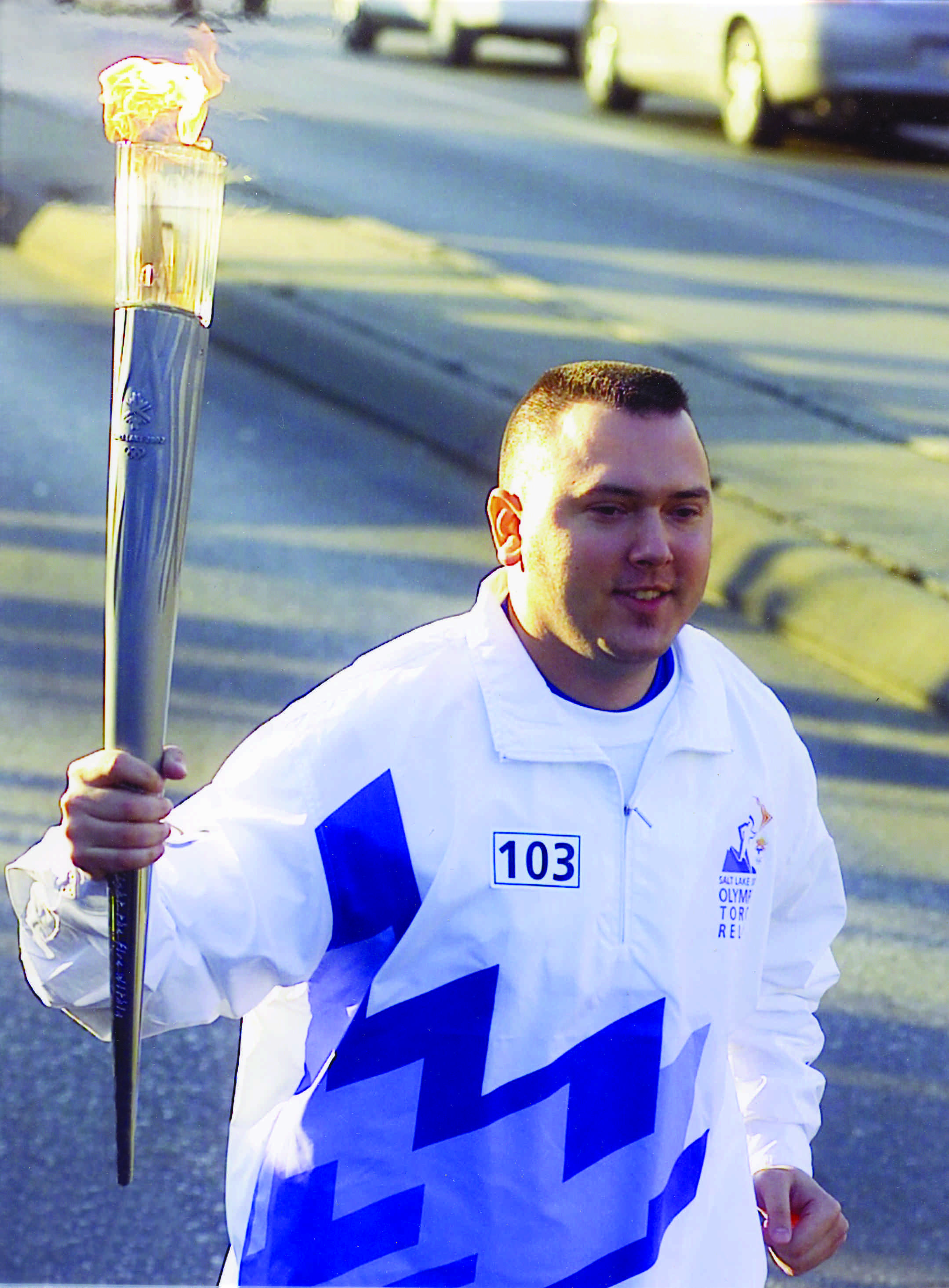
10_03 Jason carrying torch-2
Jason Clever, a designer at CAB, carries the famous Olympic torch.

There are the out-of-nowhere upsets, persons or teams that started near the bottom and snag the gold. They’re loving it, but not the favored ones displaced. These guys and gals come well prepared, if only they can execute as flawlessly as we flawed humans are capable of doing.

Gets me pumped just thinking about it.

So in the spirit of the XXIII Olympic Winter Games and the fact that we’ve been a bit reminiscent celebrating the brand’s 40th anniversary year, let me tell you about a little surprise that involves CAB and the world’s foremost sports competition.

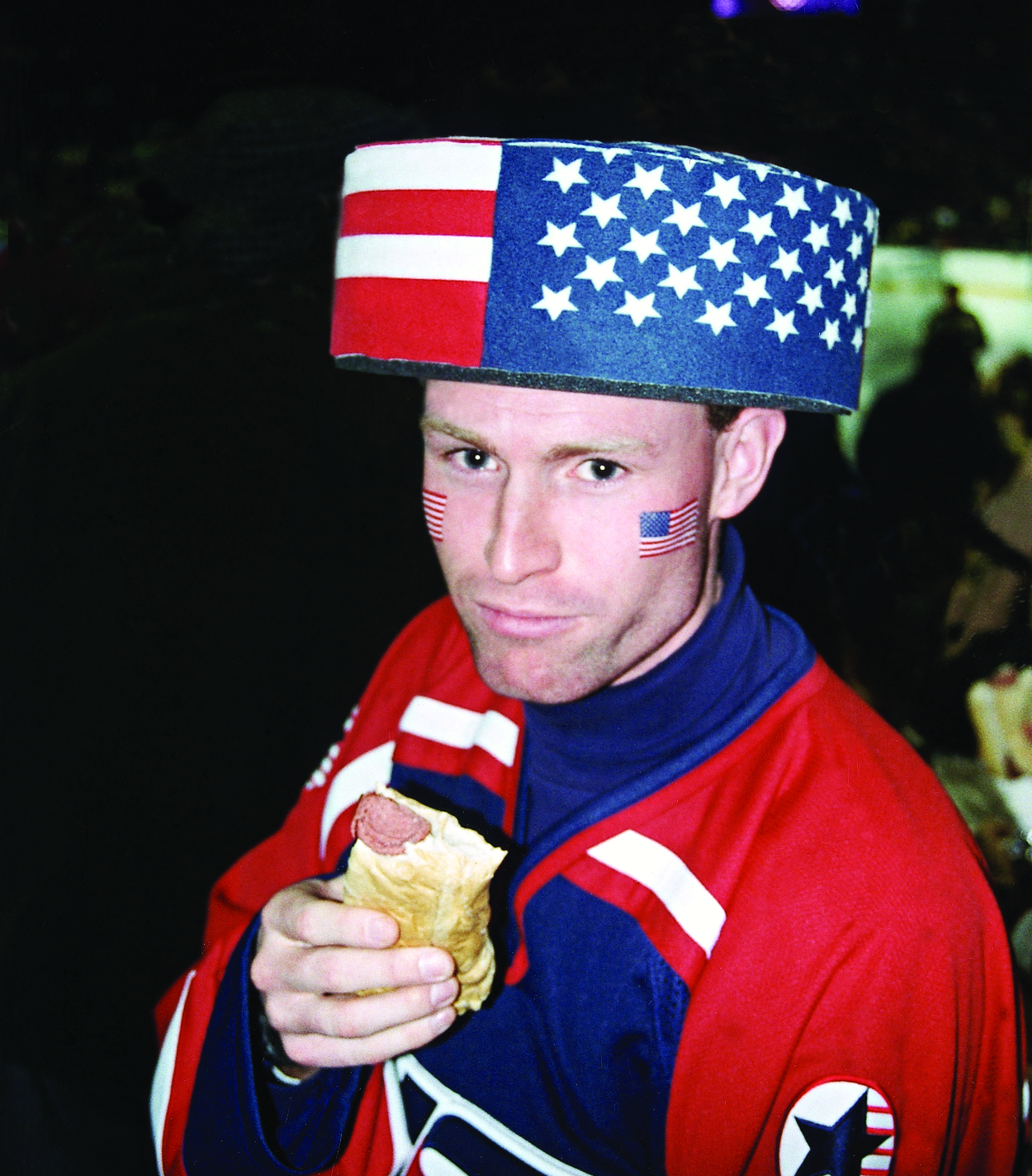
10_01 frank eater bu02
One fan showed American patriotism along with his love of quality beef.

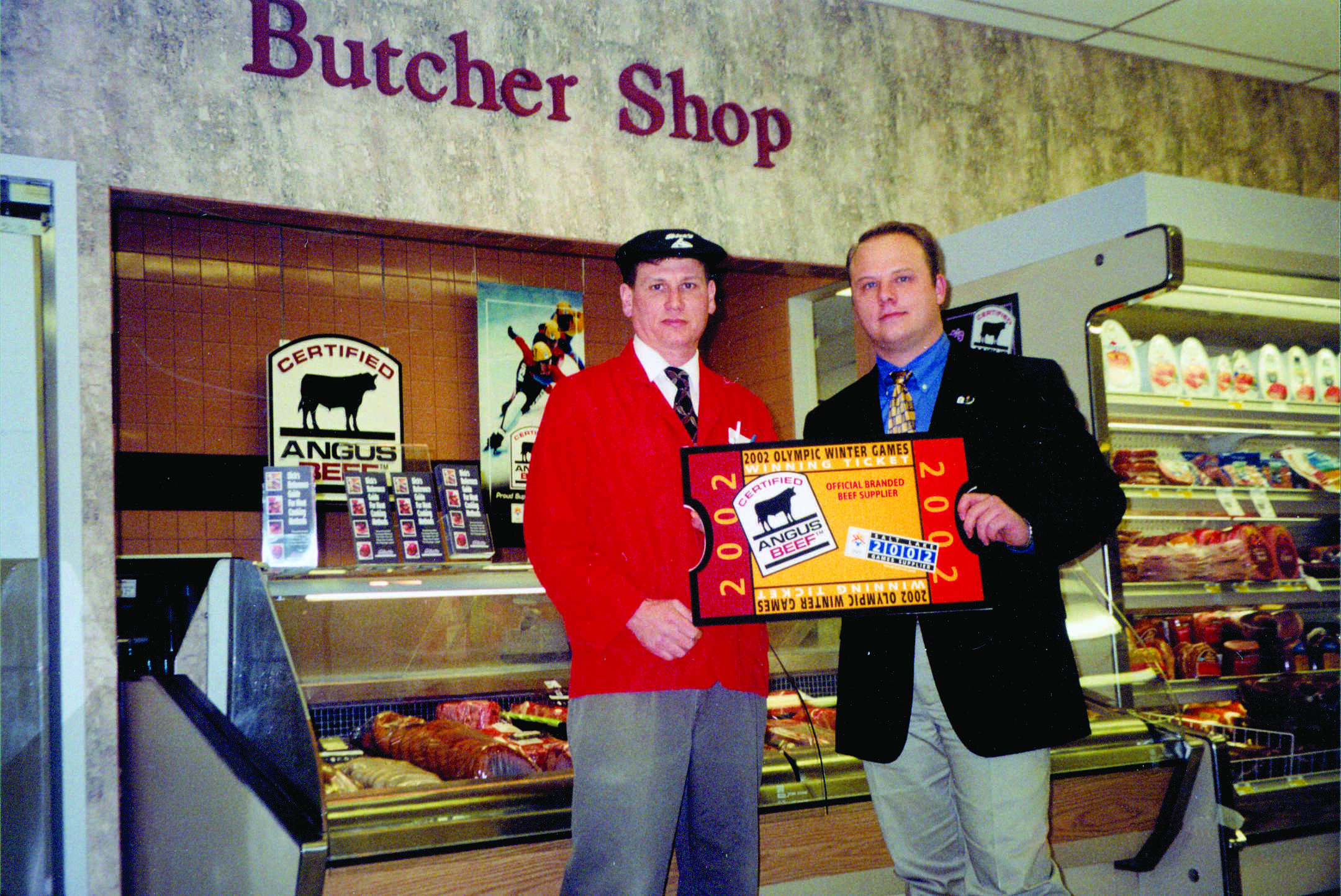
The year – 2002. The Olympics – the XIX Olympic Winter Games in Salt Lake City, Utah.

The surprise – a shortage of frankfurters.

Our own Deanna Walenciak was closest to the 2002 games. A marketing team member at the time, who now heads our education efforts, she led the Olympic charge and remembers how the CAB item became the surprise story.

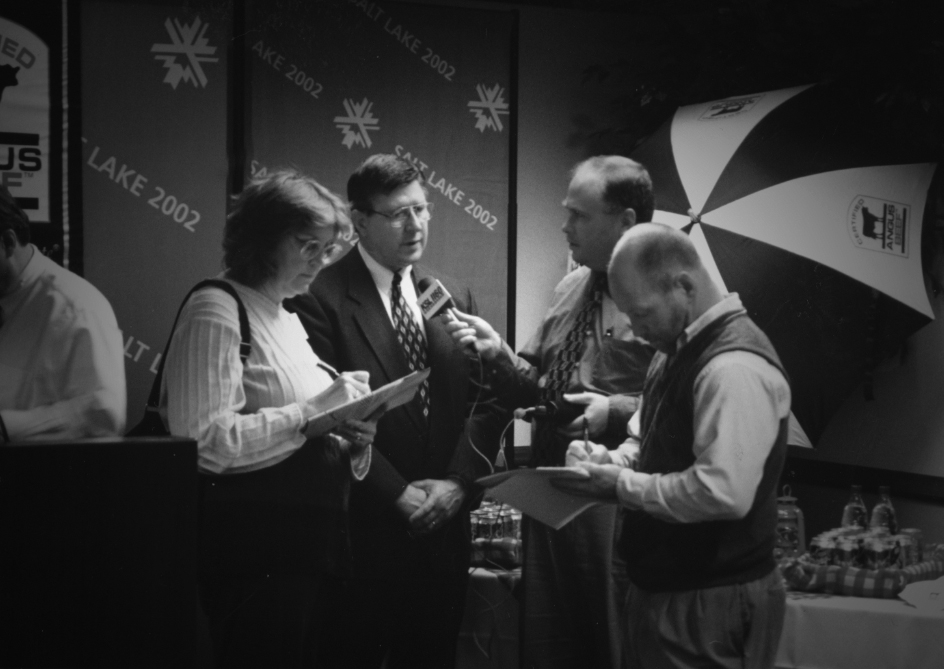
13_03 Olympic Media Event 2000
Then CAB president Jim Riemann answers questions at the Olympic signing.

“You do all of this marketing and try to plan stories around the games,” Deanna says. “We also put a lot of work into having the correct amount of product. We really wanted to get that right.”

In this particular case, not “sticking the landing” turned out to be an even sweeter victory, one CNN and various news outlets felt compelled to share.

It wasn’t that they actually ran out, Deanna says, but had Usinger’s sausage company, out of Milwaukee, Wis., not stepped up to the plate and increased production, the story could have been different.

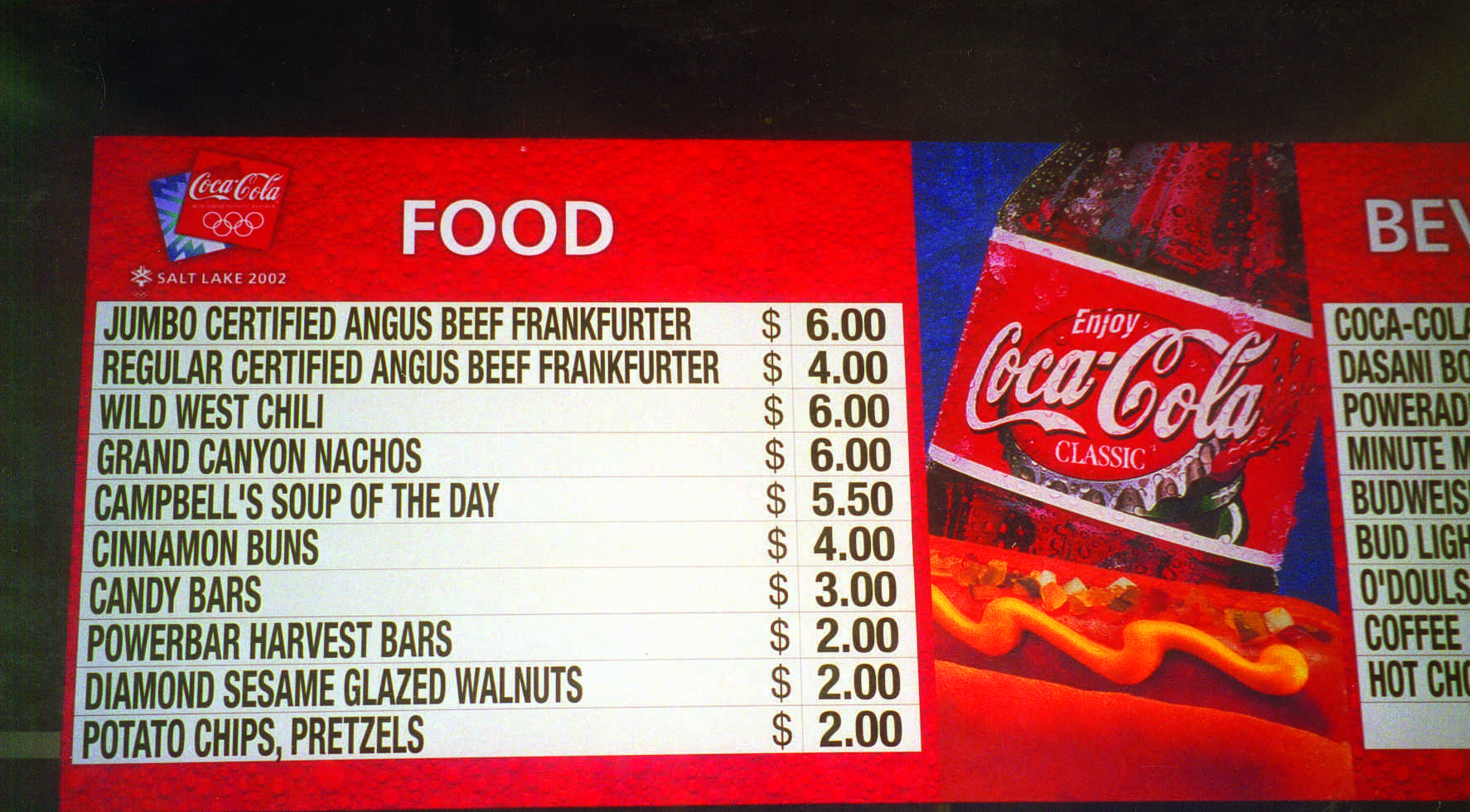
10_01a menu board-1
Available at all concessions throughout the games, as well as Olympic Village, the CAB frankfurters and chili were hits. The latter was developed specifically for the games; both are still available today.

There was no one to blame, Deeana says. Simply a surprise – one of the good kinds.

“All of the models assumed how many we would sell but people stayed at the events even longer and were ordering frankfurters at 9:30 in the morning, all morning long,” she says. “The food at the concession stands was just that phenomenal.”

10_02 Retailer wins trip to Games-1
In anticipation, CAB held competitions with retailers and consumers alike. Lucky winners won trips to the games.

A bit of a history buff when it comes to the brand and an Olympic fan to boot, I thought that was a pretty fun fact.

As the games come to an end, here’s wishing all Olympic athletes the best. Even more, here’s to good surprises.

Thanks for allowing me to tell your story,

Laura

You may also like

Thriving with Shrinking Supply

Thriving with Shrinking Supply

Even as the nation’s cow herd contracts, “more pounds” and “higher quality” have been common themes. Specific to commercial cattlemen: It still pays to focus on carcass merit, in addition to other economically relevant traits.

Rob Shuey Joins Certified Angus Beef Board

Rob Shuey Joins Certified Angus Beef Board

Shuey knows the product and understands sales and how CAB partners view the brand. This extends internationally, given he retired from Tyson as the senior vice president of international fresh meats, lending him a global perspective for CAB’s licensed partners.

More than a logo

I wasn’t around for the first pound sold.

A decade away from walking this earth, October 18, 1978 came and went.

I try to think back to when I first learned what the Certified Angus Beef ® brand was, where and how I came to know the meaning behind those words and iconic logo.

IMG_1775
Artist Scott Hagan painted the inaugural barn.

Maybe it was in college, or some time before then; I don’t fully recall. What I can attest to are the years since.

Since…

  • A 2010 college internship from afar
  • A move to Wooster, Ohio, five days after graduation
  • A return home to the ranch to work remote

My story, like so many, is riddled with CAB through its seams.

IMG_1716
It may seem small but we all smiled wide as Scott made the first brushstroke of many.

What’s your story?

I’m all but certain you have one – a special meal, a plentiful payout, a herd with a goal?

There have been moments for me, let me tell you. Conversations across kitchen counters, hand shakes evident of an industry that’s endured, tears that tell stories of victory over defeat. I hold them close, honored to be the girl to bear witness firsthand.

IMG_1862
By this time quite the crowd had gathered to see this logo come to life. The Baldwin’s barn is visible from Florida’s busy I-75 so perhaps even drivers took notice.

This year, the 40th anniversary of the Certified Angus Beef ® (CAB®) brand, is about those stories: retelling old ones and establishing new.

For starters we kicked off the #BrandtheBarn campaign, celebrating the brand’s heritage through art and appreciation, first in Florida.

“I know my honey’s smiling down from heaven today,” Sharon Baldwin told me.

IMG_1869
Mrs. Sharon stood watch from the beginning until the end. The gratitude she felt was mutual.

The matriarch of Baldwin Angus, near Ocala, Fla., was married to and raised three children with her husband, Leroy, before his passing. The early Angus advocate served as the American Angus Association president in 2002.

Family and friends, farmers, brand partners and even the mayor came to see the logo painted. Our hope is many more will see it for years to come.

IMG_1920
A family affair, the Baldwins were beaming as Scott began the finishing touches.

You see, I don’t look at it as an individual unit, this brand, but rather the ranchers, their cattle, the consumers, their sellers – all intertwined and working as one.

If you’re reading, thanks for being a part of our story. If you’d like to share yours, leave a comment.

Otherwise follow along this year as we #BrandtheBarn.

You may also like

Chef Coats and Cowboy Hats

Chef Coats and Cowboy Hats

Two worlds collide, with one focused on raising the best beef and the other crafting dishes that honor it. This innovative program unites students from Johnson & Wales University and ranchers from across the United States, offering an immersive look at the beef industry.

Mark Ahearn Completes Term as CAB Board Chairman

Mark Ahearn Completes Term as CAB Board Chairman

Mark Ahearn admits his role as the chairman has meant a lot to him and his family. He expresses gratitude to those who believed in him throughout the past year and looks forward to seeing the future successes of the premium beef brand.

The Second-Best Sales Year for CAB

The Second-Best Sales Year for CAB

While the total fed cattle supply declined by 1.6%, this year a record 5.96 million carcasses, up 2.4%, were certified for the brand, with 37.4% of all Angus cattle meeting the brand’s strict quality standards. A record 730,000 carcasses qualified for Certified Angus Beef ® Prime.

Weaning diet options

by Justin Sexten, Ph.D.

Spring calving herds, depending on rainfall and temperatures, may be weeks or months away from weaning. For many operations, that will bring the challenge of feeding weaned calves for a short transition period. That’s when nutrition is critical to end-product quality, because it influences both marbling development and calf health, which in turn also affects later quality grade. You may find local forages in short supply if your herd has had to deal with hot, dry weather this summer. One of the few “opportunities” that presents is evaluating alternative forage feeding strategies that may otherwise go untried.

You have to weigh the possible benefits as well as cost for any forage. Although many consider forage relatively inexpensive on a per-pound basis, it’s virtually always the most expensive per unit of gain when compared to grains. Still, the benefits to gut health and rumen buffering keep forages included in weaning and receiving diets. To improve on averages, a good alternative should improve feed efficiency while maintaining those gut health benefits.

Independent of dietary requirements, your weaning forage model needs to fit within the ranch management program. To keep it simple, many prefer offering their ranch-weaned calves supplements and all the hay they want. The challenge with that is, calves may eat the hay independent of supplement, potentially increasing the group’s range of energy intake. Free-choice hay at weaning usually signals a limited ability to either process or mix forages into a weaning diet..

Recent work from Mariah Woolsoncroft and coworkers at Oklahoma State University evaluated a combination of cottonseed hulls and soybean hulls as a forage source for receiving weaned calves. It could be mixed and delivered as a complete diet, minimizing traditional forage needs while addressing the operational challenges of storing and mixing. The 56-day experiment compared two wet-corn-gluten-based receiving diets, one with 30% prairie hay and the other having replaced hay with 15% of the total as cottonseed hulls and 15% soybean hulls.

There were no differences in performance on the diets as all calves gained more than 4 pounds (lb.) a day. Feed intake was 1.8 lb./day lower, however, for calves fed the alternative diet with hulls, resulting in improved feed efficiency. Manure consistency and pH was measured to assess gut health. Calves fed the alternative forage combination had slightly looser manure due to smaller forage particle size, but only slight pH differences.

Manure consistency is an interesting metric of gut health. Loose manure could contribute to dehydration, while dry and firm manure indicates poor diet digestibility. The slight manure differences in this experiment are more likely due to improved digestibility as indicated by comparable gain with less feed intake, rather than reduced gut health.

Previous research suggests feeding higher concentrate receiving diets can improve cattle performance and efficiency, at the cost of increased respiratory treatment rates but often offset by the performance boost. In those historic experiments, the cost to carcass quality due to greater treatment rates were not evaluated, nor were the benefits of greater energy intake earlier in the feeding period. That gap could launch an interesting experiment down the road, perhaps. In this experiment, initial and total respiratory treatment rates did not differ based on forage source.

The Oklahoma State experiment did not report the calves through harvest, but performance and health data during receiving suggests we could expect comparable carcass quality when substituting a mix of cottonseed hulls and soybean hulls for forage in a weaning ration.

You may also like

Register Now for Feeding Quality Forum

Register Now for Feeding Quality Forum

Consumer demand signals spur progress in the cattle business, but producers must be proactive when making changes in their marketing strategy. The Feeding Quality Forum event delivers solutions to market-focused cattlemen who want to get rewarded for raising premium beef.

Taste Drives Demand and Profit

Taste Drives Demand and Profit

Quality starts long before feedyard rations reach the bunk, and it weighs heavily on the bottom line. Brian Bertelsen, vice president of field operations for U.S. Premium Beef, discussed marbling’s impact on grid marketing at CAB’s annual Feeding Quality Forum.

Four Decades Devoted to Cattlemen

Four Decades Devoted to Cattlemen

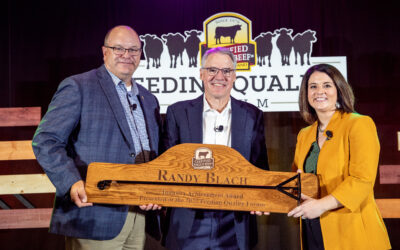
Always focused on the data and how it can deliver solutions, the decades of work earned Blach a second-nature understanding of the market and all that affects it. That kind of servant leadership earned Blach the 2022 Certified Angus Beef Industry Achievement Award.

All about the beef…or is it?

 “This is more than a celebration of marbling.”

President John Stika said that as he kicked off the CAB brand annual conference in Nashville.

The event was dubbed #BeefBash17 and the street barbecue the night before featured more high-quality beef than I’d ever seen in one place before. It was delicious and photogenic—I watched food bloggers gathering photos and taking notes.

DSC_3954
Pitmasters from Texas and North Carolina delighted conference attendees with their best in a street barbecue that showcased the brand on opening night.

It was clear that it was, in part, about the marbling.

But I’d already seen the brand in action, educating partners during a tour of Deer Valley Farms.

“The more comfortable we keep the animal, the harder she works for us,” general manager Jonathan Perry said. It was just the first of many educational highlights.

It was also apparent that it was indeed a celebration. There was a lot to celebrate.

JohnStika
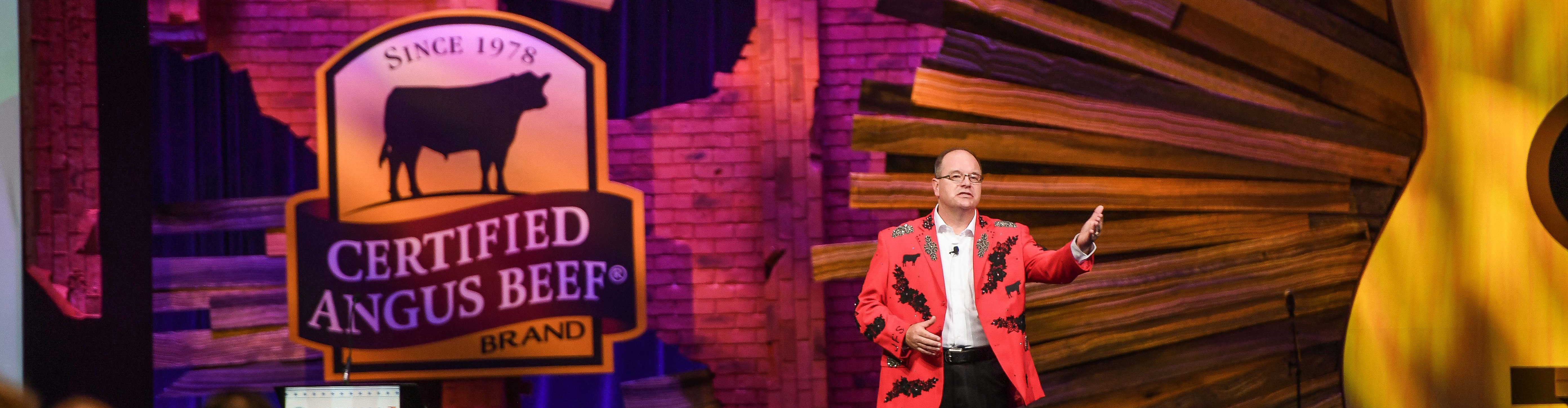
Fiscal year 2017 set an 11th consecutive annual sales record, continuing a 13-year-streak of year-over-year growth, President John Stika told the crowd, while wearing his Porter Wagoner-inspired jacket in the Music City.

Starting with fiscal year sales record of 1.12 billion pounds, a 25% increase in two years and growth in every division from retail to foodservice to international.

Then there was the room full of people who helped us get there. More than 600 partners gathered, representing a cross-section of the 19,000 across 50 countries who are licensed to sell the brand.

[After meeting several of these people I should note that “licensed to sell” is a pretty weak description. They are fired up, motivated, ambassadors of high-quality beef.]

But for all the awards and fanfare, it wasn’t so much a conference about looking back as it was about looking forward.

Our team wants to make sure everybody in the beef community has the tools they need to go out and market more.

“We’re all going to have an opportunity to get better, to improve,” Stika said.

DSC_4354
“You just had a great 12 months, but we have to stay agile and hungry,” said futurist Anders Sorman-Nilsson.

When I packed up my notebook from Nashville, here were a few nuggets I had tucked inside:

  • “Claiming that your business is customer centric will be impossible unless you’re data centric,” said futurist Anders Sorman-Nilsson. “We have to connect with digital minds and analog hearts.”

He wasn’t speaking directly to cattlemen, but I think that makes sense for this side of the business, too. You can use genetics, carcass and performance data to improve your herd, but then still need to connect with consumers on why you care about their eating experience enough to do all that.

  • The business has been profitable from one end to the other from the cattleman to the feedyard to the packer.” Randy Blach, CattleFax president, had lots of interesting comments on the numbers and markets (as always), but his most compelling had to do with the uphill battle beef must fight (increased production in all proteins, volatility in the futures market, etc.) and how the only way to win will be to work together. CAB has been an example. Nearly 30% of the A-stamp cattle were accepted into the brand this year, making more than a 10% increase in tonnage.

“It’s pretty incredible to grow supply that much and keep an upward trend in value. Consumers want quality and they’re willing to pay for it,” Blach said.

  • A brand inspires you. There is loyalty and it can bring you into their family,” said Steve Battista, former Under Armor executive. He talked of how good brands are built with people, telling their stories. “There is power in building a community.” I couldn’t help but cheer a little inside, thinking about why I do what I do: Writing stories about and for the cattlemen and women who raise high-quality beef. I want you to be more successful by raising the brand, by being part of our community. I want to share your story with the world, because it’s a good one, but Battista told us it’s also the way to grow. Seems like a win all the way around.

Stika’s opening address was on target—our annual conference was about so much more.

DSC_5143
It wasn’t all about the beef, but conference attendees did eat well.

“It’s a celebration of the relationships and the people that have allowed this brand to become a brand of impact over so many years,” Stika said. “It’s a celebration of each and every one of you and countless others who, throughout this past year, have elevated the relevance of this brand in the eyes of consumers and individuals across our entire industry.”

And what a good “Beef Bash” it was….but now, on to another year of setting our sights even higher!

May your bottom line be filled with black ink,

Miranda

You may also like

Chef Coats and Cowboy Hats

Chef Coats and Cowboy Hats

Two worlds collide, with one focused on raising the best beef and the other crafting dishes that honor it. This innovative program unites students from Johnson & Wales University and ranchers from across the United States, offering an immersive look at the beef industry.

Mark Ahearn Completes Term as CAB Board Chairman

Mark Ahearn Completes Term as CAB Board Chairman

Mark Ahearn admits his role as the chairman has meant a lot to him and his family. He expresses gratitude to those who believed in him throughout the past year and looks forward to seeing the future successes of the premium beef brand.

The Second-Best Sales Year for CAB

The Second-Best Sales Year for CAB

While the total fed cattle supply declined by 1.6%, this year a record 5.96 million carcasses, up 2.4%, were certified for the brand, with 37.4% of all Angus cattle meeting the brand’s strict quality standards. A record 730,000 carcasses qualified for Certified Angus Beef ® Prime.

Inspiring the inspired

Partners on common ground consider raising their bar 

by Miranda Reiman

Sell more beef. Sell more beef.

It wasn’t a chant, a published focus or even a hashtag, but it was the underlying theme of the conference that brought more than 600 stakeholders from all parts of the beef community together in Nashville, Tenn., last month.

“We want you to feel challenged,” said John Stika, Certified Angus Beef ® (CAB®) brand president during the company’s annual conference.

Taking the stage in a Porter Wagoner-inspired sport coat in Music City, he was dressed for the challenge: “We want you to feel pushed to extend yourself, or at least your thought process, outside the limits of your traditional comfort zones.”
The rest of the program continued to drive that point.

“You just had a great 12 months, but we have to stay agile and hungry,” said futurist Anders Sorman-Nilsson. He gave attendees a look at how technology will change life in the future, and how ignoring change today could make your business extinct very soon.

“Claiming that your business is customer centric will be impossible unless you’re data centric,” he said. But it’s understanding how to use those numbers to influence individuals. “We have to connect with digital minds and analog hearts.”

One avenue? Tell compelling stories, said former Under Armour vice president Steve Battista.

“Your story is your most important product,” he said. “A brand has a language. It has code. It has principles. It pulls you into its family.”
CAB shared successes among its family of partners from retailers and chefs to processers, packers and producers.

Five awards honored cattlemen and women for their commitment to quality and fostering connections throughout the chain. Two-minute videos of each played on the big screen, as their cohorts along the beef chain got to know them and the Angus breeders on the CAB board during breaks and meals.

Mark Gardiner, Angus breeder from Ashland, Kan., delivered a heart-wrenching talk about his community’s experience with the largest wildfire in Kansas history last spring.

“It’s not emotion about the stuff that was lost—it’s emotion about what God’s people did for us,” he said. “It’s the greatest blessing in my life.”

In a community where 85% of the income is generated from cattle, it’s a significant impact when 500,000 acres and 30 homes burn. An estimated 10,000 cattle perished.

“The next morning people kept coming and coming,” Gardiner said. “You see all of these people bringing their precious resources. Lots of the Dakotas came and they were having a major drought. It was spring break in Kansas, and kids came and rolled up wire. They worked for days on end.”

The Angus family goes beyond blood, Gardiner said, inspired by his late father to add, “We can do this, so let’s get to doing it! We have the greatest opportunity in our history to make things better,” he said.

That forward-facing outlook carried into retail and foodservice breakout sessions on everything from ideas on beef aging to ways better ways to lead teams.

“Most of your life is rowing. If you don’t learn to be good at it and enjoy it, you’re going to have an unhappy life,” said John Izzo, leadership coach and author.

It will take that kind of work to continue to keep beef on the center of the plate, said CattleFax president Randy Blach.

“It’s pretty incredible to grow supply that much and keep an upward trend in value,” the analyst said, noting CAB grew tonnage by 10.4% this fiscal year, but market signals remained strong. “Consumers want quality and they’re willing to pay for it.”

Competing proteins are building supply at a rate of 3% each quarter, so high-quality beef growth will rely on new marketing ideas and products.

At the “Taste Drive,” 21 processors served 120 different value-added offerings. Options included longtime favorites like pre-pattied burgers and pre-cooked brisket, alongside innovations such as a beeftisserie—a tri-tip roast for a hot deli offering that would rival a rotisserie chicken—and Schmacon™ (beef bacon).

“We’re all going to have an opportunity to get better, to improve, to become more knowledgeable about this brand, and have an opportunity to more fully understand and appreciate how we all fit together in this effort to produce high-quality beef,” Stika said.

More than 120 had participated in the pre-conference tour of nearby Deer Valley Farms, where they walked the fencelines next to the newest crop of bulls and saw a minutes-old calf take its very first steps.

“This is what we do every day and every night,” general manager Jonathan Perry said. “If you guys don’t utilize and push and sell our product, we don’t have a livelihood, so we thank you.”

Appreciation back to the end-users was a theme. Current Colvin Scholarship winners spoke during the closing banquet, sharing career goals and saying thank you. Then attendees raised a record $125,120 for future ag scholarships. The independent meat companies pooled resources to donate $65,000 to the Ashland Community Fund’s wildfire relief efforts, while Del Monte Meats purchased a sketch of a pair that calved the morning after the fire to add another $20,000 to the fund.

The conference focused on those connections all across the beef chain, and how that fulfills the greater mission, Sitka said.

“We aspire as a brand to make life more enjoyable,” he said. “And in doing so, create a meaningful value that ultimately allows us to support farmers and ranchers who provide for the families and their communities that they live in.”

You may also like

Chef Coats and Cowboy Hats

Chef Coats and Cowboy Hats

Two worlds collide, with one focused on raising the best beef and the other crafting dishes that honor it. This innovative program unites students from Johnson & Wales University and ranchers from across the United States, offering an immersive look at the beef industry.

Mark Ahearn Completes Term as CAB Board Chairman

Mark Ahearn Completes Term as CAB Board Chairman

Mark Ahearn admits his role as the chairman has meant a lot to him and his family. He expresses gratitude to those who believed in him throughout the past year and looks forward to seeing the future successes of the premium beef brand.

The Second-Best Sales Year for CAB

The Second-Best Sales Year for CAB

While the total fed cattle supply declined by 1.6%, this year a record 5.96 million carcasses, up 2.4%, were certified for the brand, with 37.4% of all Angus cattle meeting the brand’s strict quality standards. A record 730,000 carcasses qualified for Certified Angus Beef ® Prime.

steers at bunk

In disguise

It’s easy to write about good news. Even for an optimist like me, it’s not that hard to write about bad news.

In good or bad, there’s often a dramatic story to tell.

What’s hard to write about? So-so news that’s neither good nor bad. It just is.

It’s been a month since the Feeding Quality Forum meetings we co-sponsor and maybe that’s part of the reason that I’m just now blogging about it.

Some years, like 2008 and 2009, I’ve left the meetings warning cattle people things were going to get tough(er). Corn was getting expensive (compared to historical trends) and would stay that way, but cattle prices were not. Then we had some optimism in 2012 and 2013 where Dan Basse, president of AgResource said, “The story of being a livestock producer is still relatively bullish longer term.”

FeedingQualityForum17 (11)_small
The cattle feeders and allied industry folks who came took notes. Perhaps they said, “lock in feed” and “look at deviations from normal performance.”

This year? I heard a lot of comments like, “The markets are an ocean freighter, slow to move. We’re starting to steer them in the right direction,” and, “There are cattle you want to own, and probably some you want to buy at a discount.”

Basically, opportunity is there, but you may have to look a little harder for it.

“I think the worst is over,” Basse said of the overall ag economy, but the analyst talked of tight capital and input prices that haven’t decreased at the same rate as profit. He predicted a low of $100 to $104/cwt. in the cattle market, but suggested improvement in 2018.

U.S. beef making its way into China got a nod from nearly every speaker.

Again, with the opportunity you have to look for: “If you want to get involved in China, you better be talking with the packer you’ll be marketing to and see what their requirements will be,” said Doug Stanton, of IMI Global, a subsidiary of Where Food Comes From.

Market access isn’t guaranteed unless you know those cattle will meet import restrictions.

FeedingQualityForum17 (10)_small
Ed Greiman feeds cattle in Iowa and has a lot of experience working on the cattle marketing committee for NCBA.

Today 70% to 80% of fed cattle are sold on grids and special agreements, said Iowa cattleman Ed Greiman. That causes challenges in setting base price, but also allows high-quality cattle to bring what they’re worth.

“CAB (the Certified Angus Beef ® brand) has done all this work to make sure the consumer wants the product, so we’ve got to produce more of them,” he said. (Opportunity!)

Both our own Justin Sexten, and University of California-Davis animal scientist Richard Zinn, noted the value of knowing more about the cattle you feed. That can help you manage better and price them accordingly.

FeedingQualityForum17 (21)_small
Producing high-quality beef (like the kind that was served at the meetings) is one way feeders can capture more dollars.

There are opportunities, you just have to look. Maybe that’s not “so-so” news, but rather good news disguised as hard work.

May your bottom line be filled with black ink,

Miranda

P.S.Watch our newsroom for more articles and videos recapping the content from this year’s forum.

You may also like

Proactive animal health means a genetic approach

Proactive animal health means a genetic approach

In a world where producers select for any production traits, why not start focusing on health genetics? The American Angus Association is collaborating with scientists in Canada and Australia to get at the genetics of immunity.

Mindful management

Mindful management

Undetectable diseases are hard to cure. That’s why the industry is working to find new ways of treating liver abscesses. Tylan is effective, but as antibiotic-resistance concerns and conversations continue, its future is not assured.

What and why are they buying

What and why are they buying

In an era of skepticism consumers have trust issues, especially with those raising their food. The good news is demand is strong and taste is the main driver. Trust is going to be the key to gaining consumer confidence.