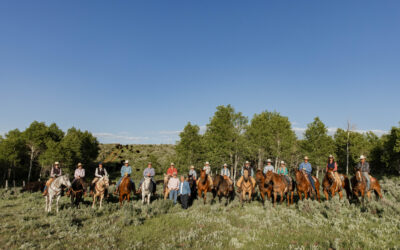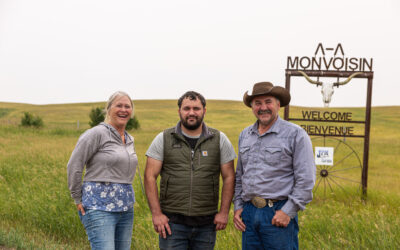
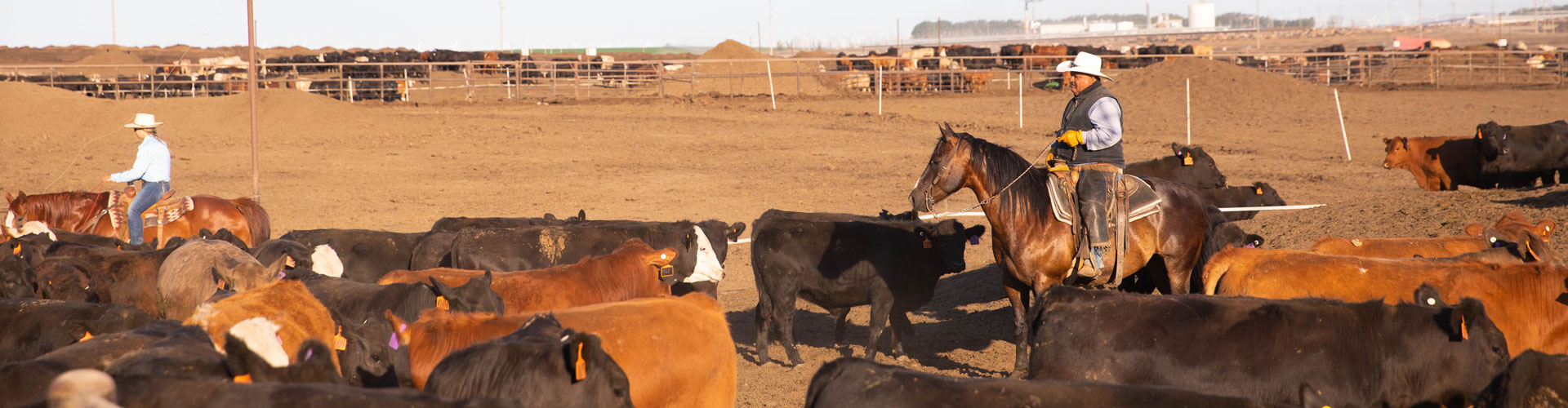
Beef NW pen riders

CAB names first-ever Sustainability Award honoree

Wilson Cattle Company & Beef Northwest cast a vision for the future of beef production

by Nicole Lane Erceg

Photos by Nicole Lane Erceg and Kylee Kohls

September 24, 2020

“No, I don’t have a background in agriculture. I just started here as an intern.”

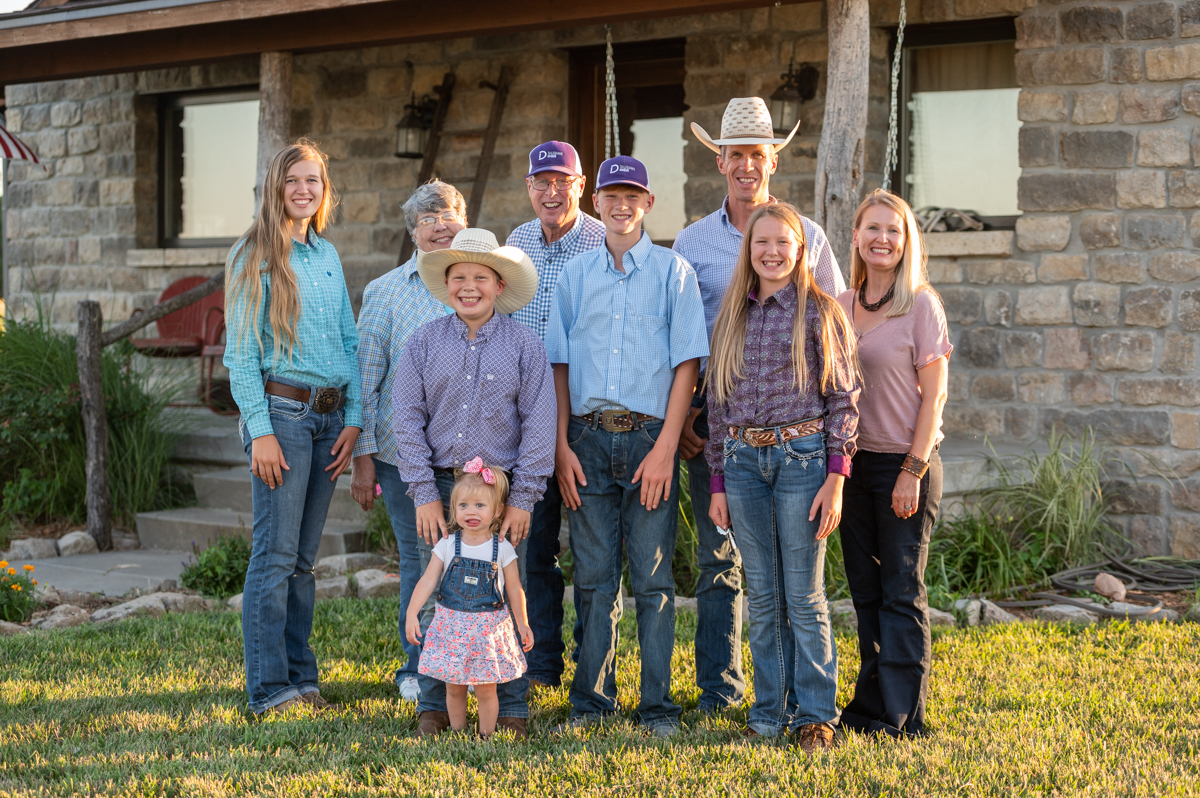
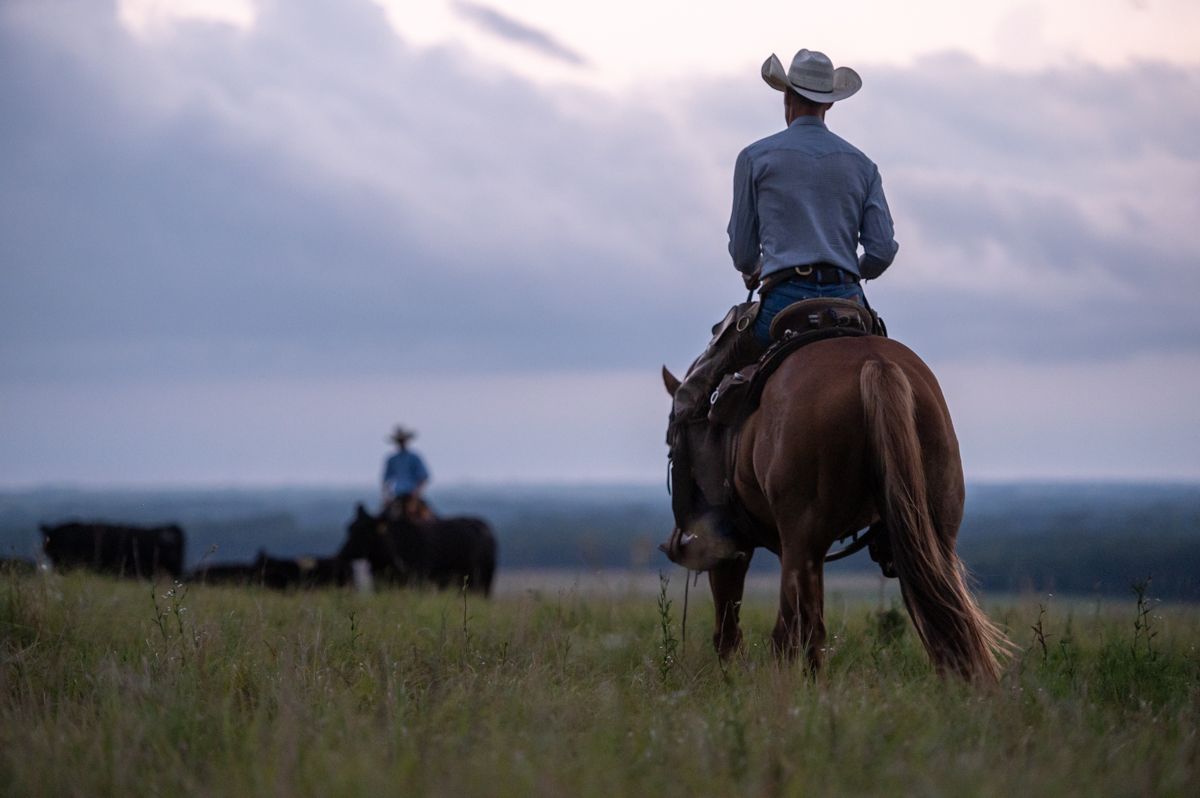
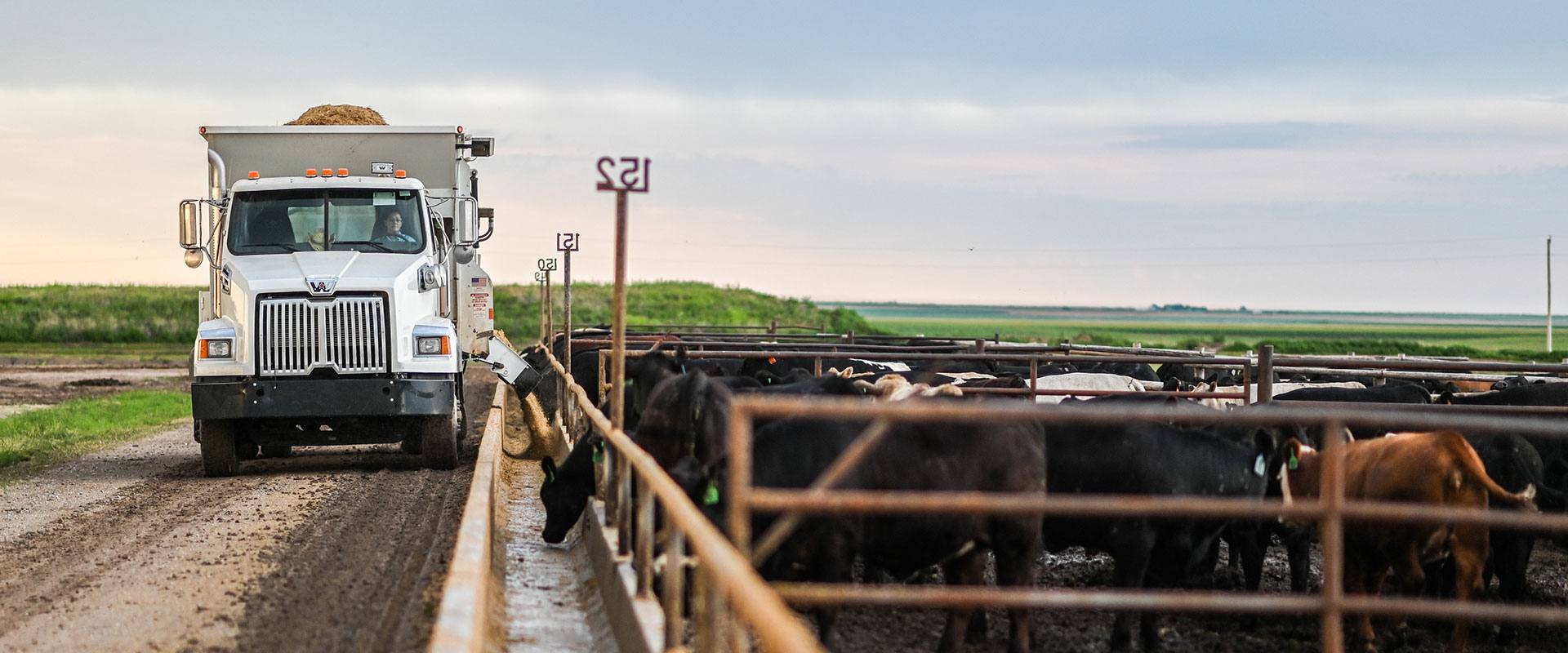
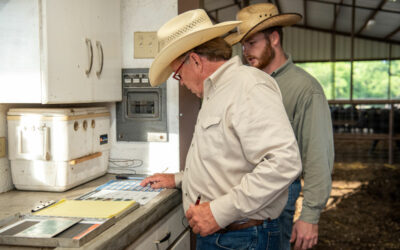
It’s a story told by many employed at the Pacific Northwest cattle feeding business. From the sixth-generation cattleman analyzing pasture data, to the yard manager at Quincy, Wash., to the pen rider monitoring cattle health in the Nyssa feedyard near the border of Idaho, people are the hub of this wheel.

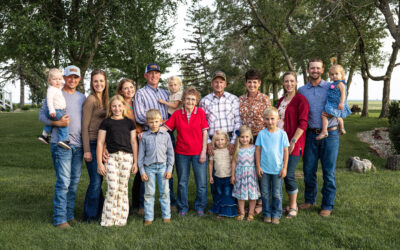
Together they care for more than 100,000 head in four locations, the other two at Hermiston and Boardman, Ore.

It sounds big, but feels small. The shared Beef Northwest and Wilson Cattle Company headquarters look like most other ranch offices. Dogs greet visitors at the door and the “parking lot” is a row of trucks positioned outside the working pens.

Cattle, of course, are a critical part of the equation. It’s their measurement of performance that determines success — rooted in the philosophy that one plus one should always equal more than two.

The two entities are halves of the same whole. One feeds, the other breeds and stocks a steady supply, ready to fill the pens as they empty. Wilson Cattle Company harvests the grass in Baker Valley while Beef Northwest, started by the fifth generation of Wilsons, finishes the cattle. It’s a symbiotic relationship, both dependent on each other — challenging even for those who serve inside to determine where one ends and the other begins.
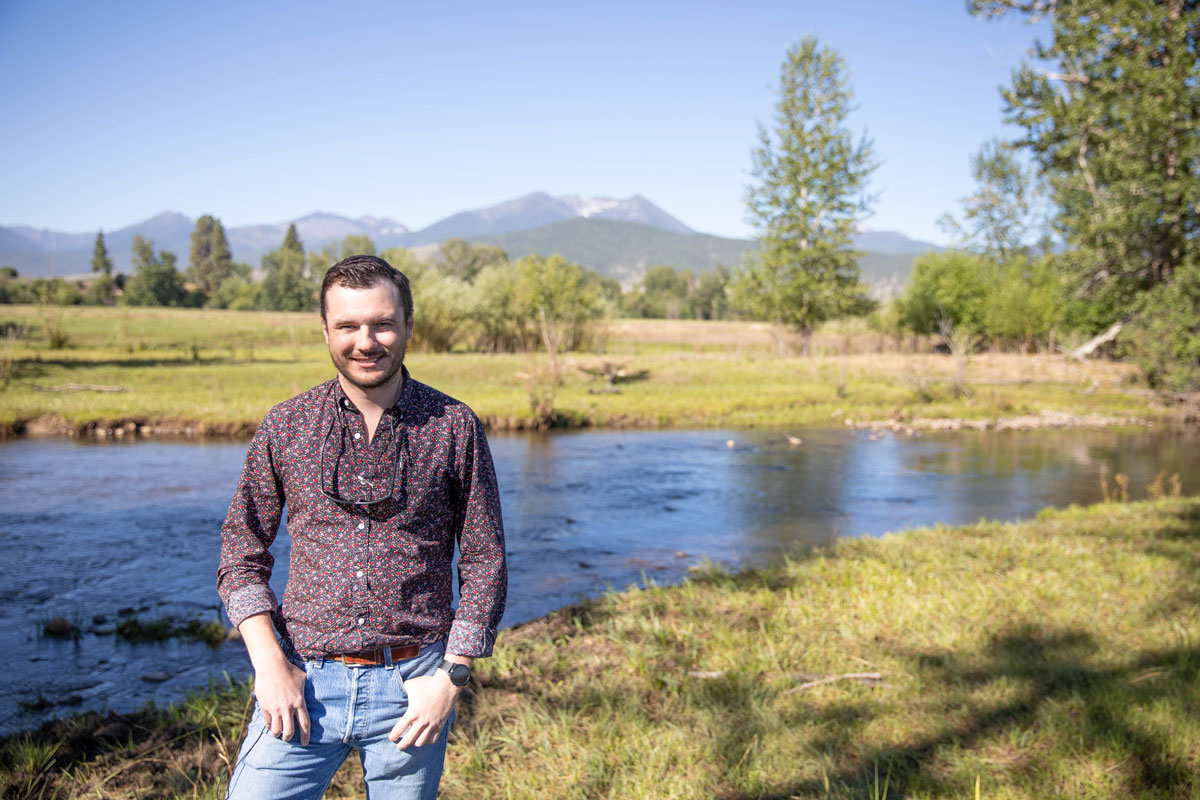
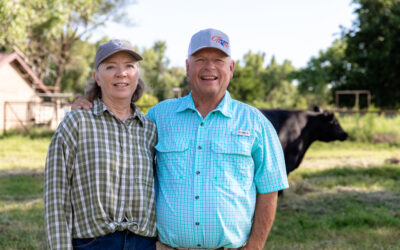
Zach Wilson

Wilson Cattle Company

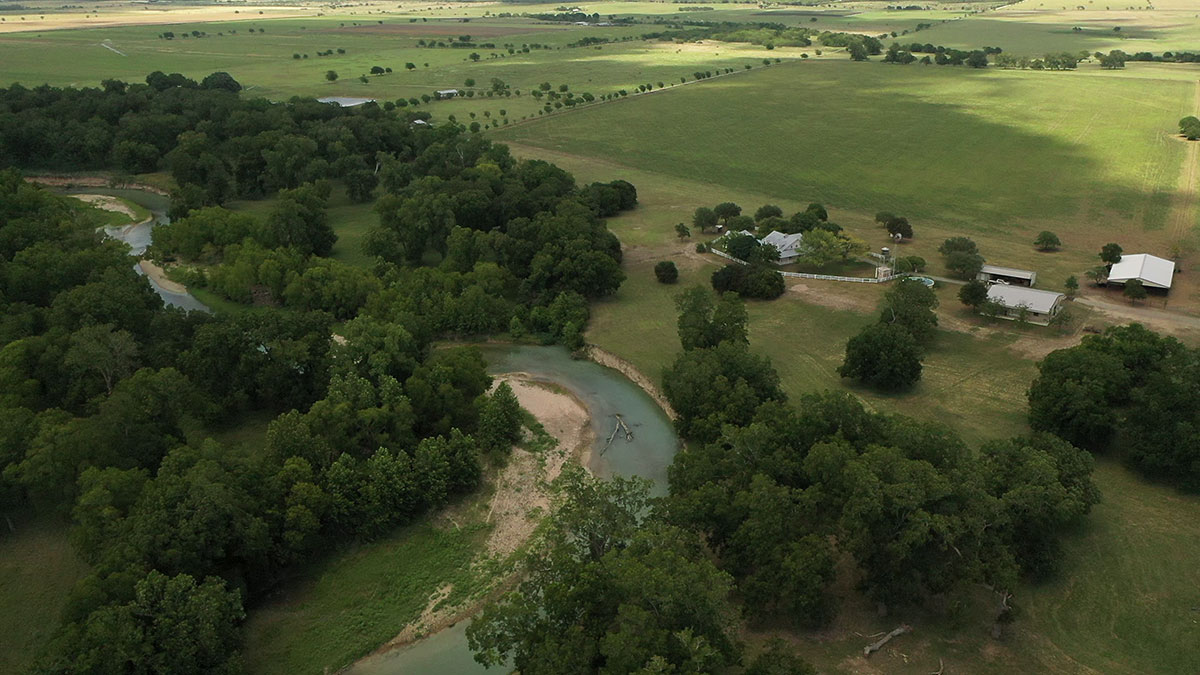
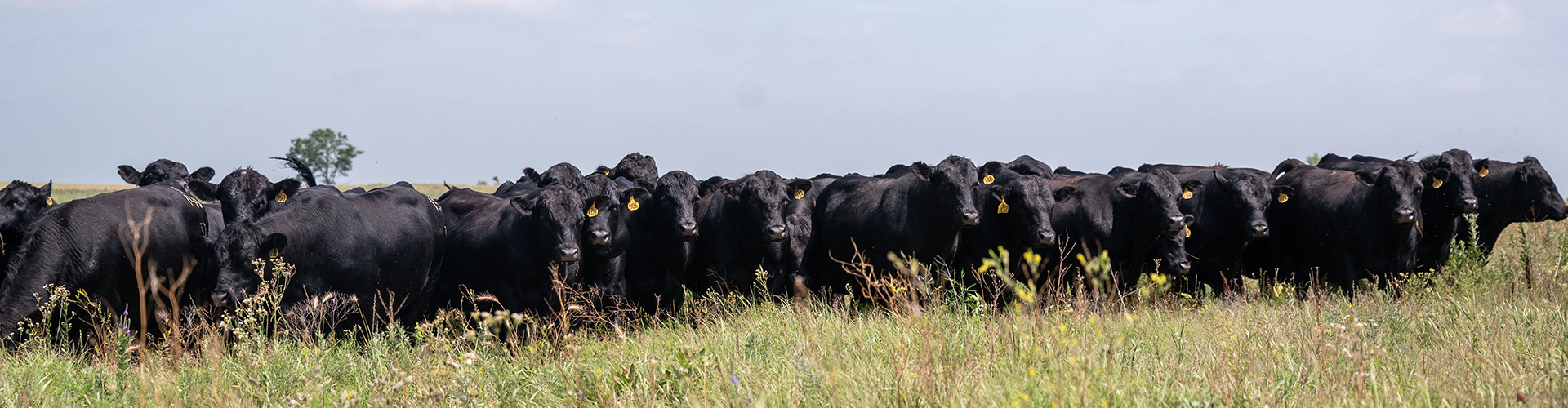
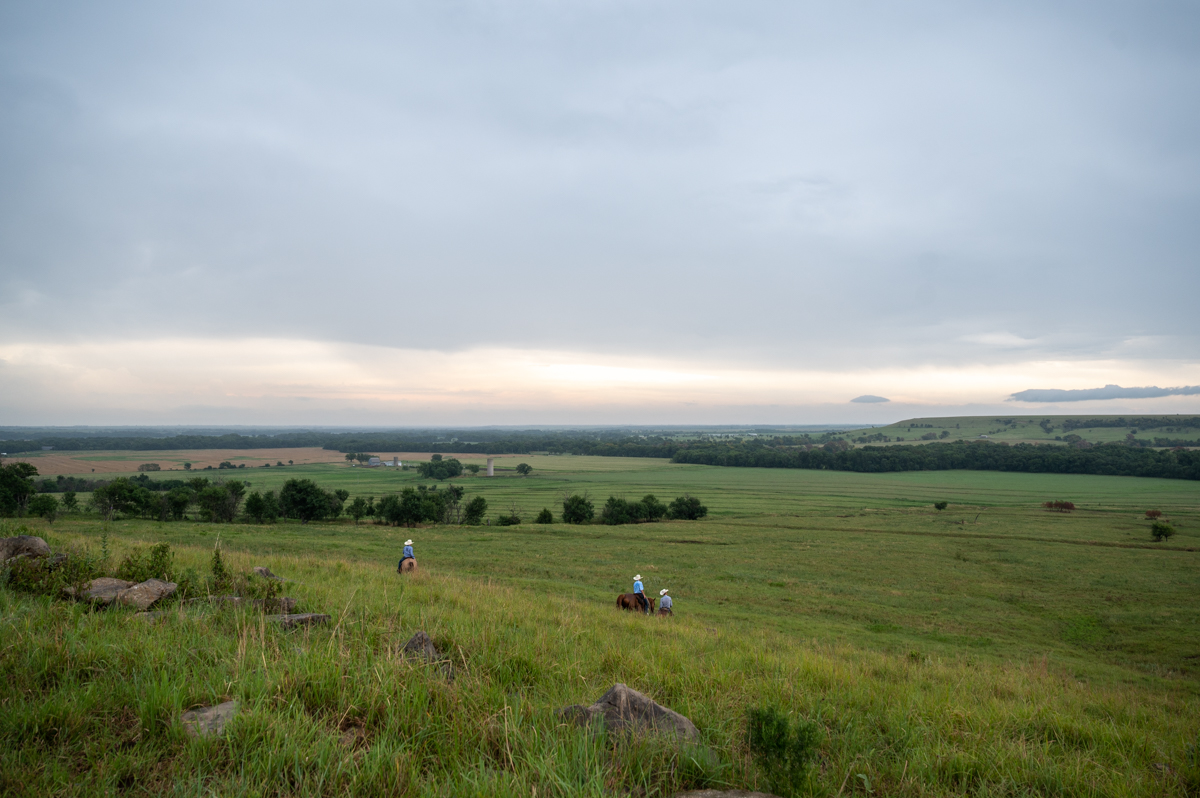
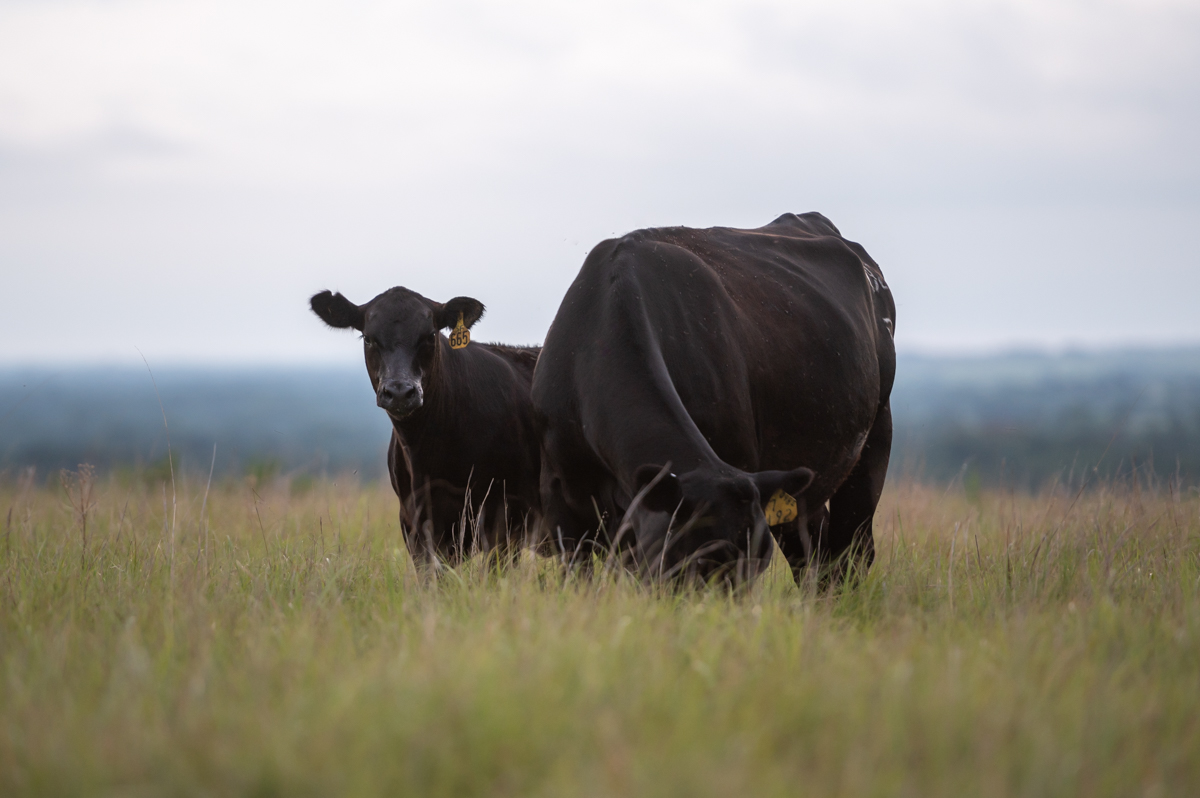
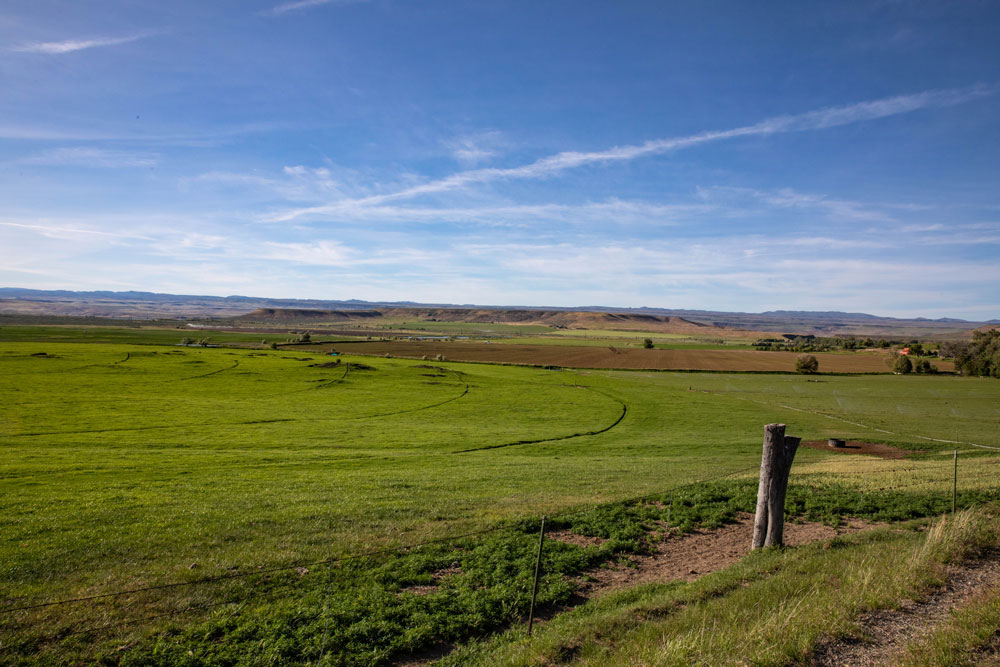
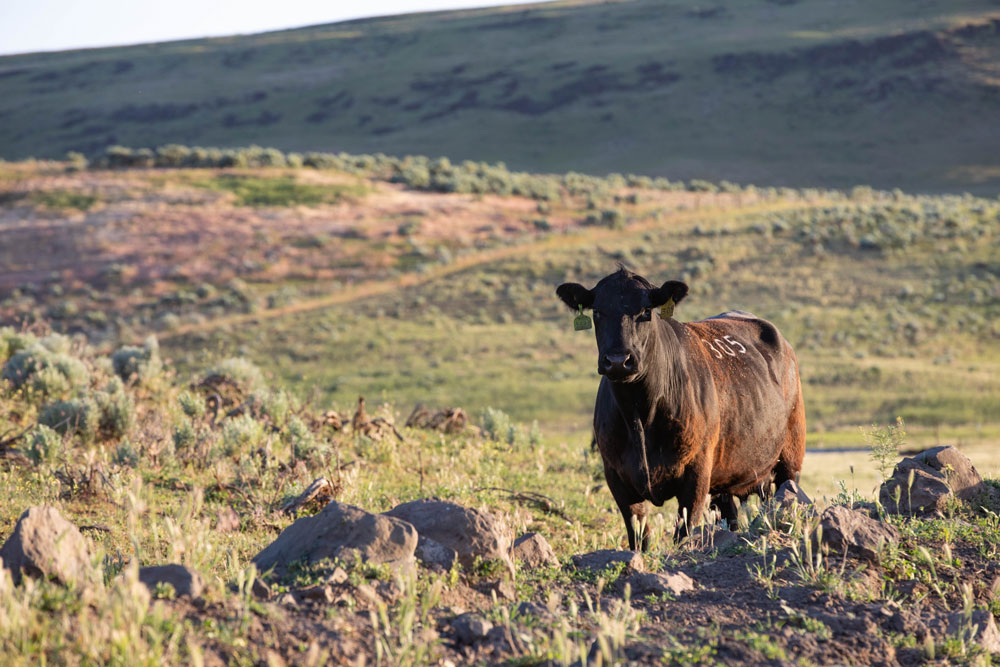
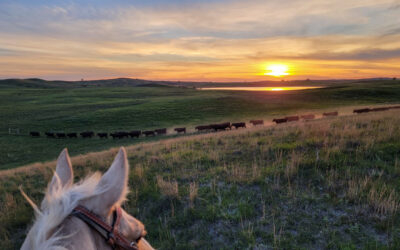
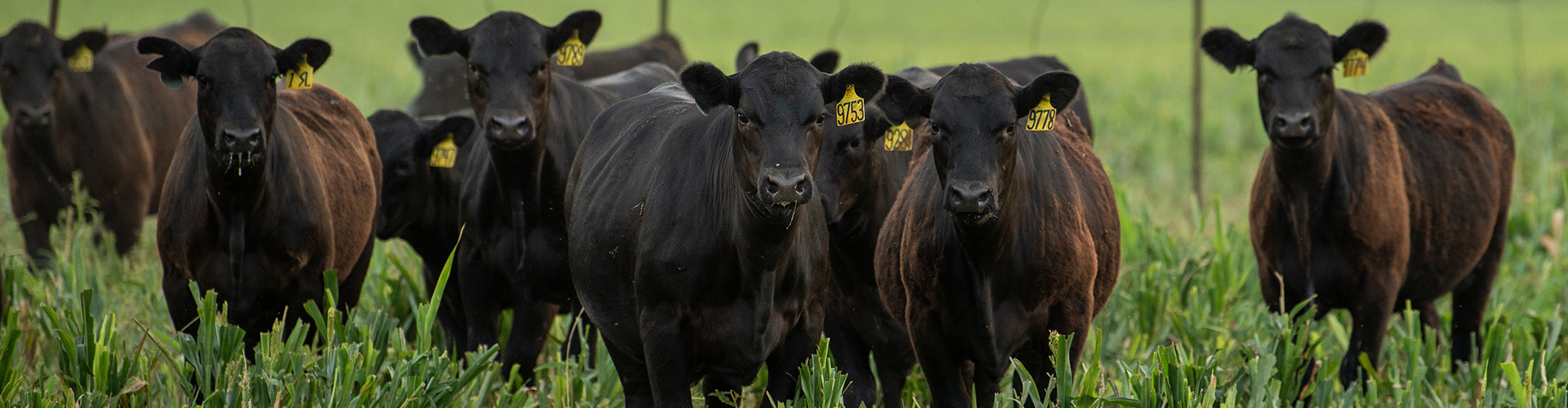
The ranch system is based on intensive rotational grazing combined with making the land the best habitat possible for more than the 2,000 Angus-based commercial cows and 12,000 stocker cattle that call it home.

“If it’s good for the little bugs in the soil, or the migratory birds or larger mammals like elk or deer, even rodents, it’s going to be good for the cattle,” Zach Wilson, sixth generation on the ranch, says. “If you treat it more as a holistic system, rather than simply inputs for the cattle, then you’re going to get better performance out of your cattle.”

It’s not, as Wilson would put it, “hippy woo-woo.” He has the data to prove it works, boiling down the economic input into gains and head-days in pasture.

“Our job is to work with Mother Nature,” he says. “She knows best. We try to figure out the best incentives for what is going to help her be her most productive self.”

It’s a high road that takes discipline.

“The ranch is like a muscle,” Wilson explains. “We’re working it out to make it stronger, just like we’d go to the gym and do pushups. It’s a living organism and it should be treated as such.”
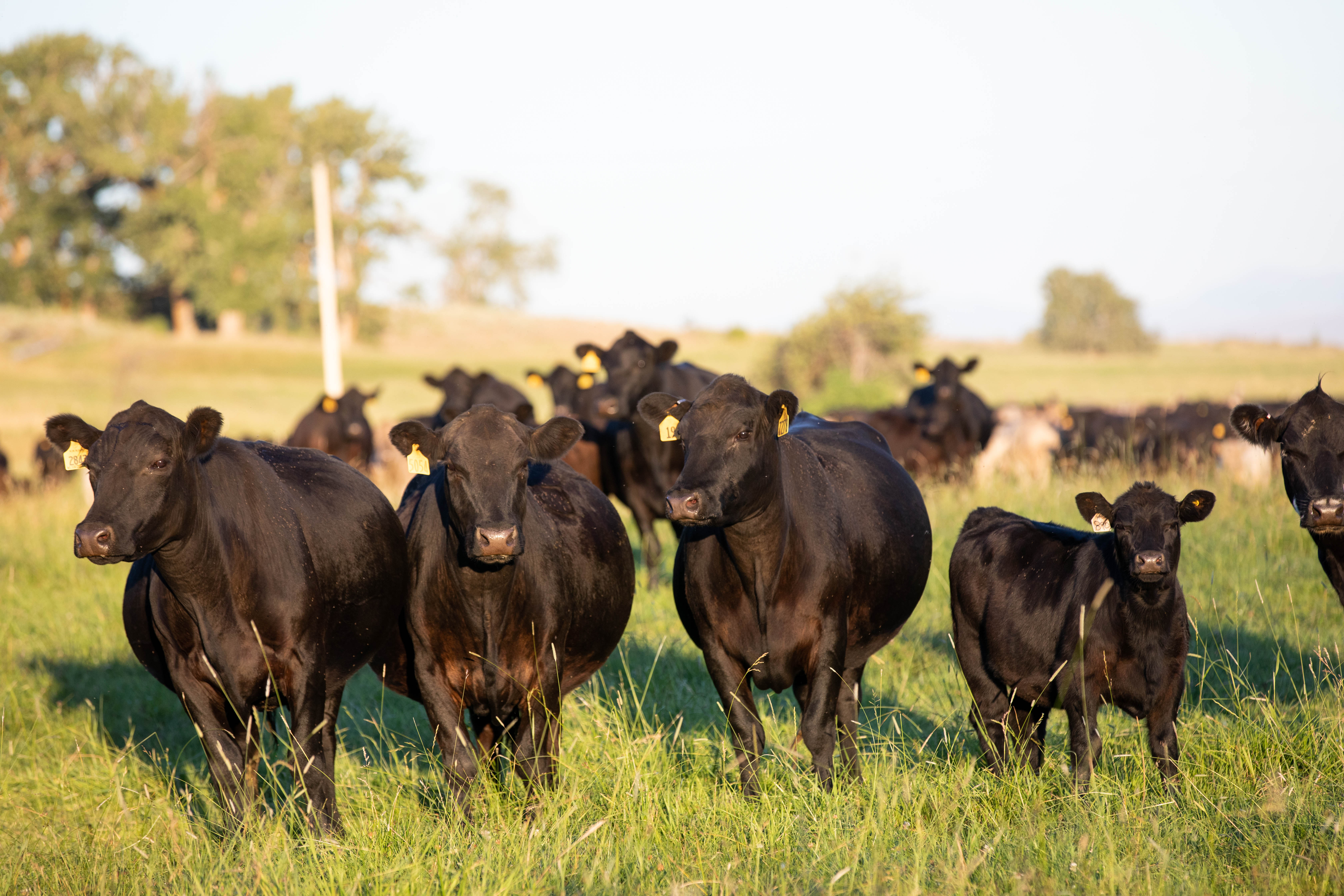
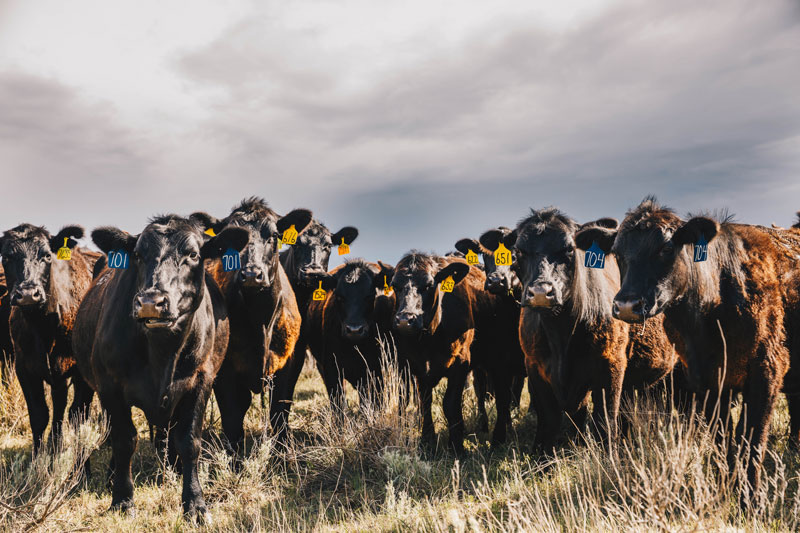
Angus commercial cows
Beef Northwest

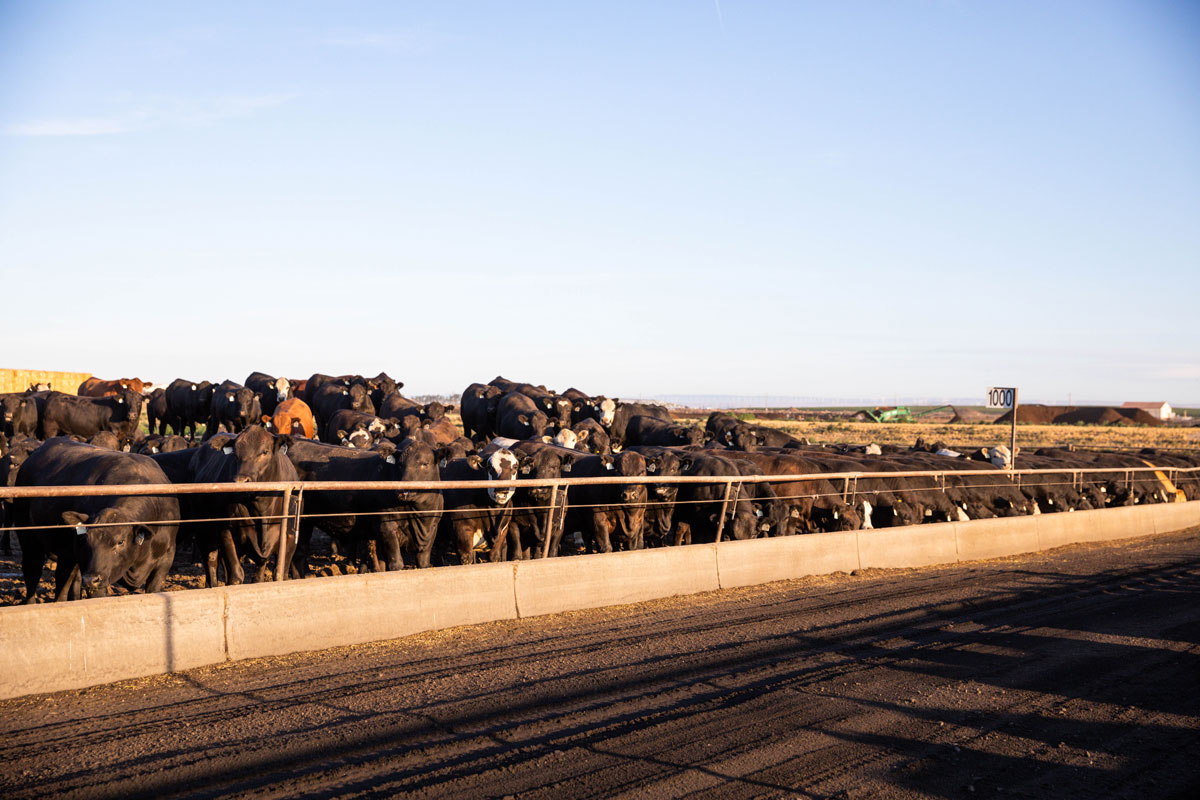
The Feedyard

Eastern Oregon isn’t known for cattle feeding. Far from the Corn Belt and High Plains, the model requires progressive thinkers who harness a resource the landscape does offer: potatoes.

The feeding facility sits just down the freeway from french-fry factories. Tater tots, fries and jojos that don’t make spec become the basis for a high-quality mixed ration.

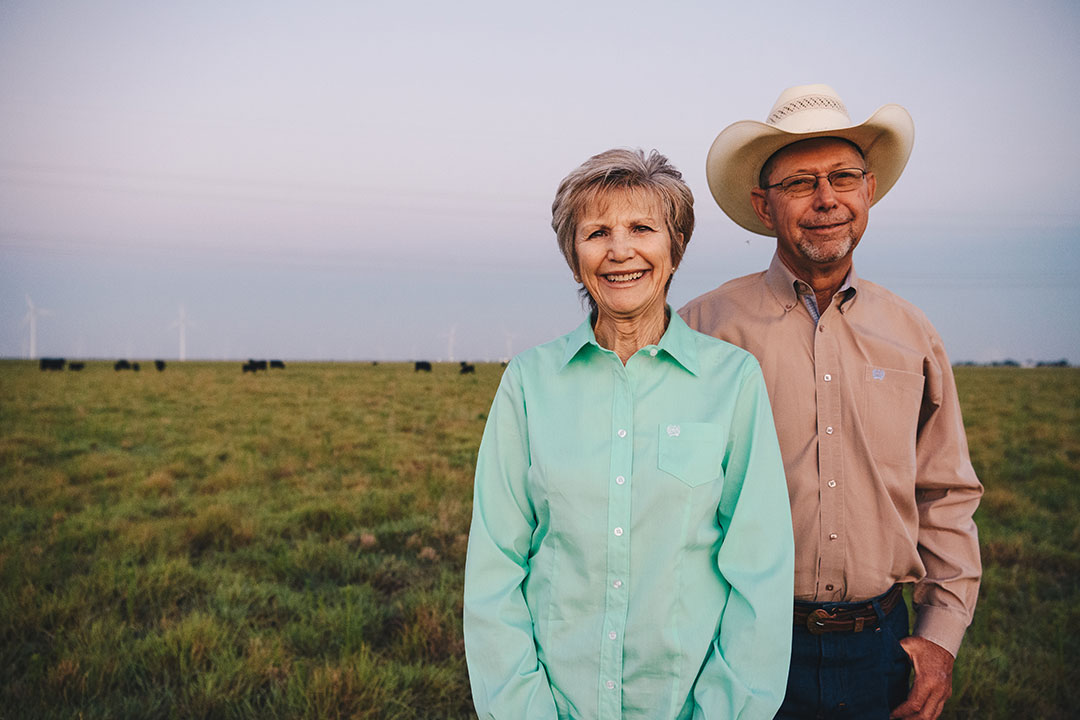
“If we weren’t here to utilize the potatoes, they would end up in a landfill,” Szasz explains. “That’s where they were going, prior to us being in the area.”

It’s in their DNA to look for opportunities to innovate around every corner. At the same time, the Beef Northwest team fiercely protects the best traditions of the past.

It’s cowboys and cutting-edge technology, a commitment to excellence in every chore. Quality cattle-feeding requires focus beyond the feed bunk, and they hold themselves accountable through Progressive Beef, a branded and audit-verified production system.

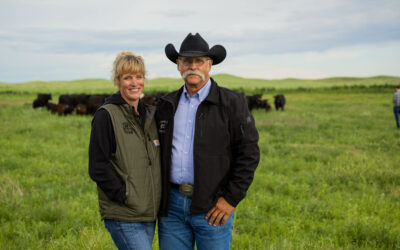
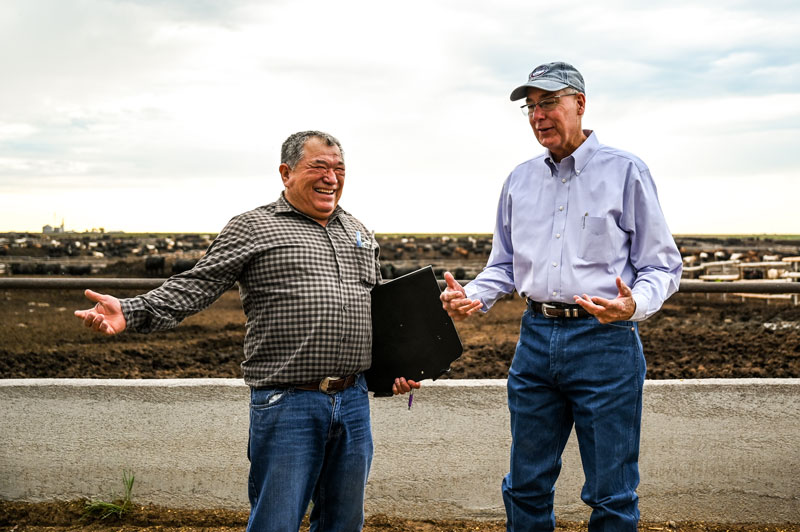
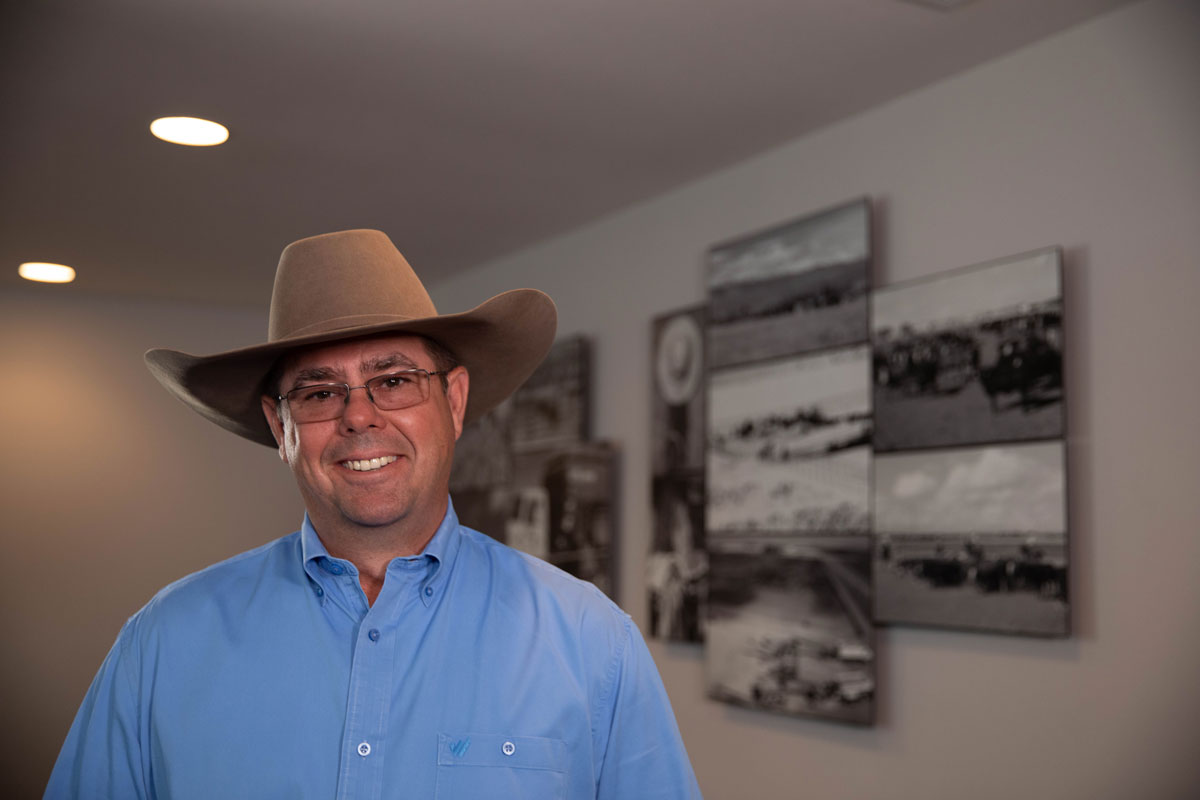
“I believe the quality of the beef that comes out of Beef Northwest is directly related to the quality of the people,” says Wes Killion, Chief Operating Officer. “It’s a window into the company that goes with every aspect, be it environmental stewardship, animal health, animal performance or consumer eating experience.”
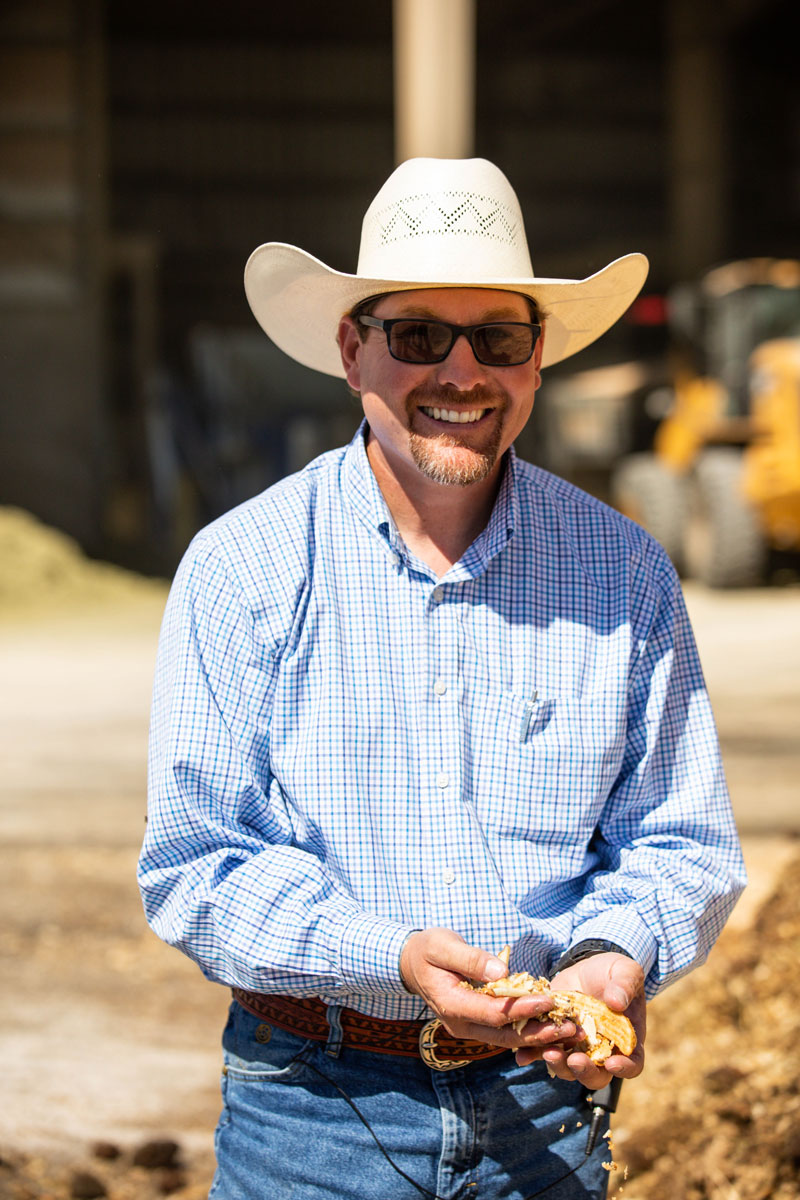
Szasz

Sustaining success

Sustainability was a mindset at Beef Northwest and Wilson Cattle Company long before the term became a buzzword, earning the sister organizations the first-ever Certified Angus Beef ® Sustainability Commitment to Excellence Award.

“The more we can take care of the environment, the better opportunity there is for a better outcome for the cattle, be it health or performance as well as quality,” Killion says. “All of those play a vital role. We want to be leaders and not followers on the environmental aspect of feeding.”

The ideal animal coming into the yard begins with quality genetics. Szasz is looking for an Angus-type, 750-pound steer that won’t have any health challenges.

 “It is something we truly value when we go out and procure cattle,” says Killion. “We’re always looking at cattle that would qualify for Certified Angus Beef premiums.”

Because sustainability includes a black bottom line.

“I think there’s a disconnect when people talk about sustainability, that it’s either profit or environmental improvement,” Wilson says. “It’s the exact opposite. To me it means working with the weather, the land, the people and the cattle. Letting nature and the environment tell us what to do because if you do that, then the bottom line will show you’re doing the right thing.”

Sustainability is a nebulous term, one so all-encompassing as to challenge grasp. In this corner of the world, though, it’s a clear, shared vision that the business is much bigger than any one individual. Each person’s commitment to consistent betterment in their area of ecology, cattle health, genetics, technology or people creates collective value.

Sustainability isn’t just about the end product, the ranch or the feedyard.

It’s everyone in between.

CAB recognized its 2020 honorees at the brand’s virtual annual conference on September 23 and 24.              


You may also like
Sustainability Cents

Sustainability Cents

Sustainability is an all-encompassing term for social, environmental and economic business needs. The popular, updated term describes many of the same best practices cattlemen have put to work for generations.
The Cattle Contribution

The Cattle Contribution

Rotationally grazing cattle is one of the best ways to manage the Prairie Pothole Region for waterfowl, for other ground nesting birds, for the general public, and for ranchers themselves, says Tanner Gue, a Ducks Unlimited biologist.
How to Face Evolving Demands

How to Face Evolving Demands

In the rapid changing space of sustainability, finding clarity on what to do is challenging. At the 2021 Feeding Quality Forum, Dr. Kim Stackhouse-Lawson offered insights on what can be expected of producers moving forward.
Langford, cab ambassador award

Langford earns CAB Ambassador Award

by Abbie Burnett

September 24, 2020

bodey langford, ambassador award

Two fishing cabins stood on the edge of the San Marcos river in 1919. Sixty years later Bodey Langford connected the two, as brick-by-brick, he built a home where he and Kathy would raise daughters Anna and Callie.

There on his late father’s ranch near Lockhart, Texas, he also built his herd with purpose.

Strong foundations of care and deeds imparted to future ranchers and education to non-ranch visitors earned Langford the 2020 Certified Angus Beef ® (CAB®) Ambassador Award. He was honored at the brand’s virtual annual conference this month. 

The foundation

He’s a fourth-generation rancher following the path his great-grandfather, grandfather, father and mother set before him.

“When I fed and sold feedlot cattle, it became very obvious that the industry was looking for Angus carcasses,” Langford said. “Not just black-hided carcasses, but Angus-sired. They were performing the best on the rail and the grids, and were the most profitable animal that I could raise and feed.”

A drought in 2008 led to dispersing his commercial herd and raising seedstock full time. He diversifies the Angus bulls to match a range of clients with one goal in mind: raise the quality of their herds to hopefully qualify for the Certified Angus Beef brand.

A pleasure

One of the first groups to visit Langford Cattle Co. was one of CAB’s largest restaurant chain partners: Saltgrass Steakhouse.

After several of those ranch days over the years, the Texas Beef Council got wind of what Langford was doing; now it regularly brings 300 to 500 visitors once or twice a year for events.

“I can’t even begin to count how many people we’ve had out here from foreign countries and other states and people that aren’t in the cattle business, but are recipients and marketers of our products, meat purveyors, restauranteurs and chefs – the sort of people that make our business work, that move product for us,” Langford said.

He’ll split them all into groups covering everything from animal health and data collection to urban sprawl and land management. The questions asked sometimes come from misunderstandings or media portrayals, but Langford said, “It’s a pleasure to me to be able to tell them the truth.”

bodey langford, san marcos river, ambassador award

Turning toward his home at the end of Isidora Trail, a large CAB logo-painted barn greets visitors. It reminds Langford of all the events he’s hosted and what the goal is.

“Certified Angus Beef is the most successful beef marketing program that’s ever existed in the world, and it’s the finest, most consistent beef product that’s available,” he said. “Why would I not want to promote that product?”

But when CAB’s Kara Lee called in 2018 with a request, it was a new challenge.

The brand’s Foodservice Leaders Summit was set for Austin in 2019 and they needed a ranch to visit.

“I really wanted to go to Bodey’s,” Lee said. “But the day we wanted to come was two days before his bull sale.”

She decided to call anyway and left the decision up to him. After proposing what they wanted to do, all she heard was silence on the other end of the line. Lee thought for sure a “no” was brewing.

“Oh, I think we can make it work. Can’t afford not to,” Langford finally replied.

It was this consistent sacrificial response that led to the honor of the CAB Ambassador Award.

“I wanted to do it,” he says. “It’s an opportunity to interact with people that need to hear our message and it’s good for business. So, yeah, I couldn’t afford not to.”

What’s in a legacy

One station on those ranch tours is the San Marcos riverbank, where Bodey explains ranchers do for the environment, along with challenges that come from urban growth many miles away. In 1988, that first home flooded for the first time. After three more ever higher floods, it sits condemned, home only to memories as the Langfords moved to a new home a little upriver on raised ground.

When the flood water comes, they’re surrounded, unable to leave their little island, and it’s getting closer.

Someday when the family’s gone from here and the ranch succumbs to urban sprawl, Bodey Langford’s legacy will reside in the hearts of those he touched.

Like the fellow ranchers who shared a laugh and heard some well-earned wisdom or the worldwide travelers who saw what it was to raise cattle and a family in south central Texas – the foundation Langford builds will outlast his handiwork. An ambassador to all.

CAB recognized its 2020 honorees at the brand’s virtual annual conference on September 23 and 24.

You may also like

Producers Can Influence Sustainability

Producers Can Influence Sustainability

Sustainability is a new target for producers. While there are no plans to meet these goals yet, there is interest in how cattle can be part of the solution. It comes down to the adage, “trust but verify,” and verification will need to come from those raising beef.

Sustainability Cents

Sustainability Cents

Sustainability is an all-encompassing term for social, environmental and economic business needs. The popular, updated term describes many of the same best practices cattlemen have put to work for generations.

The Cattle Contribution

The Cattle Contribution

Rotationally grazing cattle is one of the best ways to manage the Prairie Pothole Region for waterfowl, for other ground nesting birds, for the general public, and for ranchers themselves, says Tanner Gue, a Ducks Unlimited biologist.

dalebanks, perrier, seedstock commitment to excellence award

Dalebanks Angus earns CAB seedstock honors

by Miranda Reiman

September 24, 2020

Doing right by their customers means raising the best cattle they can. For the Perrier family of Eureka, Kansas, that’s a philosophy, business model and family code all wrapped into one.

Matt, Amy and their children, along with his parents Tom and Carolyn Perrier operate Dalebanks Angus. The designation traces back to ancestors who kept a bit of their English heritage alive with their farm name when they settled the Kansas plains.

“Our breeding philosophies are generations deep,” Matt Perrier says. His great-grandpa saw these “unique” cattle at the American Royal in 1903, and brought the first Angus to their ranch the next year. Then his grandpa crafted a simple phrase, which the family has further distilled to the tagline for their whole program: “Practical, profitable genetics.”

The Perriers say strength in their customers’ bottom line means strength in their own, and profitability has to happen at every step along the beef chain.

Dalebanks Angus recently earned the 2020 Seedstock Commitment to Excellence Award from the Certified Angus Beef ® (CAB®) brand.​

dalebank angus, perrier, cc2e seedstock

Always improving

As a boy, Perrier remembers concerns with lower beef demand and a fledgling high-quality Angus beef brand. Anyone who thought CAB was a real target?

“They got laughed at,” he says. “When I see that logo, I see folks who believed there was a reason to breed cattle that met consumers’ demand. I see folks who shrugged their shoulders and said, ‘I don’t care that the rest of the industry is telling us to go the exact opposite way.’”

Yet, it took an entire shift in the industry before it made sense to everyone.

“We needed a way for cattle—that were more desirable for our consumer—to get rewarded for that kind of production. It wasn’t happening in the ’80s and early ’90s,” his father says. “Now it has accomplished what it set out to do…and I’m glad that we’ve been a little part of that.”

It’s one of the reasons his son carries on the tradition of keeping cattle consistent, moderate in size and balanced for all traits, while making improvements on multiple fronts.

dalebank angus, perrier, cc2e seedstock

“We know we could breed cattle that are fancier, but we also know through the centuries, our customers have looked to us, not just for prettier cattle or cattle that excel in one trait, but that are profitable for them,” Perrier says.

The sale book is full of cattle that bear the Targeting the Brand logo, signifying bulls with a higher likelihood of siring calves that reach 50% CAB brand acceptance or better. The 2019 book featured 109 bulls with the mark, or 73% of their offering.

“Hopefully that proves, even though we breed for bulls and females that are of exceptional maternal value, we’re making simultaneous improvement in both of those areas,” he says.

Perrier spent seven years as a Regional Manager and later Director of Commercial Programs for the American Angus Association and Tom served on the board in the ’80s—they both know programs only work with participants and advancements in breed only happen when the data informs tools.

“We still have to recognize that Mother Nature and the environment we’re in is either a pretty powerful ally or enemy,” Perrier says. “If we try to use technology and overcome her completely and feed our way out of ‘problem cattle’ to cover up an issue in the genetics that should have been allowed to show, then we get ourselves in trouble.”

So he’s honest with himself and the cattle are honest with him. They learn to walk to water and travel on the rocks and hills, or they don’t stay.

dalebank angus, perrier, cc2e seedstock

But the family that came back to the ranch? They’re here for the long haul.

“I watched my mom and dad fight through the ’80s and keep the thing together. I heard stories about my grandmother and others in the family keeping it together though the Depression and a couple of world wars and everything else,” Perrier says. “There was a certain amount of duty that I felt, that I had to make sure it didn’t end with my generation.”

Ava was a baby when they made the move back home. Now 17, she’s a big help on the ranch, along with her siblings Lyle (14), Hannah (11), Henry (9) and Hope (1½).

There’s plenty of opportunities for teaching and observing, both technical skill and the value of hard work. It’s proven a great place to learn about life.

“We try to be constant learners and get better every day in whatever we’re doing. With our faith, with our sports and activities, with our school and learning and with our work around here,” Perrier says. “We try to make ourselves and those around us better every day.”

CAB recognized its 2020 honorees at the brand’s virtual annual conference on September 23 and 24.

You may also like

A Means to an End

A Means to an End

For Willis Ranch, the best Angus cattle thrive in the high desert and produce calves that can become productive replacement females or high-quality carcasses. Every year, calves are better because of their investment in tools like GeneMax and AngusLink. But behind it all is one man’s perfectionist mindset that keeps the entire family moving in the same direction.

Data-Driven Progress and Partnerships

Data-Driven Progress and Partnerships

Discussions at Feeding Quality Forum reaffirmed the industry’s commitment to quality, transparency and innovation. With record Prime rates and strong consumer demand, producers who invest in genetics, health and relationships are positioned to drive progress and capture premiums.

Cultivated curiosity

Matsushima’s “good things” a lasting legacy for cattle feeding

By: Abbie Burnett

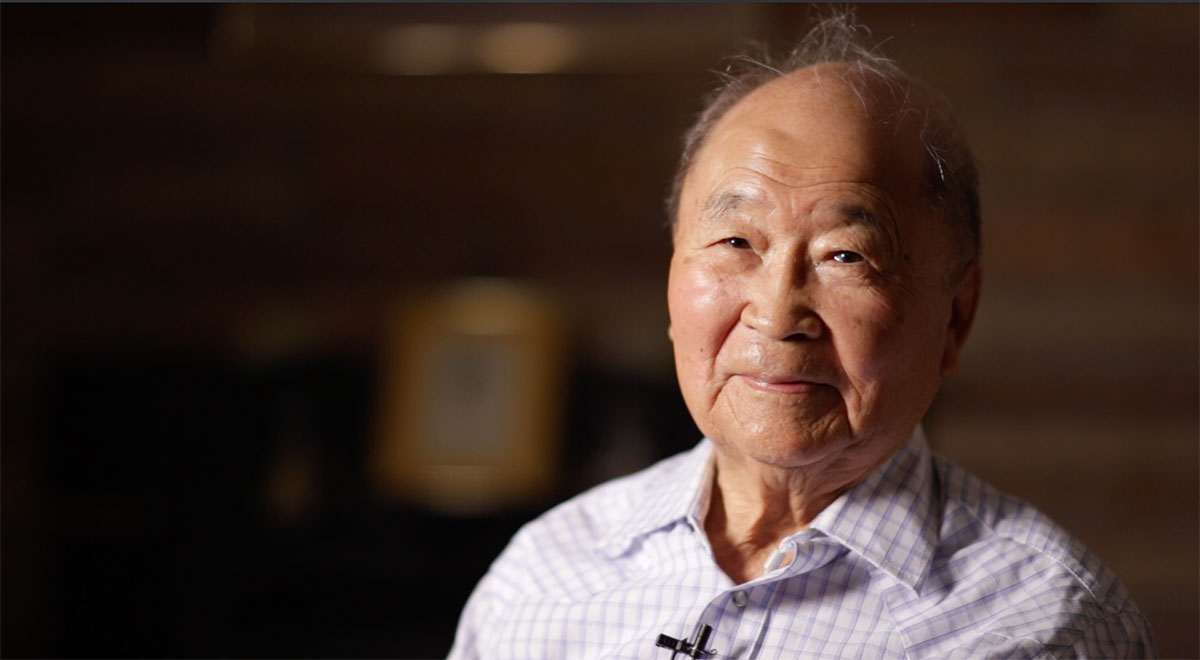
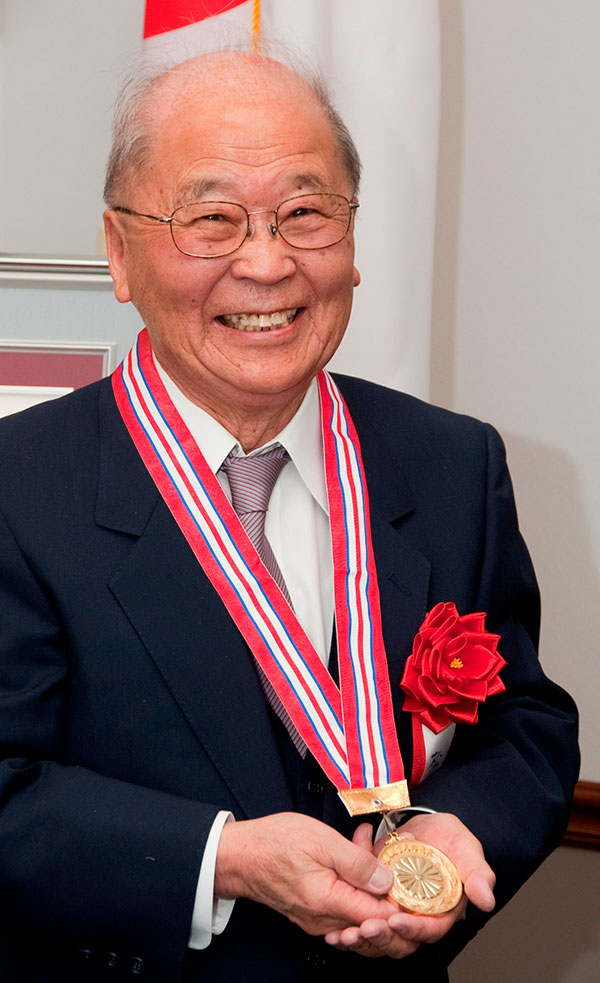
“Learn the good things, forget the bad things.” That’s 99-year-old John Matsushima’s advice for living a good life.

You can see it in his face, too.

The wrinkles permanently creased are born not of age, but a century of laughter and remembering the good times.

Japanese-American heritage did not always make it easy, but you won’t often hear him talk about it. Instead, he focuses on the people he’s worked with – colleagues, peers and graduate students – as the secret to his success. This year’s Feeding Quality Forum Industry Achievement Award is one of many accolades in the last decade. What he’s provided to the industry is incalculable, the impact on lives immeasurable.

It started with curiosity piqued at his father purchasing 10 heifers and one bull at the Denver Union Stockyards: “I always thought, how can cattle eat green grass and then produce red meat?”

The boy enrolled in 4-H and Future Farmers of America and soon won a cattle feeding contest. Two subsequent scholarships paid his way to Colorado State University (Colorado A&M at the time) to receive his bachelor’s and master’s degrees.

While conducting research for his doctorate at the University of Nebraska, Matsushima caught the attention of the Monfort family when he thought up one of the biggest contributions to the feeding industry to date: the steam corn flaker.

“We were having breakfast one morning, and instead of bacon and eggs, we were having cereal,” he recalls. “And it came to my mind, maybe what we ought to do is feed cattle a warm breakfast.”

Matsushima knew how cattle were unique. “You’re usually feeding the bacteria instead of the animal.”

Changing the starch composition through steam flaking and then pressing the corn makes easier access for rumen bacteria.

That revolution lowered costs for the feeder, and in turn, the beef consumer.

“By improving the feed efficiency, you can trace this back to the economy,” Matsushima says. “So today, the consumer can buy their beef almost 10% cheaper than before.”

Steam flaking was the tip of the iceberg for Matsushima. Monfort and other early feeding greats convinced him to move back to Colorado State, where he taught and researched even more.

When he noticed scours tormenting young calves, he tried antibiotics, which practically eliminated the problem. What’s even better, he followed those calves through to the packing plant and discovered they had no abscessed livers.

 Matsushima made everything better for feedyard cattle, from curtailing foot rot with extended concrete aprons at bunks to creating a baked “feed grade” urea, and incorporating higher roughage to grain rations.

When cattle feeding started, the consensus called for very long periods on feed to utilize surplus grain. As Matsushima discovered, this added surplus fat to beef carcasses. So the National Western Stock Show (NWSS) Fed Beef Contest was born.

“After the animals were slaughtered, we took the carcasses and put them in a showcase,” Matsushima says. “And that really surprised the people who came to visit the stock show.”

He remained superintendent of the contest for 20 years, just one of many steps the scientist took to improve beef quality in the feeding industry.

With great work done in the States, he also made quite the impression globally.

Matsushima helped develop the first feedyard in Africa and consulted in countries like Germany, Australia and China. But perhaps his biggest international acclaim was in Japan.

What started as an invitation to speak at a conference in Tokyo blossomed into a warm relationship.

Matsushima knew Japan cut their carcasses between the 5th and 6th rib, where marbling started from the front, so he provided a little bit of advice.

“I told them, ‘Well, if you buy carcasses from the U.S., you would be paying for the carcasses on the basis of the 12th and 13th rib, so when they get to Japan, you would find that U.S. Choice carcasses would probably grade a little higher.’ That would be a profit for the Japanese distributors.”

That opened their eyes.

Today, beef exports to Japan average more than $2 billion a year. For his efforts over time, The U.S. scientist received the Japanese Emperor award in 2009 at its highest level, the Emperor Citation.

While these accomplishments and their industry impacts are vast, Matsushima is more proud of his work as a professor, particularly when it comes to his students.

“They would always ask curious questions,” he says. “They helped me a great deal. That was one of the research highlights of my career, in teaching.”

One student asked when a steer will quit gaining 2.5 pounds a day. Matsushima didn’t know – so they found out.

In all, he fostered discovery in more than 10,000 students and 55 graduate students, the latter helping to conduct the NWSS Fed Beef Contest and participating in his research projects.

One of those graduate students was longtime Elanco ruminant nutritionist Scott Laudert, who recalls Matsushima’s work ethic.

“He was always early to get into the office. When I was a grad student, he would be out at the feedyard early in the morning,” Laudert says. “It wasn’t uncommon for him to be out there at 4:30 or five o’clock. He would read the bunks and do the paperwork for the cattle feeders to make their morning and afternoon feeds.”

Since Matsushima taught him how to read bunks, he had to meet him at the feedyard about five o’clock every morning – daylight or darkness, rain or shine.

“He was just an exceptional teacher in that he’d take someone under his wing and teach them all they needed to know,” he says. “And if they were able to perform, he’s just let them take off on their own.”

Matsushima would encourage the same bond among his graduate students that he developed individually.

“He’s always tried to bring us together, to gather his former students at scientific meetings and whatnot,” Laudert says. “I know that I and many, many of his graduate students very much appreciate everything that he’s done for us. He’s well deserving of this award.”

Matsushima doesn’t see these awards as recognition for himself, but of the people around him.

“You know, people don’t receive credit for what they’ve done themselves,” he says. “They’ve had other people help them, and that’s true with me. There were good friends and good family – they all supported me. And there’s been a number of good livestock leaders, good teachers, good students. They all helped me.”
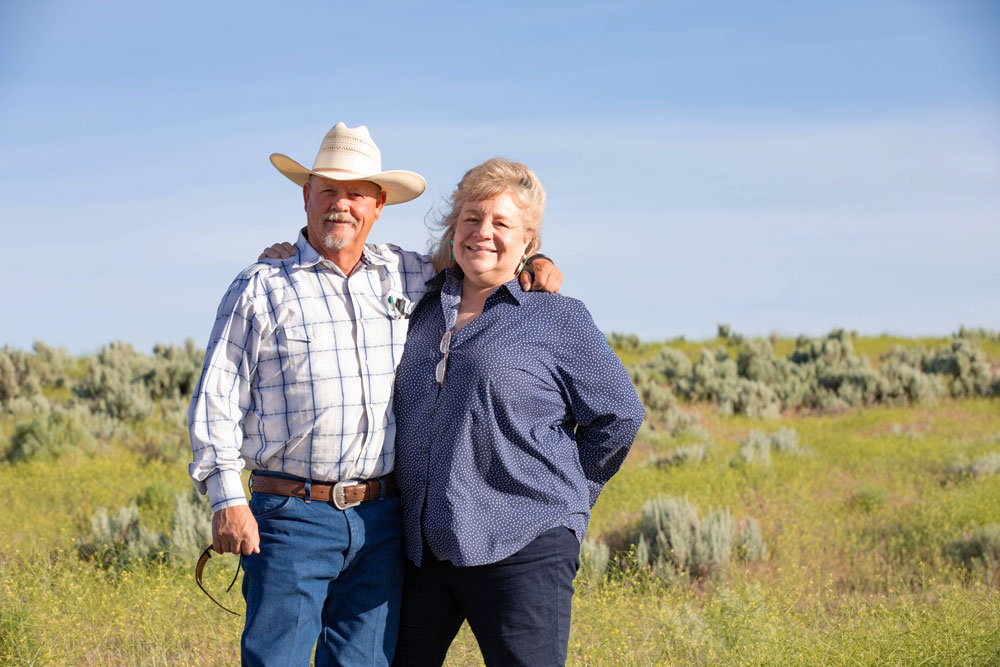
That support team included his late wife, Dorothy, two children Bob and Nancy, and four grandchildren.

“What I’m most proud of,” says Matsushima, “is my family. And I’m proud I’m an American citizen.”

Learn the good. Forget the bad. A life well lived by any standard.

Originally ran in the Angus Journal.

You May Also Like…

Purpose Follows Passion

Purpose Follows Passion

A chance opportunity. A change in career direction. And meat science was changed forever. Dr. Gary Smith originally had no plans to become a meat scientist. But thank goodness he did.

CAB Sets Sales Records, Sees Historically High Brand Acceptance Rates

CAB Sets Sales Records, Sees Historically High Brand Acceptance Rates

In an otherwise tough time in the beef business, sales and supply records have been a bright spot. The positive numbers mean that quality beef production has not let up, and beef demand is holding. Consumers have proven the value proposition: the good stuff is worth a little more money, for a better eating experience.

Feeding Quality Forum Dates Set Earlier in August

Feeding Quality Forum Dates Set Earlier in August

When you’re feeding cattle, it counts to keep track of every calf, pound and dollar. Beyond the event’s educational sessions, networking between segments of the beef supply chain is invaluable—from feeders and cow-calf operators to allied industry and university researchers.

VanStavern’s legacy as helper

Like Christopher Columbus among flat-worlders

By: Laura Conaway

For beauty I am not a star;

There are others more handsome by far.

But my face, I don’t mind it,

For I am behind it

—It’s the people in front that I jar.

With a camera in his face and another to the side, Bobby “Dr. Bob” VanStavern kicked off a 2019 interview with a limerick. To everyone who crossed his path, the Ohio State University professor showed a face of kind helpfulness with a dose of self-deprecation.

The Buckeye meat science legend, friend and family man passed away February 21 at 90.

In 1976, the Extension emeritus professor welcomed Mick Colvin through his door to discuss plans for a brand that could build on the natural advantages of the Angus breed.

The rest is legendary within the Certified Angus Beef ® brand community born from that conversation.

Colvin wanted to talk about specifications that day, when VanStavern famously quipped, “We don’t need to talk, I got ’em right here in the drawer.”

The bottom-right desk drawer to be exact, drawn from 20 years of collected research data he’d referenced in presentations with conclusions he wholeheartedly shared with the cattle and beef industries.

“It was my job to share them. To teach. To help,” he often said.

Time would show his success. Those original specifications became the backbone of the world’s leading beef brand.

VanStavern wouldn’t make much of any praise for his role or where it led, like worldwide acceptance of his product specifications or a brand that relies on them to market more than a billion pounds a year. He would just deflect with some device like that poem.

Dr. Bob didn’t see himself as a pioneer, rather a vessel to help others and celebrate their victories.

The people’s champion

Perhaps it was his upbringing, losing his mother at age 4 to be raised on his grandparents’ West Virginia farm and educated in a one-room schoolhouse. Maybe it was his time as a captain in the U.S. Air Force.

Wherever that confidently able but humble helper came from, CAB President John Stika says he’ll be sure to pass it along to his own growing boys.

“Define your success in life by how much success you create for others,” he says. “That’s a goal I think we should all try to emulate. As an educator, through his contribution to the brand, think of how many people he brought with him and the pride he took in their notoriety before his own.”

VanStavern emanated goodness and wholesomeness, Stika says, not just in food specifications, but in life.

You might remember the PhD by those CAB specs or the “Science Behind the Sizzle” presentation he created to introduce the brand to thousands.

Stika says he’ll remember the proper way to live a caring, giving life. Care about quality product, but more importantly, just care about being around quality people.

“That’s who he was,” Stika says.

A champion of others, a listening ear, an unwavering rock, yet a jokester and warm presence, VanStavern was a trendsetter of goodness.

Mick Colvin, retired cofounder of the brand remembers a man with grit who was a great golfer and an even better friend.

“Dr. Bob, to me, was a person who was always there,” Colvin says. Of those early, dismissive rejection letters, he said he’d look to VanStavern to hear him say, “Well, at least we know where he stands.” Then they would move on to the next prospect.

“I could count on him, even if it was to remind me, ‘If it was easy, Colvin, someone would have done it a long time ago.’”

They were a team that VanStavern once said, “didn’t know it couldn’t be done.” So they just did it.

Jim Riemann, Colvin’s successor as CAB president, recalls his first impression of VanStavern at a late-1970s meats conference. The moment coincided with Riemann’s first introduction to the brand idea.

“Dr. Bob was presenting the CAB brand to attendees, many of whom were prominent professors, university meat scientists and government officials actively involved in different campaigns in the cattle industry, explaining why those specifications were so important,” Riemann says, “and they just really went at him hard. They said this is absolutely the opposite direction of where the industry should be headed.”

What stood out most to Riemann? “He just would not bend.”

He stood firm and defended those specifications saying, “Folks this is what we need to be delivering to consumers and this is the direction that we need to go, and this brand is going to work.”

More than four decades later, Riemann recalls the air in the room and the stance of the man who could not be shaken.


Then and now

“He was on an island,” Stika says of his old friend in those early days. “It’s easy to read the Angus Journal today and say, ‘Well, it’s not that impressive to set a marbling spec at Modest 0.’ But go back 42 years ago and appreciate how visionary that was.”

The 1970s saw a strong push toward lean, Continental-type cattle, a fear of fat and little appreciation for taste in a time when packers paid a flat rate regardless of quality.

VanStavern had data that suggested consumers wanted more, that marbling mattered.

“It’s like Christopher Columbus among people who thought the world was flat,” Stika surmises. “That’s how I think of Dr. Bob. When a big portion of the population thought the world was flat, Dr. Bob didn’t.”

When everyone else finally saw the land, VanStavern wasn’t one to point out his foresight.

Riemann says, “His stature within the industry and academic world was huge, but he never ever wore that on his shoulder.” Rather, he recalls watching and later working with an extremely humble man, respectful of others and always willing to help, only giving advice when asked.

Nobody would dispute the accomplishments now: he helped change the beef industry for the better.

Some reputations rise above the rest, especially when accolades others bestow on them gain universal acceptance.

Still, as Dr. Bob said in that February 2019 interview, “It’s not about me. It’s about the staff, the leadership and the participants in the program, particularly including those good ole breeders who’ve stood up. It wouldn’t work without them. I just think about that [CAB] program and thank God I was fortunate to be a part of it.”

The man will be remembered as teacher, Sue’s husband of nearly 67 years, Tom and Jan’s father and his grandchildren’s grandpa. As the guy who threw “by golly, my goodness and gee whiz” into modern conversation and made it sound just right. As a man who made others feel lifted high.

Editor’s note: Laura Conaway is a freelance writer from DeLeon Springs, Fla.

Originally ran in the Angus Journal.

You May Also Like…

Tracking Premiums to the Source

Tracking Premiums to the Source

Certified Angus Beef faced the same challenges in the formative years, as the first branded beef label set out to garner specification-based premiums in a market where none existed. Now in its 47th year, the brand has successfully carved out premiums over commodity USDA Choice from end to end of the carcass.

Shifting Markets and Quality as the Hedge

Shifting Markets and Quality as the Hedge

When customers come to expect a repeatable eating experience where product quality, satisfaction and safety are built in, demand will only increase. USDA Choice and Prime carcasses constitute 84% of U.S. fed cattle production, pulling beef demand sharply higher today than in the late 1990s when USDA Select was roughly half of our supply and beef demand was at a modern day low.

2019 Ambassador Award

Welcome to the table

Investments in cattle, people and the mission to share

Story and photos by Abbie Burnett

September 25, 2019

You may not notice the table in Steve and Ginger Olson’s dining room when set for four. But the custom-made heritage table expands to seat 24.

The Olsons had it built because it’s important that everyone in their family gets a seat at the table, no side room for their seven grandsons.

If they could sit everyone at the same table when guests come to tour the Olson Land & Cattle Angus seedstock ranch near Hereford, Texas, they absolutely would. For nearly 30 years, the family has hosted ranch tours for the Certified Angus Beef® (CAB®) brand and upon request, attended events where the public can interact with ranchers.

Every time, people find the Olson hospitality, a quiet comfort and gentle service to others wherever they go. They intermingle with chefs and distributors, answering questions about ranching and how cattle are raised, making each person just as welcome as if they were back in Texas gathered around that table.

These are some of the reasons the Olsons received the 2019 CAB Ambassador Award.

More than education

Ranch days for CAB means sharing the gate in “gate to plate.”  Guests gather on hay bales in the barn for a brand overview, then split up and start rotations out to the pastures and back, learning from every family member they encounter.

Steve, a member of the U.S. Roundtable for Sustainable Beef, will cite four points: animal welfare, protecting the land, caring for the people and profitability to keep it all going.

“I think the cattle industry is sustainable in every aspect, but I also believe that we have that responsibility to share with others,” he says. “It’s other people being inquisitive about where their food comes from, and if we don’t fulfil that need, they will find answers from others who maybe don’t know all of the truth about cattle production.”

Steve addresses consumer concerns, holding up a 100-cc bottle of an antibiotic and quoting the $450 price.

“That statement alone will get some wide eyes across the room,” he says. It soon becomes clear that ranchers don’t use antibiotics without good reason and he tells how they keep most cattle from experiencing illness by regular vaccinations.

Son-in-law Scott Pohlman walks the chefs through cattle handling, husbandry and what they eat while daughter-in-law Kristi might demonstrate artificial insemination and embryo transfers. When they gather back together, the Olsons’ grandsons have their show heifers set up, a demonstrating the next generation of ranchers.

Through each phase, the Olson family has a way of bringing complicated concepts to common understanding.

Scott relates calf weaning to sending your kids to their first day of kindergarten. It’s hard at first, there might even be some crying, but at the end of the day everyone’s happy.

And through all the conversations on care, health and challenges of raising Angus cattle, Ginger and daughters are there to provide the “Southern Hospitality” worthy of capital letters.

Scott has also contributed to gatherings as cowboy chef, cooking up a mean ribeye on his homemade smoker. Served on old-fashioned white enamel plates, tin cups for tea and coffee, bandanas for napkins and Mason jars for wine, guests line up to wait for their ribeye while asking about cooking secrets.

People of faith, the Olsons pause while Steve says a prayer before dinner and then reminds guests to “keep their forks” for dessert. Grandsons begin waiting on tables, filling drinks, picking up plates and engaging in conversation about growing up on a ranch. The family spreads out, answering questions and creating personal relationships.

See why we love working with the Olson family. Watch the video that played on stage at Annual Conference.

Going beyond the call

What makes the Olsons stand out as ambassadors, says CAB’s Deanna Walenciak, is their “absolute willingness to help out whenever they can.” There was the time they worked cattle on an early July morning for a photo shoot because, “They knew it would help us tell the story.”

At the brand’s 30th anniversary party, Steve and Ginger flew in on short notice to interact with chefs and distributors. Walenciak watched them connect: “They brought a little bit of Texas right into New York City, that spirit of welcoming everyone to their dinner table.”

Steve was elected to the American Angus Association Board in 2006, to the CAB Board in 2007 and two years as Chairman. In 2015, he was elected Association president.

All three Olson children were on the National Junior Angus Association Board, and both daughters wore red jackets as Miss American Angus. In college, eldest daughter Moriah and future husband Scott worked as CAB interns.

The grandsons are being raised with that same ownership in the brand.

“We’ve been blessed as a family,” Steve says, “to be a part of production agriculture, to live on the land, to raise our family and take care of God’s resources. And to interact with other people and share with them what it’s like to be here and to do this—Ginger and I feel blessed every day that God has given us this path.”                                                

For new friends, shared stories and great beef, all a visitor to Olson Land & Cattle need do is pull up a chair.

you may also like

North Dakota Partnership Earns CAB Progressive Partner Award

North Dakota Partnership Earns CAB Progressive Partner Award

The Bruner and Wendel families earned the 2023 CAB Progressive Partner award by selling high-quality beef through Dakota Angus, LLC, as part of the CAB Ranch To Table program. They focus on their commitment to quality, data-driven decisions, achieve impressive CAB and Prime percentages and offer high-quality beef directly to consumers in their communities.

Kansas Ranchers Recognized for Sustainability Efforts

Kansas Ranchers Recognized for Sustainability Efforts

Kansas’ Wharton 3C Ranch thrives despite droughts, winning the CAB 2023 Sustainability award. The data-driven, quality-focused approach of first-generation ranchers, Shannon and Rusty Wharton, yields 100% CAB cattle. Their commitment to sustainability and industry collaboration sets a bright future for the cattle business.

Saskatchewan Angus Ranch Earns Certified Angus Beef Award

Saskatchewan Angus Ranch Earns Certified Angus Beef Award

JPM Farms in Canada quietly gained recognition for its dedication to environmental sustainability and quality cattle. The Monvoisin family earned the 2023 CAB Canadian Commitment to Excellence award for their outstanding results and partnership with Duck Unlimited, showcasing their commitment to improving the land, cattle and family daily.

Welcome to the table

Investments in cattle, people and the mission to share

Story and photos by

Abbie Burnett

September 25, 2019

You may not notice the beautiful wooden table in Steve and Ginger Olson’s well-lit dining room. That’s because it’s usually just set up to seat four, maybe six. But there’s a story behind the custom-made heritage table, expandable to seat 24.

The Olsons had it built because it’s important that every single person in their family gets a seat at the table. No second table in a different room for their seven grandsons.

And if they could sit everyone at the same table, when guests come to tour the Olson Land & Cattle Angus seedstock ranch near Hereford, Texas, they absolutely would. For close to 30 years now the family has hosted ranch tours for the Certified Angus Beef ® (CAB®) brand.

At the brand’s request, they’ve also been attending media events and other venues where the public can interact with ranchers. Every time, people find the Olson hospitality, a quiet comfort and gentle service to others wherever they go. They intermingle with chefs and distributors, answering questions about ranching and how cattle are raised, making each person just as welcome as if they were back in Texas gathered around that table.

These are some of the reasons the Olsons received the 2019 CAB Ambassador Award.

More than education

The whole concept of ranch days for CAB is sharing the gate in “gate to plate.”  When guests arrive midafternoon, they sit on hay bales in the working barn and get an overview of the brand. Then they split into smaller groups and start rotations out to the pastures and back, learning the nitty gritty from every family member they encounter.

Steve, a member of the U.S. Roundtable for Sustainable Beef, will cite four points of sustainability at his station: animal welfare, protecting the land, caring for the people, and profitability to keep it all going.

“I think the cattle industry is sustainable in every aspect, but I also believe that we, as cattle producers, have that responsibility to share with others,” he says. “It’s other people being inquisitive about where their food comes from—and certainly there’s a need for that—and if we don’t fulfil that need, then they will find answers from other people that maybe don’t know all of the truth about cattle production.”

Steve does not shy away from consumer concerns related to antibiotics. First, he likes to hold up a 100-cc bottle of an Draxxin and tell them it’s $450 just for the one bottle.

“That statement alone will get some wide eyes across the room,” he says. It soon becomes clear that ranchers don’t use antibiotics without good reason but only to help cattle recover from illness. Better yet, he tells them how they keep most cattle from experiencing illness.

“We regularly vaccinate all of our calves and cows,” he tells guests. “The veterinarian has helped us with a protocol to prevent cattle sickness and disease. It seems like we’re always doing something down those lines to ensure their health.”

Son-in-law Scott Pohlman will walk the chefs through cattle handling, husbandry and what they eat while daughter-in-law Kristi might demonstrate artificial insemination and embryo transfers. When they gather back together, the Olsons’ grandsons will have their show heifers set up, a demonstration to the chefs about the next generation of ranchers.

Through each phase, the Olson family has a way of bringing complicated concepts to common understanding.

For example, Scott relates calf weaning to sending your kids to their first day of kindergarten. It’s hard at first, there might even be some crying, but at the end of the day everyone’s happy. Guests invariably go, “Oh, okay. I get it now.”

And through all the conversations on care, health and challenges of raising Angus cattle, Ginger and daughters are there to provide the “Southern Hospitality” worthy of capital letters. Every last detail is covered. Everything from prepping the food and setting flowers on the table helps welcome their guests with open arms and big smiles.

Scott has also contributed to gatherings as cowboy chef, cooking up a mean ribeye on his homemade smoker for up to 300 people. Served on old-fashioned white enamel plates, tin cups for tea and coffee, bandanas for napkins and Mason jars for wine, guests line up to wait for their ribeye while asking about cooking secrets.

People of faith, the Olsons pause while Steve says a prayer before dinner, and then guests are reminded to “keep their forks” for dessert. The grandsons begin waiting on tables, filling drinks, picking up plates and engaging in conversation about what it’s like to grow up on a ranch. The Olson family will spread themselves out across tables, answering questions and creating personal relationships with each interaction.

“It’s just like being at your grandparents’ for Sunday dinner,” says Danielle Matter, CAB senior education and events manager. “It’s always so cool to me that they could make this big group of 50, 60 people feel like we’re sitting down at their kitchen table.”

While the purpose of the visit is to educate chefs about the beef community, Matter says it’s not about learning facts and figures.

“What they’re going to take home,” she says, “is a little bit more of that come-to-the-table feeling of open arms and the understanding that Steve and Ginger are doing everything right because that’s just how they’re going to be.”

Going beyond the call

What makes the Olsons stand out as ambassadors, says Deanna Walenciak, CAB director of marketing education, is their absolute willingness to help out whenever they can – extending way past ranch days.

She called them about doing a photo shoot on their ranch in July one summer. It was over 100 degrees that afternoon, but they got the cattle out and worked them in the cooler morning hours.

“They knew it would help us be able to tell the story,” Walenciak recounts. “I don’t think on a hundred-degree day they would’ve been working cattle, but they found a time to make it happen and were so kind in the process saying, ‘Oh, no, no, we’ll do this, we’ll do this!’ and I think that’s really cool.”

At the brand’s 30th anniversary party back in 2008 at the Waldorf=Astoria in New York City, the request went out to CAB board members to interact with chefs and distributors. Steve and Ginger got a call to join but needed to be on a plane the next morning.

“Absolutely,” they said to Walenciak. “If that’s what you would like us to do, we will be there for you.”

At the event, she watched the Olsons connect with anyone and everyone, carrying on conversations and making them feel welcome. They brought a little bit of Texas right into New York City, that spirit of welcoming everyone to their dinner table.

Over and over, Walenciak says it’s the same humble, willing attitude when the brand or Angus breed needs them. “Their heart is always about giving.”

Steve was elected to the American Angus Association Board in 2006, followed by time on the CAB Board in 2007 and two years as Chairman. In 2015, he was elected Association president.

All three of the Olson children were on the National Junior Angus Association (NJAA) Board, and both daughters wore red jackets as Miss American Angus.

While in college, eldest daughter Moriah and her husband Scott both worked as CAB interns.

And as they raise the grandsons to have the same ownership in the brand and what they do, it’s truly become a family affair of ambassadorship.

The God-given path

Whenever they travel, they look up friends from past visits to the ranch, cherishing another opportunity to share a story and a meal.

The Olsons find open arms, readily available tables and the fun of catching up. It’s those valued relationships made around the dinner table that their friends remember and cherish, too.

The couple say being part of CAB and telling their story is not for the payback opportunities, but all for the pleasure of sharing their lives.

“It’s always important to tell our story to others because they need to know how much the cattle mean to us,” Ginger says. “They need to know it is our life, that we give it our best. We want to share our story to bring others to have a part of it and be part of our story.”

“We’ve been blessed as a family,” Steve says. “We’ve been blessed to have the opportunity to be a part of production agriculture, to live on the land, to raise our family and take care of God’s resources. And to interact with other people and share with them what it’s like to be here and to do this—Ginger and I feel blessed every day that God has given us this path.”                                                                         

For new friends, shared stories and great beef, all a visitor to Olson Land & Cattle need do is pull up a chair.

Originally published in the Angus Journal

You Also Might Like…

Tracking Premiums to the Source

Tracking Premiums to the Source

Certified Angus Beef faced the same challenges in the formative years, as the first branded beef label set out to garner specification-based premiums in a market where none existed. Now in its 47th year, the brand has successfully carved out premiums over commodity USDA Choice from end to end of the carcass.

Shifting Markets and Quality as the Hedge

Shifting Markets and Quality as the Hedge

When customers come to expect a repeatable eating experience where product quality, satisfaction and safety are built in, demand will only increase. USDA Choice and Prime carcasses constitute 84% of U.S. fed cattle production, pulling beef demand sharply higher today than in the late 1990s when USDA Select was roughly half of our supply and beef demand was at a modern day low.

The way to do it

Noble Ranch takes care of business on 18-year journey to excellence

Story and photos by

Morgan Marley

September 25, 2019

Ryan Noble says it all started in 2001. After watching his friend’s Angus cow herd develop and prosper, he finally had the means to buy the same genetics for his own herd.

“As soon as we can get to Montana to buy some of those bulls, we’re gonna make the trip,” Ryan promised his wife.

 Married in 1998, the young couple had lofty goals. Ronella was teaching in a country school 35 minutes away, while he was driving silage trucks, working on harvest crews or artificially inseminating (AI) thousands of cows to pay the bills and save a little on the side. While he was working on whatever he was hired to do, part of his mind was always at home planning the next move at his family’s ranch near Yuma, Colo.

“Ryan didn’t have a paycheck from the ranch for the longest time,” Ronella recalls. “I had a town job, sometimes Ryan had a town job and he rode horses on the side. But we brought things together and things started going in the right direction. So now we are reaping the benefits.”

2001 is the year they made their first trip to buy at the Basin Angus Ranch bull sale. They’ve gone back every year, partly because of the spectacular changes those genetics have brought. The cows are producing. The calves are thriving. Yet the human connection is the strongest.

“Doug and Sharon Stevenson are our friends,” Ryan says. “They reach out to us. They want to know how the kids are doing. We’ll talk about our family and then we’ll talk about the cattle.”

No more is the rancher searching for what changes to make, only continuing progress toward quality.

In everything he does, Ryan pushes the limits of success to what some would call overachieving. To everyone else, it’s no surprise Noble Ranch was named the Certified Angus Beef ® (CAB® ) 2019 Commercial Commitment to Excellence Award winner.

Humble to their core, whatever the Nobles have achieved only comes with the job.

“We are just us,” Ronella says, “and it just feels normal. Sometimes it doesn’t feel like we are doing anything special, it just feels like what we should be doing and the way that we should be doing it.”

Century of learning

In 1910, Ryan’s great-grandfather stepped onto a train from Nebraska to Colorado. After walking nearly 9 miles, he found a piece of land south of Yuma that moved him enough to file a homestead claim. For more than 100 years the ranch has been under operation by the Noble family, making Ryan the fourth generation. A few years ago the state of Colorado recognized the ranch as a Centennial Farm.

“We take a lot of pride that this place has been in the same family,” Ryan says. “We hope that continues. But it’s also got to be financially stable.”

The family’s only source of income is cow money, so the business focus on growth is essential to supporting ranch and family affairs.

“We’re a business-first family,” Ryan says. “We’re going to get our business taken care of so that we can enjoy our family time. We have our mission and a vision all worked out.”

Ryan’s mom was a teacher, too, so education is a natural priority, with an open invitation to the ranch for any person or group who wants to learn. The vision came into sharp focus when the couple completed a Ranching for Profit course, an investment they say constantly pays its way.

“We’re constantly going through our gross margins and looking at the economics of ranching,” Ryan says.

At the end of every quarter, the family sits down and compares those numbers across the perspectives of cow-calf, stocker, fed cattle and heifer development enterprises to clearly see which ones are economic drivers.

Through that process, the ranch quickly embraced the opportunity for a heifer development program that has made an impact on selected heifers from nearly 6,500 cows in all. It’s a progressive initiative to help Basin Angus Ranch customers reach their maternal and terminal goals through selective breeding and GeneMax™ genomic testing.

“It’s very rewarding,” Ryan says. “We also enjoy interacting with other ranchers, and it gives us an opportunity to have a hand in helping them better their genetics.”

Different from grandpa

The Nobles haven’t always bred Angus genetics. The ranch looked like a lot of other operations jumping into the Continental breeds 30 years ago. That’s about when Ryan began noticing changes in the Angus breed. He was intrigued.

“Expected progeny differences (EPDs) were gaining momentum,” he says. “I could see it was going to be a very valuable tool. I really believed back in the late ’80s, early ’90s that Angus was going to outpace everybody in almost every aspect of beef production.”

From a young age, Ryan was given responsibility for the ranch. He remembers his father saying, “My dad never let me do anything. I’m going to let you do all the worrying, so you’re in charge.” That’s when the young man realized to reach his goals, he would have to do things different from Grandpa.

When he got the chance to call the shots, he didn’t hesitate to start using the business breed.

“Angus just covers every base that we need covered, and with fantastic results,” he says.

Since 2001, all other cattle breeds were history. Ryan found what worked for their operation, and made it thrive. The bottom line: his cattle must have minimal inputs, along with docility, longevity and fertility.

“Economically, the Angus cow covers a lot of bases for us,” Ryan says. “She can make a living out here in our semi-arid, tough environment. She can use some resources that nothing else is really going to use and she can upscale protein like crazy.”

Average isn’t an option. Their philosophy is to build cattle that are in the upper 25% for the breed. By selecting animals for their best and highly heritable traits, the results are seen in the calf crop and following cow herd.

“We don’t like to leave things to chance,” he says. “So let’s bet on a sure thing and let’s bet on the best thing. Right now, that’s Angus cattle and it probably always will be.”

The carcass quality his herd achieves meets his standards as a beef consumer.

“I look at it on the other side of the plate and all I can think is a beautiful ribeye, grilled medium rare, plenty of marbling, juicy, great taste and very marketable,” he says. “Everybody’s going to leave with a smile on their face.”

Carcass quality speaks for itself.

“The Certified Angus Beef brand has always stood for quality and doing the right thing every chance you get,” he says. “That mirrors what we’re trying to do out here on the ranch.”

Retaining ownership of steer calves and marketing them on the grid proves their strict breeding standards are paying off.

“When I got the carcass data back on our 2018 steers, we crowded 70% Certified Angus Beef,” Ryan says. “They yielded about 63%. They were almost 30% (low) Choice and there was zero Select in the whole pen. That’s on 14 month old calves. The pay weight was around 1340 pounds. I think we’re doing okay.”

The Golden Rule

The Noble vision, by another name, means treating employees like family or fixing the neighbor’s fence that’s busted. Keeping their word is part of the mission. 

“As far as our cattle go, I want to represent our cattle exactly as I say,” Ryan explains. “I want to do it right and I want to make sure people are satisfied. If I tell you that these heifers are gentle, they’re going to be gentle. If I tell you they’re bred to a certain bull, they’re going to be bred to that bull.”

That continues past their ranch gate.

“If I sell Tom Williams at Chappell Feedlot a group of calves,” he says, “then they need to be healthy. They need to have all their shots and be preconditioned so they perform for him because I am not interested in a one-time deal.”

Ryan is interested in long-term relationships, sustained partnerships that result in repeat business.

“I believe everything in the beef industry and life in general is all about relationships,” he says. “If you hold up your end of the bargain and the other person does, too, you will have a fantastic relationship and it will work every time. It’s all about the people.”

The journey

If you would had asked Ryan in grade school what he wanted to be when he grew up, he would have said, “a rancher.” Even after years of discouragement from people in town and at school, his response never changed. It only solidified his determination.

“Luckily the people that mattered most, my parents and my wife, never doubted that I wanted to be a rancher and that’s what I should be,” Ryan says.

Twenty years ago an opportunity came to expand the ranch. Ryan was apprehensive, but his parents were ready to take the chance.

“The ranch was paid for,” he says. “I asked my parents, ‘Are you sure you want to get back into debt to expand this place?’ They said, ‘Absolutely.’ They had been waiting 20 years for this opportunity. So we took the chance and never looked back.”

The journey has been long and hard, but an enjoyable one nonetheless, Ryan says.

“There’s been a couple places that weren’t quite as much fun,” he admits. “But I really have a passion for taking care of the land, taking care of the animals and taking care of the people. I feel like this is just what I was made to do.”

Together, the family’s operation grew from 150 head to the capacity of nearly 1,300 cows. These days, Ryan and Ronella get to watch their children grow and take on more responsibility at the ranch.

“Hopefully they want to come back and raise their families here, but they know they have the freedom not to,” Ronella makes clear. “I hope they have learned the value of hard work, family and raising quality livestock.”

Their son Will and daughter Addie are the fifth generation. Ryan explains the greatest reward is watching his dad work alongside them.

“I’ll look out and I’ll see my dad working with my kids,” he says. “I have very fond memories of myself working with my grandparents. The circle is completed again and that’s a lot of fun.”
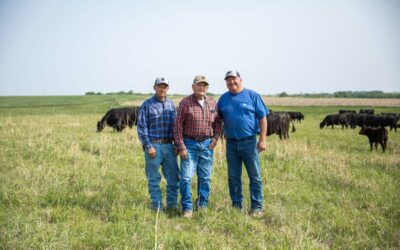
They see this in 12-year-old Will preparing the semen during breeding season­—one of the most tedious and important jobs during AI. Or when Addie doesn’t even want to get off her horse at the end of a long day.

“One of the legacies I’d like to leave my children is to do the best you can with what you’re given every chance you get,” Ryan says. “Quality never has to apologize.”

Originally published in the Angus Journal

You Also Might Like…

Tracking Premiums to the Source

Tracking Premiums to the Source

Certified Angus Beef faced the same challenges in the formative years, as the first branded beef label set out to garner specification-based premiums in a market where none existed. Now in its 47th year, the brand has successfully carved out premiums over commodity USDA Choice from end to end of the carcass.

Shifting Markets and Quality as the Hedge

Shifting Markets and Quality as the Hedge

When customers come to expect a repeatable eating experience where product quality, satisfaction and safety are built in, demand will only increase. USDA Choice and Prime carcasses constitute 84% of U.S. fed cattle production, pulling beef demand sharply higher today than in the late 1990s when USDA Select was roughly half of our supply and beef demand was at a modern day low.

Own what you do

Tom Jones and his Hy-Plains team keep feeding, learning and showing the way to better

Story and photos by

Miranda Reiman

September 25, 2019

If they set the bar there today, by tomorrow, they’ll raise it higher.

That’s the kind of feedyard Tom Jones manages. It’s the kind of person Jones is.

In 1999, he and investors bought a 28,000-head yard near Montezuma, Kan., and immediately began doing business as Hy-Plains Feedyard LLC. Two decades later he still makes his living on the business, but that looks different today than it did then. It may look different next year, or even next month.

“We have cattle grading 100% Choice and now we are working on the Prime, so what is the next demand driver going to be?” Jones asks. “We have to look to our new customers and they are looking for transparency, wholesome food. They are looking for traceability, so those are some of the things I’m looking for in the future.”

That attitude, and the actions behind it, earned Hy-Plains Feedyard the 2019 Certified Angus Beef ® (CAB®) Progressive Partner Award.

For the good of the industry

Coming off a good year in 2014, the business was in a strong financial position. Having expanded twice before—first to 35,000, then to the current 50,000 head—Jones wasn’t interested in building more pens. New feedtrucks? Too frivolous when the others were in good working condition. Instead of traditional capital outlays, he decided to make a long-term, far-reaching investment.

It took some time to get it just right but in 2017, the company opened its Hy-Plains Education and Research Center.

“We felt it was time. The industry has changed over the last seven years, the genetics have changed. Our ability to study cattle, collect data and see how that affects performance has changed,” Jones says.

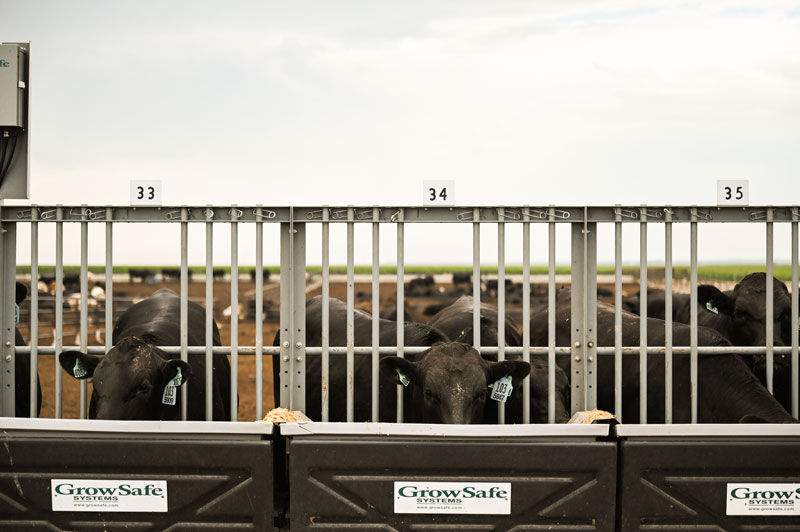
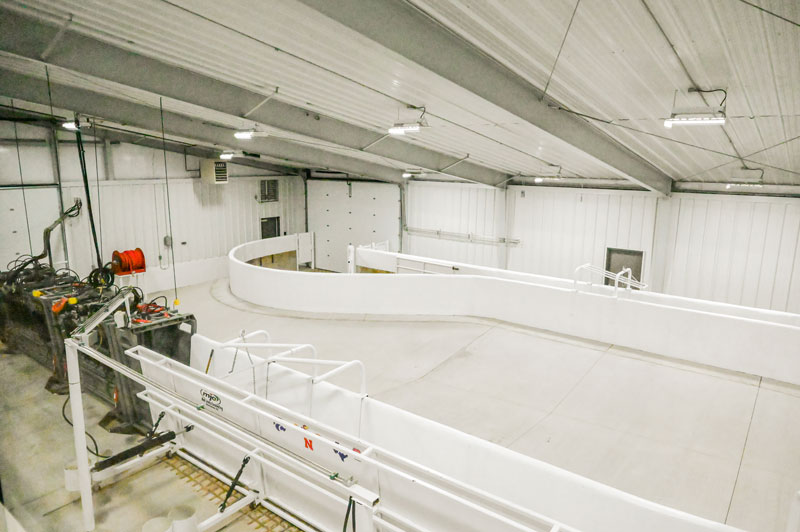
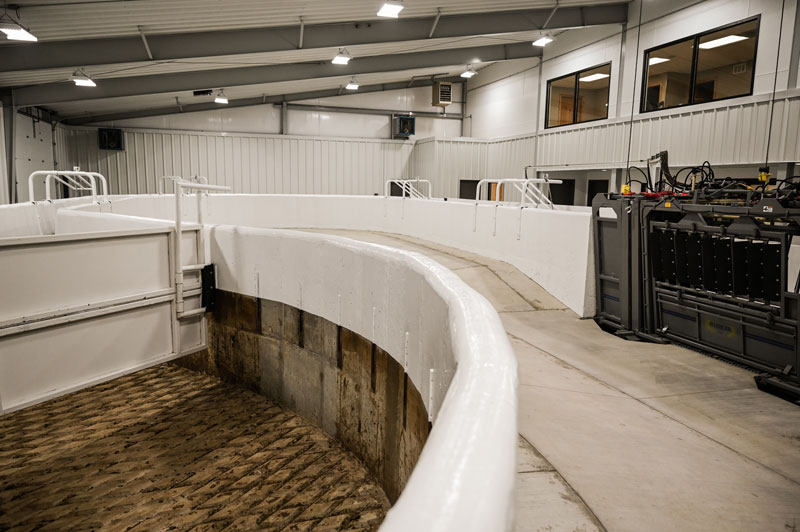
The center sits just beyond pens equipped with the GrowSafe system that monitors feed efficiency. The Silencer chute and working facility is the heart of the Center’s building, with viewing deck above and enough meeting space for 200.

 It’s part research, part demonstration facility, part communal office space, but all grounded in sharing knowledge and growing more of it.

“If we can study our lessons, we can make a huge difference,” he says. Jones enjoys feeding cattle for commercial and registered Angus customers because they’re the ones who “influence change in the industry.”

On any given day, staff from ABS might use one office, while next door, veterinary professionals analyze data they’re gathering at the yard. Those would be staff from the Hays, Kan.,-based Veterinary Research and Consulting Services (VRCS).

“The facility, with the managers and Tom’s visionary thinking and ability to think outside the box, it allows us the avenue to try different things, different products and different management strategies to give us valid results that will help us make improvements all along the production chain,” says Miles Theurer, research director for VRCS and Hy-Plains Feedyard.

Anti-microbial usage, vaccination strategies, health detection technology—the list of things Jones wants to study is long, but pointed.

“The kind of cattle we have is a real mixed bag of literally some of the best genetics in the world, along with some of the worst genetics out here,” Jones says, noting they’re 95% customer owned. “We enjoy feeding the better cattle because they are so easy to market. They are fun to feed.”

But the higher-risk kind allow them to compare and do research across many types of cattle.

Cattle feeder turned tour guide

They’re able to find new answers, while externally sharing answers the industry already knows.

“There is a good story to tell, but we are all busy with the way the markets are and the environment and the weather, the whole list of things we worry about. We do have a great story to tell, it’s just hard to find the time to do it,” Jones says.

At Hy-Plains, they make time.  

“My biggest desire was to be able to bring in a busload of fourth graders and have them watch us process cattle,” Jones says. So that’s exactly what he told the architect in 2015.  

The second-story observation area lets guests easily rotate through to get a bird’s-eye view, while hearing what goes on below through the sound system. On the ground floor, the alley snakes around an elevated concrete center, where visitors can safely get an up-close look at the animals.   

“We get comments all the time that, ‘We thought it would be noisy and dusty and dirty,’” he says. “It doesn’t have to be noisy and dusty and dirty.”

Jones hosts the leadership from McDonald’s and Carl’s Jr. in the same place where 120 elementary students from neighboring schools come out for a field day. One day he’s tackling global environmental challenges as a member of the U.S. Roundtable on Sustainable Beef and the next he’s training college-age interns.

A thank you note on his desk—“the most important piece of mail I’ve gotten this week”—shows his focus on the next generation.

“He’s been a tremendous mentor to me, to develop and expose me to different parts of the beef industry,” Theurer says, noting open discussions help frame the research role. “Tom is very direct. You always know where he’s coming from.”

Jones gives second chances, but corrects mistakes when he sees them. Everybody is held to the same standard, and everyone who works with him gets the same version of Tom Jones. He’s focused, competitive and serious about providing the best care he can for the cattle in his yard.

No rodeos allowed

Don’t ask how many cattle they can work in an hour.

“Processing cattle is not a timed event,” Jones says definitively.

It’s early morning load-out time, with three groups destined for one of four major packing plants close by. “This is the best, when cattle are moving but it sounds like nothing is going on.”

He has a 50-mile commute from Garden City each day, but always drives the yard on arrival, as he heads in.

“I just want to make sure we are taking care of the cattle needs right. The cattle will always tell you what they need,” he says. “The problem is that the business is so fast, we don’t always have time to stop and see what they are asking for.”

Training his crew and hiring expert consultants are among his highest goals.

“When we spend time teaching stockmanship skills to our employees, the cattle are not stressed. They are more comfortable so they perform better,” he says. “We don’t allow dogs. We work as quietly as possible.”

It takes extra work and hours to collect data and to do it right.

“These people we have on staff are very interested in making a difference,” Jones says.

Better every day

His push to get better and his desire to win, are as much a part of how he was raised and how he mentors along the way, as they are a personal philosophy. They are values Jones and his wife, Dee, hope they’ve passed on to their two grown children.

From his own dad, the farm boy learned hard work and getting by with less. As a cattle buyer for IBP (now Tyson) and then Hy-Plains Dressed Beef, Jones learned about business. Working for feeding pioneer Earl Brookover, first as a pen rider when he was young and later managing Brookover Ranch Feedyard, Jones saw the importance of setting an example worth following.

“I was totally happy where I was at, and I started making excuses on why it would be hard [to buy Hy-Plains], but we decided to make the change anyway,” Jones says.

Fear of doing something different wasn’t enough to stifle the excitement in the risk.

“I had a business person tell me once, so what if you lose money? You’ll make more next month,” Jones says.

“You have to own something in your life.” That’s a fire that’s always burned in him. “It doesn’t matter if you own the job where you are working or you buy land or own your business. Own what you do.”

When cattle leave Hy-Plains Feedyard, Tom Jones knows his name is on every single one. It weighs on him to reach a little higher each day.    

Originally published in the Angus Journal

A side note

Decades of dedication

Tom Jones, Hy-Plains Feedyard, asked all his managers to come up with one idea that would help them take better care of the cattle.

Cesar Martinez didn’t have to think long that day. He already had one in mind.

“If I knew exactly how much feed I was putting in every pen, then I’d know exactly what each one was getting,” offered the feed mill manager and head bunk reader.

They did know down to 100-pound (lb.) increments. Today, each pound that goes into the bunk is tracked in a master spreadsheet. 
“It’s my bible,” Martinez says now.

It’s important to him, because it’s important to the cattle.

“Of course, I can’t do it all by myself,” Martinez says, praising the crew that helps deliver a consistent ration to the same pen within 15 or 20 minutes of the same time every day.

“If I’m gone three or four days, the first person I come and find is Cesar,” Jones says. It’s a trust that runs clear back to 1977, when the pair worked together for Earl Brookover. They were just getting started—Jones back from junior college and Martinez with three young children to feed—riding pens together.

Decades later, they see their daily goals much the same.

“Be good at what you’re doing all the time,” Martinez says.

“We are a team,” Jones says. They make protocols and stick to a plan. They follow posted “T.L.C.” signs that hang around the feedyard. “We’re in competition every day with somebody else in this industry and these guys like to win. We know we win when our customers send more cattle the next go around.”

You Also Might Like…

Tracking Premiums to the Source

Tracking Premiums to the Source

Certified Angus Beef faced the same challenges in the formative years, as the first branded beef label set out to garner specification-based premiums in a market where none existed. Now in its 47th year, the brand has successfully carved out premiums over commodity USDA Choice from end to end of the carcass.

Shifting Markets and Quality as the Hedge

Shifting Markets and Quality as the Hedge

When customers come to expect a repeatable eating experience where product quality, satisfaction and safety are built in, demand will only increase. USDA Choice and Prime carcasses constitute 84% of U.S. fed cattle production, pulling beef demand sharply higher today than in the late 1990s when USDA Select was roughly half of our supply and beef demand was at a modern day low.

Built on a breed

A century of focus earns Spring Cove Ranch the CAB Seedstock Commitment to Excellence Award

Story and photos by

Nicole Lane Erceg

September 25, 2019

Art and Stacy Butler shouldn’t be here. Hearty pioneers on the Oregon Trail traveled across the land they ranch on today and passed it by, sure there were better spots to build a life.

A wide-open slice of the West near Bliss, Idaho, Spring Cove Ranch is still rugged. Yet carved out of the sagebrush and hills is an oasis the Butler family built with registered Angus seedstock.

“When my grandpa homesteaded this place, there wasn’t a tree on it,” Art remarks from the shade of a Linden tree in the front yard.

When the first Angus sire arrived in 1919, no one could have predicted his legacy. Old, handwritten herd books trace the first pedigrees of the Butler herd to a time when cattle were traded for a saddle and a good meal. The yellowed pages reveal registration numbers with only 4 digits, traced as forebears of cattle grazing these high desert ranges today.

Self-proclaimed “number nerds” Art and Stacy inherited the craving for information documentation on their herd of 800 cows.

“Data collection, and specifically EPDs (expected progeny differences), are tools we’ve been able to use through the years to create the proper combination of marbling and function and form and maternal and feed—and whatever else it takes to make the Angus cow that’s going to survive on the western range and also produce a Certified Angus Beef ® (CAB®) steak,” Stacy says.

All their bulls are genomically tested with Angus GS and more than 60% of those in their annual sale earn the CAB Targeting the Brand™ logo, signifying breed average or above for the Marbling EPD and $Grid index. Each bull gets its own Spring Cove Ranch calving ease score that consolidates genetics, genomics and cow-family data to provide extra analysis on potential herd sires.

 Each data point is an ingredient in a family recipe, combining numbers and science to create cattle that fit their ideals. The Butlers’ main goal is an Angus bull whose progeny thrive on the western range and have the carcass traits and growth characteristics to generate premiums for commercial cattlemen.

It’s a balanced goal equally focused on breeding cows that “keep us all in business” with strong maternal values.

The philosophy isn’t new. It serves a vision the Butlers held long before the market directly justified it, and it earned them the 2019 CAB Seedstock Commitment to Excellence Award.

Before marbling was cool

Art was just 16 when he first benefited from breeding an animal with superior end-product merit. One of only two Angus animals at the county fair (the other was his sister’s), his 4-H steer graded Prime and yield grade 2. That first carcass data came with a lesson: His steer was selected as a special gift by the local packing house to send to the president of Allen Meat Packing Company in San Francisco.

“Someday we’ll get paid for the carcass traits in these cattle,” Art’s father told him.

A student at the University of Idaho when USDA lowered the grading standards in the mid-1970s, Art saw the industry moving toward a leaner product but kept steering his herd the other way.

“We were breeding to high marbling bulls, mainly because we wanted to improve the quality of the cattle and add value on the rail,” Art says. “When we started to market a few cattle on the rail in the ’90s, that’s what paid the bills, was marbling.”

It’s hard-earned knowledge he works to pass on to his bull customers today.

The cow and the carcass

“Marbling is something that you can add to these cattle no matter what size and what your goals are as far as productivity,” Art says. “I mean it’s a free addition basically. So, if you want to keep the cows moderate, you can still add the marbling and have something that’s satisfactory in the end, and targets the brand.”

Form, function and fertility come first. Art doesn’t preach single trait selection, but says those necessary traits are already built into the Angus cow. “It’s what has made her ‘King’” Art says.

The added value is that she can “go up in the rocks and cover the country” as well as produce an end product that is highly valuable — something vital to those who run cattle on public lands and in the vast, rugged West.

Some say great cows and exceptional terminal traits don’t happen in one package. Art and Stacy prove they do.

“The Angus cow has provided a living for the Butler family for 100 years,” says Stacy. “She has done so through droughts and storms and floods and diseases and generational differences and different genetics. Her resilience is paramount and it is legendary.”

They lay the accolades of what they’ve built at her feet, but credit data and targeted selection as vital tools along the way.

“Art and I absolutely embraced anything that had a mathematical calculation that we could use to improve the traits that we targeted,” says Stacy.

The couple encourage connections between each link of the beef production chain, working to help feeders understand the value of their customer cattle and their customers understand the needs of the beef consumer.

“That’s at the forefront of our minds since we started having our bull sale and selling as many Angus bulls as we do,” Stacy says. “Helping our customers market their cattle, and more than that, trying to help them get a premium for the genetics that they’ve invested in. The premium paid by the consumer at the end needs to trickle down to the cow-calf man that is actually producing that calf.”

Commercial producer David Rutan, of Morgan Ranches in South Mountain, Idaho, benefits firsthand.

“We’ve gotten huge premiums out of these program cattle,” says Rutan. “People are trying to buy them every year, and even in a down market they outperform their counterparts. I feel like Art has helped me a ton in marketing these cattle.”

A Spring Cove customer of more than 25 years, he markets his commercial cattle through video sales. Though he doesn’t retain ownership, he follows cattle performance, tracking health in the feedyard and how they measure up at the grading stand. His cattle routinely earn 75% CAB or higher. A recent group of 250 steers graded 65% Prime, 35% Choice.

“Art and Stacy have taught me more about Angus cattle than anyone on the planet,” says Rutan. “Our relationship has grown into more than the selection of premium genetics, but has impacted the way we sell and market our feeder cattle.”

A Western Video sales representative, Art guides his customers through capturing premiums without retained ownership. Reputation feeder cattle bring added value and Spring Cove Ranch genetics help carry a reputation for paychecks from the packing plant.

“Cattle with credentials” like carcass genetics, source and process verification or Natural and other certification can help Western commercial cattlemen capture another bid and dollar, Art says. Historically, his program cattle bring as much as $67 per cwt. over the average black calf.

The dollars add up, for one customer all the way to $169,000 for a truckload headed east.

Future functionality

“I think a lot of people are thinking that maybe we’re going to saturate this market with high-quality cattle, but I think the demand is only growing and worldwide,” Art says. “A small part of this world today eats the premium product like we do and the others are now finding how tasty it is. They’re going to want more of it.”

The Butlers will be here with a ready supply of carefully selected Angus seedstock, continuing the work of converting forage from non-tillable lands into valuable protein.

A century after the first Butlers partnered with this land, it’s become a place few would dispute as a perfect home for ranching. The cattle are better and the land looks refreshed and invigorated compared to the black and white photos of times past. The next generation of Butler cowboys are learning the ropes as so many times before.

Art and Stacy look to the future with excitement, certain the next generation has good things coming.

“I am proud of the enduring faith in a breed of cattle and the enduring commitment to labor, to hard labor, to building fences and moving cattle; and the commitment to agriculture and to taking care of the land,” Stacy says.

Their family, philosophy and cattle have endured at Spring Cove Ranch, built on a vision of what is possible when the range and its perfect caretakers find exactly where they’re supposed to be.

Originally published in the Angus Journal

you may also like

Showing Up, Every Day

Showing Up, Every Day

Thirty-five thousand cattle may fill these pens, but it’s the Gabel family who set the tone for each day. Steve and Audrey persistently create a people-first culture, echoed by their son Case and daughter Christie, who work alongside them in the yard office. The Gabel’s drive to effectively hit the high-quality beef target earned Magnum Feedyard the CAB 2023 Feedyard Commitment to Excellence award.

From the Ground Up

From the Ground Up

Benoit Angus Ranch, a seedstock operation that markets more than 150 bulls annually, is a multi-generation family business with sons Doug and Chad now heavily involved. Focused on serving the commercial cattleman, the Benoits built a reputation for high-quality cattle that perform on the ranch, in the feedyard and on the rail. With always-improving cattle to support that renown, and the will to back it up, Benoit Angus Ranch earned the CAB 2023 Seedstock Commitment to Excellence Award.

Future Focused Business

Future Focused Business

Pilot partners in CAB’s Ranch to Table program, these North Dakota ranch families took some of the market volatility into their own hands in April 2022. Their leap of faith provides high-quality beef options for their communities and diversifies their income. Now they sell their finished cattle, as well as those of their customers, through Dakota Angus, a direct-to-consumer beef business.