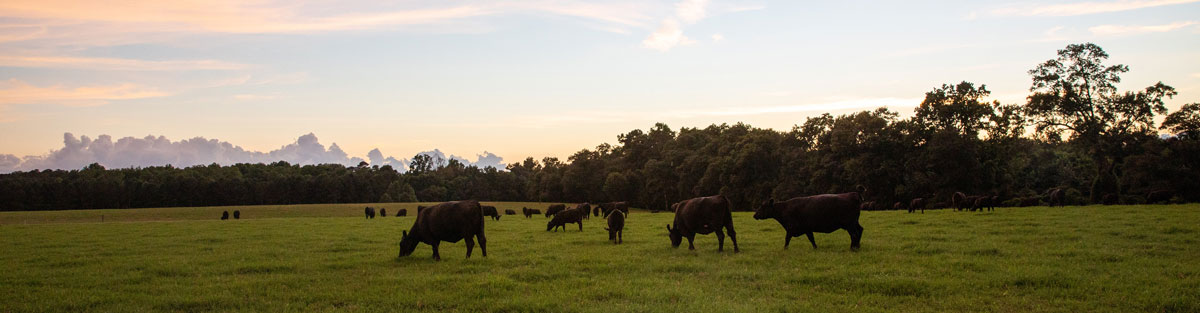
yon's angus cows

Targeting Excellence in All They Do

Yon Family Farms Earns CAB Seedstock Commitment to Excellence Award

Story and photos by Jessica Wharton and Nicole Erceg

September 22, 2021

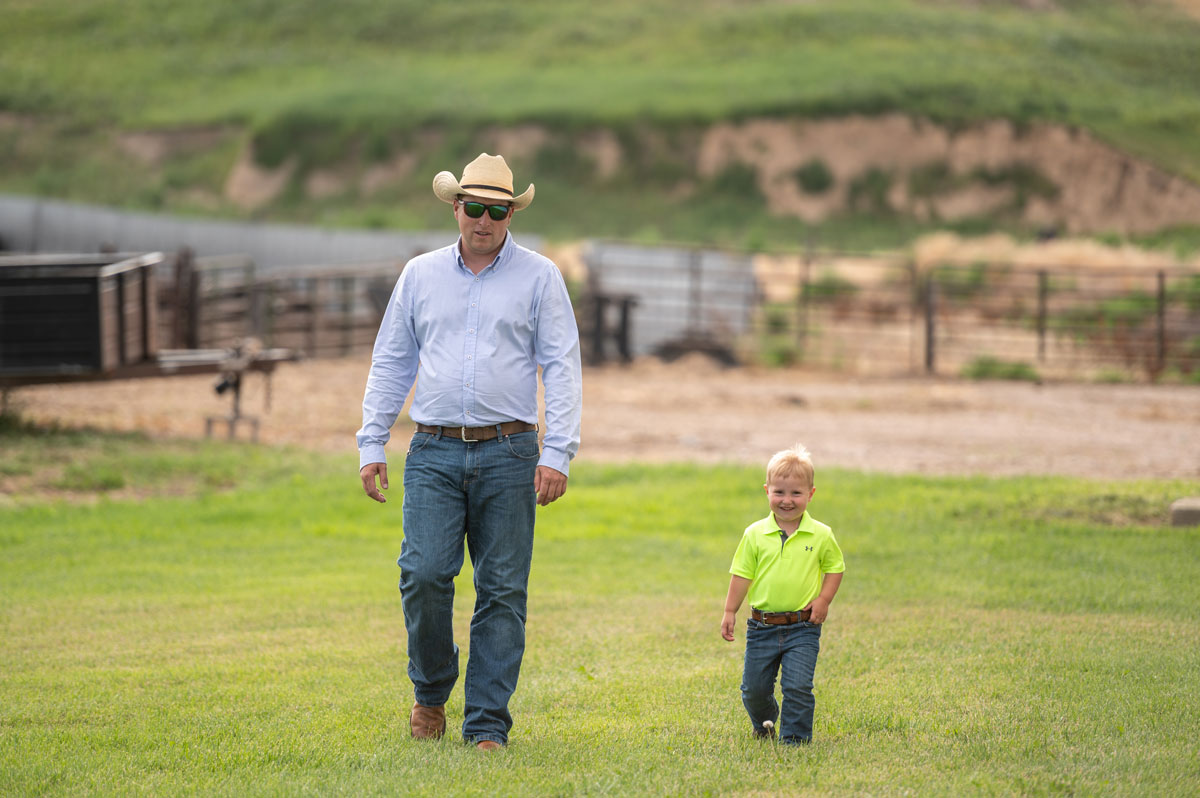
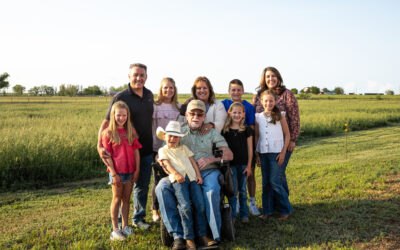
Family. Commitment. Value. It’s more than a catchy saying or after-thought marketing slogan on sale books. It’s the Yon way of doing business.

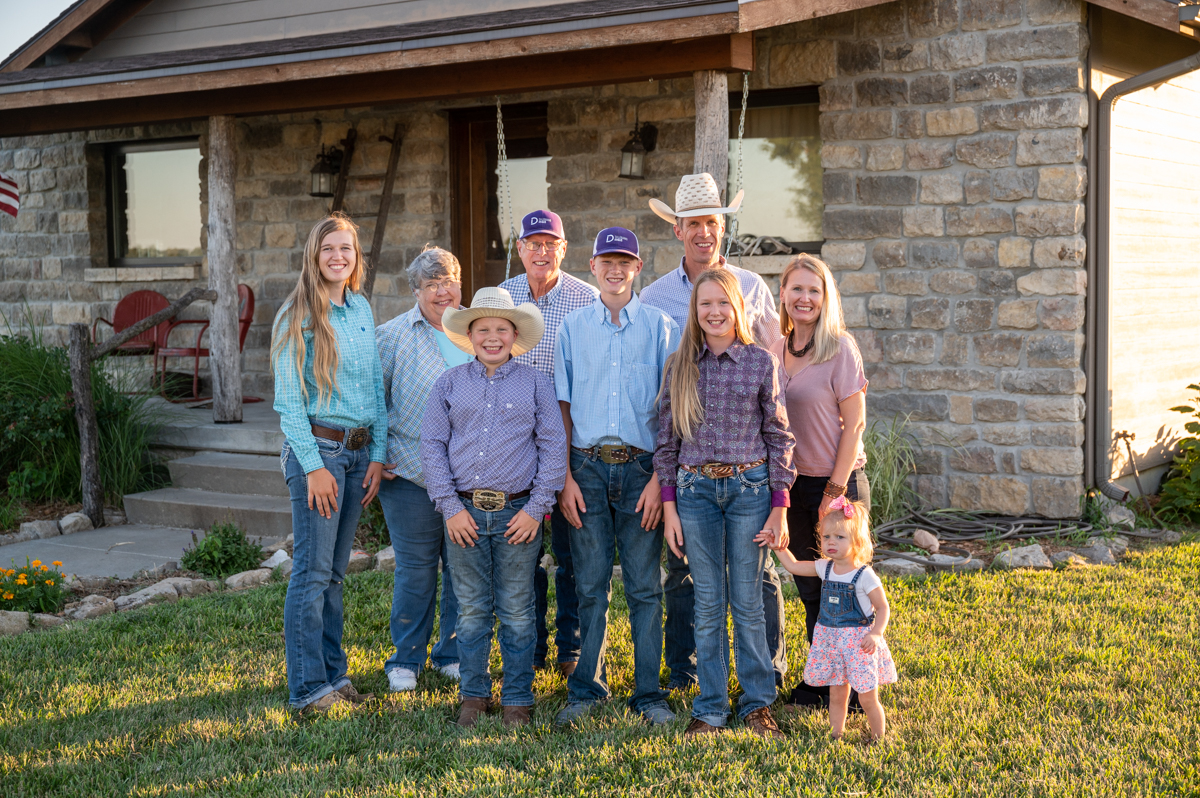
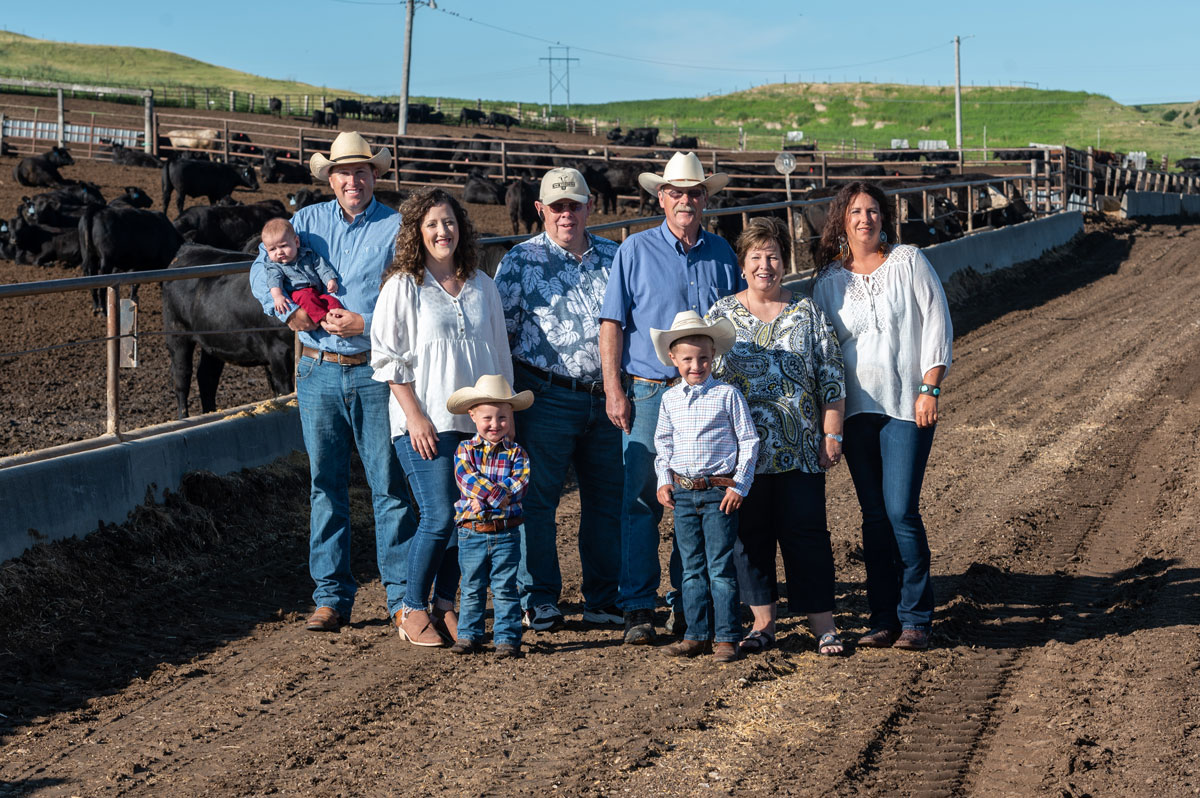
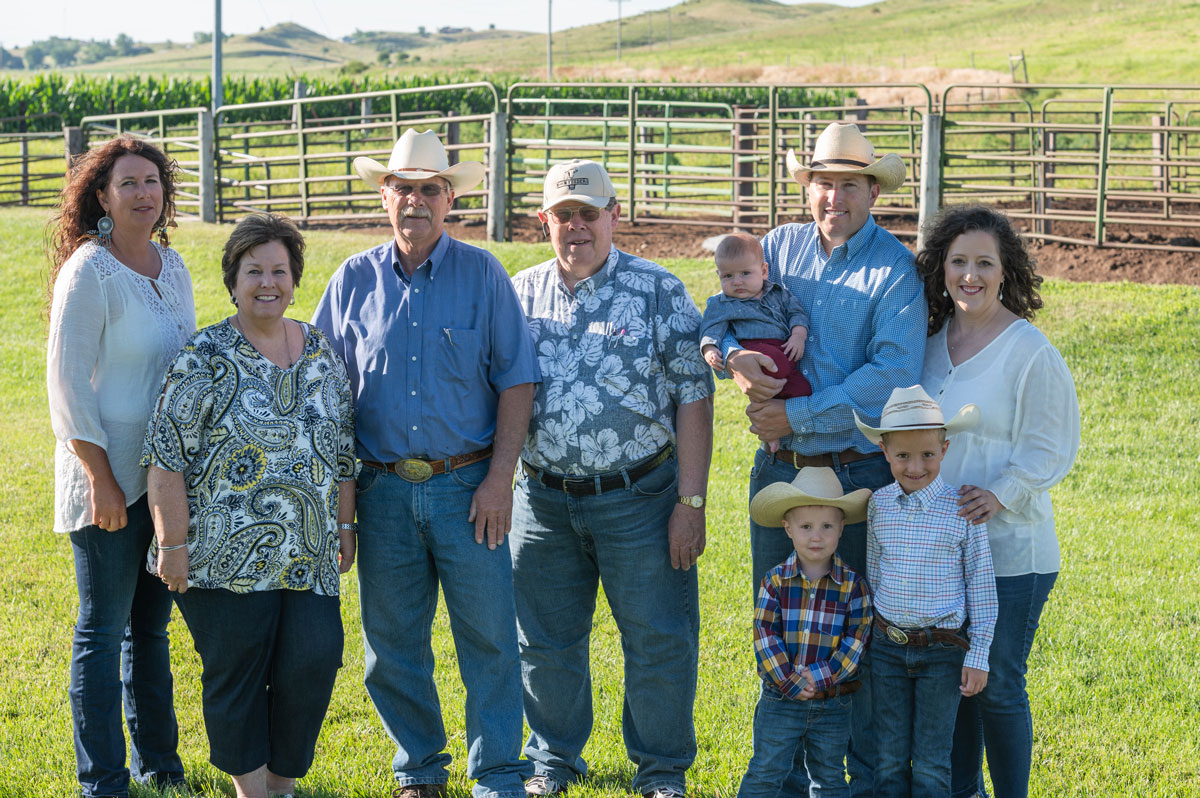
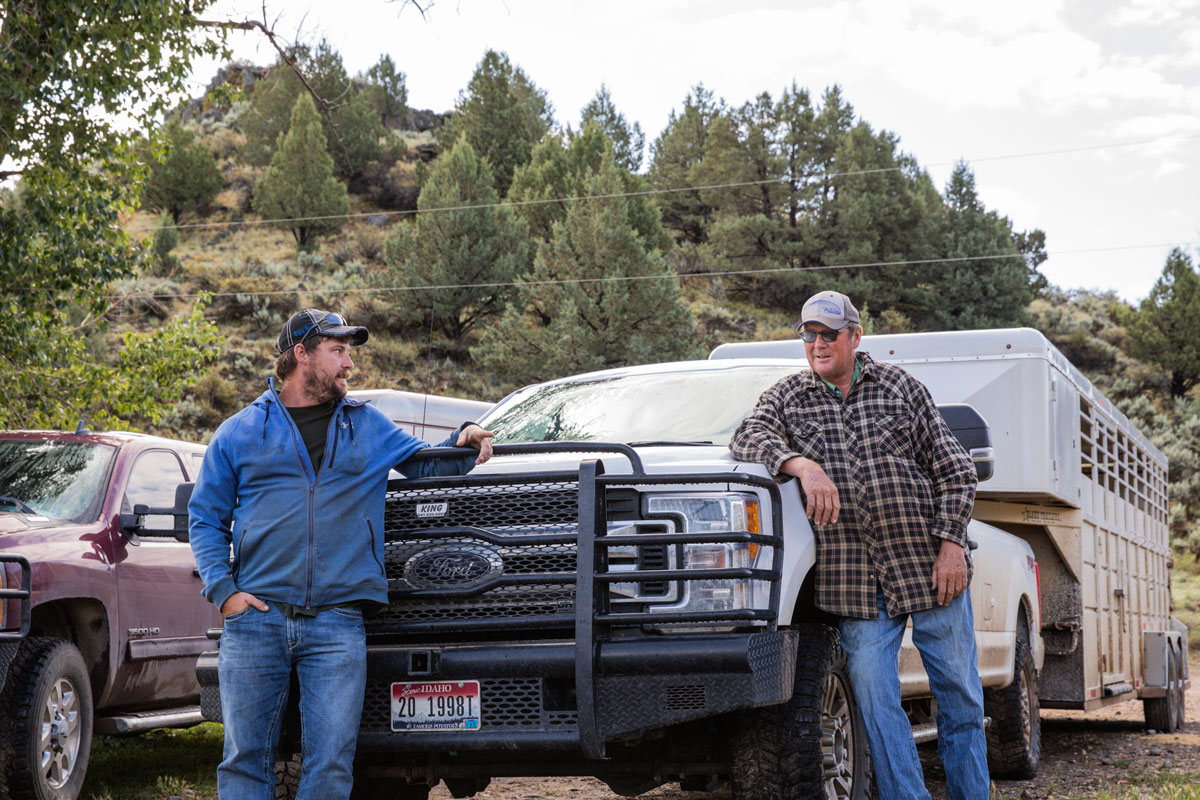
First-generation seedstock producers Kevin and Lydia Yon, along with their children, Drake, Sally, and Corbin, have been continuously improving their farm since 1996 when they drove the first fence posts on what was a 100-acre abandoned peach orchard. 

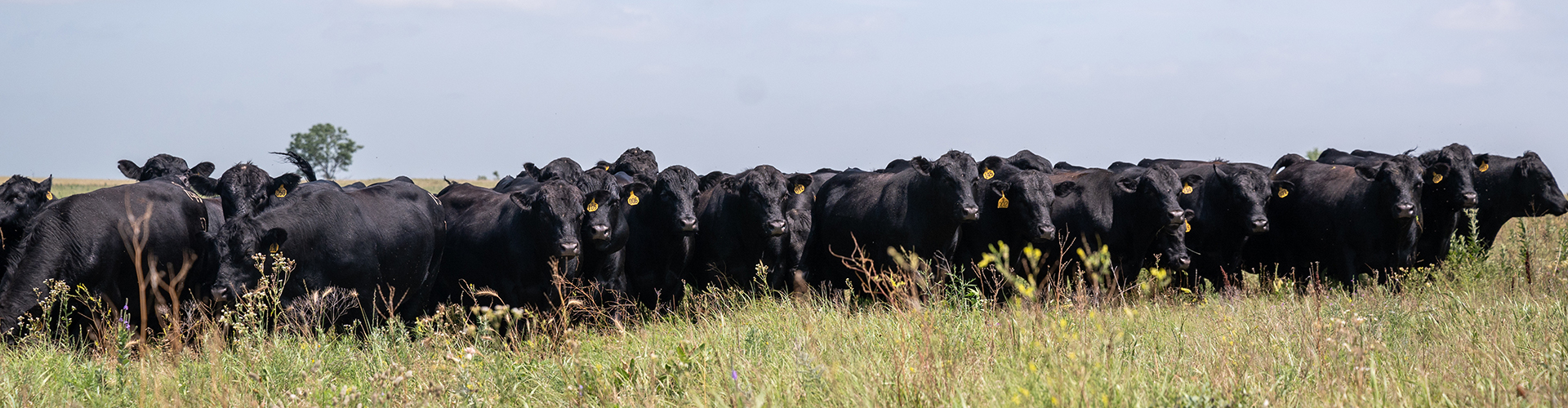
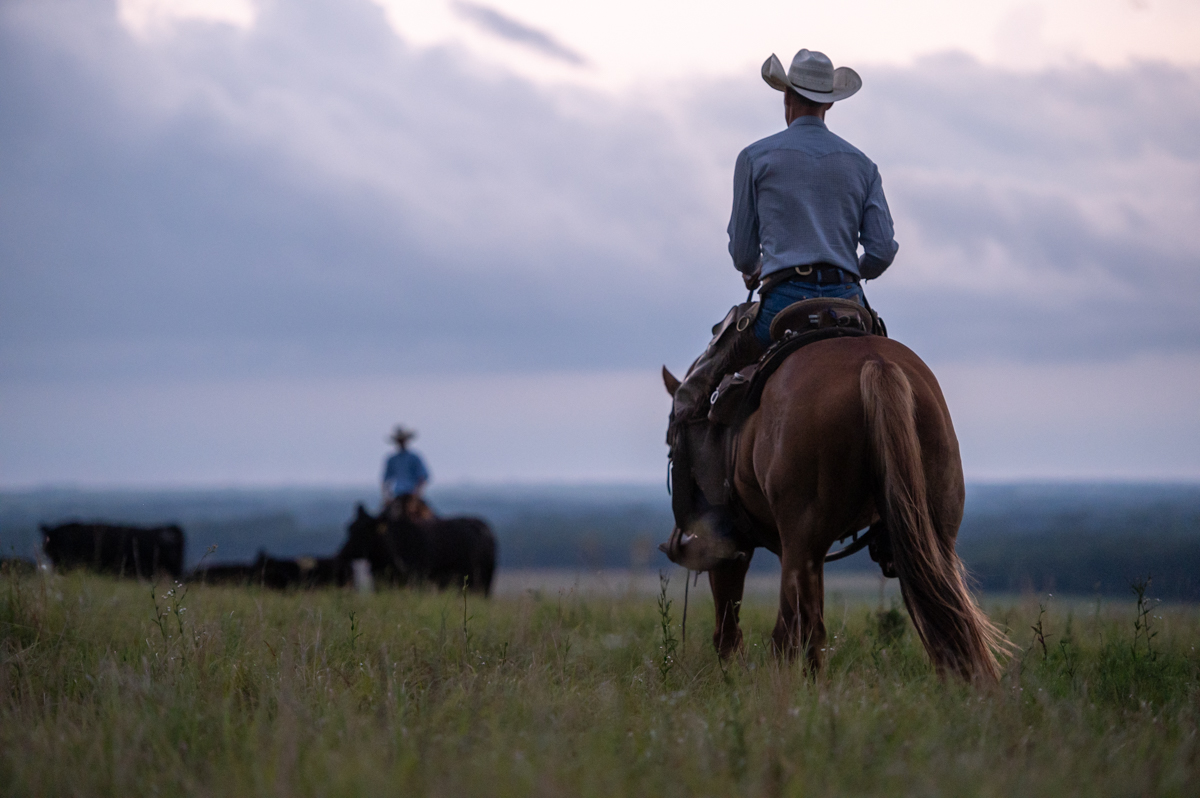
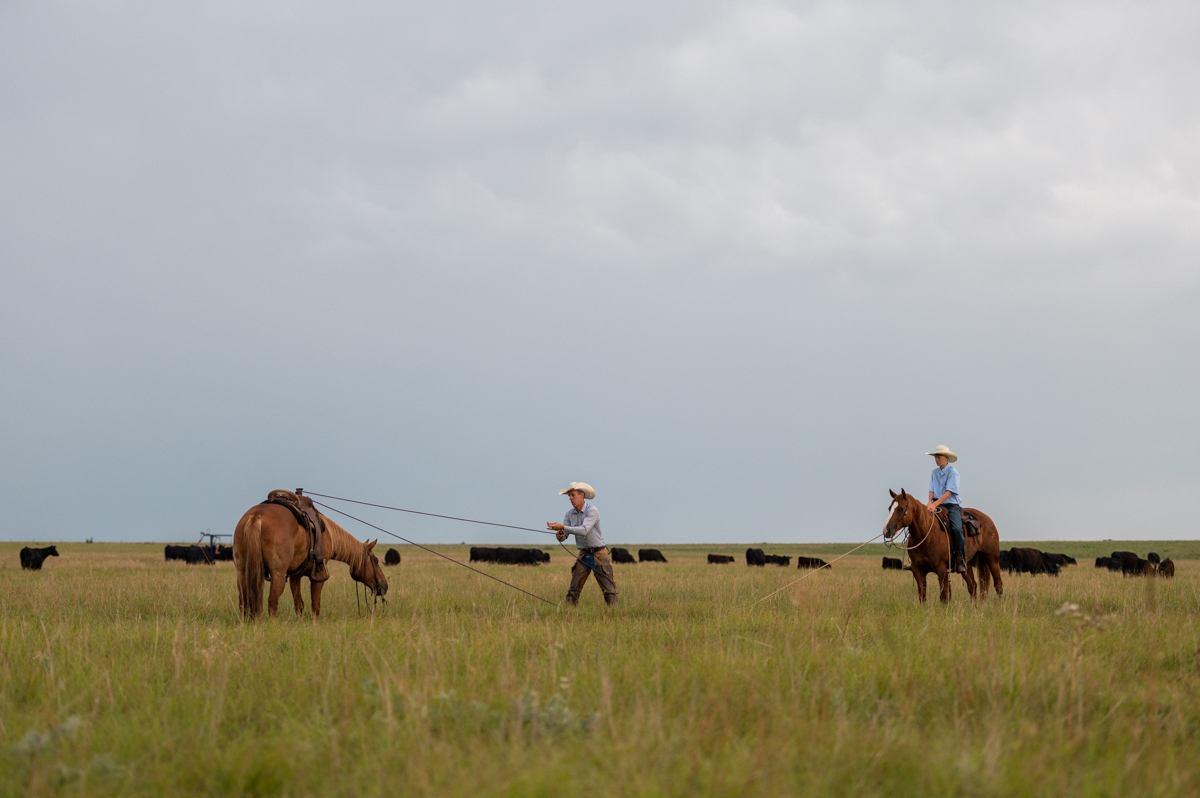
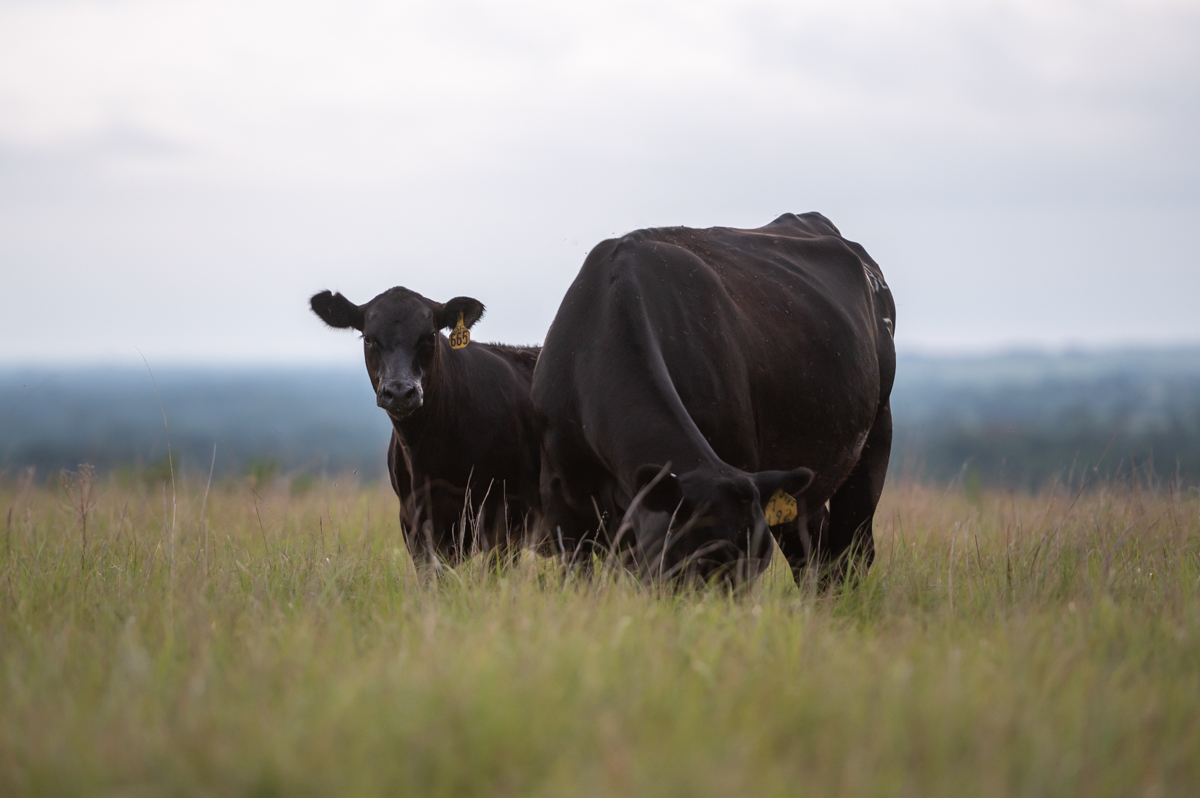
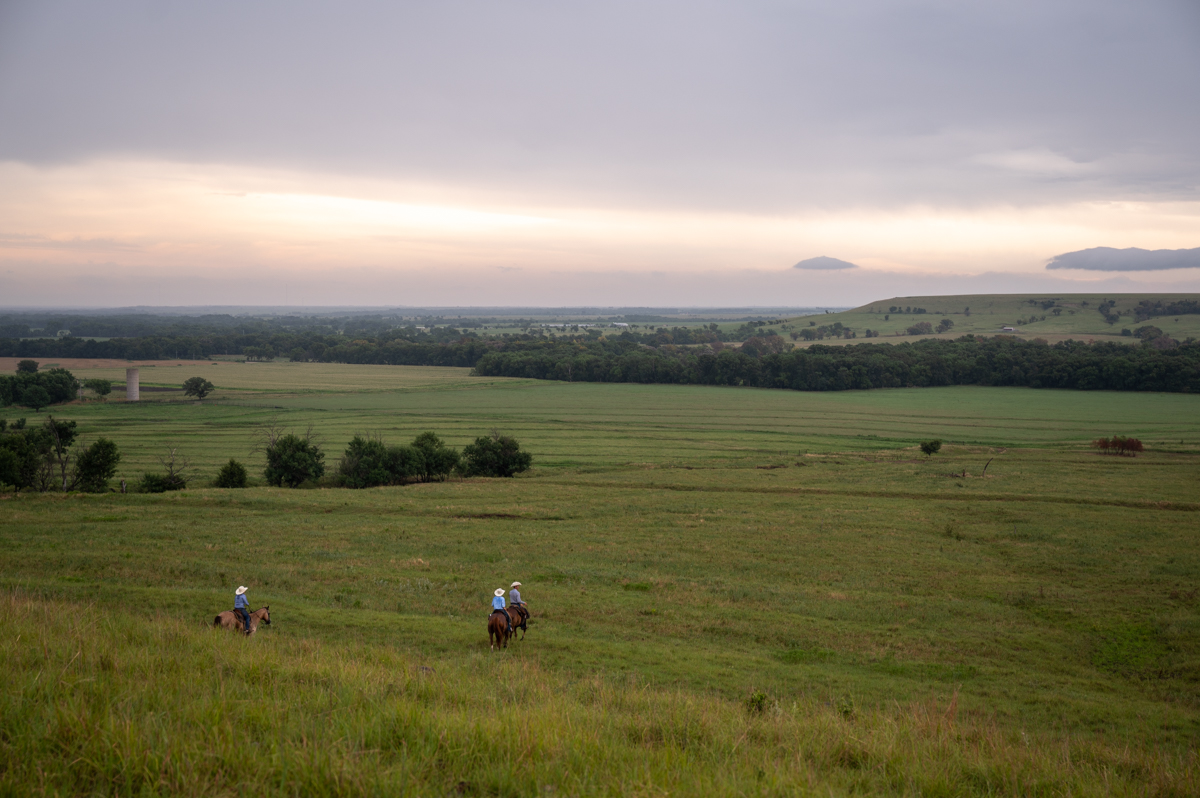
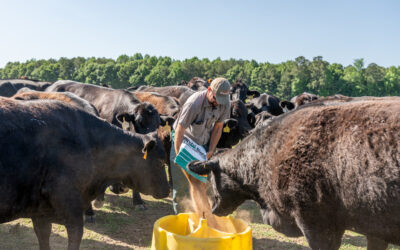
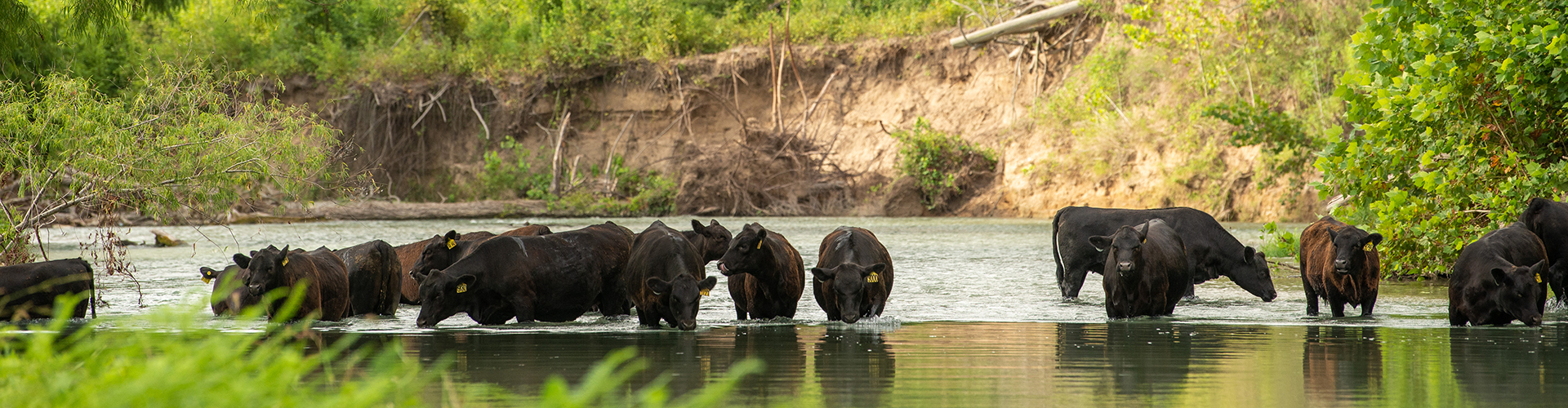
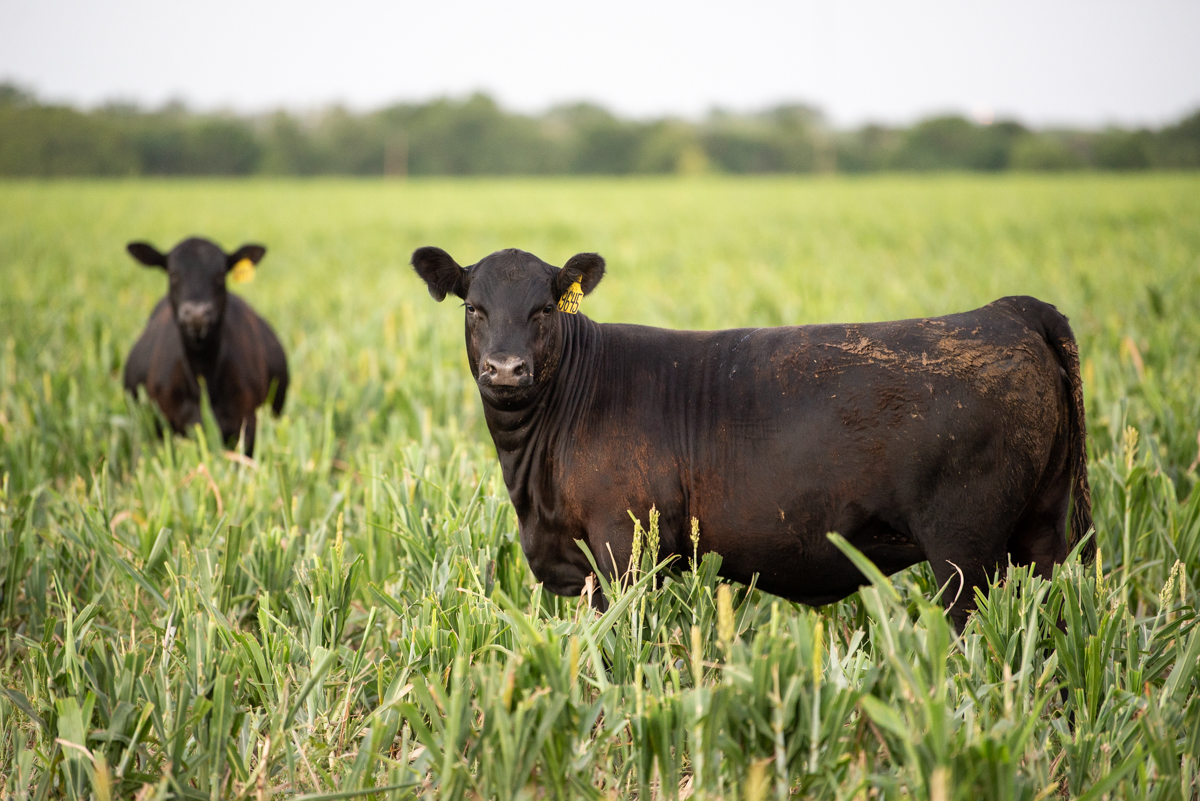
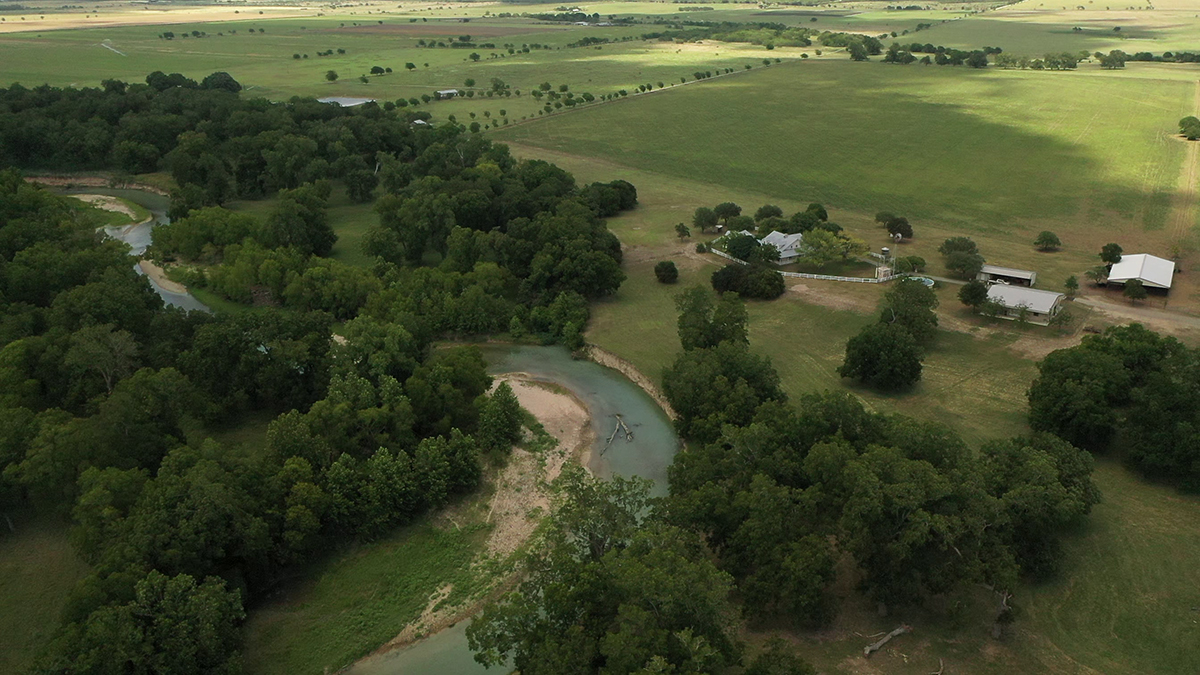
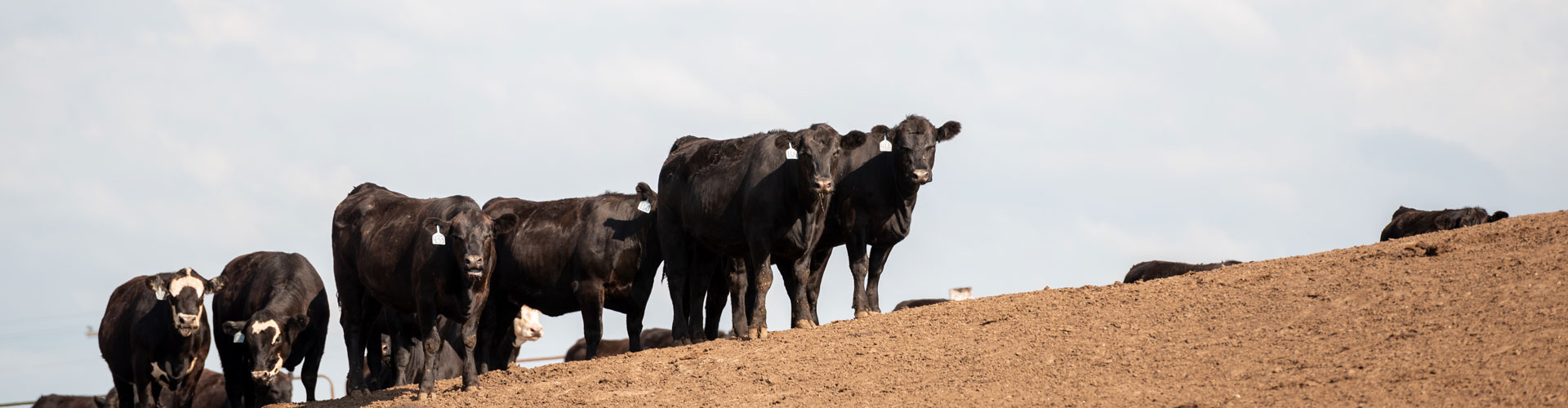
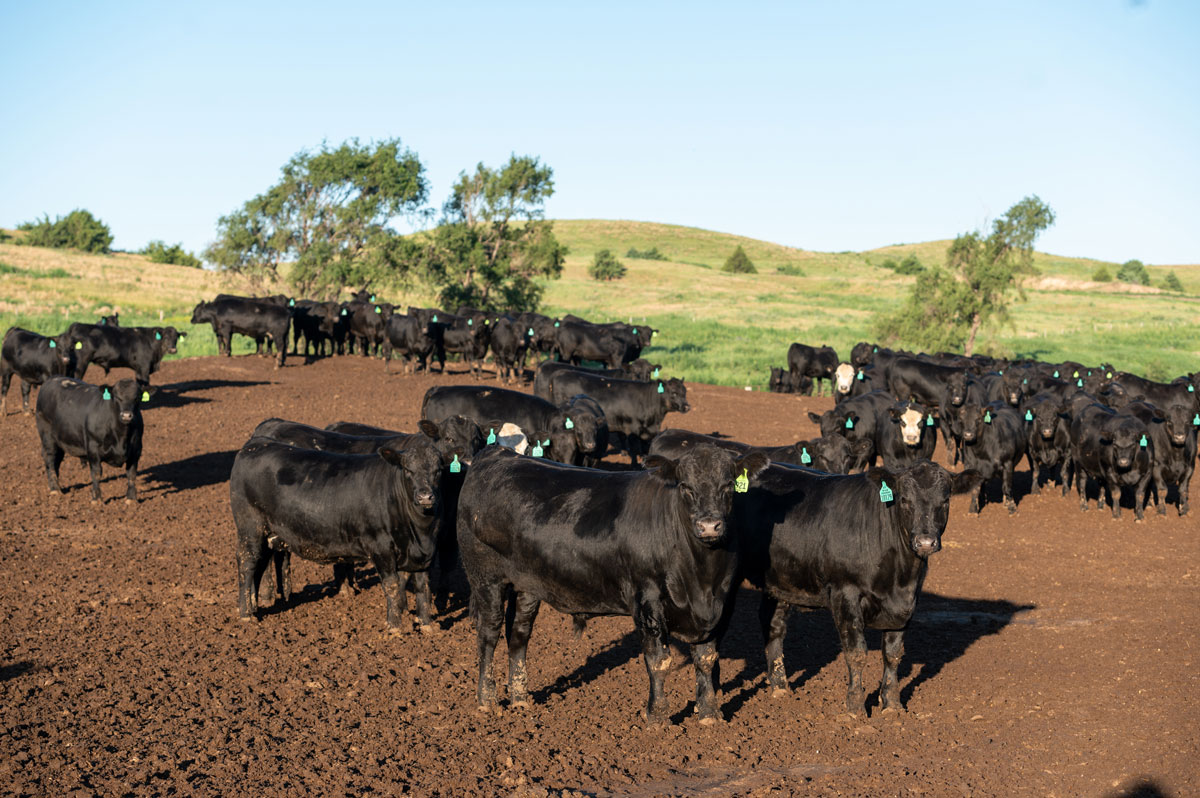
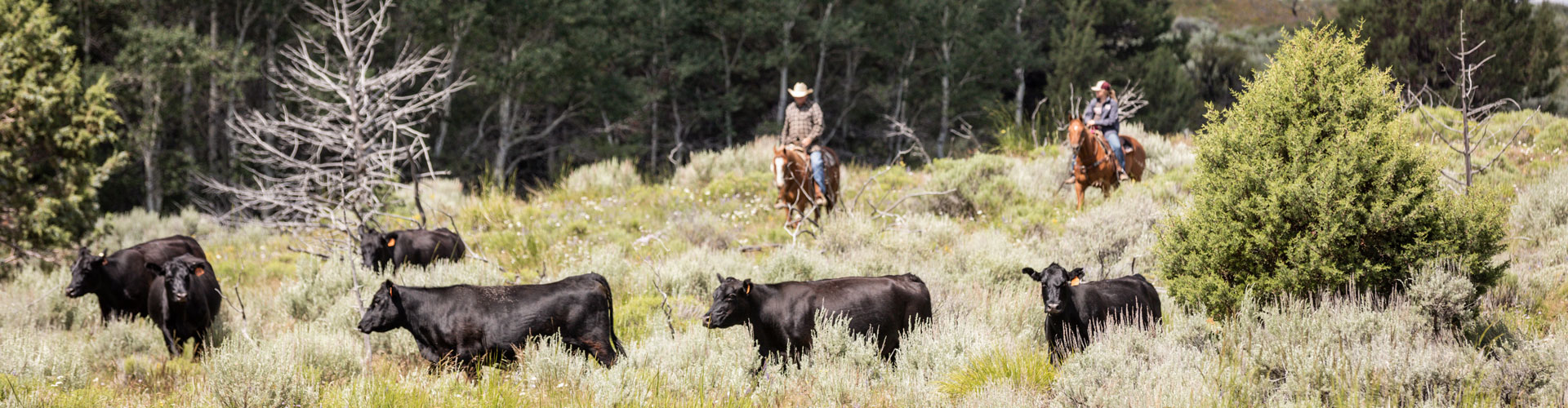
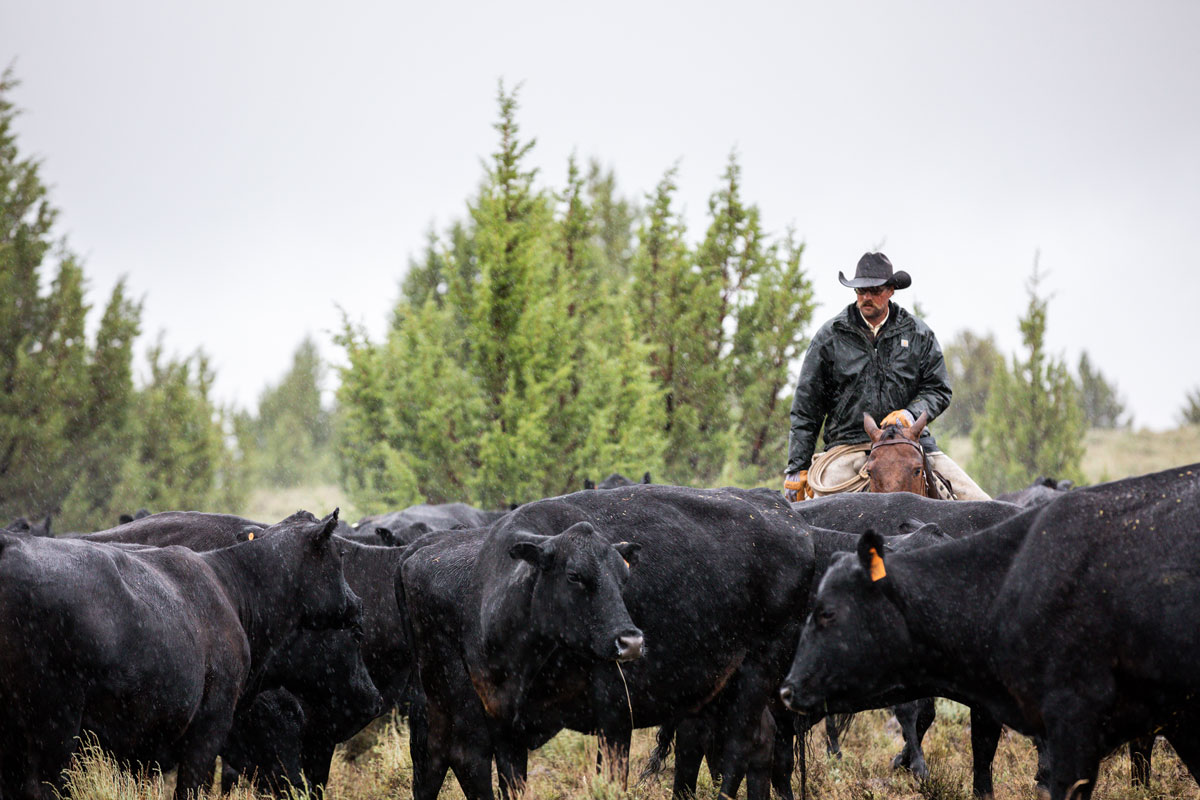
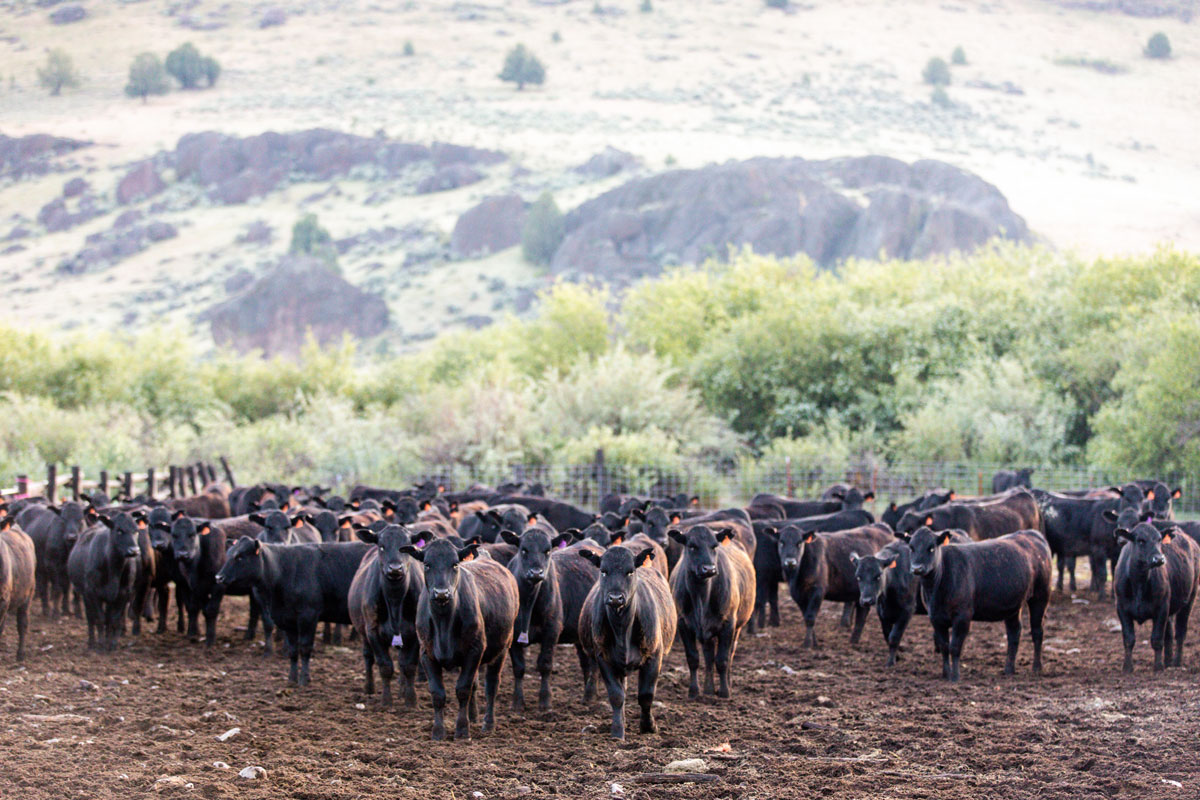
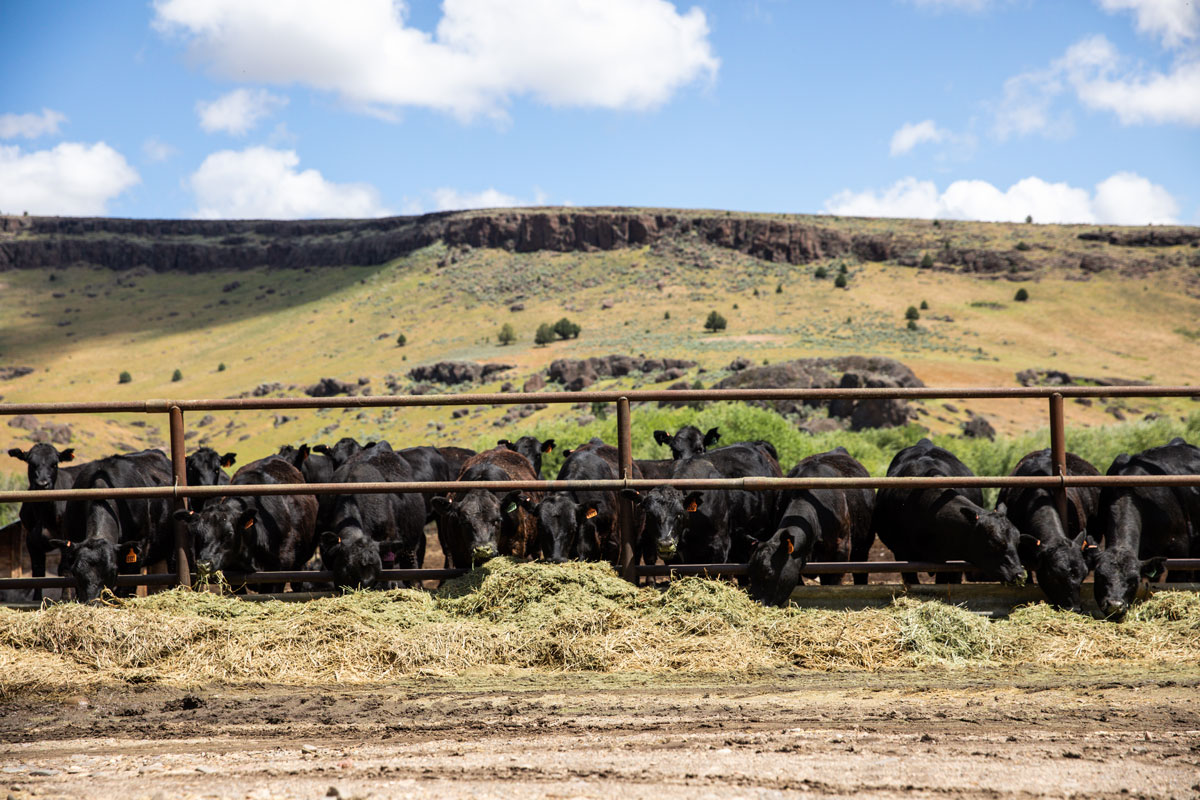
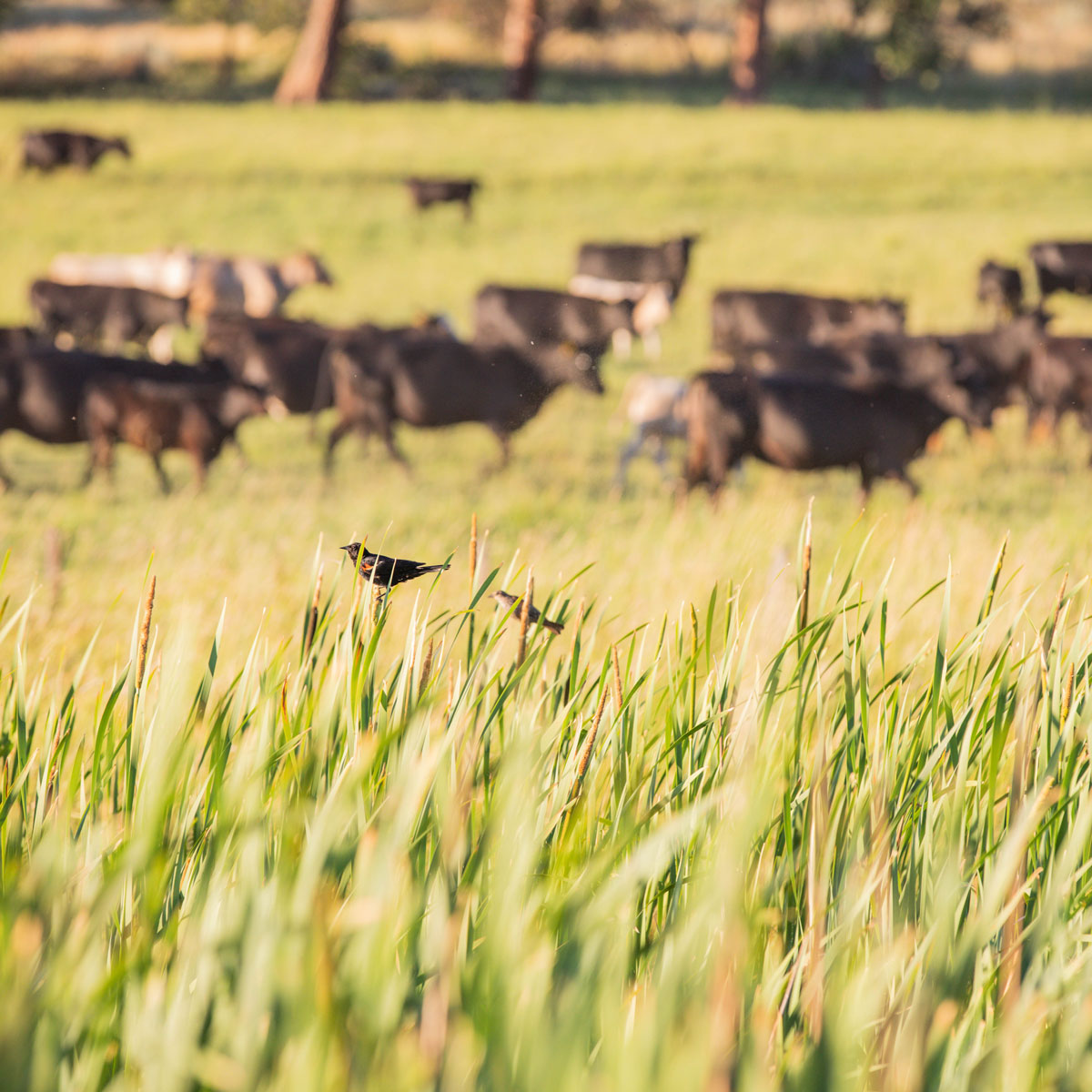
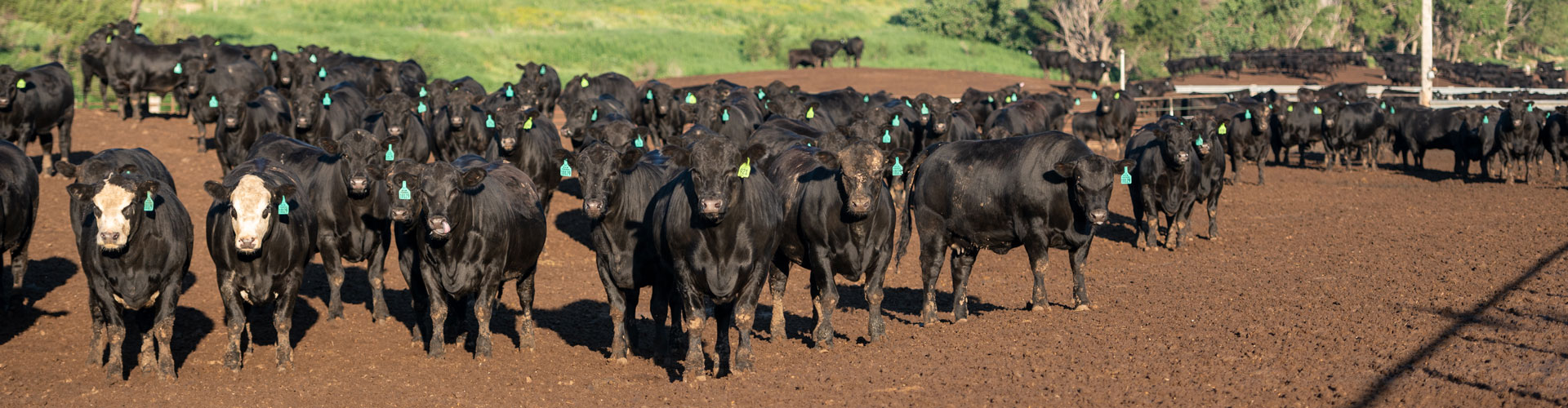
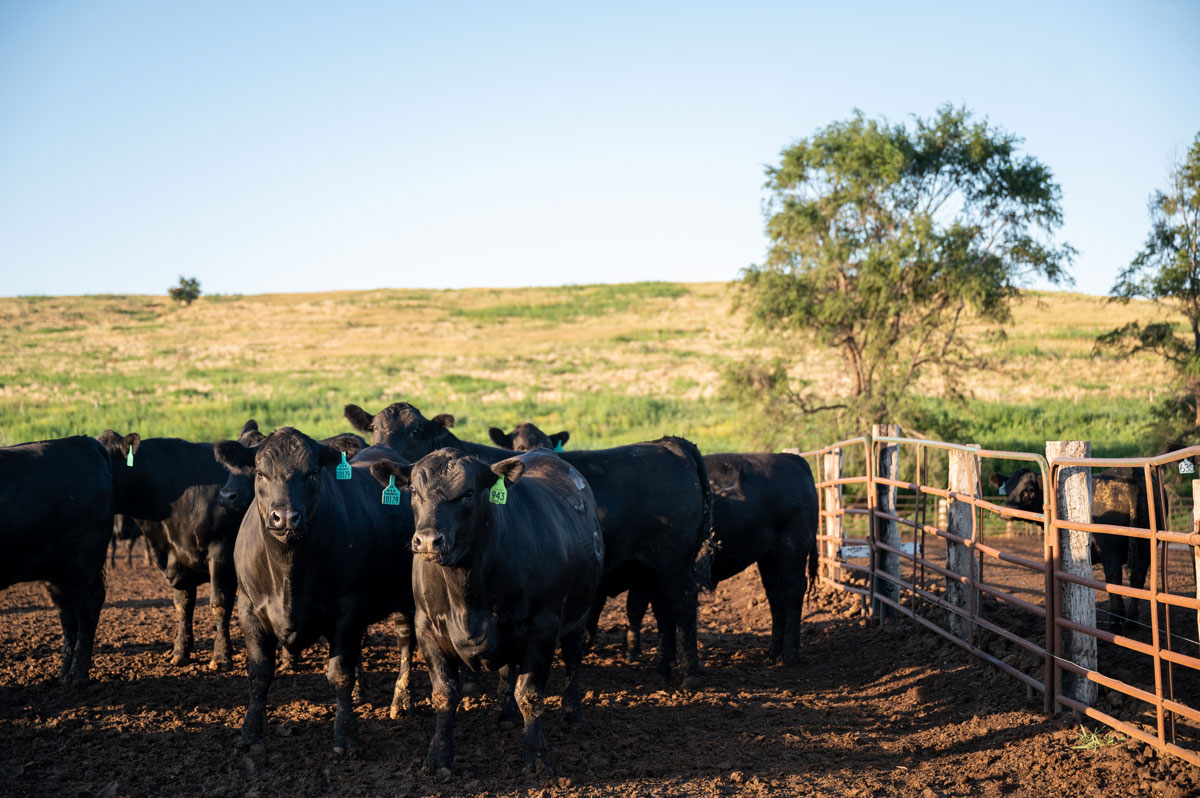
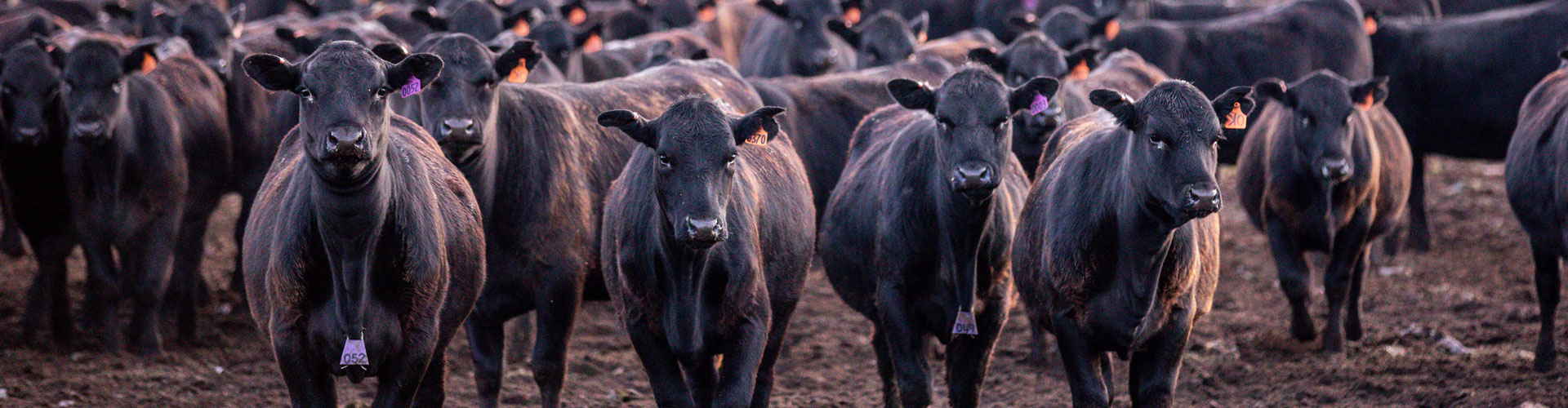
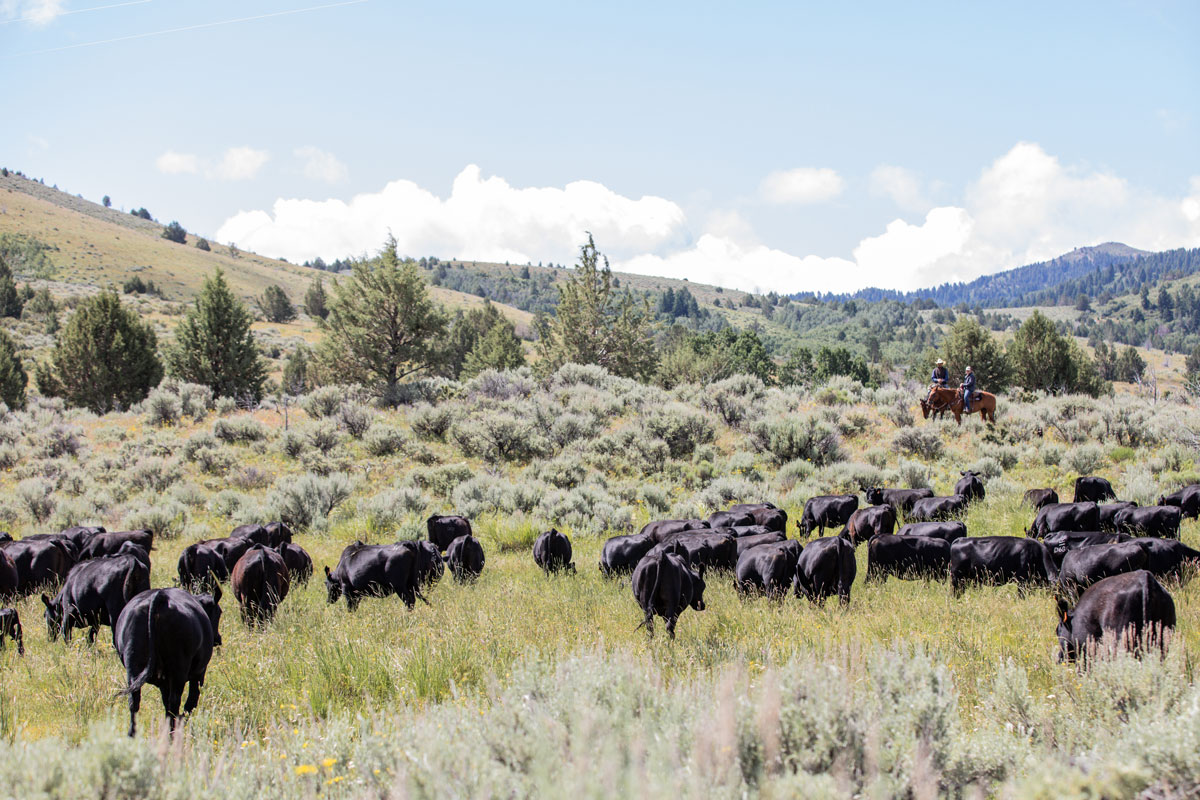
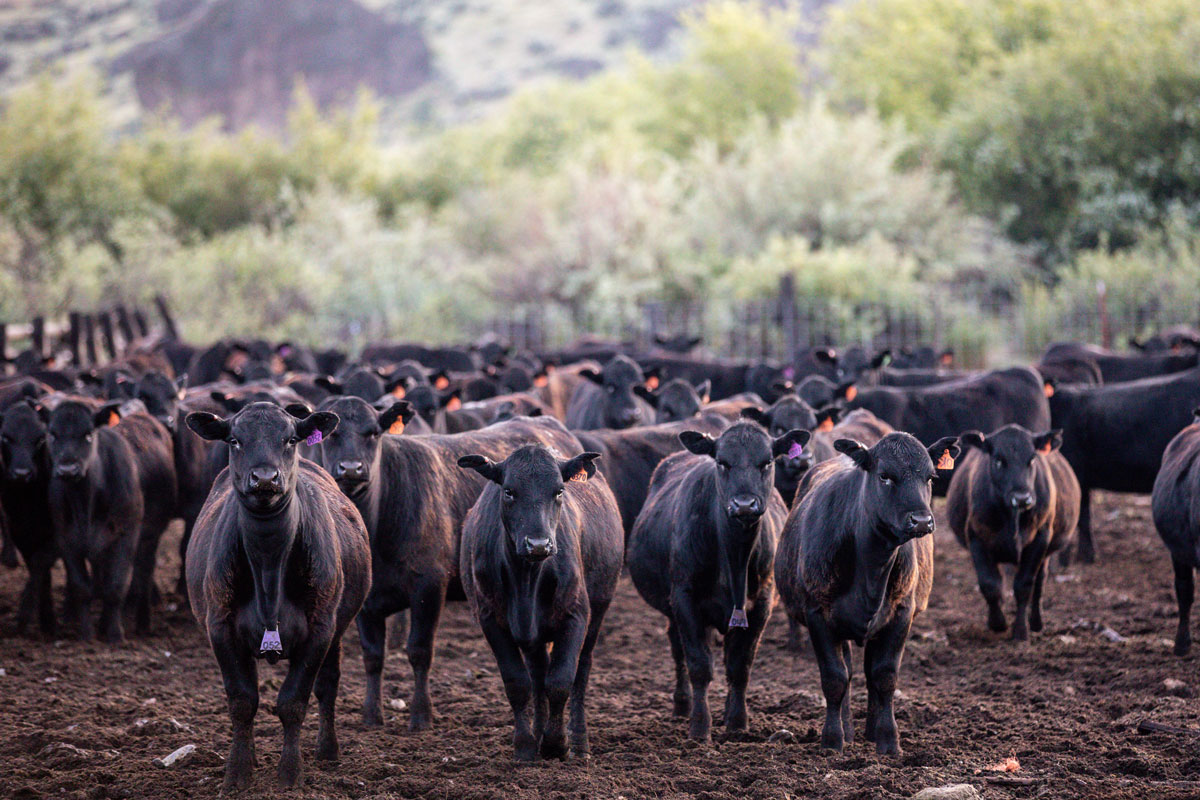
Today, a herd of nearly 1,500 Angus cattle graze their lush green pastures on the coastal plains outside of Ridge Spring, S.C.

 Establishing a world-class seedstock operation in the Southeast didn’t happen overnight, and the family humbly insists they’re no different than many others. Indeed, their vision, use of technologies, and dedication to deliberate improvement make them unique.

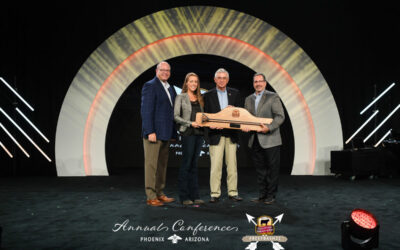
The pursuit of quality in every detail of their operation earned the Yon family the Certified Angus Beef (CAB) 2021 Seedstock Commitment to Excellence award. 
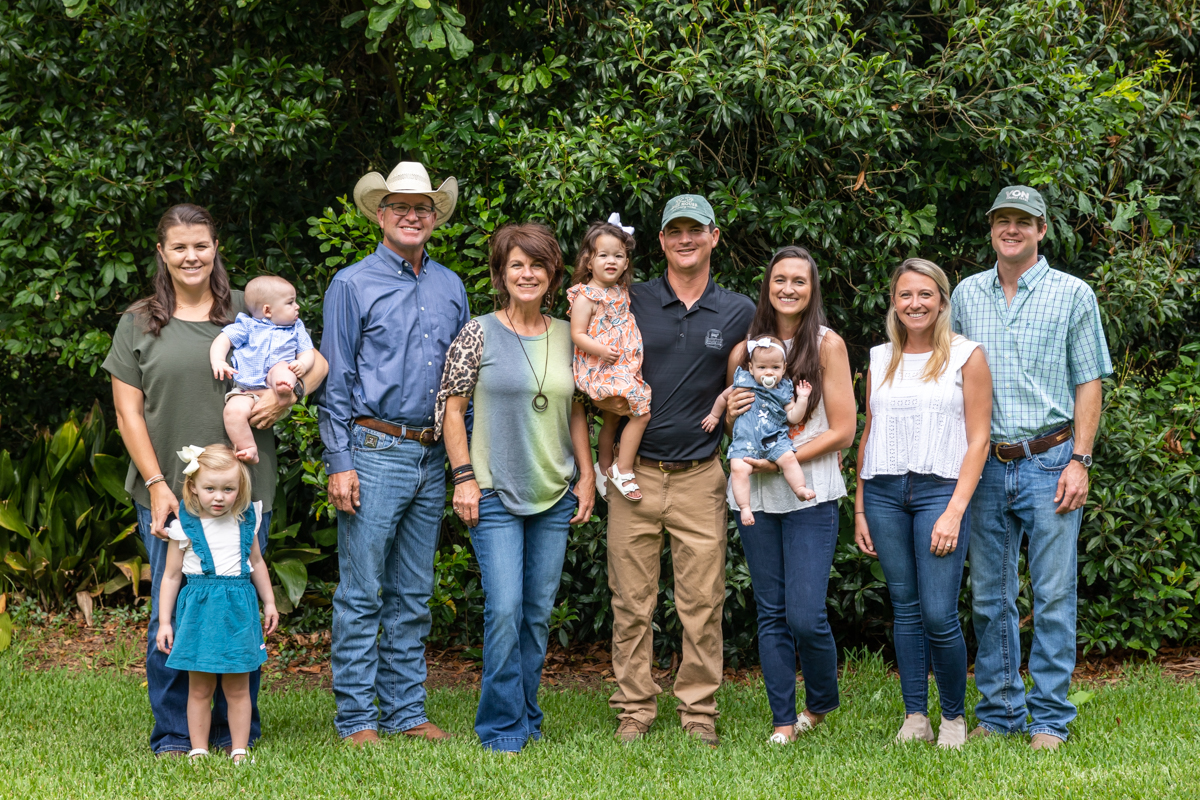
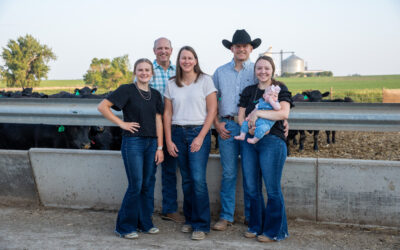
Yon family

The bottom line

Early adopters of technology, the Yons learned to leverage data. From utilizing artificial insemination and embryo transfer to embracing carcass expected progeny differences (EPDs) and value-based marketing before they were the norm, the family harnesses the power of information for strategic decision making.

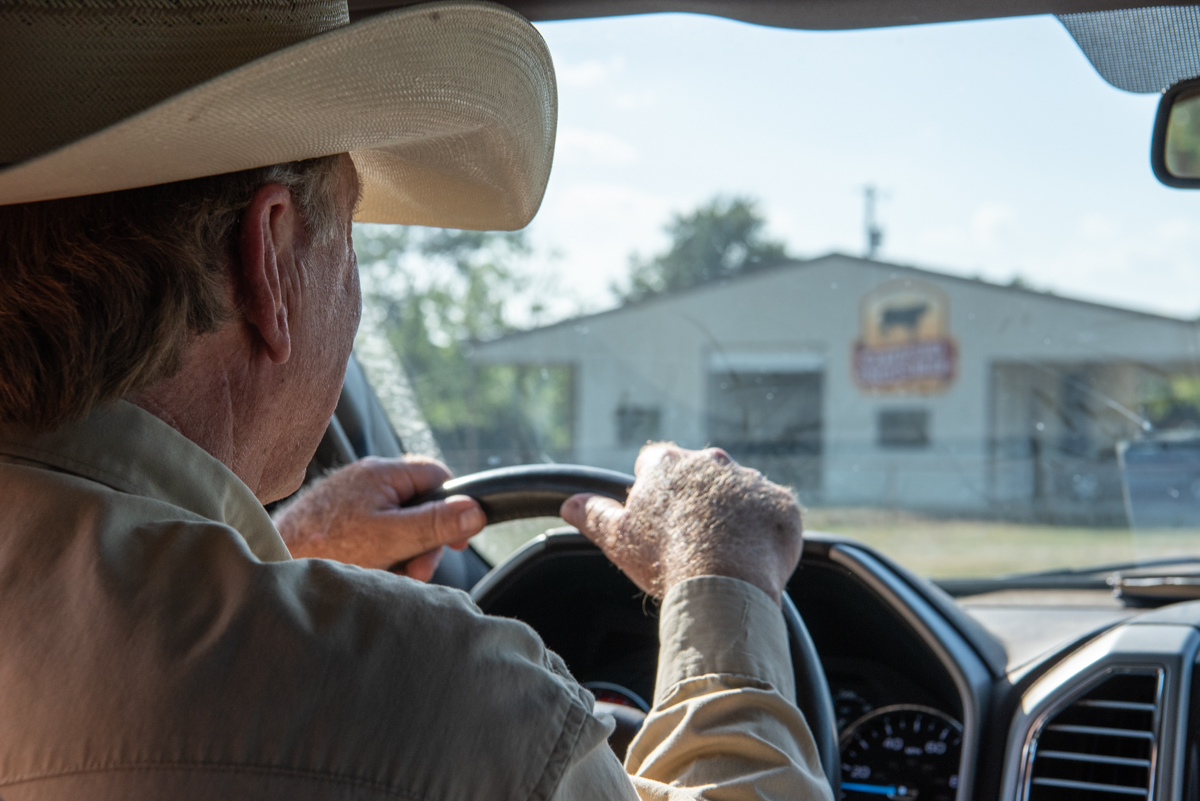
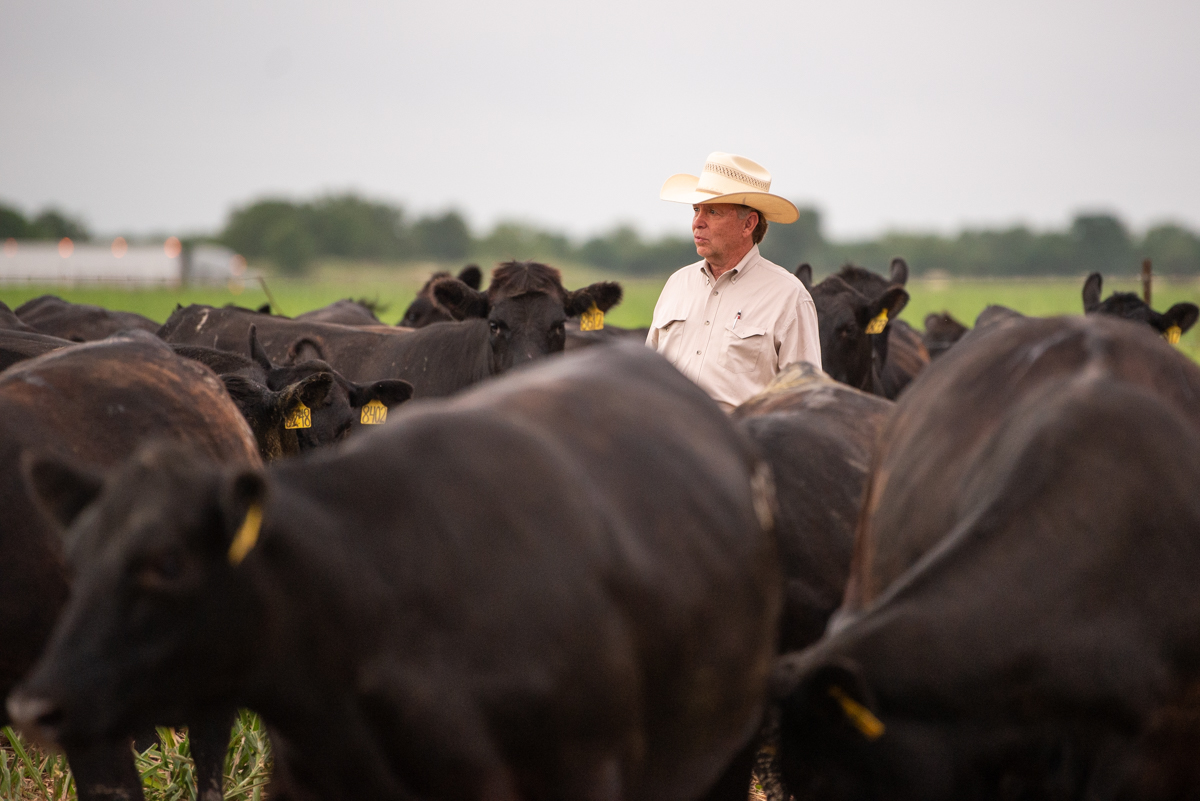
“We’re a family-owned seedstock operation that lives and works with the cattle,” Kevin explains. “If we always make decisions about breeding better cattle, well then, we will breed better cattle. We have a long-term vision of always moving the cattle in a positive direction while keeping an eye on important economic traits.”

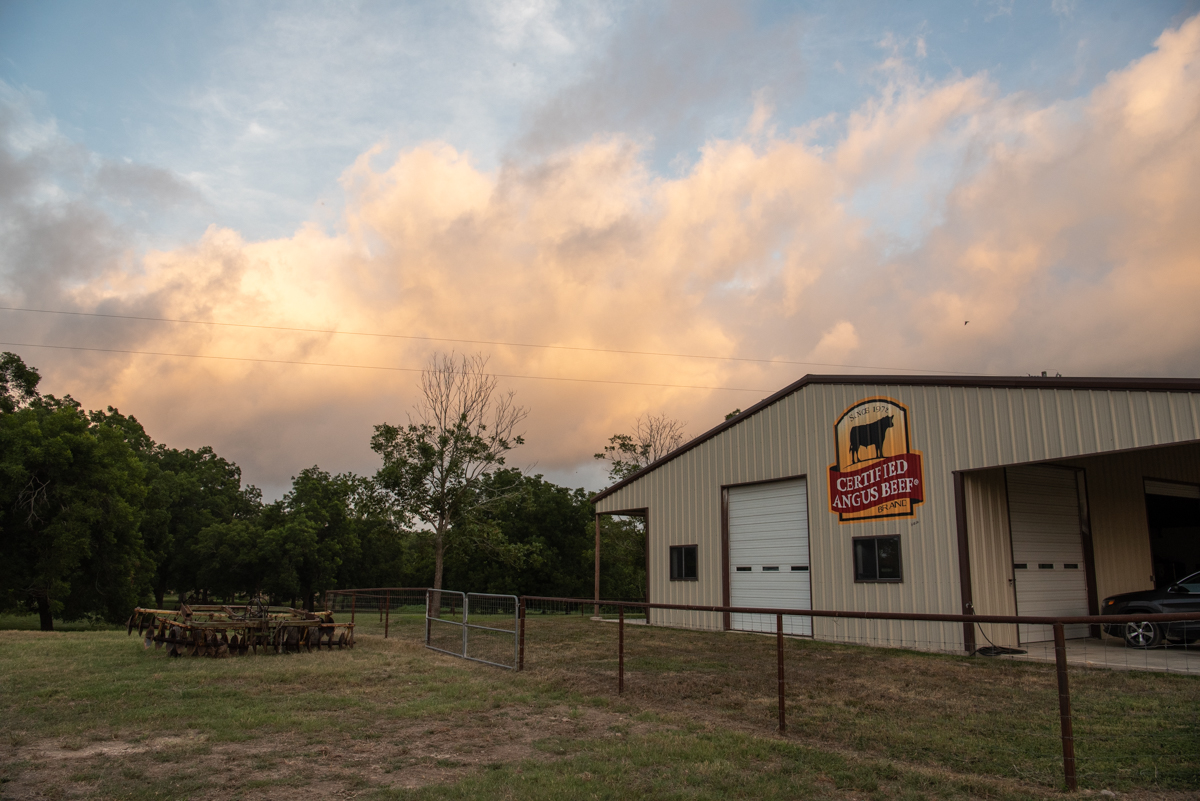
Next to many bulls in the Yon sale book sits a small logo that holds significance for a rancher’s bottom line. The CAB Targeting the Brand™ logo signals genetic value and potential, telling buyers which sires’ progeny are most likely to qualify for the brand.

“We target, and our customers target the Certified Angus Beef ® brand,” Drake says. “Number one, they’re going to get paid more for a calf that qualifies for Certified Angus Beef, but they also feel a real sense of pride when their calves do meet Certified Angus Beef ® standards.”

The logo highlights registered Angus bulls with a minimum marbling EPD of +0.65 and an Angus Grid Value Index of +55 or higher. In the last four years, the Yons raised more than 600 sires that meet these standards. That’s 72% of the more than 450 Angus bulls they market through their production sales annually.

“We target the Certified Angus Beef ® brand because to us, it’s the mark of excellence. It’s the mark of quality,” Kevin says. “It’s the best of the best. And we don’t want to just be good. We don’t want our customers just to be average. We want to strive for excellence in all we do.”
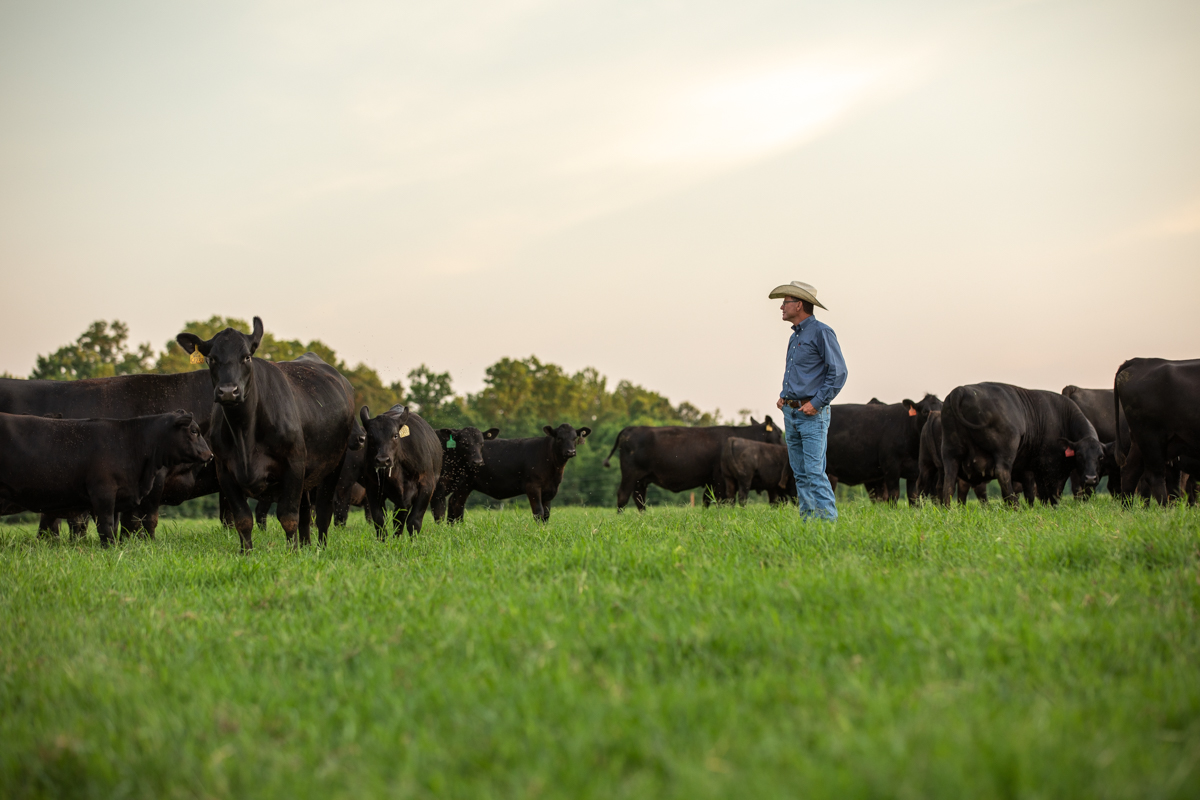
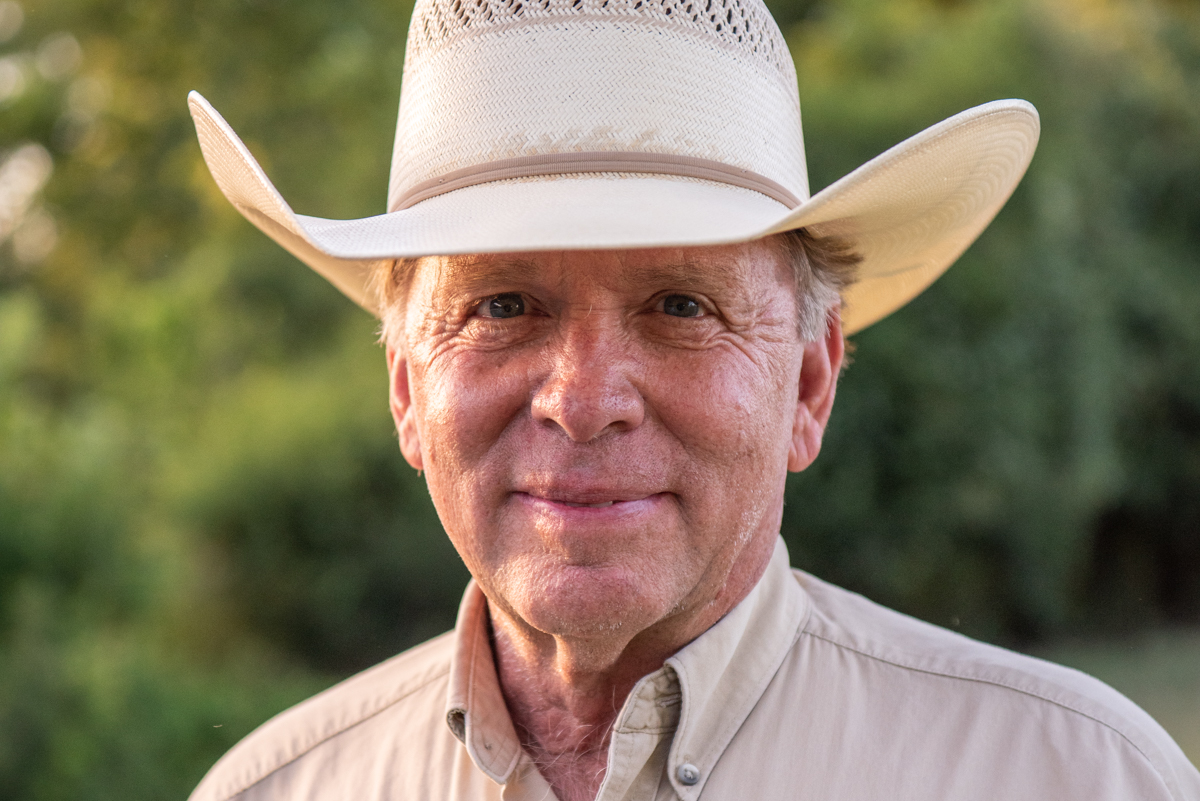
kevin yon

The cattle that customers want

Kevin does mean all.

“Although we put a lot of emphasis on marbling and ribeye and carcass traits, we can never take the eye off that mama cow. Or just off those basic traits that will help cattle to thrive in their environment,” Kevin says. “And that’s the good thing— Angus cattle can do both.”

To serve their southeastern customer base, they focus on developing cattle that thrive in a grass-based, humid, long growing season.

They strive to be a one-stop-shop for maternal, carcass, and easy to manage cattle. They also market 250 females through an on-farm sale each year, but not before the cows prove their value.

“With our registered females, we give them time to make cows and measure longevity,” Kevin says. “It’s not about breeding for the next sale; it’s about a long-term breeding philosophy. We really care about making the cattle better.”
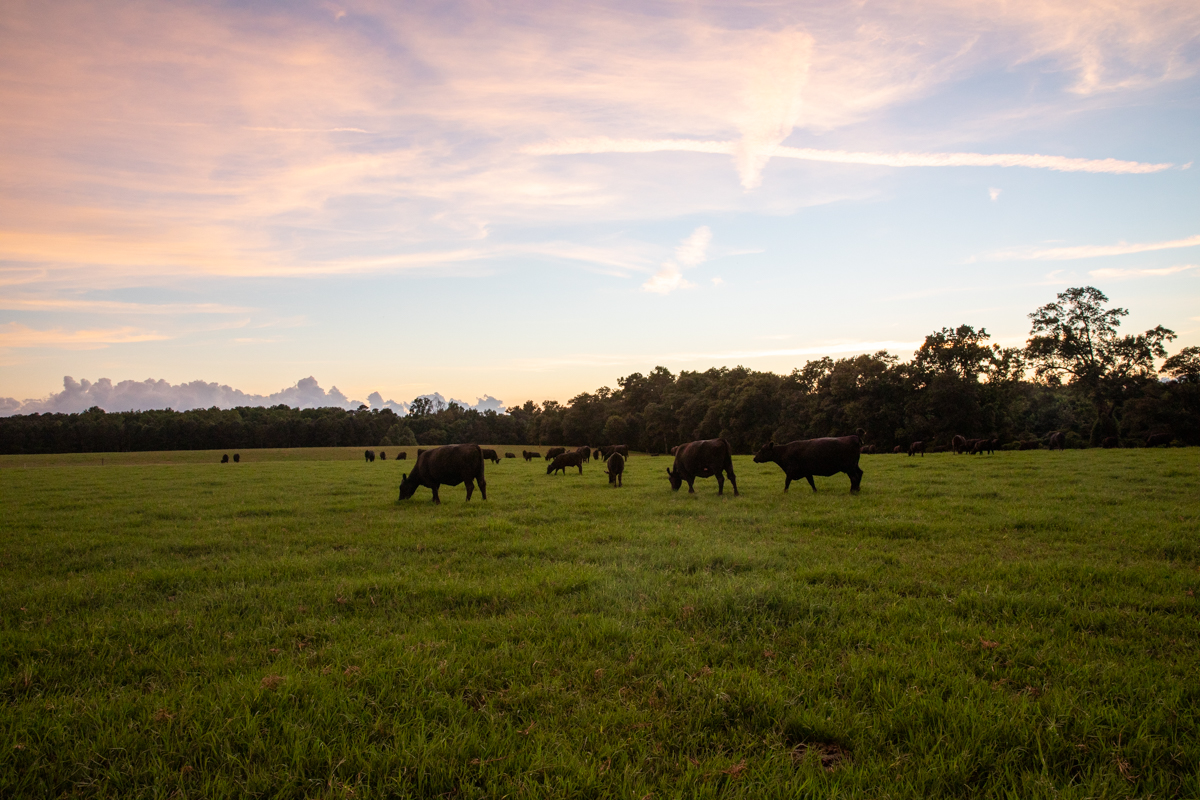
yon cattle in field

Building Together

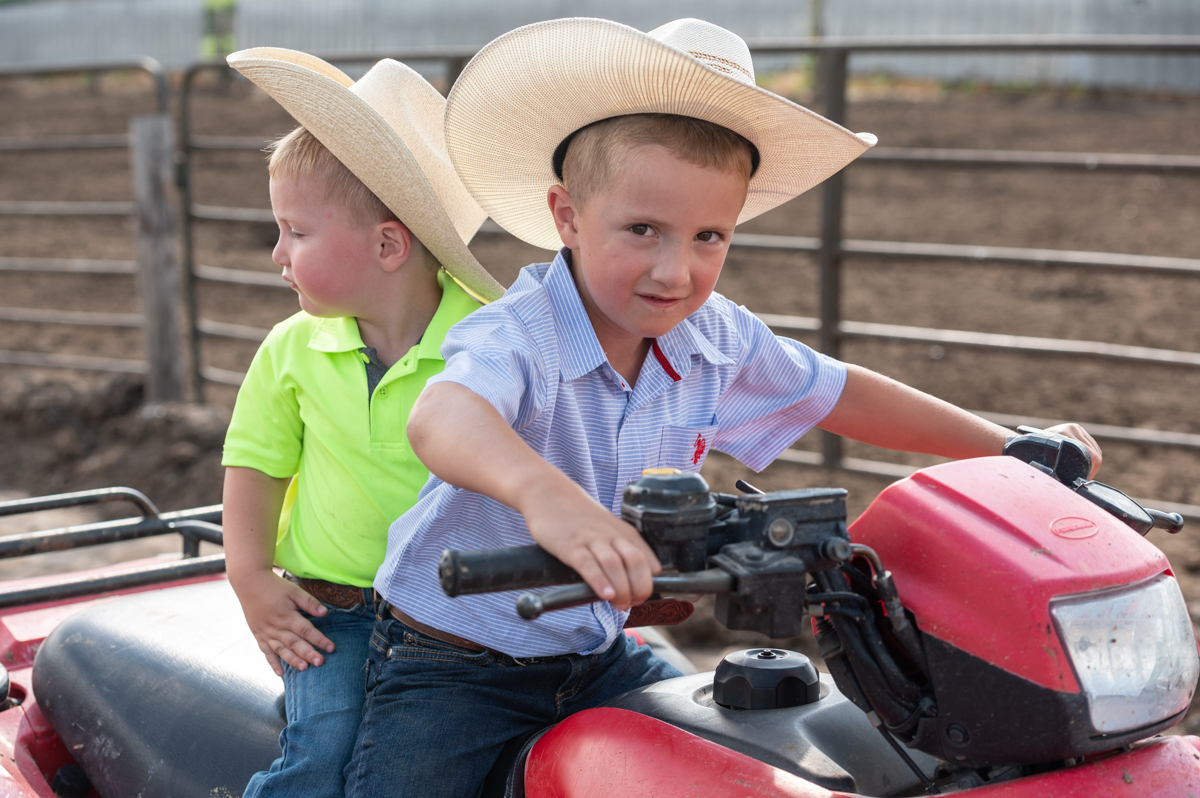
The Yons built their farm as a family, and what began as Kevin and Lydia’s hopeful vision, each child has now embraced as their own.

Committed to creating something worthwhile together, sharing values and value with others is their shared pursuit.

“It’s not always a great way to make a living, but it is truly a great way to live,” says Kevin. “We feel like this is what we were put here to do. To raise high-quality beef, raise cattle, raise grass, raise children, and raise grandchildren.”

And to do all with excellence.

You may also like
Legacy in the Golden Land

Legacy in the Golden Land

On a quiet stretch of Northern California rangeland, a different story unfolds. The Borror family’s legacy modestly speaks through the cattle they raise, the ground they steward. The generations who’ve made a life here demonstrate commitment to doing things right, even when no one is watching.
An Ambassador for All

An Ambassador for All

Joanie, with daughter Lindsey and her husband, Adam Hall, raise registered Angus cattle with two primary goals: producing high-quality seedstock that perform well in a wide variety of environments and ensuring end-user satisfaction. Those goals tie everything together, from promoting Angus to other producers to sharing their story with CAB partners and beef consumers.
An Unforgiving Land

An Unforgiving Land

What makes a ranch sustainable? To Jon, it’s simple: the same family, ranching on the same land, for the last 140 years. The Means family never could have done that without sustainability. Responsible usage of water, caring for the land and its wildlife, and destocking their herd while the land recovers from drought.
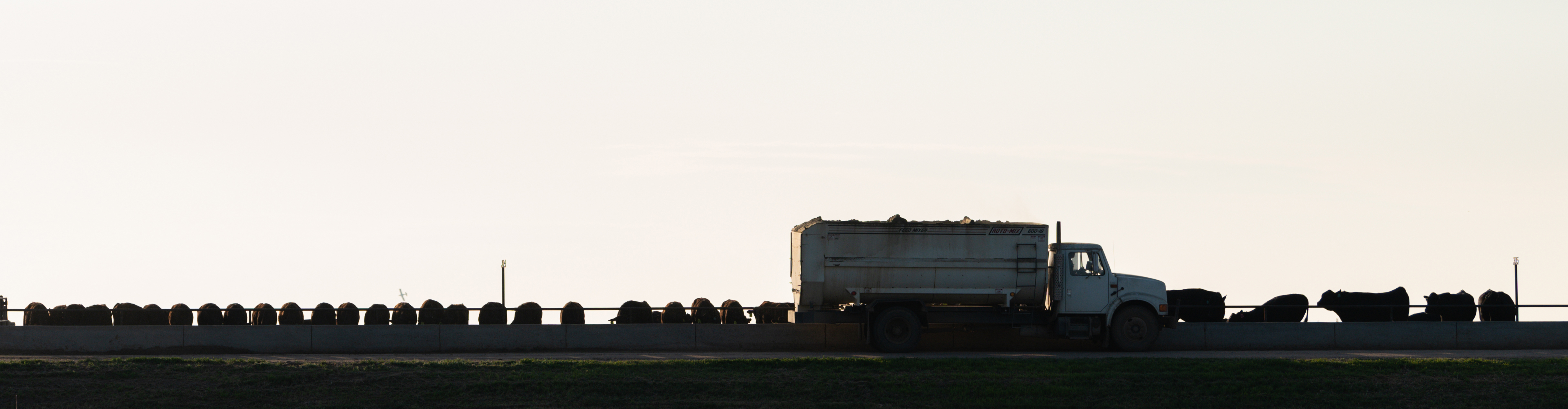
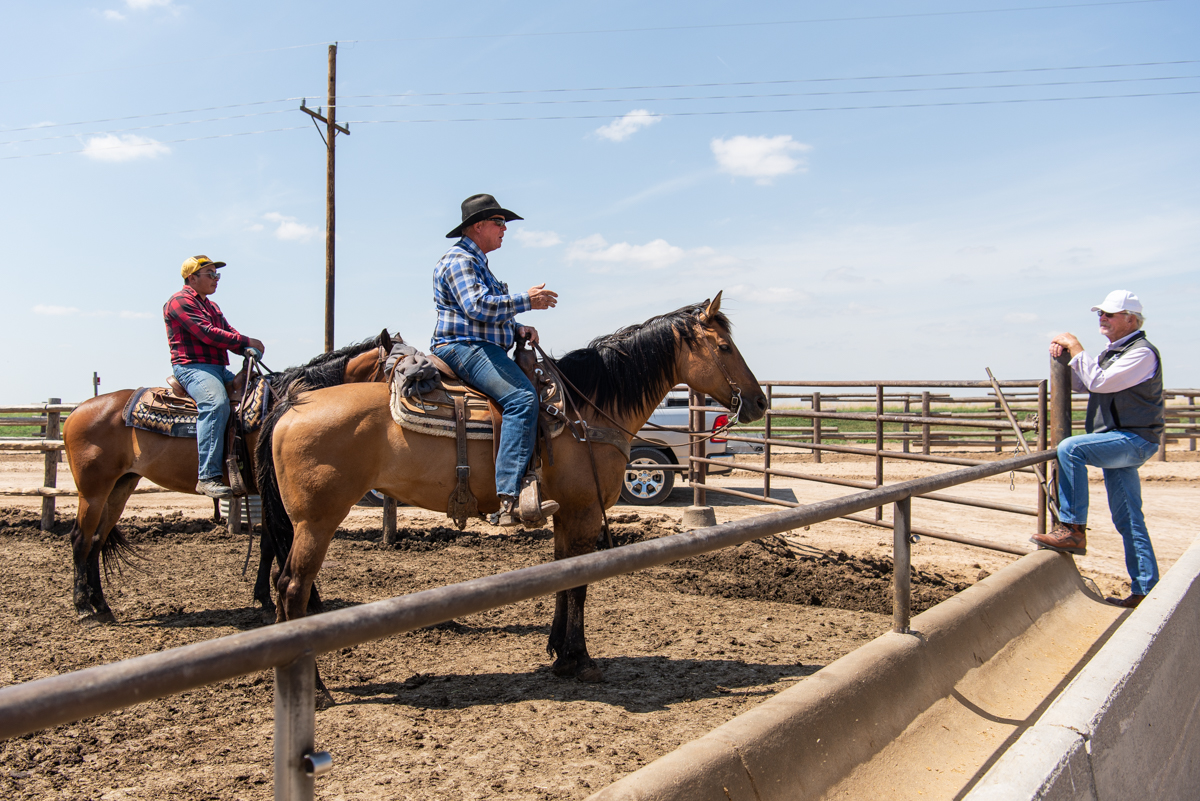
hy plains feedyard

Smith receives Industry Achievement Award at Feeding Quality Forum

by Abbie Burnett

August 27, 2021

The hands of a veterinarian hold the life cycle of an animal in their care. The mind, however, directs the hands.

Anyone who’s met Dr. Bob Smith knows the way he thinks is something else.

“There was one time he told me I needed to look at the 1993, page 4, 2nd edition of the Bovine Practitioner for a problem I had,” says Miles Theurer, the research director for Veterinary Research and Consulting Services (VRCS) and Hy-Plains Feedyard near Montezuma, Kansas. “I was like, ‘yeah, okay.’ But I actually pulled it up and he nailed it spot on.”

What Theurer ­– and anyone who’s worked with Smith­ – has come to understand is, the vet knows his stuff.

It’s come from more than 30 years in the industry caring for its people and cattle.

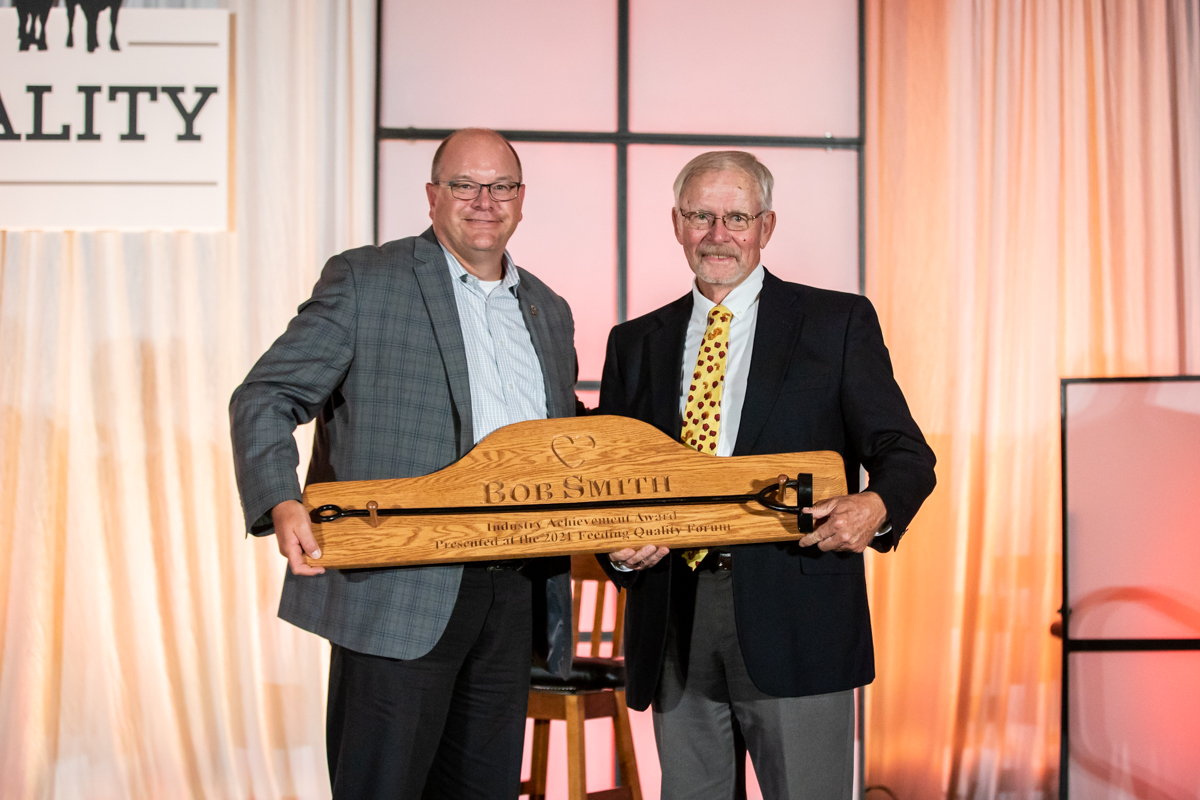
Smith joins the rankings of people like Larry Corah, Jerry Bohn, John Matsushima and Topper Thorpe with the 2021 Industry Achievement Award presented at Feeding Quality Forum, August 24 in Fort Collins, Colo.

Bob Smith FQF Award

Smith grew up in Pittsburg, Kansas – five miles from Missouri and 20 miles from Oklahoma. His dad worked off the farm but the Smith family ran a few beef cows, milked a few dairy cows and had some horses.

He joined the Beef Quality Assurance (BQA) research efforts 30 years ago and hasn’t looked back. When he got involved, injection site lesions were known to diminish beef quality. He helped create new best practices,  moving injections from the top butt to the neck. He developed BQA trainings about the procedure.

“We went from about 24% of fed cattle carcasses having injection site lesions down to virtually none,” he says.

In the early 2000s, he became chair of the BQA group studying cattle welfare. The group learned stress suppresses the cattle immune system, making cattle more susceptible to disease and other problems. They developed a guide on cattle handling and started stockmanship schools around the country.

“We’ve improved the quality of our product a lot, but we’re not sitting on our laurels,” Smith says. “We’re looking for new opportunities and not forgetting what we’ve accomplished in the past.”

Outside of his work with BQA, he’s spent nearly 25 years in post-education positions and nearly the equivalent in the private sector. Currently, he’s a vet with VRCS, which serves around 60 feedyards.

He’s accumulated much knowledge over his nearly four-decade career and shares as much as possible in the personal, one-on-one encounters he cherishes.

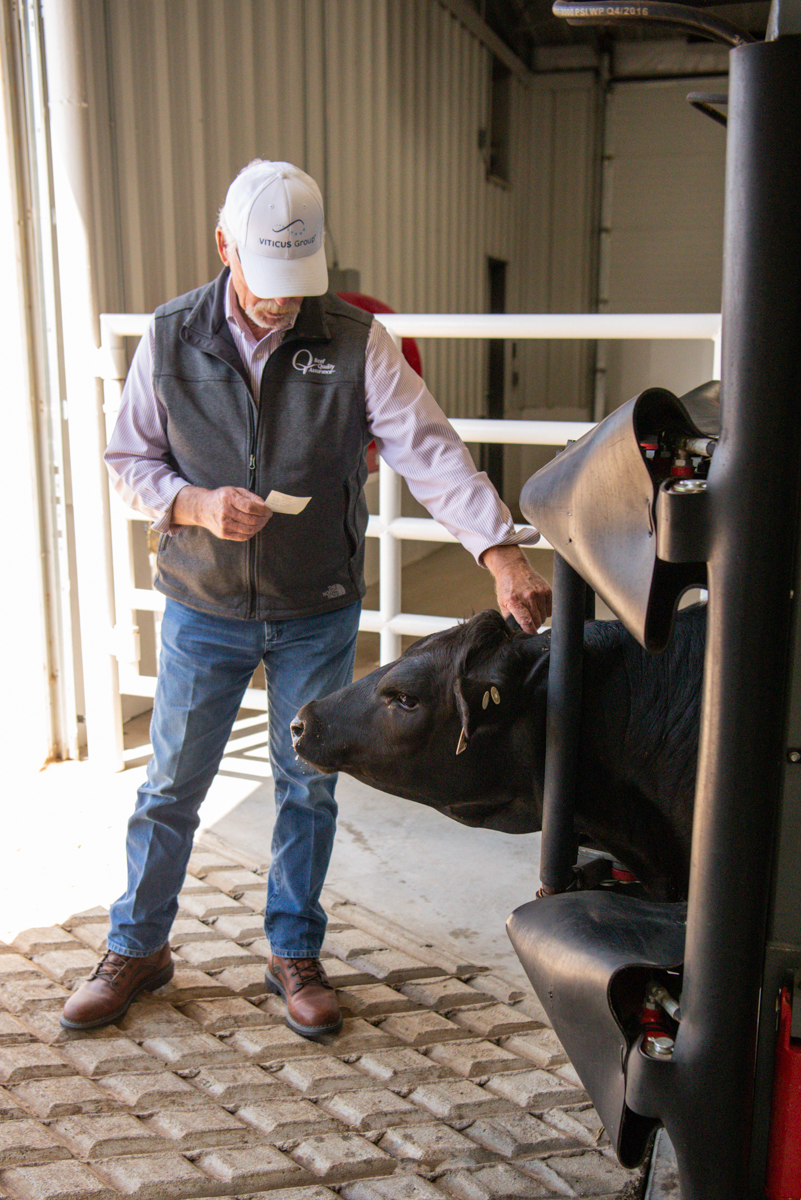
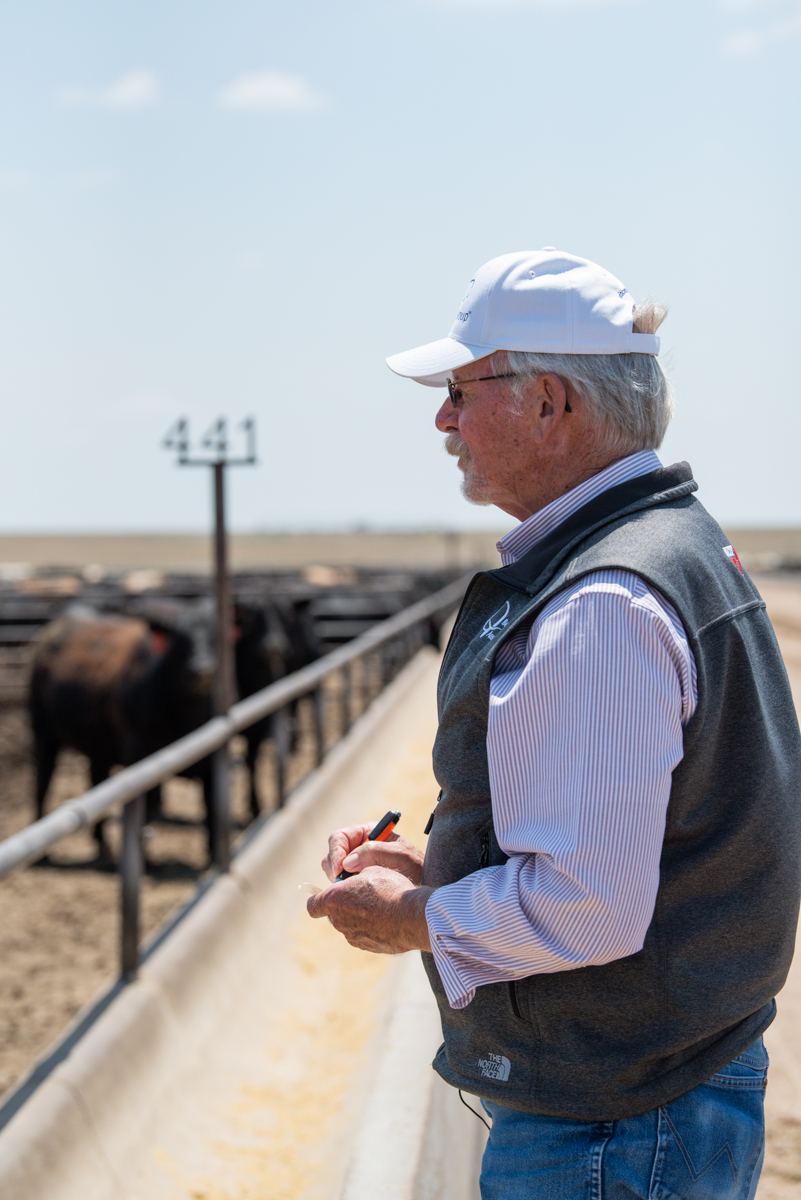
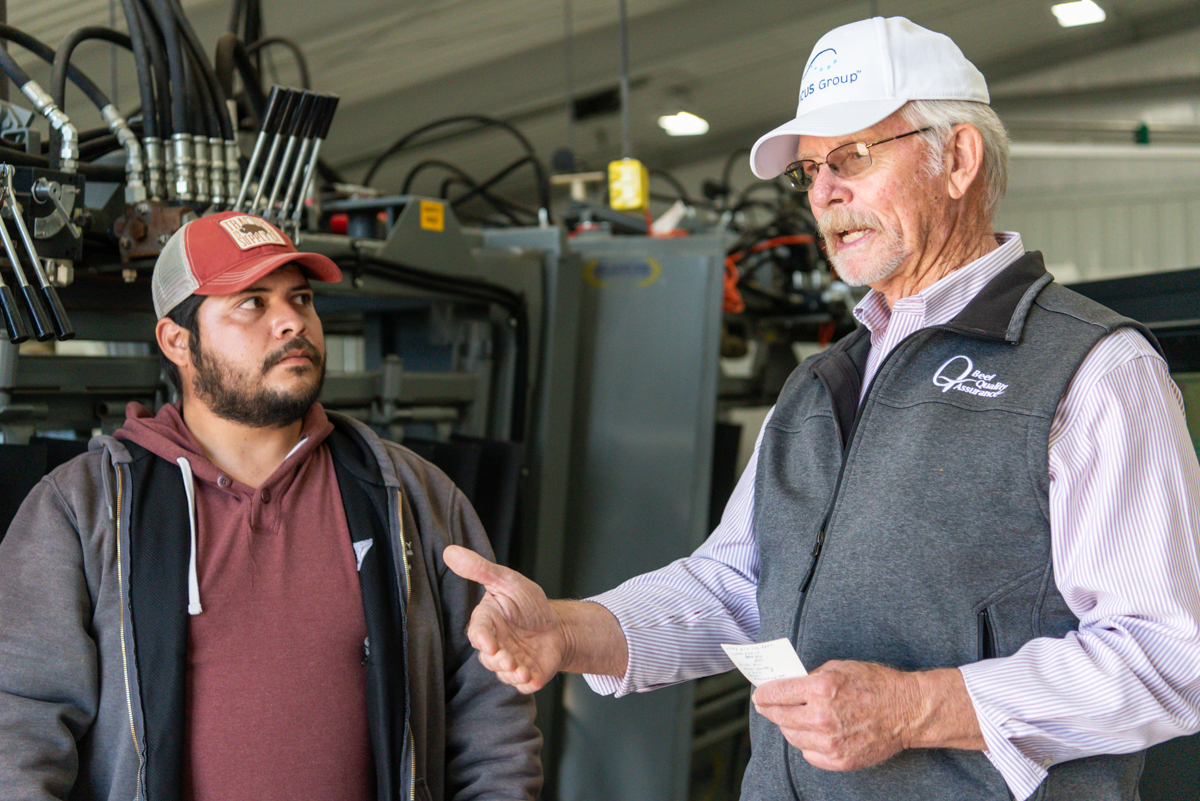
He’ll see that yard personnel follow protocols correctly. When driving the yard, he carefully observes pen riders, handing them 3×5 cards with detailed notes.

Bob Smith pen riders FQF award

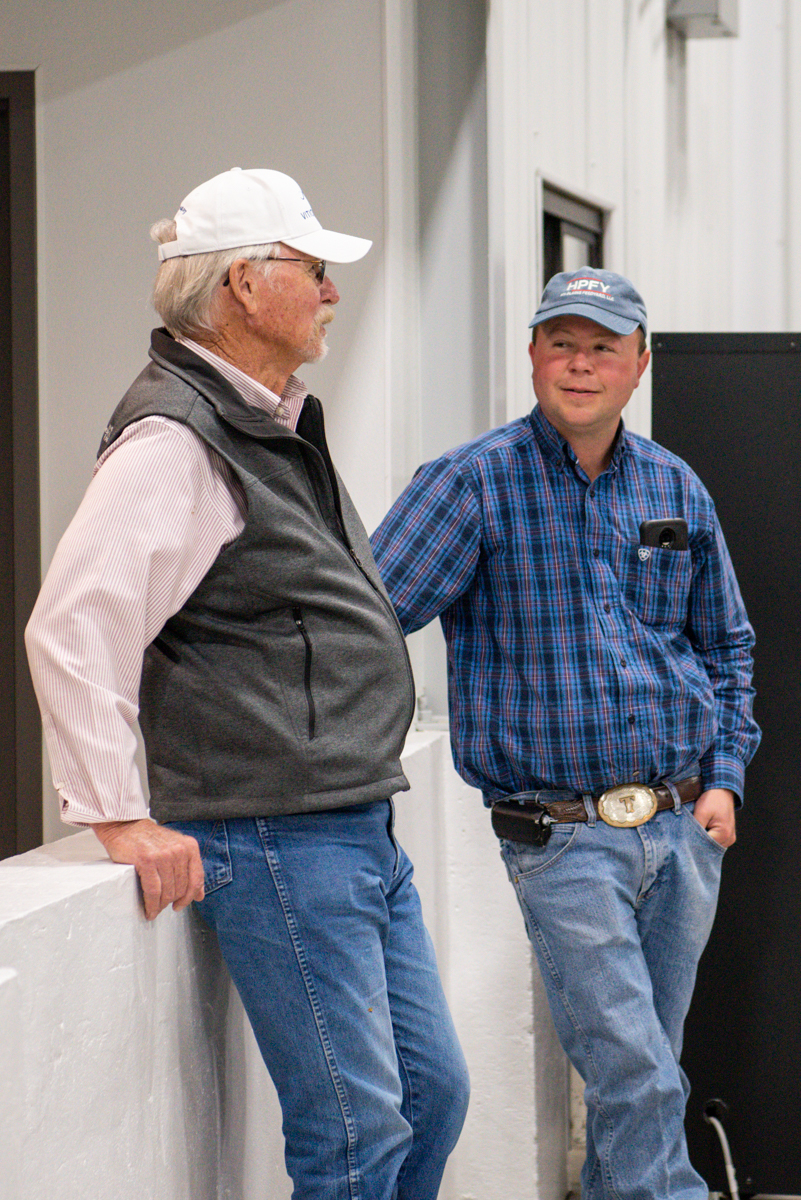
Tom Jones, manager of Hy-Plains Feedyard, friend and client of the veterinarian for more than 30 years, says Smith lives and dies by education, stockmanship and protocols.

“Doc Bob likes to use stockmanship as his number one antibacterial,” Jones says. “But his priority when he visits our yard is education. He spends more time with our doctors and cowboy crews than he does in the office with me.”

Smith’s work ethic is legendary, according to Jones. To his knowledge, few people have necropsied more cattle or have as much experience. “He loves to find out what went wrong,” he says.

“I think partly why the businesses that I’ve been around have done okay is because of the guidance of Doc Bob,” Jones adds.

Every year Smith helps host an antimicrobial resistance meeting at the Hy-Plains Education and Research Center. Attendees represent nearly a third of the U.S. fed cattle production.

He thrives on providing solutions to big challenges like respiratory diseases or growth performance.

“It’s where the producer gets the most return,” Smith explains.

With years of experience, his white hair, and suffering chronic back pain, clients may wonder when he’ll stop coming by.

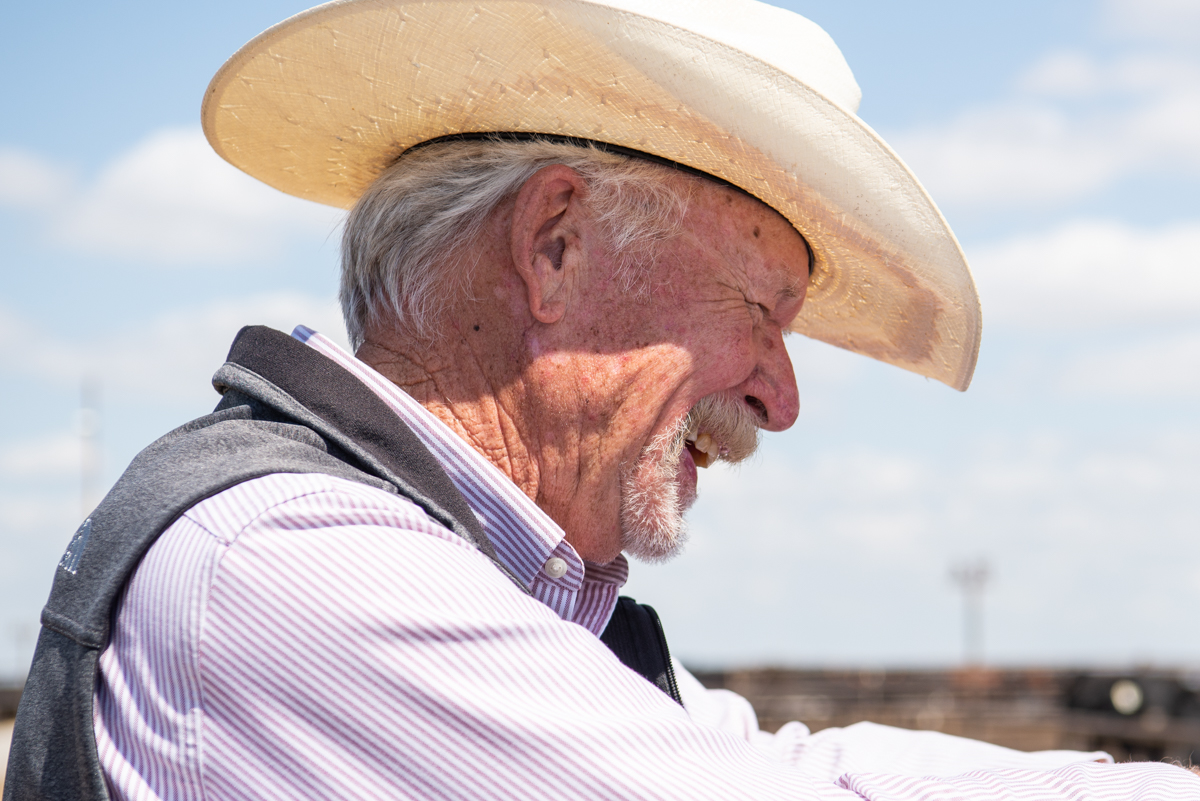
“If my golf game was better, I might’ve quit by now,” Smith jokes. “But I’m a terrible golfer, and I still enjoy getting up and going to work.”

He hopes to be remembered as a “pretty good veterinarian;” someone who loved his profession, his family, his God and gave it all he had.

“There are so many people that are deserving of this award,” Smith says. “Really it’s a shared award. No matter what you’ve accomplished, someone has helped you. But I’m deeply grateful.”

You may also like

Better Cattle Bring Opportunity

Better Cattle Bring Opportunity

Cattle keep getting better, but that doesn’t mean producers should slow down progress. That’s what attendees took home from the 2025 Feeding Quality Forum. It’s call to action for the entire beef industry. Better cattle, yet new and old challenges for each segment.

Future Beef Leaders Receive $100,000

Future Beef Leaders Receive $100,000

The Colvin Scholarship Fund awarded 27 students a combined $100,000 for their pursuit of innovation, growth and leadership in the beef industry. Each recipient is actively pursuing a career in production agriculture, industry research or other agricultural endeavors. With their aspirations for success in the beef business, they are continuing the legacy of Certified Angus Beef’s (CAB) co-founder and long-time executive director, Louis “Mick” Colvin.

hy plains feedyard

Of cattle care & human flourishing

Long-time veterinarian honored for service to cattle industry

By: Abbie Burnett

Originally ran in the Angus Journal

It’s second nature for veterinarian Bob Smith to reach for a 3X5 notecard. He’s used probably tens of thousands in his four decades of service to the beef industry, recording advice, ear tag numbers, and the names of people he has met.

Sure, there are other numbers: three academic degrees, 45 research studies, membership in 16 organizations and more than 200 publications and textbooks published. And, 25 years of service on the NCBA Beef Quality Assurance Advisory Council, where he helped set up protocols and trainings for cattle care and injection site measures.

He’s spent up to 240 nights a year on the road, gave 750 presentations at veterinary conferences or producer meetings, and conducted countless BQA trainings.

But it all comes back to the people.

The 2021 Industry Achievement Award recipient could go by numbers, but he sees success born in the progress of cattle and people… one notecard at a time.​

A Walking Encyclopedia

The hands of a veterinarian hold the life cycle of an animal in their care. But the mind directs the hands.

“There was one time he told me I needed to look at the 1993, page 4, 2nd edition of the Bovine Practitioner for a problem I had,” says Miles Theurer, the research director for Veterinary Research and Consulting Services (VRCS) and Hy-Plains Feedyard near Montezuma, Kansas. “I was like, ‘yeah, okay.’ But I actually pulled it up and he nailed it spot on.”

What Theurer ­– and anyone who’s worked with Smith has come to understand ­– the vet knows his stuff.

His early years were much like the life of famed English vet James Herriot. Knowledge was mostly learned in the field. He was working before products like Draxxin® and Micotil®, synchronization drugs or embryo transfer existed.

He grew up in Pittsburg, Kansas – five miles from Missouri and 20 miles from Oklahoma. His dad worked off the farm, but the Smith family ran a few beef cows, milked a few dairy cows and had some horses.

“Although my dad had many interests, mine kept focusing on agriculture,” Smith says. “I was particularly intrigued by our local veterinarians who came out to care for the cattle.”

Between his home and alma matter Kansas State University were feedyards, which piqued his interest.

He spent nearly 25 years in post-education positions and nearly the equivalent in the private sector. Currently, he’s a vet with VRCS, which serves around 60 feedyards.

He’s accumulated so much knowledge over his nearly four decade career, but he imparts as much as possible.

 “One of my favorite things that I’ve done in my practice and university life is to speak at various meetings around the world and country – everything from a little room in a sale barn to some large auditorium,” Smith says. “Answering things like how we can do better, asking people their problems and how to solve them. Each of those is enjoyable.”

dalebanks perrier seedstock commitment to excellence

But it’s the personal, one-on-one encounters he cherishes.  

He likes to push cattle while observing at the same time. On that 3X5 notecard, he’ll count the number of prod touches, cattle that slipped or dropped to their knees, or ones that bawled with no interaction.

He’ll see that yard personnel follow protocols correctly, and when driving the yard, he watches pen riders, handing them his little cards with detailed notes.

“Cattle are animals of prey,” Smith says. “You have to make them comfortable and keep checking so that they’ll relax. You can see their true form if they’re sick and not hiding it. I tell the pen rider to pull the slightly sick one first because it’s easy to go back and find the real sick one.”

Tom Jones, manager of Hy-Plains Feedyard, friend and client to Smith for more than 30 years, says Smith lives and dies by education, stockmanship and protocols.

“Doc Bob likes to use stockmanship as his number one antibacterial,” Jones says. “But his priority when he visits our yard is education. He spends more time with our doctors and cowboy crews than he does in the office with me.”

Smith’s personal pursuit of knowledge never ends. He is senior editor of a few publications, which he says forces him to learn things he normally wouldn’t pay much attention to.

“It’s so you don’t get in your own little corner and think you know everything. You get out and mix it up with other people and obtain new information to guide you in your professional career.”

Smith’s work ethic is legendary, Jones says. To his knowledge, few people have necropsied more cattle or have as much experience as Smith. “He loves to find out what went wrong,” he says.

“I think partly why the businesses that I’ve been around have done okay is because of the guidance of Doc Bob,” Jones adds.

Smith has guided the Hy-Plains team the last 25 years. His insights helped inspire the creation of the Hy-Plains Education and Research Center.

Every year Smith helps host an antimicrobial resistance meeting at the Center. Attendees represent nearly a third of the U.S. fed cattle production.

He thrives on tackling big challenges like respiratory diseases or growth performance.

“It’s where the producer gets the most return,” Smith says.

dalebanks perrier seedstock commitment to excellence
Bob Smith and Miles Theurer
dalebanks perrier seedstock commitment to excellence

All things wise and wonderful

Smith’s mission is help others improve their operations. But he gets the most satisfaction from his work by nurturing others’ personal and professional growth.

Theurer considers Smith a mentor. It was Smith who told him: “Don’t be afraid to look at yourself in the mirror and say, ‘Hey, you know, here’s what I thought was wrong. Let’s go out and collect some data and go out and prove or disprove that,” he recalls.

Smith is known for going above and beyond the industry norm. He works with cowboys, processing crews and the doctors, suggesting improvements all the while.

Jones asks, “How many consulting veterinarians do you know that if I’m having trouble with one of my seedstock guys, or retained ownership people, Doc Bob will actually initiate a phone call where they’ll interact on his driving hours or on his own time? And if we’re really having a problem, Bob and I will go visit them. He’s done that countless times over 30 years.”

He never gets angry but will press and press, says Jones. He knows Smith doesn’t want to be at a feedyard that doesn’t listen to him because he feels it’s a reflection on him if they’re not doing well.

“You treat everyone with equal respect whether it’s the man over here cleaning a water tank or the manager or feed caller, because those people are bright people,” says Smith. “They could be where you are today. It’s just that we took a different path. Do you care? Do you try to nurture them along and help them to grow?”

Bob Smith laughing

A pretty good veterinarian

With years of experience, back pain, and his white hair, clients may wonder when he’ll stop coming by.

“If my golf game was better, I might’ve quit by now,” Smith jokes. “But I’m a terrible golfer, and I still enjoy getting up and going to work.”

He hopes to be remembered as a “pretty good veterinarian.” A person who loved his profession, his family, his God and gave it all he had.

Smith joins the rankings of people like Larry Corah, Jerry Bohn, John Matsushima, and Topper Thorpe with the Industry Achievement Award. They are the people who shaped the industry. He’ll be presented with the award at the Feeding Quality Forum August 24th in Fort Collins, Colo.

“There are so many people that are deserving of this award,” Smith says. “Really it’s a shared award. No matter what you’ve accomplished, someone has helped you. But I’m deeply grateful.”

The industry is deeply grateful, too.

Smith explains procedures to a new veterinarian
Bob Smith talks with Tom Jones of Hy-Plains Feedyard

Moving the needle

Veterinarian Bob Smith remembers it was all about roughing the cattle up, yelling and getting them through the chute when he was growing up. “When I was a kid, we weren’t always the best stockmen,” he says. “We learn from those things.”

Smith joined the Beef Quality Assurance (BQA) research efforts with 30 years ago and hasn’t looked back. When he got involved, injection site lesions were a problem. He helped create new best practices moving injections from the top butt to the neck and created BQA trainings about the procedure.

“We went from about 24% of fed cattle carcasses having injection site lesions down to virtually none,” he says.

In the early 2000s, he became chair of the BQA group studying cattle welfare. They found that stress suppresses the cattle immune system, making it more susceptible to disease and other problems.

So, they created a guide on cattle handling and started stockmanship schools around the country.

“We’ve improved the quality of our product a lot, but we’re not sitting on our laurels,” Smith says. “We’re looking for new opportunities and not forgetting what we’ve accomplished in the past.”

Just as Smith helped move the needle for injection sites and BQA practices, he’s constantly elevating research, data collection and science-based decisions for the future standard of cattle care.

Cattleman leading feedyard cattle at Hy-Plains

You May Also Like…

Working for Premiums

Working for Premiums

The commercial Angus rancher from Collyer, Kansas, came back for daily homework in 1999 after a year at college. For 25 years now, he’s studied all the ways to grow his family’s W6 Cattle cow-calf herd with Angus at the base. Guided by data, Walt worked to improve the herd from zero Primes to averaging 60 percent. Learning what drives premiums prompted improvement.

Luling Foundation Earns 2024 Progressive Partner Award

Luling Foundation Earns 2024 Progressive Partner Award

Setting or rising, the sun casts golden hues over cattle grazing the Luling Foundation’s sprawling fields and invokes the weight of history and hope. Rooted in faith, quality and community, Davis’ legacy continues to flourish, reminding all of the profound impact one person’s vision can have.

dalebanks perrier they run deep

They run deep

Roots anchor the Dalebanks program, helps them grow

By: Miranda Reiman

A difficult place to put down roots—that’s an odd feature for a prairie really, but it’s true of the Kansas Flint Hills.

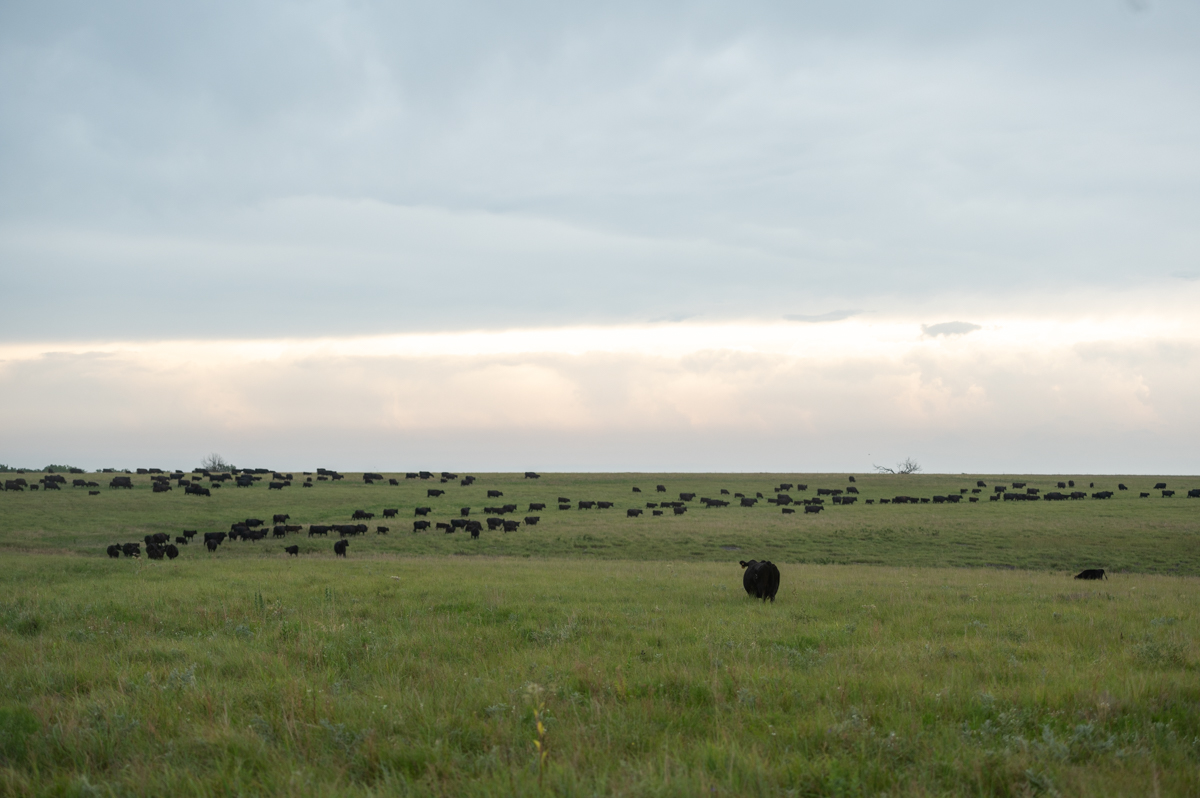
The pastures at Dalebanks Angus near Eureka, Kan., hide the plants’ challenge well. Native big and little bluestem adapted over the ages to thrive in the shallow soil, only a few inches deep in places, that blankets the underlying limestone. Shards of flint mingle with the roots.

“It’s exceptional grass from the middle of May until late July, first of August,” says Matt Perrier, who is the sixth generation to ranch and the fourth to raise Angus cattle there. “Before and after that, I’d love to be able to move these cows about anyplace else because this native tallgrass prairie falls apart pretty quickly. You either have to find ways to grow or deliver feed outside of the native tall grass.”

It’s a difficult place to put down roots…unless you’re an adapted cattleman. Then it’s exactly the kind of place to build a life, and a program that helps others do the same.

A name, some land and a commitment

The Dalebanks name traces back to ancestors who settled this spot and kept a trace of their English heritage alive by bringing their farm name to the Kansas plains. The family tree is dotted with cattlemen.

“Our breeding philosophies are generations deep,” Perrier says. His great-grandpa saw these “unique” cattle at the American Royal in 1903, and brought the first Angus to their ranch the next year. Then his grandpa crafted a simple phrase, which the family has further distilled to the tagline for their whole program: “Practical, profitable genetics.”

The Perriers are more concerned with their customer’s bottom line than their own, knowing strength in the former will naturally help the latter.

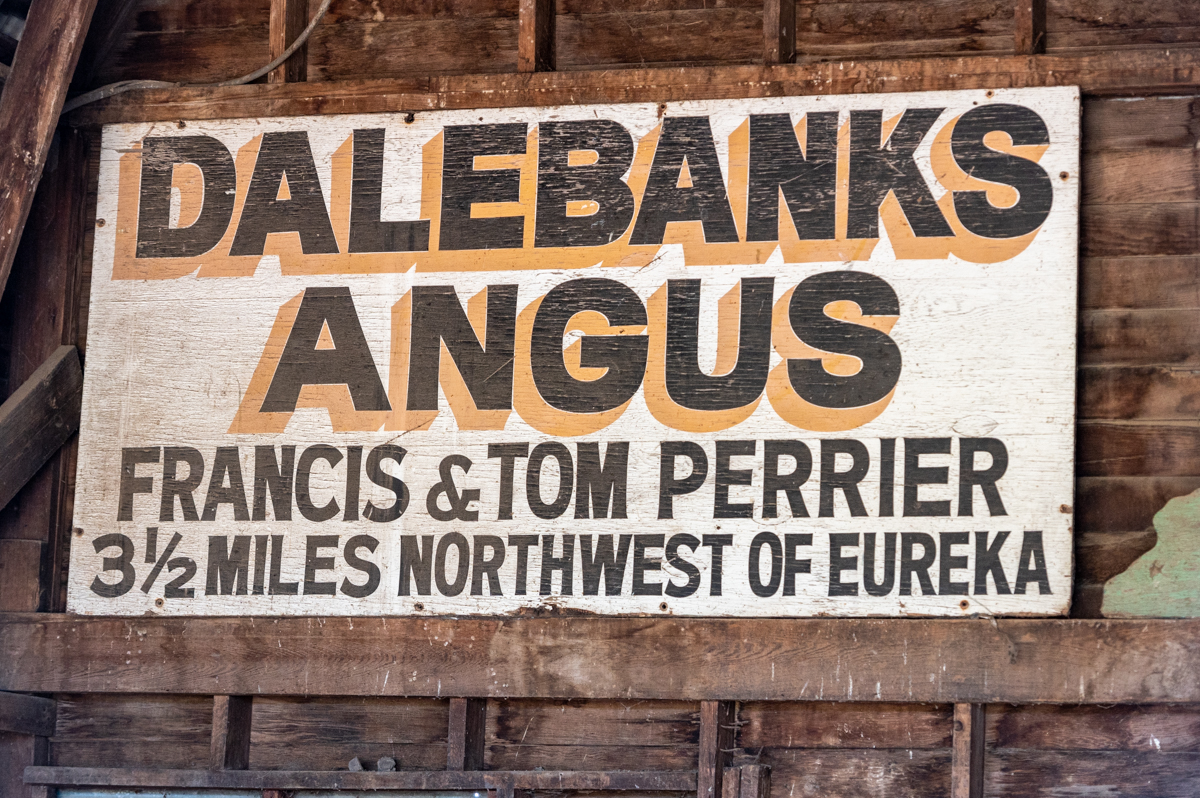
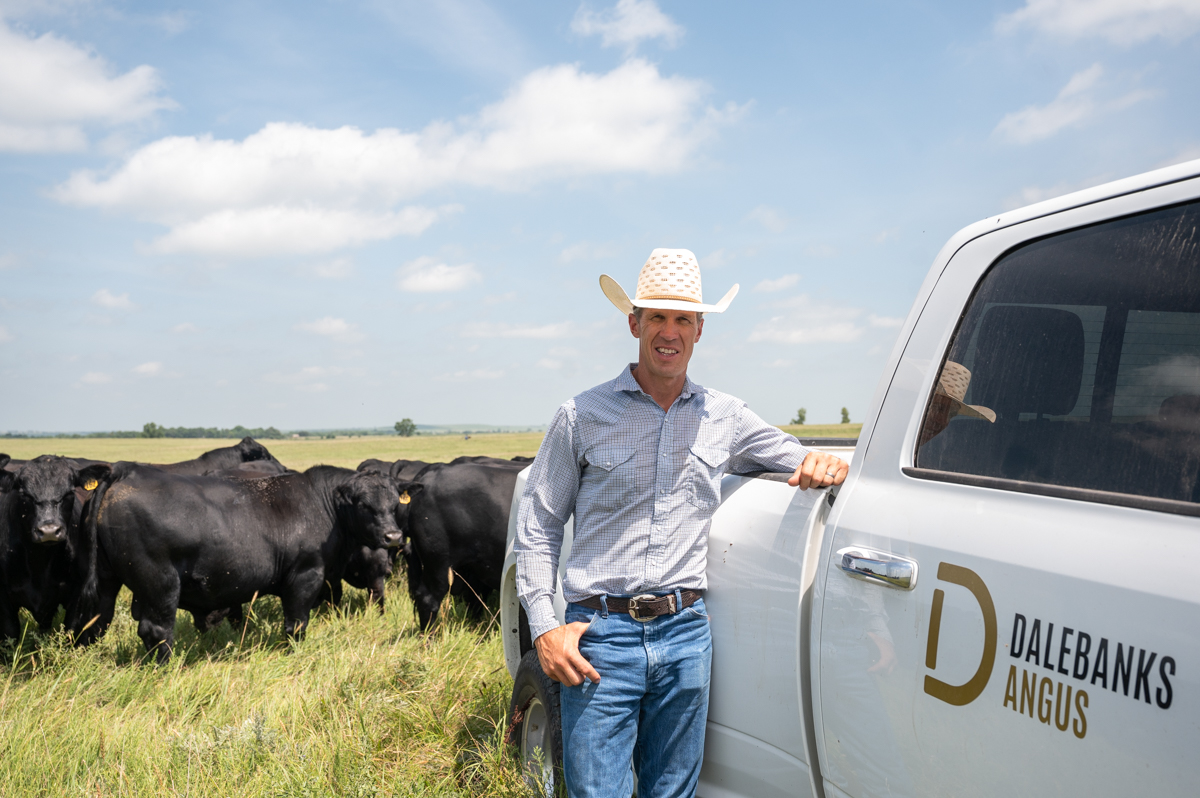
Dalebanks Angus—Matt, Amy and their children, along with his parents Tom and Carolyn—earned the 2020 Seedstock Commitment to Excellence Award from the Certified Angus Beef ® (CAB®) brand.​

dalebanks perrier seedstock commitment to excellence

Always improving, never wavering

As a boy, Perrier remembers concerns with lower beef demand and a fledgling high-quality Angus beef brand. Anyone who thought CAB was a real target?

“They got laughed at,” he says. “When I see that logo, I see folks who believed that there was a reason to breed cattle that met consumers’ demand. I see folks who shrugged their shoulders and said, ‘I don’t care that the rest of the industry is telling us to go the exact opposite way.’”

His dad was one of those who did it anyway. Yet, it took an entire shift in the industry before it made sense to everyone.

“We needed a way for cattle that were more desirable for our consumer to get rewarded for that kind of production. It wasn’t happening in the ’80s and early ’90s,” says Tom Perrier. “Now it has accomplished what it set out to do…and I’m glad that we’ve been a little part of that.”

It’s one of the reasons his son carries on the tradition of keeping cattle consistent, moderate in size and balanced for all traits, while making improvements on multiple fronts.

“Our advertising program in the ’70s was not really to sell Dalebanks bulls, it was just to sell Angus cattle,” Tom says.

But as the breed found favor in his generation, his son has worked to set their own program apart by communicating their straightforward goal of good cows that raise good calves with good carcasses.

“We know we could breed cattle that are fancier, but we also know through the centuries, our customers have looked to us, not just for prettier cattle or cattle that excel in one trait, but that are profitable for them,” Perrier says.

The sale catalog is full of cattle that bear the Targeting the Brand logo. The 2019 book featured 109 bulls with the mark, or 73% of their offering.

dalebanks perrier seedstock commitment to excellence

“It gets a little redundant when we put them in there and they’re on nearly every bull in the catalog, but hopefully that proves, even though we breed for bulls and females that are of exceptional maternal value, we’re making simultaneous improvement in both of those areas,” he says.

Perrier uses technology like RFID tags for record keeping, but says the best tool is good data submission and analysis. That’s why he’s supportive of the American Angus Association’s Maternal Plus program to aid in fertility improvements.

Perrier spent seven years as a Regional Manager and later Director of Commercial Programs for the American Angus Association and Tom served on the board in the ‘80s—they both know that programs only work with participants and advancements in breed only happen when the data informs tools.

At the edge of his land sits an old horse-drawn hay rake “that was a pretty good technology at the time,” and now serves as a reminder of how fast innovations can revolutionize a business. The smart phone in his pocket does the same.

“We still have to recognize that Mother Nature and the environment we’re in is either a pretty powerful ally or enemy,” Perrier says. “If we try to use technology and overcome her completely and feed our way out of ‘problem cattle’ to cover up an issue in the genetics that should have been allowed to show, then we get ourselves in trouble.”

So he’s honest with himself and the cattle are honest with him. They learn to walk to water and travel on the rocks and hills, or they don’t stay.

Like his father and grandfather before him, Perrier is conservative, but not slow to change when there’s a reason. Sale day is one of the cattleman’s favorite times, even with its heavy workload and added stress, because it’s a chance to get direct feedback from his customers. ​

dalebanks perrier seedstock commitment to excellence

A prayer and a plan

The auctioneer never came. The blizzard was one for the history books. Everything was ready on sale day, but nobody showed up.

When Perrier wakes, the memory is vivid, but it’s a relief to know it wasn’t real.

“Dad and I always kind of laugh about who has the first pre-sale nightmare,” Perrier says. “They usually start in August. You sit up in a cold sweat, say a prayer and make preparations to make sure it doesn’t actually happen.”

The closest thing to a real-life nightmare was 2008. The Recession was already in full force, but the housing market collapse and general unease on Wall Street heated up about two weeks before their late-November sale. It left ranchers uncertain.

Perrier relays his longtime auctioneer’s account of the day: “I climbed up on that auction block and I looked across there and I saw nothing but fear in the eyes of those buyers.”

The sale average settled 30% to 40% below the year prior.

“Nobody wanted to pay too much for a bull that day,” Perrier says. ​

dalebanks perrier seedstock commitment to excellence
dalebanks perrier seedstock commitment to excellence award

That’s the nature of a business where risk is inherent and sometimes all a rancher can do is have a little faith.

“We sold bulls for less than we had in several years. Those bulls went out and did their job well, and a lot of those customer that were first customers in ’08 are still customers today,” he says.

That year may have been the first one where it really sank in, the gravity of their decision to come home in 2004.

“Most jobs, you put in more hours, you think smarter, you make good decisions and your outcome is generally going to be better that someone who just shrugged their shoulders and said, ‘I’m not going to show up today,’” Perrier says. But there are always threats of hail storms and unpredictable markets. Sometimes extra effort means no more money in the bank.

“I think it still teaches a lot of these farm and ranch kids, that you don’t give up.”​

dalebanks perrier seedstock commitment to excellence

The path not taken

Every so often he and Amy do ask themselves, “What if?” What if they had stayed in the city, with a comfortable suburban life and guaranteed paycheck?

Their firstborn, Ava, was seven months old when Tom asked his son if he knew of anybody looking for full-time ranch work. The family’s hired man was leaving.

Perrier called the next day and said he would like to apply for the job, and that cemented the couple’s path to put down rural roots in that flinty range. Ava is now 17.

What if he’d sent a few names along in place of his own?

Fourteen-year-old Lyle may have never learned to rope (it’s his favorite ranch chore); nine-year-old Henry may not know exactly what to do with those plastic toy cows he runs through a Little Buster chute. How would Hannah (11) know that working cattle all together as a family is one of her favorite things? And one-and-half-year-old Hope might never look so natural in the saddle.

dalebanks perrier seedstock commitment to excellence award

“There’s always moments of, ‘I wish we could have done this or that,’” Amy says. They gave up career opportunities and conveniences with the move, “but they’re always nullified by the fact that we have such a wonderful opportunity here with our children and Matt’s parents.”

Perhaps Perrier would get to spend more time at ballgames, but knowing their dad as the most devoted fan would be to miss out on having him as the most patient everyday teacher.

“Everybody pitches in and gets it done,” Perrier says, with quite a bit of fulfilment in knowing early investments are paying off now. Today, when they vaccinate calves or move pairs, almost everyone contributes. That’s because all along the way he’s showing them how and why, and doing a fair bit of observing, too.

“We try to be constant learners and get better every day in whatever we’re doing. With our faith, with our sports and activities, with our school and learning and with our work around here. We try to make ourselves and those around us better every day.”

Roots are a strong foundation, a place to grow from, and their Flint Hills ranch is indeed the perfect place for that.

You May Also Like…

Luling Foundation Earns 2024 Progressive Partner Award

Luling Foundation Earns 2024 Progressive Partner Award

Setting or rising, the sun casts golden hues over cattle grazing the Luling Foundation’s sprawling fields and invokes the weight of history and hope. Rooted in faith, quality and community, Davis’ legacy continues to flourish, reminding all of the profound impact one person’s vision can have.

More Than A Meat Scientist

More Than A Meat Scientist

On the surface, he’s a meat scientist. Others know him as a meats judging coach. Some call him “the father of instrument grading.” To those who’ve worked most closely with him, Dr. Glen Dolezal is much more.

You, Your Cows and Their Feed

You, Your Cows and Their Feed

Expert guidance from Dusty Abney at Cargill Animal Nutrition shares essential strategies for optimizing cattle nutrition during droughts, leading to healthier herds and increased profitability in challenging conditions.

bodey langford, ambassador award, never gone dry

Never gone dry

CAB Ambassador Award winner’s presence shapes the industry

By: Abbie Burnett

The San Marcos River is not violent by nature. In no hurry, were it not for the thousands of people floating it yearly, it’d be hard to tell if it moved at all.

Yet it does – constantly and steadily. It shapes the path it takes, carving into the earth and making its lasting mark.

Much like the river in Bodey Langford’s backyard, he’s a gentle but steady force, a constant mark in the cattle industry and the lives he touches.

Recently presented the Certified Angus Beef ® (CAB®) brand’s 2020 Ambassador Award, the natural storyteller is heavily involved with the Texas Angus Association and Texas Beef Council. He gets to tell his story to the hundreds who visit his ranch year-round.

Like the natural springs that source the river, he begins his story with those who came before.​

Progress and passion

Great-grandfather J.L. Glass helped drive cattle up the trails to Kansas in the 1870s, till he saved enough to file on a homestead of his own in West Texas near Sterling City.

His son Roy inherited some of that land and did well until the seven-year drought of the 1950s. Partway into those hard times, he drove to Craig Air Force Base in Selma, Ala., to visit his daughter Mary Ann and son-in-law Col. Robert Langford and son, Bodey.

 “It was springtime, and the oats and the clover were tall and just waving in the breeze,” Bodey recalls. “It was just so green, it hurt your eyes.”

The next day the in-laws put money down for a joint venture on a bankrupt cotton plantation. Saving the herd meant moving cows from Sterling City to Selma, one bobtail truckload of 7 to 10 head at a time.

When the rain returned to Texas, so did they. Those cows and their owner went back to West Texas, but the Air Force veteran bought the property south of San Marcos.

Bodey studied the art of cattle care with his dad or out west at his grandfather’s patient, mellow hand, learning by osmosis. With the untimely death of his father in 1978, the young man looked even more to the west.

Graduating from Texas State University in San Marcos with future wife Kathy, Bodey returned to the nearby ranch to start the Langford Cattle Co. herd, continuing the course his family had set. 

When Glass passed away in the 1990s, two inherited Angus bulls led to “the best set of calves I’d ever seen” from the Langford herd, which began shifting course.

bodey langford's, ambassador award, never gone dry

“All the people here in South Texas kept saying, ‘Well you’re going to get too much Angus in your herd, and they don’t do well down here,’” Bodey says. “But I never did witness that.”

As that herd became almost full-blooded Angus in the late 1990s, he decided to produce his own Angus bulls and started a registered herd. His neighbors and friends saw the results and began asking for bulls.

“I’ve told people for years that the only real reason purebred cattle exist is to provide high-quality herd sires for the commercial cattle business,” Bodey says. “The females end of it is fun and it’s exciting, but our real reason for being here is to provide those bulls for the beef industry and to create the best carcasses that we can for the packers and the American public to eat. It’s all about the high-quality eating experience.”

Bodey joined with a few other like-minded producers to create the Foundation Angus Alliance in 2006, its 14th annual sale set for February 2021.

“It’s a really good group of guys,” he says. “The unity and integrity of the people that have stayed in it means a lot to me. It means a lot to our customers because we have established a really good customer base in South Texas – primarily commercial cattlemen looking to upgrade their herds with Angus genetics.”

When a drought hit in 2008, tough decisions led to giving up his own commercial herd. After 20 years in the purebred business, he attributes rising demand for his bulls to CAB.

“The kind of bulls I raise will upgrade most types of cattle,” Bodey says. “Through proper selection, it’s not too terribly difficult to get the offspring from my bulls to qualify for the Certified Angus Beef program. So I’m striving to improve the marketability of my customers’ cattle. I want them to be aware of the success of CAB as it makes good business and eating sense.”

bodey langford's, ambassador award, never gone dry

Gold standard

Turning the corner at the end of Isidora Trail, a barn with a painted CAB logo on it welcomes you – a sign for the Langfords of the many years hosting events for CAB and others.

“We’ve just gotten to expect having a few events every year, sometimes hosting 300, 400, 500 people out here at a time,” Bodey says. “Everybody leaves happy, with a full belly, and they gain a lot of knowledge not only about the cattle, but about Certified Angus Beef and a lot of the programs that are available to them. So it’s fun, it’s educational and we like doing it.”

The cattleman finds joy in dispelling myths people bring to his ranch.

“The groups that come out here are mostly from urban or faraway places, and a lot of them think that our animals are abused and pumped full of steroids and antibiotics,” he says. “It’s a pleasure to me to be able to tell them the truth.”

The truth involves Bodey’s judicial use of vaccines, nasal and topical sprays, fly tags and the occasional antibiotic – all to create a high-quality life for the animal.

He once hosted Temple Grandin in his home. Her philosophies are his philosophies in handling cattle.

“Anybody that comes to work for me that’s going to help process or work any of my animals gets a pretty good schooling before they ever get in my cow pens,” Bodey says. “I almost don’t want anybody talking in my cow pens, much less yelling or screaming or whistling because I can see the difference in behavior and health in cattle that have and haven’t been handled that way. I know what stress does to animals and humans, and I can see it in their performance.”​

bodey langford, ambassador award, never gone dry

Different times, different storms

At another station on ranch tours, the San Marcos riverbank, he explains what farmers and ranchers do to benefit the land, the river and the world around them.

He also shares candidly the challenges he faces that his father and grandfather never had.

People encroaching from Austin, San Antonio and everywhere in between threaten his life and livelihood. The more concrete, the more water rushes down the river, the more flooding.

Bodey built his first home by hand, only a few hundred yards downriver. Brick by brick, he poured his all into the place he would bring Kathy home to and where they’d raise their two daughters, Anna and Callie.

Since the original fishing cabins in 1919, water never entered living quarters, but in 1998 the river rose and overtook their first house. The family had already moved upstream, but it was like watching memories die.

Three more times the house would flood, and the Federal Emergency Management Agency (FEMA) restored all but the last one. It now sits condemned at the edge of the property.

“It was our home where we raised our babies, and it’s really disheartening to lose it,” Bodey says.

Now the water creeps toward their current home, like a clock ticking to the inevitable.

It was more than 4 feet above the 100-year mark when built. Now, it’s several feet below that.

When the waters would come, the Langfords used to have a few hours to plan. That’s been cut in half when rains swoop into San Marcos.

bodey langford, ambassador award, never gone dry

On the east side of the ranch, past the fields where their cows graze, a creek will merge with the San Marcos river and surround their home like a tiny island.

There’s little they can do to prevent damage. Cattle are moved first, and Bodey’s no-till practices help conserve soil and root structure. Kathy manages to keep their kitchen stocked and family photographs are kept upstairs.

“Fortunately, we have not had river water in the house,” says Bodey, “and I’m hopeful that we never do. But it’s sure been close a lot of times.”

Flooding isn’t the only thing bringing change to Langford Cattle Co.

Bodey and Kathy remember seeing more stars and fewer electric lights on the horizon early in their 37-year marriage. The dawning sun had no competition. Now there’s a 6-lane toll road 1,500 feet from their house, and two cell towers in the sun’s rising path.

Bodey knows the wildlife on their property would be displaced when the inevitable developer gets hold of it.

Their daughters aren’t planning to return to the ranch.

“If this would work for them, they would be here,” Kathy says. “But there’s so much to consider – their children, where will they be in school? What’s to become with the subdivisions that are coming in? And the river just encroaches further with every flood. The kids don’t want to be here for that, and I don’t blame them.”

Competition from developers would blow past any possible margin of return from ranching.

“It’s disappointing,” Bodey admits. “More disappointing that somebody will not continue the genetics and the herd that I’ve built than the disposal of the land; that’s inevitable in this region.”

bodey langford, ambassador award, never gone dry

What’s in a legacy

Bodey and Kathy have come into contact with thousands of people through ambassadorship and that impact will continue on – much like that river in the backyard.

“I can’t even begin to count how many people we’ve had out here from foreign countries and other states and people that aren’t in the cattle business, but are recipients and marketers of our products, meat purveyors, and restaurateurs and chefs, and that sort of people that make our business work,” Bodey says. “When they know what we’re really doing, it helps all of us.”

That extends to fellow cattlemen. President-elect of the Texas Angus Association, it’s his second time in five years.

“When Bodey was younger, he may have gone to somebody for advice, but now he’s reached that point where people come to him for advice,” Kathy says. “I’ve seen that progression. It’s very touching.”

When he heard the CAB Ambassador Award news, he said he about fell out of his chair.

“I just sat back, took a deep breath, fought back some tears and said, ‘Hallelujah, and thank you very much.’”

He says it’s a tremendous honor, but gives the credit elsewhere.

“I don’t believe any of this stuff we do and all the great things around us would be possible without the hand of God,” he says. “He’s the one that blessed us and allowed us to live this lifestyle and make our living working with cattle. We’re certainly blessed beyond all measures.”​

bodey langford, ambassador award, never gone dry

Sidebar:

Ambassador for the Brand

Bodey and Kathy Langford have hosted many events for Certified Angus Beef LLC (CAB) for Saltgrass Steak House and Sysco Houston. But when CAB’s Kara Lee called in 2018 with a request, it was a new challenge.

The brand’s Foodservice Leaders Summit was set for Austin in 2019 and they needed a ranch to visit.

“I really wanted to go to Bodey’s,” Lee said. “But the day we wanted to come was two days before his bull sale.”

She decided to call anyway and left the decision up to him. After proposing what they wanted to do, all she heard was silence on the other end of the line. Lee thought for sure a “no” was brewing.

“Oh, I think we can make it work. Can’t afford not to,” Langford finally replied.

It was this consistent sacrificial response that led to the honor of the CAB Ambassador Award.

You May Also Like…

Working for Premiums

Working for Premiums

The commercial Angus rancher from Collyer, Kansas, came back for daily homework in 1999 after a year at college. For 25 years now, he’s studied all the ways to grow his family’s W6 Cattle cow-calf herd with Angus at the base. Guided by data, Walt worked to improve the herd from zero Primes to averaging 60 percent. Learning what drives premiums prompted improvement.

Feeding Better Cattle Better

Feeding Better Cattle Better

Not everyone is cut out to be a cattle feeder. It’s an art and a science that comes with a need to overcome risk. Wayne Carpenter fed his first pen of steers in 1980 and lost money. But he stuck with it. Today with their sons’ families, he and wife Leisha run the 15,000-head-capacity Carpenter Cattle Company.

Luling Foundation Earns 2024 Progressive Partner Award

Luling Foundation Earns 2024 Progressive Partner Award

Setting or rising, the sun casts golden hues over cattle grazing the Luling Foundation’s sprawling fields and invokes the weight of history and hope. Rooted in faith, quality and community, Davis’ legacy continues to flourish, reminding all of the profound impact one person’s vision can have.

M&M feedyard cattle

His will, their work

M&M Feeder wins CAB honors for feeding the right kind well

Story and photos by Miranda Reiman

September 2020

A land auction that didn’t go the right way. A cattle deal that didn’t get done. Anyone who has watched their best-laid plans take a detour, take heart in the Huyser family’s story.

With a small feeding operation already established at Elm Creek, Neb., brothers Mel and Marvin Huyser put in an offer on a larger yard just down the road near Lexington. They got outbid.

“We felt like we needed to be here, but it just wasn’t the right timing,” says Mel’s son Daron, who was in high school at the time.

Five years later, as Daron was about to earn his animal science degree from the University of Nebraska-Lincoln (UN-L), the yard came up for sale again.

“I woke up in the middle of the night, and I got this figure come out of my head and that’s what we offered,” Mel says.

The real estate agent doubted they’d get it bought, but called back shortly after with the news that it was theirs. They and their wives took a leap of faith when they signed on the dotted line.

Prayer and patience were both at work.

Perfect timing

“It was just a God thing,” Daron says, that they had a second chance. “There was no doubt this time. Before, it was like, ‘I want it, I want it, but this isn’t going to work.’ You can’t force it to happen.”

Daron had been planning a career in allied industry, perhaps as a livestock nutritionist or in sales, when his dad asked if he’d like to join the family business.  

“It was like getting that winning lottery ticket,” Daron says. “You have the opportunity to do what you want to do, to come back, be large enough to establish and carry a family, take care of customers…I thought, ‘Let’s jump in with both feet and go.’”

His dad shared that no-hesitation outlook.

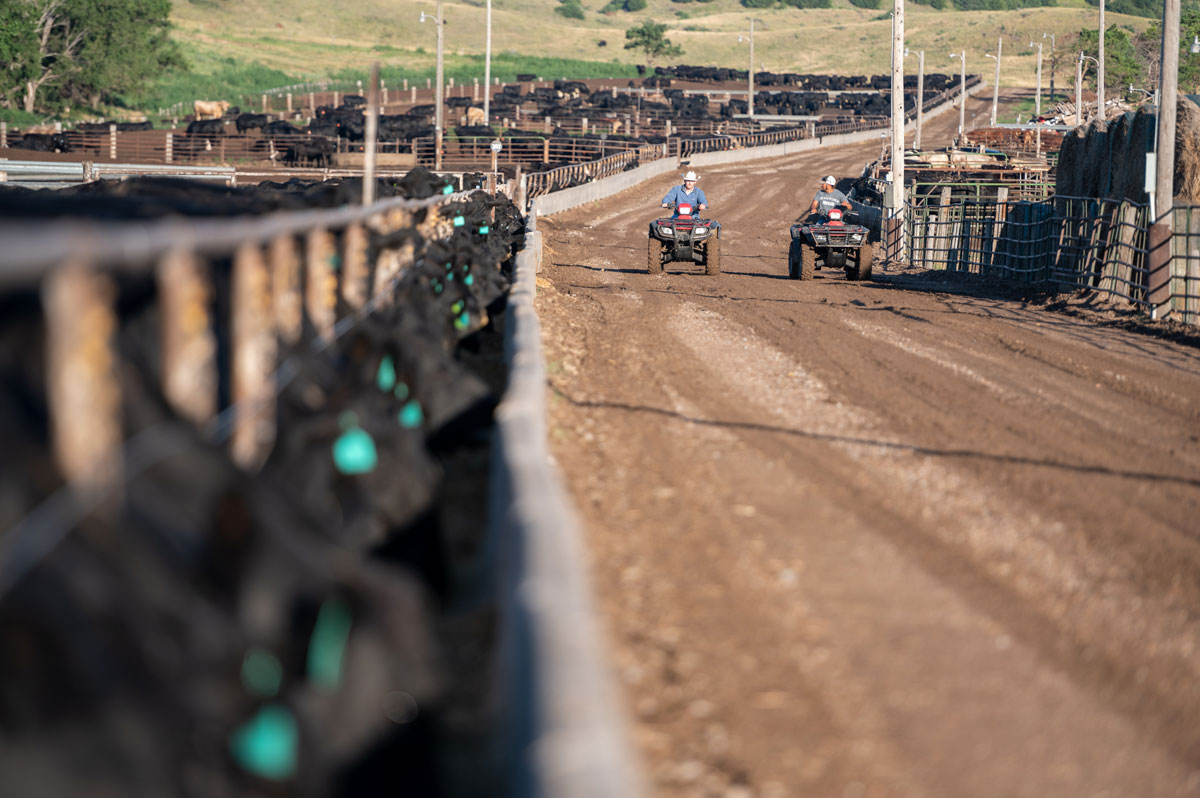
The family business now includes two yards, with his sister Jamie tackling the daily tasks at Elm Creek and Daron helps manage operations at Lexington. Mel does everything from keeping up customer relations to driving the feedtruck, while Marvin handles commodity trading from his home in Idaho.

“We’ve got that family touch. It’s somebody in the family feeding the cattle, taking care of the cattle day-to-day,” Daron says. “We don’t have to sit and look off a computer and tell you exactly whose cattle they are. We know what the cattle are. We have relationships, we talk with the people weekly.”

For the kind of people they are and the kind of cattle they feed so well, M&M Feeders earned the 2020 Feedyard Commitment to Excellence award from the Certified Angus Beef ® (CAB®) brand.

Huyser family

A place and a purpose

With that 2005 purchase, they had a weed-overgrown feedyard, a lot of hard work before them and a need for 6,500 cattle to fill the pens.

It was a bit like their move in 1992, when they left their Idaho farming and feeding operation for the western edge of the Corn Belt. Daron was in fifth grade and Jamie was a junior.

“We could see the cattle industry was changing and moving this way,” Mel says. “The packers were out here and the corn was out here and it was a good move for us.”

A handful of customers came with them, shipping calves to that Elm Creek location, but they had to build their base from there. Both times the family grew their list without a set strategy or formula, by just being themselves and living their values.

“Honesty is the best business advertisement you can have. We have always stuck to our guns on that. It has always paid off,” Mel says.

Still today, word of mouth, long-time relationships and industry connections keep funneling commercial ranchers back to them.

“It’s about treating people right, treating people with integrity,” Daron says. “We want to take care of the customer cattle the same way that we would take care of our own—and even better—because their trust is in us to take care of their cattle.”

At UN-L, Daron met the Connealys of Connealy Angus, near Whitman, Neb. That was the first place he went for advice when he got a Young Farmers and Ranchers Loan to start a cow-calf enterprise.

“They helped us see the value of genetics and helped us with our own cow herd,” he says. “We could see that the improvement starting with the calves carried all the way through onto the carcass traits and the different premiums that we could get.”

A first purchase of 74 cow-calf pairs in 2009 has snowballed into a large-scale commercial cow operation. “Having skin in the game at the base level of the cattle industry gives us a little different perspective.”

Besides carcass traits, he says they’ve improved calf vigor, disposition and mothering ability. The operation consists of a mix of rented and owned ground that spans 70 miles.

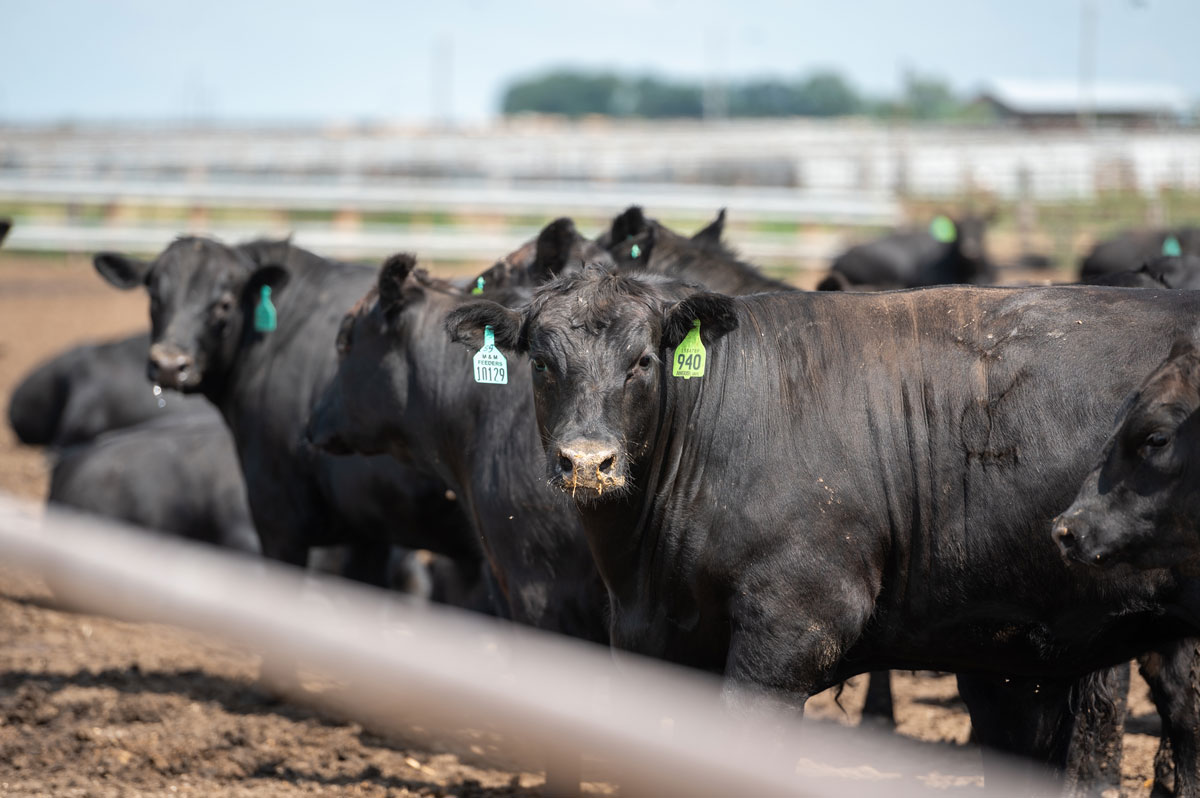
M&M feedyard pen
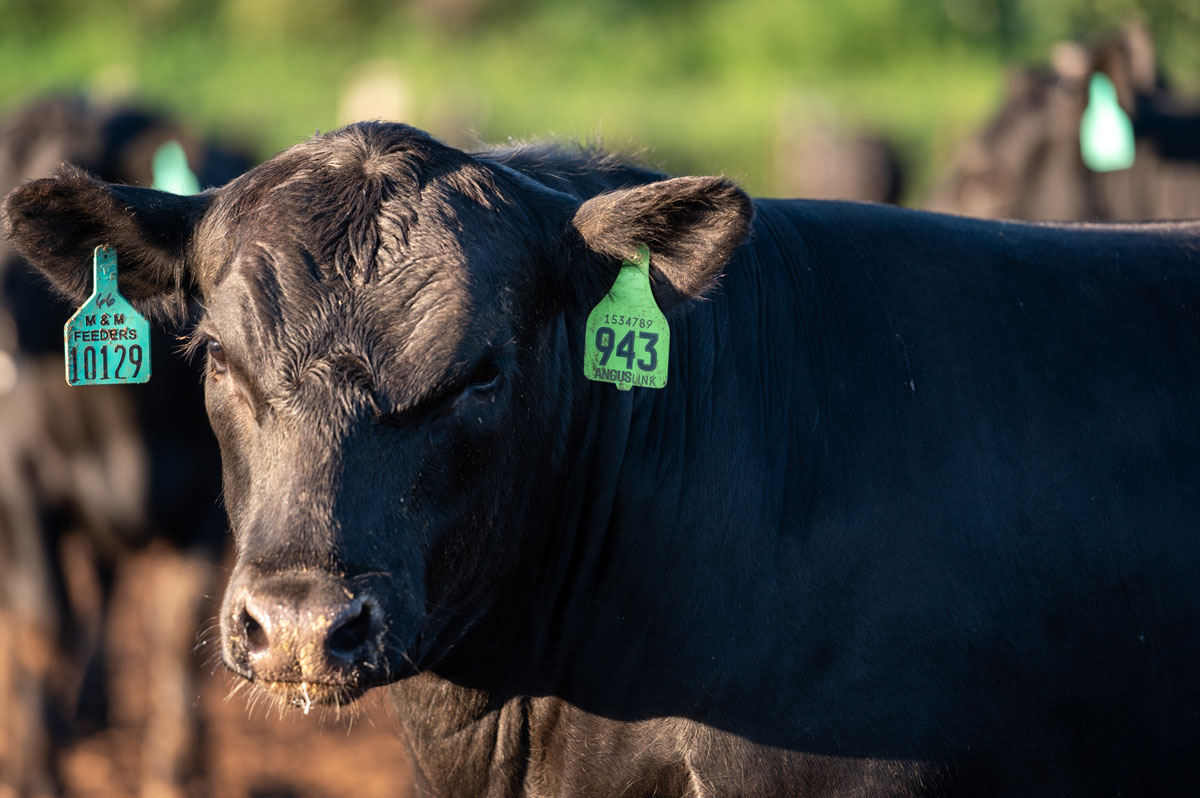
AngusLink steer
Angus steer

The Huysers artificially inseminate the entire herd, calve early in the year and hit the April market with 14-month-old finished cattle. Most go right up the road to Tyson, where they’ll often bring $5 to $10 above the market and reach 60% CAB acceptance and 10% to 15% Prime. Trying to hit that earlier market, they sell them “a little green,” Daron says, noting their 10% yield grade 4s.

“Certified Angus Beef has been a way that we can add more value to our carcass,” he says. “Anything we can do to add a premium for our own cattle, or our customer cattle, and then also have a good product for their consumer.”    

It’s a relatively unique vantage.

“Everyone has to fit their operation, but we have the advantage that we get to see it from the beginning all the way to the end,” he says.

The feeding family can share feedback on performance and carcass, along with examples of what’s worked in their own herd. They’re split about 50/50 in customer vs. owned pens, and that experience in the cow business helps inform their purchasing decisions into the yard, too.

“We used to feed a lot of mixed cattle, put-together cattle, a lot of colored cattle of unknown genetics,” Daron says. “We’ve seen the value of buying cattle off of one ranch or off of a bigger group of cattle from people who are really invested and improving their genetics.”

When Daron watches the Northern Livestock Video Auction, he’s already highlighted the sale order—either because he’s fed them before or knows the lineage of the calves on the sheet. He’s fed several rounds of AngusLink® calves.

“I figure if they’re going to spend the money on enrolling in Angus Link, they’re going to spend the money on the genetics,” Daron says. “We’ve seen the results on the other end.”

Other investments are less about the immediate payoff and more about the long-term vision. Hayley works as an attorney and her office handles their estate planning, lien checks and compliance.

“We understand that guys whose cattle we’re taking care of have a lot invested and we want to make sure all the I’s are dotted and the T’s are crossed,” Daron says.

M&M feedyard

Family values

For the family, it’s not just about keeping a business in the black. It’s about building a life, one they can share together now and pass down later.

Daron and Hayley have three boys: Emmett (5), Cooper (3) and McClain (6 months)—the older two already budding cattlemen. This summer Emmett traded daycare for job shadowing Dad at the yard.

“He’s the cattle baron around here,” Daron laughs. “He’ll tell you how things are and where to go and what cattle need taken care of.” And if the kindergartener can talk Aunt Jamie into checking cows, even better—he’ll get his fix of being horseback.

It’s all the ordinary things like time spent with a nephew, having each other’s back when there’s a problem, and being able to talk freely that make the family business more appealing than Jamie’s previous career in the retail field.

“For me it’s enjoyable because it’s more personal,” she says. The work is more than punching a timecard—it supports four families.

Daron and son at M&M Feeders
Huyser boys on 4wheeler
little boy in feedyard

The only downside seems to be when a Sunday dinner turns into mapping out the week’s to-do list. But their mom Connie is used to it by now. She and Mel have been married for 47 years, having met when Marvin and wife Reeta married in 1972. She’s embraced being a cattle feeder’s wife, and raising two more cattle feeders of their own.

Idaho to Nebraska, careers in between, new lives brought into the family, newer-still brought into the world, all with lots of figuring, working and hoping in between: It wasn’t a straight line.

But as things often do, they worked out even better.

“We prayed that if it was God’s will, that the doors would open, and they did open,” Marvin says. “And the biggest thing was when they did open, to have the faith to walk through the door and keep going.”

What started as a few names on a dotted line and a conviction that they could make a Nebraska feedyard work has more than just worked, and the Huysers aren’t the only ones better off for it.

This story originally published in the Angus Journal.

You May Also Like…

You, Your Cows and Their Feed

You, Your Cows and Their Feed

Expert guidance from Dusty Abney at Cargill Animal Nutrition shares essential strategies for optimizing cattle nutrition during droughts, leading to healthier herds and increased profitability in challenging conditions.

Marketing Feeder Cattle: Begin with the End in Mind

Marketing Feeder Cattle: Begin with the End in Mind

Understanding what constitutes value takes an understanding of beef quality and yield thresholds that result in premiums and/or discounts. Generally, packers look for cattle that will garner a high quality grade and have excellent red meat yield, but realistically very few do both exceptionally well.

Magnum Feedyard Earns Certified Angus Beef Award

Magnum Feedyard Earns Certified Angus Beef Award

While Magnum hasn’t always had pens filled with Angus-influenced cattle, they’ve invested in infrastructure, improved quality-based marketing and sought better genetics. Their dedication to detail and employee appreciation drive their success to high-quality beef production.

Morgan Ranches

Natural Choice to a Prime heritage

Idaho’s Rutan family awarded CAB Commercial Commitment to Excellence 

Story and photos by Morgan Marley Boecker

September 2020

“Feed your cows and don’t lie to your banker.”

Walt Morgan lived by those words and his well-honed Western wit. The first owner of Morgan Ranches doesn’t ride the South Mountain, Idaho, range anymore, but his spirit lives on in today’s owner-managers David and Ann Rutan.

That saying can be found in a shadow box with a few of Walt’s personal possessions, a constant reminder to take care of business and uphold integrity.

“If you are not as good as your word, if you do not have integrity, then your business is not going to make it,” Ann says.

They learn and teach through words of wisdom gathered over the decades.

“Change is inevitable, success is optional,” David says to lead into some examples. “If you think it’s going to be hard, you’re right. The same is true for the good “—it all comes down your attitude and outlook for each day.”
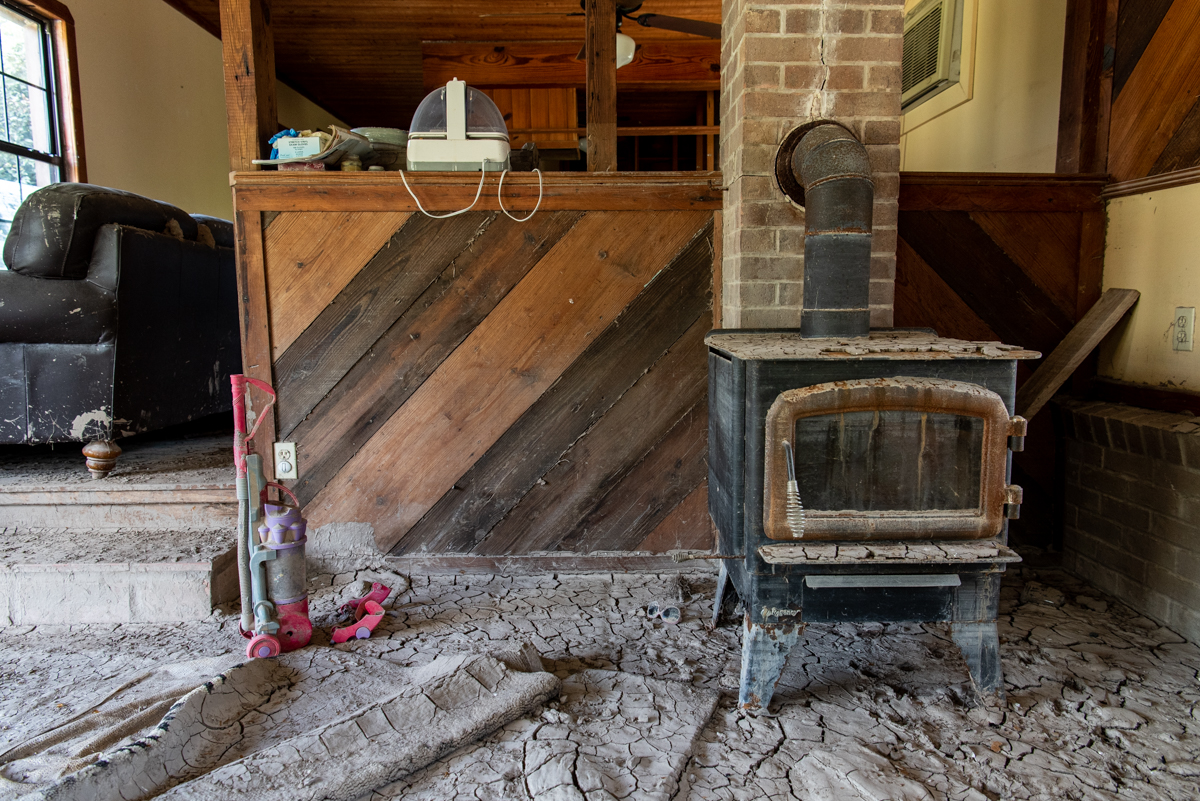
That positive philosophy applied to everything from good morning to great cattle only begins to tell why Morgan Ranches earned the 2020 Certified Angus Beef Commercial Commitment to Excellence award.

There’s a difference between “hard work” and “good work,” Ann says. And they take pride in the good work they do every day.

Good hands

David and Ann haven’t always been at Morgan Ranches but families united there. They got married at 40, around the same time Walt and his wife Grace asked David to return to the ranch where he worked for them a decade earlier. Both had kids of their own, but the opportunity was perfect timing for something new as they started their life together.

​“You have to have a dream and a passion and you have to believe you’re put here for a reason,” David says. “I think I was put here to raise food for people.”

Not long after they settled in at the ranch, Walt lost Grace–his trusted business partner of 50 years. She was dedicated to building their horses, land and cattle, and invested time with Ann teaching her “the ropes.”

Three years later, Walt left this world after battling cancer. He and Ann grew close when she drove him to chemotherapy three times a week on a 200-mile round trip. He never stopped baling hay, branding calves or caring for “his girls” through those days and that grit and perseverance still inspire the Rutans.

Ann and her grandson Case
Carlen and David

Today, David, Ann and two of their sons work the ranch full time.

“You’ve got the business and you’ve got the family,” Ann says. “You have to keep them separate, and yet you have to weigh them together.”

Each one brings their own strengths to keep it running smoothly.

“David does all the work for the programs and together we do the entailed paperwork,” Ann says. “I pay the bills and handle the banking, while our daughter-in-law Christina does the computer work.”

“We’ve figured out who wants to be here and how we’re going to make it work,” David says. “I think the future is in good hands.”

“You can’t teach desire,” he adds. It takes a vested interest to trust the hands doing the work and making decisions.

Sometimes that interest stands out

Like the time a group of calves needed to go through the chute to collect electronic ID numbers. Christina scanned tags and recorded the numbers in the morning and that evening delivered her son. It’s a memory they all laugh at today but with a deeper, shared understanding of the commitment and desire it takes to run a successful business.

“We have to control the things we can,” David says, while understanding the things we just can’t.
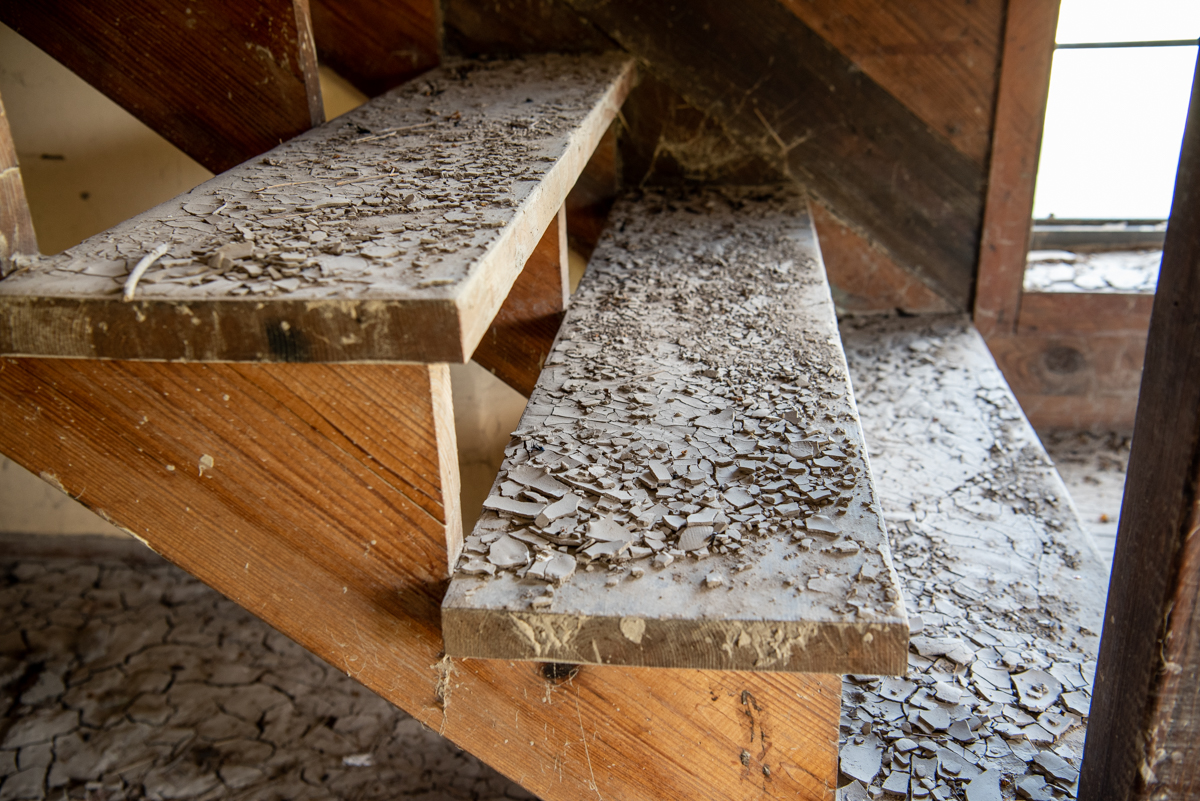
The day they had the longest and hardest cattle drive of the year, the sky opened up and dropped more than a tenth of the year’s 14 inches of precipitation. The cows had to move to higher country for the summer—and Ann had prime rib and a fire ready for the soaked crew of sons, daughters-in-law and grandkids that afternoon.  
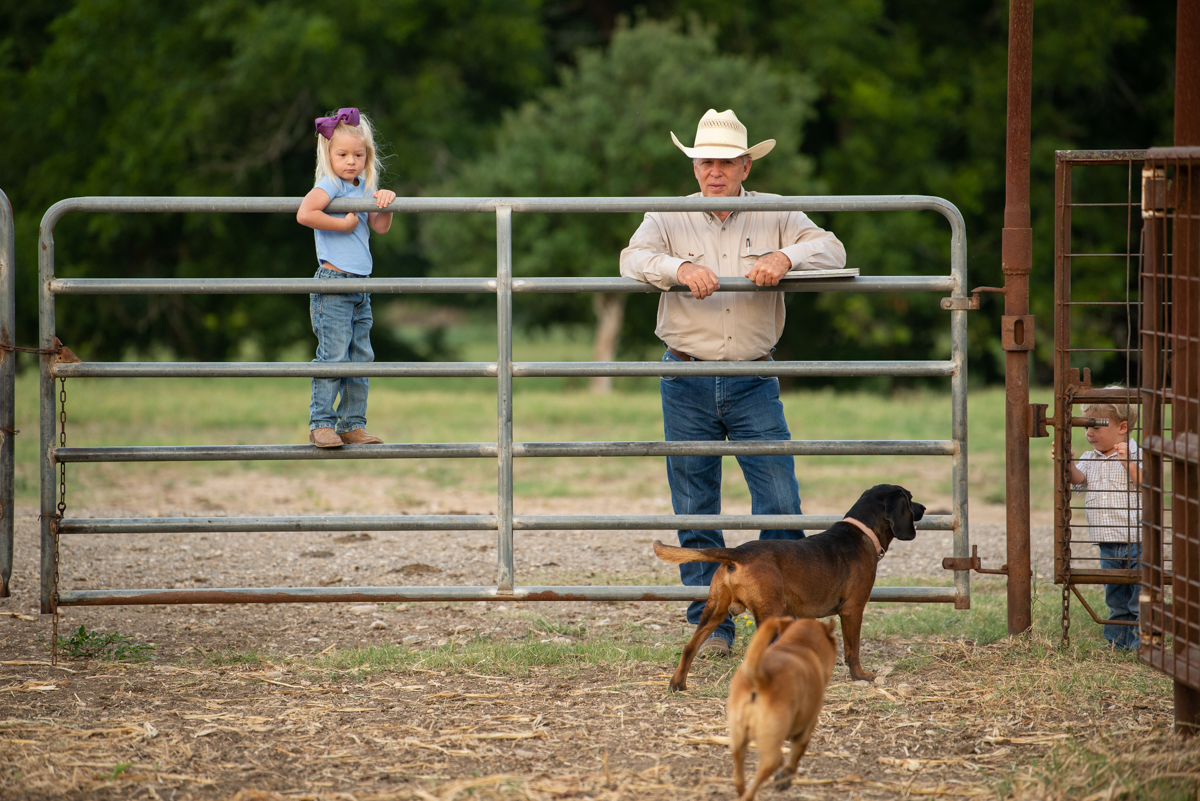
The family finds motivation in their faith, even on the bad days when Ann reminds David, “He owns the cattle on a thousand hills.” The land owns them, and they’re just caring for the cattle.

Find your kind

Heading south out of Boise on highway 95, cell-phone service bars drop fast. The roads begin to wind through the foothills and there’s more cow-crossing signs than wildlife the closer it brings you to Jordan Valley, Ore.

“It may not be the best country, but if you have enough of it, a cow will do pretty good,” David says. And they have enough in Idaho and Oregon, between what they own, leased state land and federal Bureau of Land Management.

Spared from tornadoes, hurricanes and humidity, this high desert country manages to give its residents all four seasons–sometimes in weeks or days—so cattle have to adapt quickly.

Angus cows work here.

Their herd of 700 makes a living by turning low-quality forage into high-quality beef, thanks to supporting genetics. Strict criteria define bull-buying decisions and only the top 10% make the cut when it comes time to bid at the Spring Cove Ranch sale.

“I’m kind of an Angus guy,” David proclaims. “I feel like there’s not a lot of point in buying commercial bulls when you can get everything you want with Angus.”

This wasn’t always the case on the ranch, seeing as Walt took to Herefords.

“Walt and David shared a lot of the same philosophies in cattle,” Ann says. “He learned a lot from Walt. But Walt always had a saying: ‘A man should raise the kind of cows he likes.’”

It didn’t take David long to make the switch to his “kind.”

“We want a balanced approach where we’re still making a good female,” he says, “because we’re trying to raise all our own replacements.”

“I know you can build a good cow and still have a good carcass,” he reports.

Morgan Ranches feeder calves
Morgan Ranches feeder calves at the bunk

The better the cattle got, the more David could see to do.

When he started weaning calves between 500 and 700 pounds, his only thought was “how to get rid of those five weights and make them seven.”

This year marks 17 sets of “program” calves. Their use of AngusSource™ evolved to enthusiasm for AngusLink. They do it all: source-and-age verified (SAV), non-hormone-treated cattle (NHTC), NEVEREVER3 (NE3), top calf management, cattle care and handling, and the Angus Genetic Merit scorecard. All that along with certification on Global Animal Partnership level 4 (GAP-4).

Calves sell through Western Video in mid-July. Out of 710 lots sold, David searched to see who was doing what they do: “There were five lots that had the programs we used, and all five of them were ours.”

It’s more than programs that keep building demand for their calves. 

“Our buyers need to know our faces,” David says. “And we need to know those people and make contact with them personally.”

Every summer they look forward to their vacation to the Western Video sale in Reno, Nev. It’s just one way they stay connected.

As Ann says, “David’s always looking for a newer, better mousetrap.”

If they’re lucky enough to get away for Angus Convention in the fall, they’ll drive and stop by feedyards on the way to see how their calves are performing.

Limiting bulls to the top, balanced 10% lifted quality grades along with ranch performance and growth. For more than a decade, Select cattle have been gone and replaced with Choice and even more Prime. In 2018 two loads of steers graded 35% Choice and 65% Prime, with only 27% yield grade 4.

He asks about their health, too. Raising cattle in wide open country favors healthy calves, as does a good vaccine program. But when one does get sick and needs some help, their son Carlen will use essential oils to treat it, naturally. 

Every year momentum is gaining as they aim to get better.

“You have to be driven by something,” David says. Defining goals and gaining the knowledge it takes to achieve them matters. “But it’s what you learned after you know it all that really counts.”

cows moving across a ridge in Idaho

Leaving it better

In the vast and rugged ranges where their cattle roam, juniper trees and sage brush grow like a weedy blanket across the land, stealing from productive forages they crowd out.

The family started to cut down the trees themselves, but soon found a conservation plan through Natural Resources Conservation Service (NRCS). Now the ranch hires crews to cut down the junipers, which the Rutans later pile and burn. It doesn’t take long to see the effects.

“There are springs and natural grasses coming back, where we’ve cut all those trees and they’re not taking all that water,” David says. “It’s a big-picture thing. But with our neighbors also doing this, I think we’re achieving some good things for the land.”

They’re even seeing sage grouse, some for the first time.

That’s good for livestock, too, and grazing keeps the grass rejuvenated like a mown lawn. It offers no chance for invasive plants and their cycles of dead brush that feed wildfires.

“If you just let these plants do nothing,” David says, “then they’re going to do nothing. These cows are a way to utilize the ground and keep it as good as it can be and not a fire hazard.”

cattle on hillside

Faith everlasting

David never thought he would see as much change as his grandfather’s generation, but now says he’s “not so sure.”

“If you’re not the lead dog, the view never changes,” something David learned from an old coach.

For a place with no cell phone service and only recently reliable internet access, the ranch is progressive.

“What we can do on a phone or a tablet is incredible,” he says. “We can find machinery all over the United States. We can sell cattle on it. We can buy cattle on it. We can buy equipment. We can do everything if we choose to do so.”

And that’s David; “He always has a plan,” Ann says. “That’s one of the things that I love the most.”

“We have as good a life as anybody could have,” David says. “I feel very blessed to be able to do what I do every day as a choice and not as, ‘well, this is where I landed.’ It’s a choice to do what we do.”

Every meal and time spent together is a reminder of why they chose this path. “It’s these little guys,” David nods to his youngest grandson sitting on his lap.

“I think the most important part of being able to raise our kids on the ranch,” Ann says, “is to give them a sense of work ethic and a sense of compassion for animals. And to learn the importance that animals play in our world.”

It’s not so much about leaving a legacy for someday, but each day leaving the world better than yesterday.

This story originally published in the Angus Journal.

man smiling on porch

You May Also Like…

Marketing Feeder Cattle: Begin with the End in Mind

Marketing Feeder Cattle: Begin with the End in Mind

Understanding what constitutes value takes an understanding of beef quality and yield thresholds that result in premiums and/or discounts. Generally, packers look for cattle that will garner a high quality grade and have excellent red meat yield, but realistically very few do both exceptionally well.

Kansas Ranchers Recognized for Sustainability Efforts

Kansas Ranchers Recognized for Sustainability Efforts

Kansas’ Wharton 3C Ranch thrives despite droughts, winning the CAB 2023 Sustainability award. The data-driven, quality-focused approach of first-generation ranchers, Shannon and Rusty Wharton, yields 100% CAB cattle. Their commitment to sustainability and industry collaboration sets a bright future for the cattle business.

Saskatchewan Angus Ranch Earns Certified Angus Beef Award

Saskatchewan Angus Ranch Earns Certified Angus Beef Award

JPM Farms in Canada quietly gained recognition for its dedication to environmental sustainability and quality cattle. The Monvoisin family earned the 2023 CAB Canadian Commitment to Excellence award for their outstanding results and partnership with Duck Unlimited, showcasing their commitment to improving the land, cattle and family daily.

pen riders

Beyond a buzzword

Wilson Cattle Company & Beef Northwest earns first CAB Sustainability Award.

By Nicole Lane Erceg

Photos by Nicole Lane Erceg and Kylee Kohls

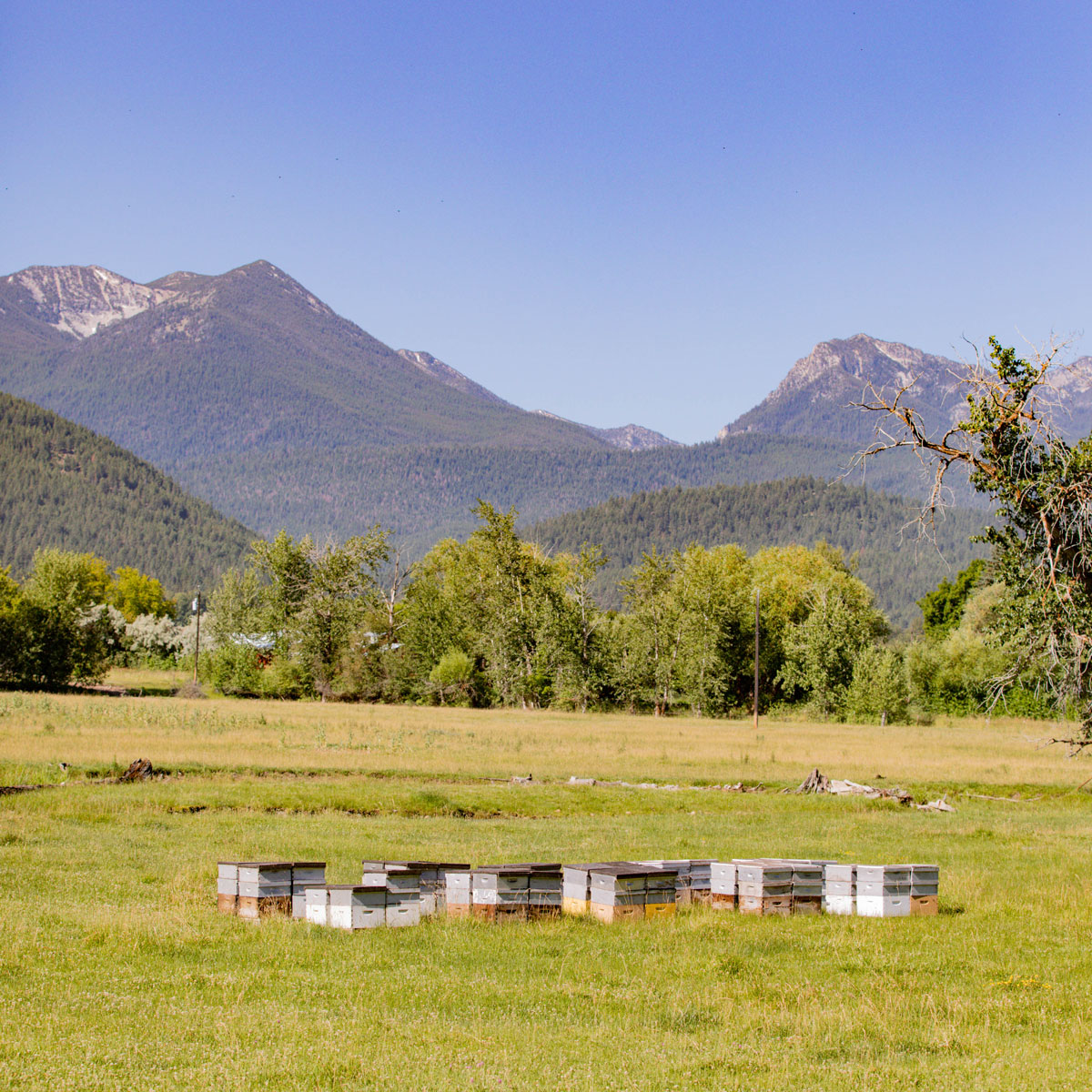
The water flows with strategic design through pastures enclosed by precisely kept barbed-wire fences. Bee boxes seem as ordinary here as the pine trees, homes for ranch pollinators. A hawk leaves the sky to land gently on its perch, placed there decisively, long before he thought to rest his wings.

Little goes on without specific purpose at Wilson Cattle Company.

It’s not the work of fancy technology, though spreadsheets of data and consultants lend their hand. It’s six generations of meticulous puzzle masters who focused on making better each piece of the bigger picture.

It’s a philosophy: one plus one should always equal more than two.

Cattle, of course, are a critical part of the equation. It’s their measurement of performance that determines success.

 But the people, they are the multipliers.

The Ranch

He looks a little more East Coast than his western cowboy genes. The sixth generation to manage the land, Zach Wilson is a modern cattleman. The hybrid thinker multitasks on a drive through the ranch, maneuvering his pickup to check grass, chat with cowboys, cuss the things that could get better, all while his to-do list at the office tugs at him to get back to work.

Like his visionary ancestors who followed the Oregon Trail, raised horses for the Cavalry during World War I and started a feeding enterprise in the Pacific Northwest, Wilson pushes boundaries. He’s on a mission to amplify his resources to make things better.

“What I hope to leave on this ranch when they put six feet of dirt on me is an improved water system,” says Wilson. “The flood irrigation is a good way to do things, but I think there are great ways to do things.”

It might sound like a minor detail but the 6,000 acre ranch near North Powder, Ore., gets an average rainfall of just 12 inches. Most soil moisture comes from snow and it’s irrigated pasture that makes their land stand out in sage brush country.

Their system is based on intensive rotational grazing combined with making the land the best habitat possible for more than the 2,000 Angus-based commercial cows and 12,000 stocker cattle that call it home.

“If it’s good for the little bugs in the soil, or the migratory birds or larger mammals like elk or deer, even rodents, it’s going to be good for the cattle,” he says. “If you treat it more as a holistic system, rather than simply inputs for the cattle, then you’re going to get better performance out of your cattle.”

zach wilsonIt’s not, as Wilson would put it, “hippy woo-woo.” He has the data to prove it works, boiling down the economic input into gains and head-days in pasture. Limited input, maximum production output tracked on a per-head basis gets the most for his resource dollar.
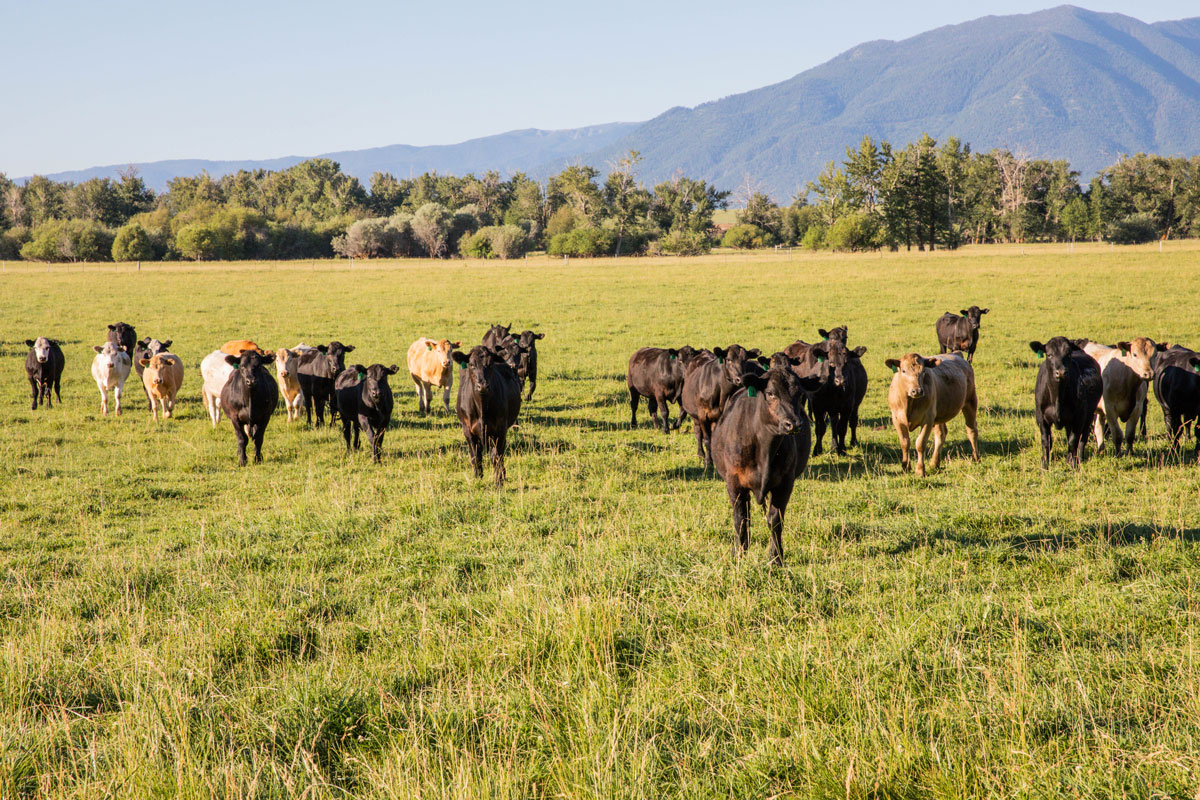
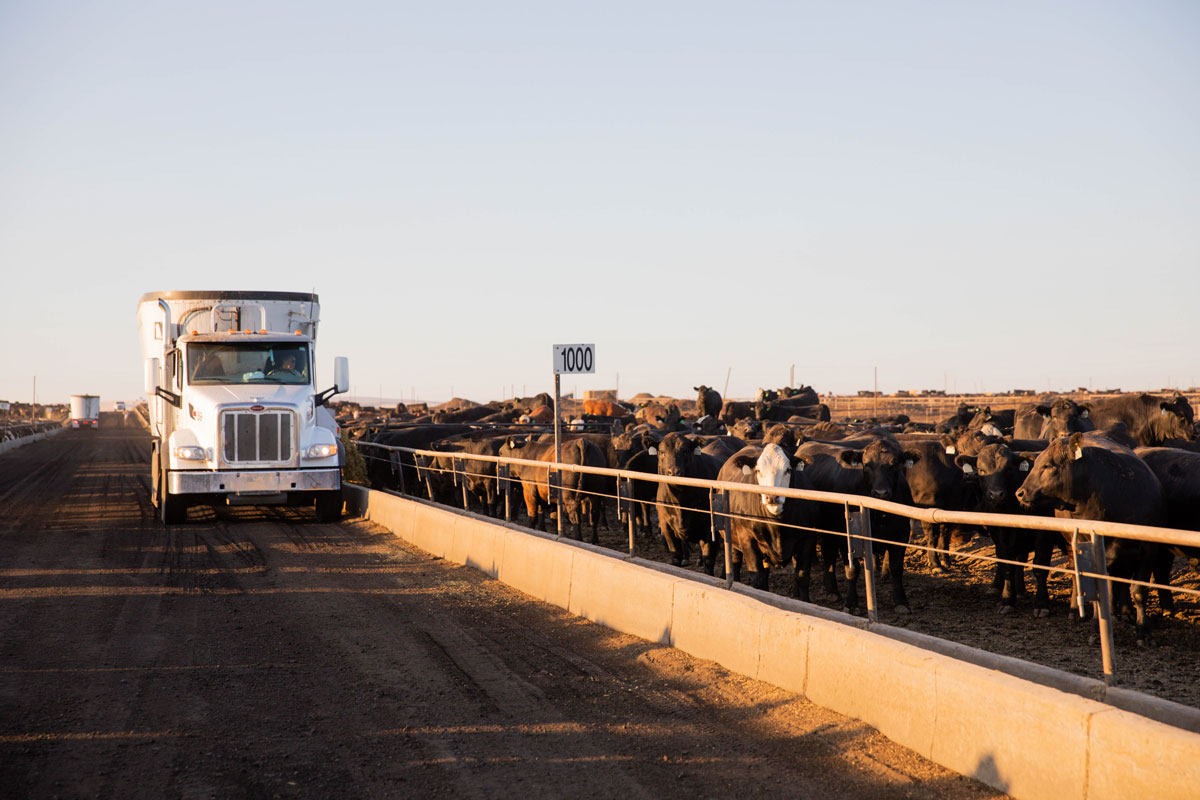
“Our job is to work with Mother Nature,” he says. “She knows best. We try to figure out the best incentives for what is going to help her be her most productive self.”

It’s a high road that takes discipline.

“The ranch is like a muscle,” Wilson explains. “We’re working it out to make it stronger, just like we’d go to the gym and do pushups. It’s a living organism and it should be treated as such.”

The natural resource company’s riparian barriers, waterfowl habitat and soil microbiology aren’t just feel-good projects. They are strategic investments to raise better beef, more efficiently.

He points to an elevated bird box: “Some goose pair has probably been coming here for 15 years, raising their goslings and then moving on.”

Their droppings fertilize the soil. With them comes a diversity of bird populations that help manage flies, in turn helping the cattle. He sees each detail as a piece of a bigger cycle. His job is steward of it all.

“It means a lot to me to take care of the land. Six generations on this land means a lot of people have put a lot of sweat equity into it and I want to make sure that I’m treating it the way it should be treated,” says Wilson. “Feeding the world with what we do, I take that to heart.”

The systems thinking extends beyond the ranch to Beef Northwest, which feeds the cattle that leave his ranch.

The two entities are halves of the same whole. One feeds, the other breeds and stocks a steady supply ready to fill the pens as they empty. Wilson’s cattle harvest the grass in Baker Valley while Beef Northwest, started by the fifth generation of Wilsons, expands the enterprise with yards throughout the Pacific Northwest. It’s a symbiotic relationship, both dependent on each other — challenging even for those who serve inside to determine where one ends and the other begins.

The feedyard partnership gives Wilson a long-term view of the product and access to carcass data that indicates wins and losses.

It’s a system built on synergies.

Wilson Cattle Co. stocker calves

The Feedyard

“No, I don’t have a background in agriculture. I just started here as an intern.”

It’s a story told by many employed at the cattle feeding business. From the voice answering the phones, to the manager at the yard in Quincy, Wash., to the pen rider monitoring cattle health in the Nyssa feedyard near the border of Idaho, people are the hub of this wheel.

Together they care for more than 100,000 head in four locations, the other two at Hermiston and Boardman, Ore.

“I believe the quality of the beef that comes out of Beef Northwest is directly related to the quality of the people,” says Wes Killion, Chief Operating Officer (pictured below on the right). “It’s a window into the company that goes with every aspect, be it environmental stewardship, animal health, animal performance or consumer eating experience.”

The cowboy at the top takes the commitment to consistently producing quality beef as seriously as the fresh new graduate a few weeks into her career.

Growing and equipping leaders is key to the strategy.

Giving people what they need to do a good job, that’s what Liz Nielson does. Last summer her title was intern; today it’s training coordinator.

“We try to give people the tools, experience and attention they need and make them feel like this is their home,” she says. “By boosting their confidence, work ability and skills — that directly relates to cattle performance.”

beef northwest

The bubbly, energetic young cattlewoman came to the feeding business with no experience, but acts as a sponge of knowledge, quickly grasping new techniques and teaching others.

“When someone truly understands why scraping a pen translates to cattle feed conversion, then they understand that every day when they go out, they are making a difference,” says Nielson. “When cattle go to harvest and consumers get their product, they’ve directly had a hand in making that experience a good one.”

It’s a business that’s less transactional, more relational. A system built on motivating people to do the right thing.

“I was the first intern,” says Pete Szasz (pictured below with his son). Today, with 15 years of experience under his straw hat, he’s the manager at the Boardman yard. Szasz and his team have 40,000 heartbeats relying on them for a meal three times a day.

“We’re trying to make high-quality beef that’s wholesome,” Szasz says. “You don’t do that without quality ingredients, no matter how hard you try.”

Eastern Oregon isn’t known for cattle feeding. Far from the Corn Belt and High Plains, the model requires progressive thinkers who harness a resource the landscape does offer: potatoes.

The feeding facility sits just down the freeway from french-fry factories. The highly nutritious and palatable carbohydrate provides energy. Tater tots, fries and jojos that don’t make spec become the basis for a high-quality mixed ration.

“If we weren’t here to utilize the potatoes, they would end up in a landfill,” Szasz explains. “That’s where they were going, prior to us being in the area.”

It’s in their DNA to look for opportunities to innovate around every corner. At the same time, the Beef Northwest team fiercely protects the best traditions of the past.

Pen riders trot with purpose, communicating via mailboxes at the end of the pen rows. Their path is mapped using GPS and drones for precise nutrient management and a responsible water run-off strategy. Each animal they check has electronic identification in its ear, the feed in their bunks quality-control tested.

It’s cowboys and cutting-edge technology, a commitment to excellence in every chore. Quality cattle-feeding requires focus beyond the feed bunk, and they hold themselves accountable through Progressive Beef.

wes killion
Szasz and his son

The Buzzword

Sustainability was a mindset at Beef Northwest and Wilson Cattle Company long before the term became a buzzword, earning the sister organizations the first-ever Certified Angus Beef ® Sustainability Commitment to Excellence Award.

“The more we can take care of the environment, the better opportunity there is for a better outcome for the cattle, be it health or performance as well as quality,” Killion says. “All of those play a vital role. If we don’t do that, then we’re probably putting employees at risk as well. We want to be leaders and not followers on the environmental aspect of feeding.”

It’s not just asking how to make better cattle, but how to create a better system.

“It’s a big web and at first glance we might not see why we do it, but it all comes down to the product we give to the consumer,” Nielson says. “That’s the most important thing: raising beef that not only tastes good, but that we’ve done everything we can to make sure it’s the best quality they could get.”

Szasz agrees. The ideal animal coming into his yard begins with quality genetics. He’s looking for an Angus-type, 750-pound steer that won’t have any health challenges.

 “It is something we truly value and when we go out and procure cattle,” says Killion. “We’re always looking at cattle that would qualify for Certified Angus Beef premiums.”

Because sustainability includes a black bottom line.

bees
birds
bird box

“I think there’s a disconnect when people talk about sustainability, that it’s either profit or environmental improvement,” Wilson says. “It’s the exact opposite. To me it means working with the weather, the land, the people and the cattle. Letting nature and the environment tell us what to do because if you do that, then the bottom line will show you’re doing the right thing.”

The idea is that the great cattle make the land better and the people make better cattle.

“When I think about sustainability, it’s creating relationships with ranchers and people we do business with year in and year out,” Szasz says.

It shows. Many of their feeding partnerships measure in decades and second-generation employees ride to work with the first.

Sustainability is a nebulous term, one so all-encompassing as to challenge grasp. In this corner of the world, though, it’s a clear, shared vision that the business is much bigger than any one individual. Each person’s commitment to consistent betterment in their area of ecology, cattle health, genetics, technology or people creates collective value.

Sustainability isn’t just about the end product, the ranch or the feedyard.

It’s everyone in between.

This story originally published in the Angus Journal.

You May Also Like…

Luling Foundation Earns 2024 Progressive Partner Award

Luling Foundation Earns 2024 Progressive Partner Award

Setting or rising, the sun casts golden hues over cattle grazing the Luling Foundation’s sprawling fields and invokes the weight of history and hope. Rooted in faith, quality and community, Davis’ legacy continues to flourish, reminding all of the profound impact one person’s vision can have.

More Than A Meat Scientist

More Than A Meat Scientist

On the surface, he’s a meat scientist. Others know him as a meats judging coach. Some call him “the father of instrument grading.” To those who’ve worked most closely with him, Dr. Glen Dolezal is much more.

Get BQA’d, Meet Coach Tang at Hy-Plains Feedyard

Get BQA’d, Meet Coach Tang at Hy-Plains Feedyard

Get BQA’d, or renew an expired certification, on Wednesday afternoon, August 21, 2024, at Hy-Plains Feedyard in Montezuma, Kan. Hear from Jerome Tang, K-State’s men’s basketball coach, about how it takes every player on a team to win. The workshop is free to attend and will offer simultaneous Spanish interpretation.

M&M feedyard

M&M Feeders wins CAB honors

by Miranda Reiman

September 24, 2020

“Honesty is the best policy.”

 For brothers Mel and Marvin Huyser that’s not just an old saying. It’s a code they live by, the way they run their cattle feeding business and how they lead their families.

“Honesty is the best business advertisement you can have,” says Mel Huyser. “We have always stuck to our guns on that. It has always paid off.”

Customers come from word-of-mouth or longtime connections. In turn, the feedyard gets more high-quality cattle and helps create more of them.

“It’s about treating people right, treating people with integrity,” says Mel’s son Daron, who joined the family business in 2005. “We want to take care of the customer cattle the same way we would take care of our own—and even better—because their trust is in us to take care of their cattle.”

For building beneficial relationships and their drive to produce the best, M&M Feeders earned the 2020 Feedyard Commitment to Excellence Award from the Certified Angus Beef ® (CAB®) brand.

Huyser family

The best hard choice

In the early 1990s, the Idaho family saw inputs and markets moving toward the middle of the U.S., so one branch decided to do the same. Mel and Connie relocated to Elm Creek, Neb., in 1992, while Marvin and Reeta stayed put.

“We could see the cattle industry was changing,” Mel says. “The packers were out here and the corn was out here and it was a good move for us.”       

It took patience and prayer, and a big dose of faith.

“We’ve been blessed that we’ve been given this area, and this facility, and blessed with my kids because they love the business.”

Daron went off to college to study animal science, Marvin managed commodity trading from Idaho and Mel ran the feedyard. They wanted to expand, but the right opportunity was just out of reach—until 2015.

“It was like getting that winning lottery ticket,” Daron says. “You have the opportunity to do what you want to do, to come back, be large enough to establish and carry a family, take care of customers. I thought, ‘Let’s jump in with both feet and go.’”

They purchased the yard at Lexington, where Daron now manages operations with his dad. Nearby Daron and wife Hayley raise their three boys. His sister, Jamie, tackles the daily tasks at Elm Creek.

“It’s somebody in the family feeding the cattle, taking care of the cattle day to day,” Daron says. “We don’t have to sit and look off a computer and tell you exactly whose cattle they are. We have relationships; we talk with the people weekly.”

In almost no time, they had the 6,500-head second location full of customer cattle and their own.

M&M feedyard cattle
M&M feedyard

Raising the feeding kind 

A friend at the local café nudged Daron to apply for the Young Farmers and Ranchers loan that kick-started the herd. But he credits their genetic supplier, Connealy Angus, Whitman, Neb., with getting them set for success.

“They helped us see the value of genetics,” Daron says. “We could see the improvement starting with the calves carried all the way through onto the carcass traits and the different premiums that we could get.”

They’ve improved calf vigor, disposition and mothering ability, too.

The Huysers artificially inseminate the entire herd, calve early and hit the April market with 14-month-old finished cattle. Most go right up the road to Tyson, where they’ll often bring $5 to $10 above the market and reach 60% CAB acceptance, not counting another 10% to 15% Prime. Trying to hit that earlier market, they sell “a little green,” Daron says, noting 10% yield grade 4s.

“Certified Angus Beef has been a way that we can add more value to our carcass,” he says, while also securing demand by meeting consumers’ needs.

Having “skin in the game” helps them share what’s worked in their herd, along with the carcass and performance data. It’s helped them narrow their purchasing orders, too, transitioning from unknown genetics to those with more reliability.

“We’ve seen the value of buying cattle off of one ranch or off of a bigger group of cattle from people who are really invested and improving their genetics,” he says. Verifications programs like AngusLink® show which cattlemen are probably already doing all the little things that add up.

Knowing the cattle’s history gives them confidence, but with capital invested at each turn, it still takes more than a little faith.

“We prayed that if it was God’s will, that the doors would open, and they did open,” Marvin says. “And the biggest thing was when they did open, to have the faith to walk through the door and keep going.”              

CAB recognized its 2020 honorees at the brand’s virtual annual conference on September 23 and 24.

You may also like

Triangle H Named CAB Feedyard Commitment to Excellence Honoree

Triangle H Named CAB Feedyard Commitment to Excellence Honoree

At Triangle H, problems are met with careful consideration of every possible outcome, solutions executed with care and evaluation. It’s simply how they deal with every challenge from people to cattle to equipment. Work to be the best in everything they do – a mindset Hands is passing on to his daughter. Their sharp focus on quality and thoughtful customer service earned Triangle H the 2022 Feedyard Commitment to Excellence Award from CAB.

Missing the Mark Leaves Money on the Table

Missing the Mark Leaves Money on the Table

Certified Angus Beef regularly collects data on millions of fed cattle to discover how cattlemen can capture more value for high-quality carcasses beginning on the ranch. When black-hided cattle don’t earn the CAB stamp, it’s most often for missing the mark in marbling, HCW, REA and backfat.

Committed to consistency

Committed to consistency

Much of the cattle feeding business is outside a manager’s control. But quality cattle caretaking, that Kendall Hopp can guarantee. He plans for the volatile, hopes for the best, and deals with the rest as it comes. The first thing on his list begins with treating people right because Hopp knows happy folks manage cattle more consistently, leading to healthy cattle that perform.

Rutan stocker calves

Rutan family earns CAB Commercial Commitment to Excellence Award

Idaho ranchers make natural work of a Prime heritage

Story and photos by Morgan Marley Boecker

September 24, 2020

A quote inspires their business and personal integrity: “Feed your cows and don’t lie to your banker.”

The owner-managers of Morgan Ranches learn and teach through such wisdom gathered over decades.

“Change is inevitable, success is optional,” David Rutan says. Indeed, every day is a choice, and the Rutans choose to make it good.

That positive philosophy only begins to tell why Morgan Ranches earned the 2020 Certified Angus Beef Commercial Commitment to Excellence award.

There’s a difference between “hard work” and “good work,” Ann Rutan says. And they take pride in the kind of work they do every day.

Morgan Ranches

Good hands

It wasn’t a storybook kind of love that brought David and Ann together, but it was perfect for them. They each had their own kids when fate brought them together in their late 30s.

Life finds a way to reunite old friends, too. More than a decade had passed since David worked for Morgan Ranches, but Walt and Grace Morgan asked him to come back to South Mountain, Idaho. This time for good, so much that one day Walt’s quote would greet all who enter the new family’s home.   

In just a few years, Grace left this world and Walt followed three years later in 2001. The ranch was in the Rutans’ hands. Inspired by Walt’s grit and perseverance and the dedication and investments by Grace, the Rutans kept the name out of respect and a sense of responsibility to give it their best.

“You have to have a dream and a passion. You have to believe you’re put here for a reason,” David says. “I think I was put here to raise food for people.” 

Today, David, Ann and two of their sons manage the ranch. Each one brings their own strengths to keep it running smoothly.

It takes a vested interest to trust the hands doing the work and making decisions. Memories and plans are shared at the dining table, in a space also known as their board room, all serving to show the blended commitments to managing a successful family business.

Carlen and David

Raise your kind

South of Boise on Highway 95, cell-phone service drops fast through the winding foothills.

“It may not be the best country, but if you have enough of it, a cow will do pretty good,” David says. And they have enough in Idaho and Oregon, between what they own along with land leased from states and the federal Bureau of Land Management.

Angus cows just work here.

The self-proclaimed “Angus guy” knows how to build a balanced cow and a good carcass because he’s done it.

Their herd of 700 makes a living by turning low-quality forage into high-quality beef, thanks to supporting genetics.

For more than a decade, Select cattle have been gone and replaced with Choice and even more Prime. In 2018, two loads of steers graded 35% Choice and 65% Prime, 73% yield grade 3 or leaner.  

The better the cattle got, the more David could see to do.

This year marks 17 sets of “program” calves. With AngusLink, they do it all: source-and-age verified (SAV), non-hormone-treated cattle (NHTC), NeverEver3 (NE3), top calf management, cattle care and handling, and the Angus Genetic Merit ScorecardSM. All of that, along with certification in Global Animal Partnership Level 4 (GAP-4).

It’s more than programs that build demand for their calves though. It’s the relationships built with cattle feeders across the country. The Rutans make it a point to visit the feedyards that finish their calves and ask questions about performance, carcass data and health.

Every year, momentum builds in their quest to get better, grounded in defined goals and the acquired knowledge to achieve them.

Rutan feeder calves

A better tomorrow

Juniper trees and sage brush grow like a weedy blanket across much of the ranch’s landscape, stealing from productive forages they crowd out.

The family started to cut down the trees themselves, but soon found a conservation plan through USDA’s Natural Resources Conservation Service. Now the ranch hires crews to cut down the junipers, which the Rutans later pile and burn. It doesn’t take long to see the effects.

“There are springs and natural grasses coming back where we’ve cut all those trees and they’re not taking all that water,” David says. “It’s a big-picture thing. But with our neighbors also doing this, I think we’re achieving some good things for the land.”

That’s good for livestock, too, and grazing keeps the grass rejuvenated like a mown lawn. It offers no chance for invasive plants and their cycles of dead brush that feed wildfires.

Sure, the family wants to make a living. But at the end of each day it’s really about striving for excellence and leaving the world better than yesterday. That’s what they’re doing.

CAB recognized its 2020 honorees at the brand’s virtual annual conference on September 23 and 24.

You may also like

Feeding Better Cattle Better

Feeding Better Cattle Better

Not everyone is cut out to be a cattle feeder. It’s an art and a science that comes with a need to overcome risk. Wayne Carpenter fed his first pen of steers in 1980 and lost money. But he stuck with it. Today with their sons’ families, he and wife Leisha run the 15,000-head-capacity Carpenter Cattle Company.

Get BQA’d, Meet Coach Tang at Hy-Plains Feedyard

Get BQA’d, Meet Coach Tang at Hy-Plains Feedyard

Get BQA’d, or renew an expired certification, on Wednesday afternoon, August 21, 2024, at Hy-Plains Feedyard in Montezuma, Kan. Hear from Jerome Tang, K-State’s men’s basketball coach, about how it takes every player on a team to win. The workshop is free to attend and will offer simultaneous Spanish interpretation.

Raised with Respect™ Continues into Second Year

Raised with Respect™ Continues into Second Year

The campaign and partnership between Sysco and CAB originated to support producers, equipping them with continuing education to stay current on best management practices and helping to increase consumer confidence in beef production. During the first year, successfully saw 11 BQA workshops and certified more than 1,500 cattlemen and women.