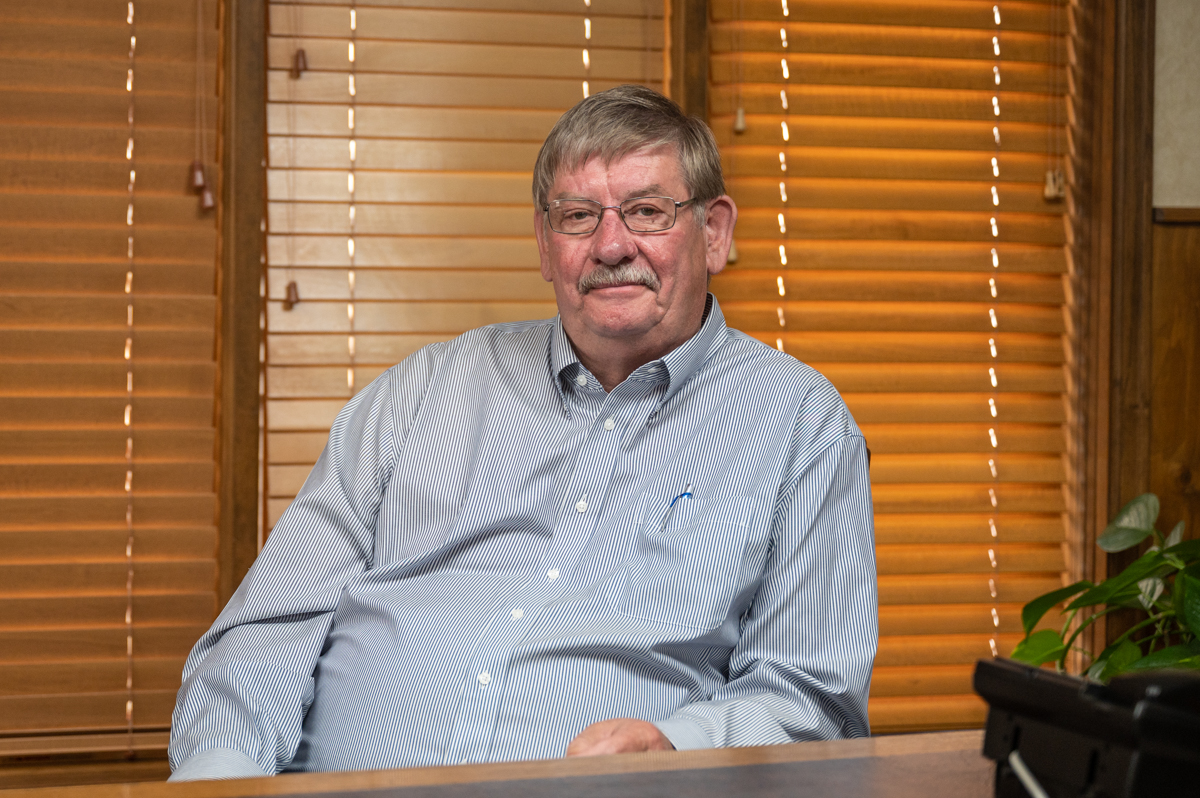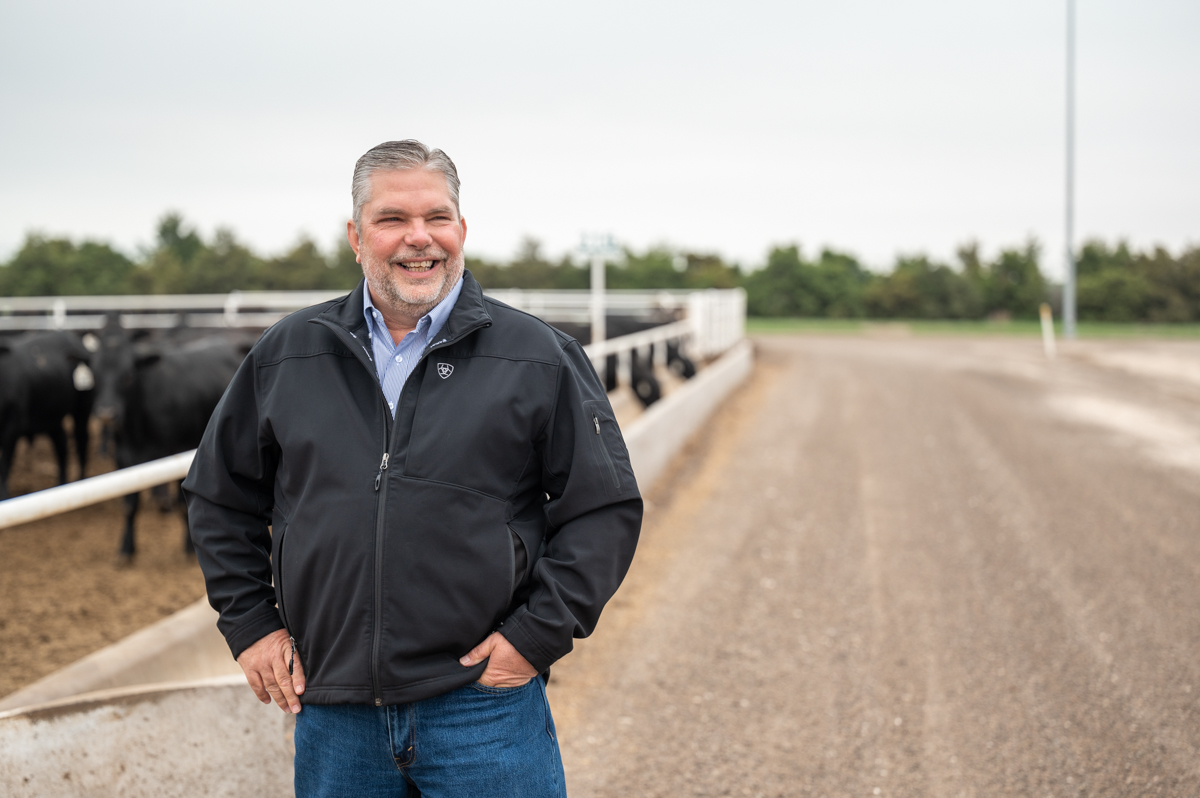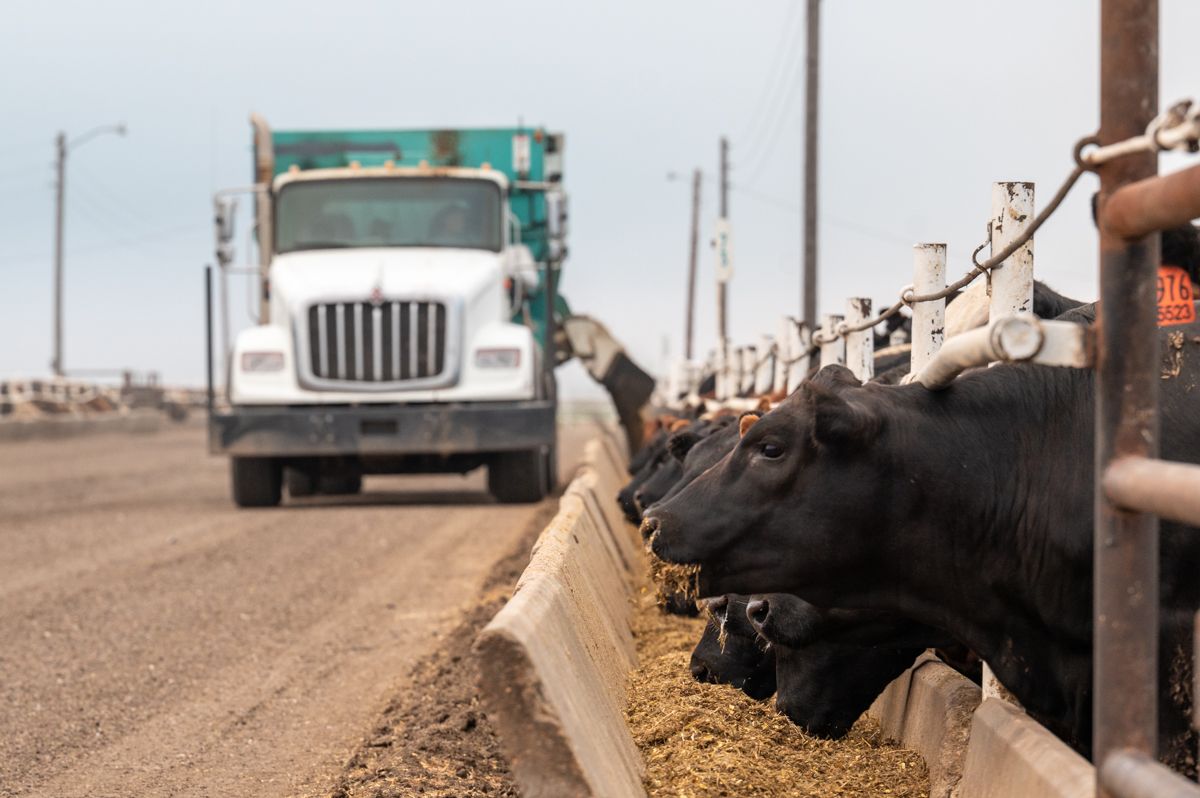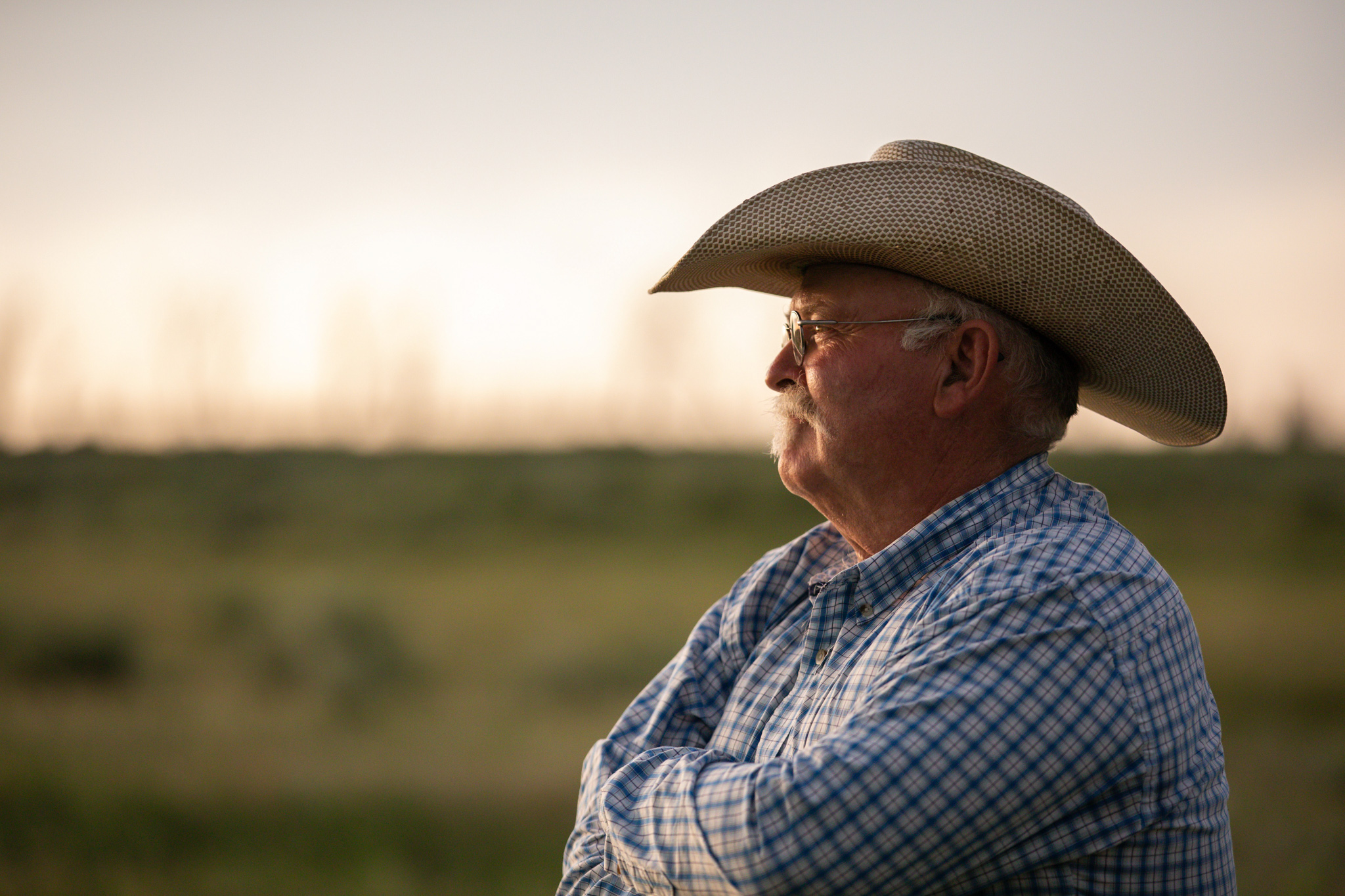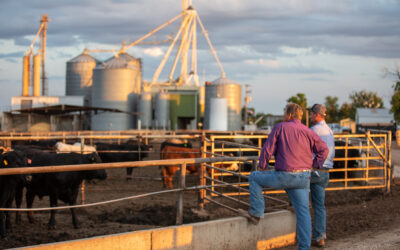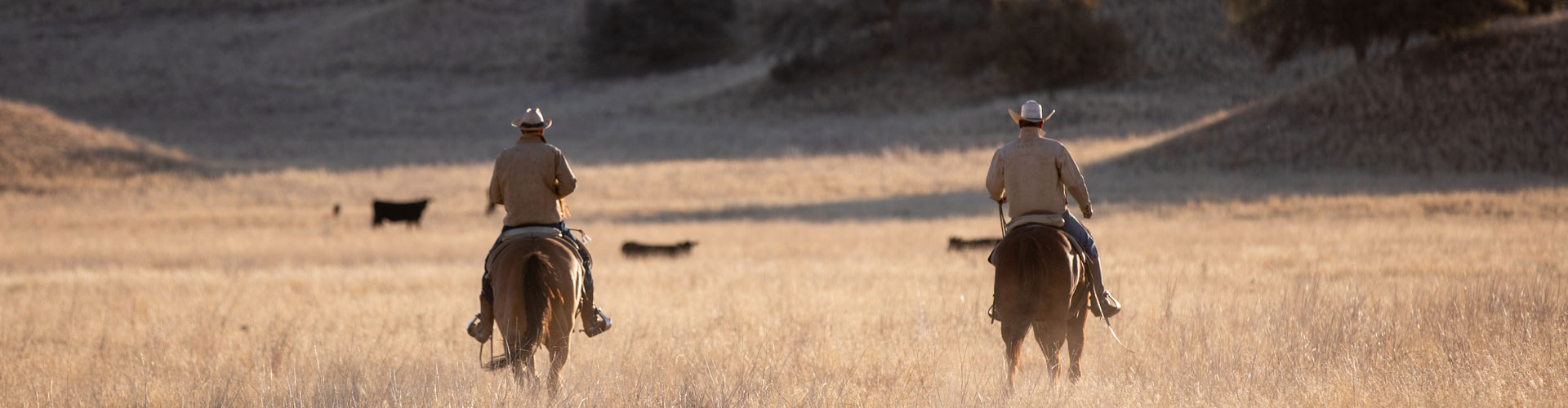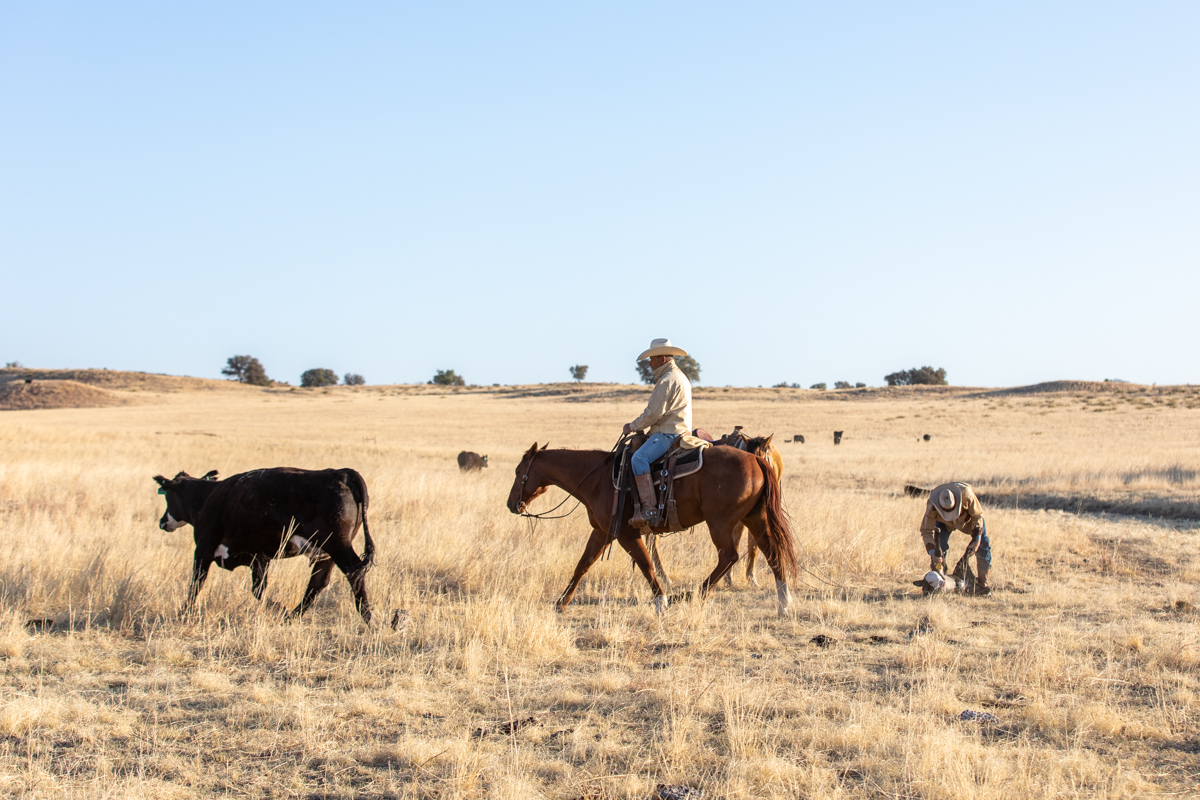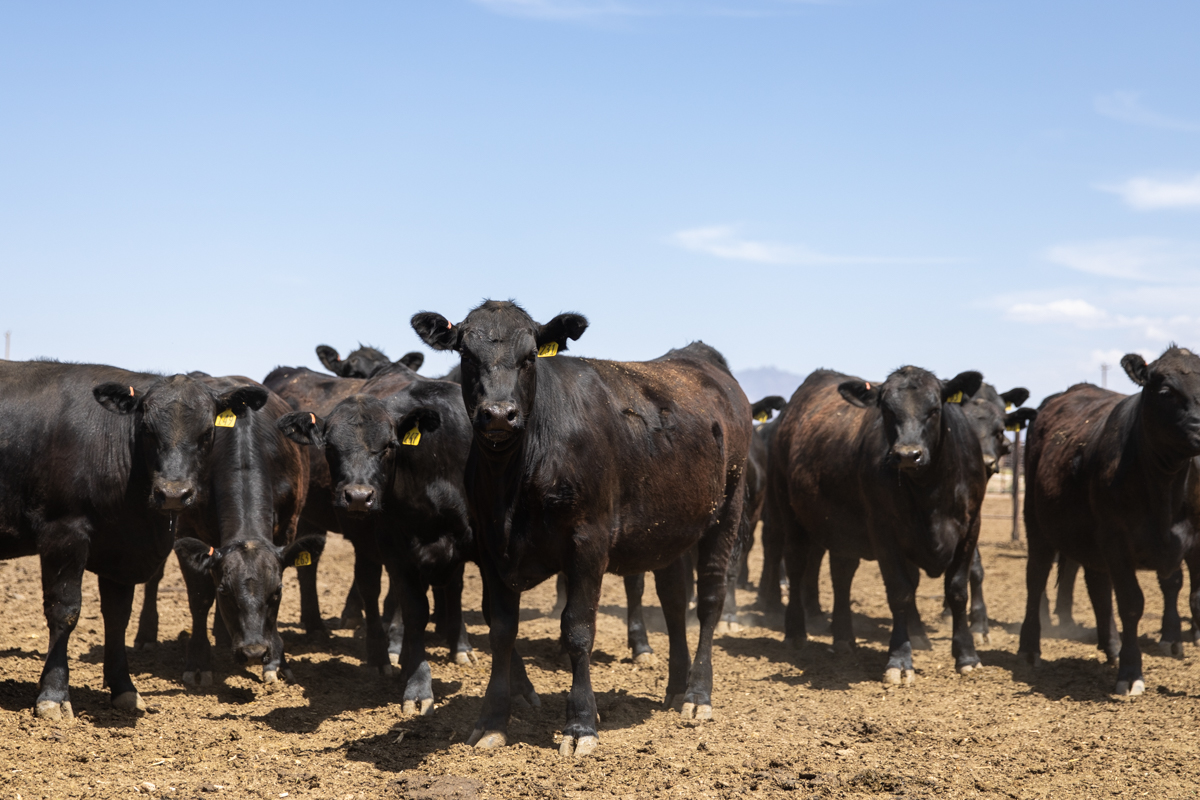
kevin yon

Targeting Excellence

Yon Family Farms recognized for contributions to Certified Angus Beef supply.  

Story and Photos by Jessica Wharton and Nicole Erceg

October 2021

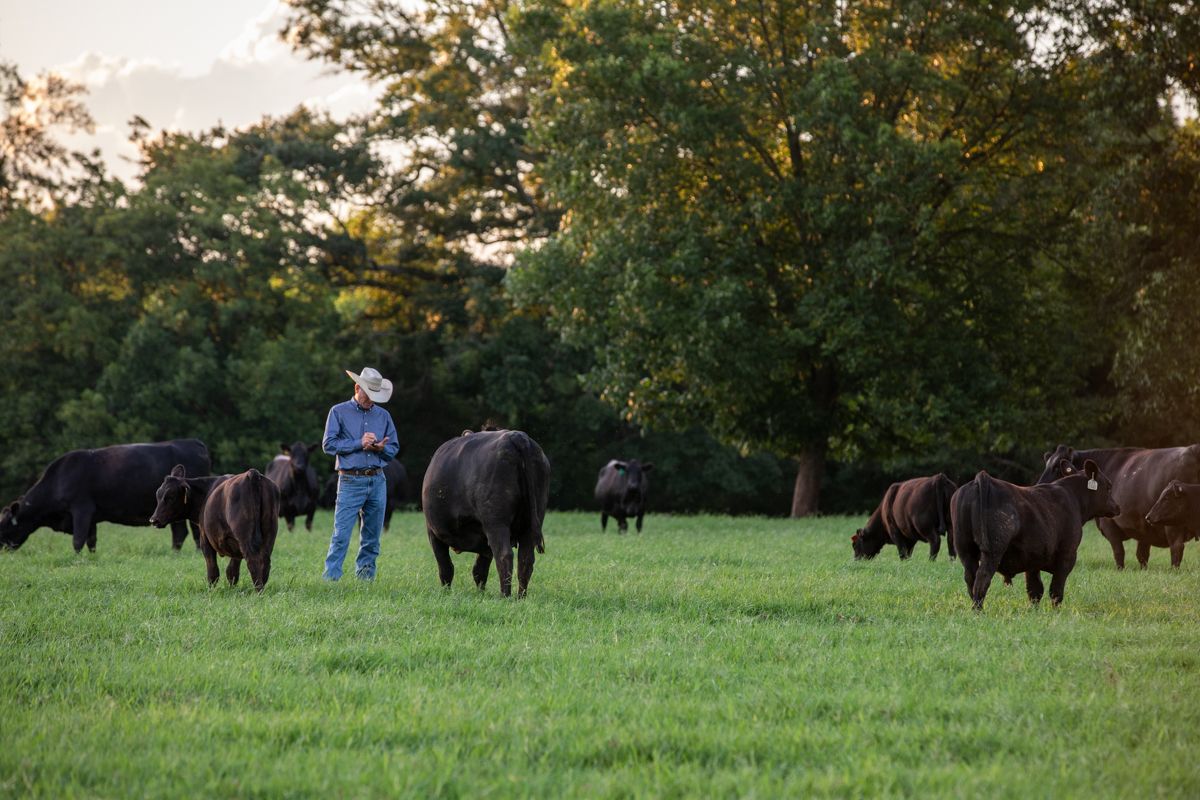
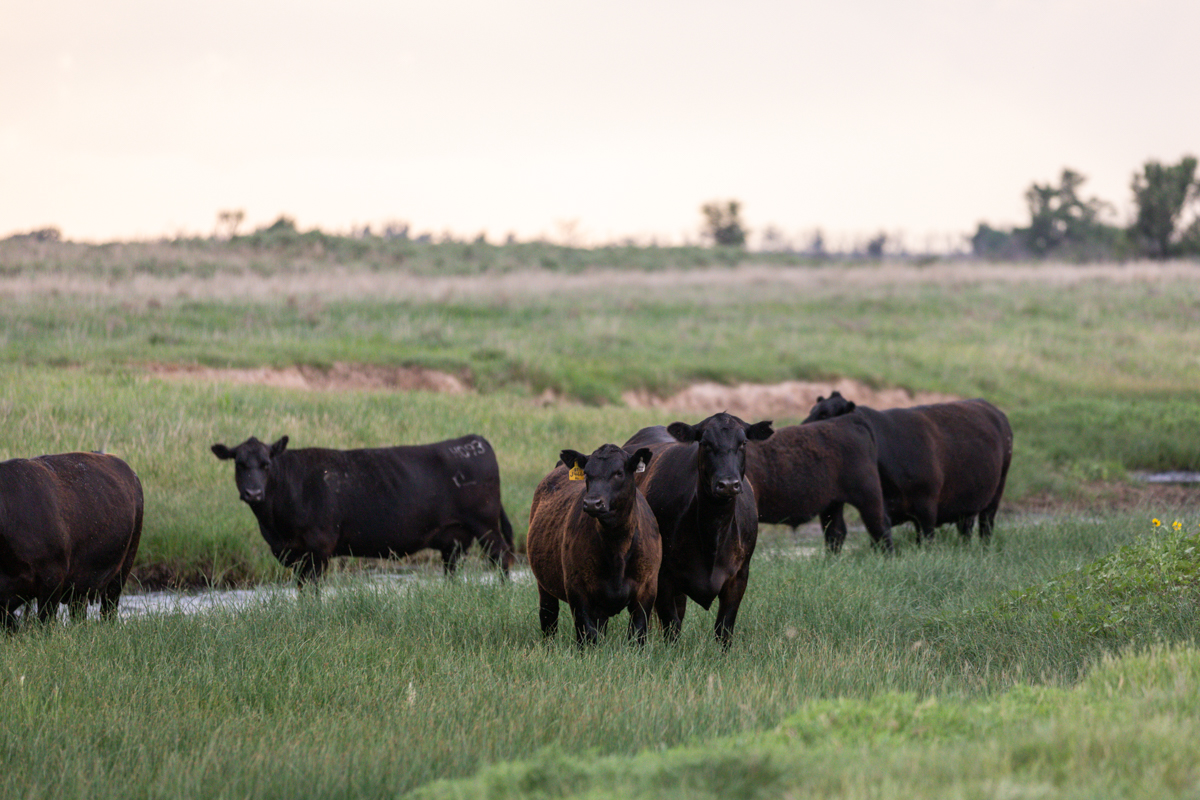
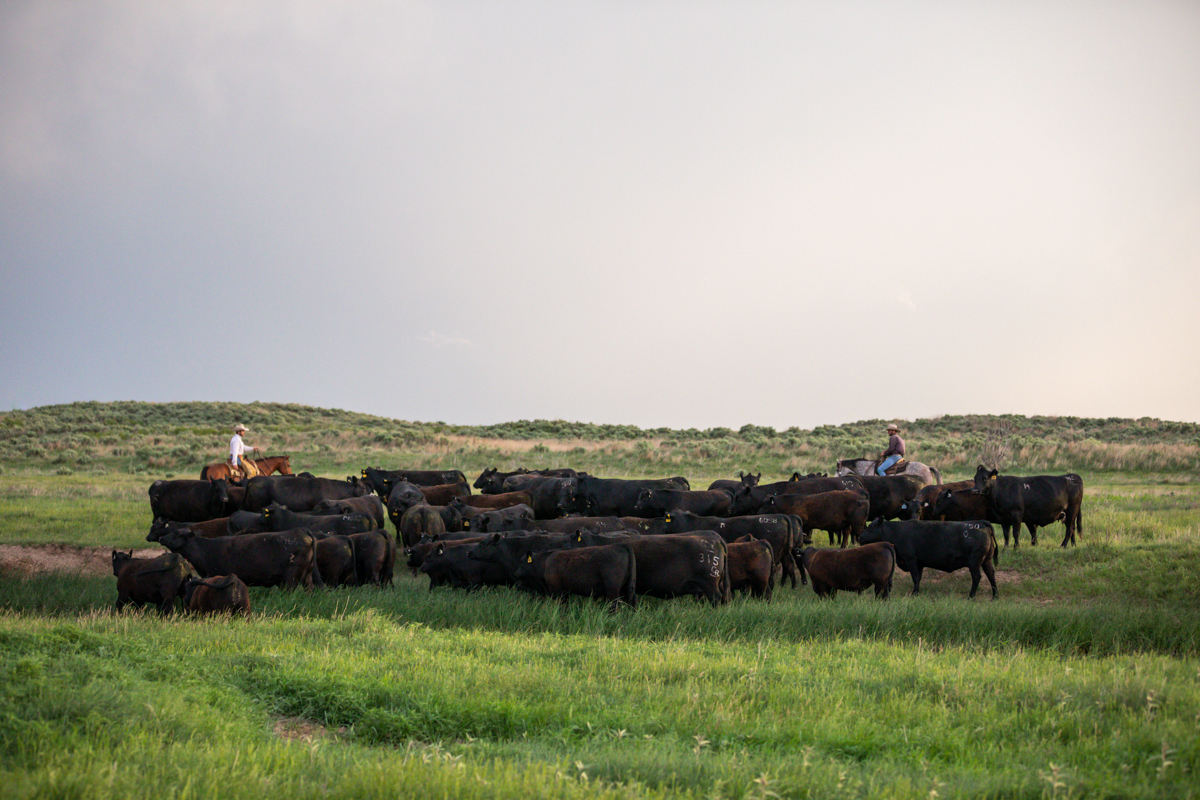
The setting sun paints the southern sky in pinks and blues; wisps of cotton candy clouds stretch for miles. He strolls through the vibrant, green grass, softly whispering to his cows, one of which nudges his hand for a scratch on the head. He obliges with a gentle pat, then continues walking. A smile on his face, he pauses to gaze at the beauty of the evening. He often calls his farm a work of art— tonight, it’s easy to see why. 

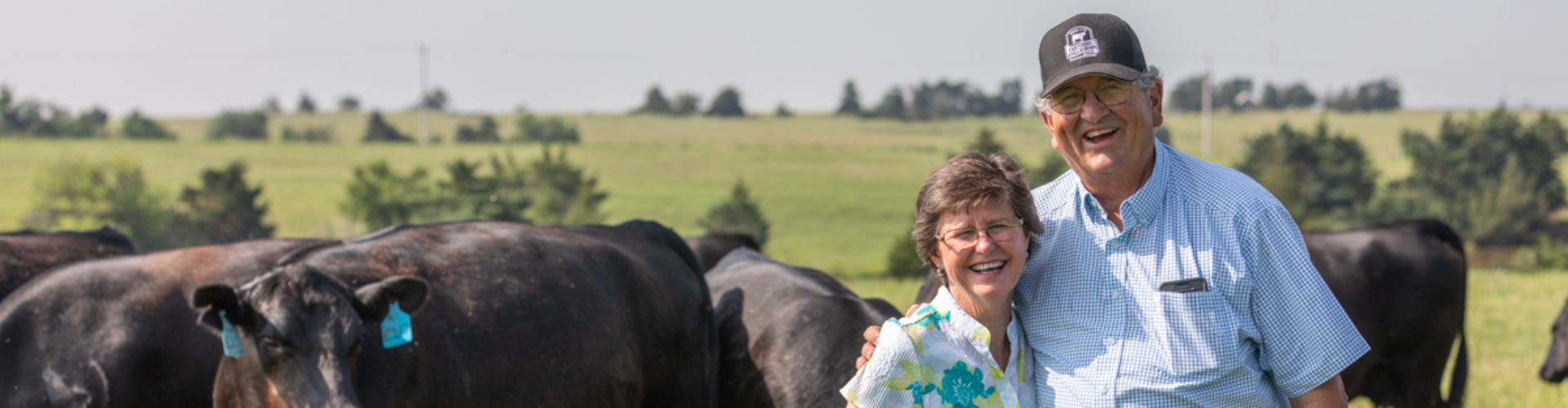
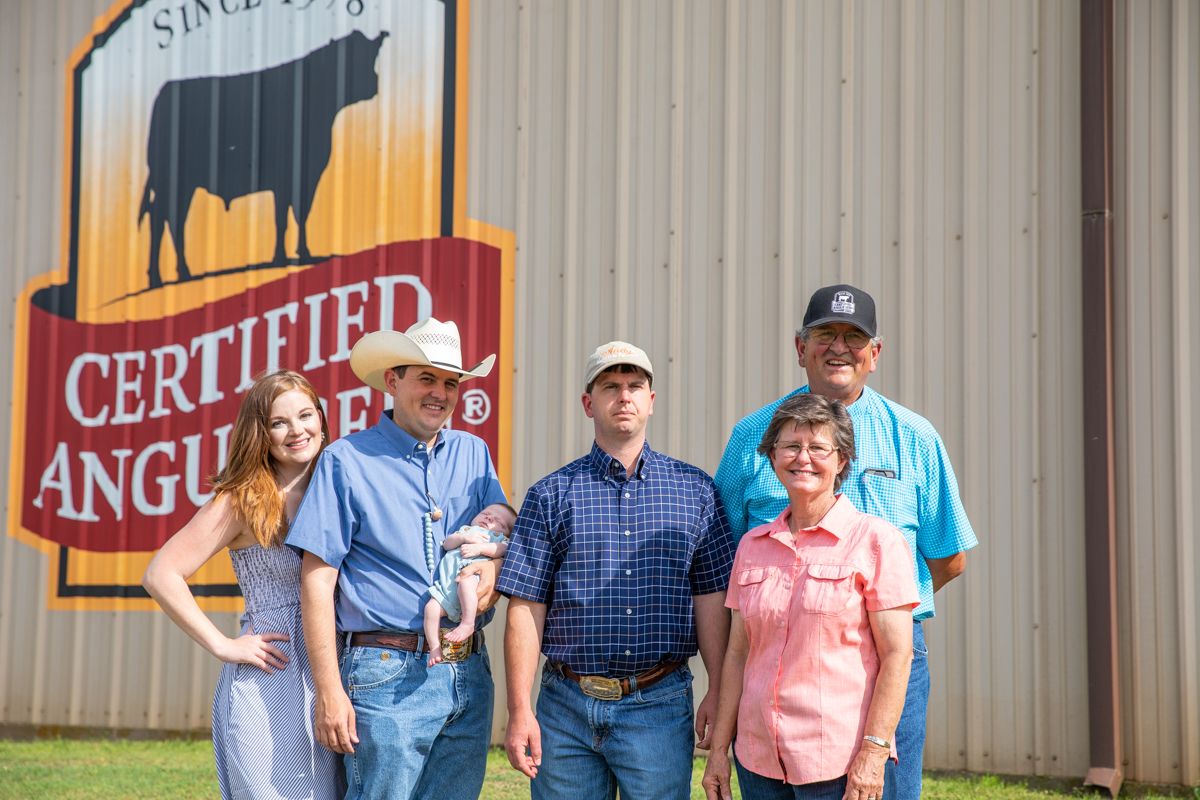
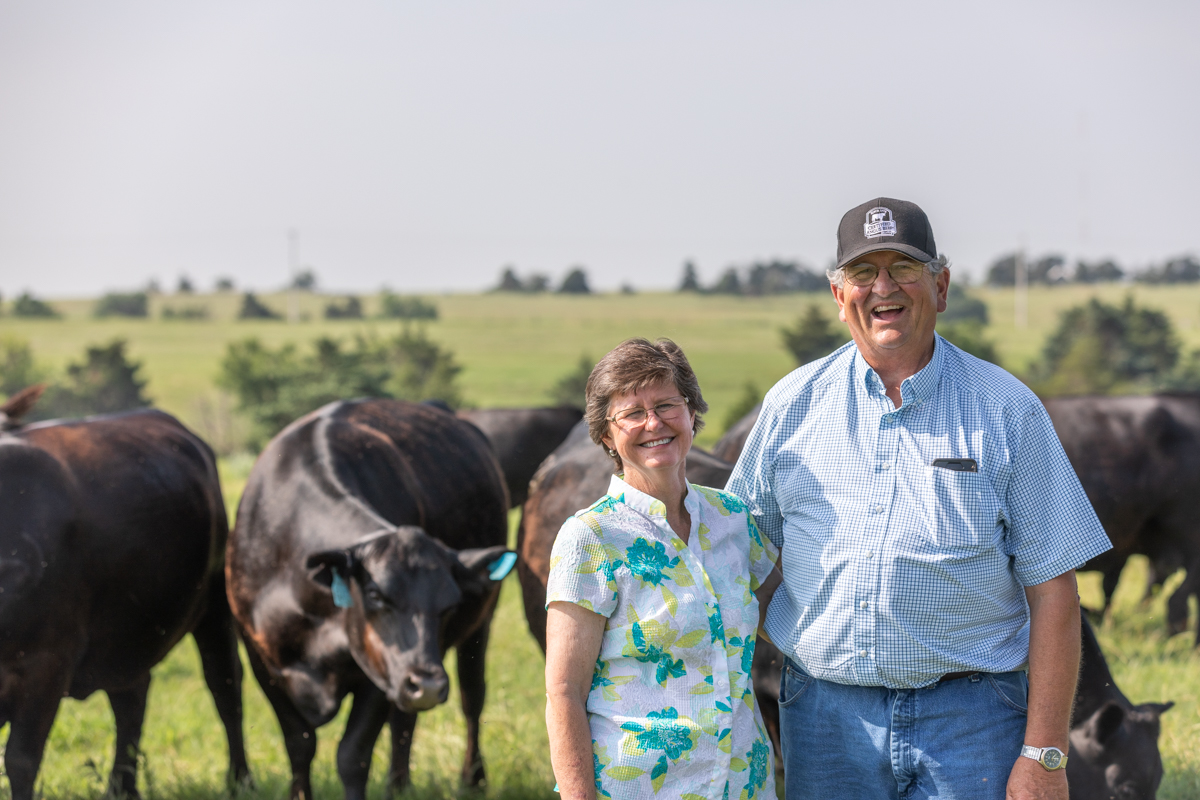
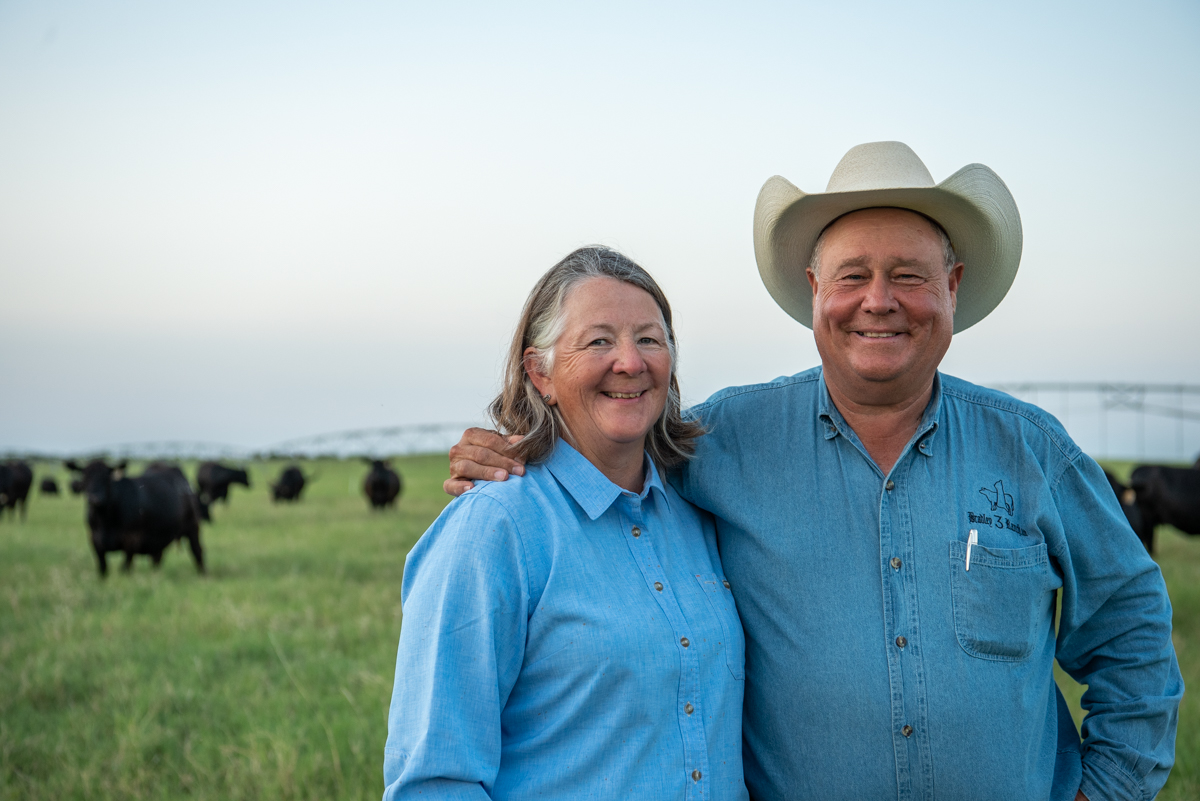
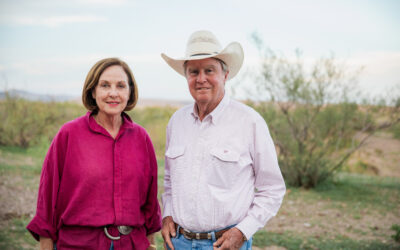
First-generation seedstock producers Kevin and Lydia Yon, along with their children, Drake, Sally, and Corbin, have been continuously improving their farm since they drove the first fence posts on what was a 100-acre abandoned peach orchard in 1996.  

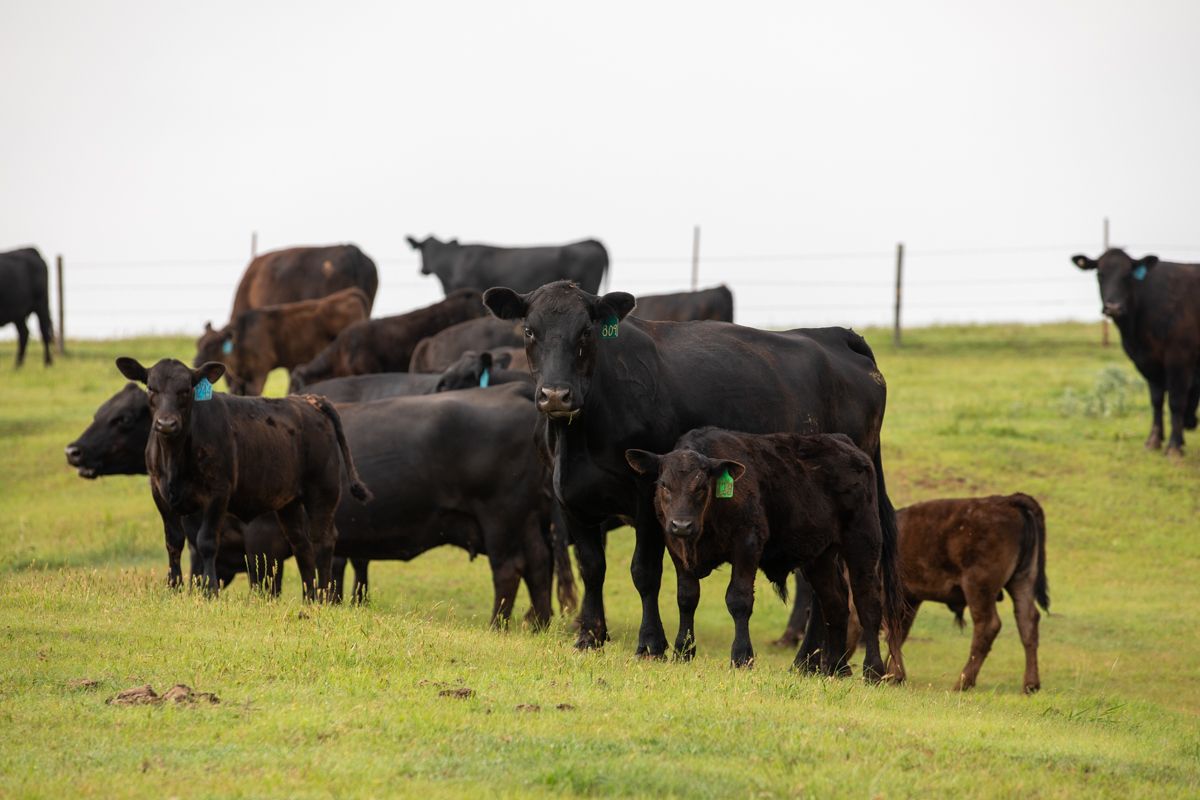
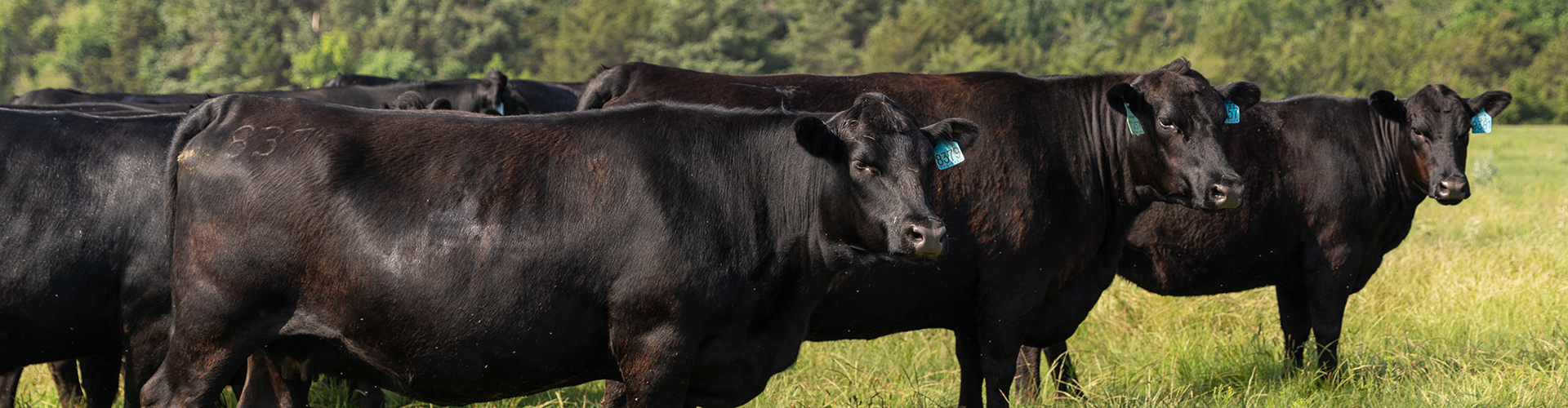
Today the tagalong toddlers on that first fencing project are full-grown farmers with families of their own. A herd of nearly 1,500 Angus cattle graze their lush green pastures on the coastal plains outside of Ridge Spring, S.C. 

Establishing a world-class seedstock operation in the Southeast didn’t happen overnight, and the family humbly insists they’re no different than many others. Indeed, their vision, use of technologies, and dedication to deliberate improvement make them unique. 

The pursuit of quality in every detail of their operation earned the Yon family the Certified Angus Beef (CAB) 2021 Seedstock Commitment to Excellence award. 

Success to the Yons is more than selling quality seedstock. It’s a pursuit of developing better grass, cattle, and people that add value for their customers, community, and consumers. 

Their focus on excellence begins with what the cattle are standing on.  

“Grass is our crop, and fortunately, we get to use Angus cattle to harvest it into a very tasty and wholesome product,” says Kevin. 

Their mindset is a seemingly simple equation: good grass + good cattle = great beef. Their goal? To have grazable land every month of the year, including winter when perennial grasses usually fade brown with seasonal dormancy. 

“We love the cattle, but we love the grass too,” says Kevin. “And put simply: cows were made to eat grass.” 

Few cattlemen talk with the same passion about bull selection and Bermudagrass. Kevin Yon is that rare breed.

The Bottom Line 

Early adopters of technology, they learned to leverage data. From utilizing artificial insemination and embryo transfer to embracing carcass expected progeny differences (EPDs) and value-based marketing before they were the norm, the family harnesses the power of information for strategic decision making. 

“We’re a family-owned seedstock operation that lives and works with the cattle,” explains Kevin. “If we always make decisions about breeding better cattle, well then, we will breed better cattle. We have a long-term vision of always moving the cattle in a positive direction while keeping an eye on important economic traits.” 

Next to many bulls in the Yon sale book sits a small logo that holds significance for a rancher’s bottom line. The CAB Targeting the Brand™ logo signals genetic value and potential, telling buyers which sires’ progeny are most likely to qualify for the brand. 

“We target, and our customers target the Certified Angus Beef® brand,” says Drake. “Number one, they’re going to get paid more for a calf that qualifies, but they also feel a real sense of pride when their calves do meet the brand’s standards. Not only are they getting paid more, but they get to see the fruits of their labor and investment; that probably excites our customers as much as anything.” 

The logo highlights registered Angus bulls with a minimum marbling EPD of +0.65 and an Angus Grid Value Index of +55 or higher. In the last four years, Yons raised more than 600 sires that meet these standards. That’s 72% of the more than 450 Angus bulls they market through their production sales annually. 

“We target the Certified Angus Beef® brand because to us, it’s the mark of excellence. It’s the mark of quality,” Kevin says. “It’s the best of the best. And we don’t want to just be good. We don’t want our customers just to be average. We want to strive for excellence in all we do.” 

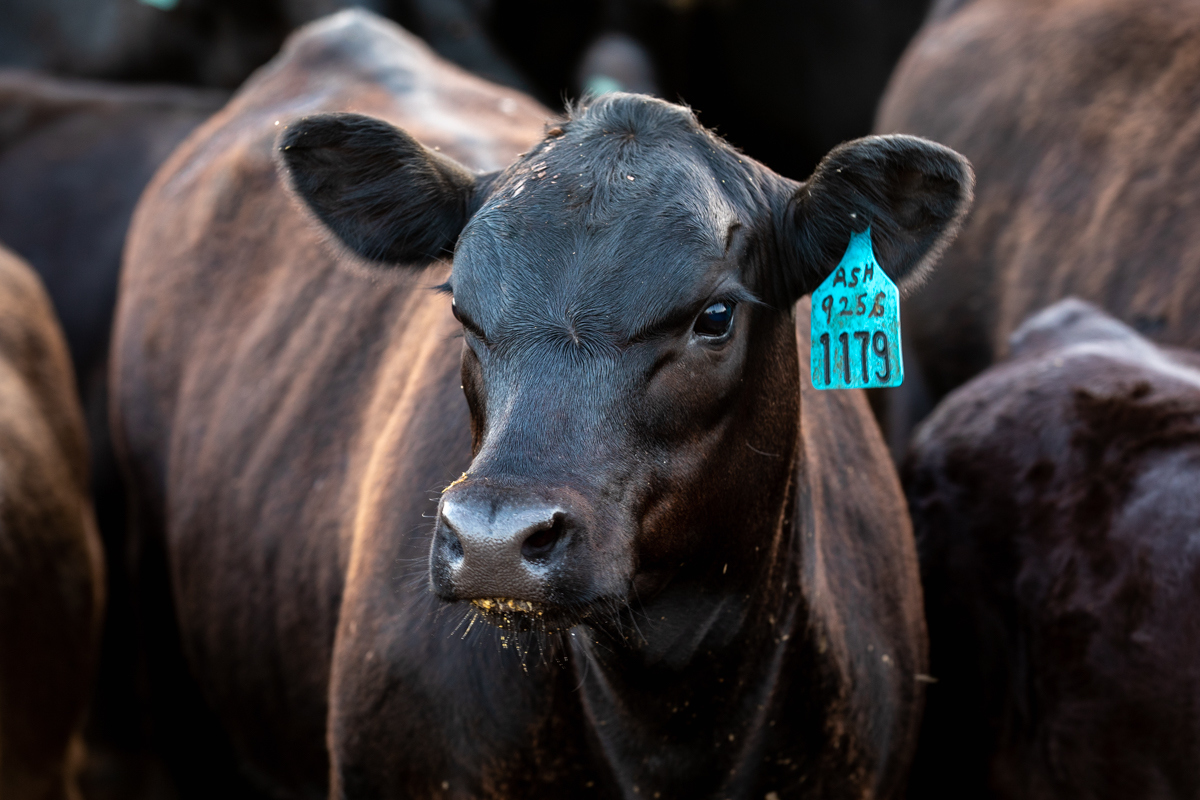
yon angus bull
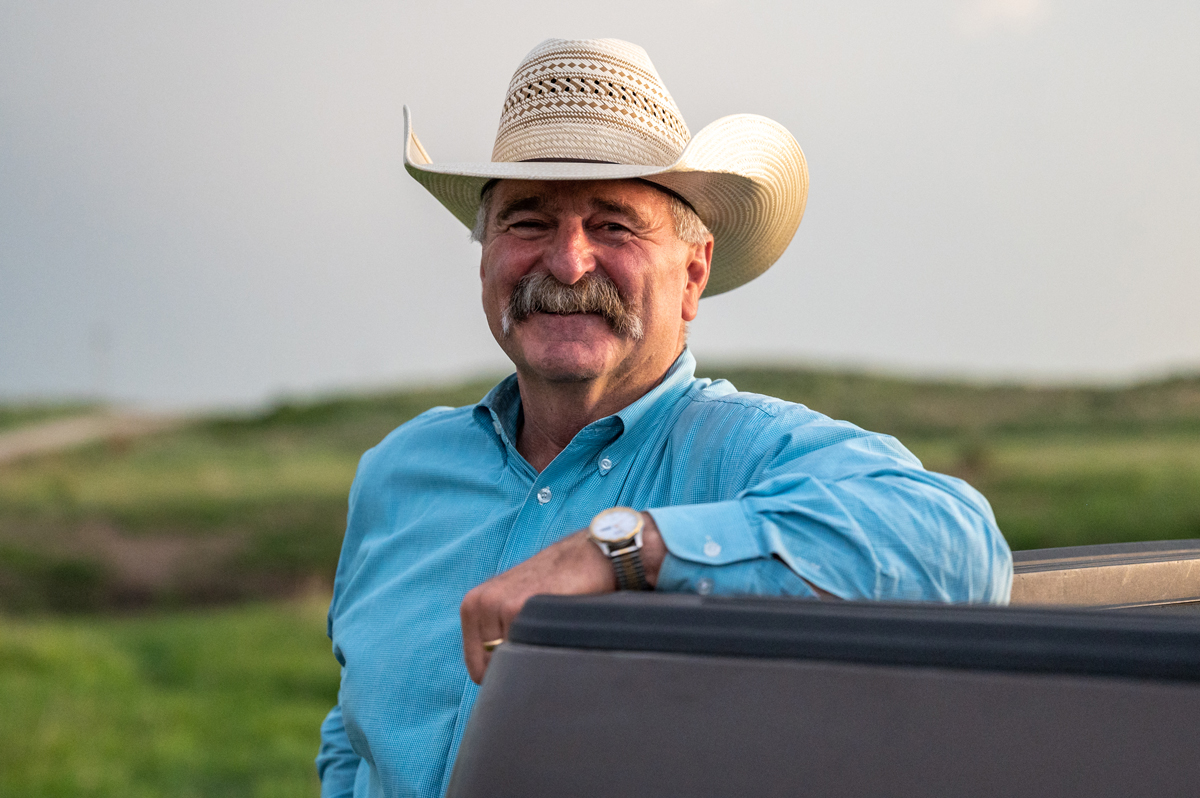
kevin and lydia yon
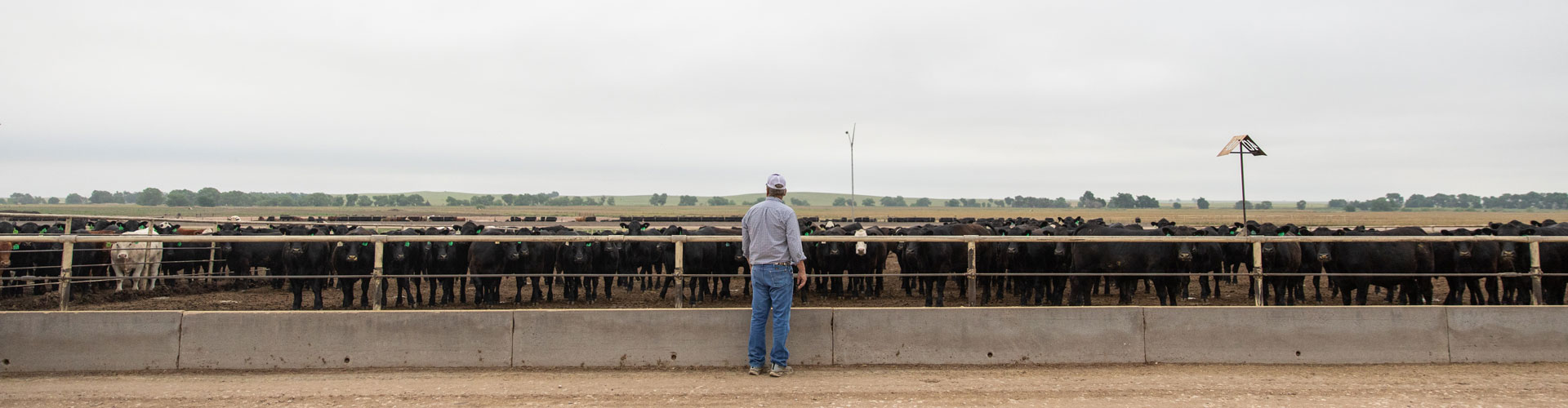
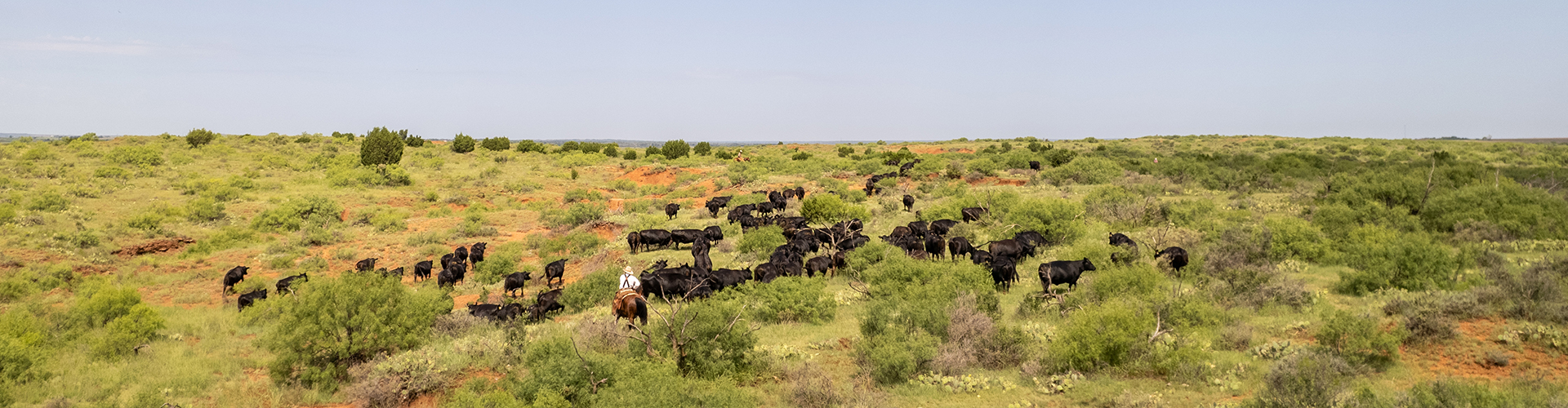
kevin yon checking cows

The Cattle That Customers Want 

Kevin does mean all. 

“Although we put a lot of emphasis on marbling and ribeye and carcass traits, we can never take the eye off that mama cow. Or lose focus on the basic traits that will help cattle to thrive in their environment,” Kevin says. “And that’s the good thing— Angus cattle can do it all.” 

To serve their southeastern customer base, they focus on developing cattle that thrive in a grass-based, humid, long growing season. 

“We also like having the data and the genetic predictions behind that bull so we can confidently to a customer that needs a calving ease bull, or a bull that will increase weaning rates, or yearling weights or one that will increase marbling in his herd,” says Kevin. 

They strive to be a one-stop-shop for maternal, carcass, and easy to manage cattle. They also market 250 females through an on-farm sale each year, but not before the cows prove their value. 

“With our registered females, we give them time to make cows and measure longevity,” Kevin says. “It’s not about breeding for the next sale; it’s about a long-term breeding philosophy. We really care about making the cattle better.” 

Invested in customers’ success, if the Yon’s can help a commercial customer, they share, whether it’s better cattle, building relationships, or further learning. 

Building Together 

Family. Commitment. Value. It’s more than a catchy saying or after-thought marketing slogan. It’s the Yon way of doing business. 

They built the farm as a family, and what began as Kevin and Lydia’s hopeful vision, each child now embraces as their own. 

“We grew up with the farm,” Drake says. “I feel connected to every piece of it because I’ve been here to see it grow and get better, and I got to watch my parents and build it together. I know my brother and sister feel the same way.” 

Once the young helpers, the second generation now have small voices from the car seat asking to go “check cows.” 

“Angus cattle have taught my children about life,” Lydia says. “They have taught my children that even the best cow that has the best genetics can have a calf that’s not very good. They have seen cattle have illnesses that they don’t get over. They’ve seen lots of newborn calves running across a pasture. They’ve seen our customers come and go buying bulls. They’ve seen that how you treat people matters.” 

Committed to creating something worthwhile together, sharing values and value with others is their shared pursuit. 

“It’s not always a great way to make a living, but it is truly a great way to live,” Kevin says. “We feel like this is what we were put here to do. To raise high-quality beef, raise cattle, raise grass, raise children, and raise grandchildren.” 

And to do all with excellence.

Originally published in the Angus Journal and Angus Beef Bulletin.

You may also like

Humble Growth

Humble Growth

Customers from around the world file into the Shamrock Shack beside their sale ring each spring and fall. They’re not just buying into Connealy cattle, but the customer-service guarantee. For getting that and a lot more right, Connealy Angus was recognized with the 2024 Seedstock Commitment to Excellence award.

Feeding Better Cattle Better

Feeding Better Cattle Better

Not everyone is cut out to be a cattle feeder. It’s an art and a science that comes with a need to overcome risk. Wayne Carpenter fed his first pen of steers in 1980 and lost money. But he stuck with it. Today with their sons’ families, he and wife Leisha run the 15,000-head-capacity Carpenter Cattle Company.

Working for Premiums

Working for Premiums

The commercial Angus rancher from Collyer, Kansas, came back for daily homework in 1999 after a year at college. For 25 years now, he’s studied all the ways to grow his family’s W6 Cattle cow-calf herd with Angus at the base. Guided by data, Walt worked to improve the herd from zero Primes to averaging 60 percent. Learning what drives premiums prompted improvement.
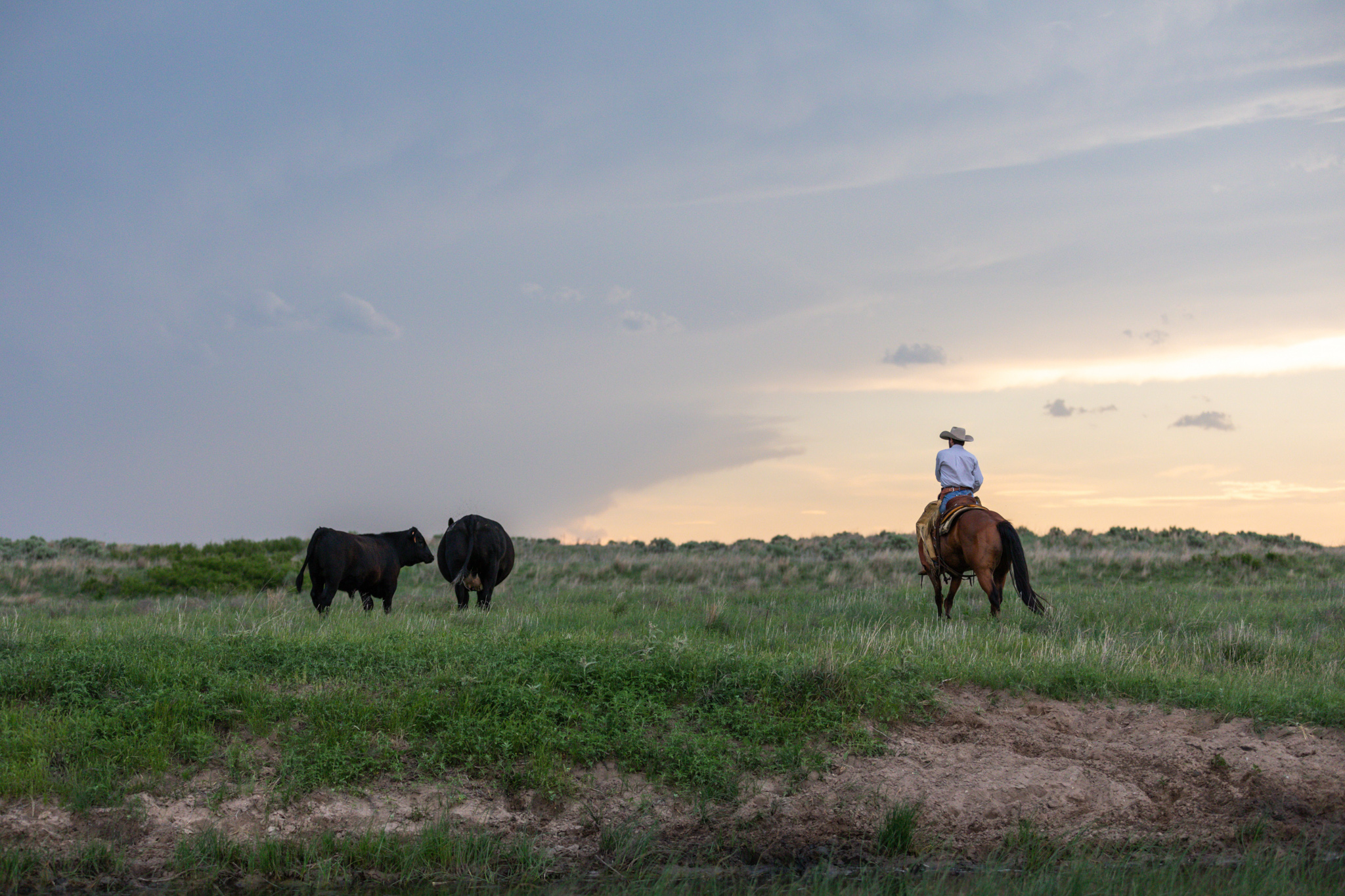
sunset cowboy moving cows

The idea that worked

USPB earns CAB Progressive Partner honors

by Miranda Reiman

October 2021

To tell the U.S. Premium Beef, LLC (USBP) story today, is to tell one that changed the beef industry for the better.  

There are numbers like 17 million head processed, with individual data collection on each one. More than $625 million in grid premiums back to the cattleman while establishing the model for grid marketing that brought the rest of the industry onboard to price cattle on individual merit.  

“There were a tremendous number of individuals who, each with a collection of ideas, became a team,” says Tracy Thomas, USPB vice president of marketing. “And that team became very, very synergistic in result.”  

But telling the story of USPB from the beginning starts with one word: Fear.  

It was the mid-1990s; beef demand was tanking.  

“Our product was bad and nobody wanted it. We were losing market share at a record rate,” says Mark Gardiner, Ashland, Kan., Angus breeder.  

A “godfather” of the beef business, Michigan animal scientist Harlan Ritchie wrote his well-known, “Five years to meltdown,” article. At the aggressive speed with which demand was tailing off, it warned within five years beef would no longer be a viable protein. Some scoffed, some heeded Ritchie’s caution, and Gardiner asked his dad, Henry, “Could that really happen?” 

The answer told his son there was no time to lose. 

“Fear is a pretty powerful motivator. The fear factor was very, very high,” Thomas says.  

Cattle feeders were having trouble with market access—they couldn’t even get their cattle sold some weeks. Each Monday they hoped the show list had enough “fancy” cattle to use as a bargaining tool to sell the remaining finished animals on inventory. 

Commercial producers who invested more in good bulls and vaccinations found their cattle selling for the same price as those from ranchers who didn’t.  

Gardiner and wife Eva had twin toddler boys at home, and a life’s dream that only ever included raising cattle where his great-grandfather had first made his start in a dugout. The need to survive was personal. He had to do something.  

For their influence on the beef business, shifting toward quality and value-based marketing, USPB recently earned the Certified Angus Beef (CAB) 2021 Progressive Partner Award. 

Lunches and late nights 

Kansas State University may have made them fraternity brothers, but the cattle market situation united many early players as champions of the quality beef movement. Steve Hunt and Mark Gardiner swapped ideas over a Pizza Hut lunch buffet, and more and more alum joined their cause during the next few months. 

Commercial cattleman Roger Giles, Giles Ranch at Ashland, Kan., had been trying to figure out a way to make his investments in genetics and management make sense.  

“We really bought into it because at the time, we were losing a lot of money feeding cattle,” Giles says, noting the better cattle came with lower health cost and gained better but “you were just getting killed when you sold them.”   

He was all in.  

Near Scott City, Kan., cattle feeders gathered at hushed evening meetings, just to discuss the “what ifs” that included everything from building their own plant to hiring a czar to sell their fat cattle.  

“I’ve said it before, but the success of a rain dance has a lot to do with the timing. The timing was just right, because even though we all thought we were educated going in, there was a big learning curve,” says Joe Morgan, Poky Feeders, one of the founding USPB members. His conference table was witness to many of the early discussions, not all of them tame.  

“We all had opinions—we were all used to running our own companies,” Morgan says. “One night we all shook hands that we’re going to leave every night as friends, no matter how upset we got during the meeting. I think that was a real key.”  

Competitors by day became allies by night.  

uspb Mark Gardiner

Mark Gardiner, Gardiner Angus Ranch

Tracy Thomas USPB

Tracy Thomas, USPB

Peddling blue sky 

In late 1995, a formal group assembled and went out on what Gardiner refers to as the “Blue Sky Tour,” selling an idea. Sometimes it went well and sometimes they were run out of town, but soon enough, cattlemen from across the country were pledging support to the developing business model. 

Common ground with Farmland Industries, an organization used to the cooperative model, led them to a letter of intent to purchase up to 50% of what was then Farmland National Beef Packing Company, LP (FNB). It was the fourth-largest beef processor in the U.S. 

The USPB stock offering went live in October 1997, and by December the new company was buying up to 10,000 head of cattle a week from its producer members. Each share carried the “right and obligation to deliver one head to your processing plant,” Thomas says, and the minimum point of entry was 100 shares. 

uspb Roger Giles

Roger Giles, Giles Angus Ranch

uspb poky feedyard Joe Morgan

Joe Morgan, Poky Feeders

uspb Fairleigh Feedyards John Farleigh

John Fairleigh, Fairleigh Feedyard

The reality of the risk 

“Looking back, I don’t know if I could do it again,” Morgan says, noting many ventures came after and failed. “We were just so desperate, and young, and thought we could make it work. Actually it bothered me more after I got older, looking back at the risks we really took and the sacrifice we could have made.” 

Bankers across the country tried to talk their cattlemen customers out of writing the check. John Fairleigh, Fairleigh Feedyard and fellow founding member, remembers the day he bought in.  

“I was shaking. It was a very, very big investment, kind of rolling the dice and throwing it all in one basket,” he says. Today they still sell 100% of their cattle on the USPB grid.  

Giles says it was a huge risk, but it felt like the only option.   

“You had a bit of caution, but overall it’s one of these deals, it’s like we really don’t have a choice. We either have to move forward or we give up.” 

Giles doesn’t come from stock that gives up.  

Gardiner’s brother Greg says, “Everything I did have, I threw in the middle of the table and gambled that it would turn out.” It was a stretch, but now on the other side of that decision he wishes he would have dug deeper and put in even more. “As it has come to fruition,” he says, “it kept our business afloat.”  

Growing pains 

They may have celebrated when the deal went live, but the celebration didn’t last long before reality set in.  

“We all thought when we started U.S. Premium Beef that our cattle were way better than our neighbors’ and for sure better than the industry,” Fairleigh says. They had confidence the newly established grid would be in their favor. 

Across the nation, less than half of fed beef was grading Choice, and USPB soon realized its harvest ran lower still. Gardiner recalls their cattle makeup was $6 to $8 per hundredweight (cwt.) below the nation-wide average. 

“So it changed the way we bought feeder cattle, who we bought cattle from and what type of cattle we bought,” Fairleigh says. “I think the industry has followed suit.”  

For some feeders, it cost them their customers. 

“Most people thought they had the best cattle, and a lot of them found out they didn’t,” Morgan says. “When you start knocking somebody’s farm-raised cattle, it’s like knocking their children. It was very difficult for us, the first few years, for people to accept that they needed to make genetic change.”  

An initial grace period with FNB guaranteed them at least the market average each week, and with individual carcass data in hand and a grid target to hit, cattlemen got to work.  

angus cow calf pair

Change, one head at a time  

“If truly higher quality cattle were what the market was looking for, if we could tap into and identify the genetics that would move the dial, then we had the vehicles to produce those types of cattle,” says Greg Gardiner. “Once you have the vehicle to go, then it’s pedal to the metal and foot-feed to the floor because you can do it time and time again. It’s a highly repeatable process.” 

It’s been more than two decades since the USPB grid was introduced, and now every major packer has marketing options to sell cattle on individual carcass merit. In 1997 some 40% of all USPB cattle graded Choice and fewer than 10% qualified for CAB. Last year, USPB cattle averaged 89% Choice and Prime—a record high—and annual CAB percentage have averaged 28% the past five years, with an additional 3% CAB Prime.  

“Consumer demand is the ultimate driver for what we produce,” Fairleigh says, noting insight from being coupled with a packer. “We had seamless information to guide our guesses to as what consumers wanted.” 

The cattle changed from the “rainbow coalition,” Gardiner says, to a more solid set of uniform cattle. The Angus breed led the improvement. 
Return on investment

“We have created a tremendous product now and got consumer confidence, consumer acceptability and we’ve got the demand now,” Morgan says.  

USPB members have collectively earned $2.1 billion in payments, grid premiums and cash distributions from ownership in processing.  

It worked, and it continues to work.  

Today, USPB has more than 2,900 members and associates in 38 different states, and an approximate 15% ownership interest in National Beef Packing Company, LLC. The advantage of remaining vested in the packing sector was as evident in 2020 as it was at the start. COVID-19 made its mark as it did for everyone, but USPB members had an option based on an allocation system.  

“They were able to get their finished cattle into the processing plant when it was difficult to almost impossible in other places,” Thomas says.  

The USPB mission includes increasing both the quality of beef and long-term profitability for cattle producers, and Gardiner says they’re as focused on that as ever. 

“We all love this business, but every cow is connected to a human. So, if we make sure the humans can be prosperous and survive, that’s what sustainability is,” he says. “That is the opportunity that USPB gave our family and thousands more all across the United States.” 

Beef demand is up more than 30% on the year. That’s motivation, Gardiner says.  

“We’ve only just begun.”  

Originally published in the Angus Journal and Angus Beef Bulletin.

You may also like

Thriving with Shrinking Supply

Thriving with Shrinking Supply

Even as the nation’s cow herd contracts, “more pounds” and “higher quality” have been common themes. Specific to commercial cattlemen: It still pays to focus on carcass merit, in addition to other economically relevant traits.

From Modest Beginnings to Excellence

From Modest Beginnings to Excellence

Gilchrist Farm recently received the 2024 Certified Angus Beef Canadian Commitment to Excellence award. This prestigious honor recognizes their exceptional achievements in high-quality Angus genetics and management. Over the years, they have transformed their operation by embracing superior Angus genetics. Their commitment to high standards and innovative practices has distinguished them as a model of excellence in the industry.

From White House to Farmhouse

From White House to Farmhouse

At Pleasant Valley Farm in Brookville, MD, four generations of the Stabler family have blended tradition and innovation to create a thriving, diversified Angus operation. Honored with the Ambassador Award at the 2024 Certified Angus Beef (CAB) Annual Conference, the Stablers exemplify a commitment to sustainable farming, community engagement and educational outreach. Their significant contributions to the hosting on behalf of the CAB brand highlight their commitment and play a key role in receiving this award.

The Cattle Calling

Telling their story one tour at a time earns the Pfeiffer family the Ambassador Award.  

Story and Photos by Kylee Kohls 

October 4, 2021

Anticipation and anxiety build as a tour group navigates the pasture. The cattleman stops, scratches the closest cow’s back, and keeps talking. 

Soon, dozens of Angus cattle surround the group. A trembling hand slowly rises, meeting a cool, curious nose. A glimpse of admiration and awe flashes across his face as the 1,200 lb. animal leans a little closer. 

“I’ve never been this close to a cow before.” The Pfeiffers hear this phrase nearly every time they host a group on their farm. 

It’s a moment most won’t forget. 

Telling their story to the cattle curious was awkward at first for John and Gaye Pfeiffer. 

“I realized that we were going to have to show people what it means to raise cattle and what all is involved,” says John. 

 Now, they look forward to hosting hundreds of people every year, sharing everything from the beef cattle life cycle, animal care, vaccination protocols, and sustainability practices to why they choose Angus cattle on their central Oklahoma farm.  

Their dedication to teaching and connecting with those further down the supply chain earned them the 2021 Certified Angus Beef (CAB) Ambassador Award. 

Following the call 

All they ever wanted to do was farm.  

Whether it was a calling or an inborn fondness for black cattle, John knew from a young age he would do whatever it took to follow in the footsteps of the three generations before him in the Mulhall-Orlando area.   

“One of the first things my grandad did as soon as all his grandkids were born is make them members of the American Angus Association,” chuckles John.  

His grandfather was instrumental in instilling a service mindset in the then-young cattleman.  

“He and my parents taught me if you don’t put back into organizations, that thing is not ever going to get any better,” says John. “I am a strong believer that the most important thing you can do is show up. When we don’t, then our voice isn’t heard. For that reason, we do a lot in the community.” 

His wife was raised with the same ideals. 

“I’ve always felt that, if you can contribute, whether it’s to an organization or your business, then you will find your place, and you will be accepted at that place,” says Gaye. “There should be something in every day that moves you forward in some way to make something better.” 

She smiles at John and calls him “a total board member.” However, they often serve together in county, state, and national organizations, with local cooperatives, school boards, Farm Bureau, cattlemen, and Angus Associations. That’s where you find them off the farm.  

Together, their mission is to make their communities better and more approachable. 

The Angus way  

In 1907, the first Angus bull was purchased by a Pfeiffer and brought to Logan County. Seventy-four years later, just a few miles from where the origin bull roamed, John and Gaye began their venture with 30 cows. Those cattle became a part of the upbringing for the farm and their now-adult sons, John Christopher and Andy. 

Today, the family calves out 300 cows. 

Along the way, they discovered an opportunity to create strong seedstock genetics that add value to customer’s herds and bottom lines. However, it wasn’t until they attended a Certified Angus Beef® conference in the 1980s that they realized the scope and impact of genetics needed to help meet consumer beef demands.   

“We wanted to be able to produce beef that was the best that it could be,” says Gaye. “We felt like with the support of the American Angus Association and Certified Angus Beef; we would get to that point.” 

Pfeiffers witnessed progress in their owner herd through intentional planning followed by a commitment to data. Selecting sires and cow lines that work for their environment, work for their customers, and target the Certified Angus Beef ® brand. 

“It works because we invest a lot of time and effort into keeping track of the information, doing the genomic testing, and those kinds of things,” says Gaye. “We realized that you could do that with commercial cattle, and you can make some progress there also.” 

John typically keeps about 20 steers back from both his fall and spring calves to feed for carcass data as a report card on their genetics. Recent groups earned 70% CAB or better on his calves. He also markets groups of feeder cattle through AngusLink, using the Genetic Merit Scorecard SM to showcase the quality built into his herd and test his own cattle in the value-based marketing avenue available to his customers. 

“It’s twofold. Not only does it help CAB because we get a better quality of meat, but it helps us understand that we’re producing the right bulls and the right females that are going to in turn help our customers,” says John.   

Their focus is quality consistency in the bulls they breed and across their herd. 

“The Angus cow has made Certified Angus Beef successful. Certified Angus Beef  has made the Angus cow more profitable,” he says.  

 Telling their story  

Giving back was something both John and Gaye were taught to value from a young age, but they learned storytelling along the way. 

When John received the call to run for the American Angus Association Board of Directors, he felt unqualified. After conversations with close mentors, he realized it was an opportunity to grow and learn alongside some of the breed’s most successful farmers and ranchers.    

He eventually served as the Certified Angus Beef® Chairman of the Board in 2017.  

“By the end of the Certified Angus Beef Annual Conference, we’d made a lot of friends with people across the business and found out that everyone works just as hard as we do and that this is a partnership,” says John. “It’s just unbelievable – the fact that we make it possible for them to do what they want to do by selling a quality product, and they make it possible for us to continue to stay here and raise that product.”  

Gaye says it was a reminder that it’s easy to become insulated. Hosting groups and tours help keep them connected to those further down the beef value chain.  

“We consider it a privilege to be able to host groups. It’s always been our obligation we thought as producers to interact with all the different segments Certified Angus Beef interacts with to explain our role and how it all fits together,” says Gaye. 

A legacy in serving others 

After forty years of progress together, John and Gaye continue to share their up close and personal experiences with their cattle and community. 

“We think a lot about what we do today that’s going to make sure that it’s still here for our grandson in the next 40 years,” says Gaye. “There are things that you have to do to take care of the land and take care of your business, to make sure that it’ll still be here.”  

Thanks to the vision, service, and progress John and Gaye started, the fifth John Pfeiffer now could raise cattle in the same area his family began farming in more than a century ago.  

“A legacy to me means more than just acres and cows,” shares Gaye. “A legacy to me means you are also sharing your values. You’re sharing the love of the land, the importance of feeding the world, and the importance of doing whatever it takes to make things better in the end.” 

Originally published in the Angus Journal.

You may also like

Thriving with Shrinking Supply

Thriving with Shrinking Supply

Even as the nation’s cow herd contracts, “more pounds” and “higher quality” have been common themes. Specific to commercial cattlemen: It still pays to focus on carcass merit, in addition to other economically relevant traits.

From Modest Beginnings to Excellence

From Modest Beginnings to Excellence

Gilchrist Farm recently received the 2024 Certified Angus Beef Canadian Commitment to Excellence award. This prestigious honor recognizes their exceptional achievements in high-quality Angus genetics and management. Over the years, they have transformed their operation by embracing superior Angus genetics. Their commitment to high standards and innovative practices has distinguished them as a model of excellence in the industry.

From White House to Farmhouse

From White House to Farmhouse

At Pleasant Valley Farm in Brookville, MD, four generations of the Stabler family have blended tradition and innovation to create a thriving, diversified Angus operation. Honored with the Ambassador Award at the 2024 Certified Angus Beef (CAB) Annual Conference, the Stablers exemplify a commitment to sustainable farming, community engagement and educational outreach. Their significant contributions to the hosting on behalf of the CAB brand highlight their commitment and play a key role in receiving this award.

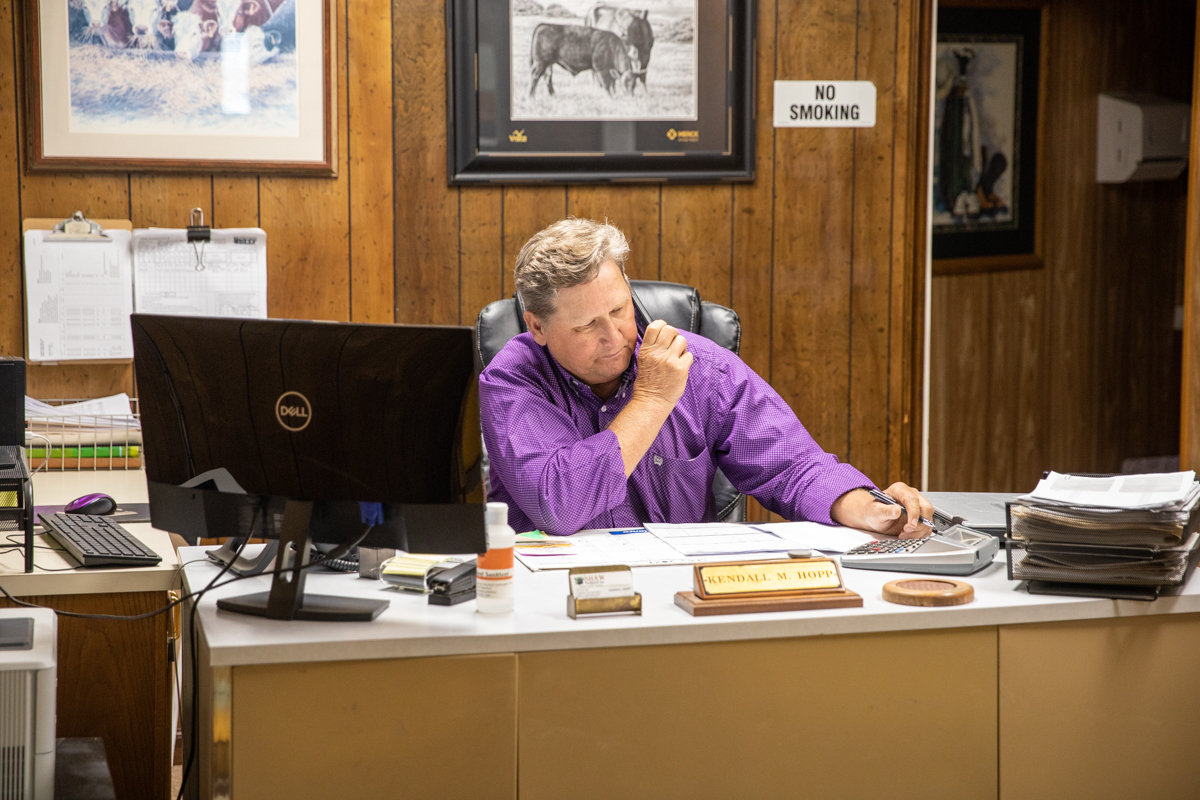
kendall hopp at shaw feedyard

Committed to consistency

Kansas feedyard awarded for commitment to excellence

Story and photos by Morgan Boecker

October 2021

shaw feedyard

He looks up at the sky, shading the sun’s rays with his hand wondering when it will rain. The phone in his pocket buzzes with a market update, corn futures are up again, and a text reads, “Headed to town, feed truck is on the fritz.” 

Much of the cattle feeding business is outside a manager’s control. But quality cattle caretaking, that Kendall Hopp can guarantee. 

He plans for the volatile, hopes for the best, and deals with the rest as it comes. The first thing on his list begins with treating people right because Hopp knows happy folks manage cattle more consistently, leading to healthy cattle that perform.

He shared this philosophy with Bill Shaw 14 years ago. At the time, Shaw Feedyard in Ashland, Kan., felt like any other commodity yard where color, shape, and size would vary with a ride down the row. Today, Hopp manages a sea of pens dotted with high-quality Angus feeders that return on the rail. 

Different skillsets make their business thrive. Hopp manages the feedyard, Bill handles the money, and his son Brett Shaw takes care of the farm, stockers, and other duties as assigned.  

Their teamwork, values, and ability to consistently raise high-quality beef earned Shaw Feedyard the Certified Angus Beef (CAB) 2021 Feedyard Commitment to Excellence Award.

Evolution

In 1964, with just four pens, Bill’s father, Jim, began feeding cattle. He made up for what he lacked in experience in market knowledge, the cushion of capital, and a desire to figure it out. The yard grew with small successes, Jim invested dollars into infrastructure as he learned. 

As a kid, it was Bill’s playground. From drawing in the dirt, he grew to fiddling with rations. Then, after earning a degree from Kansas State University, the feedyard became his full-time job. 

“I can remember coming out first thing in the morning when I was a little kid and riding the feed truck with dad,” Brett says. 

There weren’t any computers or the “fancy stuff” they have today. Bill made do with paper and pen, writing rations and ingredient weights down as he went, scribbling observations as he checked bunks.

“I can still see him walking around, feeding cattle with that little piece of paper hanging out of his mouth,” Brett says. 

Now, it’s Hopp who runs the bunks and formulates the rations, working in tandem with the father-son team. 

brett and bill shaw
kendall hopp

Optimized management

The 7,500 head feedyard is in an area Hopp likens to Main Street for prime cattle country. 

Just 45 miles from two major packing plants in Dodge City, with a network of quality-minded cattlemen nearby, Shaw Feedyard fits the locality like a trendy restaurant downtown. The climate is favorable for keeping pens of fed steers and heifers comfortable and thriving. The Kansas wind keeps even the hottest summer days bearable. 

They’re surrounded by rich grain resources, chopping silage and grain from their own fields. Any outside feeds – like hay, wet distillers grains, and corn – are sourced within a hundred-mile radius.

Like the restaurant, if they can’t sell a good plate, there won’t be a customer tomorrow. As a custom feeder, it takes the right genetics (or ingredients), and Hopp focuses on making them reach their full potential.

“Certified Angus Beef put targets for us to beat, and then they rewarded us for that,” Hopp says. “I guarantee you, if you give us, an American rancher or farmer an incentive, we’ll meet that target. And man, the purebred breeders are really producing something we can work with.” 

It’s a different sense of local. Accessing their supply and supporting the state economies until harvest, when much of their beef is shipped to higher populated areas. 

“It’s our job to feed strangers,” Brett says. “It’s not a burden because I know the beef that we’re putting in front of them is a consistent, efficient, sustainable product. And it will be for generations to come.”

They make the most of their resources. Every year, Brett puts nearly 1,000 stockers to graze grass in the summer, and 1,000 more are put on wheat in the winter. Then they’re brought into the feedyard at the end of the grazing period, where they’re finished.  

High-quality input equals high-quality output when managed with precision. Hopp’s punctuality means cattle feeding starts at 6:30 a.m. and not a minute later. 

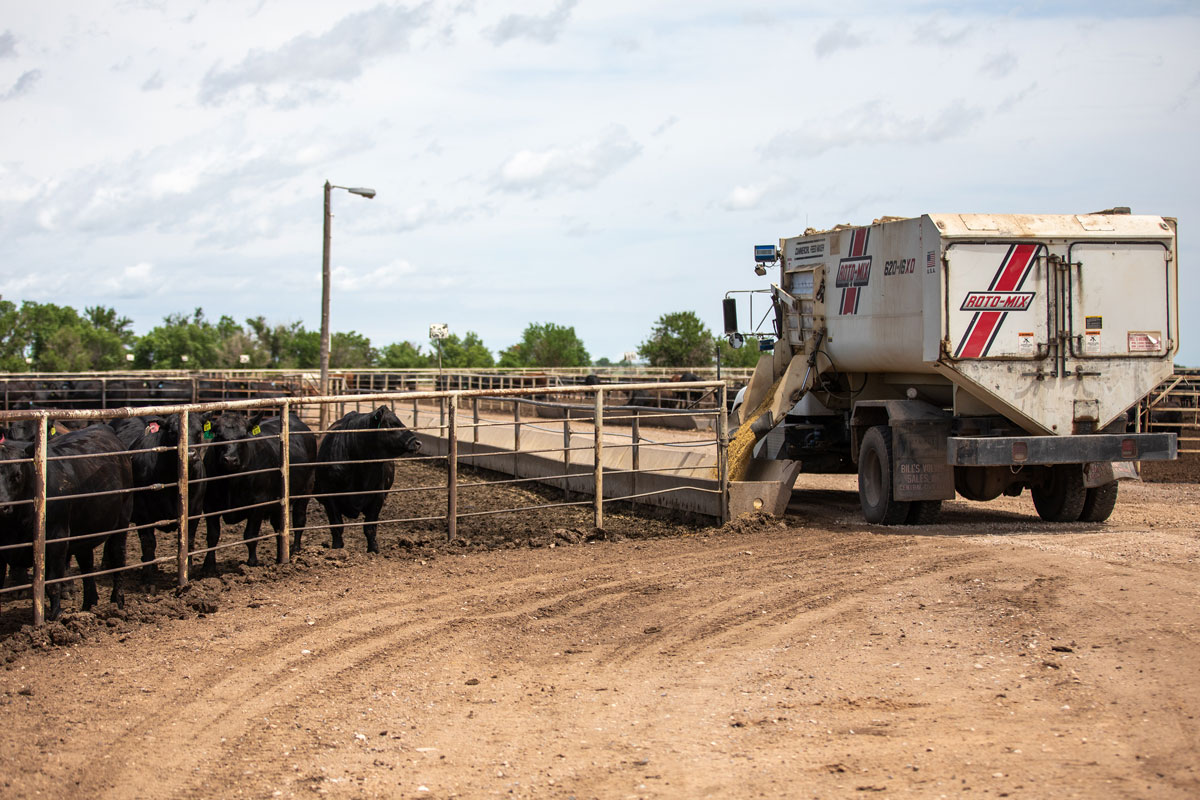
“I’m very particular about when the truck drivers get here,” he says. “They get the same sheets every day, so it’s the same routine. That’s how we train our cattle.”  

He closely monitors the bunks ensuring they have just enough – a few crumbs are a good sign he’s feeding the right amount.

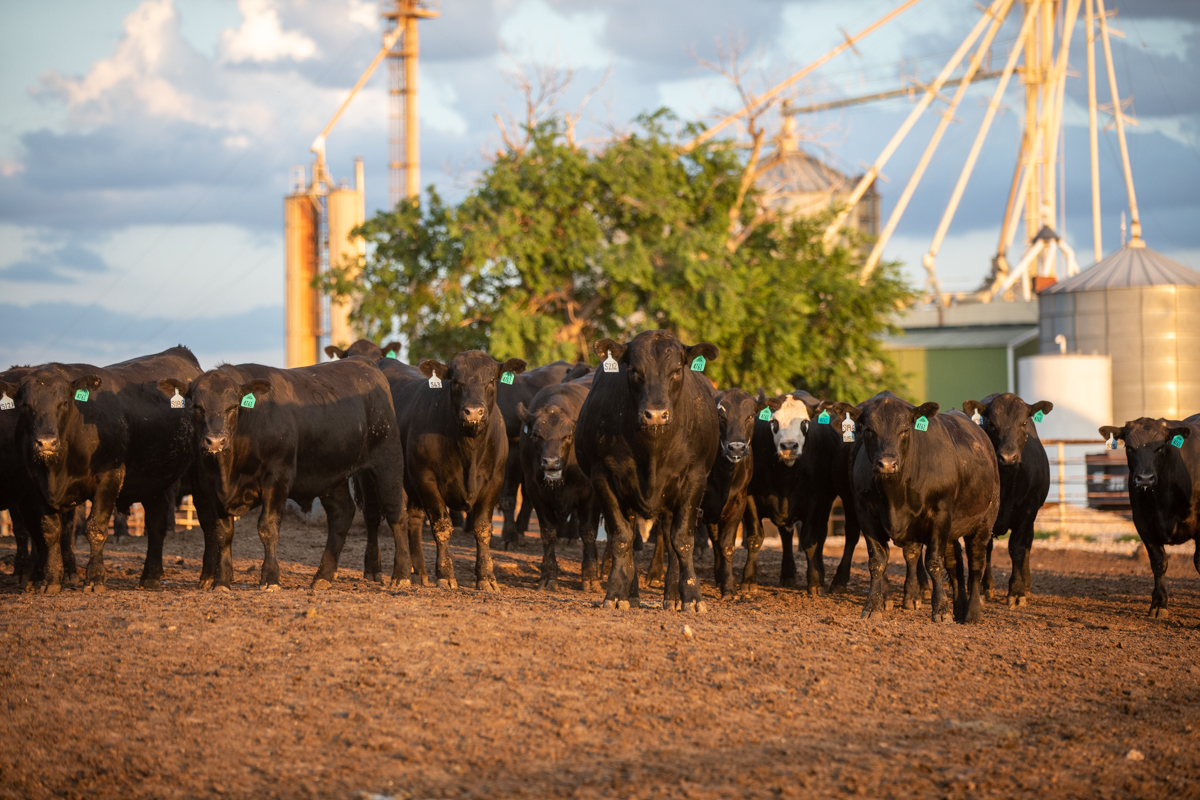
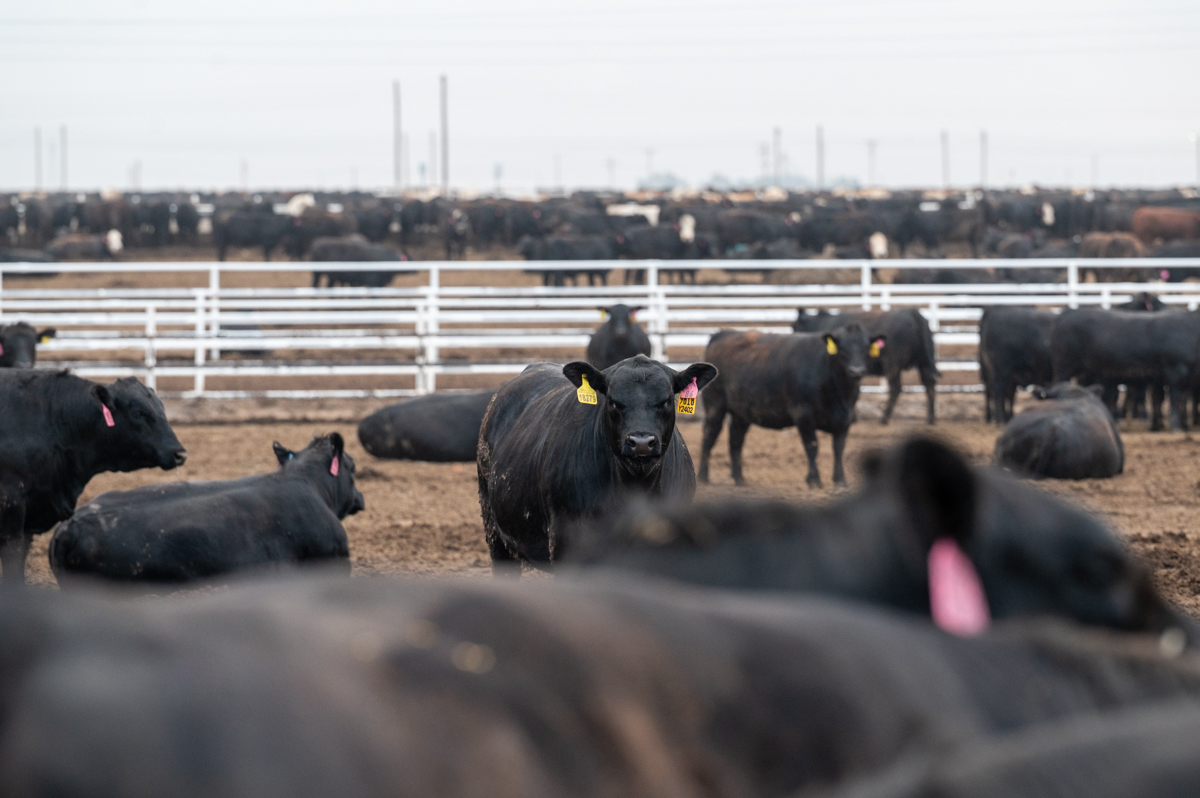
shaw feedyard angus steers
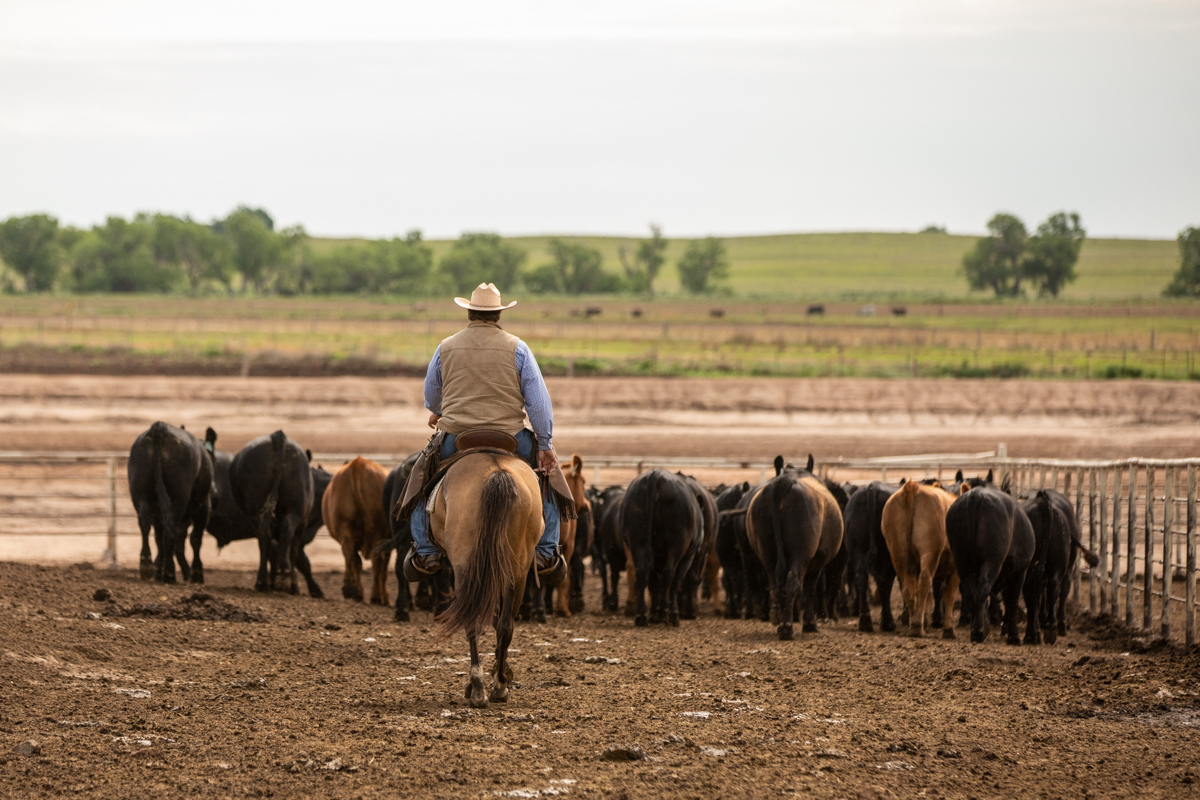
pen rider

Handled with care

Once feeding is underway, pen riders saddle up. They track cattle exhibiting signs of sickness – treatment date, medicine administered, and withdrawal time. Hopp says his pen riders are worth their weight in gold.

“It’s more of an art than a science,” he says. “You can train someone, but some have it, and some don’t.”

Comfort is a priority. The pens are kept clean, dry, and stocked with freshwater giving them everything they need to convert feed to beef.

Everyone at Shaw’s specializes in individualized cattle care. It’s vital to both customer and cattle management. Healthy animals are crucial to performance, and as a custom-feeding yard, their reputation for top-notch management keeps the pens full.

Everyone at the yard is Beef Quality Assurance certified. It’s their guarantee that animals have been well taken care of and will produce a good product.

“The packer knows when he comes to Shaw Feedyard, he’s going to find animals that have been treated humanely,” Hopp says.

A mix of human touch and technology power the yard today. Steam-flaked rations, mixer trucks, GPS monitors, a consulting veterinarian, nutritionist, digital data, and reporting support the Shaw crew in their mission for quality.

Everything is weighed when it enters the feedyard. While cattle with the same owner stay together, they may be sorted three or four times as they grow.

“If you have 100 head, about 30% will finish a little quicker,” Hopp has learned. Because genetic potential is often consistent, weight is the best gauge.

It’s not unusual to see pens grade 100% Choice with a high percentage meeting CAB and Prime.

“Certified Angus Beef provides the best consistency of any product I’ve seen,” Brett says. “And that’s a direct result of how we handle our cattle.”

They are just one piece of the larger puzzle that supplies premium beef, but hitting the high target is no accident. For the team at Shaw, it’s intentional management, planning each day to do their best for each other and the livestock.

“If we can do that consistently,” Bill says. “We know we’ll keeping feeding cattle.”

You may also like

More Than A Meat Scientist

More Than A Meat Scientist

On the surface, he’s a meat scientist. Others know him as a meats judging coach. Some call him “the father of instrument grading.” To those who’ve worked most closely with him, Dr. Glen Dolezal is much more.

You, Your Cows and Their Feed

You, Your Cows and Their Feed

Expert guidance from Dusty Abney at Cargill Animal Nutrition shares essential strategies for optimizing cattle nutrition during droughts, leading to healthier herds and increased profitability in challenging conditions.

Marketing Feeder Cattle: Begin with the End in Mind

Marketing Feeder Cattle: Begin with the End in Mind

Understanding what constitutes value takes an understanding of beef quality and yield thresholds that result in premiums and/or discounts. Generally, packers look for cattle that will garner a high quality grade and have excellent red meat yield, but realistically very few do both exceptionally well.

cowboys checking cows

The prime of his life

Arizona commercial cattlemen awarded for commitment to excellence

Story and photos by Morgan Boecker

October 2021

Ross Humphreys

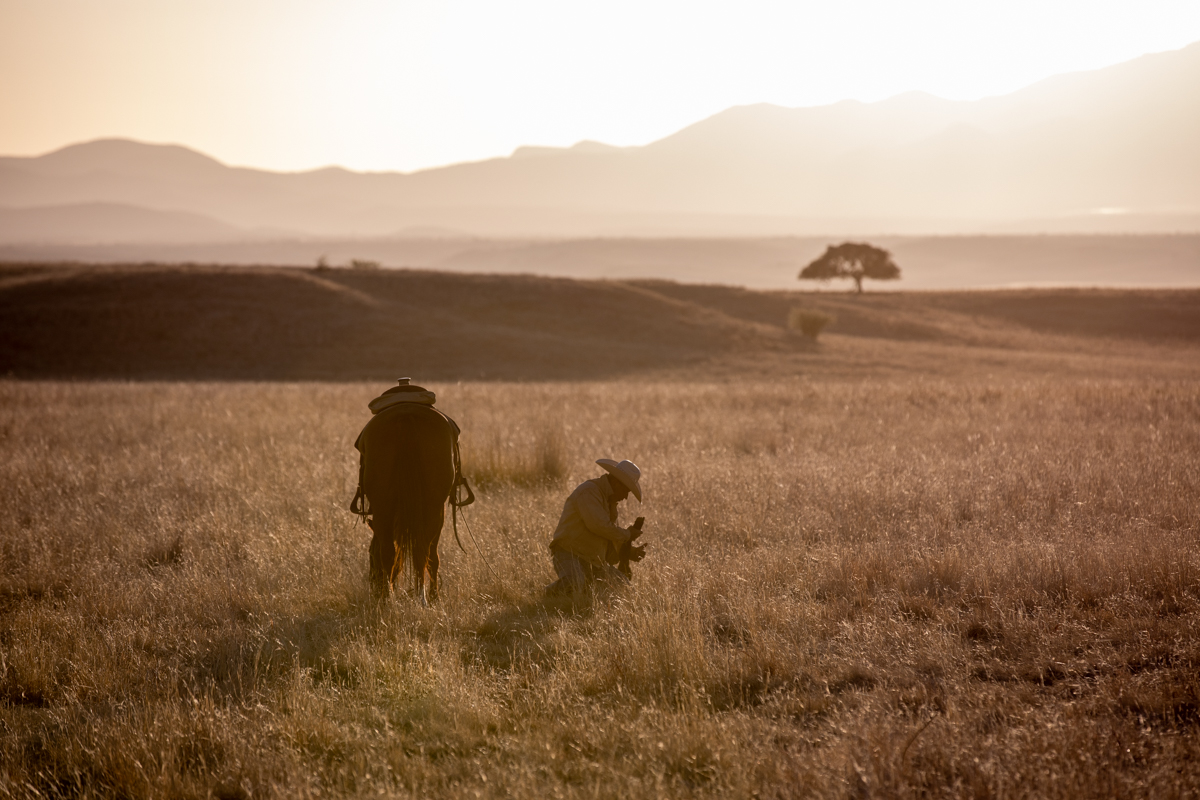
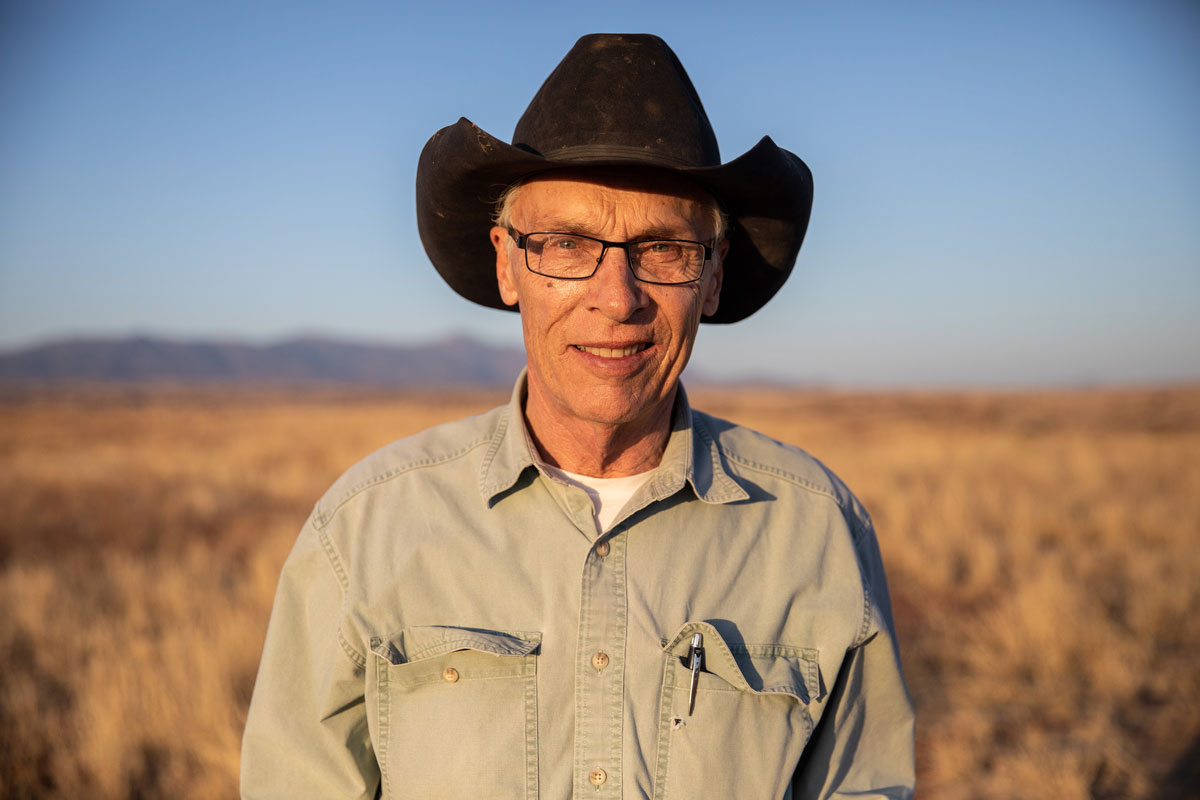
Ross Humphreys’ adept gait tells of many days in and out of the saddle checking his herd, fence lines, water tanks, and grass availability. Yet at 72, he can still drop down and roll under the barbed wire fence quicker than most men half his age. 

But Humphreys is not your typical cowboy. He’s a chemist, book publisher, family guy, conservationist, and rancher. 

He wears many hats, but his black felt wide brim fits most naturally, shading him from the sun at San Rafael Cattle Company, south of Patagonia, Ariz., along the Mexico border. When off the ranch, you can find him in Tucson managing stocks and his publishing company.

Grit in every venture makes him a successful businessman, and his unrattled spirit makes the best of challenges. However, it’s his relentless drive for raising high-quality beef that earned him the Certified Angus Beef (CAB) 2021 Commercial Commitment to Excellence Award. 

A different background 

Humphreys grew up an army brat, traveling and moving most of his childhood. He went to college on the east coast and earned a degree in chemistry.

After a career as a newspaper photographer, chemist then a metallurgical engineer climbing smokestacks, he decided to go back to school for a Master of Business Administration. That sent him to New York for a new career in strategic business consulting.

In 1980 he moved to Tucson to manage a newspaper family fortune and later launch a cancer diagnostics company. Along the way, he and his wife Susan bought Treasure Chest Books, adding “book publishers” to their resume.

There was also a short stint when he found a new job study, consulting ranchers with the Malpai Borderlands Group.

In 1999 at 50-years-old never having owned cattle or managed a ranch, he divested from his cancer diagnostics business interest and bought San Rafael Cattle Company. Admittedly, he took an unusual path to the cattle business.

“The ranch had been in one family’s name for almost 100 years,” Humphreys says. “I stood on one of the hills with my older daughter and said, ‘Anybody could run a cow on this place because you can see her wherever she is.’ So that’s how we got started.”

Ross Humphreys at grow yard
San Rafael cowboys tagging calves
Ross Humphreys heifers

Consistent little changes

Most ranchers learn from their parents or grandparents, but Humphreys went straight to the University of Arizona and bought a Ranching 101 textbook. 

He started out doing what many of his neighbors did, raising black baldies and selling calves at weaning. Always curious, his questions led to new acquaintances, and Mark Gardiner, of Gardiner Angus Ranch in Kansas, became his teacher and connector. 

“I’ve hardly ever spent any physical time with Gardiners,” Humphreys admits, “But if I called them up, they’d spend two hours on the phone with me answering questions.” 

They guided Humphreys, never telling him what to do but pointing out issues to consider – planting ideas that would turn small changes into significant results.

“When I think of Ross, I think of the book called Moneyball, because he looks at the numbers,” Randall Spare, Kansas veterinarian and Humphreys’ mentor, says. “He knew the expected progeny differences (EPDs), and he knew focusing on those numbers would work.”

Humphreys leaned on sound science and good information – it’s what drove him to the business breed. No ranch decision is made without running some math and looking at a spreadsheet. 

That mindset transformed his herd when profit-driven cattle marketing, like retained ownership, was gaining popularity. 

His Hereford-Angus cows quickly shifted after he started buying registered Angus bulls from Gardiner. He focuses on selecting for calving ease, docility, ribeye area, and marbling to pursue balanced cows that can raise replacement females and a calf crop that produces the best beef.

In 2013 Humphreys attended a lecture in Kansas about genetic testing. Looking at the other cattlemen in the room who he had watched buy bulls the last decade, he thought, “I’m definitely not in their club.”

He started testing all his cows and each annual set of replacements and watched the average genetic profile of his heifers climb. 

Steady progress built on buying a little better bull than the year before, Humphreys confirms his plan works with results at the feedyard. Loads of his fed cattle have improved from 20% Prime in 2013 to 95% CAB or higher, including nearly 85% Prime today.

Emphasis on uniformity makes it easier for his feeding partner to manage his cattle and achieve those results. 

Humphreys determined he could be a cattleman who buys cheap and sells cheap, conserving financial resources, or he could sell food. 

“I decided that I want to raise beef,” he says. “My goal is to try to produce the best carcass I can. So, I keep trying to nudge up my cow herd so that the calves will be even better the next time.”

San Rafael tagging a calf at sunrise

Preserving today for tomorrow

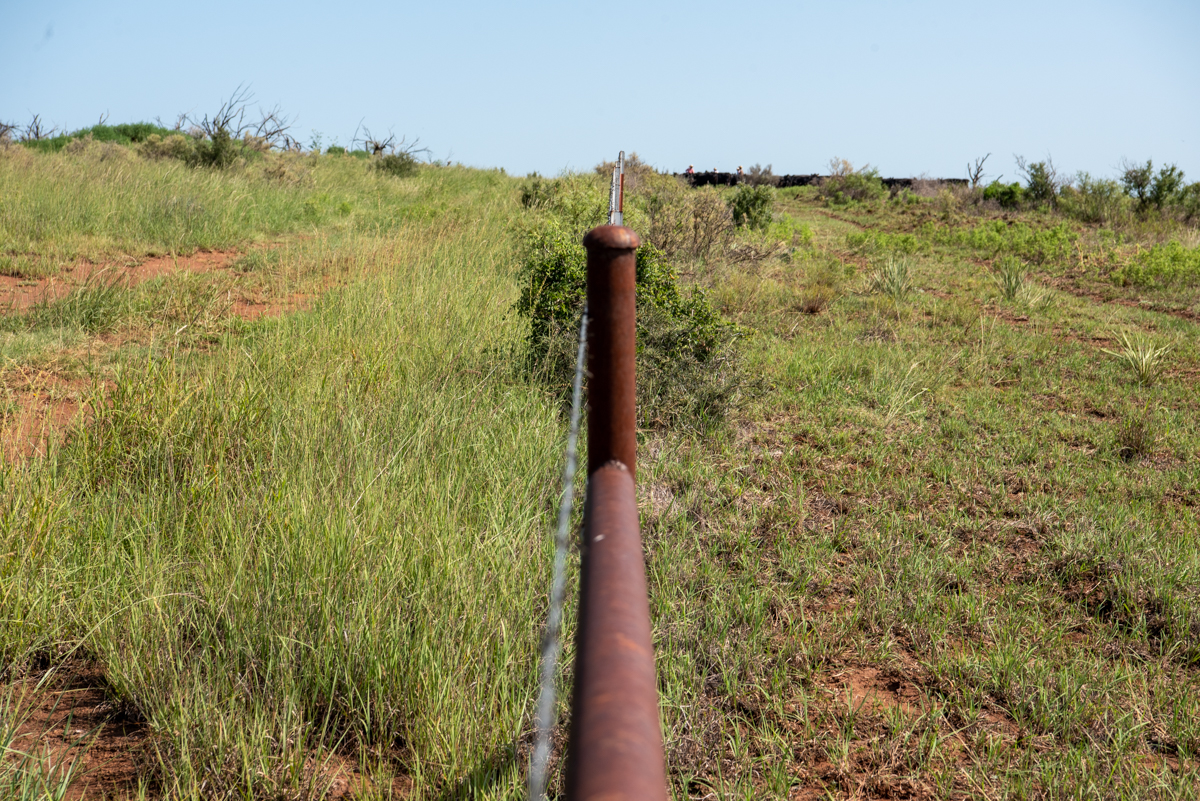
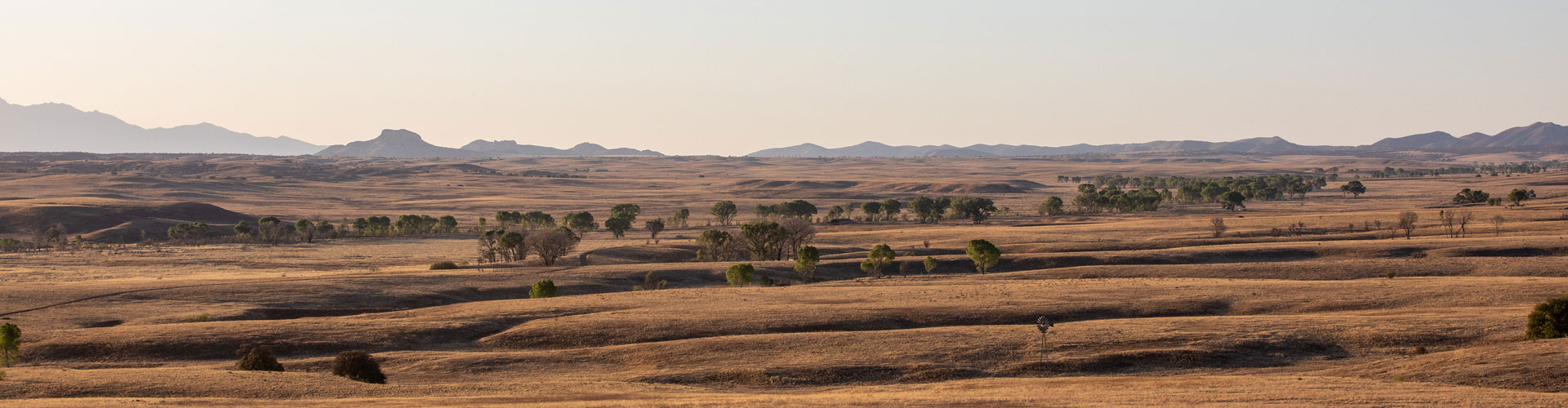
Conservation is as much part of the San Rafael story as the cattle. Named after the San Rafael Valley, the ranch is nestled in Arizona’s high desert country bordering Mexico. It’s the north end of a rich ecological site that looks like the Great Plains and is home to various plants and animals, many on the endangered species list. 

“We’ve implemented protection and re-introduction plans and learned so much about the animals and plants that live here,” Susan says. 

“Ninety-five percent of this ranch is perennial native grasses,” Humphreys says. “We are the last shortgrass prairie in Arizona.”

The Nature Conservancy established two conservations easements on the ranch the year before Humphreys bought it, making the ranch an attractive investment for the couple.

“We’ve always been interested in conservation,” Susan says. “And that was one of the reasons we bought this place.”

Conversations with conservation groups ensure that the ranching operation, endangered wildlife, and habitat are protected from housing or industrial development. The easements with Arizona State Parks and the Nature Conservancy led to work with U.S. Fish and Wildlife and Natural Resources Conservation Service (NRCS). 

“I think that this is the most beautiful, rich biological valley in Southern Arizona,” Humphreys says. “As a student of NRCS, I know that we can out climate anybody else in my ecological site.”

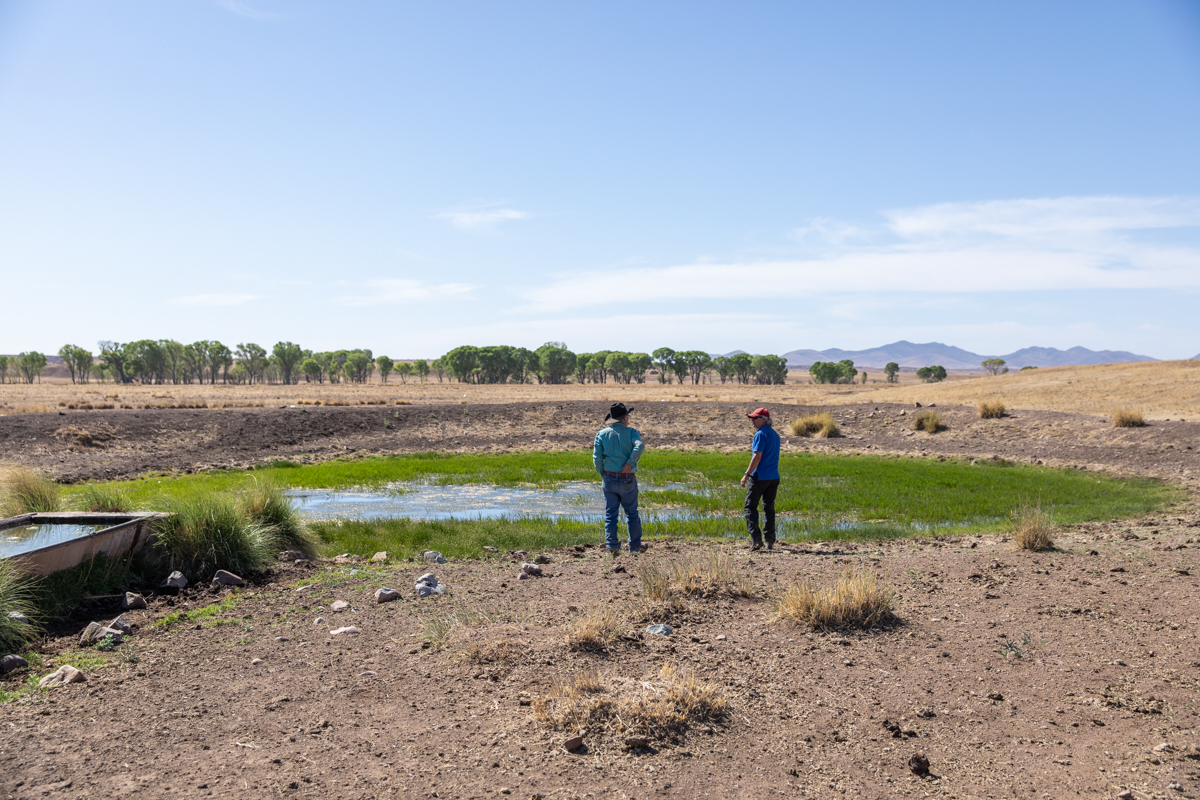
The most important habitats on the ranch are water sources, including the Santa Cruz River, several springs, and stock tanks. The endangered Sonoran Tiger Salamander is only found in stock tanks in the San Rafael Valley. Humphreys has developed water sources with support from NRCS grants – creating a mutual benefit for the cattle and wildlife. 

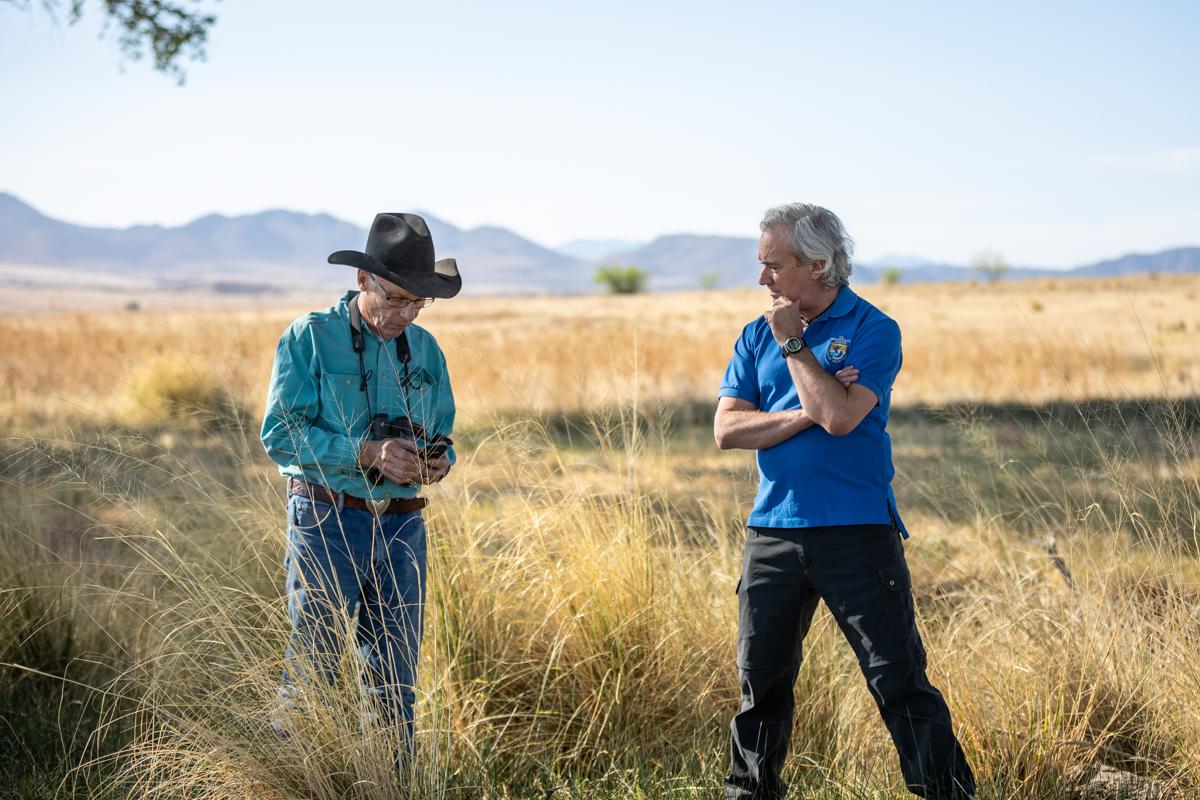
“The salamanders probably wouldn’t be here if not for the stock tanks,” says Doug Duncan, U.S. Fish and Wildlife biologist. “And that’s where the value of livestock in this valley really benefits many of the aquatic species.” 

Arizona water tank
Ross Humphreys and Doug Duncan
Arizona Angus cow

Wetter years to come

Environmental investment is key to Humphreys’s long-term goal of sustaining the land as a working ranch. Collaboration with NRCS helps him set standards and objectives for improving the land and preparing for years when Mother Nature is unkind. The current Southwestern drought continues to challenge his resources. 

“After two years of severe drought, the ranch isn’t beautiful anymore,” Humphreys says.

Thoughtful and strategic management of resources is vital in an area that seems to get dryer every year. The 34 square miles of the ranch is split into 25 rotational grazing pastures. He moves the cattle once 40-50% of the grass is consumed and returns for re-grazing only after it rains. 

Even with intensive management, the land still needs water. As a result, Humphreys sold roughly 65% of his cow herd this year.

“It was terrible,” he admits. “Except I sold them to two of my best friends.” 

Unsure if he will ever get back to pre-drought herd numbers, he remains committed to this final career as a rancher. 

“I want to come home to a beautiful place,” he says. “I started doing this when I was 50, but I like the work. I like the cows.” 

Ever the student, he meets each new challenge with a thirst for knowledge, determined to sustain, and focused on raising the best, one step at a time. 

Originally published in the Angus Journal and Angus Beef Bulletin.

You may also like

More Than A Meat Scientist

More Than A Meat Scientist

On the surface, he’s a meat scientist. Others know him as a meats judging coach. Some call him “the father of instrument grading.” To those who’ve worked most closely with him, Dr. Glen Dolezal is much more.

You, Your Cows and Their Feed

You, Your Cows and Their Feed

Expert guidance from Dusty Abney at Cargill Animal Nutrition shares essential strategies for optimizing cattle nutrition during droughts, leading to healthier herds and increased profitability in challenging conditions.

Marketing Feeder Cattle: Begin with the End in Mind

Marketing Feeder Cattle: Begin with the End in Mind

Understanding what constitutes value takes an understanding of beef quality and yield thresholds that result in premiums and/or discounts. Generally, packers look for cattle that will garner a high quality grade and have excellent red meat yield, but realistically very few do both exceptionally well.

USPB Gardiner

U.S. Premium Beef named CAB Progressive Partner

by Miranda Reiman

September 22, 2021

Fear is a powerful motivator.  

In the mid-1990s, beef demand was tanking and that scared the whole industry. 

“Our product was bad, and nobody wanted it. We were losing market share at a record rate,” says Mark Gardiner, Ashland, Kan., Angus breeder. 

Cattle feeders couldn’t get cattle sold. Each Monday they hoped the show list had enough “fancy” cattle to use as a bargaining tool to sell the remaining finished animals on inventory. Commercial producers who invested in good bulls and vaccinations found their cattle selling for the same price as those from ranchers who didn’t. 

That fear brought individual farmers, ranchers and cattle feeders together with a collection of ideas and U.S. Premium Beef (USPB) was born.  

“That team became very, very synergistic,” says Tracy Thomas, USPB vice president of marketing. To date, USPB has processed more than 17 million head—with individual data collection on each one—and paid $625 million in grid premiums to cattlemen.  

For their influence on the beef business, shifting toward quality and value-based marketing, USPB earned Certified Angus Beef’s (CAB’s) 2021 Progressive Partner Award. 

uspb Mark Gardiner

Mark Gardiner, Gardiner Angus Ranch

kansas state license plate
Tracy Thomas USPB

Tracy Thomas, USPB

Kansas State University fraternity brothers Steve Hunt and Mark Gardiner swapped ideas over a Pizza Hut lunch buffet, and more and more alums joined their cause during the next few months. 

“We really bought into it because at the time, we were losing a lot of money feeding cattle,” says commercial cattleman Roger Giles, of Ashland, Kan. The better cattle came with lower health cost and gained better, but “you were just getting killed when you sold them.”   

Near Scott City, Kan., cattle feeders discussed everything from building their own plant to hiring a czar to sell their fat cattle.  

“I’ve said it before, but the success of a rain dance has a lot to do with the timing,” says Joe Morgan, Poky Feeders, a founding USPB member. “One night we all shook hands that we’re going to leave every night as friends, no matter how upset we got during the meeting. I think that was a real key.”  

In late 1995, a formal group assembled and started selling an idea. Soon enough, cattlemen from across the country were pledging support to the developing business model. 

They signed a letter of intent to purchase up to 50% of what was then Farmland National Beef Packing Co. LP (FNB). It was the fourth-largest beef processor in the United States. 

uspb Roger Giles

Roger Giles, Giles Angus Ranch

uspb poky feedyard Joe Morgan

Joe Morgan, Poky Feeders

uspb Fairleigh Feedyards John Farleigh

John Fairleigh, Fairleigh Feedyard

The USPB stock offering went live in October 1997, and by December the new company was buying up to 10,000 head of cattle a week from its producer members. Each share carried the “right and obligation to deliver one head to your processing plant,” Thomas says, and the minimum point of entry was 100 shares.   

“It was a very, very big investment, kind of rolling the dice and throwing it all in one basket,” says John Fairleigh, Fairleigh Feedyard and fellow founding member. “We all thought when we started U.S. Premium Beef that our cattle were way better than our neighbors’ — and for sure better than the industry.”  

Nationwide, less than half of fed beef was grading Choice, and USPB soon realized its harvest ran lower still.  

“It was very difficult for us the first few years for people to accept that they needed to make genetic change,” Morgan says. 

An initial grace period with FNB guaranteed them at least the market average each week, and with individual carcass data in hand and a grid target to hit, cattlemen got to work.  

It’s been more than two decades since the USPB grid was introduced, and now every major packer has marketing options to sell cattle on individual carcass merit.  

In 1997 some 40% of all USPB cattle graded Choice, and fewer than 10% qualified for CAB. Last year, USPB cattle averaged 89% Choice and Prime — a record high — and annual CAB percentage has averaged 28% the past five years, with an additional 3% CAB Prime.

fairleigh feedyard
gardiner angus

“We had seamless information to guide our guesses as to what consumers wanted,” Fairleigh says. 

The cattle changed from the “rainbow coalition,” Gardiner says, to a more solid set of uniform cattle. The Angus breed led the improvement.  
“We have created a tremendous product now and got consumer confidence, consumer acceptability and we’ve got the demand now,” Morgan says.  

USPB members have collectively earned $2.1 billion in payments, grid premiums and cash distributions from ownership in processing. Today, USPB has more than 2,900 members and associates in 38 different states, and an approximate 15% ownership interest in National Beef Packing Co.  

The USPB mission includes increasing both the quality of beef and long-term profitability for cattle producers. Beef demand is up more than 30% on the year. 

“We’ve only just begun,” Gardiner says.

You may also like

Keep the Supply Coming

Keep the Supply Coming

A record-high 800 registrants from 17 countries gathered in Austin, Texas, to learn more about CAB, become inspired by the culinary work of chefs and pitmasters, and celebrate sales and production success. But at the forefront: supply and demand, a reflection of the chaotic past year, and preparing for what’s ahead.

Consumer Demand, Power of Quality

Consumer Demand, Power of Quality

Demand for high-quality beef persists. But with that demand comes challenges. From tight cattle supplies to higher costs and increasing pressure on retailers to deliver a consistent eating experience, the pressure is on. David O’Diam, CAB VP of retail, addressed the current retail beef environment, highlighting both opportunities and challenges in today’s marketplace.

A Summer to Learn, Grow

A Summer to Learn, Grow

CAB opens four internship positions each summer, guiding students as they apply their skills from the classroom in a real-world setting. From their first day to their last, interns are treated more like full-time employees. Experiencing what it’s like to work for the brand, from brainstorming sessions to executing projects.

Pfeiffer Ambassador

One tour at a time

Oklahoma’s Pfeiffer family earns the Certified Angus Beef Ambassador Award

by Kylee Kohls

September 22, 2021

“I’ve never been this close to a cow before.”  

John and Gaye Pfeiffer hear that phrase nearly every time they host a group on their farm. For most, seeing cattle up close is a moment they won’t forget. 

Telling their story to the cattle curious was awkward at first for the Pfeiffers. 

“I realized that we were going to have to show people what it means to raise cattle and what all is involved,” John says. 

 Now, the Pfeiffers look forward to hosting hundreds of visitors each year. They share everything from the beef cattle life cycle, animal care, vaccination protocols, and sustainability practices to why they choose Angus cattle on their central Oklahoma farm.  

The Pfeiffers’ dedication to teaching and connecting with those further down the supply chain earned them the 2021 Certified Angus Beef (CAB) Ambassador Award.

Pfeiffer Ambassador

The Angus way  

Whether it was a calling or an inborn fondness for black cattle, John knew from a young age he would do whatever he could to follow in the footsteps of the three generations before him in the Mulhall-Orlando area.  

“One of the first things my grandad did as soon as all his grandkids were born is make them members of the American Angus Association,” chuckles John. 

The Pfeiffer family brought their first Angus bull to Logan County in 1907.   

Seventy-four years later, John and Gaye began their venture with 30 cows, just a few miles from where the origin bull roamed. Those cattle became a part of the upbringing for the farm and their now-adult sons, John Christopher and Andy.            

Today, the family calves out 300 cows each year. 

The Pfeiffers witnessed progress in their own herd through intentional planning and commitment to data. They select sires and cow lines that work for their environment and their customers, plus target the Certified Angus Beef ® brand. 

The couple typically keep about 20 steers back from both his fall and spring calves to feed for carcass data, which serves as a report card on their genetics. Recent groups earned 70% CAB or better. Groups of feeder cattle are marketed through AngusLink, using the Genetic Merit Scorecard SM to showcase the quality built into their herd and test his own cattle in the value-based marketing avenue available to his customers. 

Their focus is quality consistency in the bulls they breed and across their herd. 

“The Angus cow has made Certified Angus Beef successful. Certified Angus Beef has made the Angus cow more profitable,” John says. 

Pfeiffer Ambassador

Telling their story  

Together, the Pfeiffers’ mission is to make their communities better and more approachable. They often serve together in county, state, and national organizations, with local cooperatives, school boards, Farm Bureau, cattlemen, and Angus Associations.  

Giving back was something both John and Gaye were taught to value from a young age, but they learned storytelling along the way. 

“This is a partnership,” John says. “It’s just unbelievable – the fact that we make it possible for [partners] to do what they want to do by selling a quality product, and they make it possible for us to continue to stay here and raise that product.”  

Hosting groups and tours help keep them connected to those further down the beef value chain, Gaye adds. 

“We consider it a privilege to be able to host groups,” she says. “It’s always been our obligation we thought as producers to interact with all the different segments Certified Angus Beef interacts with to explain our role and how it all fits together.” 

After forty years of progress, John and Gaye continue to share their up-close-and-personal experiences with their cattle and community. 

Thanks to the vision, service, and progress they started, the fifth John Pfeiffer could now raise cattle in the same area his family began farming in more than a century ago.  

“A legacy to me means more than just acres and cows,” Gaye explains. “A legacy to me means you are also sharing your values. You’re sharing the love of the land, the importance of feeding the world, and the importance of doing whatever it takes to make things better in the end.”  

You may also like

Keep the Supply Coming

Keep the Supply Coming

A record-high 800 registrants from 17 countries gathered in Austin, Texas, to learn more about CAB, become inspired by the culinary work of chefs and pitmasters, and celebrate sales and production success. But at the forefront: supply and demand, a reflection of the chaotic past year, and preparing for what’s ahead.

Consumer Demand, Power of Quality

Consumer Demand, Power of Quality

Demand for high-quality beef persists. But with that demand comes challenges. From tight cattle supplies to higher costs and increasing pressure on retailers to deliver a consistent eating experience, the pressure is on. David O’Diam, CAB VP of retail, addressed the current retail beef environment, highlighting both opportunities and challenges in today’s marketplace.

A Summer to Learn, Grow

A Summer to Learn, Grow

CAB opens four internship positions each summer, guiding students as they apply their skills from the classroom in a real-world setting. From their first day to their last, interns are treated more like full-time employees. Experiencing what it’s like to work for the brand, from brainstorming sessions to executing projects.

b3r sustainability

Bradley 3 Ranch Earns Certified Angus Beef Sustainability Award

by Abbie Burnett

September 22, 2021

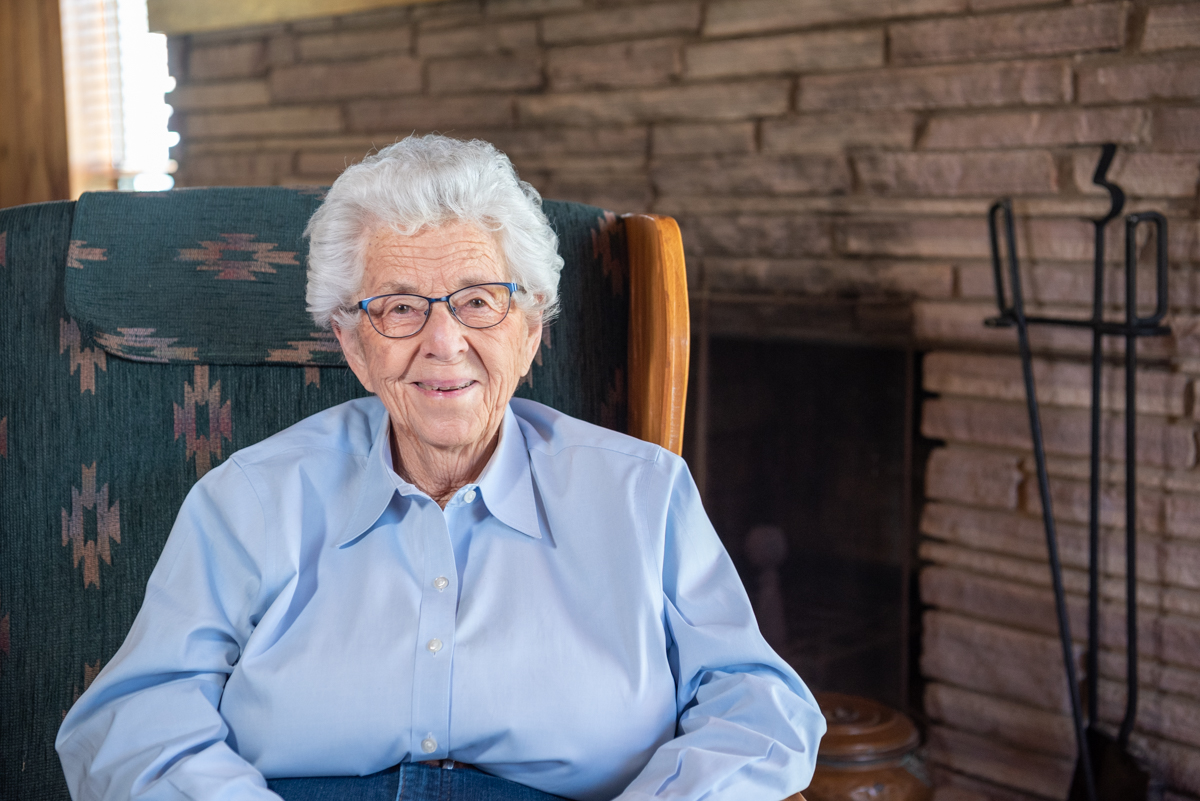
Minnie Lou Bradley is not sure what surprised her more: there were roots, or that they were alive. Nothing above ground promised either. 

“I didn’t know until later,” she recalls, “But no one had ever owned this piece of country for over 10 years without going broke.” 

Sixty years later, grasses are nearly stirrup high, water is no farther than a half mile away from any direction and the Bradley 3 Ranch (B3R) herd is doubled in size and expanded acreage several times over. 

The changes are a result of investments over time, making the land better through cattle. Consistent progress and creative methods in developing their ranch earned the Memphis, Texas cattle family the 2021 Certified Angus Beef (CAB) Sustainability Award. 

In the early 2000s, Minnie Lou’s daughter Mary Lou Bradley-Henderson and husband James Henderson sold their meatpacking company, B3R Meats, and returned to the ranch. They mapped out a 20-year plan, picking up work Minnie Lou started. The fruits of their labor are evident this year. 

With an average annual 18 inches of rainfall, water is the elixir to life in these parts. 

The plan: build more opportunities for water, gouge out the scourge of water-guzzling brush one by one, and bring back the grass while managing a quality-forward seedstock business. 

Droughts are not an “if,” but a “when.” James and Mary Lou do their best to prepare for them, but the record drought of 2010 to 2014 changed everything. 

They thought they had a drought contingency plan, says James, “But we didn’t have enough of anything – grass, hay, or money.” 

B3R Sustainability James Henderson and Mary Lou Bradley-Henderson
minnie lou bradley

They formed a new plan. First, they invested in stock tanks (West Texan for ponds). 

It takes about 10-years to fill them. There are nine operational ponds now, and more on the way. 

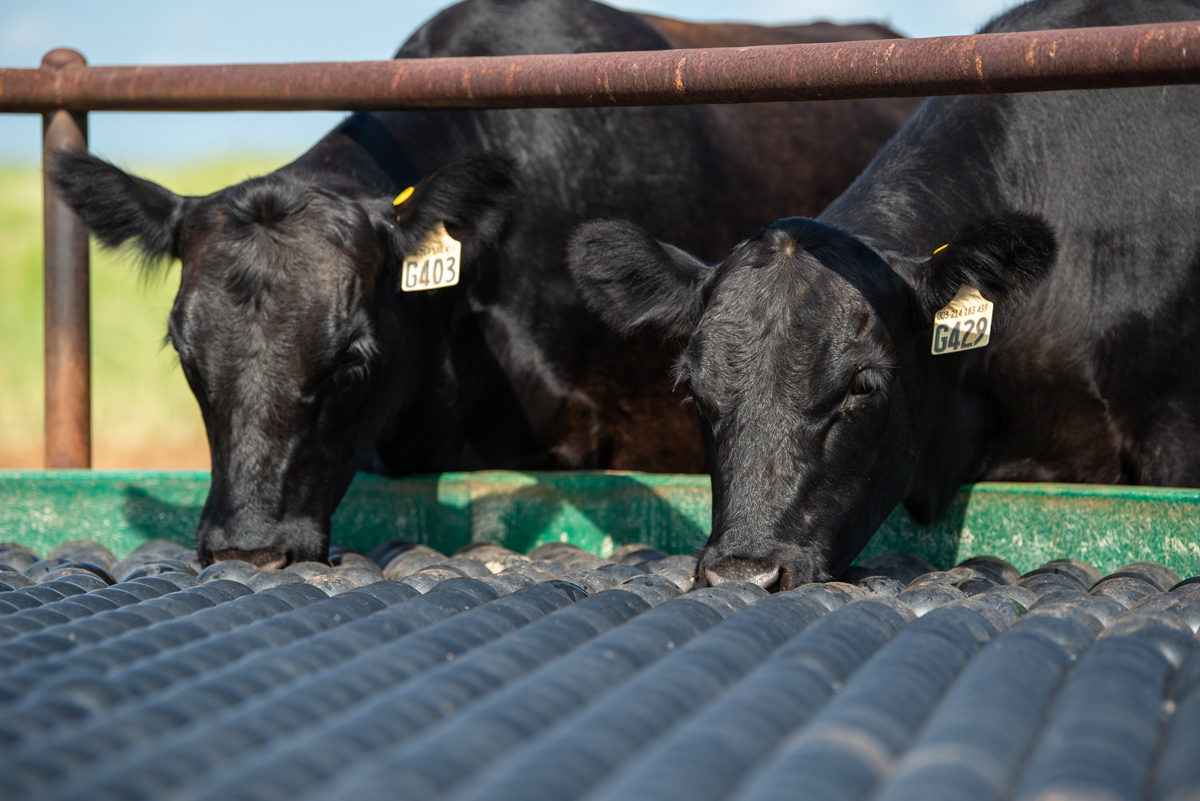
In 2019, Mary Lou and James began implementing Aqua balls on their water troughs. The black, palm-sized polyethylene spheres cover about 95% of the water surface area, preventing water evaporation, loss to wind, and surface algae growth.  

“We’ve got 45 tubs on the ranch, all about 2000 gallons each,” says James. “They’d typically be dry come springtime, and we’d lose another 4,000 gallons in the summer to evaporation. We’re saving several thousand dollars a year.” 

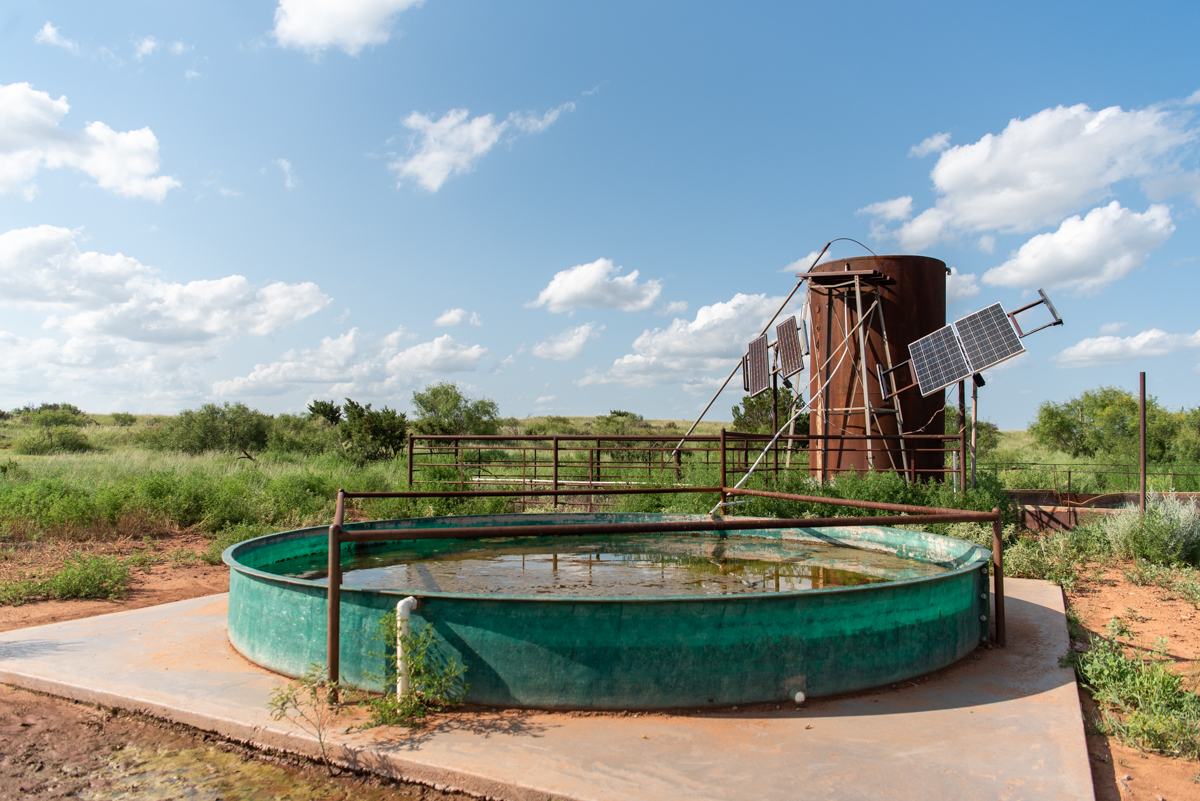
Other touches include solar-powered wells with overflow ponds. Brush removal has brought back wildlife, now able to drink from springs that have emerged.  

To Mary Lou and James, sustainability is as much about the efficiency and quality of the animal as it is about land and water. 

They’ve built indexes around the performances of their cattle and focus on cows that can raise a calf, breed back, do it on minimal resources and maintain their flesh. With their background in meatpacking, Mary Lou and James always keep carcass quality top of mind. 

“We’re trying to get a very highly productive cow,” she says. “One that will have calves that’ll work downstream for some of the CAB steaks later on.” 

B3R Sustainability
B3R Sustainability

While the genetics and performance indexes are finely tuned in a detailed spreadsheet, grass management for nutrition is just as intentional. 

“To maintain grasses in a fragile environment, you’ve got to be able to let them grow plenty of roots,” James says. “If we are grazing those grasses, then they regrow and refresh and redo. If you don’t, they become stale and basically worthless from a nutritional standpoint.” 

This year their cows weaned 61.4% of their body weight and averaged a body condition of 6 to 6.5. A big deal in the Panhandle, says Mary Lou. 

“For us, if you don’t have the bottom line, we’re not here,” says Mary Lou. “We’ve got to make it work. Truly, we are sustainable, or we’re not.” 

Nothing is a one-year thought process, she says. Just like building a fence, Mary Lou asks herself whether their decisions will last the next 50 years. 

For the generation before, the progress made is already worth the struggles. 

“It’s taken 60 years to figure this all out, but we are about to get those grasses back that stirrup height,” Minnie Lou smiles. “It quite grabs my heart when I walk into those pastures and remember what they were and what they are today.” 

B3R Sustainability

You may also like

Consumer Demand, Power of Quality

Consumer Demand, Power of Quality

Demand for high-quality beef persists. But with that demand comes challenges. From tight cattle supplies to higher costs and increasing pressure on retailers to deliver a consistent eating experience, the pressure is on. David O’Diam, CAB VP of retail, addressed the current retail beef environment, highlighting both opportunities and challenges in today’s marketplace.

A Summer to Learn, Grow

A Summer to Learn, Grow

CAB opens four internship positions each summer, guiding students as they apply their skills from the classroom in a real-world setting. From their first day to their last, interns are treated more like full-time employees. Experiencing what it’s like to work for the brand, from brainstorming sessions to executing projects.

An Unforgiving Land

An Unforgiving Land

What makes a ranch sustainable? To Jon, it’s simple: the same family, ranching on the same land, for the last 140 years. The Means family never could have done that without sustainability. Responsible usage of water, caring for the land and its wildlife, and destocking their herd while the land recovers from drought.

San Rafael Valley

Arizona commercial cattleman awarded for commitment to excellence

Story and photos by Morgan Boecker

September 23, 2021

Ross Humphreys walks like a cowboy and talks like one, too. His adept gaits tells of many days in and out of the saddle on his ranch just south of Patagonia, Ariz. His story shares decades of learning by doing, most of which weren’t on a ranch. He isn’t your typical cowboy. 

He wears many hats, but his black felt wide brim fits most naturally, shading him from the sun at San Rafael Cattle Company, south of Patagonia, Ariz. Off the ranch, you can find him in Tucson managing stocks and his publishing company. 

Grit in every venture makes him a successful businessman, and his unrattled spirit makes the best of challenges. However, it’s his relentless drive for raising high-quality beef that earned him the Certified Angus Beef (CAB) 2021 Commercial Commitment to Excellence Award.  

ross humphreys

A different background  

Humphreys grew up an army brat, moving frequently throughout his childhood. He earned a degree in chemistry and worked as a metallurgical engineer for a bit before going back to school for a Master of Business Administration. That sent him on a new route.  

He’s held a lot of job titles in his 72 years, from strategic business advisor to book publisher and CEO of multiple companies, just to name a few.  

In 1999 at 50-years-old, never having owned cattle or managed a ranch, he bought San Rafael Cattle Company. Admittedly, he took an unusual path to the cattle business.  

“I stood on one of the hills with my older daughter and said, ‘Anybody could run a cow on this place because you can see her wherever she is,’” he says. “So that’s how we got started.” 

Ross Humphreys checking cattle

Consistent little changes

With no agricultural background, Humphreys went straight to the University of Arizona and bought a Ranching 101 textbook.

Always curious, his questions led to new acquaintances, and Mark Gardiner, of Gardiner Angus Ranch in Kansas, became his teacher and connector.

“I’ve hardly ever spent any physical time with Gardiners,” Humphreys admits, “But if I called them up, they’d spend two hours on the phone with me answering questions.”

Humphreys leaned on good information and sound science. No ranch decision is made without running some math and looking at a spreadsheet.

By genetic testing his herd, he saw steady progress by buying a little better bull than the year before. He focuses his selection to ensure balanced cows that can raise replacement females and a calf crop that produces the best beef.

Humphreys confirms his plan works with results at the feedyard. Loads of his fed cattle have improved from 20% Prime in 2013 to 95% CAB or higher, including nearly 85% Prime today.

“My goal is to try to produce the best carcass I can,” he says. “So, I keep trying to nudge up my cow herd so that the calves will be even better the next time.”

Angus heifers

Preserving today for tomorrow 

Conservation is as much part of the San Rafael story as the cattle. Named after the San Rafael Valley, the ranch is nestled in Arizona’s high desert country bordering Mexico. It’s the north end of a rich ecological site that looks like the Great Plains and is home to various plants and animals, many on the endangered species list.  

“Ninety-five percent of this ranch is perennial native grasses,” Humphreys says. “We are the last shortgrass prairie in Arizona.” 

Conversations with conservation groups ensure that the ranching operation, endangered wildlife and habitat are protected from housing or industrial development. The easements with Arizona State Parks and the Nature Conservancy led to work with U.S. Fish and Wildlife and Natural Resources Conservation Service (NRCS).  

The most important habitats on the ranch are water sources, including the Santa Cruz River, several springs and stock tanks. The endangered Sonoran Tiger Salamander is only found in stock tanks in the San Rafael Valley. Humphreys has developed water sources with support from NRCS grants, creating a mutual benefit for the cattle and wildlife.  

Looking ahead 

Environmental investment is key to Humphreys’ long-term goal of sustaining the land.  

Even with intensive management, the land still needs water and the current Southwestern drought continues to challenge his resources. As a result, Humphreys sold roughly 65% of his cow herd this year. 

Unsure if he will ever get back to pre-drought herd numbers, he remains committed to this final career as a rancher.  

“I want to come home to a beautiful place,” he says. “I started doing this when I was 50, but I like the work. I like the cows.”  

Ever the student, he meets each new challenge with a thirst for knowledge, determined to sustain, and focused on raising the best, one step at a time.  

You may also like

Keep the Supply Coming

Keep the Supply Coming

A record-high 800 registrants from 17 countries gathered in Austin, Texas, to learn more about CAB, become inspired by the culinary work of chefs and pitmasters, and celebrate sales and production success. But at the forefront: supply and demand, a reflection of the chaotic past year, and preparing for what’s ahead.

Consumer Demand, Power of Quality

Consumer Demand, Power of Quality

Demand for high-quality beef persists. But with that demand comes challenges. From tight cattle supplies to higher costs and increasing pressure on retailers to deliver a consistent eating experience, the pressure is on. David O’Diam, CAB VP of retail, addressed the current retail beef environment, highlighting both opportunities and challenges in today’s marketplace.

A Summer to Learn, Grow

A Summer to Learn, Grow

CAB opens four internship positions each summer, guiding students as they apply their skills from the classroom in a real-world setting. From their first day to their last, interns are treated more like full-time employees. Experiencing what it’s like to work for the brand, from brainstorming sessions to executing projects.

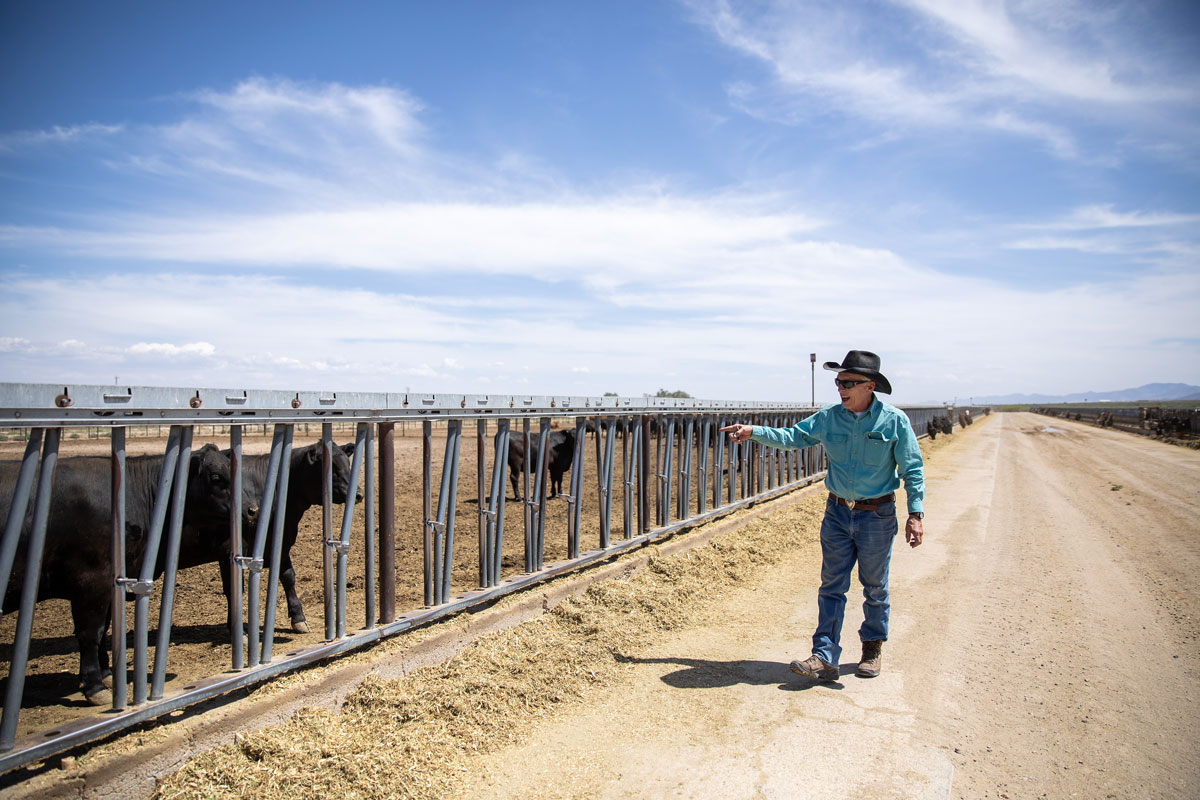
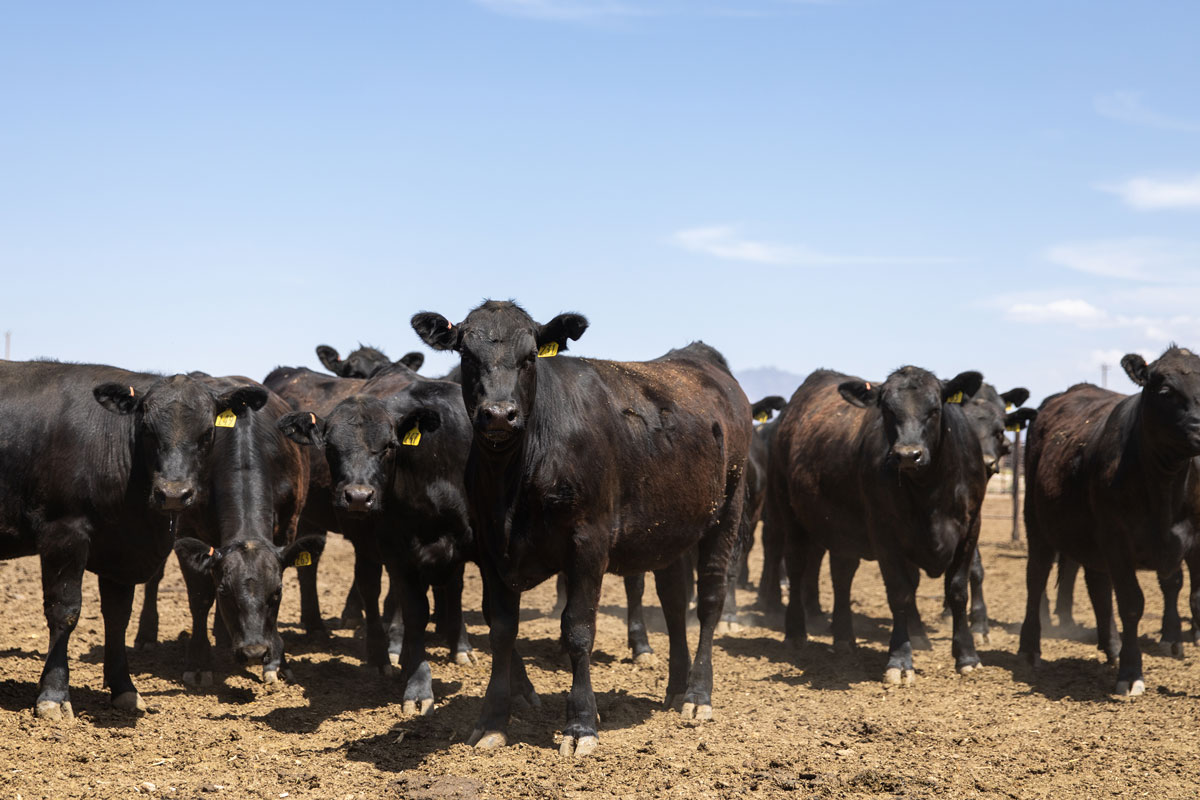
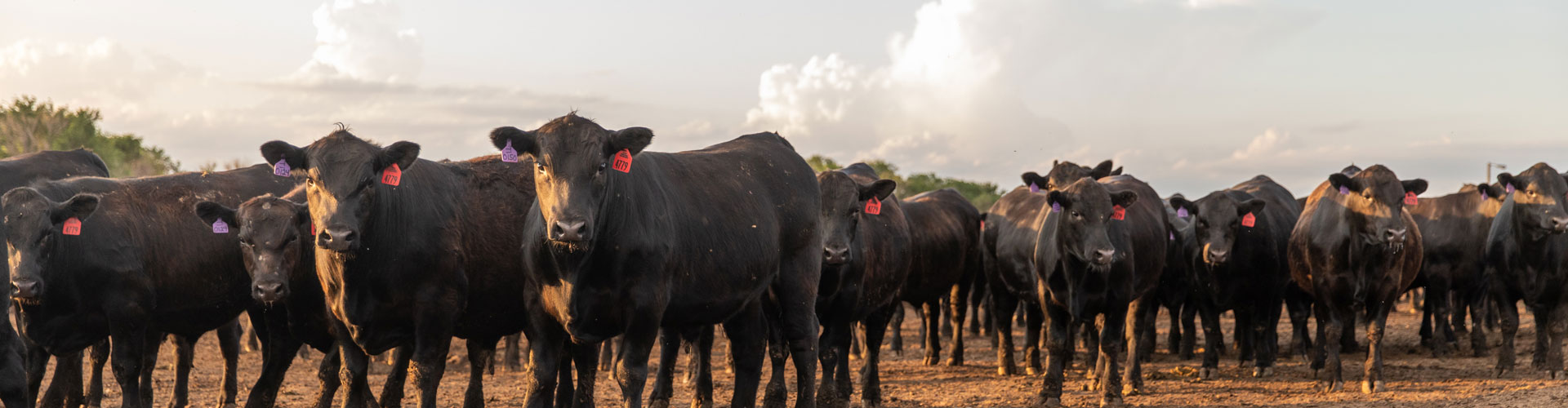
Shaw Feedyard steers

Kansas Feedyard Honored by Certified Angus Beef

Story and photos by Morgan Boecker

September 22, 2021

Much of the cattle feeding business is outside of a manager’s control, but quality cattle caretaking is one thing Kendall Hopp can guarantee.  

He plans for the volatile, hopes for the best and deals with the rest as it comes. The first thing on his list begins with treating people right. Hopp knows happy folks manage cattle more consistently, leading to healthy livestock that perform. 

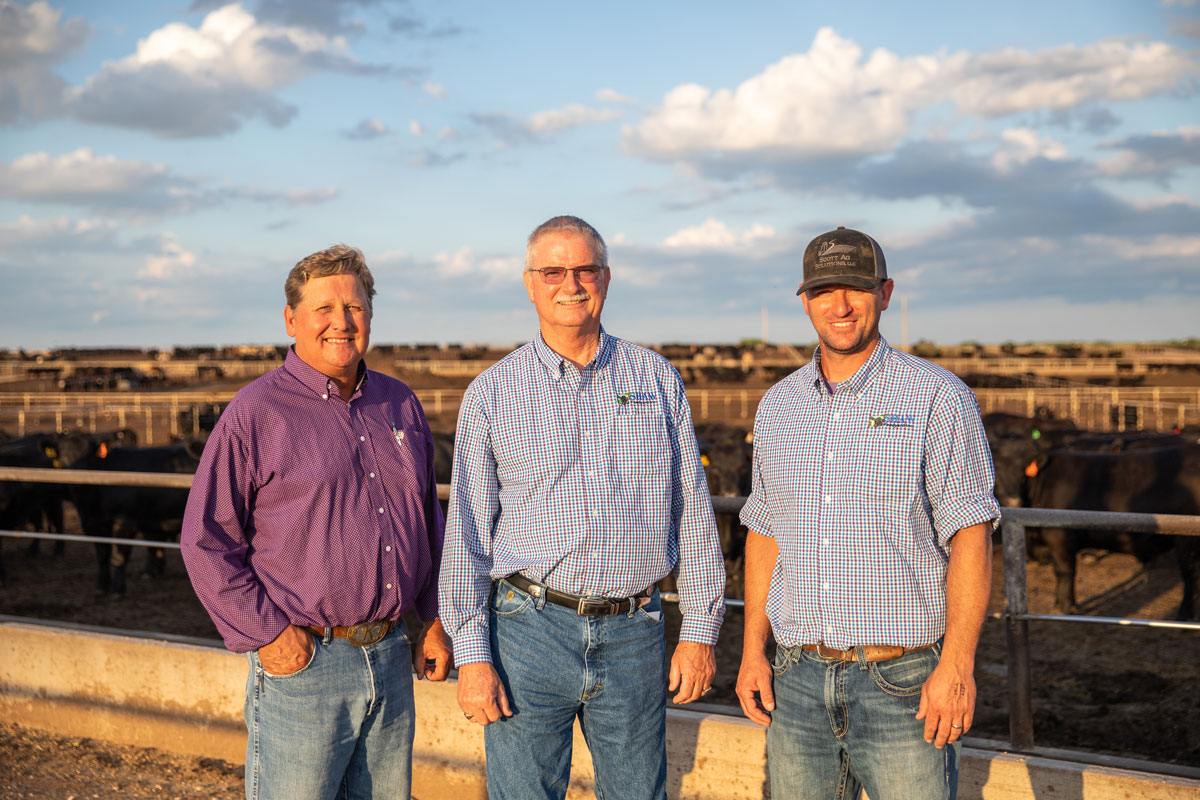
Different skillsets make Shaw Feedyard thrive. Hopp manages the feedyard, Bill Shaw handles the books and his son Brett Shaw takes care of the farm, stockers and other duties as assigned.   

Their teamwork, values and ability to consistently raise high-quality beef earned Shaw Feedyard the Certified Angus Beef (CAB) 2021 Feedyard Commitment to Excellence Award. 

Kendall Hopp, Bill Shaw and Brett Shaw

Optimized management 

The 7,500 head feedyard is in an area Hopp likens to Main Street for prime cattle country.  

Just 45 miles from two major packing plants in Dodge City, with a network of quality-minded cattlemen nearby, Shaw Feedyard fits the locality like a trendy restaurant downtown. The climate is favorable for keeping pens of fed steers and heifers comfortable and thriving.  

They’re surrounded by rich grain resources, chopping silage and grain from their own fields. Any outside feeds – like hay, wet distillers grains and corn – are sourced within a hundred-mile radius. 

Like the restaurant, if they can’t sell a good plate, there won’t be a customer tomorrow. As a custom feeder, it takes the right genetics (or ingredients), and Hopp focuses on making them reach their full potential. 

It’s a different sense of local. Accessing their supply and supporting the state economies until harvest, when much of their beef is shipped to higher populated areas.  

“It’s our job to feed strangers,” Brett says. “It’s not a burden because I know the beef that we’re putting in front of them is a consistent, efficient, sustainable product. And it will be for generations to come.” 

feed truck at yard

Handled with care 

Everyone at Shaw’s specializes in individualized cattle care where comfort is a priority. The pens are kept clean, dry and stocked with freshwater giving them everything they need to convert feed to beef.  

It’s vital to both customer and cattle management. Healthy animals are crucial to performance, and as a custom-feeding yard, their reputation for top-notch management keeps the pens full. 
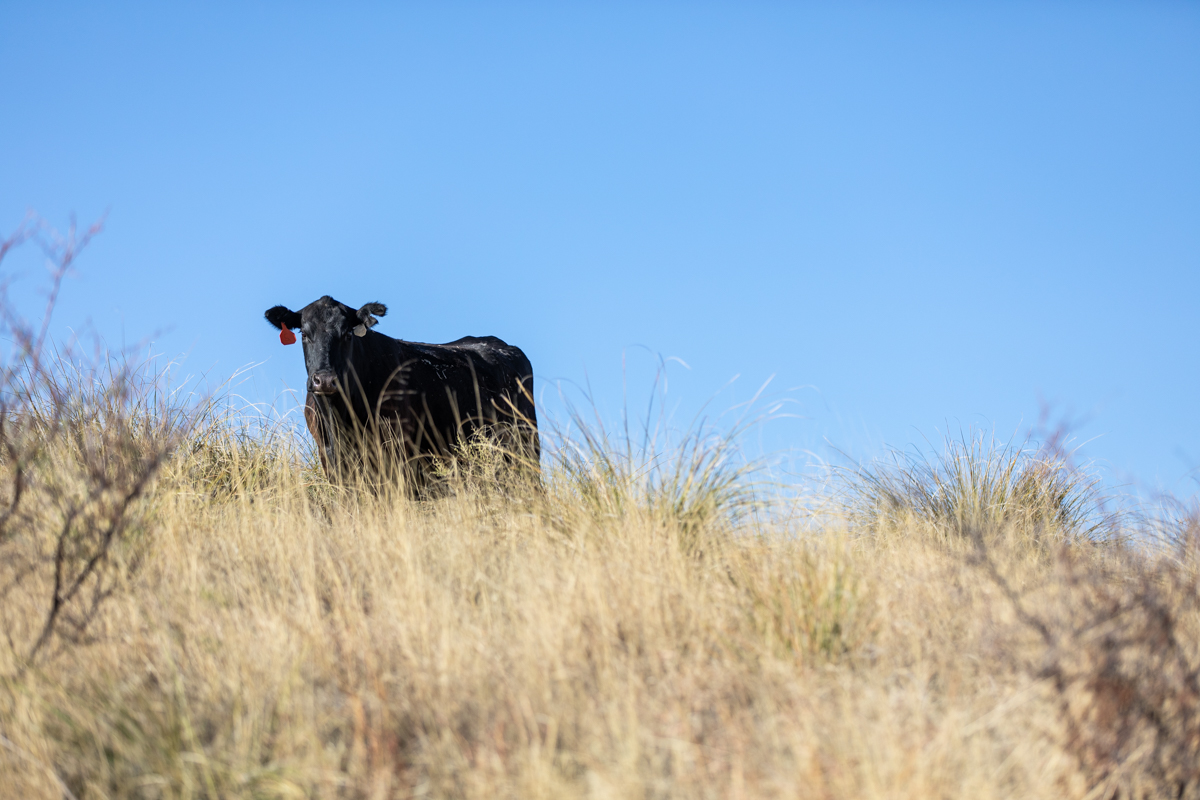
Everyone at the yard is Beef Quality Assurance certified. It’s their guarantee that animals have been well taken care of and will produce a good product. 

A mix of human touch and technology power the yard today. Steam-flaked rations, mixer trucks, GPS monitors, a consulting veterinarian, nutritionist, digital data and reporting support the Shaw crew in their mission for quality. 

It’s not unusual to see pens grade 100% Choice with a high percentage meeting CAB and Prime.  

“Certified Angus Beef provides the best consistency of any product I’ve seen,” Brett says. “And that’s a direct result of how we handle our cattle.” 

They are just one piece of the larger puzzle that supplies premium beef, but hitting the high target is no accident. For the team at Shaw, it’s intentional management, planning each day to do their best for each other and the livestock. 
“If we can do that consistently,” Bill says. “We know we’ll keeping feeding cattle.” 

You may also like

Consumer Demand, Power of Quality

Consumer Demand, Power of Quality

Demand for high-quality beef persists. But with that demand comes challenges. From tight cattle supplies to higher costs and increasing pressure on retailers to deliver a consistent eating experience, the pressure is on. David O’Diam, CAB VP of retail, addressed the current retail beef environment, highlighting both opportunities and challenges in today’s marketplace.

A Summer to Learn, Grow

A Summer to Learn, Grow

CAB opens four internship positions each summer, guiding students as they apply their skills from the classroom in a real-world setting. From their first day to their last, interns are treated more like full-time employees. Experiencing what it’s like to work for the brand, from brainstorming sessions to executing projects.

System Over Scale

System Over Scale

For Dallas Knobloch, it’s not about being the biggest feedyard—it’s about building a high-quality system that works. Today, with Tory’s wife Sadie and daughter Ivy, the Knobloch family owns and operates 4K Cattle. They feed 2,500 cattle at eight locations within 10 miles of home, manage 1,000 acres of crops and run a 125-head cow herd, all near Hills, Minn.