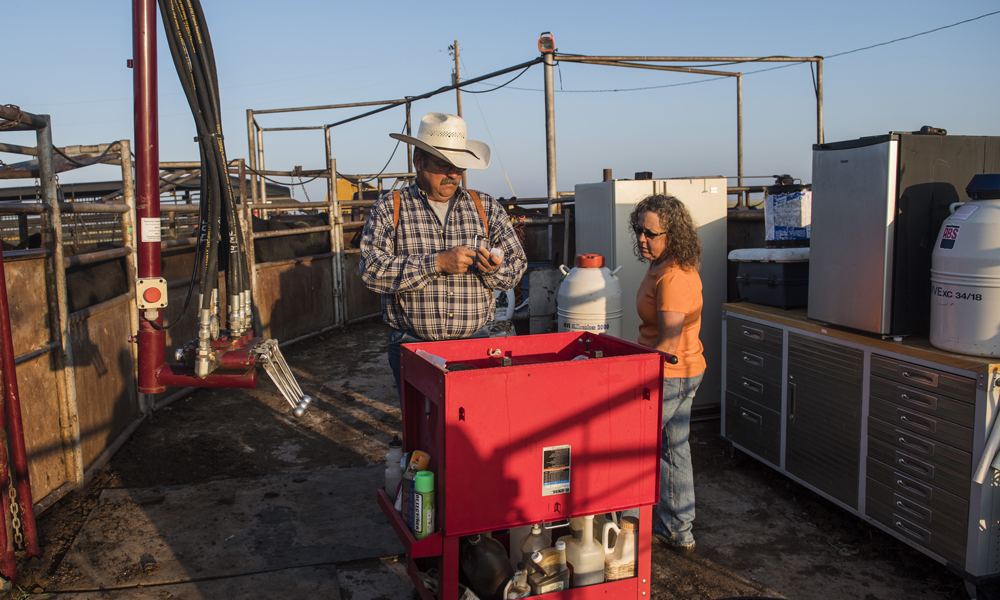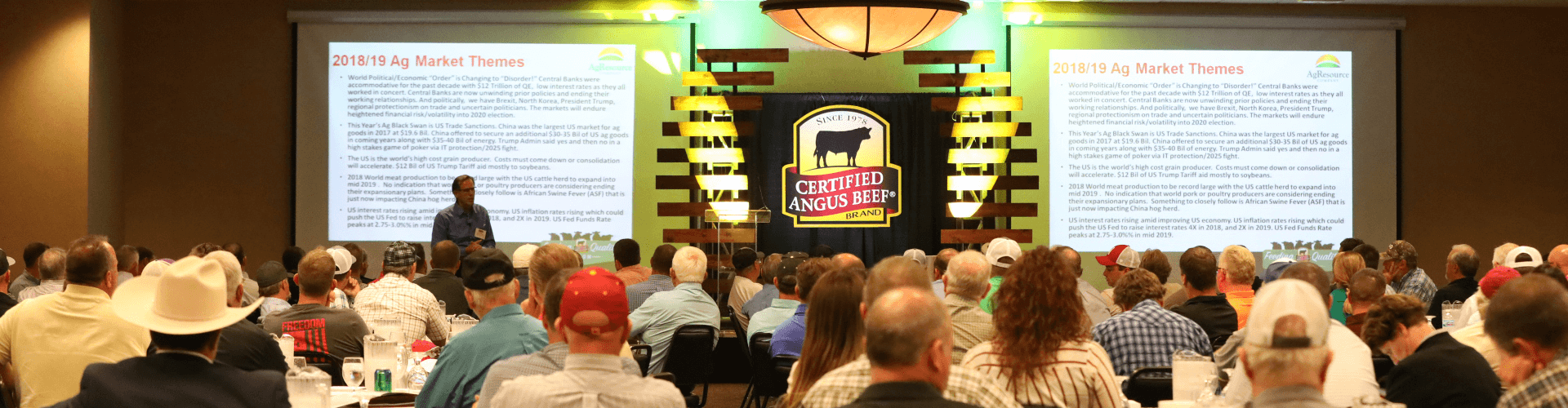
Entepreneurial Genes and Cowboy Dreams

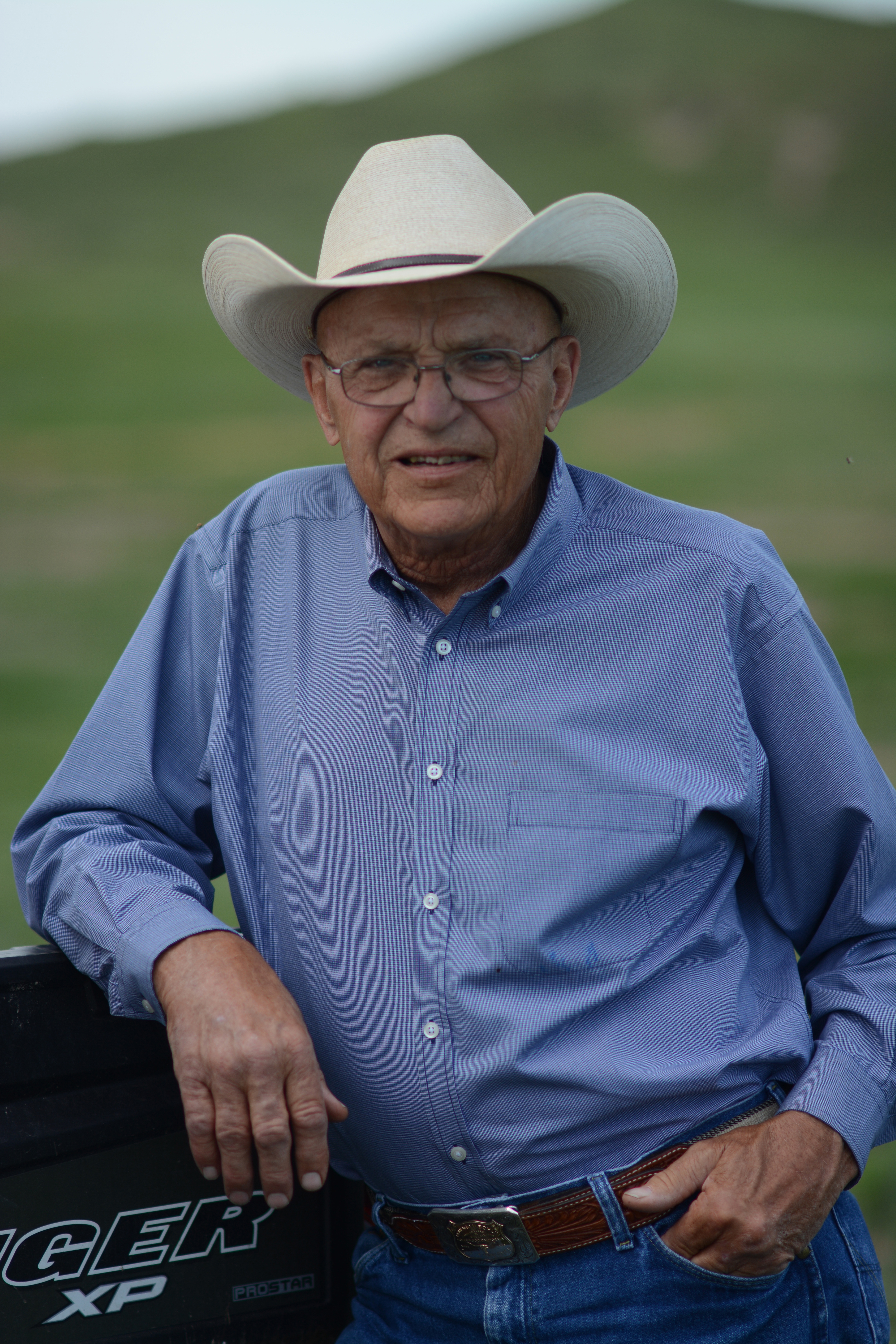
Timmerman receives Feeding Quality Forum honors

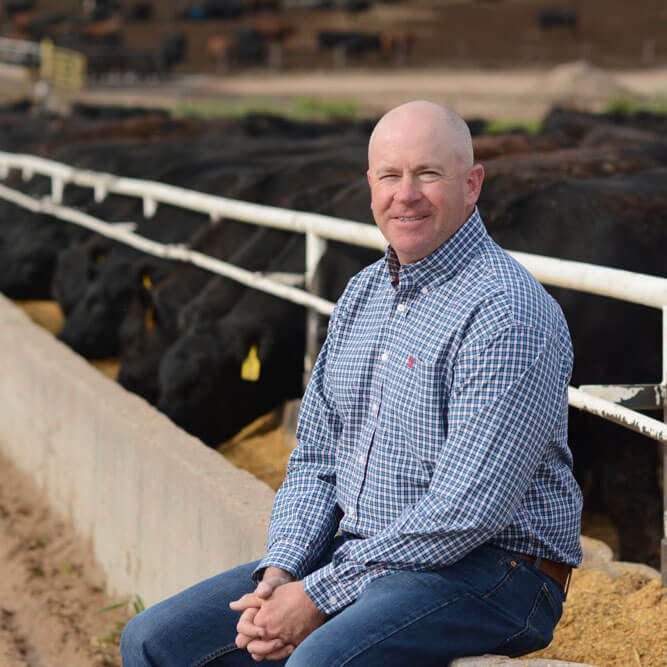
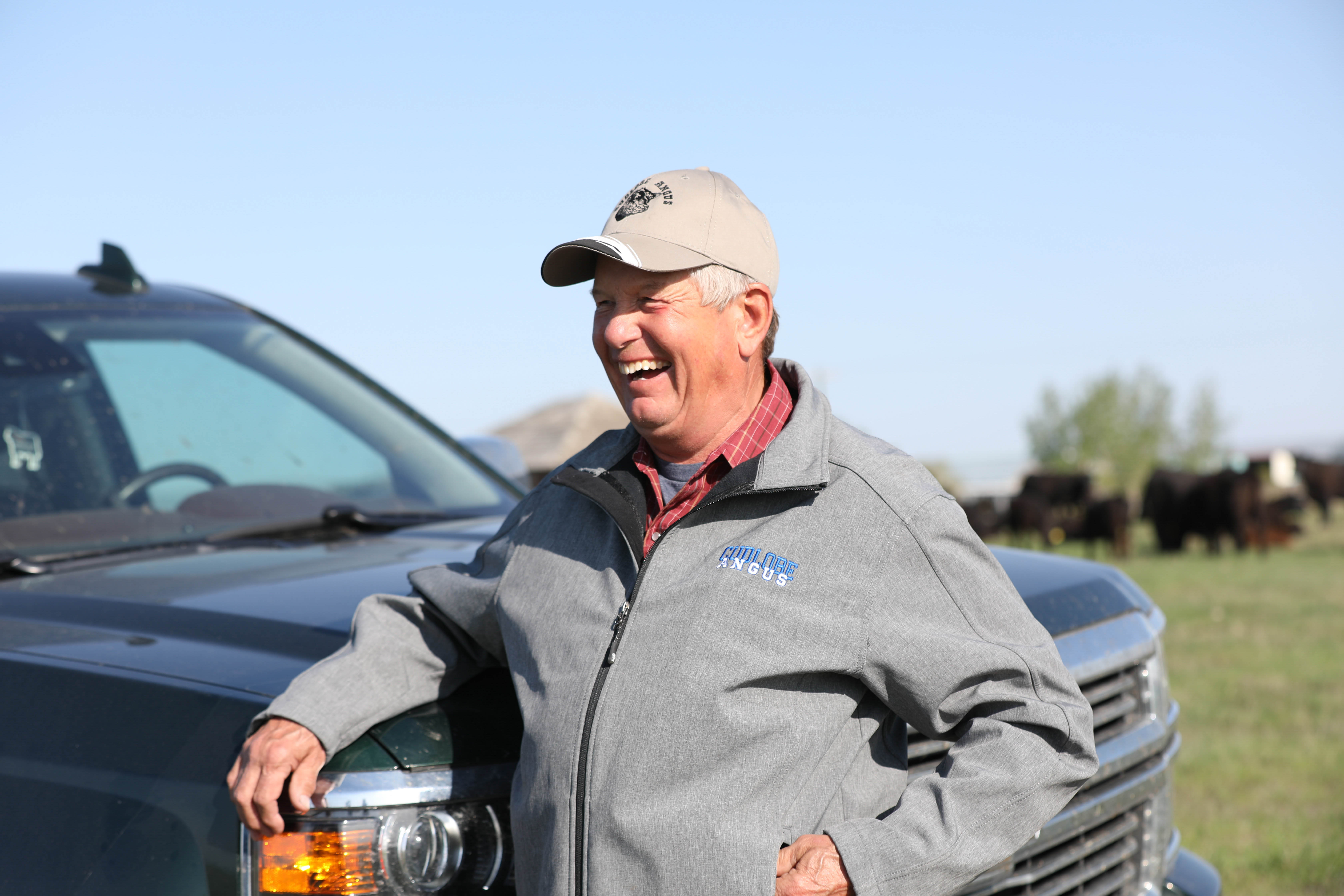
Each week, Nebraska cattleman Gerald Timmerman would flip open Sunday’s thick Omaha World Herald. After morning chores, he’d scan the want ads, taking note of which ones might fit his skill set, “just in case.”

“It was amazing back then, there was quite a few jobs I’d fill in, and I haven’t looked lately, but I think it would be pretty narrow what I’d be qualified for today,” says Timmerman with a chuckle.

Sure enough, he didn’t finish high school—a chance to cowboy in Texas called in his junior year—but his resume quickly grew with life experience.

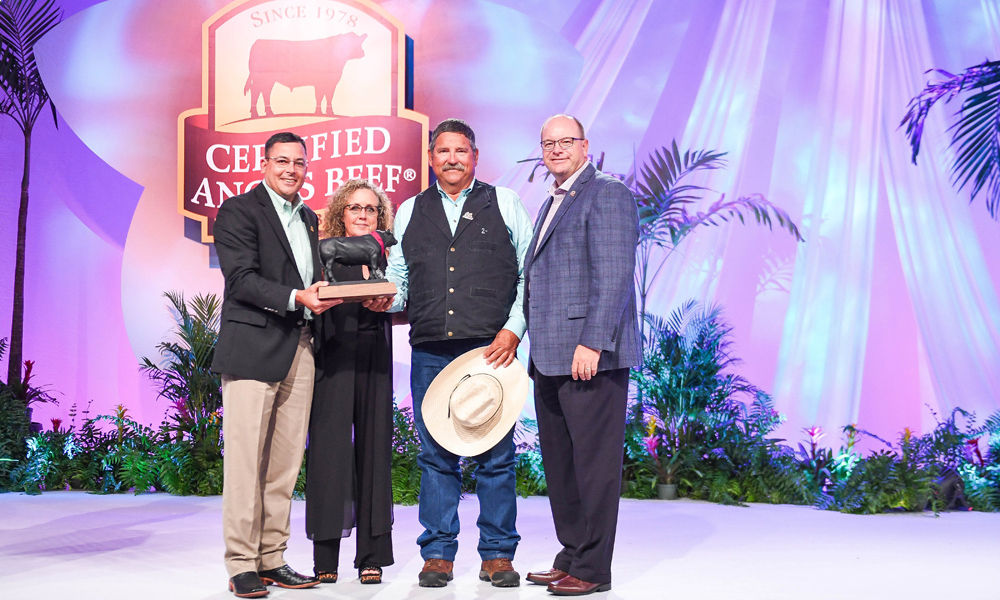
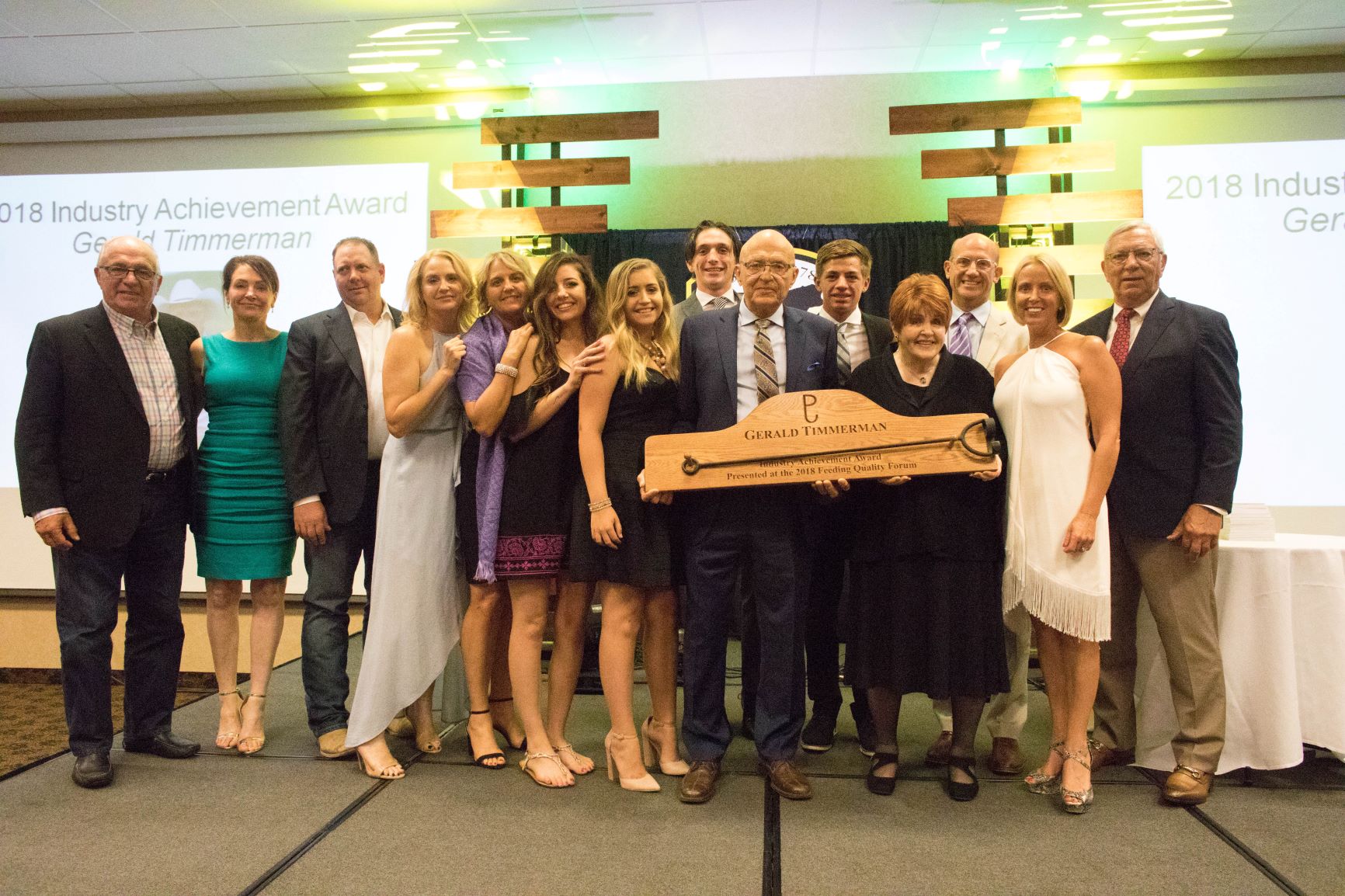
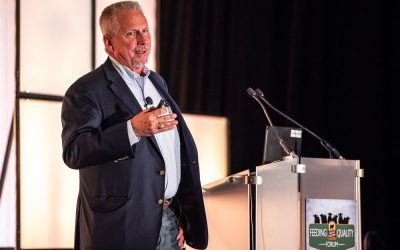
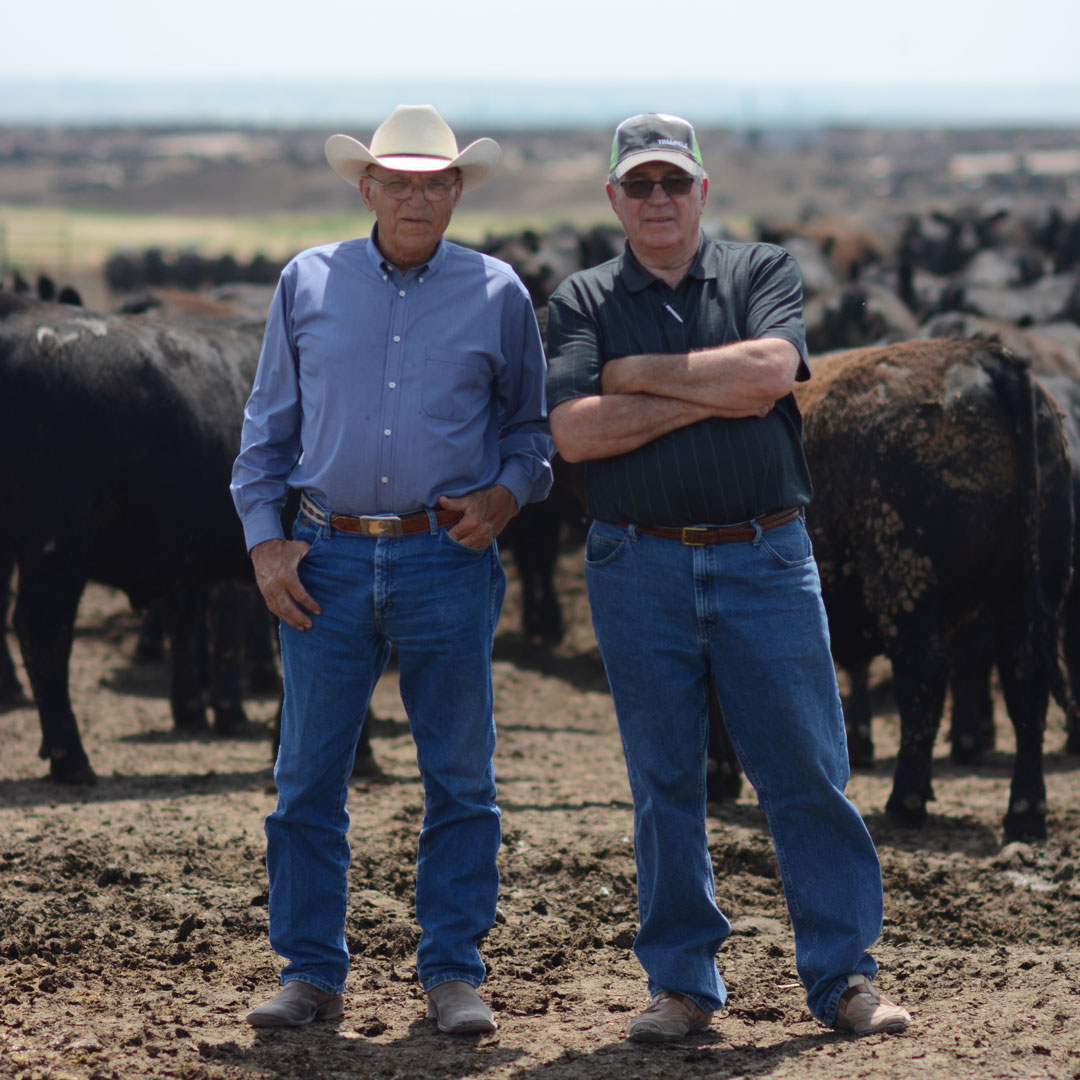
Last month, Timmerman added another when he received the 2018 Feeding Quality Forum (FQF) Industry Achievement Award for his long-time dedication to putting the consumer first.

Equal partners and sweat equity

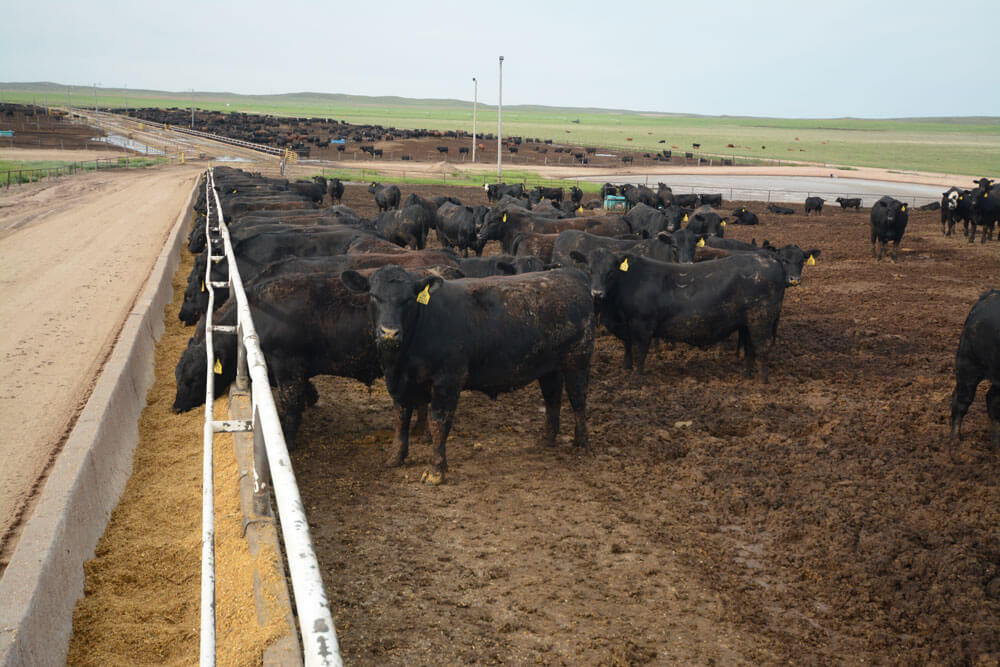
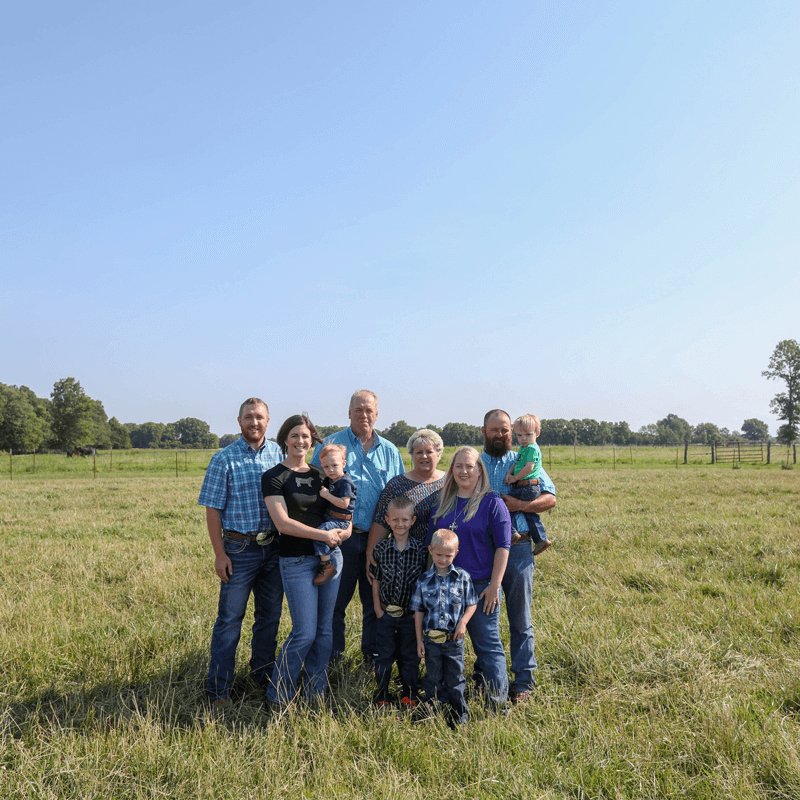
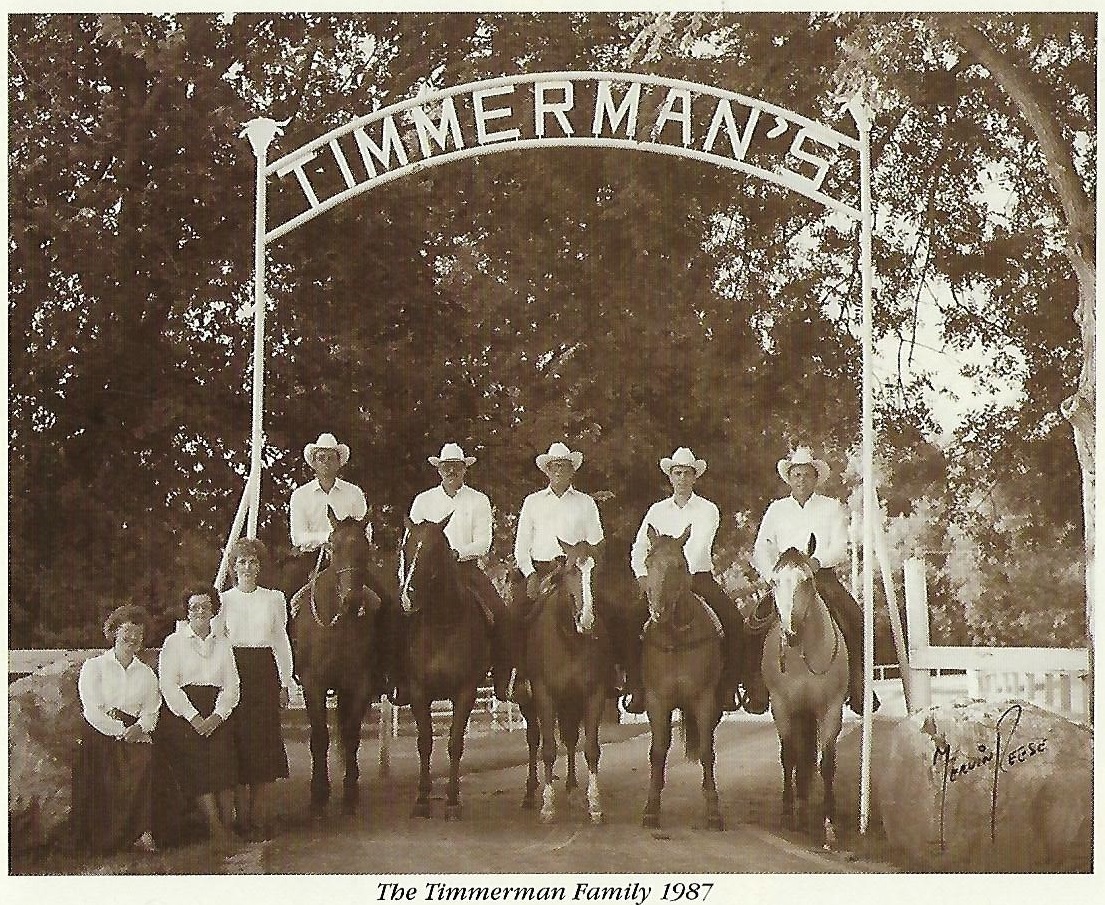
Timmerman was the oldest of four brothers who grew up at the family’s Springfield, Neb., feedyard where, “The work ethic was pushed on us pretty hard, but then we got a passion for it.”

It was no guaranteed career path.

“I was about 28, and I had 2 brothers in the army during the Vietnam war at that time and one brother graduating from high school,” Timmerman says. “[Dad] said he was going to sell the feedlot to an individual there in Omaha or to us, if we wanted to buy it.”

They did.

Leo Timmerman did them “a great favor” by selling, rather than giving it to them, he says. “We had to assume a lot of responsibility. He didn’t sign on any credit or anything for us.”

Instead, they built it with hard work and a simple business plan. There was no hierarchy or titles, no company vehicles, and no bonuses.

“I think we went about close to 10 years at 7 days a week without ever taking a day off, every one of us, and as we went through we just drew a salary,” he says.

Don’t believe him? Just ask his wife or his sisters-in-law.

“All of us would have to say that if it wasn’t for our wives, we could have never made it,” he says.  They stuck by their men during the rollercoaster that is the feeding business—and there were many ups and downs, from record prices to declining beef demand and the Farm Crisis.

“We were so, so fortunate that we had a lot of good mentors that went through a lot of things that we were going to go though and luckily we listened,” the feeder says.

One of his father’s friends frequently told them to save back half of all profit. “He always had a saying, ‘Put it in the tomato can because they’re coming back after it.’

“In some respects, some of those things I think are good because it will humble you. You get to going along pretty good and you get to feeling pretty good about yourself, and you get in one of those and you’ll get a little humility back.”
Mechanization, marketing and marbling

For all the challenges, there was success.

Today, the brothers and their sons have independent operations and joint ventures. They have ranches in Nebraska, South Dakota, Colorado and Texas, feedyards in three states and interests in other beef industry enterprises.

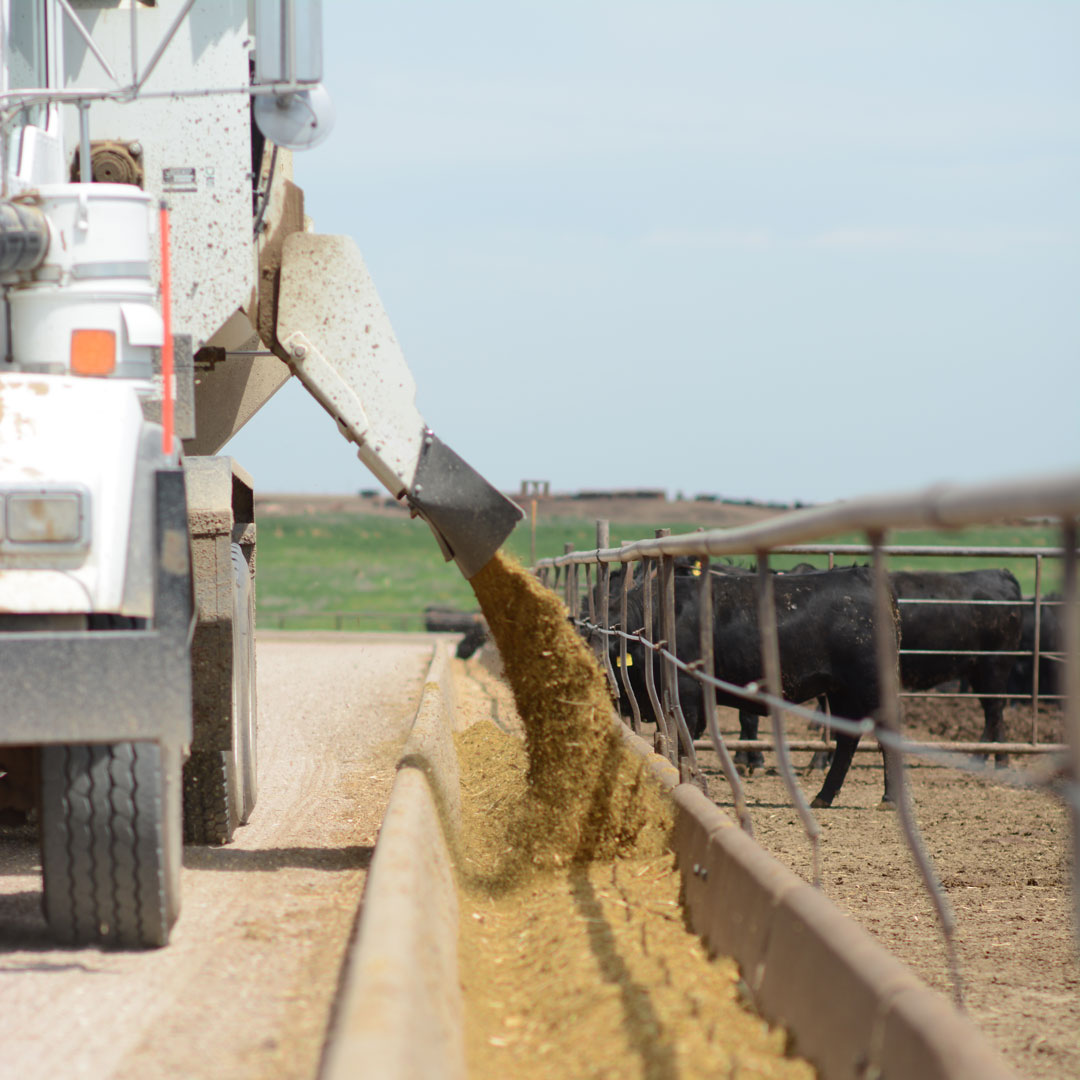
“Mechanization really relieved a lot of back labor,” and then as technology grew, the number of cattle an employee can care for today “would have never, ever seemed possible then,” Timmerman says.

Cattle genetics improved, from longevity and reproductive efficiency to the way they hung on the rail. Marketing changed in step.

“That was one of the reasons my father wanted to move closer to the central market,” Timmerman says, describing his agility in responding to packer demand in short-run weeks. “And as time went by, he and another gentleman were the first ones to start selling cattle direct rather than going through a commission company at the yards.”

Then came selling “in the beef” and on quality-based grids.

Timmerman credits the Certified Angus Beef ® (CAB®) brand for guiding cattlemen toward the kind of product that builds beef demand.

“They took the whole cattle industry, not just the black Angus, and proved to the industry that consistency and quality will sell and that’s what the people were craving,” he says. “We were in the commodity meat business. Choice was Choice. Prime was Prime. Select was Select or they were Good (grades) at that time, and I think the restaurant business, they were never assured of that same consistency. CAB is the one that revolutionized that.”

Timmerman is quick to pick up new technology, if it’s practical. If a drone can’t travel far enough to check windmills, maybe satellites will work. He’s direct and decisive. It’s hard for him to understand why others resist progress.

“I’m a consumer advocate because I believe you have to produce what the consumer wants, not what you think he ought to have,” he says. “If you give them what they want, you can rest assured you’re going to have a profit. You’ll be rewarded for your work.”

It’s that attitude that caught the attention of the past FQF Industry Achievement Award winners, who nominated the feeder for the honor.

“The Timmermans are just one of the really good cattle feeding families in Nebraska, coming from humble beginnings,” says retired long-time CAB vice president Larry Corah. “Gerald has always shown leadership in keeping the consumer first, no matter what everybody else thought.”

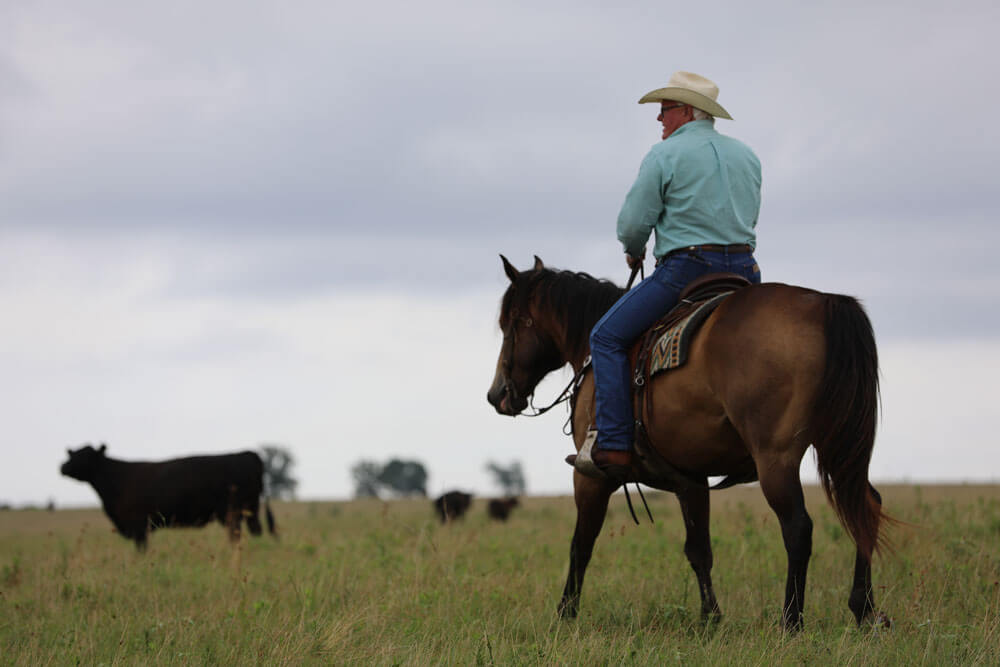
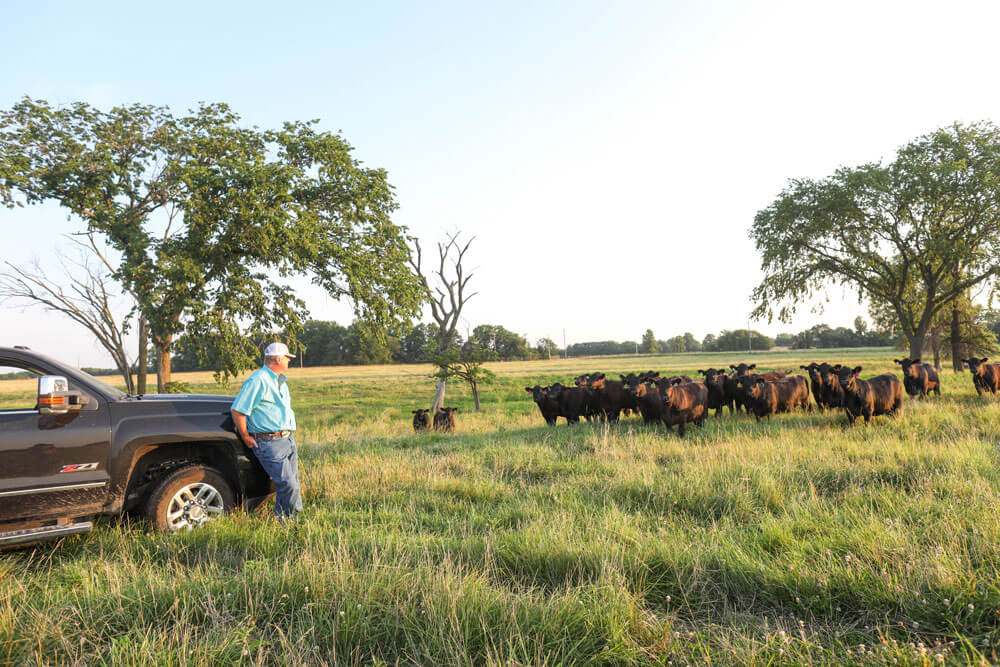
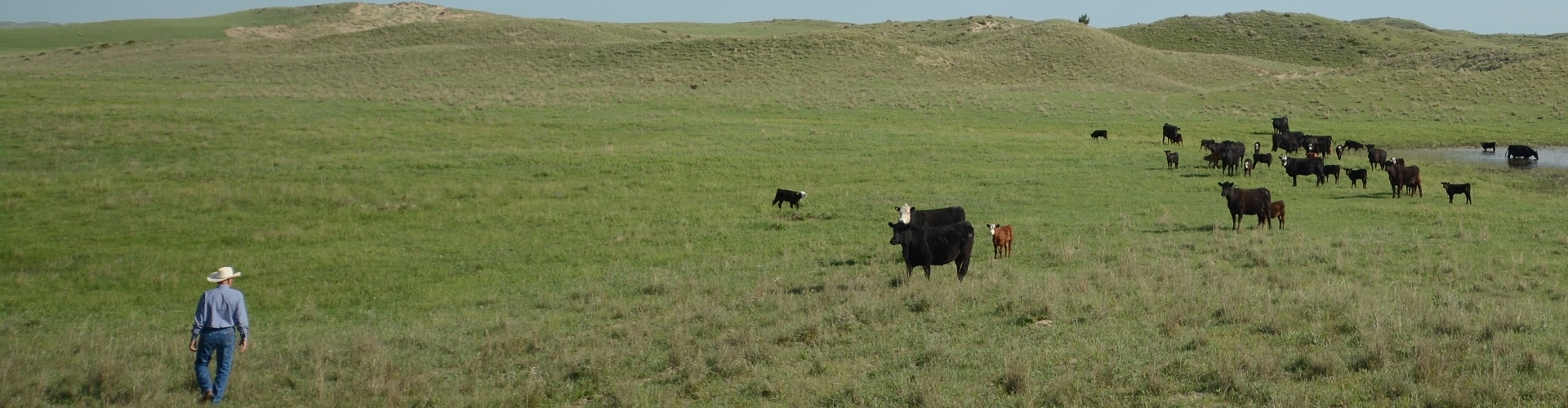
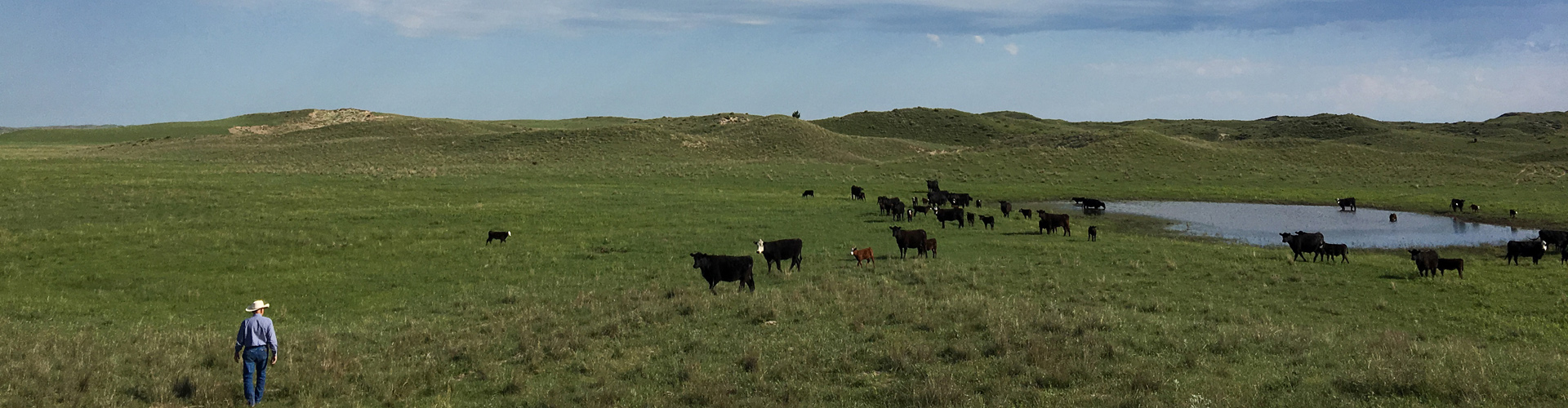
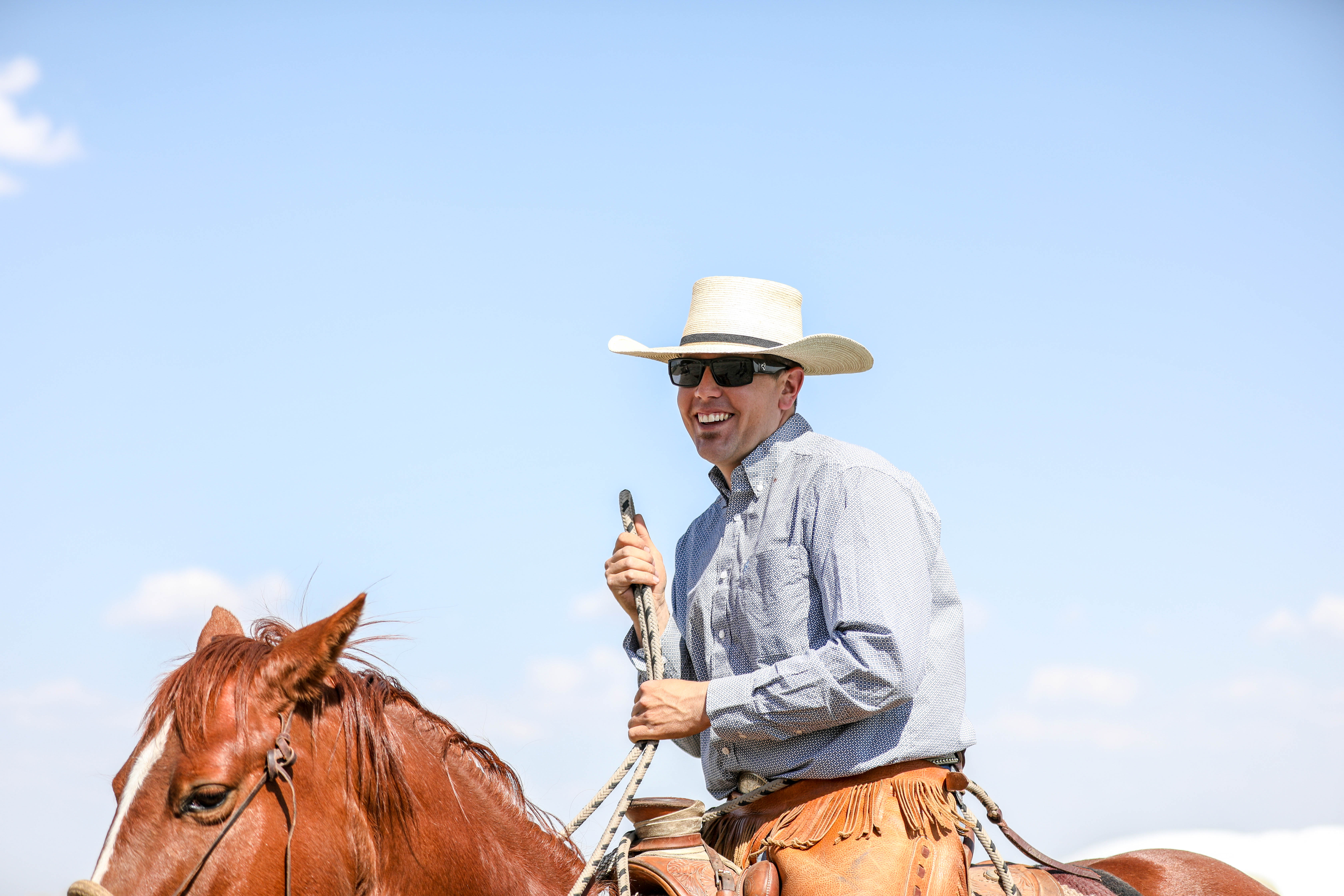
At 78, Timmerman is still highly involved in the business, though he tries to spend more time in the saddle, making up for lost time on his boyhood dream of being a cowboy. You’re just as likely to find him at a branding as you are a board meeting.

“When you get in the business you’ve got to be smart,” Timmerman says. “Smart isn’t IQ—just savvy, hungry and have a little humility and you can have a pretty good career.”
Growing a family of feeders

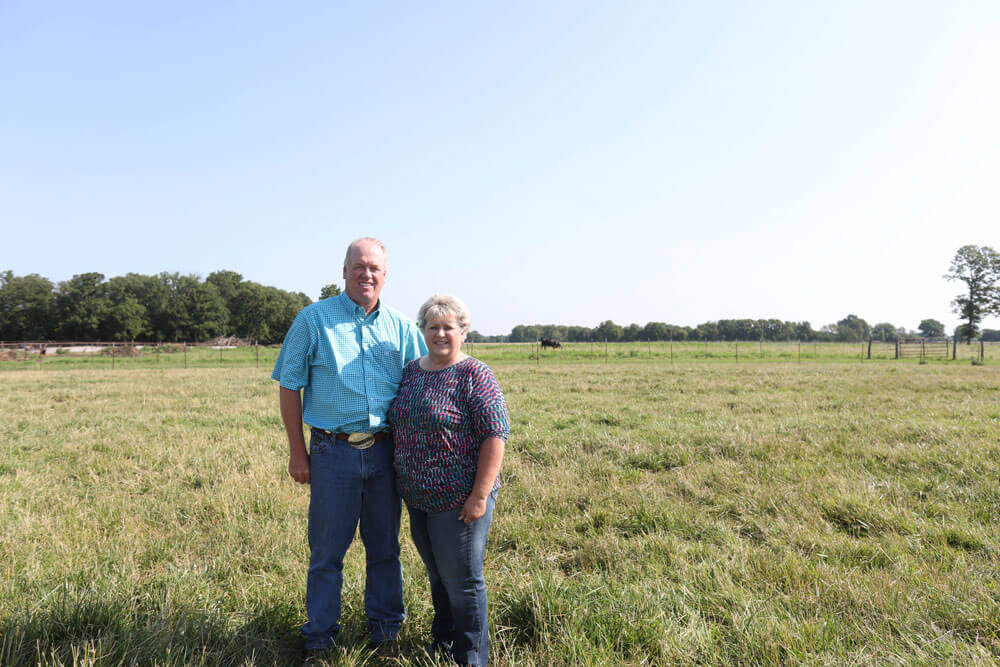
When he proposed to his future wife on Good Friday, Gerald Timmerman says he was “flying high.”

By the time he got married in June? “I was broke.”

 It was just a wrench in the fairy tale. He and Lynn, his wife of 54 years, made their first home in a trailer house, and then filled it with five kids.

Remembering cold winters, he won’t put an employee up in a mobile home to this day.

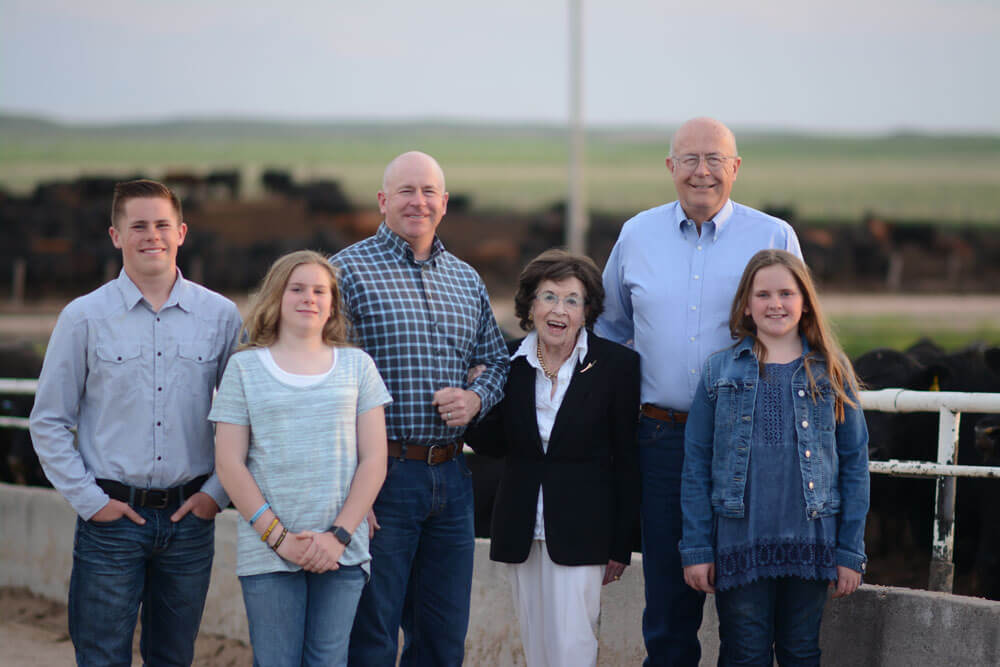
He will, however, still get as many family members as possible to gather together. They built a barn on their place to house events that will draw all the cousins back to where it all began. He has five grandchildren, and the older ones have even started working in the feedyard.

“Family…I think that’s what it’s all about,” Timmerman says. “And longtime employees. Without good employees you’re not going nowhere.”

He gives a lot of credit to those around him, to his wife for raising the kids and to others who helped support them along the way.

“I always felt—and my brothers, too—that if you’ve got the opportunity, always be around people that are smarter than you are and have done more, and you will learn something,” he says.

Written by Miranda Reiman, this story was originally published August 2018. 

You Also Might Like…

Raising the right kind right

CAB award-winning 2 Bar Angus is about cattle, kids and quality

It was the perfect sale day, full of energy and buyer enthusiasm. The bulls were selling hot.

The only problem Steve Knoll could see? His genetics weren’t up for bid.

“People wanted those cattle,” says the Hereford, Texas, rancher.

He went to the auction to buy a few Angus bulls to put on his registered Salers herd.

“I was blown away with what the bulls were bringing. The bulls I thought I would just go and buy and bring home, I couldn’t afford,” Knoll says. Instead, his trailer carried two registered cow-calf pairs. One nursing a heifer, the other, a bull.

With one flush, he’d start his embryo transfer program. Today, it’s still about 75% embryo transfer—so “your good cows have litters”—and about 25% artificial insemination, “so you can use the best bulls in the breed, instead of the best bulls you can afford.”

When we switched to Angus, I wanted get my numbers up as quick as possible so my Salers became my recips,” Knolls says. “My dad always told me to just make do with what you’ve got. That’s kind of what we’ve been doing ever since.”

The “ever since” is more than two decades and “making do” means growing into a program that is sought after by large commercial ranchers who want high performance genetics that work back at the ranch, too.

They sold 117 bulls in this year’s auction, many to repeat buyers who depend on that functionality.

“The majority of them aren’t out here playing and trying to spend the family fortune. Most of them have been here generation after generation, and they make a living off of these cattle,” Knoll says. “Fertility is first and foremost. They’ve got to have a calf every year.

“Then if you can add these other bells and whistles, like a little more growth and maybe a little more marbling—that’s more money they can put in their pocket, pay their bills to keep their place,” he says.

Steve and Laura Knoll’s focus on quality earned their 2 Bar Angus business the Certified Angus Beef ® (CAB®) brand’s 2018 Seedstock Commitment to Excellence Award.

A look at their sale book shows marbling is more than an afterthought. The 117 bulls in their March catalog had an average marbling expected progeny difference (EPD) of 0.93, compared to a breed average of 0.53.

“Cattle that marble don’t cost any more to have in your herd,” Knoll says.

But he knows they pay, a lesson learned early and often.

Between naps

Born and raised a Texas ranch kid, Knoll took his degree from then-West Texas State University in Canyon to work for Cactus Feeders.

“I was getting to see enough of the information that I knew there was a difference in cattle that would yield and cattle that would grade,” he says. “If you could figure out how to make Yield Grade 1 Primes, you could do very, very well. We’re still chasing that unicorn today.”

That’s information he’d file away until he needed it.

In between the seven years at Cactus and that Angus bull sale, Knoll married wife Laura, moved to Hereford, began running Salers cows on his in-laws’ land and got a job in maintenance at a local feed plant.

“It was pretty much eight hours of work in town and then eight to ten hours of work at home, then get a nap and go back,” Knoll says. That’s why he and his father-in-law made ideal business partners: “I had the sweat equity and he had the finances.”

It wasn’t a blank check arrangement, however. It needed to support itself, worrisome when sometimes more Salers bulls headed to the packing plant than to be herd sires.

“It was a hard way to learn,” he admits.

The couple welcomed firstborn Wesley into the world and Knoll went to full-time ranching all in the same year. They switched to Angus the next breeding season.

“You kiss your income and your insurance good-bye, and my bet was I had to generate stuff to cover that,” Knoll says. “We still had way more to do than we could ever get done.”

Sometimes Laura called her husband to remind him to come home.

Betting it all on Angus

The workload hasn’t lessened, but the workforce has increased.

Knoll’s “early hired hand,” started out sitting on a briefcase to see over the steering wheel. Creeping along in “low four,” a kindergarten-aged Wesley drove the pickup down row after row of square bales as his dad loaded them.

Some kids have battery-operated Power Wheels; for Wesley, there was no need.

At 24, he’s still his dad’s right-hand man.

“Summer, spring break, any major project we need done, we’ll run it largely with family,” Laura says. “You’d be surprised how good they are at it.”

Joe, 18, and twin daughters Anita and Marie, 17, fill syringes, gather cattle and record numbers.

“The Angus herd is 100% of our livelihood,” Knoll says.

A licensed pharmacist, Laura traded her first career in 2005 to become head bookkeeper and a vital member of day-to-day operations.

“I decided I kind of liked this business better,” she says with a laugh that seemed to acknowledge things like sorting mishaps or Mother Nature’s unpredictable indifference.

In the Texas panhandle, they’re never far from a drought. The area averages 18 inches of rainfall annually, but through mid-August this year had only four.

“Right now survival is the name of the game,” Knoll says, casually noting, “It’s a little dry.”

Both optimistic and realistic, his backup plans include relocating cattle or leasing ground to preserve rangeland.

“It’s just part of living here,” Knoll says. “You either adapt or you go away.”

That goes for the bulls they’re breeding, too. They have to be able to take heat, mesquite brush, traveling long distances and a bitter north wind.

When a new rancher comes looking for one or two bulls, Knoll says, “My goal is to sell them one or two pot loads of bulls over the next 20 years. You can’t do that if they’re not happy.”

The 2 Bar “club”

Part of the draw is in the HD50K DNA-tested bulls. Part of it is in the people behind that data.

“I believe whenever they bought that bull from me, they paid a membership to get their cows breed. Whatever’s got to happen for them to get their cows bred, we’re going to try to do,” he says. “If you get their trust, you better do things to make sure you’re not leading them astray.”

Over the years, they’ve taught customers to look beyond the ranch gate.

“A lot of these guys when we first started would come and say, ‘I need a bull,’” Laura says. “Through the years, Steve had done a lot of education on which EPDs pay.”

Deaf Smith County is one of the top cattle feeding counties in the world, so it’s the ideal place to talk about the next person in line…even if many customers sell at weaning.

“We’re trying to raise cattle that people will come knock on your door and want to buy the second set of calves you sell after you prove what you’re raising,” Knoll says. “The numbers on these cattle aren’t any better than the people that stand behind them.”

Jim and Lucy McGowan are neighbors turned friends. The couple runs cattle between Paducah and Childress, and weans calves on farm ground near Hereford.

“I was actually Steve’s first customer,” Jim McGowan says.

An advertisement caught the commercial producer’s attention; then he liked what he saw in the pasture. Nearly two decades later, McGowan continues to add 2 Bar bulls to his battery because they’ve helped him steadily increase weaning weights, carcass quality and docility.

“We select for dollar B ($B), but also height of the bull. I go pretty heavy on EPDs, but I like the bull to be good looking also,” he says.

Having well-rounded sires allows for marketing flexibility. McGowan retains ownership only when the feeder calf market dips really low. Feedback reassures him all options are available. Last year’s calves sold after weaning and the feeder who bought them shared a closeout showing 41% Prime.

“Steve is good to work with. He works hard at doing a good job,” McGowan says.

Tell that to Knoll and he might shrug, or even laugh a little uncomfortably at the idea he’s doing anything more than what he himself might expect of a seedstock producer.

“We haven’t found that perfect cow or that perfect bull,” Laura trails off before Steve finishes, “If you’re not improving, then you’re backing up, because everyone around you is improving.”

Cow lessons seamlessly transfer into life lessons. Knoll often says raising cattle and raising kids go together.

“We’re not a very fancy place, but we believe in hard work,” he says. “I hope the kids take away that when you’re responsible for something, you don’t walk away from it. Good intentions are one thing, but you’ve got to figure out a way to make everything work.”

The goals for the next 10 years aren’t long or complicated.

“I want to get all my kids graduated from high school and college,” he says simply. “My job’s to raise a family, and that’s still my goal. And we’ll do it with cows. We’ll do it with Angus.”

Walking the walk

Saying you support the Certified Angus Beef ® (CAB®) brand is easy, but producing sires that are likely to increase the supply? That takes some intention.

“When I was going into Angus, I don’t know that I realized how much Certified Angus Beef really drove the price of bulls and calves,” says Steve Knoll, 2 Bar Angus. “Of course now I know it’s huge.”

Brand demand was building at the same time his registered herd was growing. Carcass quality has always been part of his selection criteria.

“But the truth of the matter is, I don’t care how good of bulls you’ve got, if nobody knows what you have they aren’t going to come knocking,” the breeder says. “I wanted to use the logo to stir more people to think about how important marbling is. There’s a premiums to be made there.”

Last fall, CAB started a ‘Targeting the Brand” incentive program to encourage Angus producers to use the special logo to help identify bulls more likely to improve CAB qualifiers in a herd. Cattle must meet minimum requirements for grid value ($G) and marbling before the mark can appear next to specific animals in the catalog.

Out of 117 bulls in their sale, 97% qualified for the Targeting the Brand logo—the highest of any breeder using it.

That tells a story, says Kara Lee, CAB production brand manager. “It may be the first year we’ve been asking them to put a logo in the catalog, but it’s not the first year they’ve been emphasizing quality,” she says.

You Might Also Like…

Pride & Precision

Arkansas cousins use technology to drive Angus success

A hardware salesman and a hand surgeon walk into a pasture…

For Phillip Smith and Dr. David Taylor, there’s no need for a punch line. What might sound like the start of a tall tale is a typical Tuesday afternoon.

Cattle have always been in the cards for these cousins from Ozark, Ark. Their grandfather, John Jacob Taylor, settled there in the Cecil community after the Civil War and brought cows soon after.

“Back then this was row cropped in cotton,” Smith says. He tells of ancestors with orchards who sold fruit “—whatever they could sell off the land—” but cattle soon took root and provided a smarter harvest.

“Any kind of cropping just doesn’t work well here,” Smith pronounces.

“The soil is silicone based,” Taylor adds. “It’s thin and retains little water, but we grow grass really well so cattle are the best way to approach it.”

Then the corner of his mouth starts to shift.

“It’s just a giant solar panel that takes oxygen, carbon dioxide, water and sunlight to produce grass,” he says. “Grass doesn’t have a lot of value, but we have these great machines out here, these black machines,” he laughs, “that take that grass and make something of high value.”

It’s true, evidenced by a recent closeout of the cousins’ cattle that says 73% achieved Certified Angus Beef ® (CAB®) and Prime.

“Having pride in what you are producing is very important,” Taylor says. That’s why he and Smith raise cattle with a specific purpose and why CAB honored them with the 2018 Commercial Commitment to Excellence Award.

Their partnership, STP Cattle, is built on what the brand stands for, and those “machines” are top of the line.

“We want to grow something Phillip and I wouldn’t hesitate to eat ourselves,” Taylor says.

So in 2009 they purchased a tract of land and combined resources. From there they researched their options, analyzed every possible avenue and reached a conclusion: there are economic opportunities and additional profit to be made for those willing to produce high-quality cattle.

“I mean, we have the grid system in place now that reflects that,” Taylor says.

They background calves, sort off replacement heifers and then finish the rest to see those dollars. But how can we see why the unlikely duo committed to The Business Breed?

“I guess, to bring to life The Grateful Dead, what a long, strange trip it has been,” Taylor says.

Better together

Born a year apart, he and Smith grew up together near the 65-acre homestead their grandfather purchased in 1865. Family, but even better friends, they went through adolescence and high school together before Taylor went to college and Smith carried on his father’s legacy in hardware and electrical work in town.

All the while he kept a herd of “sale-barn cattle,” but Taylor sold his herd of similar quality after his parents’ early passing. It was medical school and surgical residency after that.

Cattle and circumstances called him back.

“It just kind of evolved,” Taylor says. Life led him to an almost-retirement that puts him back in Cecil “four out of every 14 days” to check cows.

The Dallas-based doctor spent years studying and decades fixing people before picking cattle up again as a second job. Nerve reconstruction, improving on birth defects, his specialties earned distinction from peers and gratitude from patients. Both bring humility to Taylor, who enjoys the chance to bring precision to what many consider the simpler world of ranching.

“Is there anything you would suggest we improve,” he asks visitors observing the herd. No matter the information he holds from hours of research, he knows there’s always more to learn, something he and Smith can do better.

Fast and furious

The commercial pairs grazing both sides of the road reflect that desire. The simple terms they use to describe partnership goals seem inadequate to account for how their cattle appear: planned out, with intention behind every mating.

“We want a bull that has balance, strength, no extremes in one area or another,” Taylor says. An expected progeny difference (EPDs) in the high percentiles for marbling with moderate birth weight and frame size rank high on their list of sire qualifiers. Docility can serve as a tiebreaker.

Discouraged by the cost of replacement heifers that met their strict standards, the cousins started selecting for and breeding their own.

“The bulls that we are purchasing for AI [artificial insemination] and cleanup aren’t typically terminal sires, so they pretty much have to do everything,” Taylor says.

They find those bulls at Gardiner Angus Ranch, near Ashland, Kan., even though they AI every female.

“We have more control over our own destiny,” Smith says. “We’re selecting bulls that we could never possibly own.”

One result? Carcass quality is on the rise.

That’s not all.

“AI simplifies the management,” Taylor says. By shortening the breeding window—80% of STP calves are born in the first 30 days of the season—they’ve seen improvement in management, marketing and grass, he says.

It all ties together in a near-complete package that Tom Williams, Chappell (Neb.) Feedlot, takes off their hands come December. Since STP has both spring- and fall-calving herds, Williams will feed four or five groups of “peewees” off of corn stalks, weighing 550 lb., throughout the spring before the fall calves arrive.

He credits the cousins’ use of technology and genetics as reason for improvement – acknowledging the cattle were off to a good start the first day he ever saw them.

“I’d classify their cattle this way,” Williams says: “They were among the better cattle we’ve fed when they came [back in 2010] maybe top 15-20%.”

In the six years since, STP cattle have improved in marbling, cutability and performance, “now being the top or one of the top,” Williams says. “And we feed the good ones.

“I just believe there’s likely no one else in America that puts the detail into selection that he [Taylor] does,” Williams says. The doctor visits the feedyard twice a year, in the meantime sending the manager new research he’s found, or inquiring about how to get better.

“Being a hand surgeon, somebody told me, ‘he’s going to be a detail guy.’ Well, he is, and you know, it shows up in his cattle too.”


Details

What’s behind the improving performance and uniformity?

“My guess is he’s got a frame score on every cow, probably down to the hundredth,” Williams says. On top of that, ribeye area [REA] and marbling are improving in tandem. An average of four groups show 14.6-inch REA actual on a 14.4 REA required for the carcass weight in yield grade calculations; the most recent had a 14.2-inch REA actual on a 13.6 required as more proof of continuous improvement.

“Not many people can do that,” Williams says. “That’s on 400 or 500 a year I’m feeding.”

For Taylor and Smith, that’s merely par for the course to compete with the best. To do that, they utilize available resources to their advantage.

Technologies such as reproductive tract scoring have eliminated cystic ovaries or other abnormalities that can exist in the uterus. Indexing for return on investment from retained ownership helps them eliminate the bottom end of future calf crops. Then there’s DNA-based evaluation.

“Genomic testing is a game changer,” Taylor says. “It’s revolutionary.”

With 40% of heifers in the mix, Williams says he’s not even getting the best STP has to offer. Even so, they are always above average. While gaining nearly 700 lb. in the yard, they’ll boast an average daily gain of 3.9 lb. and convert at a ratio of 6.4 to 1. Yield grade 4s are held to 5% while, on average, 66% qualify for the CAB brand and its CAB Prime extension.

“We feed a lot of northern cattle here, obviously more than southern,” Williams says. “When I drive by them in the lot, I’ll tell people, ‘These cattle are from Arkansas,’ and they just give me this ‘What?’ face like they can’t believe it.”

For that part of the world, it may be easier to raise something that’s less straight Angus, Williams says. “But phenotypically, these cattle are stout, their frame size fits their muscle package and they marble. He’s striving for 100% CAB.”

Striving—perhaps that’s the best way to describe the cousins, rather than driving through their herd on a sunny afternoon. They’re on a good trajectory that keeps getting better.

Check out more great stories

Tradition, innovation, loyalty and trust

Bledsoe Cattle Company earns CAB cattle feeding honors

The rapid pace of change, with new technology and ever-evolving, better genetics sends a message to today’s cattle producer: don’t do things the way Dad and Grandpa always did.

At his feedyard near Wray, Colo., Grant Bledsoe knows there’s a time for change, but his greatest strength may be knowing there’s a time to stay the same.

“We buy predominately Angus-based cattle from the northwestern United States and some ranches we have purchased from going on close to 35 years,” he says.

“Grandad” Henry started relationships that have carried into the third generation of both feeders and ranchers.

“We purchase from people that raise good cattle, but they’re also extremely good at handling their cattle,” says Bob Bledsoe, who transitioned out of the feedyard manager position shortly after his son Grant returned home. “When the cattle are handled well, they get sick less often when we own them. They’ll eat faster, and the calmer cattle really perform better.”

Sometimes, the best plan is what Dad and Grandpa always did.For their continued focus on procuring and feeding high quality, Bledsoe Cattle Company earned the Certified Angus Beef ® 2018 Feedyard Commitment to Excellence award.

Henry and Lucile Bledsoe started the farming, ranching and cattle feeding operation that now has a 7,000-head finishing capacity. Row crops and grasslands complement the yard, as they produce their own feed to wean and background most of the calves that come into their pens.

Back then, Henry would keep books by hand, packing up the roll-top desk each night to bring home to Lucile. The spare bedroom doubled as a home office, and she’d get out her adding machine to make sure they balanced. It was one way Lucile could contribute while raising the couple’s son and daughter.

“There was the two of us. We worked side by side, always full partners,” says 96-year-old Lucile.

Then came Bob and Becky. They had a computer the size of a file cabinet. Grant checks his markets by smartphone.

The old gated pipe irrigation has given way to pivots. When driving to cattle sales began to take too much time (thanks to President Nixon signing the 55-MPH national speed limit law) the four elder Bledsoes got a plane and a pilot’s license apiece. Lucile still flies a Beechcraft.

“We’re always for progress. Not progress for itself. Not progress because the neighbors have it,” she says. “Progress that it will fit your business and be profitable in your business.”

Grant inherited the aviation itch, too, and sometimes 96-year-old grandma and grandson fly together to look at cattle.

When Grant returned from Colorado State University in 1998, all three generations worked together. Henry was still out at the feedyard every day.

“I look back on it now and I think of how special that was to learn from him and how he deals with people,” Grant says. “The amount of respect people had for him and my dad—that’s been really important to me and developed me into the type of cattle feeder and businessman I am today.”

Family tradition

Grant doesn’t drink coffee because, well, his dad and grandad didn’t.

Bob and Grant still get to the feedyard at 5:30 a.m. most every day, gathering at the scale house with many of their 18 employees for a quick predawn meeting to make sure the crews all know what’s going on.

It’s their favorite time of day.

“Everything is getting ready to go, feed trucks are rolling and it’s cool. The cattle are coming up to the bunks,” Grant says.

Once a week, the family meets at the yard, giving most of the feedlot crew the day off. It’s a tradition that’s been passed down so now Bob and Becky might join Grant and his wife, Katie, and their three kids, Jackson, Emma and Eryn on any given Sunday.

“It’s good planning time, but it’s a way we know exactly and intimately how the cattle are doing,” Bob says.

Fall is the busiest, as they wean 8,000 head during a narrow window. Most come through the feedyard to be weaned before going out on corn stalks; some are shipped directly up to their stocker ranch in Harding County, S.D. The heaviest calves are sorted to go on a starter ration.

“They’ve been put on a truck, trucked to our place, brought into a foreign situation, fed something totally new that they’ve never eaten before and they’ve had a lot of new things thrown at them. We do what we can to try to make that process as gradual as we possibly can and get them acclimated,” Grant says. “The better job we do, the healthier they stay and the quicker they will start being productive.”

Part of it is just getting the ranch cattle accustomed to being worked.

“My father used to say the only way to move cattle fast was slowly, and that’s very much true,” Bob says.

Good people, good business

Justin and Lynn Mayfield’s cattle have been taking the 8-hour journey from their Casper, Wyo., ranch to Bledsoe Cattle Company since Lynn’s parents first sold to the family in 1988.

“We each kind of understand each other’s programs and we’ve got the same goal. We work together to keep the families and the next generation involved to turn out the best protein we can,” Justin Mayfield says.

When Bob and Becky come in October to take delivery of the cattle, the couples visit like the old friends they are. Last year, the kids even got an impromptu lesson on paleontology from Bob, who is a bit of a self-taught dinosaur enthusiast. He got interested after discovering his first Triceratops bone on their South Dakota ranch.

Call it family tradition or just good business, but many of Lynn Mayfield’s uncles, cousins and kin sell cattle to the Bledsoes.

“We’re both there to try to help one another succeed as much as we can,” Mayfield says. A few years ago the feeders incentivized them to precondition their cattle. “Everybody stuck together through the tough times. There’s years when they’ll win and there’s years when we win but all in all, through it all, we’ve all won and we’ve all grown. It’s been good.”

The rancher is just one of many who come to see their cattle on feed. They’ll talk about management tweaks and bloodlines.

“We have good communications with a lot of the suppliers we buy from,” Grant says. “Some of them come and look at their cattle every year, some of them come every couple years. A lot of phone calls back and forth, ‘How are my cattle doing? How’s the health been? What do I need to change?’”

Thanks to Emma and Eryn’s tag-making handiwork, the cattle are all identified back to the ranch of origin, even though they’re split into as many as five groups and comingled as they enter the finishing stage. That ID allows the feeders to make observations and share packer data with the producers.


“We think it’s really important to have good communication over all segments of the industry,” Grant says.

In the early 1960s, Bob remembers jumping in a semi after basketball practice, and he and his dad would each take a load of finished cattle to the Monfort (now JBS) plant at Greeley. They’d get home at midnight and turn around to do it again the next night.

A lot of things have changed. The Excel, now Cargill Meal Solutions, plant at Fort Morgan became their go-to packer 30 years ago. The Bledsoe semis now run the roads with hired truckers—but their desire to deliver the kind of cattle Cargill wants has remained constant.

They know our product and if they see something they would like to improve, we are open to it, because the customer is right, all the time,” Bob says. “Usually what’s good for them is good for us.”

The feedyard is almost entirely full of Angus-influenced cattle. Passersby might notice a uniform sea of black that hugs the west side of Highway 385 just a few miles north of Wray.

“That’s what Cargill prefers, and we generally like the breed, too,” Bob says.

It’s about more than looking good from the road.

“Quality grade is very important to us,” Grant says. “We grid probably 95% of our animals and when the Choice-Select spread is fairly wide, we get a good premium for cattle that grade. So it’s very important to us.”

In a decade’s time, he’s watched the quality grade get better and better. They used to average between 15% and 25% CAB brand acceptance, but now sell loads that top 50%.

A time to change.

“It’s just amazing how quickly those genetics have improved,” Grant says. Over the past three years, nearly 18,000 head per year have averaged 89% Choice and 25% CAB acceptance. In the first half of 2018, they hit 40% brand acceptance.

As a teenager, Grant started by running a feed truck, walking pens and fencing. Today, his 14-year-old son cites those same tasks as his favorite chores.

A time to stay the same.

“I just love what I do and I love raising my family in a similar situation. I can’t think of anything I’d rather be doing than what I get to do on a regular basis,” Grant says.

He’s learned from watching and doing. No matter the markets or weather, over the days and the decades, the keys to being a good feedyard manager are timeless: “Being consistent. Not being conservative, not chasing wild ideas, but being consistent.”

Just like Dad and Grandad.

Other stories you might like…

Missouri Angus breeder earns CAB honors

Hinkle named 2018 Progressive Partner of the Year

Building Better Beef

There was no big vision, just a passion for Angus cattle. Limited in land, time and resources, Hinkle always knew he’d never be big, but resolved that his few would be some of the best. It wasn’t about making a name or even making a dollar, it was just something he wanted to do.

What most didn’t realize is that under his baseball cap, Hinkle is a modern-day beef maverick.

It began by just selling a few bulls to folks down the road. The pennies earned were reinvested into the business, helping him get better each year, adding more value with each new mating.

His first bull sale was held in a tent. Over the years, the seeds Hinkle planted grew to a flourishing business that markets 300 Angus bulls annually — the now-veteran cattleman develops them all on or next to his original 30 acres.

Today, when visitors ask to be shown the “ranch” and want to see the big cow herd, Hinkle gives a vague gesture of his arm at the pasture across the road and says, “We’re here.”

His blue eyes sparkle as he jokes that he got his start in the beef business because he was “stupid and didn’t know any better.” But each decision he makes is calculated. Hinkle moves with purposeful precision, making the most of the limited resources with which he is still challenged. His bulls are entirely the product of artificial insemination (AI) and embryo transfer (ET). The massive registered cow herd doesn’t exist.

“It’s hard to find a registered female here over four years of age that’s not a recip,” Hinkle says. “We don’t have a big cow herd because we don’t have anywhere to put them.”


He’s still focused on making the best from what he has in front of him. The cow herd and bulls are developed on about 500 acres of forage and through the help of a few local cooperating herds.

“If we can produce 200 calves a year out of 12 elite cows, we’re putting a very good product out there,” Hinkle says.

He isn’t just producing a good product; he’s focused on breeding the very best. This mindset and years of diligent focus on that goal earned him the 2018 Certified Angus Beef  (CAB) Progressive Partner Award.

Flip through the pages of the Hinkle’s Prime Cut Angus (HPCA) sale catalog and you’ll find more than expected progeny differences (EPDs) and genomic profiles. There’s a carcass data record, showing his bull customers’ past feedlot and rail performance. It’s a story of how Hinkle genetics add value to the person next in line.

“It’s important to us, because it’s important to our commercial customers,” he says. “Some years the only way these guys make money is by feeding these cattle and it’s because these cattle feed well.”

For the HPCA crew, the status quo isn’t an acceptable option – for them or their customers.

“Anyone can make a hamburger and I think that’s the mindset we take,” says his son, Trevor. “Hamburger is hamburger. Where people are really going to make the money is Choice and Prime cuts and figuring out how to make those more and consistently better.”

The father-and-son team work in tandem with Hinkle’s son-in-law, Blake Baker. The Angus dream began with the family patriarch but it’s a life the entire family works in today.

And it’s the data that drives them forward.

“Carcass merit and quality is a motivating factor because our customers can get paid more for it,” says Baker. “Average cattle is low, for what a lot of these guys can do. Seeing them get $200 more per head in premiums is something we’re proud of and it helps take some of the risk out of it for them.”


Jeremy Zoglmann is one such customer. The commercial cowman who raises his Angus herd on the other side of town from Hinkle’s sets his sights on calves that qualify 60% or more for CAB, with a goal of 20% Prime. He began retaining ownership in 2013 after a nudge from Hinkle, and his first cutout sheet came back 100% Choice or better. Since then, he’s travelled as part of organized HPCA customer tours to Hy-Plains Feeders at Montezuma, Kan., and built relationships that help him continue to meet his goals. In recent loads fed there, Zoglmann hit his target and earned as much as $280 in premiums per head above what he’d get paid marketing them live.

It’s a story many of Hinkle’s customers could tell.

“Kenny understands the value of his cattle and how to treat people well,” Baker says. “He’s got great genetics, but the reason a lot of people come back has a lot to do with how he treats them, teaches them and stands behind them.”

For Hinkle, those stories and numbers signal victory.

“I know I’ve hit my mark when I see my customers’ kill data,” he says. “I’ve got the genomics, the ultrasound numbers, but nothing shows success like that individual performance data.”

  • “I think paying attention to carcass traits is the future of the breed and the future of us,” says Trevor Hinkle. “We’re pushing our genetics and I think you have to do that with the best cows and the best bulls.”

Science and the resulting statistics have always been Hinkle’s guide. A student of numbers, he gathers information on everything from a cow’s mothering ability in the first 30-60 days to a bull’s feed-conversion performance and how the progeny of his genetics execute in the feedlot phase.

Although that data eventually goes into the production of bulls, he says it’s a focus on the female that has helped evolve from that small, unproven herd 25 years ago to a top-tier genetic supplier today. Hinkle balances traits for optimum performance and says, since the cow makes up half of the desired outcome, she deserves attention.

He points to a six-year-old cow grazing in his donor pen: “People can argue with me all day, but when you look at the numbers, she’s good,” he says. “Not one bull out of her has thrown a calf that’s gone Select.”

Chasing extremes isn’t his game, and his focus on carcass isn’t offset by a lack of performance.

“We want as much as you can have in an acceptable package, but when it comes to marbling, I don’t see a limit,” he says. “We don’t want as much as we can get in all of them – not every bull can be a 1.8 IMF (intramuscular fat), but I never don’t use a bull because he has too high marbling.”

As for the female, Hinkle doesn’t buy the theory of a hard-doing, high-marbling cow. Cautious but focused, his females fall on the higher end of the $B value index spectrum; most are far above breed average for marbling, but if his replacement females don’t portray strong mothering abilities as first-calf heifers, they don’t make it to the donor pen.

“Anyone can buy strong semen on any bull that’s for sale,” he says. “But to have a high-quality female to match – that’s where it’s at.”

Words like “maternal” and “terminal” aren’t what Hinkle will use to describe his program. It’s a collective mission to produce a calf that comes easy and grows rapidly with the genetic capacity to excel in performance and profitability at every point in the beef supply chain.

“Some people call them carcass cattle, I just call them good cattle,” he says. “Don’t tell me we can’t raise cattle in this breed that do everything and still have marbling.”

As he looks to the horizon, it’s not his own success that weighs on Hinkle’s mind. “At the end of the day, I just hope we are helping people survive in the beef business.”

It doesn’t matter if that’s his own kin, the customer down the road or the consumer eating his beef in a steak house in New York, he’s focused on adding value to each as they take their turn in developing or enjoying the genetic foundation that starts at his place.

“The Certified Angus Beef brand is why we’re here,” he says. Janyce finishes his thought, “We want the best steak on that table and that’s what we hope we can do with CAB.”

For now, that focus is continuing to make some of the best beef even better.

“Can you imagine what would happen to beef demand if every animal we raised on this earth, or even just in the United States went upper two-thirds Choice and Prime?” Hinkle asks. “There would be people gobbling it up.”

To some, it might sound crazy. To a man who built a business with nothing but two hands and a dream, it’s simply another task on his to-do list.

You Also Might Like…

Raising the right kind

2 Bar Angus wins CAB seedstock award


by Miranda Reiman

September 2018

When Steve Knoll went to buy a few Angus bulls to put on his registered Salers herd, it changed everything.

“I was blown away with what the bulls were bringing. The bulls I thought I would just go and buy and bring home, I couldn’t afford,” says the Hereford, Texas, rancher. Instead, his trailer carried two registered Angus cow-calf pairs. One nursing a heifer, the other, a bull.

With one flush, he’d start his embryo transfer program. Today, it’s still about 75% embryo transfer and 25% artificial insemination.

“My dad always told me to just make do with what you’ve got. That’s kind of what we’ve been doing ever since,” Knoll says.

It’s been more than two decades now, and “making do” means growing into a program sought after by large commercial ranchers who want high-performance genetics that work back at the ranch, too.

Steve and Laura Knoll’s focus on quality earned their 2 Bar Angus business the Certified Angus Beef ® (CAB®) brand’s 2018 Seedstock Commitment to Excellence Award. The couple accepted the honors during the brand’s annual conference Sept. 28 in Maui, Hawaii.

Back home, repeat buyers depend on functionality.

“Most of them have been here generation after generation, and they make a living off of these cattle,” Knoll says. “They’ve got to have a calf every year.

“Then if you can add these other bells and whistles, like a little more growth and maybe a little more marbling—that’s more money they can put in their pocket, pay their bills to keep their place,” he says.

The bulls in their March catalog had an average marbling expected progeny difference (EPD) of 0.93, compared to a breed average of 0.53.

“Cattle that marble don’t cost any more to have in your herd,” Knoll says.

Born and raised a Texas ranch kid, he took his degree from then-West Texas State University in Canyon to work for Cactus Feeders.

“I was getting to see enough of the information that I knew there was a difference in cattle that would yield and cattle that would grade,” he says.

In between the seven years at Cactus and that Angus bull sale, Knoll married Laura, moved to Hereford, began running Salers cows on his in-laws’ land and got a job in maintenance at a local feed plant.

“It was pretty much eight hours of work in town and then eight to ten hours of work at home, then get a nap and go back,” he says.

The couple welcomed firstborn Wesley into the world and Knoll went to full-time ranching all in the same year. They switched to Angus the next breeding season.

“You kiss your income and your insurance goodbye, and my bet was I had to generate stuff to cover that,” he says.

Today, Wesley, 24, works full-time on the ranch. Joe, 18, and twin daughters Anita and Marie, 17, fill syringes, gather cattle and record numbers.

A licensed pharmacist, Laura traded her first career away in 2005.

“I decided I kind of liked this business better,” she says.

Having HD50K DNA-tested bulls that can handle the heat, mesquite and wind is part of the draw for customers.

The other part? “I believe whenever they bought that bull from me, they paid a membership to get their cows bred. Whatever’s got to happen for them to get their cows bred, we’re going to try to do,” Knoll says.

Last fall, CAB started a “Targeting the Brand” incentive program to encourage Angus producers to use that trademark to identify bulls more likely to improve CAB qualifiers in a herd. Cattle must meet minimum requirements for grid value ($G) and marbling before the mark can appear next to specific animals in the catalog.

Out of 117 bulls in their sale, 97% qualified for that logo—the highest of any breeder using it.

That tells a story, says Kara Lee, CAB production brand manager. “It may be the first year we’ve been asking them to put a logo in the catalog, but it’s not the first year they’ve been emphasizing quality,” she says.

Jim and Lucy McGowan run cattle between Paducah and Childress, and wean calves on farm ground near Hereford.

“I was actually Steve’s first customer,” Jim McGowan says. “We select for dollar-B ($B), but also conformation of the bull. I go pretty heavy on EPDs, but I like the bull to be good looking also.”

Last year’s calves sold after weaning and the feeder who bought them shared a closeout showing 41% Prime.

“If you’re not improving, then you’re backing up, because everyone around you is improving,” Knoll says.

Cow lessons seamlessly transfer into life lessons. Knoll often says raising cattle and raising kids go together.

“I hope the kids take away that when you’re responsible for something, you don’t walk away from it. Good intentions are one thing, but you’ve got to figure out a way to make everything work,” he says. “We were only able to be where we are today because of the Lord’s blessings we’ve received.”

You may also like

Putting Premiums in the Cattleman’s Pocket

Putting Premiums in the Cattleman’s Pocket

While the competition is growing, the brand’s team of 150 diligently works to differentiate CAB from the rest of the pack. Consumers can feel confident purchasing the Certified Angus Beef ® brand, a high-quality product that is the result of Angus farmers’ and ranchers’ commitment to quality.

Taste Drives Demand and Profit

Taste Drives Demand and Profit

Quality starts long before feedyard rations reach the bunk, and it weighs heavily on the bottom line. Brian Bertelsen, vice president of field operations for U.S. Premium Beef, discussed marbling’s impact on grid marketing at CAB’s annual Feeding Quality Forum.

Like Father, Like Daughter

Like Father, Like Daughter

For Hands, there’s no short answer to anything. Problems are approached with thoughtful consideration to every possible outcome. Solutions are executed with care. It’s more than a suggestion on how to treat everything from people to cattle to equipment, it’s simply the Triangle H way. They work to be the best in everything they do – a mindset that he’s passing on to his daughter.

Hard work, luck and smarts 

by Miranda Reiman

Sometimes it’s easy to see where a person is and forget where they’ve been. It’s easy to stare down the success in the here-and-now, without even a glance at their past.

When I learned Gerald Timmerman won our Feeding Quality Forum Industry Achievement Award, I knew the family in generalities…for their feeding businesses spread across Nebraska and surrounding states. I knew they had some ranching and other beef industry interests.

In short: they are successful.

But then, I got to spend a day with Gerald Timmerman this summer. He’s the oldest of four brothers and in the first five minutes of making small-talk while waiting for a videographer in a hotel lobby, he said, “This only worked because it’s simple. All those years, we never had titles, bonuses or company vehicles.”

Then he said Certified Angus Beef LLC worked because, in essence, it’s simple, too….just specifications at a packing plant.

I learned pretty quickly he’s a get-down-to-business, daylights-a-burning-so-let’s-not-waste-it kind of guy.

Anyone who knows me, understands why we hit it off.

As if to underscore that, he talked about having five kids in five years and the realities of growing his family and his feed yards at the same time.

“I was flying high when I proposed on Good Friday, and by June when we got married? I was broke,” he recalled. Those kids filled up their single-wide to the window sills.

“To this day, I won’t ever put an employee up in a trailer house, because I remember how damned cold it was in the winter,” he laughed.

He gives credit to his wife Lynn for keeping the home in line while he and his brothers poured their attention into the business.

“I think we went about close to 10 years at 7 days a week without ever taking a day off, every one of us, and as we went through we just drew a salary,” he said.

Success didn’t just happen. It was hard work, with some luck and shrewdness thrown in, too.

Gerald’s dad taught him to listen to advice, to learn from those who had been there before, to prepare for a wreck, and to save. I loved his latest example—buying a fleet of ranch trucks when a hailstorm left a slew of new ones marked down to half price at a large dealership. Even at this point in his career, he still saves.

Another thing Leo Timmerman taught his firstborn? Always keep the customer in mind.

“I’m a consumer advocate because I believe you have to produce what the consumer wants, not what you think he ought to have,” Gerald said. “If you give them what they want, you can rest assured you’re going to have a profit. You’ll be rewarded for your work.”

Isn’t that what we all want at the end of the day? Do a job well and reap the rewards.

May your bottom line be filled with black ink,

Miranda

P.S. For more information on this year’s Feeding Quality Forum, look for our post-event coverage in our newsroom.

You may also like 

Old lessons, new challenges

Old lessons, new challenges

I’ve been reading accounts from the Dirty Thirties lately and I don’t know if I’m drawn in to the unimaginable awfulness of it all, or the amazing hope. Our Greatest Generation that lived through things I can hardly comprehend. In it, there are things we can apply today.

Valued partners

Valued partners

There are partnerships all across the beef business, but they’re not always as clean as who will bale the hay and who is going to feed it. Some are less direct, but equally as important.

The power of the pursuit

The power of the pursuit

Now that you’ve made your cow herd more uniform, better matched to your resources or producing calves that you’re sure fit the bill for the next in line, what’s next? I want you to be able to look at your cattle lined up at the feed bunk and get that feeling. They are great.

Timmerman to receive Feeding Quality Forum honors

By Miranda Reiman

Each week, Nebraska cattleman Gerald Timmerman would flip open the Sunday Omaha World- Herald to scan the want ads… “just in case.”

“It was amazing back then, there was quite a few jobs I’d fill in, and I haven’t looked lately, but I think it would be pretty narrow what I’d be qualified for today,” says Timmerman with a chuckle.

Sure enough, he didn’t finish high school—a chance to cowboy in Texas called in his junior year—but his resume quickly grew with life experience.

Timmerman will add another as he receives the 2018 Feeding Quality Forum (FQF) Industry Achievement Award later this month for his longtime dedication to putting the consumer first.

He’ll be honored at a banquet during the conference, August 28 to 29 in Sioux City, Iowa.

Timmerman was the oldest of four brothers who grew up around the family’s Springfield, Neb., feedyard where, “The work ethic was pushed on us pretty hard, but then we got a passion for it.”

Leo Timmerman did his four sons “a great favor” by selling, rather than giving it to them, the son says. “We had to assume a lot of responsibility. He didn’t sign on any credit or anything for us.”

Instead, they built it with hard work and a simple business plan. There was no hierarchy or titles, no company vehicles, and no bonuses.

“I think we went about close to 10 years at 7 days a week without ever taking a day off, every one of us, and as we went through we just drew a salary,” he says. “All of us would have to say that if it wasn’t for our wives, we could have never made it.”

He and his wife, Lynn, have been married for 54 years, adding five children and as many grandchildren, while surviving the rollercoaster that is the feeding business.

“In some respects, some of those things I think are good because it will humble you,” he says. “You get to going along pretty good and you get to feeling pretty good about yourself, and you get in one of those and you’ll get a little humility back.”

Today, the brothers and their sons have independent operations and joint ventures. They have ranches in Nebraska, South Dakota, Colorado and Texas, feedyards in three states and interests in other beef industry enterprises.

Over the years, Timmerman watched mechanization, cattle genetics and marketing change the beef business.  He credits the Certified Angus Beef ® brand for guiding cattlemen toward the kind of product that builds beef demand.

“They took the whole cattle industry, not just the black Angus, and proved to the industry that consistency and quality will sell and that’s what the people were craving,” he says. “We were in the commodity meat business. Choice was Choice. Prime was Prime. Select was Select or they were Good (grades) at that time, and I think the restaurant business, they were never assured of that same consistency. CAB is the one that revolutionized that.”


Timmerman is quick to pick up new technology, if it’s practical. If a drone can’t travel far enough to check windmills, maybe satellites will work. He’s direct and decisive. It’s hard for him to understand why others resist progress.

“I’m a consumer advocate because I believe you have to produce what the consumer wants, not what you think he ought to have,” he says. “If you give them what they want, you can rest assured you’re going to have a profit. You’ll be rewarded for your work.”

It’s that attitude that caught the attention of the past FQF Industry Achievement Award winners, who nominated the feeder for the honor.

“The Timmermans are just one of the really good cattle feeding families in Nebraska, coming from humble beginnings,” says retired longtime CAB vice president Larry Corah. “Gerald has always shown leadership in keeping the consumer first, no matter what everybody else thought.”

At 78, Timmerman is still highly involved in the business, though he tries to spend more time in the saddle, making up for lost time on his boyhood dream of being a cowboy. You’re just as likely to find him at a branding as you are a board meeting.

“When you get in the business you’ve got to be smart,” Timmerman says. “Smart isn’t IQ—just savvy, hungry and have a little humility and you can have a pretty good career.”
You may also like 

Better every day

Better every day

“Continuous improvement,” it’s what the beef industries does to demonstrate to consumers we’re committed to getting better. It’s how we measure progress. For Cargill Protein, the packing company puts the same pressure on themselves.

Mindful management

Mindful management

Undetectable diseases are hard to cure. That’s why the industry is working to find new ways of treating liver abscesses. Tylan is effective, but as antibiotic-resistance concerns and conversations continue, its future is not assured.

Promoting growth and grade

Promoting growth and grade

When it comes to growth implants in cattle, animal scientist Robbi Pritchard only worries about three things: getting enough premium if you’re not use them, using them wrong and using them with too little insight.

Smiles, success

by Nicole Lane Erceg

By the end of the day, my cheeks hurt from laughing.

Normally it’s my feet that hurt after a ranch visit, not my face. I didn’t know what to expect on my first visit to a Canadian ranch. I sure didn’t expect to smile so much and leave with a sunburn.

What I did find was that the Bolduc family loves big, laughs hard and their passion for Angus is difficult to beat.

Their story is one that’s been told so many times, it might soon become legend. But no matter how many times I hear it, I always learn something new.

You could say Cudlobe Angus began on a whim. You might even call it teenage spontaneity or a desire to go against the grain. Dyce, the son of Shorthorn breeders wasn’t even twenty years old when he bought his first Angus cows in the 1967. Back then, black cattle sold at a discount.

But Dyce and his brother David saw potential where others only saw lost profits. This mindset difference set in motion an adventure 50 years ago that today is carried on by their children.

Cudlobe genetics and their program make them unique – but it’s the people and their vision that make it something special.

18_05_NLE_Cudlobe-64 (1)

“We’re trying to service a whole industry that begins with us,” Dyce says. “We realize consumers have to have a quality product that they want to pay good money for, and that starts here.”

The journey from three Angus cows purchased at a sale barn to a more than 600 head seedstock operation that hosts two sales a year took decades of learning and investment risk. As soon as a new technology became available, the brothers implemented it, including expected progeny differences, ultrasound, DNA testing, carcass data and more. Now, they are heat checking from high frequency ear tag technology that connects to an iPad. If it allows them to gather more data, you bet they’re going to try it.

“I really enjoy the science part of our industry,” David says. “We have technology that if we make use of it, we can make a difference in our cattle. Seeing that science produce results, like actually seeing a client’s data where their cattle grade 16% Prime, that’s my favorite.”

18_05_NLE_Cudlobe-77

Results matter to these cattlemen because they know it helps more than just their operation.

“We have to use the best technology available to us to generate a product that can be raised sustainably, efficiently, relative to the environmental inputs and be accepted by the consumer at a level that drives demand for our whole industry,” David says.

It’s that pull-through demand the pair always understood. It drove their emphasis on carcass quality.

Many might have called them crazy to care about carcass genetics since beef quality grading didn’t launch in Canada until the ’90s.

“When Cargill first opened in Alberta and they had several producer meetings with their cattle buyers,” David says grinning at the memory. “I’ll never forget sitting in that room and smiling when I heard one of them say, ‘We’ll be looking to source a lot more British cattle… and I’m not talking about Herefords.’”

They set their sights on raising bulls whose progeny would make it into the Certified Angus Beef program. Inspired by the vision set by its early founders, they considered the brand a mark of success.

“Who wouldn’t want to be aligned with an organization that has that much vision and that much ability to impact the industry?” David asks rhetorically.

But it’s never been just about their own accomplishment.

18_05_NLE_Cudlobe-173

“It doesn’t matter the amount of success we have here at Cudlobe, if the folks we provide genetics to don’t capture some of that success,” Dyce says.

It shows in how they’ve worked to pay it forward. Beyond both brothers’ extensive lists of service to the beef industry on boards ranging from the Canadian Angus Association to the Beef Improvement Federation, they are always focused on how to make their customers more profitable.

Their first feeder calf sale marketed 2,500 Cudlobe sired calves that sold for a $50 premium to the rest of the market on that day.

They walk their commercial customers through retained ownership, too. One reported a $143 greater return per-head by marketing those cattle on a quality-based grid. They encourage commercial partners to collect the data and take the time to explain the cutout sheets. A 2018 group of 180 Cudlobe-sired feeder cattle graded 99% AAA or better, with 73% qualifying for CAB including 26% Prime.

On June 9, 2018 they were presented the inaugural Certified Angus Beef Canadian Commitment to Excellence Award at the Canadian Angus Convention.

18_05_NLE_Cudlobe-321 (1)
Matt, David’s son manages the day to day operations of their herd, allowing David to give more time back to the industry, serving on the Canadian Beef Grading Agency Boards, as a member of the Canadian Beef Breeds Council and more.

It’s their pay it forward attitude that’s earned them business success and recognition. It’s an understanding that making it better for the next person in line, isn’t just about making things better now, it’s about leaving a legacy.

“It’s a mindset to work as a family,” David says. “It’s quite simple, treat everyone like you want to be treated yourself.”

The journey to success isn’t worth much if you don’t enjoy,  it’s important to have the right partners by your side. It’s doing something they love with the people that matter most.

“We’re really happy. It’s been great to raise these cattle alongside our children and now to see them grow, go on and come back to the farm,” David says.

18_05_NLE_Cudlobe-26

With a smile on his face, Dyce respond, “Cudlobe is going to exist long into the future.”

That, they both say, is their greatest success.

Until next time,

Nicole

You may also like 

Making It Better

Making It Better

Most sane folks don’t choose to go into business with Mother Nature. She’s a fickle and unpredictable partner. So, how did two people with zero agricultural background, no generational land, wealth or genetics carve a profitable partnership with her in Southwest Kansas? By focusing on progress and a desire to leave things better than they found them – which also earned them the CAB Sustainability Award.
Excellence by Everyday Improvement

Excellence by Everyday Improvement

The cattle business awards no trophies for participation. Nor does any rancher plan and work each day in hopes of wider recognition for doing things right. Yet caring for their land and livestock with a daily devotion to “excellence in practice” quietly switched a spotlight on JPM Farms. Jean-Paul and Marlene Monvoisin with their adult children, Colton Monvoisin and Josee Monvoisin-Garner, operate the quality-focused seedstock Angus ranch in the rolling hills near Parkbeg, Saskatchewan.

Building Bridges for Better Beef

Building Bridges for Better Beef

As the clock ticked past 2:00 a.m., handshakes finally signaled a deal. History was made that Thanksgiving morning in 1997 when a group of producers bought a material interest in what was then Farmland National Beef Packing Company.

From potential to profit

Angus Value Discovery Contest winners named


by Nicole Lane Erceg

If anyone else had made the phone call to Jamie Hoffman, he’d have thought it was a mistake or joke. The manager of Hoffman Angus Farm, Otwell, Ind., was on the line with his bull supplier, a beaming James Coffey, who told his customer of four years he’d just won the inaugural Angus Value Discovery Contest.

“We’ve known for a long time, we have good ones that grade, but as many people as there are feeding cattle out there, it was incredibly humbling and surprising news,” Hoffman said.

Coffey, who nominated him and manages Branch View Angus, Hustonville, Ky., wasn’t shocked.

“From my first conversation with Jamie, I knew he and his wife were dedicated to raising and feeding high quality Angus cattle,” he said. “This group that won didn’t happen by chance. They’ve concentrated on raising the right kind for years.”

Certified Angus Beef LLC (CAB) organized the contest as a way for Angus seedstock suppliers to reward commercial customers who invest in top genetics and finish the progeny.

Pens of 30 head or more were evaluated on feedyard performance, quality grade and yield grade (YG), as well as grid premiums and discounts. Closeouts for each pen were assessed based on the grid average at harvest time in CAB-licensed packinghouses through July 31.

Hoffman’s Grand Champion entry of 40 graded 100% Choice or better, with 75% qualified for the Certified Angus Beef ® (CAB®) brand, including 32.5% Prime.

Great cattle, but not the highest grading pen.

What set Hoffman’s cattle apart was a lack of discounts, with no death loss or even sickness on feed, said Justin Sexten, CAB director of supply development.

“They demonstrated quality and leanness with a high percentage earning YG1s and 2s that produced a significant percentage of CAB and Prime,” he said. “But there were no YG4s or 5s and no heavyweights.”

Hoffman said it’s a disciplined focus on the details of animal care he learned from his father, along with quality carcass genetics selected for moderate frame, and feeding them a corn silage ration at home.

“Most Angus cattle can grade well,” he said. “But I wait until my cattle are ready before selling them to the plant. Oftentimes I have to tell my buyer no, I need to feed them another 30 to 45 days to ensure I get the expressed value from my genetics and on-farm investment.”


The Reserve prize went to a partnership that spans the beef industry. Mark Gardiner of Gardiner Angus Ranch, Ashland, Kan., nominated long-time customer Randy Bayne, of nearby Protection, Kan., along with his feeding partner and veterinarian, Randall Spare, Ashland.

Bayne and Spare’s pen of 67 head all made Choice or better, with 89.2% earning the CAB brand, including 54.3% Prime.

“The reserve winner excelled in quality grade, which earns exceptional premiums,” Sexten said. “However, each carcass only retains the full value of premiums if it simultaneously avoids discounts. The pen had a large percentage of YG4s and some 5s, causing discounts that left them in second.”

A Gardiner customer for more than 20 years, Bayne said he leans on his suppliers’ expertise when selecting carcass genetics and Spare for creating the optimal health program. Gardiner and Spare credit Bayne’s management and business sense as keys in producing high-performing, profitable cattle.

Gardiner said the “disciplined” cattleman works “toward selecting cattle that are in the upper percentiles without compromising reproduction and maternal function.”

Spare manages health programs for both Gardiner and Bayne.

“The thing I appreciate about Randy is his understanding of genetics and how to maximize them to their environment,” the veterinarian said. “We come alongside him and make suggestions to help facilitate that optimal expression and eliminate the infectious process so every day can be a good day in the life of these calves.”

The first year of the Angus Value Discovery Contest drew 27 nominations by nine suppliers on 1,914 finished cattle from across the country.

“We all like to compete whether it’s in ball or cattle,” Gardiner said. “The benefit for everyone isn’t about who wins, it’s about what we can learn from looking at the data. We find out who is doing it well and how we can apply what they’ve learned to do better on our own operations.”

Contest winners earned trips to the National Angus Convention, in Fort Worth, Texas, Nov. 3-6, 2017, where they received the awards. Hoffman’s Grand Champion pen merited $2,000 in credit towards his next bull purchase with Branch View Angus, while Bayne earned a $1000 credit to spend with Gardiner Angus Ranch.

Nominations to the 2018 Angus Value Discovery Contest are open for pens harvested August 1, 2017, running through the end of this coming July. A simplified entry process requires only completing an online form at http://www.cabpartners.com and submitting harvest reports on 30 head or more by scanning those documents. For any current questions, email Klee@certifiedangusbeef.com

You may also like

Making It Better

Making It Better

Most sane folks don’t choose to go into business with Mother Nature. She’s a fickle and unpredictable partner. So, how did two people with zero agricultural background, no generational land, wealth or genetics carve a profitable partnership with her in Southwest Kansas? By focusing on progress and a desire to leave things better than they found them – which also earned them the CAB Sustainability Award.
Excellence by Everyday Improvement

Excellence by Everyday Improvement

The cattle business awards no trophies for participation. Nor does any rancher plan and work each day in hopes of wider recognition for doing things right. Yet caring for their land and livestock with a daily devotion to “excellence in practice” quietly switched a spotlight on JPM Farms. Jean-Paul and Marlene Monvoisin with their adult children, Colton Monvoisin and Josee Monvoisin-Garner, operate the quality-focused seedstock Angus ranch in the rolling hills near Parkbeg, Saskatchewan.
Building Bridges for Better Beef

Building Bridges for Better Beef

As the clock ticked past 2:00 a.m., handshakes finally signaled a deal. History was made that Thanksgiving morning in 1997 when a group of producers bought a material interest in what was then Farmland National Beef Packing Company.