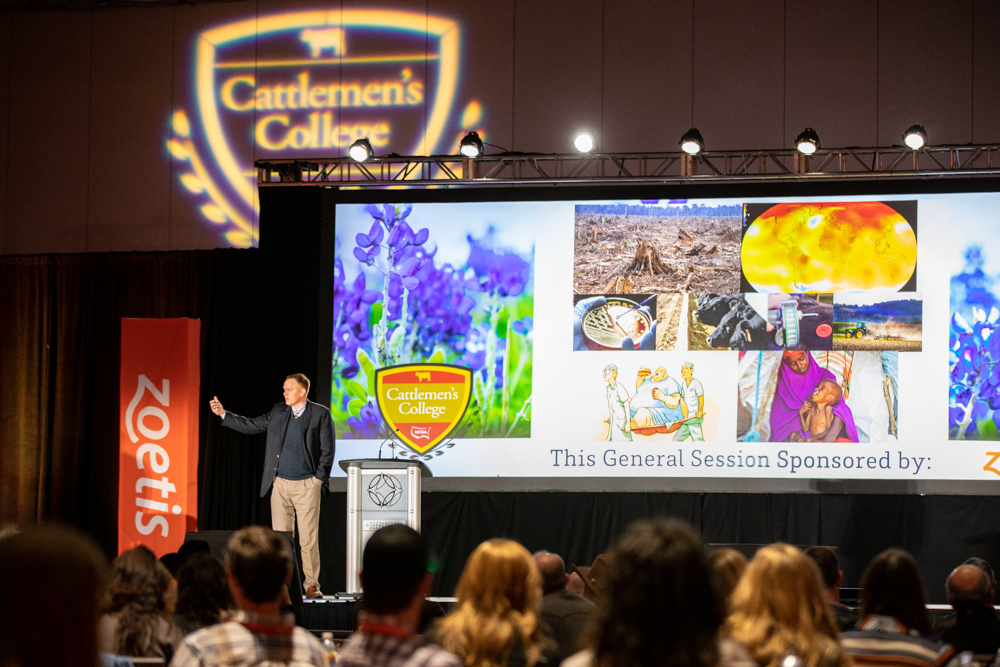
A chance opportunity. A change in career direction. And meat science was changed forever. Dr. Gary Smith originally had no plans to become a meat scientist. But thank goodness he did.
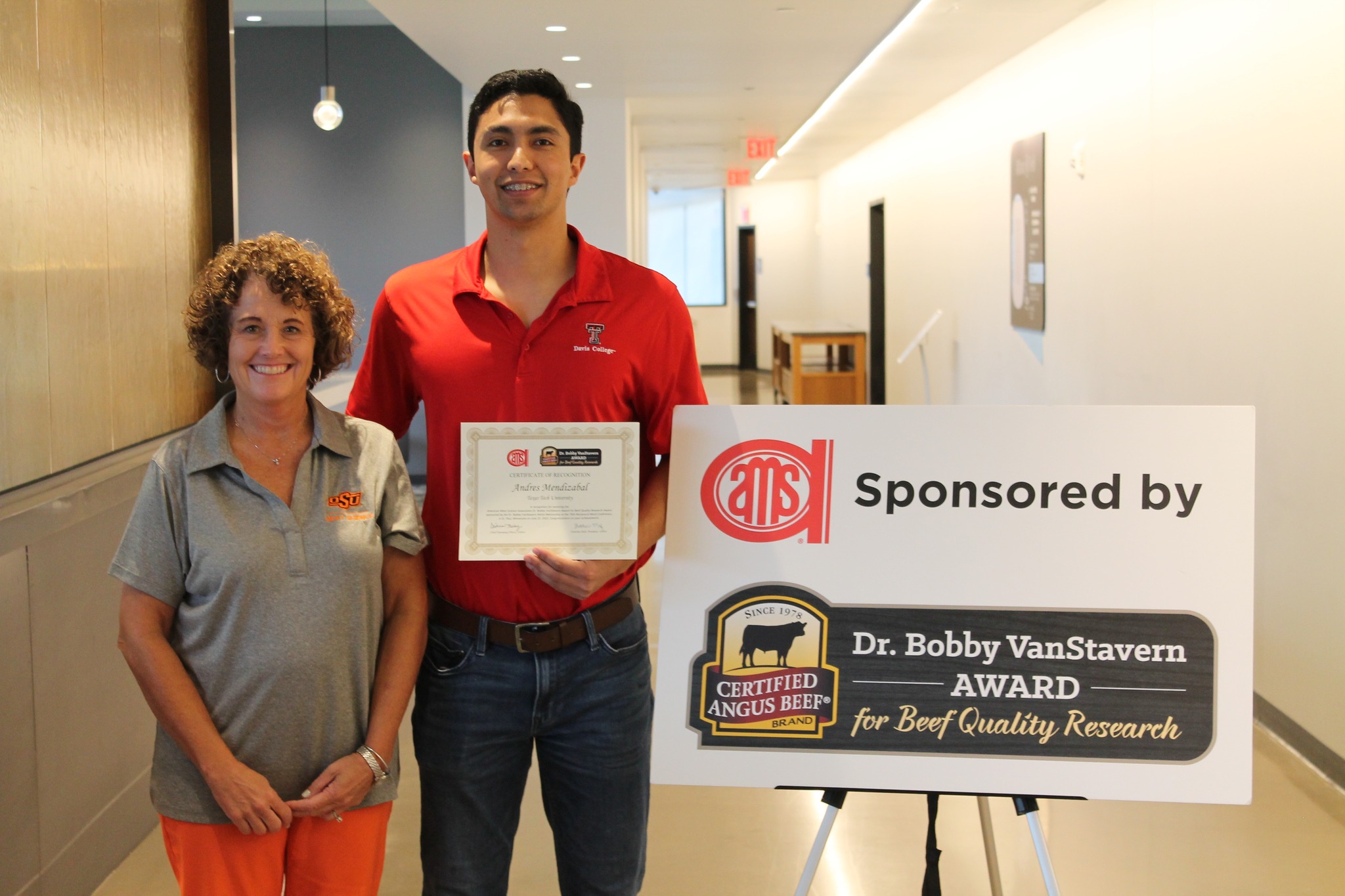
First-place honors go to Andres Mendizabal, an international student pursuing a Ph.D. in animal science at Texas Tech University. His research is titled, “The Accuracy of USDA Yield Grade and Beef Carcass Components as Predictors of Red Meat Yield.”
Stress of any kind affects performance and health, but also well-being and behavior, a special focus for CSU animal scientist Lily Edwards-Callaway. Her team’s literature review found shade benefits vary by location, structure type and the weather.
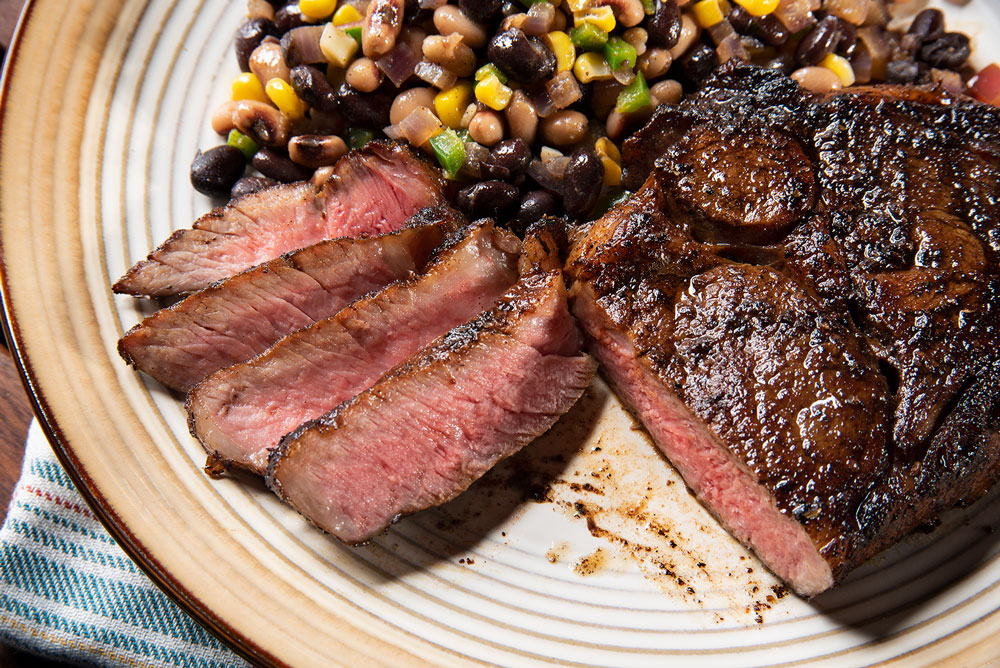
As a moderately to highly heritable trait, marbling is something that cattlemen have a lot of ability to manage. It also happens to be one of the major contributors to beef flavor. Texas Tech University meat scientist Jerrad Legako spoke about the topic at the 2020 American Society of Animal Science meetings.
Antibiotic resistance in cattle is a growing concern for producers and consumers. The goal for cattlemen and women is to implement strategies at the management level with good animal husbandry practices, routine health exams and vaccination.
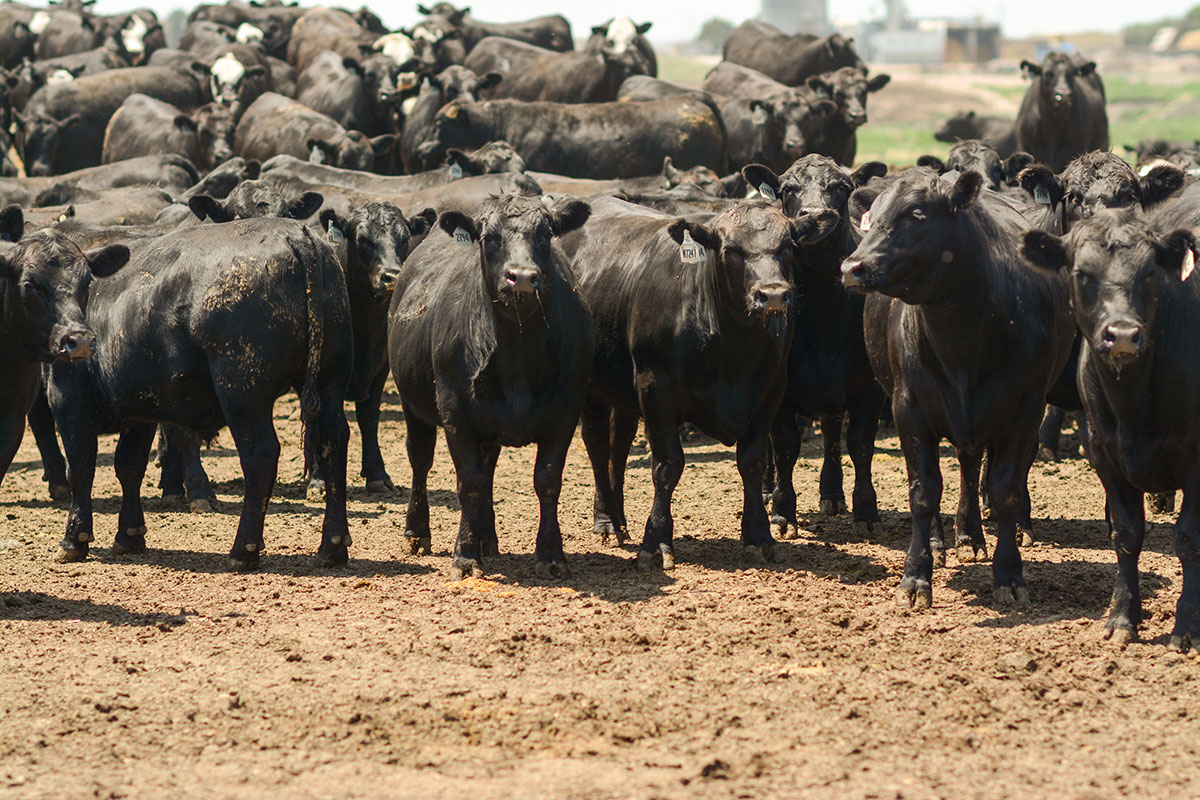
We all know cattle have a super power: they turn forages and grain into edible protein. What do those with the buying power know of that story? Two speakers at the 2020 Cattle Industry Convention put data to both the science and economic incentive of our beef sustainability discussions.
Cattlemen respond to consumer demands, even as they evolve from the call for premium quality to transparent production practices. We know that, thanks to ongoing work from NCBA. Overall, beef is doing well and will continue while half of consumers rank it as a top source of protein.
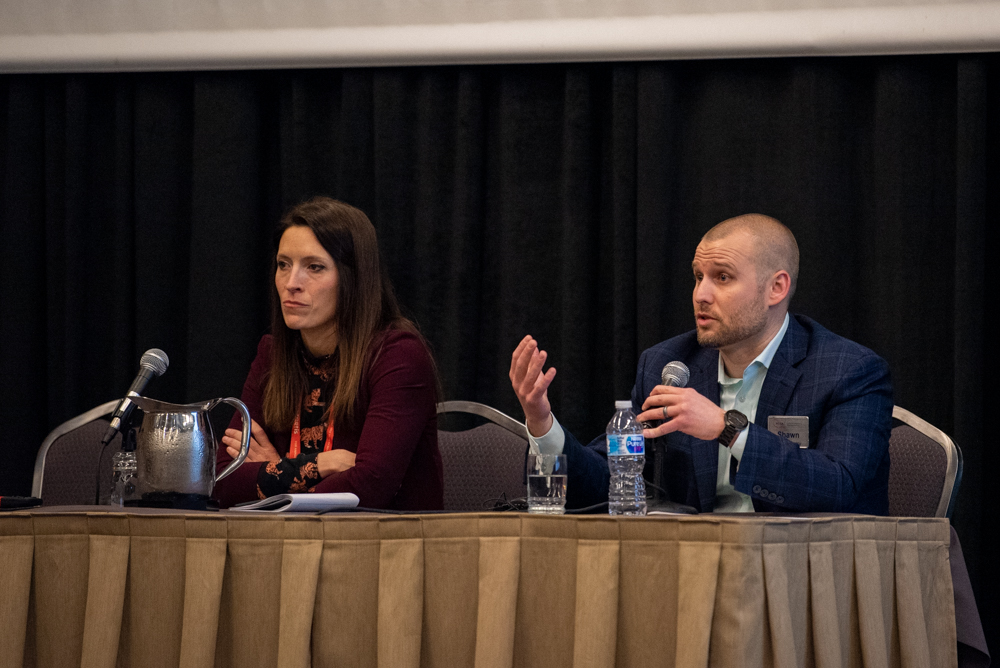
We know what keeps an animal healthy, but do we know what they want? Lily Edwards-Callaway, of Colorado State University, shared animal welfare research during Cattlemen’s College session at the 2020 Cattle Industry Convention that she tag-teamed with NCBA’s Shawn Darcy.
In a world where producers select for any production traits, why not start focusing on health genetics? The American Angus Association is collaborating with scientists in Canada and Australia to get at the genetics of immunity.
Undetectable diseases are hard to cure. That’s why the industry is working to find new ways of treating liver abscesses. Tylan is effective, but as antibiotic-resistance concerns and conversations continue, its future is not assured.
Manage Consent
To provide the best experiences, we use technologies like cookies to store and/or access device information. Consenting to these technologies will allow us to process data such as browsing behavior or unique IDs on this site. Not consenting or withdrawing consent, may adversely affect certain features and functions.
Functional
Always active
The technical storage or access is strictly necessary for the legitimate purpose of enabling the use of a specific service explicitly requested by the subscriber or user, or for the sole purpose of carrying out the transmission of a communication over an electronic communications network.
Preferences
The technical storage or access is necessary for the legitimate purpose of storing preferences that are not requested by the subscriber or user.
Statistics
The technical storage or access that is used exclusively for statistical purposes.The technical storage or access that is used exclusively for anonymous statistical purposes. Without a subpoena, voluntary compliance on the part of your Internet Service Provider, or additional records from a third party, information stored or retrieved for this purpose alone cannot usually be used to identify you.
Marketing
The technical storage or access is required to create user profiles to send advertising, or to track the user on a website or across several websites for similar marketing purposes.