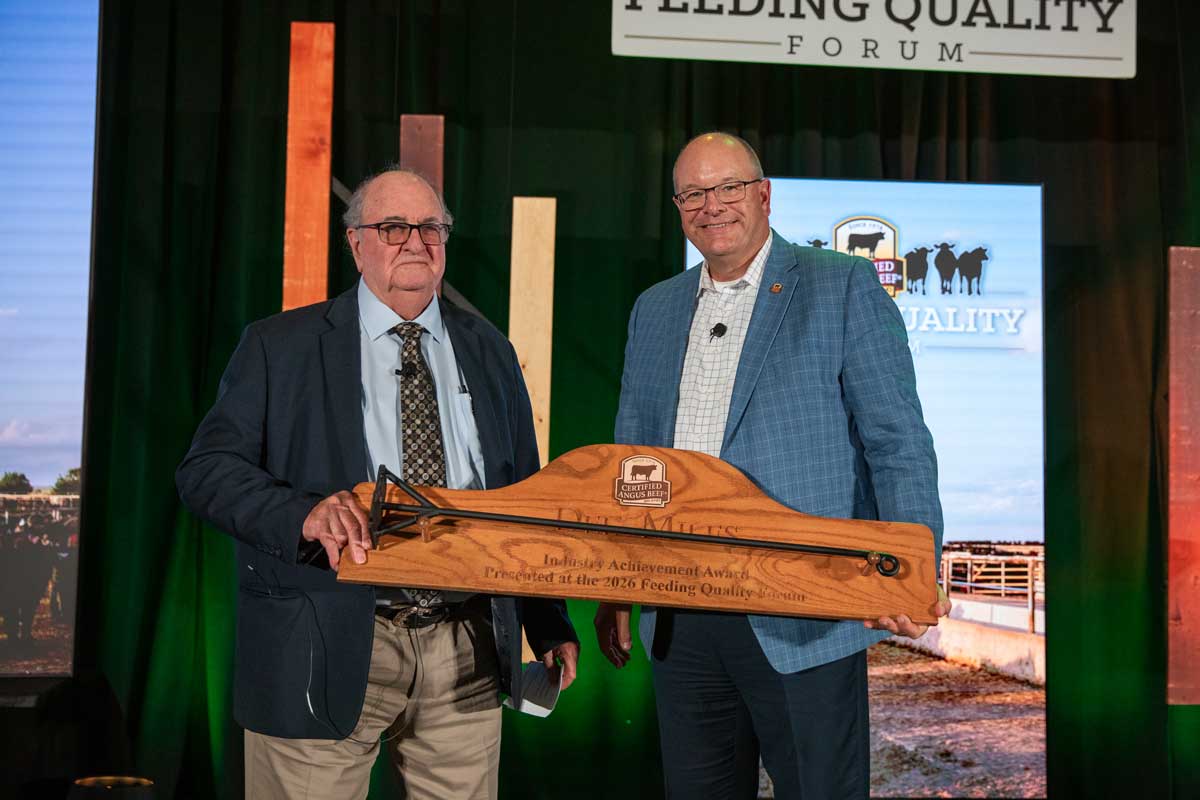
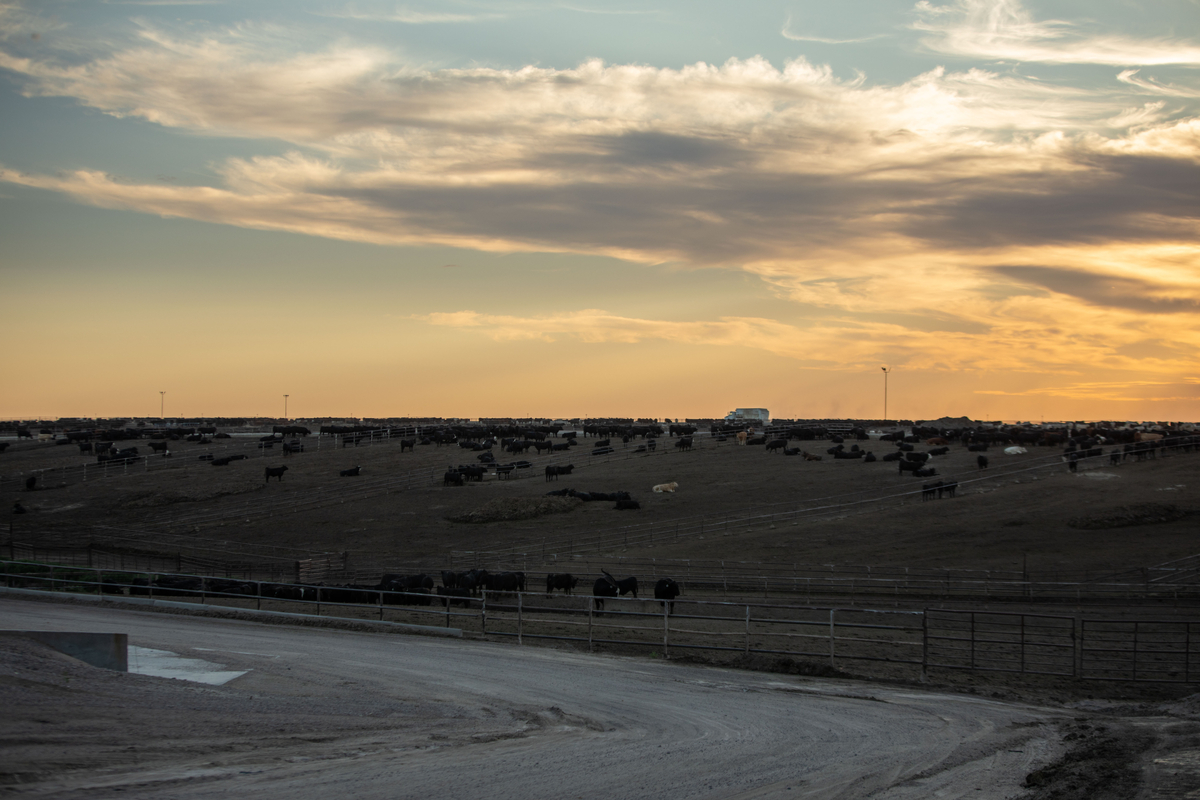
Dr. Del Miles built a career on asking better questions to inform smarter decisions. Throughout his career, he challenged assumptions, advanced science-based management and helped cattle feeders prevent problems before they started. His influence reaches beyond feedyards, shaping the way veterinarians, researchers and cattlemen think about herd health.
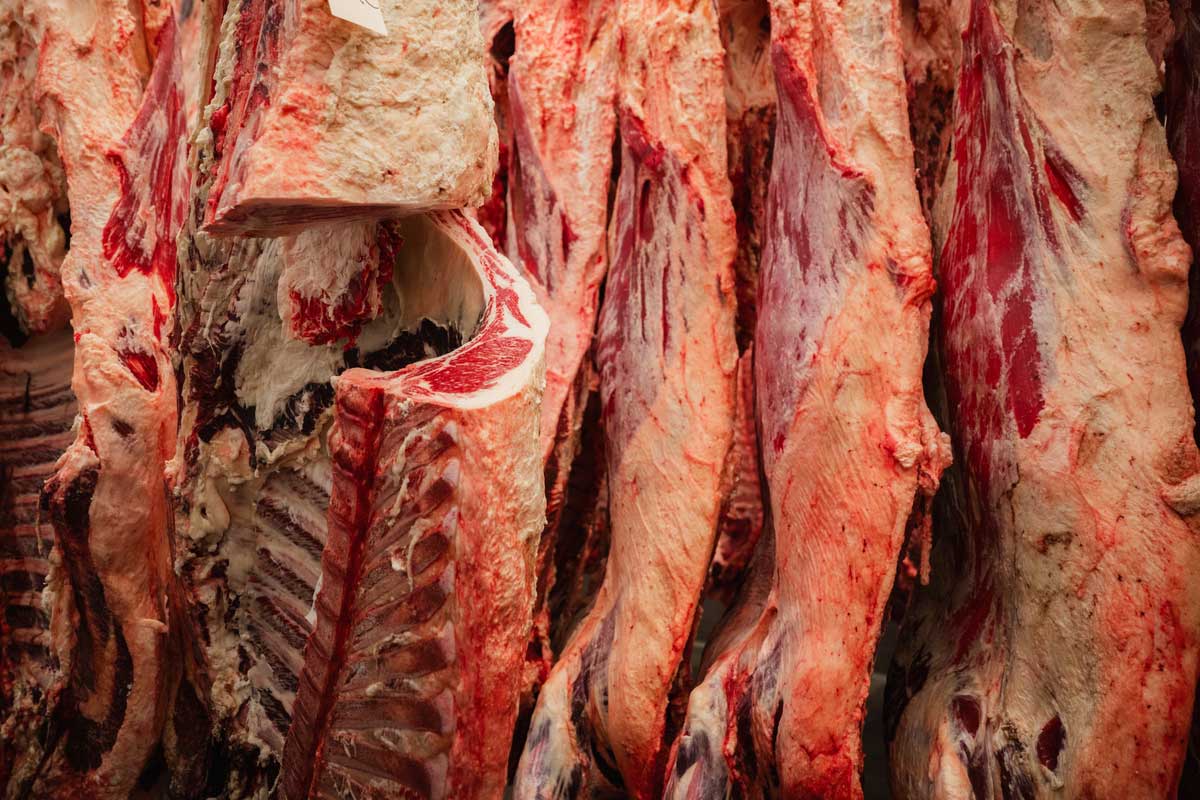
The data-driven approach to carcass grading and marketing helps you reduce variability and capture more premiums. Achieving Prime pays off, and genetics can help you hit your quality goals faster.
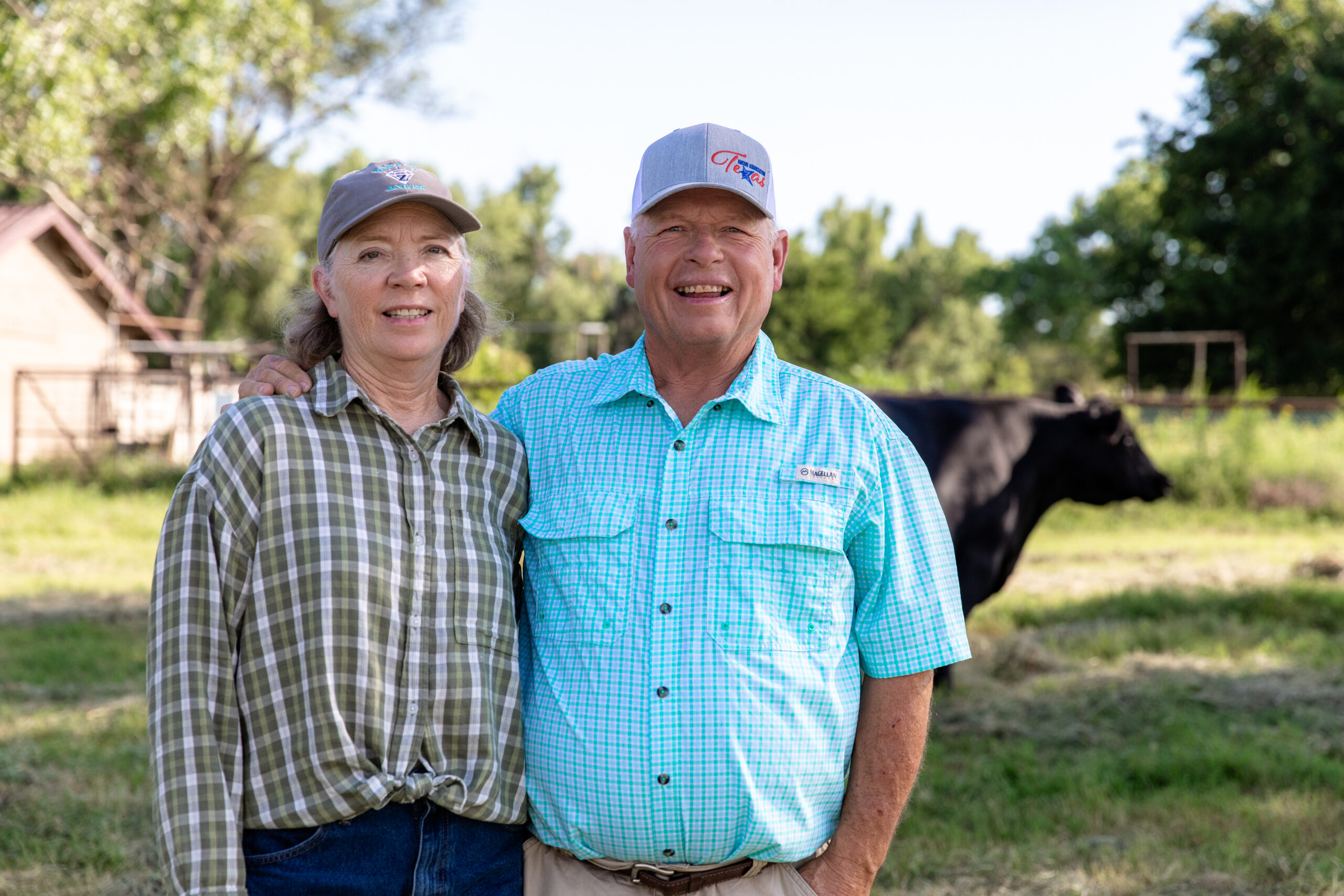
“When I die, I want to come back as one of your cows,” murmurs a friend to Steve Zybach. Full to the brim from an alfalfa ration every day, bountiful fields of lovegrass stretched out across the Texas Panhandle—and owners who leave no ounce of cattle care up for question. The Zybachs’ motivation for this level of dedication to their Angus cattle is simply love.
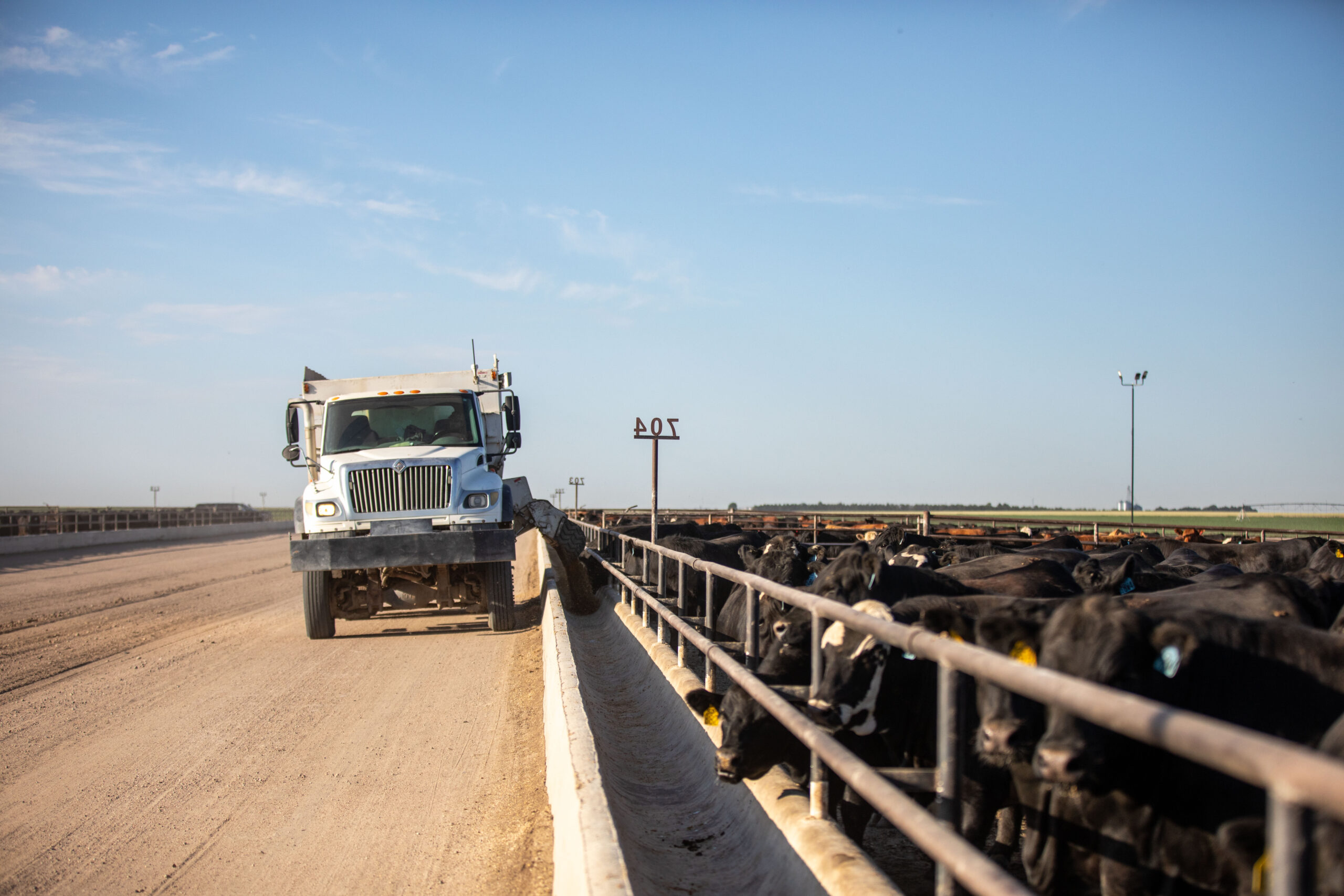
For Dallas Knobloch, it’s not about being the biggest feedyard—it’s about building a high-quality system that works. Today, with Tory’s wife Sadie and daughter Ivy, the Knobloch family owns and operates 4K Cattle. They feed 2,500 cattle at eight locations within 10 miles of home, manage 1,000 acres of crops and run a 125-head cow herd, all near Hills, Minn.
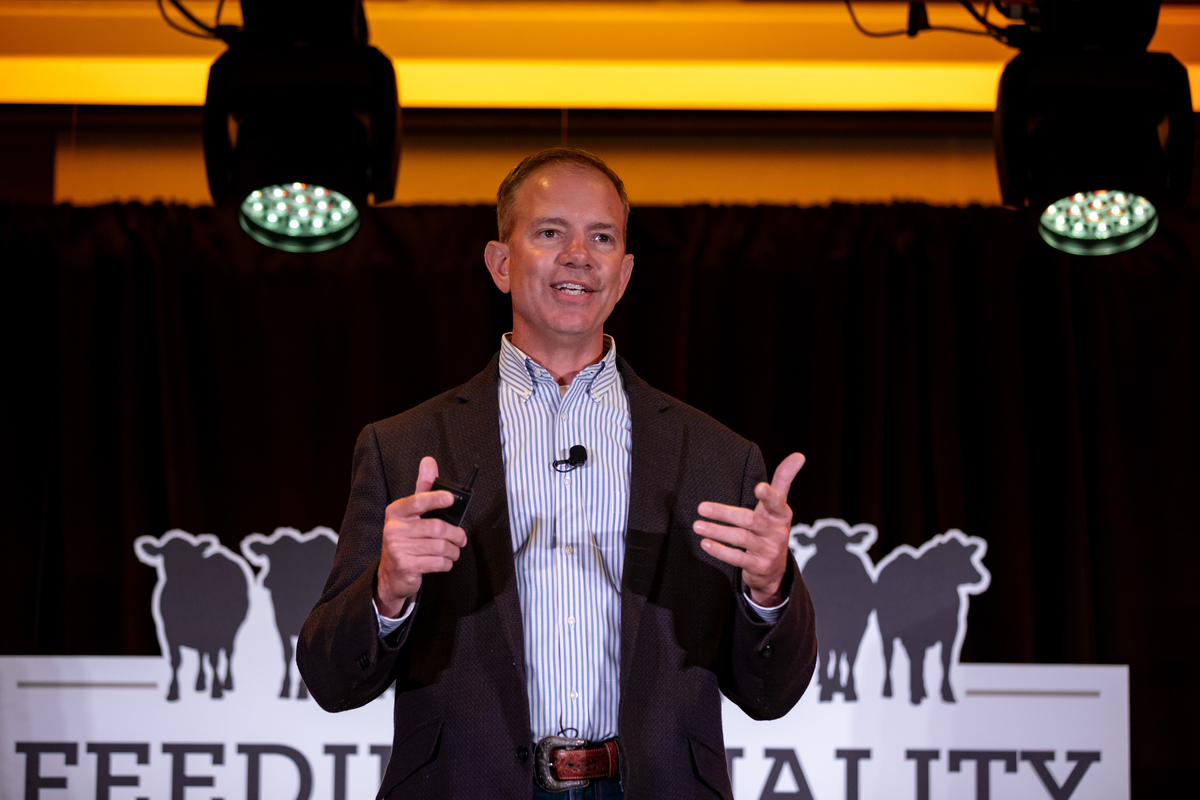
Discussions at Feeding Quality Forum reaffirmed the industry’s commitment to quality, transparency and innovation. With record Prime rates and strong consumer demand, producers who invest in genetics, health and relationships are positioned to drive progress and capture premiums.
A chance opportunity. A change in career direction. And meat science was changed forever. Dr. Gary Smith originally had no plans to become a meat scientist. But thank goodness he did.
Feedyards are encouraged to feed cattle longer, thus pushing carcass weights to record highs. More and more pounds — but how many of those pounds are saleable beef? Is there a way to increase red meat yield while maintaining marbling for palatability — without increasing the waste fat?
When you’re feeding cattle, it counts to keep track of every calf, pound and dollar. Beyond the event’s educational sessions, networking between segments of the beef supply chain is invaluable—from feeders and cow-calf operators to allied industry and university researchers.
Progress happens when people are at the table, engaged and committed to action. With a vested interest in the industry’s future, CAB is leaning in on conversations surrounding evolutions in meat science.
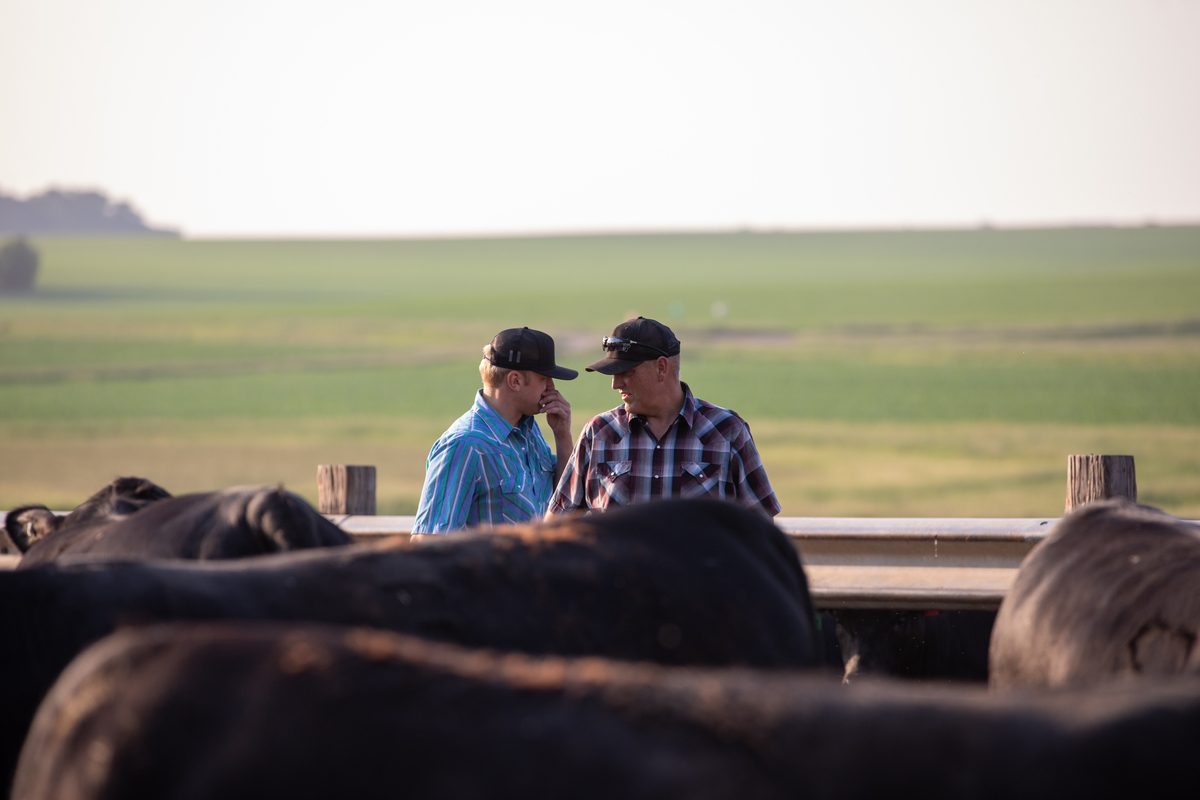
Not everyone is cut out to be a cattle feeder. It’s an art and a science that comes with a need to overcome risk. Wayne Carpenter fed his first pen of steers in 1980 and lost money. But he stuck with it. Today with their sons’ families, he and wife Leisha run the 15,000-head-capacity Carpenter Cattle Company.
Manage Consent
To provide the best experiences, we use technologies like cookies to store and/or access device information. Consenting to these technologies will allow us to process data such as browsing behavior or unique IDs on this site. Not consenting or withdrawing consent, may adversely affect certain features and functions.
Functional
Always active
The technical storage or access is strictly necessary for the legitimate purpose of enabling the use of a specific service explicitly requested by the subscriber or user, or for the sole purpose of carrying out the transmission of a communication over an electronic communications network.
Preferences
The technical storage or access is necessary for the legitimate purpose of storing preferences that are not requested by the subscriber or user.
Statistics
The technical storage or access that is used exclusively for statistical purposes.The technical storage or access that is used exclusively for anonymous statistical purposes. Without a subpoena, voluntary compliance on the part of your Internet Service Provider, or additional records from a third party, information stored or retrieved for this purpose alone cannot usually be used to identify you.
Marketing
The technical storage or access is required to create user profiles to send advertising, or to track the user on a website or across several websites for similar marketing purposes.