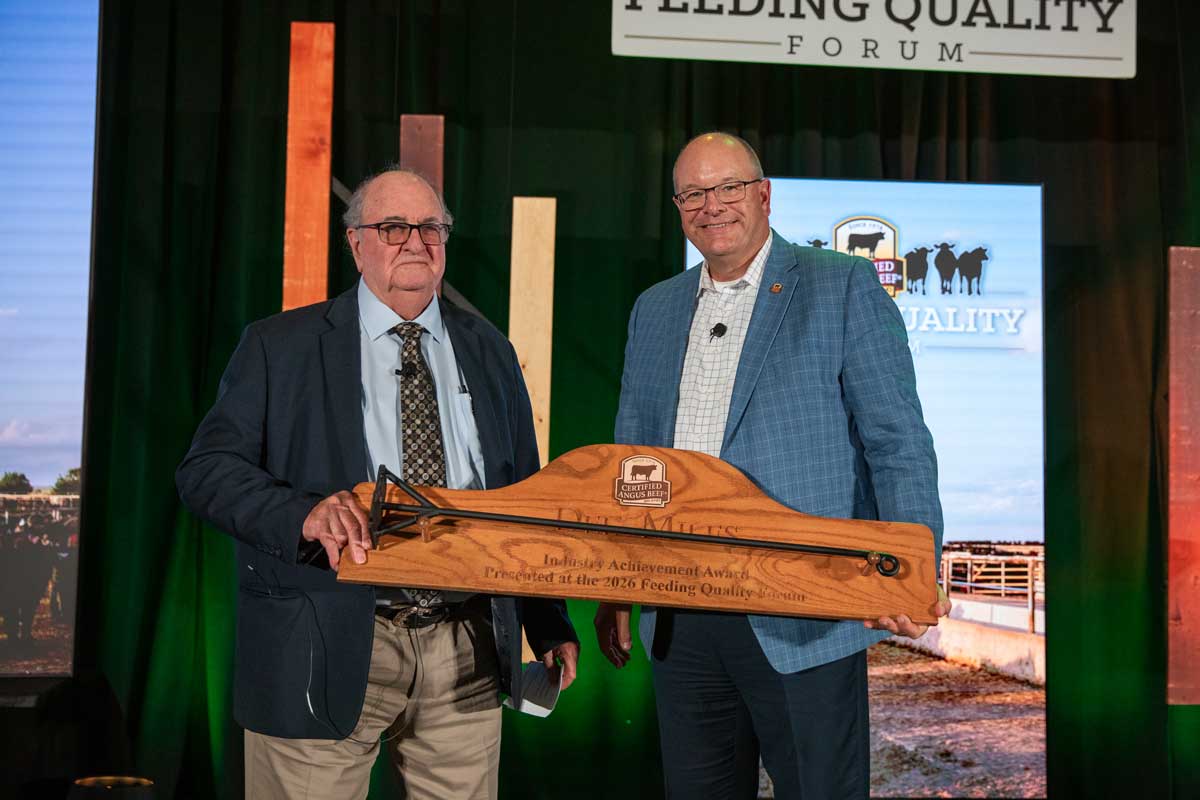
Dr. Del Miles built a career on asking better questions to inform smarter decisions. Throughout his career, he challenged assumptions, advanced science-based management and helped cattle feeders prevent problems before they started. His influence reaches beyond feedyards, shaping the way veterinarians, researchers and cattlemen think about herd health.
For Dallas Knobloch, it’s not about being the biggest feedyard—it’s about building a high-quality system that works. Today, with Tory’s wife Sadie and daughter Ivy, the Knobloch family owns and operates 4K Cattle. They feed 2,500 cattle at eight locations within 10 miles of home, manage 1,000 acres of crops and run a 125-head cow herd, all near Hills, Minn.
Discussions at Feeding Quality Forum reaffirmed the industry’s commitment to quality, transparency and innovation. With record Prime rates and strong consumer demand, producers who invest in genetics, health and relationships are positioned to drive progress and capture premiums.
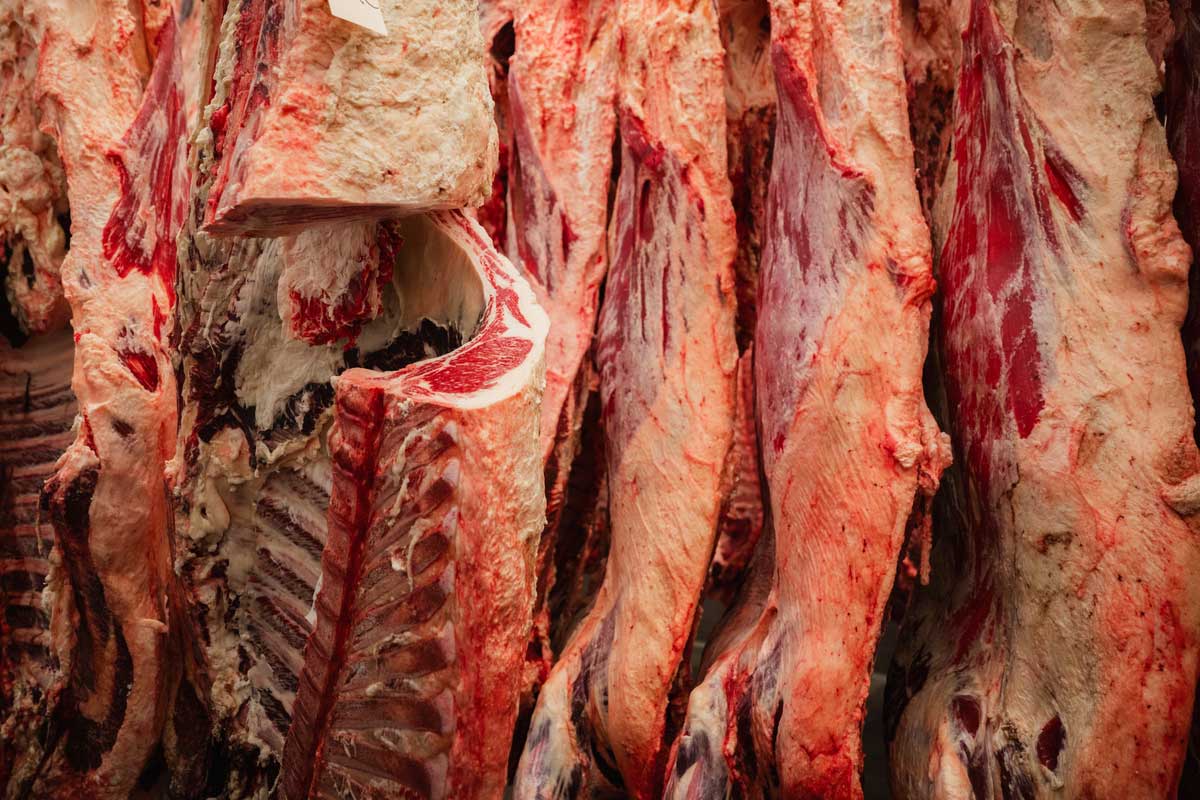
Feedyards are encouraged to feed cattle longer, thus pushing carcass weights to record highs. More and more pounds — but how many of those pounds are saleable beef? Is there a way to increase red meat yield while maintaining marbling for palatability — without increasing the waste fat?
When you’re feeding cattle, it counts to keep track of every calf, pound and dollar. Beyond the event’s educational sessions, networking between segments of the beef supply chain is invaluable—from feeders and cow-calf operators to allied industry and university researchers.
Not everyone is cut out to be a cattle feeder. It’s an art and a science that comes with a need to overcome risk. Wayne Carpenter fed his first pen of steers in 1980 and lost money. But he stuck with it. Today with their sons’ families, he and wife Leisha run the 15,000-head-capacity Carpenter Cattle Company.
Expert guidance from Dusty Abney at Cargill Animal Nutrition shares essential strategies for optimizing cattle nutrition during droughts, leading to healthier herds and increased profitability in challenging conditions.
Understanding what constitutes value takes an understanding of beef quality and yield thresholds that result in premiums and/or discounts. Generally, packers look for cattle that will garner a high quality grade and have excellent red meat yield, but realistically very few do both exceptionally well.
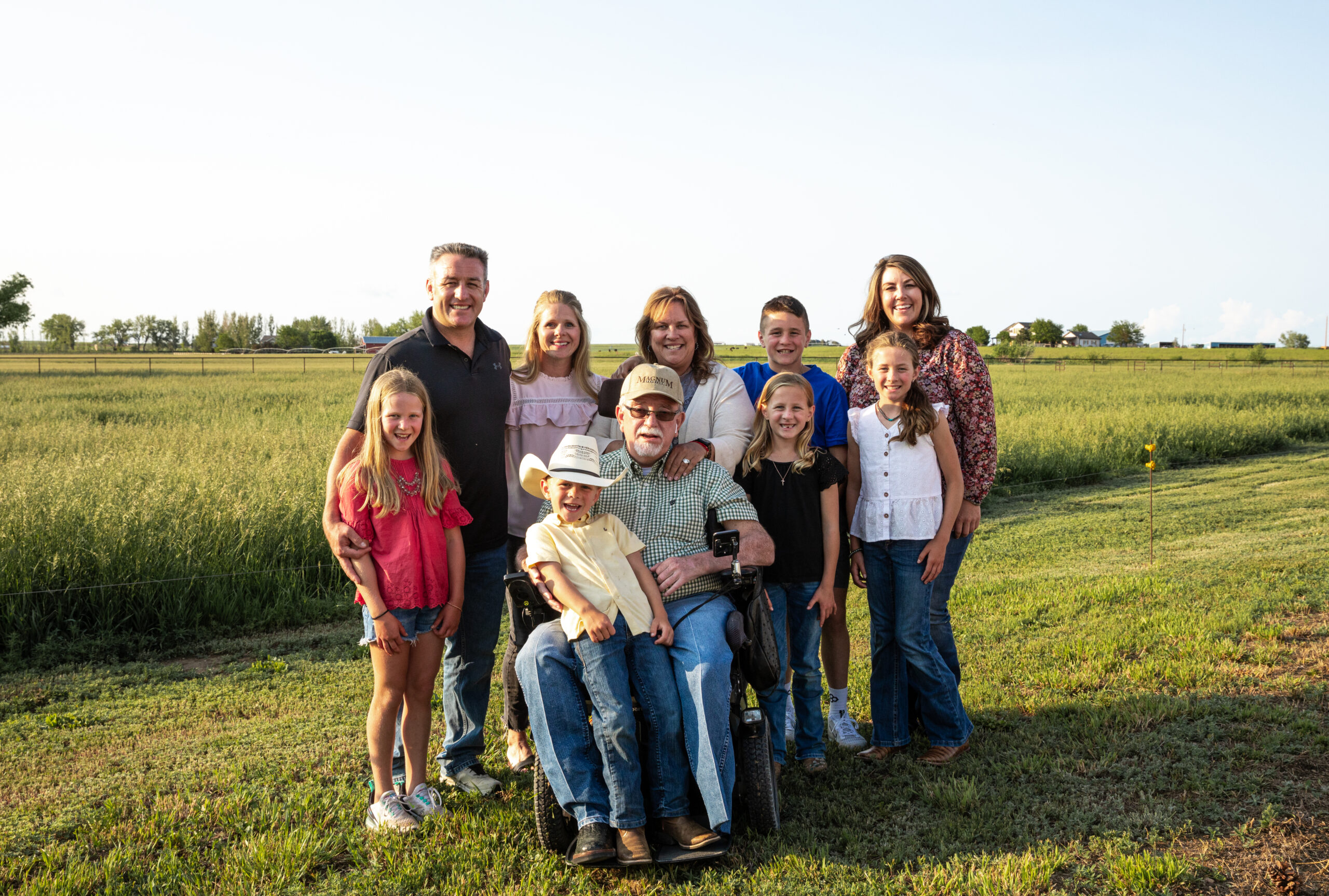
While Magnum hasn’t always had pens filled with Angus-influenced cattle, they’ve invested in infrastructure, improved quality-based marketing and sought better genetics. Their dedication to detail and employee appreciation drive their success to high-quality beef production.
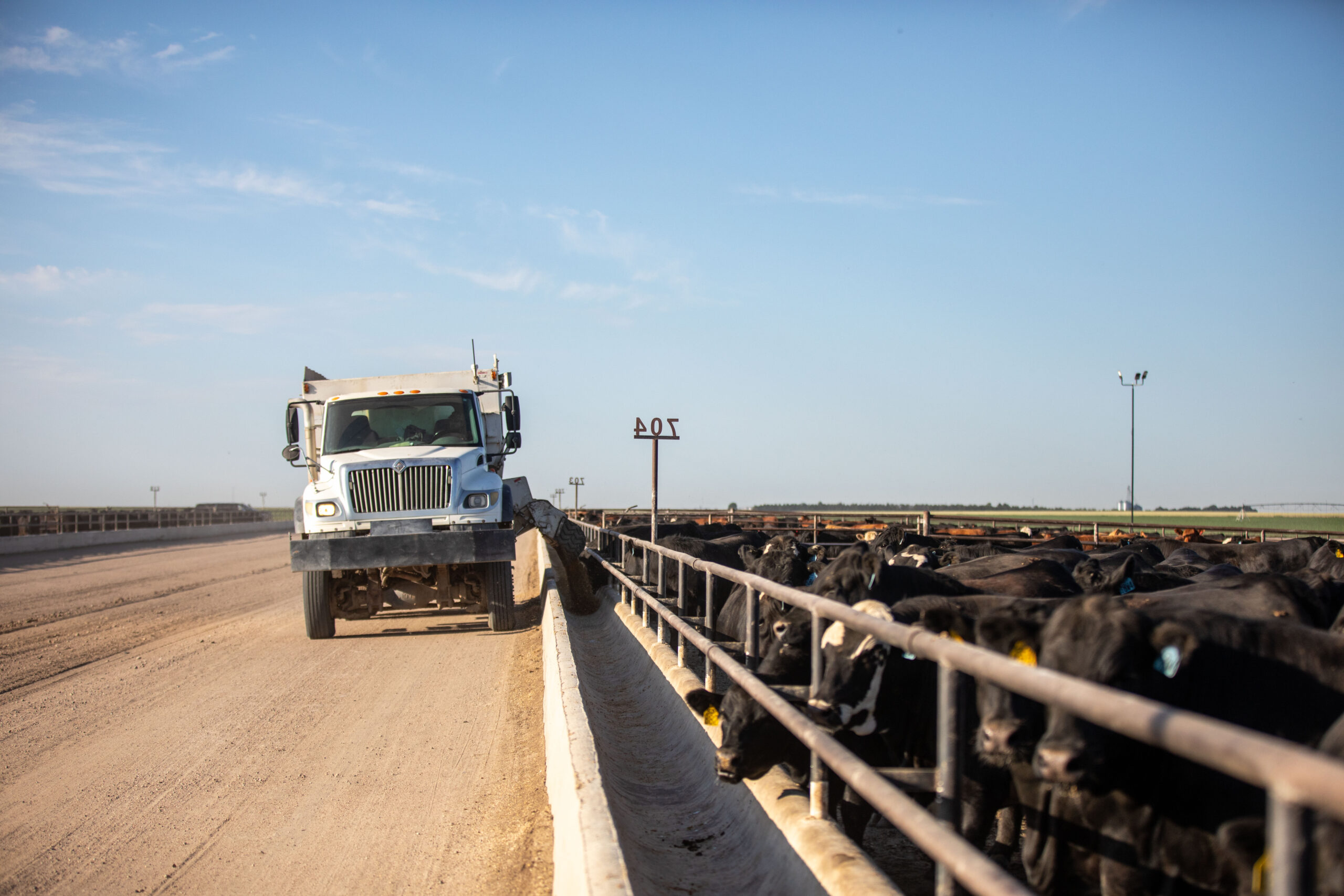
Thirty-five thousand cattle may fill these pens, but it’s the Gabel family who set the tone for each day. Steve and Audrey persistently create a people-first culture, echoed by their son Case and daughter Christie, who work alongside them in the yard office. The Gabel’s drive to effectively hit the high-quality beef target earned Magnum Feedyard the CAB 2023 Feedyard Commitment to Excellence award.
We use cookies to ensure that we give you the best experience on our website. By continuing to use this site, we will assume that you are in agreement.