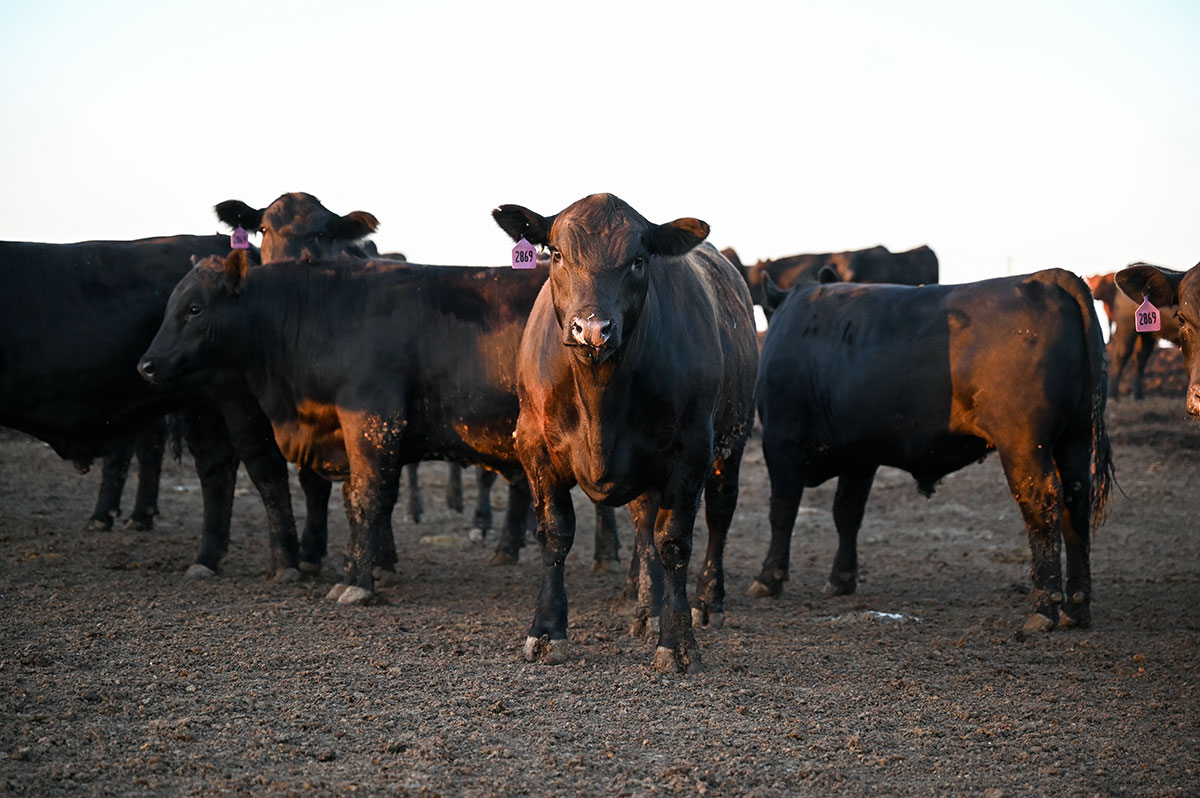
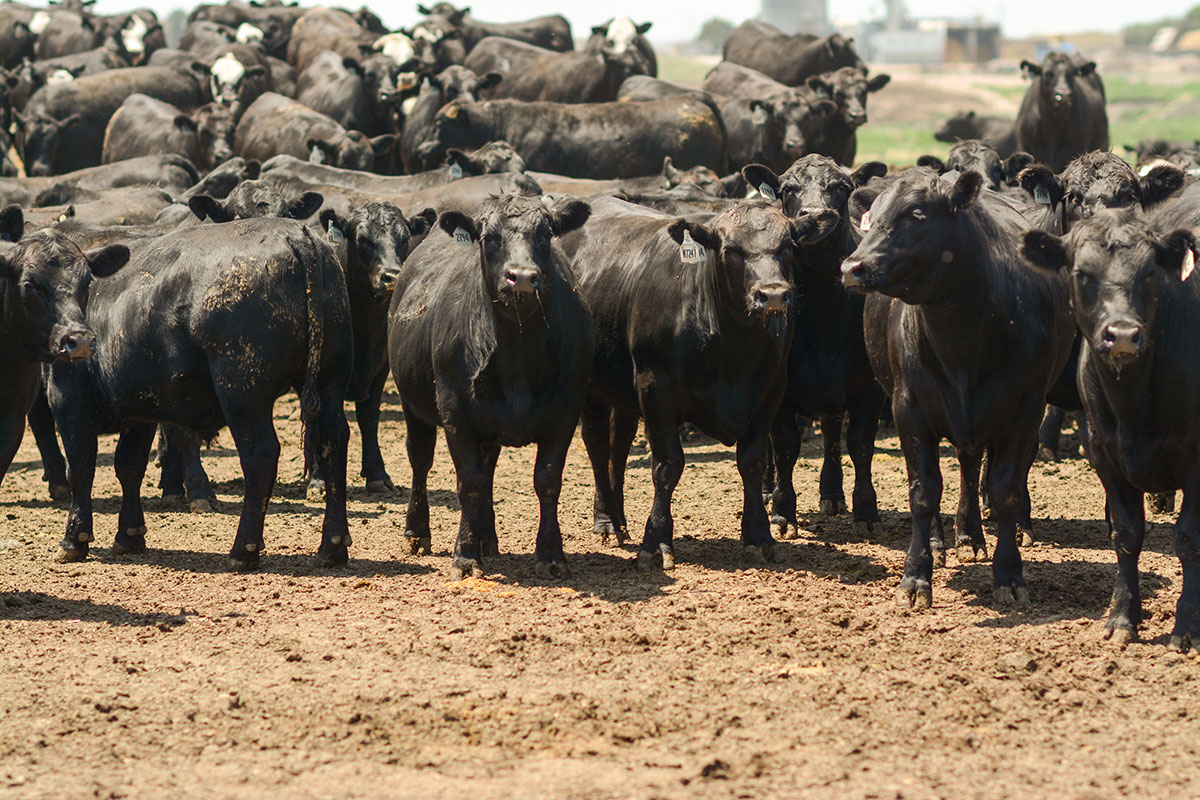
Unwavering, resolute, committed—pick one, because they’re all accurate descriptions of winners in the first quarter AngusSource® Carcass Challenge (ASCC). The top producers and feeders share a steady focus on raising and feeding superior cattle. Beginning last year, the ASCC highlights those enrolled in the AngusSource genetic-, source- and age-verified program. Eligible groups of at least 38 head must be fed at a Certified Angus Beef LLC (CAB) partner yard.
Most cattlemen are in business to make a profit. Many also think about how they fit into the total beef industry picture and can help grow beef demand. But only a few build relationships and use teamwork to bring the best beef possible to consumers here and abroad. Of those elite producers, fewer still rise to national recognition from Certified Angus Beef LLC (CAB).
Amid news of decreased consumer spending and falling stock prices, the beef industry has its bright spots. Market analyst Dillon Feuz says overall protein purchasing patterns point out a dedication to beef.
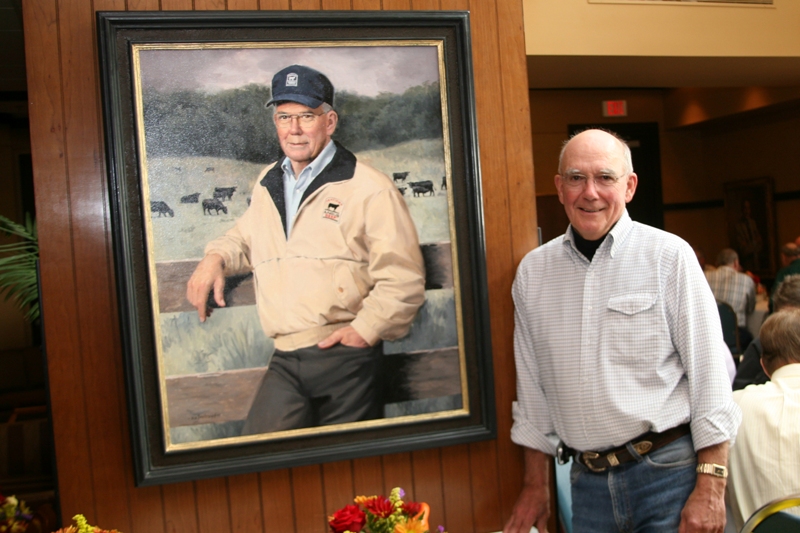
Only one honored stockman each year can win a spot in the hallowed hall of fame in Louisville, Ky. Officials of the Kentucky State Fair Board have announced that Louis M. “Mick” Colvin will receive the 2009 Saddle & Sirloin Portrait Award. Colvin’s portrait will be hung in November in the historic gallery at the Kentucky State Fair and Exposition Center. The Saddle & Sirloin gallery honors pioneers in animal agriculture, with the earliest portraits of European stockmen from the 1700s.
An industry that aims to be consumer driven must first identify its drivers. That’s why “Defining Consumers – Emerging Expectations” was part of the Pfizer-sponsored Cattlemen’s College at the winter National Cattlemen’s Beef Association (NCBA) meeting in Phoenix, Ariz.
Red meat is often blamed for heart disease, obesity and a host of other diet-induced conditions. But scientific journalist Gary Taubes says carbohydrates and low-fat diets may be the real culprit. He shared the results of a “12-year obsession with finding what’s real and what’s not” with cattlemen and industry representatives at a previous Feeding Quality Forum.
Maximizing quality and efficiency calls for different implanting strategies on steers versus heifers. A Certified Angus Beef LLC (CAB) seven-year study characterized the effect of trenbolone acetate (TBA) growth implants on both sexes.
Low mortality isn’t the only way to measure the success of your health program. Pfizer veterinarian Robin Falkner told attendees at last fall’s Feeding Quality Forums, held in North Platte, Neb., and Amarillo, Texas, to start thinking about disease management a little differently. “We want to worry about things that can change and that can matter,” he said.
It’s all in the details at Will Feed, Inc., Cozad, Neb. The 3,000-head feedyard focuses on managing cattle and data in tandem to return the most money and information to the rancher. That’s why the business has licensed with Certified Angus Beef LLC (CAB).
We use cookies to ensure that we give you the best experience on our website. By continuing to use this site, we will assume that you are in agreement.