Yesterday’s youth, tomorrow’s leaders
It’s an interesting thing being young. There’s much to see and learn and decipher, and sometimes it can be as challenging as it is exciting. One things for sure, though, it’s a whole lot of fun!
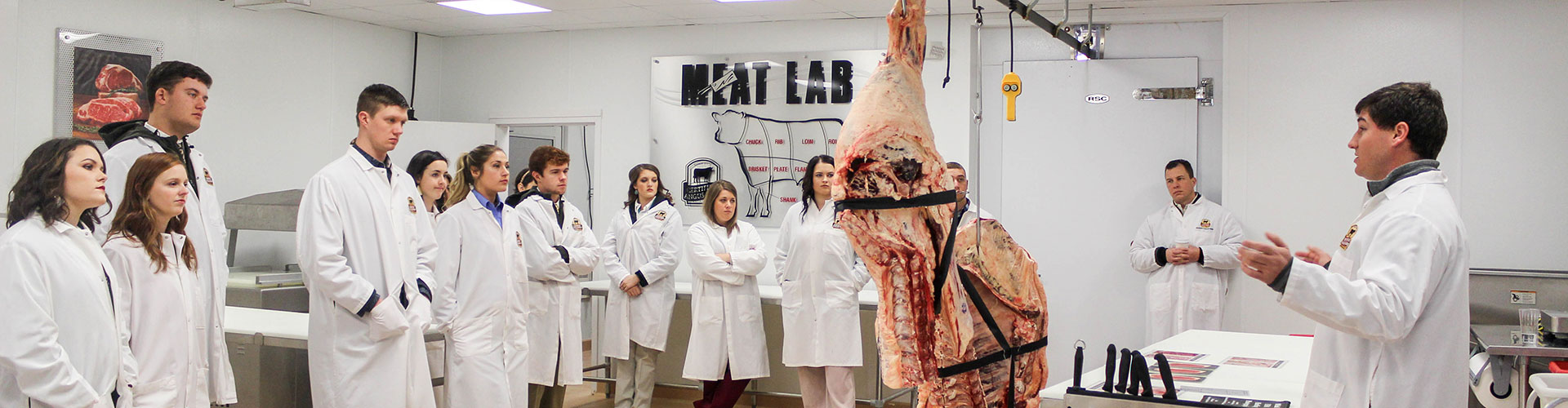
So along with snow and freezing temperatures, the first week of January brought some of the breed’s young leaders to Wooster for our annual Youth Leaders Orientation.
The way we see it at CAB, it’s an opportunity to engage and educate the next generation of influential cattlemen. Our staff in Ohio make sure our young people leave with a better understanding of the brand that supports the cattle they raise.
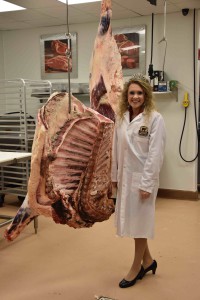 “We know that a lot of what we do at CAB is out of sight, out of mind for these young Angus breeders,” says fellow Black Ink teammate Kara Lee.
Of course it’s a world that brings value to what they do at home, but it’s pretty different from life on the ranch or at school.
Most groups who come into our Education & Culinary Center (ECC) know a decent amount about the food industry. Along with building on that knowledge, it’s the production story that we get to share.
The inverse is true for this group. That’s their business so we leave cattle alone for a few days. I know. I know that’s unrealistic. They’ll demand our attention at the worst and best of times!
I digress. So instead, we shine the spotlight on foodservice and brand marketing to reveal how a high-quality steak may leave their ranch as a steer and end up on a consumer’s plate.
We learn a lot from them, too.
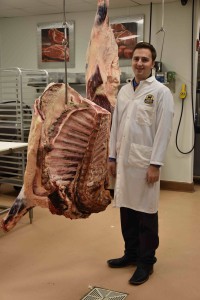 Alex Rogen, Brandon, S.D., is a junior at South Dakota State University and has Angus production in his genes. Time in the show ring with steers and in the pasture with bulls led him to the pre-vet track. He’s also the National Junior Angus Association’s chairman of the board.
“The biggest takeaway was the affirmation that a quality product needs to be our key focus,” Alex said after joining the Wooster gang for a few days, “because without it, we don’t have a job that’s going to make us money. It was a good reminder, for me and others, that it’s not just the cattle industry, but the beef industry.”
Consumers have to want it and be willing to pay for it, he went on to say. Otherwise, beef may not be the protein of choice.
“To be able to go learn and share with people that there are specifications in place that can guarantee a consistent and reliable eating experience is honestly a privilege,” he said.
For those coming from a stock show background, Alex added, “It’s important to keep that terminal outlook on things. At the end of the day the cows are pretty, but they have to work and do good things for the consumer.”
If you’re interested in attending our 2017 Youth Leaders Orientation January 3-4, be on the lookout for applications this summer.
You may also like
Hard work, luck and smarts
Sometimes it’s easy to see where a person is and forget where they’ve been. It’s easy to stare down the success in the here-and-now, without even a glance at their past. When I learned Gerald Timmerman won our Feeding Quality Forum Industry Achievement Award, I knew the family in generalities…for their feeding businesses spread across Nebraska and surrounding states. I knew they had some ranching and other beef industry interests.
A packer buyer’s favorite cross
A packer buyer’s favorite cross As the Brand the Barn intern, I’ve attended a lot of barn celebrations this summer (18 to be exact). Each time I’m struck by the variety of people in attendance. Sometimes, it’s a seedstock operation and bull buyers attend. Other times,...
Putting it in perspective
The older I get, the more I realize perspective is important. What would be a drought in Minnesota might be a really good summer in west Texas; what is a lot of noise to one family might be an average day in our house full of kids; what might seem cheap to some would be a lifetime’s savings for another.
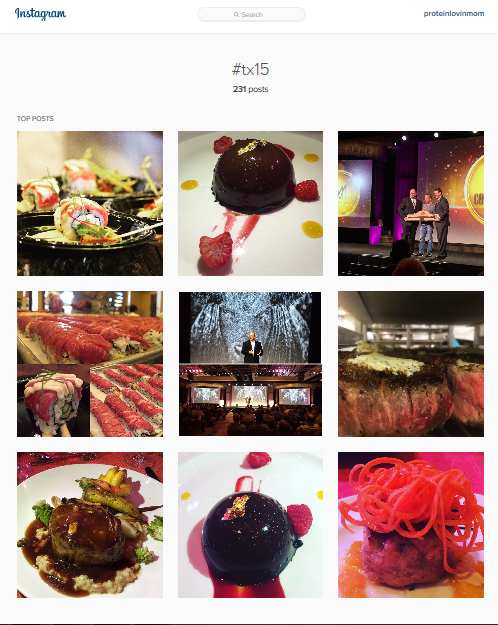

 It was full of good food, obviously, but also good news. For both sides of the beef biz.
 What’s most exciting, he said, is that pounds sold through foodservice have grown for five consecutive years. With record high prices throughout the beef supply chain, Mark called the sustained up-trend in sales a testament to the power of dependable quality at each step.
 Moreover, Mark says those he works with think like the ones I work with.
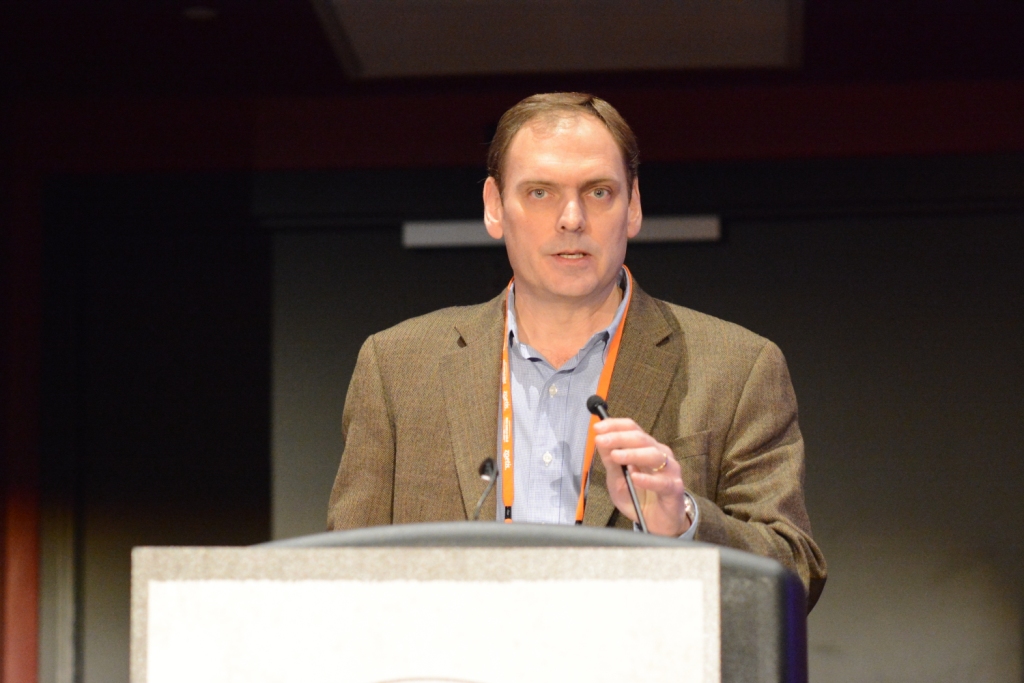




 Ask John Stika about cattlemen and you’ll get a straightforward answer.
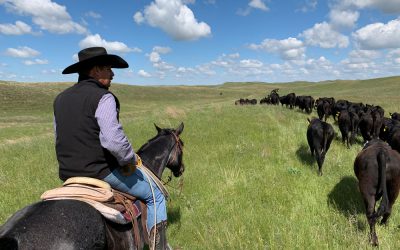
 “This is a very creative industry. It’s not just through technology,” John says. “It’s about focus, it’s about discipline, it’s about being intentional and the choices and decisions we make in breeding and the management of cattle.”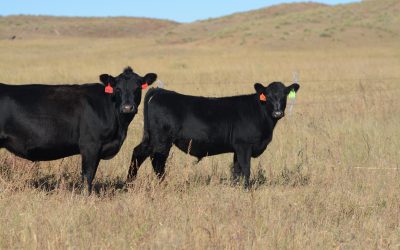


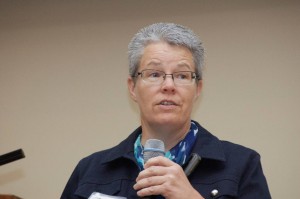
 John Hall, University of Idaho, said the biggest value of sorted semen is for smaller producers to shift the calf-crop gender, depending on their replacement heifer needs or desire to market more steers.
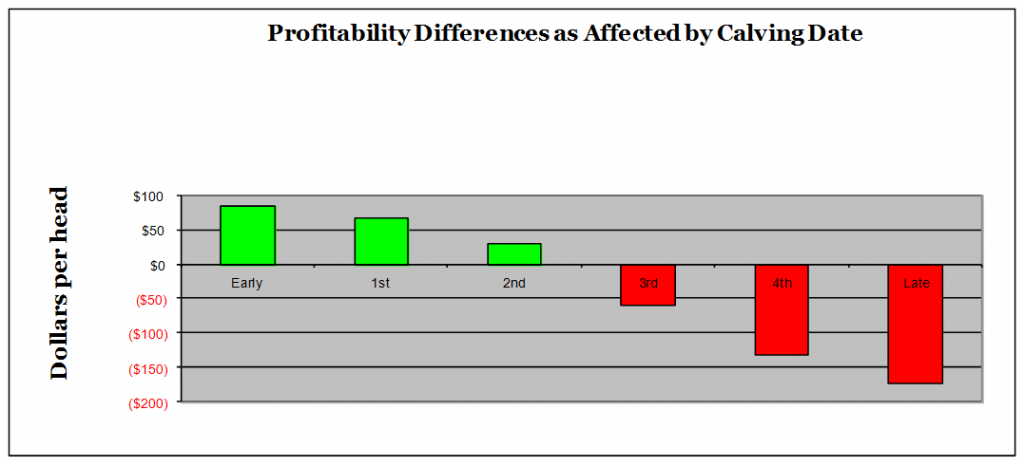

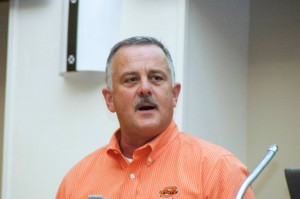 Synchronization pays. Cattlemen Roger Wann talked about his use of synchronization and fixed-time AI on his ranch in southeastern Oklahoma. “We can’t improve genetics if we can’t get cows pregnant,” Roger said. “Synchronization is the delivery method for genetic improvement.” It adds up to a $120 return per female exposed to estrous synchronization and timed AI compared to natural service—and that’s not including genetic gain.
 Fall intern Katy Kemp is currently pursuing a master’s degree in ag communications from Oklahoma State University. A nice coincidence, given that put her in the perfect place to cover this renowned reproduction conference. Watch for more highlights in tomorrow’s part II post.