
Beefed up findings: Cattle solve global warming

“Keep the big picture,” my dad tells me every time I drive away.

He implies I should be aware of my surroundings while traveling, but there’s deeper meaning to that well-worn phrase.

I often find myself with tunnel vision – so captivated by one idea or way of doing things that I can’t imagine others.

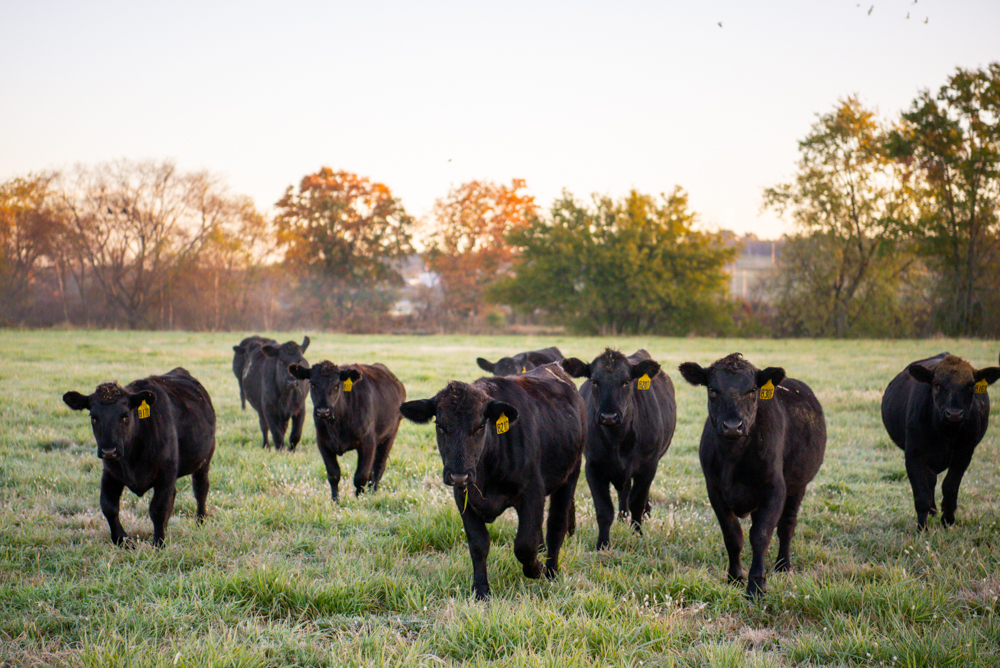
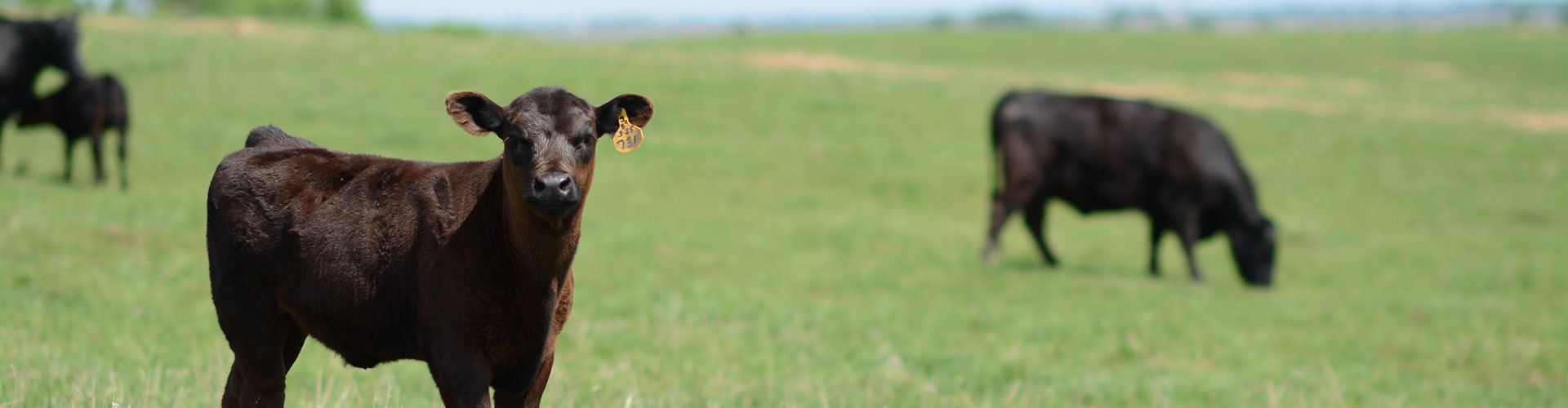
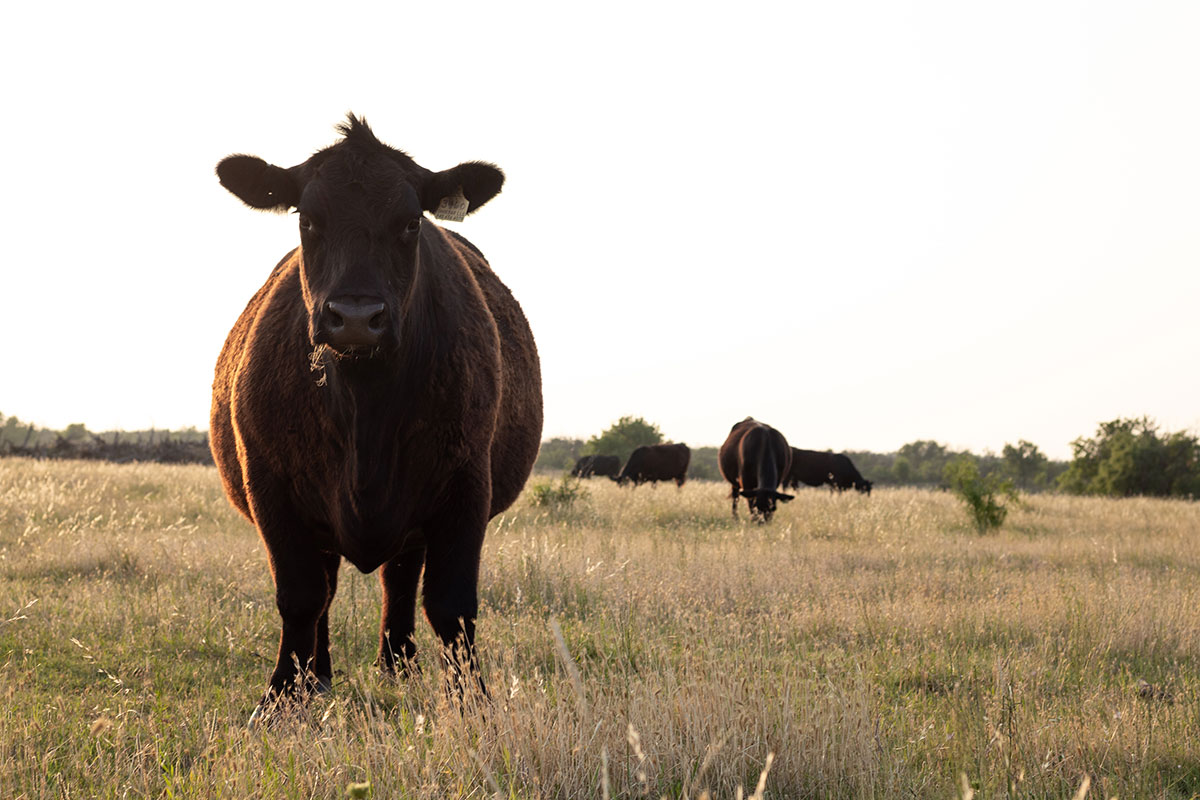
Livestock seem to be scapegoats for global warming, but maybe society needs to see a bigger picture, consider different perspectives.

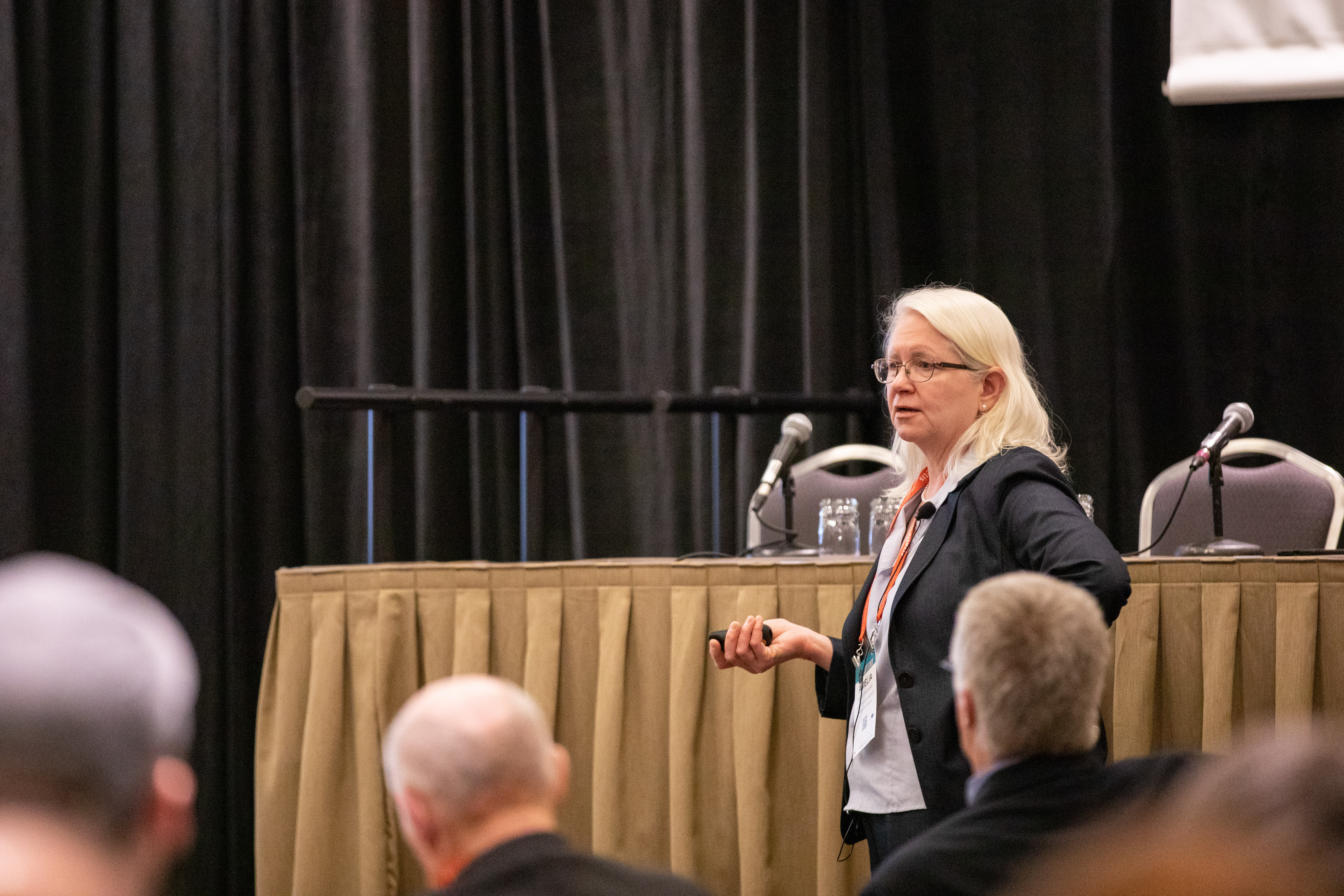
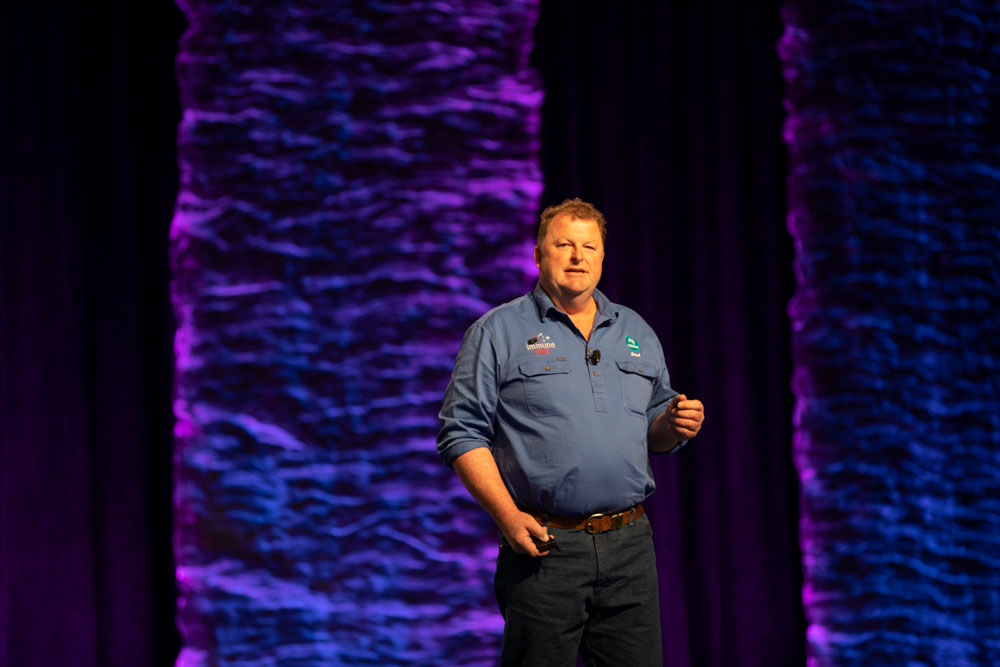
Frank Mitloehner, professor and air quality specialist at the University of California-Davis, wants to challenge common beliefs on animal agriculture and global warming.

Sure, he says, cattle add some methane to the air, but they make up for it. They counterbalance the amount of greenhouse gases emitted by fossil-fuel production and use in transportation.
At the recent Alltech ONE Virtual Conference, Mitloehner presented the science to prove cattle haven’t added new carbon to the atmosphere.

The greenhouse gases from livestock are very different from others. Yes, they have the same chemical makeup, but a distinctly different origin and fate.

“Carbon dioxide is a stock gas that accumulates over time,” Mitloehner said. “Methane is a flow gas.” That means it will stay at the same level if it is destroyed at the same rate it is released.

Methane’s fate links to the biogenic carbon cycle, which converts it to carbon dioxide that plants absorb by photosynthesis in a decade-long process. So yes, that takes 10 years but here’s the point: the cycle is current!

“The methane that our cows and other livestock put out will be gone after 10 years,” the scientist said.
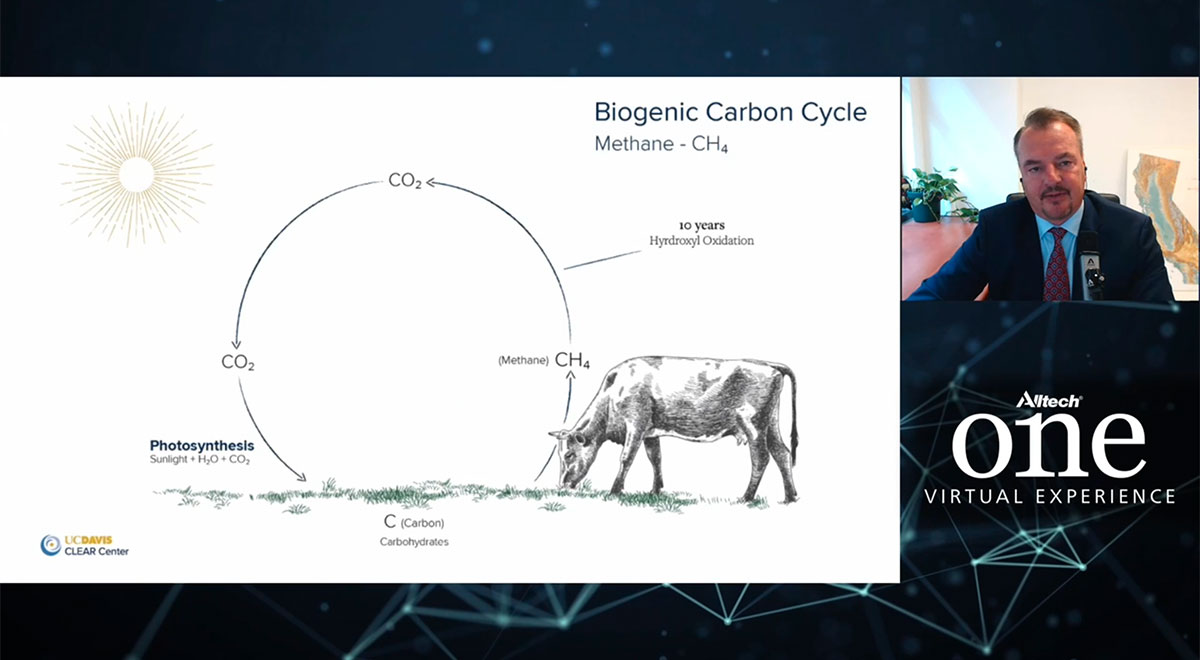
Knowing that, we can update the Global Warming Potential (GWP100) formula that tallies annual greenhouse gases, he added. It’s a brilliant bit of math but didn’t account for the biogenic carbon cycle, “so it’s inappropriate to be used for livestock.”

It just needed an asterisk.

GWP* factors in that cycle, only adding methane to the yearly prediction if it’s released faster than it cycles out.

“If you have constant livestock herds, or even decreasing livestock herds, then you are not adding new, additional carbon to the atmosphere,” Mitloehner concluded.

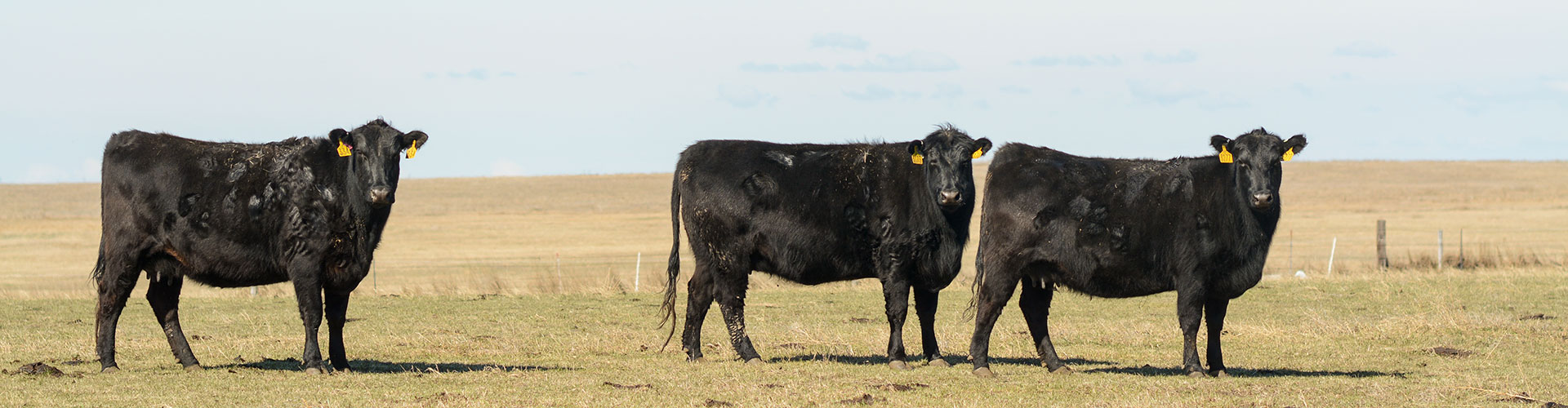
The number of beef cattle in the U.S. has been consistent to lower since 1970. This year’s cattle consume what’s left of the 2010 methane as they graze.

Neat, right?

I find encouragement knowing science supports what we’re doing with cattle and our planet, if you take a big-picture view.

maeley herring

About the author: Maeley Herring

Growing up on a cattle ranch in North Texas and being immersed in that world from a young age, I have always considered myself fortunate. But I am truly blessed to work with the brand as an intern. I get to communicate with the heart of the cattle industry – people who dedicate their lives to their families, quality cattle and irreplaceable land.
The Resistance

Cattle treatments that work today might not tomorrow

By: Miranda Reiman

Your veterinarian has treated thousands of calves with the same symptoms. She knows the tools that work. Just choose the right antibiotic at a prescribed dosage for so many days and they’ll be good as new. Works almost every time.

Until it almost never works.

“We hear about antibiotic resistance as it relates to people and to animals, and a lot of concerns about the relevance to agriculture,” says Amelia Woolums, Mississippi State University veterinarian.

But it also has importance in animal health.

“If a cow has an antibiotic-resistant bacteria that’s causing an infection, the cow may not get better if we treat it with antibiotics,” she says.

New decade, old dilemma

Antibiotic resistance may sound like a modern-era quandary, but early examples pepper our past.

“In some ways it’s a big problem, but it’s not really a new problem,” Woolums says. Penicillin was used widely during World War II and by 1948 resistant staphylococcus had become a global problem. Methicillin was developed as an answer, and a year later the first methicillin-resistant staph, commonly known today as MRSA, emerged.

“I think we thought, in the arms race against bacteria, that we could win it,” she says. But bacteria replicate quickly, and disclose their tricks to other bacteria by sharing DNA. “It’s really not a race we are winning.”

In the cattle community, studies show it is on the rise, especially in the last decade.

The growing resistance

“There are diseases cattle get where in the past we might have said, ‘Well, let’s just give an antibiotic, just in case,’” Woolums says. “That’s the attitude we’ve got to get away from.”

The time to make that shift is now.

Bovine respiratory disease (BRD) provides one complex case study, she says. There are four main bacteria that cause BRD, and 11 antimicrobials on the market are labeled to treat the most common one: Mannheimia haemolytica.

That’s where much of the research rests.

Studies from 1994, 2004 and 2011 showed an increase from virtually no resistance.

“Basically we had 20 years of not much antimicrobial resistance. We thought, ‘We don’t have to worry about this,’” she says. “That’s foreshadowing.”

Then work from Kansas State University’s diagnostic lab caught the attention of the animal science and veterinary community.

Nearly 400 samples across a three-year period, from 266 unique locations, gave insight into possible trends.

In 2009, only 5% of the bacteria were resistant to five or more antimicrobials; by 2011 that jumped to 35%.

Treatment history of the animals was unknown, “but these data still worried a lot of people,” Woolums says.

That inspired studies in live cattle.

At the University of Georgia, 169 high-risk stocker cattle were measured at arrival, given metaphilaxis—orpreventative antibiotic treatment—and swabbed again two weeks later.

Three-quarters of the cattle came in with bacteria that would respond to any antibiotic they were given. Two weeks later, that 75% number was 1%.

“Ninety-seven percent were resistant to the antibiotics we use all the time,” Woolums says. “They’d only been given one antibiotic.”

Concerning but, she says, “It’s important to note that this was not related to an unusually high rate of morbidity and mortality.”

More research is needed to determine the level that would cause a treatment failure.

Woolums and her colleagues completed an additional study that took those same swabs at four points from day one to day 21, it showed that the number of cattle shedding the bacteria went from 10% on the first day to 88%.

“That’s textbook,” Woolums says. “But what we didn’t really expect was that the pattern of multi-drug resistance would completely follow it.”

By day seven, 80% of the bacteria were resistant to multiple drugs, and they were genetically diverse, meaning they didn’t just proliferate from one carrier calf.

This isn’t meant to be a dire warning, Woolums says, but more of a caution sign. More research is needed and best practices need to follow suit.

Prevention, protocols and precautions

Sick cattle still need to be treated, and there are no new antibiotics on the horizon—in fact, there hasn’t been anew class added since 1978.

So what’s a producer to do?

“The No. 1 goal is efficient use of antibiotics, that we’re really heading off problems before they start,” says Brandi Karisch, Mississippi State University Extension beef cattle specialist. “Good animal husbandry and hygiene practices, routine health exams and vaccination are key strategies.”

To lessen the chances of needing treatment, limit stress, improve nutrition, and identify disease earlier, she says. “So, doing a good job of monitoring those cattle is vital.”

Then use antibiotics sparingly—only for the sick or highest-risk cattle—and use them right: follow label instructions, work closely with your veterinarian and observe proper withdrawal times.

“Treat for the recommended time period,” Karisch says. “How many of you know someone who starts feeling better and stops taking the antibiotic?”

For the greater good

When cattle are sick, cattlemen need medicine that works. When humans are sick, doctors need the same. The Centers for Disease Control (CDC) has already flagged this as growing area of concern.

“Antibiotic resistance is one of the biggest public health challenges of our time,” Karisch says, citing the CDC. More than 2.9 million people get an antibiotic-resistant infection each year. “So this is a very serious threat, not just on the livestock side of things, but in human medicine as well.”

Growing consumer concerns add another level of urgency to solving this problem.

“We’ve probably all seen the news headlines,” she says.

There’s a chance every tool your veterinarian has today will work for years, and there’s a chance it won’t work next week.

“We don’t really know yet. The negative impact on morbidity or mortality has not been clearly evident,” Karisch says. “But there’s that ‘yet’ that goes along with that.

“In the meantime, it’s really important that we’re doing a good job taking care of those cows,” she says.

Woolums and Karisch spoke as part of the 2020 Cattlemen’s College at the Cattle Industry Convention in San Antonio in February.

Originally ran in the Angus Journal.

You May Also Like…

Avoiding the storm

Avoiding the storm

The health of an animal is important at every level of production. Researchers have found a way to select cattle for disease-resistant genetics and strong immune systems.

The Resistance

The Resistance

Antibiotic resistance in cattle is a growing concern for producers and consumers. The goal for cattlemen and women is to implement strategies at the management level with good animal husbandry practices, routine health exams and vaccination.

The Resistance Part II: The bacteria battle

The Resistance Part II: The bacteria battle

Antibiotic resistant bacteria come about in many forms, and employ several tricks to keeping long-standing treatments from working. Anytime a drug is used, it may lead to less effective options the next time around, no matter the class. Part II in a two-part series.

The Resistance Part II: The bacteria battle

Antibiotics have their work cut out for them

by Miranda Reiman

April 22, 2020

Penicillin was introduced in 1928, antibiotic resistance followed in the decades after. Methicillin came next, a year later its first resistant bacteria were detected. So it’s not surprising that common cattle cures are now subject to the same fate.

“For
 many years, the bacteria that caused [bovine respiratory disease] didn’t seem to be becoming resistant,” says Amelia Woolums, Mississippi State University veterinarian. New data from the last decade show they’ve not only developed it, but “surprisingly, they have developed resistance to multiple different antibiotics, and that can become evident even when we treat cattle with just one.”

Treatment with one drug may lead to less effective options the next time around, no matter the class.


“If a cow has an antibiotic-resistant bacteria that’s causing an infection, the cow many not get better if we treat it with antibiotics,” she warns.


But how does it happen in the first place?


Different classes of antibiotics work to defeat bacteria in different ways, like disrupting the cell wall or membrane, inhibiting protein synthesis or DNA replication, or altering the metabolism.


“Antibiotics basically block or prevent different things the bacteria have to do to live, or destroy structures of the bacteria,” Woolums says. “If the bacteria change those things so the antibiotic no longer works, that’s how they become resistant. The sensitive ones are killed and that just leaves the resistant ones, and they get together and say, ‘Let’s have a family.’”

They use several different tactics for building resistance, such as:

  • Genetic mutation. That’s the spontaneous change in a portion of the DNA of the bacteria. “If the protein changes, and that’s the target of the antibiotic, it no longer works,” Woolums says. That change is coded into the bacteria’s progeny, too, so it passes on the resistance.
  • Efflux. “That basically pumps the antibiotic right out,” she says. The drugs aren’t in the cells long enough to work.
  • Destruction by enzymes. “Many bacteria possess genes that then produce enzymes that chemically degrade or inactivate the antibiotics.”


“Research shows bacteria are very generous with their DNA,” Woolums says, noting they can share them across different kinds of organisms.

Pastuerella or Mannheimia can pass along resistant chunks of DNA—called integrative and conjugative elements, or ICE—to E.coli or salmonella, for example.

“Bacteria replicate at crazy rates,” she says. So when one of these mutations sticks, very quickly there are millions of cells with the same tactics. “It’s survival of the fittest.”

Producers can help in the battle against resistance.


“K
eeping cattle healthy really should be the first focus,” Woolums says. “We were so lucky in the last half of the 20th century to come up with new antibiotics that did some amazing things.”

But the penicillin example is bound to keep repeating itself.


“We really should try to focus on husbandry and things that keep cattle healthy,” she says, “using antibiotics only when we really need them.”

You may also like

Smitty’s Service on CAB Board

Lamb continues to find himself struck by just how far-reaching the Angus breed has become. The brand’s growing demand and rising prime carcasses left a strong impression. He hopes everyone recognizes the vital connection built between consumers and Angus producers. Humbled by the opportunity to serve, Lamb reflects on his time as chairman with gratitude.

The Resistance Part I: Works today, not tomorrow?

Combating antibiotic resistance in cattle

by Miranda Reiman

April 22, 2020

Antimicrobial resistance might sound like a challenge straight out the headlines, but it could become awfully personal when you find routine antibiotics no longer cure a sick calf.

“I think we thought, in the arms race against bacteria, that we could win it,” says Amelia Woolums, Mississippi State University veterinarian. But bacteria replicate quickly, and disclose their tricks to other bacteria by sharing DNA. “It’s really not a race we are winning.”


It’s been a concern in the medical community ever since penicillin debuted early in the last century, but cattle health protocols have been seemingly immune to the challenges….until now.


Studies show antibiotic resistance is on the rise, especially in the last decade. 


“There are diseases cattle get where in the past we might have said, ‘Well, let’s just give an antibiotic, just in case,’” Woolums says. “That’s the attitude we’ve got to get away from.”


Bovine respiratory disease (BRD) provides one complex case study, she says. There are four main bacteria that cause BRD, and 11 antimicrobials on the market are labeled to treat the most common one: Mannheimia haemolytica


That’s where much of the research rests.


Studies from 1994, 2004 and 2011 showed an increase from virtually no resistance. Then work from Kansas State University’s diagnostic lab caught the attention of the animal science community.


Nearly 400 samples across a three-year period, from 266 unique locations, gave insight into possible trends.

In 2009, only 5% of the bacteria were resistant to five or more antimicrobials; by 2011 that jumped to 35%.

Treatment history of the animals was unknown, “but these data still worried a lot of people,” Woolums says.

That inspired studies in live cattle.

At the University of Georgia, 169 high-risk stocker cattle were measured at arrival, given metaphylaxis—or preventative antibiotic treatment—and swabbed again two weeks later.

Three-quarters of the cattle came in with bacteria that would respond to any antibiotic they were given. Two weeks later, that 75% number was down to 1%.

“Ninety-seven percent were resistant to the antibiotics we use all the time,” Woolums says. At that point, “they’d only been given one antibiotic.”

Concerning but, she says, “It’s important to note that this was not related to an unusually high rate of morbidity and mortality.”


More research is needed to determine the level that would cause a treatment failure. 


Woolums and her colleagues completed an additional study that took those same swabs at four points from day one to day 21. It showed the number of cattle shedding the bacteria went from 10% on the first day to 88%.


“That’s textbook,” Woolums says. “But what we didn’t really expect was that the pattern of multi-drug resistance would completely follow it.”

By day seven, 80% of the bacteria were resistant to multiple drugs, and they were genetically diverse, meaning they didn’t just proliferate from one carrier calf. 

This isn’t meant to be a dire warning, Woolums says, but more of a caution sign. More research is needed and best practices need to follow suit.

“The No. 1 goal is efficient use of antibiotics, that we’re really heading off problems before they start,” says Brandi Karisch, Mississippi Extension beef cattle specialist. “Good animal husbandry and hygiene practices, routine health exams and vaccinations.”

To lessen the chances of needing treatment, limit stress, improve nutrition and identify disease earlier, she says. “So, doing a good job of monitoring those cattle.”

Then use antibiotics sparingly—only for the sick or highest-risk cattle—and use them right: follow label instructions, work closely with your veterinarian and observe proper withdrawal times.


“Treat for the recommended time period,” Karisch says. “How many of you know someone who starts feeling better and stops taking the antibiotic?”


The Centers for Disease Control (CDC) has already flagged this as a growing area of concern.


“Antibiotic resistance is one of the biggest public health challenges of our time,” Karisch says, citing the CDC. More than 2.9 million people get an antibiotic-resistant infection each year. “So this is a very serious threat, not just on the livestock side of things, but in human medicine as well.”


There’s a chance every tool your veterinarian has today will work for years, and there’s a chance it won’t work next week. 


“We don’t really know yet. The negative impact on morbidity or mortality has not been clearly evident,” Karisch says. “But there’s that ‘yet’ that goes along with that.


“In the meantime, it’s really important that we’re doing a good job taking care of those cows,” she says.

You may also like

Smitty’s Service on CAB Board

Lamb continues to find himself struck by just how far-reaching the Angus breed has become. The brand’s growing demand and rising prime carcasses left a strong impression. He hopes everyone recognizes the vital connection built between consumers and Angus producers. Humbled by the opportunity to serve, Lamb reflects on his time as chairman with gratitude.

Fueling your cows

It takes grass to grow grass on the foundation

by Morgan Marley

April 20, 2020

If you’ve built a powerhouse cow herd, its best fueled with robust grass.

“We all understand that a ranch has to be economically viable in the short term to have any opportunity to be economically viable in the long term,” says Hugh Aljoe, director of producer relations for Noble Research Institute.

That’s why management needs to adapt quickly to uncontrollable changes like drought. Record keeping and monitoring are key.

Understanding the basics

In planning for available forage, Aljoe contrasts carrying capacity versus stocking rate: “There’s a difference.”

Capacity is a measure of the forage supply or how much grass is being produced. Stocking rate is a measure of forage demand, or how much grass is being grazed.

“Carrying capacity changes from year to year or season to season based on moisture and our pasture management,” he says. “The better we manage, the more opportunity we have for production.”

Monitoring carrying capacity throughout the year helps determine where adjustments should be made to stocking rate.

It’s a supply-and-demand relationship based on what the pasture produces and what the cattle need.

Rain gauge

Across the country, rainfall varies in amount and timing, which affects growing patterns and pasture management.

The first thing Aljoe looks at is historical annual precipitation. Start by studying rain at the end of the growing season in October “when the water begins to recharge the soils,” Aljoe advises.

By the end of March, the Southern Great Plains should already have 40% of its annual rainfall, he says. The amount of precipitation accumulated in the soil will determine whether it’s going to be an early or delayed spring.

“Did we receive abundant rainfall and can add more numbers?” he asks. “Or did we receive less rainfall and need to de-stock in order to preserve our pastures?”

Regardless of where a ranch is located, 30% to 35% of annual forage production should occur by the end of May. That increases to 65% by the end of June when the water year rainfall should reach 65% to 75%, Aljoe says, referring to water-table records.

“If we’re not there in the spring, we’re probably never going to catch up,” he says. Livestock can have compensatory gain, but unfortunately pastures are limited.

Another important component is variance, or how much rainfall is normal, positive or negative? Small differences are less critical than those above 10 to 15 percentage points.

Aljoe shares one example when forward-looking management saved the ranch. Charting a major drought as it developed in the spring, management at the typically 1,000-cow ranch sold down to 700 head before major downward price pressure. By September, those pastures stood out for not showing much drought stress.

“The land resource was maintained,” Aljoe says. “That’s what is possible when you use the water table.”

Look down

“Take half, leave half” is a good starting rule, but grass growth rate and forage type help set rotation plans and grazing-pressure thresholds.

“In the South there’s Bermudagrass or fescue in the North,” Aljoe says. “On those introduced pastures, we can take as much as 50% to 65% of the production every time we graze, because they’ll recover rapidly. On the other hand, on native range pastures we only want to take 25% at best.”

How often do you walk across your pasture and look down and score your pastures? Is the ground cover highly unfavorable, unfavorable, favorable or highly favorable?

“You want to rate it on a system where there is no middle ground,” Aljoe says. Even numbers make it easier to see if land needs improvement or maintaining.

Building small exclusion plots with wire panels and T-posts is another way to monitor the amount of forage grazed.

“We never want to take more than half,” he says. “And in the early growing seasons, we don’t want to take but the top third in a good grazing program.” 

During the dormant seasons, some cattlemen like to make cattle “hustle,” eating what’s probably better left as residual ground cover, Aljoe says. Forced “cleanup” grazing may damage the forage’s ability to come back and leave soil unprotected. It can take years to recover.

Photo points

Sometimes it’s hard to see the changes, so Aljoe suggests visual evidence from the same “photo points” each year.

Take pictures at the peak and end of growing seasons, marking locations with a simple T-post or through a downloaded global positioning system (GPS) app.

“We had a producer that bought a degraded resource and through management planning he took it from poor condition to what we would consider excellent condition in just five years,” he says, noting the photos played a key role.

Aljoe shares those pictures with others, “to help them see what their future could look like.”

Doing something is better than doing nothing. Be consistent and only make it as complicated as you’re willing to stand, he says.

It can be as simple as these examples, or customized with free consultation from resources like the Oklahoma-based Noble Research Institute or the government’s Natural Resources Conservation Service.

A powerhouse cow can’t grow a calf of the same caliber without the grass to match.

Aljoe shared these tips for cattlemen at the 2020 Cattle Industry Convention in San Antonio.

You may also like

Premium Beef, Premium Production

The Certified Angus Beef ® brand is often advertised as “the best,” and taste secured its growth around the globe. As a younger generation of consumers has more buying power in the market, their expectations of high-quality beef are expanding. Here’s how the brand is meeting this new wave of demand.

In Tough Times: Minimize Waste, Maximize Genetics through Management

With drought and high input costs in the balance, it takes sharp management decisions to keep black ink on the bottom line. Knowing what to cut back or keep doing was the focus for Dusty Abney, beef cattle nutritionist for Cargill Animal Nutrition, during his Cattlemen’s College session at the 2023 Cattle Industry Convention.

A Drop of Hope, A Heap of Hard Work

For Manny and Corina Encinias’ family of nine, sustainability runs deep. They are stewards of a legacy, working the land dating back to 1777, when the first generation began herding sheep in the nearby Moriarty community. Today they focus on cows well suited to the harsh New Mexico desert, fostering community strength and creating opportunities for others to follow in their footsteps.

Don’t wince

Scientific evidence, economic incentive for sustainability

by Abbie Burnett

April 15, 2020

William Shakespeare wrote about every plot line ever told—betrayal, love, mystery, drama, tragedy, comedy—but he didn’t invent them.

Humanity has been telling the same stories for ages. But as each new generation walks the earth, they find new twists on the same basic tales. And we don’t grow tired of them.

Sustainability is an old story to cattle producers all over the world, but they’re finding new ways to talk about it.

Protein upcycling is a recent term that adds science to the narrative.  

“The vast majority of what we do is take a resource that is largely un-utilizable by humans and turn it into something that humans can utilize,” Tryon Wickersham, Texas A&M University ruminant nutritionist, said at the 2020 Cattle Industry Convention in San Antonio.

“Everybody in the room knows that,” he said, “but the majority of people outside of this room don’t know it—so we need to speak to that.”

Humans need essential amino acids, and a shortage can stunt physical or mental development.

Corn, wheat and soybeans contain amino acids and human edible proteins (HEP), but meat provides more per calorie, Wickersham said.

Protein sources’ capacity to meet nutritional needs are ranked by digestible indispensable amino acid scores (DIASS). Animal proteins tally more than 100 DIASS versus corn at 36.8, so you need much less from animal sources to meet requirements, he said.

But at what cost? Are the resources consumed worth what those animals deliver?

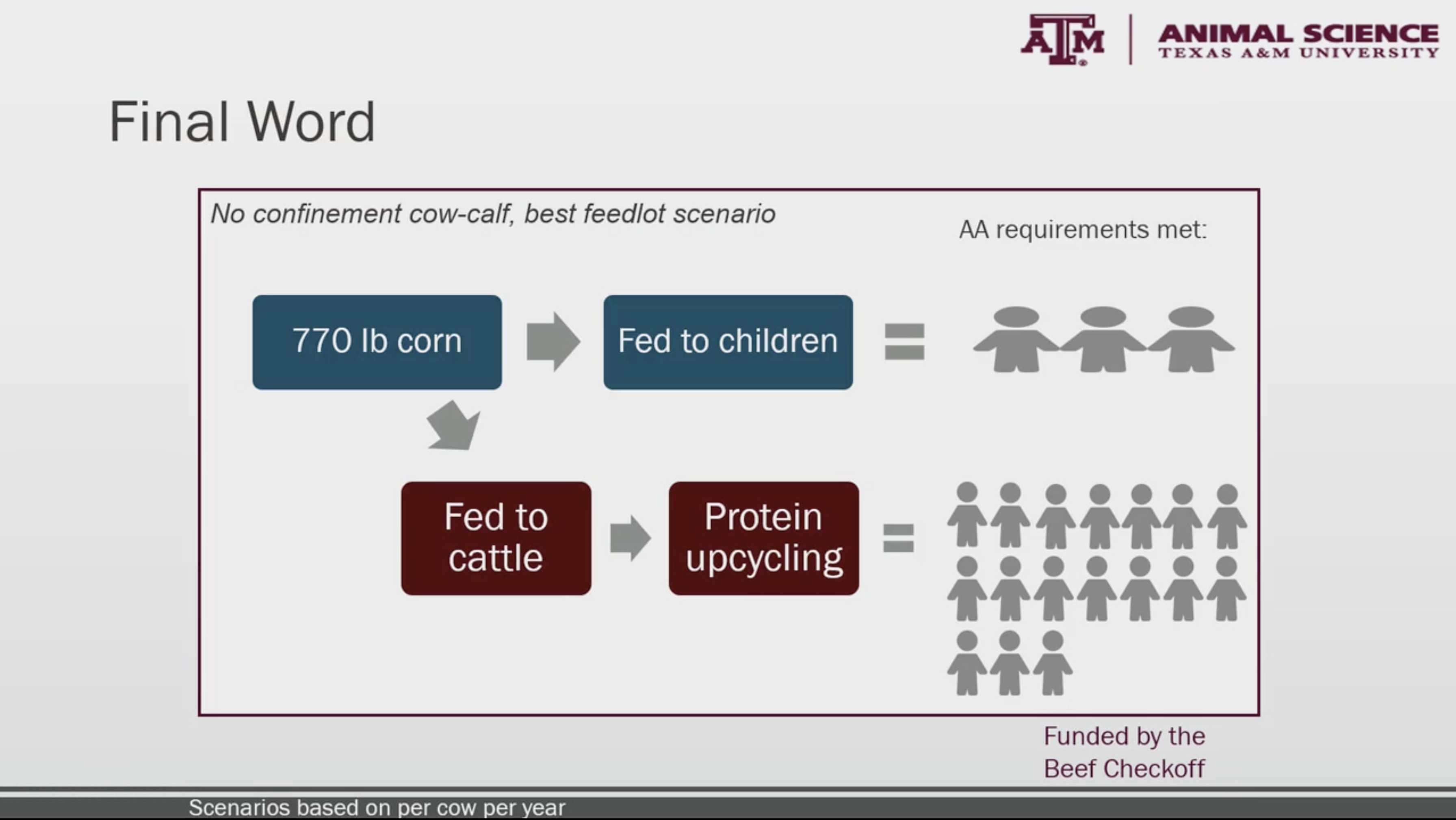
No question, really. Wickersham calculated that a 1,000-head cow herd is fed just 24 pounds (lb.) of HEP during an entire year while producing more than 62,000 lb. of HEP.​

“For every pound of HEP we put into the system, we get 2,600 lb. out,” he said. Taking that times beef’s protein quality ratio gets to a net protein contribution of 8,000. “Anything greater than 1 means the industry is not competing with humans for human edible protein.”

While it may take 770 lb. of corn to finish a steer, he put that in perspective.

“If I took that corn and I fed it to children, how many children could I feed?” he asked the audience.

Three. That would meet the toddlers’ amino acid requirement, but it would be difficult to consume that many calories from the grain and would lead to obesity.

Through protein upcycling—feeding that HEP to livestock—beef cattle feed 17 children with much fewer calories.

“We’re contributing to society by converting these low-quality sources of protein that humans can’t utilize into something that tastes amazing and does a great job of meeting their nutritional requirements,” he said.

But there are other measures and “sustainability is a balancing act,” Wickersham said. So his team tracks methane production per unit of HEP, too, demonstrating higher quality diets in feedyards help reduce greenhouse gas emissions. 

“Anything we do from a production efficiency standpoint generally improves net protein contribution and the ability of cattle to feed people,” he said.

The underlying themes are timeless, but evolving technology and discoveries mean it’s time to share the story again.

Not only are consumers devouring it, but stakeholders are pressing for it, according to Wayne Morgan, Golden State Foods executive and president of the company’s protein products and sustainability branch.

As a $5 billion supplier to more than 125,000 restaurant chains and retail stores on five continents, Morgan feels the pressure sustainability questions are putting on companies like his and those it serves.

“Consumers say a lot of things and they don’t always respond with their wallets the same way they answer questions, but still, we can’t deny they’re an important part of this beef industry. We need to listen to what they’re saying,” Morgan said.

Investors, on the other hand, are responding with their wallets.

One of the biggest investor groups is BlackRock, controlling $7 trillion of the $80 trillion on earth.

“So when they announced they’re going to avoid investments in companies that present high sustainability-related risks, well, that ought to get your attention,” he said. “Anytime a major player in any business makes a shift, everybody else comes along.”

Morgan gets regular calls on Golden State Foods’ sustainability initiatives.

“How are we going to do better? How are we going to make improvements on greenhouse gas emissions? Save water? Reduce packaging?”

The Golden State Foods plan includes logistics, environmental scorecards, third-party audits, pilot projects and new data tracking technologies through IBM Blockchain.

How does he want the cattle community to answer those questions?  

For starters, “don’t wince” every time you hear the word sustainability, Morgan advised.

Shakespeare wasn’t the first storyteller and neither are producers.

“We want you to embrace it,” he said, challenging the audience to change the sustainability narrative and make it their own.

You may also like

Smitty’s Service on CAB Board

Lamb continues to find himself struck by just how far-reaching the Angus breed has become. The brand’s growing demand and rising prime carcasses left a strong impression. He hopes everyone recognizes the vital connection built between consumers and Angus producers. Humbled by the opportunity to serve, Lamb reflects on his time as chairman with gratitude.

Beef up the dinner table

Consumer insights say beef is doing well at staying at the center of the plate  

by Morgan Marley

April 1, 2020

Cattlemen respond to consumer demands, even as they evolve from the call for premium quality to transparent production practices.

We know that, thanks to ongoing work from the National Cattlemen’s Beef Association (NCBA).

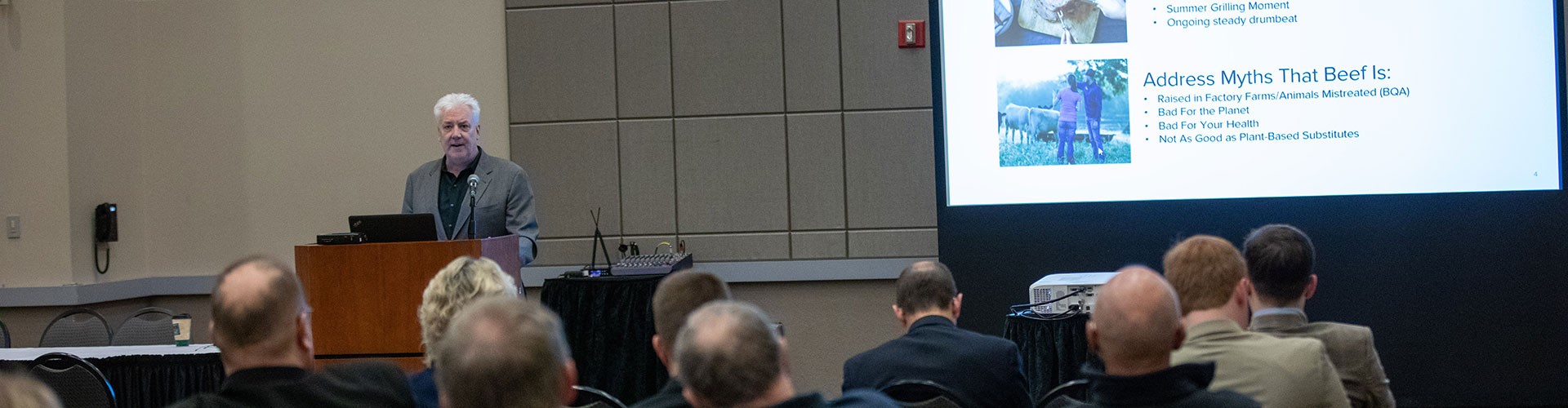
Insights and perceptions derived from 2019 Consumer Beef Tracker data, presented by Rick Husted, NCBA vice president of strategic planning and market research, at the 2020 Midwest American Society of Animal Science meeting in Omaha.

Overall, beef is doing well.

When the supply was low in 2014 and 2015, Husted said beef consumption per capita in the U.S. was 54 pounds (lb.) per person but has steadily increased. Cattlefax projects that number to reach 58 lb. this year.

It isn’t just beef, but all proteins. USDA’s 2019 estimate of 219 lb. per capita consumption of all meat and poultry is projected at 223 lb. in 2020.

“That’s a lot of meat consumers are continuing to eat,” Husted said, noting it proves demand is more than just volume—it’s volume and price.

The value consumers see in beef continues to rise, too.

“The total U.S. consumer expenditure for beef is projected to hit $112 billion,” he said. While the supply hasn’t grown considerably, continued movement at steady to higher prices speaks to value perception.

NCBA gathers and analyzes data to help keep beef a top protein source. Every month, more than 500 people take an in-depth survey about their daily diet and lifestyle so analysis can segment today’s consumers and find the most favorable beef messaging.

“We focus on the whole population, but we’ve learned through our research that Millennials are our target, and Gen Z’s,” Husted said. “The kids, for the most part, of those older Millennial parents are the ones who are becoming more and more the drivers of purchasing power.”

And those kids want to know more about how their food is raised.

The survey asks consumers about all proteins from beef, chicken, pork and even meat substitutes. The positive perceptions of beef are high at 66%, Husted said, but beef’s biggest competitor is even higher.

“We dig deeper and get a lot more diagnostic about what they like or don’t like about chicken,” he said. “We see that perceptions among consumers for chicken are more positive when it comes to health and being more affordable.”

rick husted

Beef has to meet high standards to make it to the center of the American plate. The top consideration is taste, Husted said, followed by value. For consumers, food safety is always a given, and health ranks closer to the middle for meal choices, especially when dining out.

Only 37% had positive perceptions of beef production, with 41% neutral, and the greatest concern was animal welfare. Generational distance from farming and misinformation in the media don’t help, he noted.

“Producers just have to make sure they are always thinking about raising beef responsibly, doing it the right way,” Husted said.

For years, producers have been called to “tell their story.” That’s why beef.org launched a Beef Quality Assurance (BQA) ad series to explain some details. Learning about BQA produced increases in confidence of 70% for beef safety and 67% for humane treatment, Husted said.

The data is supportive of strong beef demand. Yet the rising awareness and headlines surrounding substitute animal proteins has many producers on edge. Several years ago, Husted and his team sought to understand the threat it holds to the industry.

“When you look at all animal proteins and animal substitutes, most recently that percent of market share is less than 1%, closer to 0.4%,” he said. “And then on the beef and beef substitutes where Beyond (Beef) is really trying to make it in, it’s still not quite 0.7%.”

People aren’t changing their diets as these alternative proteins are becoming more available. They’re just “working them in,” Husted said.

“Is the percent of vegans or vegetarians increasing? It’s not. Are folks replacing beef or other meat proteins with these substitutes? They’re not,” he said. “When you think about all the things that consumers eat on a daily basis, there’s a huge variety. Meat substitutes are just one of those things.”

Beef is doing well. And Husted argues it will continue to do well while half of consumers rank it as a great source of protein.

“People love beef. They select it over other proteins, not just for the taste and enjoyment, but as a great source of protein, and they continue to love it,” he said.

That’s a solid foundation to keep building on.

You may also like

Smitty’s Service on CAB Board

Lamb continues to find himself struck by just how far-reaching the Angus breed has become. The brand’s growing demand and rising prime carcasses left a strong impression. He hopes everyone recognizes the vital connection built between consumers and Angus producers. Humbled by the opportunity to serve, Lamb reflects on his time as chairman with gratitude.

The Porsche of beef

Consumers are willing to pay a high price for beef if it’s worth it every time

by Morgan Marley

March 30, 2020

If USDA Choice were a basic Volkswagen, U.S. cattlemen should be producing the Audis and Porsches made by the same company.

That’s according to Robbi Pritchard, speaking at the recent Midwest American Society of Animal Scientists’ Harlan Ritchie Symposium in Omaha. He was one of five who presented on evolving cattle production to align with consumer demands.

Superior products require superior attention to detail, including shifting demand signals.

“Those consumer preferences seem to be focused on the increased demand we’ve seen for the higher quality products,” Pritchard said. “And the wellbeing of the animals—which gets around to animal husbandry, our environmental impact and how well we manage though the entire supply chain.”

Consumers have proven they’re willing to pay the “Porsche price,” but if the eating experience doesn’t match, then that brand of beef will get scratched off the buy-again list, he said.

Generic cattle have limited potential in today’s branded and specialized marketplace, where the average load is 75% Choice or higher. That’s also the threshold for reward premiums.

Borrowed approach

Learning from others can save a lot of time, worry and money.

Take notes from hog farmers on replacement females, Pritchard suggested.

“In the ’80s, swine producers started to receive letters from packers that their hogs no longer met market specs and they would not buy their hogs anymore,” he said.

The problem? Lack of uniformity and quality in the sow herd. The quickest and most efficient way to make a turnaround was to buy commercial F1 females with a proven record of consistency.

“We can do that in the cattle industry if we’re willing to take that step,” he said.

Leading beef producers are there now, but many more would benefit by following their lead.

Maternal function and carcass quality can be delivered in one package with focused selection. But it doesn’t work if half of your steer calves have maternal sires and half have terminal sires.

Humans have a competitive nature that drives toward “best,” whether that’s luxury cars or premium beef production.

“If we’re building a Porsche, do we buy the cheapest brakes to put in it?” Pritchard asked. Unintended consequences proliferate when losing sight of the end goal.

Cattlemen have built highly efficient cows. Commercial producers should focus on improving the bottom end of the herd for the fastest results.

There are different ways to evaluate efficiency. Some compare weaning weights as a percent of cow weights. Others optimize carrying capacity, which keeps downward pressure on frame size.

“Both of these select for smaller cows,” Pritchard said. “But in the end, we’re still trying to see how many servings of beef we can produce per cow per year.” That’s why he prefers to compare cows on their progeny’s hot carcass weight, times age at harvest, divided by cow body weight.

Efficiency benefits the environment, too. Cattle used to enter the feedyard at 15 to 18 months of age, but today most Northern Plains cattle are harvested by then.

“When feeder cattle go to the feedyard sooner and are harvested sooner, there’s less carbon footprint,” he said.

Some consumers want grass-fed cattle and decreased greenhouse gas emissions simultaneously, Pritchard noted. But the longer an animal walks the earth, the larger its carbon footprint.

“It just doesn’t fit,” he said, while allowing, “We still have to work on finding sustainable solutions.”

Breaking old habits

As for the next challenge, Pritchard asked, “How can you build an entire pen of uniform feeder calves?” Start with how you want to market them and plan backward from there.

Nothing holds more value than a relationship with a cattle feeder to gauge genetic improvement needs in successive calf crops.

“Having that relationship is when you get rewarded for it,” he said.  

All of it, starting with those first investments leading up to a breeding season that may include artificial insemination (AI).

“If the AI sires have superior genetics and your cleanup bulls don’t, then you no longer have a uniform, superior calf crop,” Pritchard said. All bulls used have to meet at least average specs. The payback for that comes when the calves sell, whether at weaning, after backgrounding or through retained ownership.

If we can break some old habits, he said, a uniform calf crop decreases the need for sorting and mixing into shared pens at the feedyard; if we do less of that, we will use less antibiotics.

“When we co-mingle, it’s like daycare,” Pritchard said. No amount of vaccinations and health precautions can prevent disease in every animal.

Technology has provided assistance in monitoring animals and streamlining chores, but he said it’s increasingly used as a substitute for choices and husbandry skills. Those require persistent practice.

“Husbandry is kind of like marriage,” he said. Everyone has their own opinion on what makes a successful marriage, so “it’s really hard to define the good ones.”

Animal welfare is the biggest concern from consumers, and husbandry is a key component.

Technology and husbandry intermix during heat detection, Pritchard said. He noted a commonly listed advantage of timed AI is that it eliminates the need to identify which cows are in heat.

“But,” he asked, “if we are challenged to find help that can recognize estrus, how capable are we of identifying early signs of illness in feeder cattle?

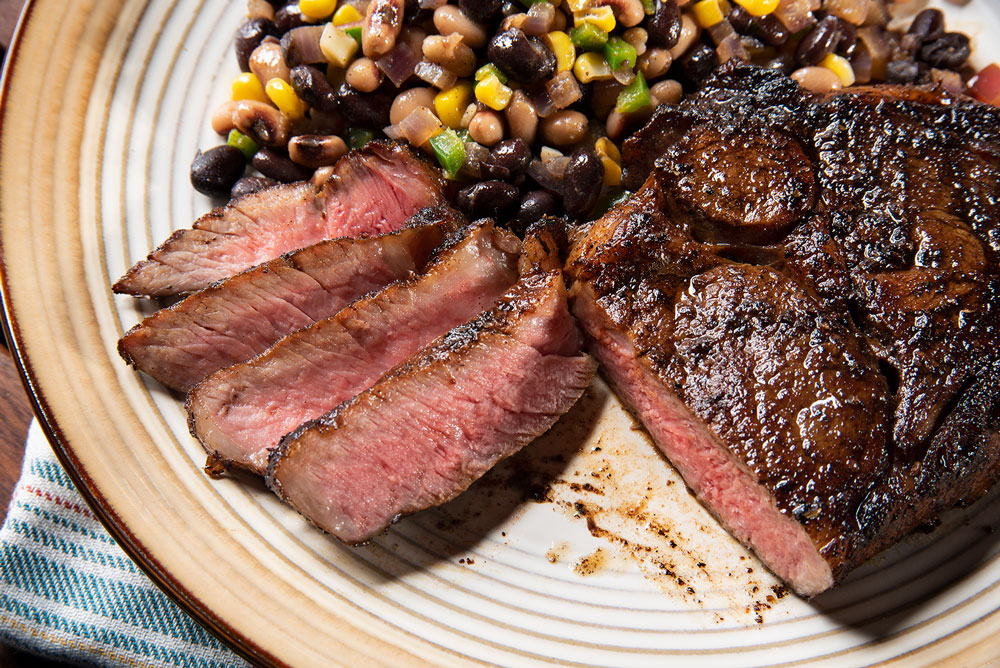
There’s more to raising a good steak than what meets the eye. It has to have superior attention from first plans to the dinner table.

You may also like

Smitty’s Service on CAB Board

Lamb continues to find himself struck by just how far-reaching the Angus breed has become. The brand’s growing demand and rising prime carcasses left a strong impression. He hopes everyone recognizes the vital connection built between consumers and Angus producers. Humbled by the opportunity to serve, Lamb reflects on his time as chairman with gratitude.

Beef AI can pay

Capturing the value of artificial breeding from ranch to rail

By Natalie Jones

 March 9, 2020

Most dairymen use a breeding technology also proven profitable for beef cattle enterprises, but no more than 10% of commercial cattlemen bother with it.

Why? Lack of facilities, labor, confidence and convenience lead the list of reasons artificial insemination (AI) hasn’t become commonplace on the ranch.

Idaho Extension Beef Cattle Specialist John Hall led producers to reexamine barriers and capitalize on the value of AI at last fall’s Range Beef Cow Symposium in Mitchell, Neb.

Developed more than 80 years ago, with frozen technology since 1945, AI has included sex-sorting options for a dozen years.

Rather than just turning bulls out for natural service and moving on to other ranch projects, Hall urged producers to consider the value they could capture with AI. That’s because consumers are calling for more high-quality beef, and the call must be answered.

“AI certainly gives us the opportunity to do that, because we can use those highly proven sires that have carcass information that we know are going to give us the kind of cattle the consumer wants,” Hall said. 

But before going all-in with investments in synchronization and semen costs, technician fees and the labor associated with roundup and processing, he suggested making sure basic management is on track. 

A successful AI season begins with heifers at a body condition score (BCS) of 6 and cows at BCS 5, after a closed and short calving season so that they can cycle back before insemination.

Costs and benefits

The average cost of a commercial bull is about $5,000, Hall said, and the cost of natural breeding continues to rise. That’s why few commercial producers buy above-average bulls for growth and carcass merit; they simply can’t afford their natural service, which Hall put at $90 to produce a live calf. 

On a 300-cow herd and a 50% pregnancy rate, he said each AI calf would cost about $95. With a more typical preg rate at 55%, that AI calf is cheaper than the one from natural service. It also carries superior genetics from bulls in the top breed percentiles that most cannot afford for natural service.

The use of fixed-time AI helps keep labor costs down and can shift calving seasons earlier, with more born in the first 21 to 30 days. Calves in the first 21 days compared to three weeks later result in 35 to 50 pounds, but that’s mainly an advantage for feeder calf value, Hall said.

“What we normally see when using fixed-time AI,” he said, “we’ll pick up a 3 to 5 percentage-point increase in the number of cows pregnant at the end of the year, compared to natural service.”

Another opportunity is replacement heifers. 

“You can capture a big advantage in the females created, because of their enormous value to a commercial operation,” Hall said. “You can breed a certain percentage of them to more maternal bulls to fit the environment that you work in.”

Retained ownership

Beyond the cow-calf herd is the potential value capture at the feedyard and packinghouse.

“Taking calves all the way to harvest is arguably the best way to realize return on the AI investment,” Hall said. That’s because carcass traits are the most heritable and high-quality carcasses continue to command premiums that go straight back to producer pockets when they retain ownership. 

Data from a 600-head Virginia operation retaining ownership on calves shows having both AI sire and AI-sired dam increased returns to each cow by 22%. It also increased the share of carcasses grading Choice by 38 percentage points compared to calves with no AI genetics.

“What we see is not only an increase in hot carcass weight, but we see an increase in marbling and therefore an increase in quality grade,” Hall said.

Calves sired by high carcass-merit sires have proven greater feed efficiency and growth rate, which adds up to smaller feed bills, he said, “or you’ll receive greater returns for the cost of feed you put in them.”

Greater feed efficiency, higher marbling and higher quality grade score wins for cattlemen and consumers.

You may also like

Smitty’s Service on CAB Board

Smitty’s Service on CAB Board

Lamb continues to find himself struck by just how far-reaching the Angus breed has become. The brand’s growing demand and rising prime carcasses left a strong impression. He hopes everyone recognizes the vital connection built between consumers and Angus producers. Humbled by the opportunity to serve, Lamb reflects on his time as chairman with gratitude.

Proactive animal health means a genetic approach

by Miranda Reiman

February 27, 2020

Imagine a world where you could breed cattle that never get sick.

It’s not reality today, but the American Angus Association is taking the first step toward tools that can help select for greater immunity.

“As we continue to refine genetic selection, we realize that genetics contribute to animal health in ways we probably don’t fully understand today,” said Mark McCully, Angus CEO. “As we start identifying genetic lines that are less likely to get sick, that has ramifications across the entire industry.”

In a world where breeders can place pressure on everything from fertility and growth to end-product merit, “It is kind of the missing link at the moment,” said Stephen Miller, director of genetic research, Angus Genetics Inc. (AGI).

At last fall’s Angus Convention in Reno, Nevada, the Association talked about possible future projects that will likely include the Australia’s Commonwealth Scientific and Industrial Research Organisation (CSIRO) and the Australian Angus Association to get at more data more quickly.

“We’ve had increasing scrutiny around the use of antibiotics, so we need to be ready,” said Brad Hine, CSIRO research scientist. “Our ability to use antibiotics in our food-producing animals is, in the next few years, going to be rapidly reduced. A really good strategy is to try to breed animals that have improved disease resistance.”

Over the next two years, 3,000 U.S. cattle will get three trips through the chute: one to administer a test antigen intramuscularly—similar to a vaccine trial—one to gauge response and administer a second antigen, and a final trip to measure response to that second stimulant.

“It’s a way for us to measure healthfulness, or an animal’s ability to respond with antibody production,” Miller said, that will help identify DNA markers for immunity. “The goal down the road is that we would have a genomic EPD [expected progeny difference] for immune response, based on these phenotypes.”

It’s all part of a larger project, working with immunologist Bonnie Mallard, University of Guelph, and her team along with Semex. (This work was funded in part by the Government of Canada through Genome Canada and Ontario Genomics.)

The Australians have already measured 4,500 and it is the long-term intention that their dataset could be combined with the North American project’s findings in the future.

Hine said their project showed the industry needs to “rethink” health predictions.

“It’s easy to make the assumption that the most productive animal is the animal with the best immune system,” Hine said. “Obviously, the healthiest animal grew the fastest.”

But in some instances disease resistance is negatively correlated with production. For example, high-milking Holstein cows are often more at risk for mastitis, he noted. 

“The research tells us, if we select for productivity alone, we increase susceptibility to disease,” Hine said.

Different types of pathogens are dealt with in different ways. There’s a cellular response for viruses that live inside the cells and antibodies that fight those outside the cells. CSIRO tested for both.

“The risk you run if you select animals that are very good at one arm of the immune system is that sometimes those animals are not as good at handling pathogens that require the opposite arm,” he said, noting they measured animals at their most stressful points.

“It’s about breeding animals with a really strong immune system so they can handle whatever challenges they face,” Hine said.

The heritability appears to be moderate. Correlations to other traits were weak but followed as expected: temperament was favorable while production traits like growth were negative.

Following indexed animals through the feedlot, the Australians recorded a $3.50 animal-health cost for every animal that scored high for immunity. Those in the low group accrued $103 per head.

brad hineHine said those are conservative estimates that don’t account for labor.
“If we can identify low-immune-competent animals and get them out of the system, there is a huge economic benefit for us as an industry,” he said.

The low-immunity group, just 11% of the population, accounted for 35% of health costs.

“As tools are developed, I think the adoption rate will be pretty significant,” McCully said. “A slight change in the improvement of animal health has huge economic ramification across the industry.”

The technology is “in its infancy,” he said, but the long-term goal would be to create genetic tools for Angus breeders and their commercial customers, such as genomic tests for replacement heifers or to prescreen cattle bound for the feedyard.

“I could definitely see this as a way of being better able to characterize risk,” McCully said. “You could modify your management to the risk level.”

Protocols at the yard could differ according to test scores. Eventually, market signals should follow, he said.

“If I’m a feeder, I’m still going to want those cattle vaccinated—it doesn’t change anything about good calf management we do today,” McCully said. “But if I can look at a set of cattle that has all of that, plus the genetics that give them the likelihood of staying healthier, that becomes an economic signal back to the producer to make more of those cattle.”

Programs like AngusLinkSM could potentially convey information through the chain.

“I really do see immune competence as just one part of the puzzle when we start to think about the resilience of the animal,” Hine said.

Cattlemen still need a focus on management and environments that control pathogens, giving cattle less exposure in the first place.

“We can breed the animals that are the most disease-resistant, but if we put them in a really bad, high-disease environment, then they will eventually succumb,” Hine said.

Even with improved tools, cattle will still get sick, although less often. That allows for less antibiotics in the system.

“There are obvious benefits for producers, economically, from breeding for improved immune competence, but I think the biggest benefit is maintaining consumer confidence in our beef,” Hine said. “We need to be proactive rather than reactive.”

You may also like

Flavor’s secret ingredient

Flavor’s secret ingredient

As a moderately to highly heritable trait, marbling is something that cattlemen have a lot of ability to manage. It also happens to be one of the major contributors to beef flavor. Texas Tech University meat scientist Jerrad Legako spoke about the topic at the 2020 American Society of Animal Science meetings.

A scours change

A scours change

Just like regular maintenance on your vehicle, prevention is the best way to ward off scours in your cow-calf herd. But sometimes the best treatment plans fail, with lasting effects on calf performance. That’s why ranchers should try to get ahead of the problem.

Senses and sense

Senses and sense

Humans developed over millennia to hunt and herd. When it’s time to move animals, instincts send us out with a purpose but sometimes little thought to how our aggressive behavior affects what they do. Stepping into a cattle pen, we naturally act the predator, manipulating where animals go. But good handling practices should turn us into leaders, says Kip Lukasiewicz.