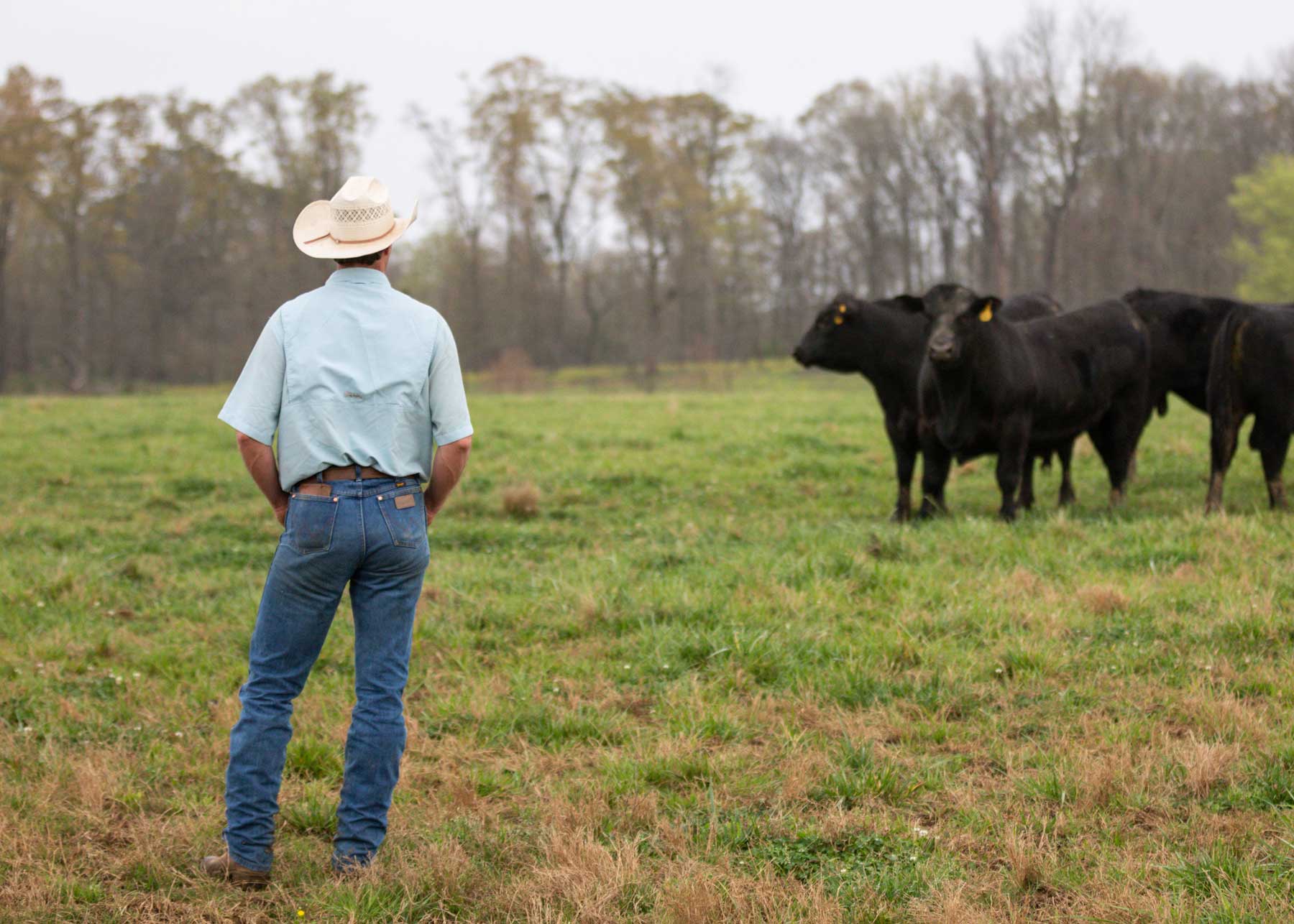
Regardless of a producer’s goal, each genetic decision takes you a step closer or further from achieving it. Targeting the Brand is a tool for cattlemen pursuing quality gains, helping commercial producers know and best leverage the value of their Angus cattle on sale day.
Driven by genetic selection and improved management, carcass quality has advanced significantly, most notably through more marbling. Yet, with nearly two-thirds of Angus-type carcasses falling short of brand standards, understanding why is critical to balance the economic incentives of added weight against CAB® product size and consistency requirements.
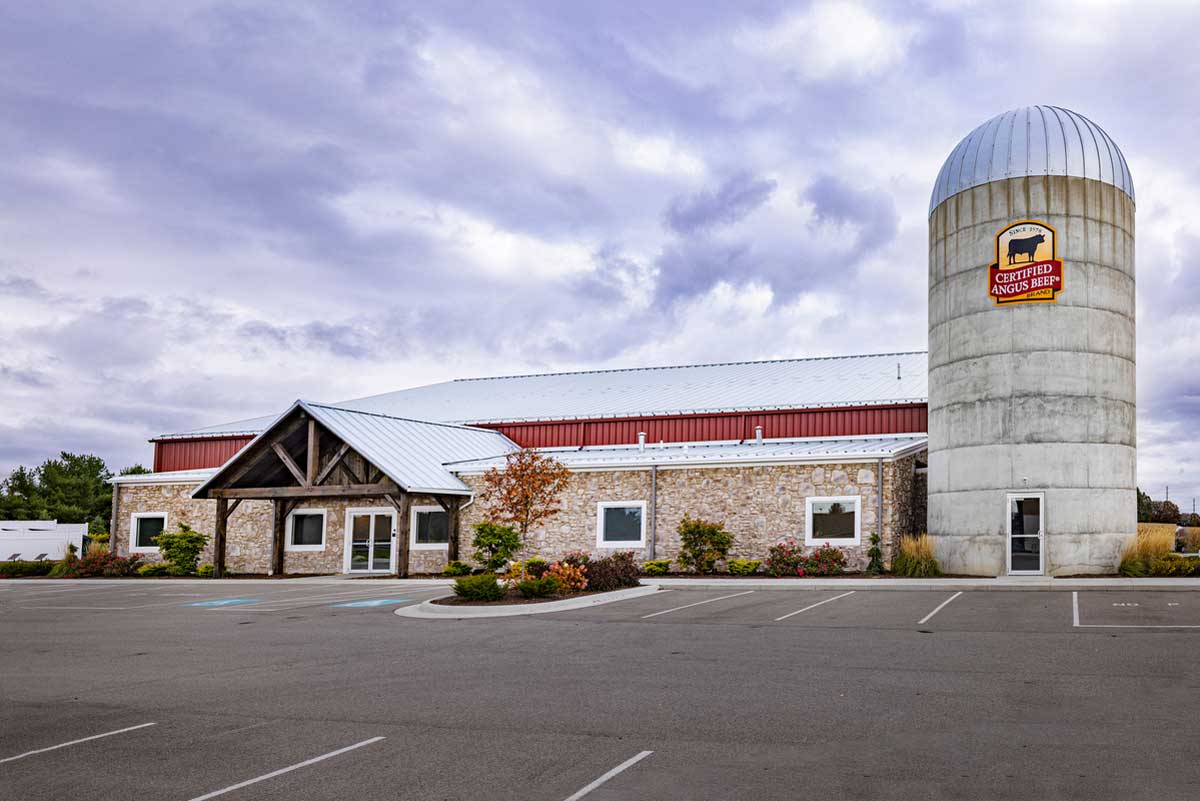
Interns join the Certified Angus Beef team in Ohio for the summer. As valued members of the team, interns contribute to high-impact projects, collaborate across departments, and immerse themselves in CAB’s culture and office community.
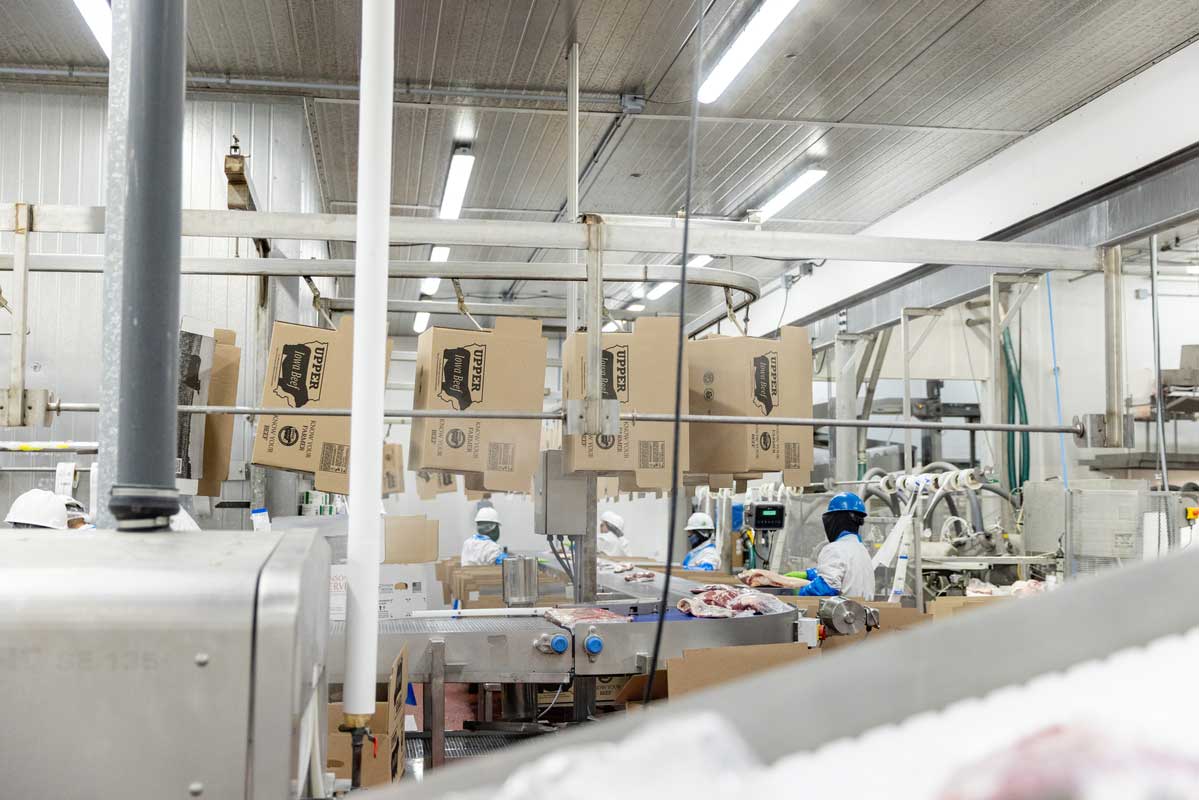
Domestic or international, the objective has remained clear over the years: to access additional CAB® carcasses to support growing domestic and international demand, without compromising product quality and consistency, brand integrity, and value to Association members.
When Angus ranchers ask how CAB is funded, the answer isn’t dollars out of their pocket. No portion of American Angus Association® membership dues or fees for cattle registrations or transfers goes toward the brand’s budget. As a not-for-profit company, our revenue is generated through packer commissions.
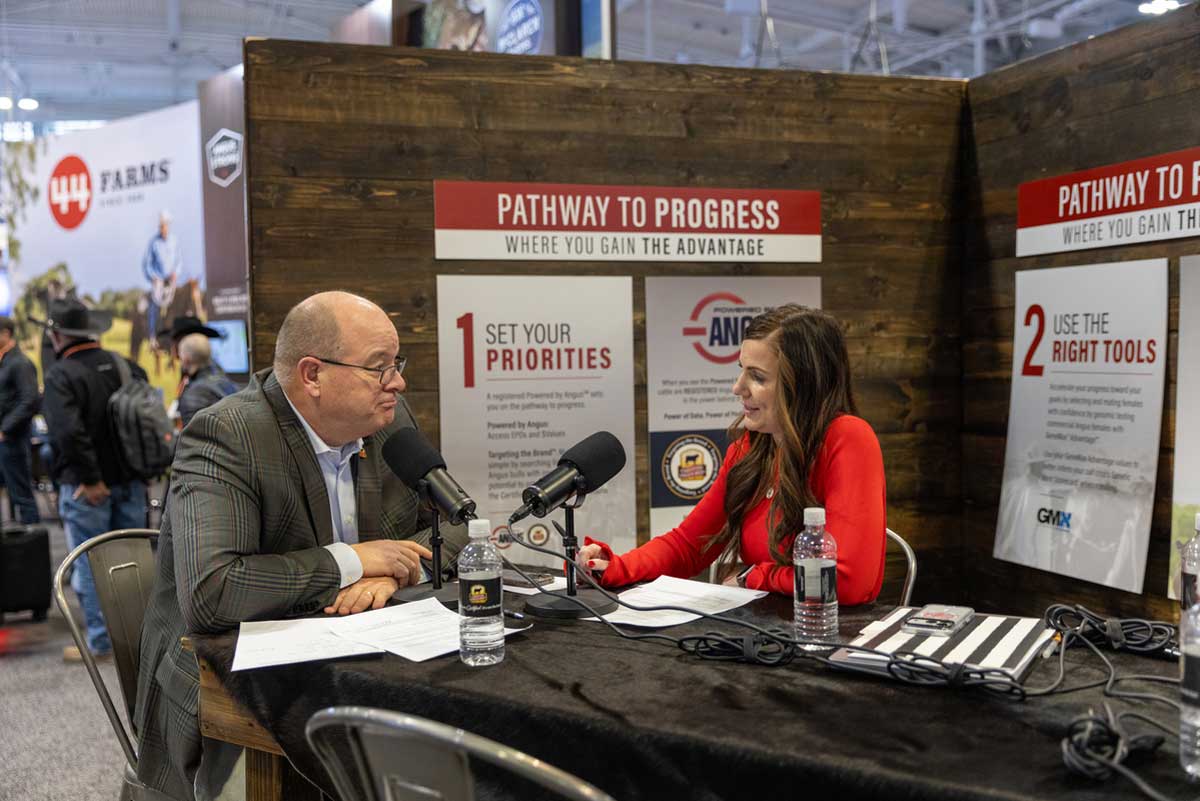
The CAB Bite podcast answers burning questions about the brand. In 20 minutes or less, listeners will get an extra “bite” of news, insights and practical takeaways. The short-form podcast aims to give the beef community an up-close, behind-the-scenes look at CAB and its supply chain.
Protecting the brand’s integrity has been a core pillar since 1978. Integrity is so foundational that the brand was built around the premise: with integrity, nothing else matters, and without it, nothing else matters.
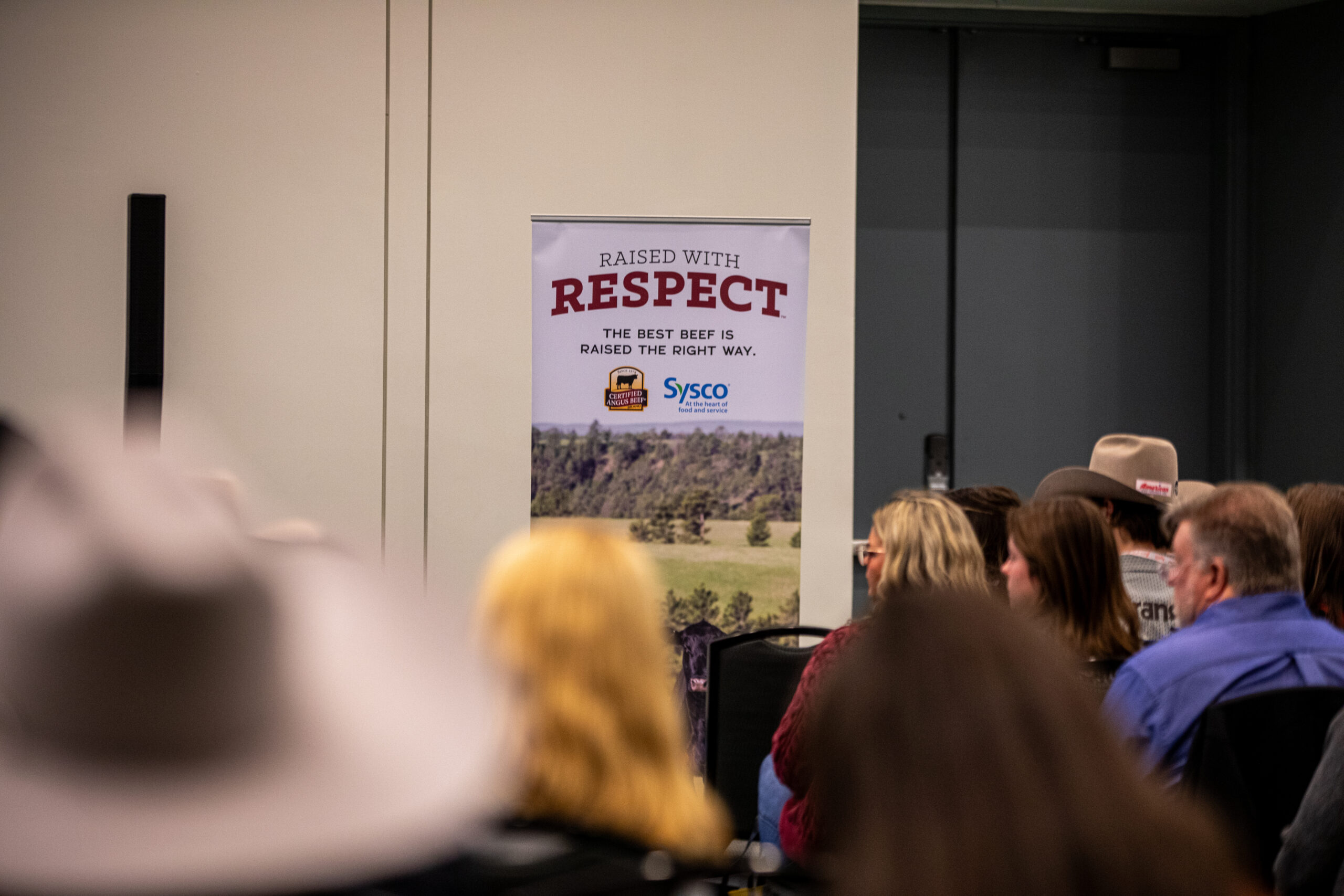
The commitment to cattle care and continuous improvement is also reflected in the Raised with Respect™ program, a partnership between CAB and Sysco, now in its third year. The initiative helps expand awareness of BQA principles while supporting educational resources for ranchers and additional collaboration across universities, extension systems and industry partners.
Before Certified Angus Beef, consumers didn’t know what “Angus” meant. Angus meant little, except to its breeders. A strict adherence to quality through its 10 carcass specifications continues to serve as the foundation for maintaining the breed’s premium beef position in the marketplace and drives demand for registered Angus genetics.
The data-driven approach to carcass grading and marketing helps you reduce variability and capture more premiums. Achieving Prime pays off, and genetics can help you hit your quality goals faster.
Manage Consent
To provide the best experiences, we use technologies like cookies to store and/or access device information. Consenting to these technologies will allow us to process data such as browsing behavior or unique IDs on this site. Not consenting or withdrawing consent, may adversely affect certain features and functions.
Functional
Always active
The technical storage or access is strictly necessary for the legitimate purpose of enabling the use of a specific service explicitly requested by the subscriber or user, or for the sole purpose of carrying out the transmission of a communication over an electronic communications network.
Preferences
The technical storage or access is necessary for the legitimate purpose of storing preferences that are not requested by the subscriber or user.
Statistics
The technical storage or access that is used exclusively for statistical purposes.The technical storage or access that is used exclusively for anonymous statistical purposes. Without a subpoena, voluntary compliance on the part of your Internet Service Provider, or additional records from a third party, information stored or retrieved for this purpose alone cannot usually be used to identify you.
Marketing
The technical storage or access is required to create user profiles to send advertising, or to track the user on a website or across several websites for similar marketing purposes.