$100,000 in Colvin Scholarships Available in 2026
Apply by April 1 for Certified Angus Beef scholarships supporting students pursuing careers in food and agriculture.
by Briley Richard, freelance writer
February 16, 2026
Certified Angus Beef (CAB) will award over $100,000 to college students pursuing careers in food and agriculture from the Colvin Scholarship Fund. Applications span three degree tracks and are open through April
The production agriculture, undergraduate and graduate scholarship categories each have tailored requirements, including essay questions, resumes and letters of recommendation. In 2025, the Colvin Scholarship Fund supported 27 students with awards ranging from $2,000 to $7,500.
“The Colvin Scholarship Fund is an incredible investment to support our young leaders in the industry,” says Melissa Brewer, vice president of communications. “With the help of our partners, we are helping ensure these students have a vibrant future in the beef business.”
The 2026 Colvin Scholarship empowers the next generation of agricultural leaders who have chosen to dedicate their academic studies and future careers to strengthening the beef industry.
“This scholarship is a big step that supports what I’m going to do for the rest of my life and it’s truly an honor,” says Olivia Hadrick, 2025 top production agriculture scholarship recipient and South Dakota State University animal science major. “It gives me an opportunity to be away at school to learn about new technologies and new methods to always stay adaptable.”
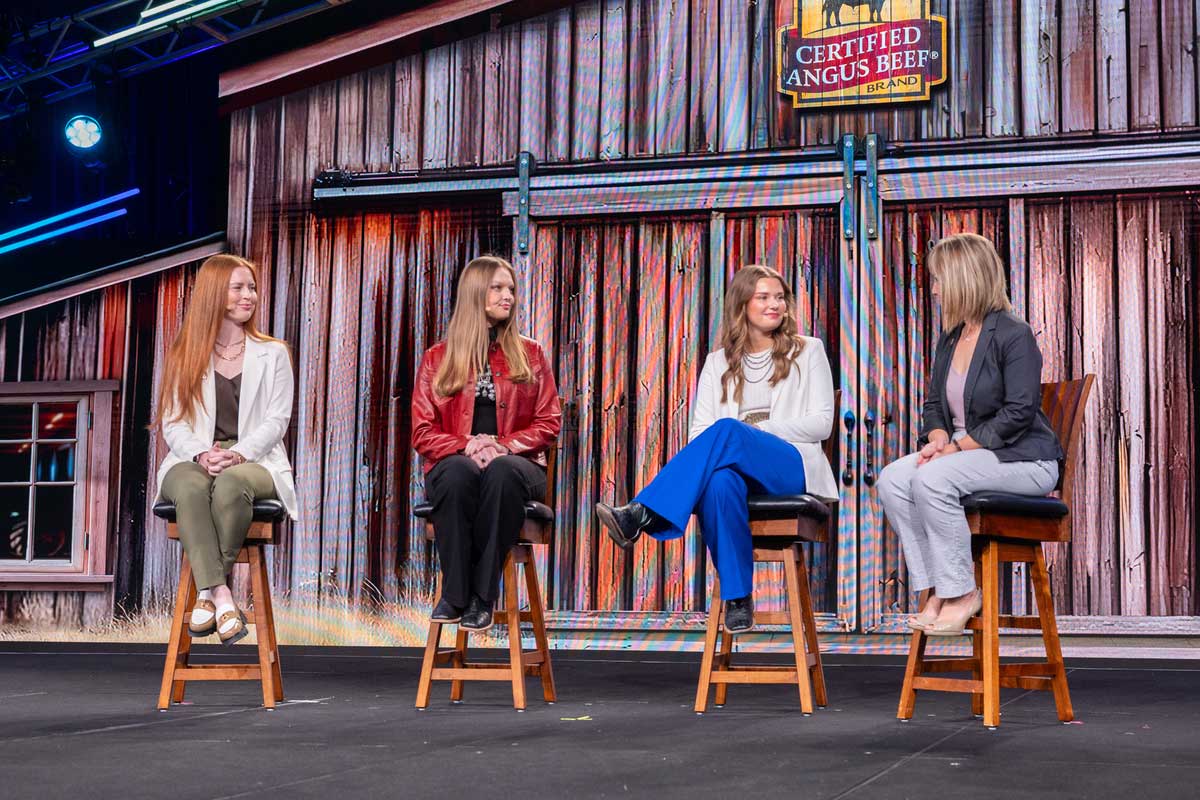
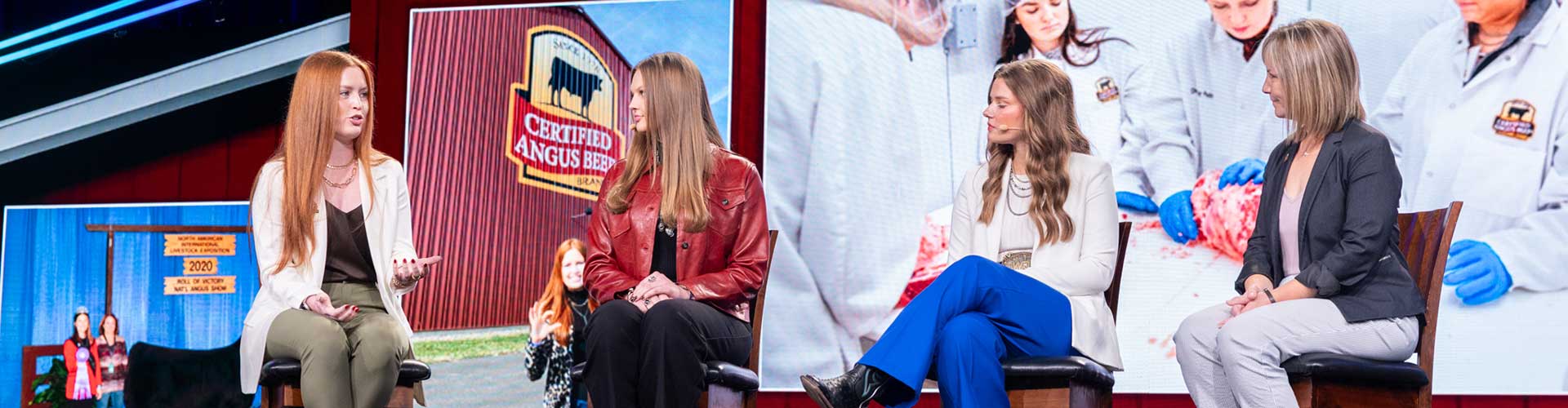
Caption: 2025 Colvin Scholarship recipients, Lindsey Decker, Texas Tech University; Lauren Wolter, Kansas State University; and Olivia Hadrick, South Dakota State University sharing their academic interests with Melissa Brewer, CAB vice president of communications, at the 2025 CAB Annual Conference in Austin, Texas.
Applications for the scholarship undergo a comprehensive review process, which considers the applicants’ academic achievements, extracurricular involvement, communication skills and commitment to the beef industry. A selection committee comprised of industry experts and CAB representatives then reviews each application to identify the most qualified candidates.
Scholarship recipients receive financial support along with the opportunity to connect with industry leaders and mentors. First-place winners in each category earn $7,500.
Applications for the 2026 Colvin Scholarship are now open and will close on April 1. Interested students who live in the U.S. or Canada are eligible and encouraged to apply. Learn more about eligibility criteria and apply by visiting https://www.certifiedangusbeef.com/en/brand/colvin-scholarship.
 About the Colvin Scholarship
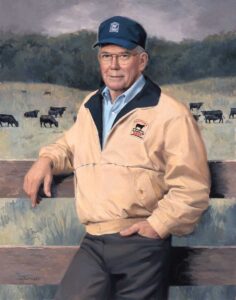
The Colvin Scholarship Fund, established to honor Louis M. “Mick” Colvin, co-founder and former executive director of CAB, supports students committed to shaping the future of the beef industry. Over its two-decade legacy, the fund has provided students with over $730,000 in support of pursuing educational and professional goals in agriculture. With growing support from brand partners, the fund’s impact continues to expand.
You may also like
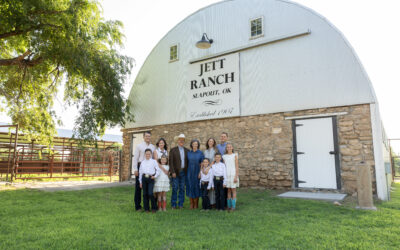
Jett Stream to Prime
In the Oklahoma Panhandle, four generations built a herd defined not by the odds against it, but by standards never lowered. That commitment drove decades of genetic and management improvements, taking Jett Ranch from struggling to reach Prime to more than 70% Prime today, and earned the ranch the 2026 CAB Commercial Commitment to Excellence award.
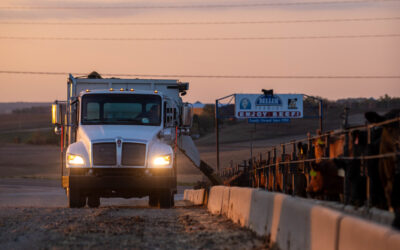
Nebraska Feedyard Recognized for Excellence
Motivation starts the feed truck before sunrise, keeps going through adversity and drives pursuit of the next goal.
It has more than fueled daily routines for Terry Beller. It’s helped his family and crew build the multigenerational Beller Feedlot into one long-known for customer service and high-quality beef.
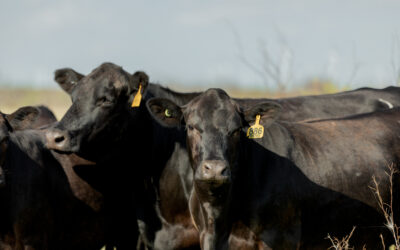
The Capstone Approach to Modern Cattle Feeding
Taking aim without a target is like fishing without bait. It just doesn’t work. The cattle market lures with premiums for targets hit, but the bar keeps rising. Getting better in this dynamic setting takes detailed feedback. Capstone Beef provides that to its commercial customers with report cards that track progress and reveal needed change.