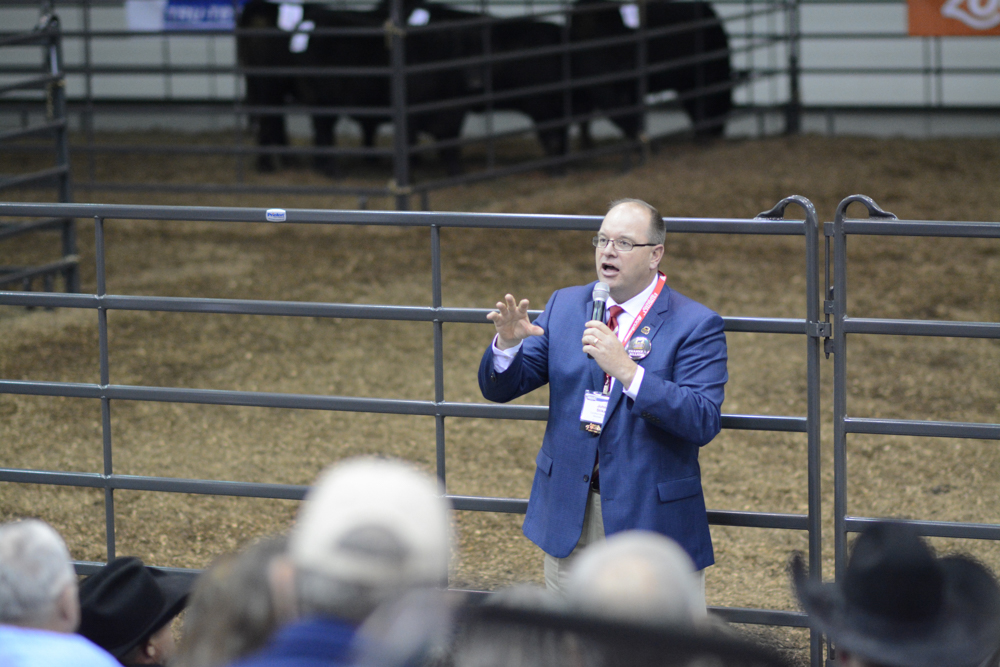
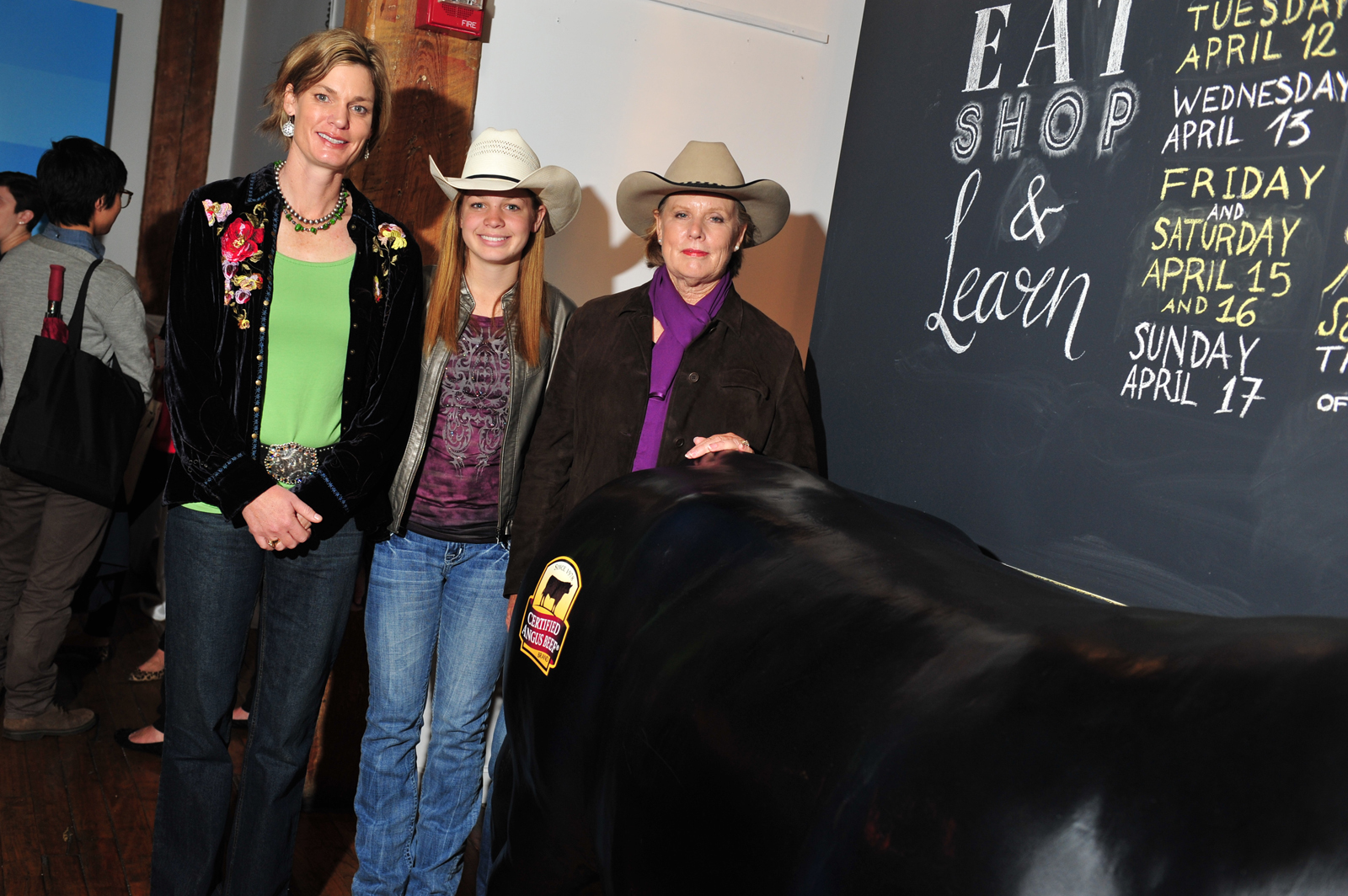
Angus cattle need to do more than ever before. Carcass quality, functional females, feedlot performance—they all matter. That theme was evident at the Innovation Workshops during the National Angus Convention, Nov. 4 to 7, in Indianapolis, Ind.
Each year the Certified Angus Beef ® (CAB®) Colvin Fund gives away thousands in scholarship dollars to students looking to make a difference in the beef community. The annual Colvin Scholarship awards recognize Louis M. “Mick” Colvin, co-founder and executive director of the CAB brand for 21 years. After he retired in 1999, CAB established the fund to carry on his legacy of making dreams a reality and inspiring others to be their best.
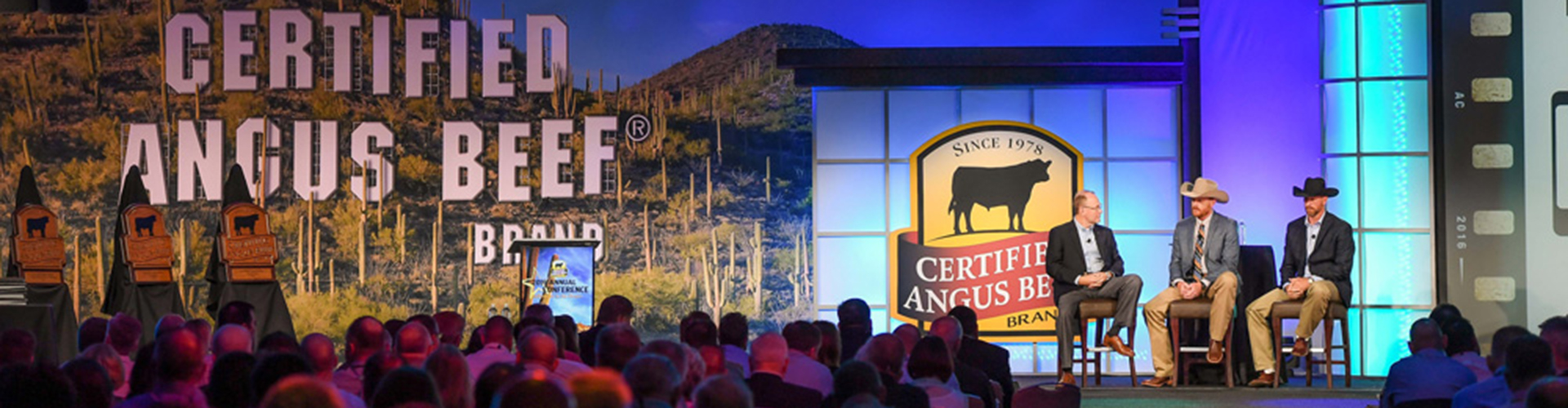
When it’s just not possible to bring 600 people from across the globe to the feedyard, the next best thing is to bring a little of that Herington, Kan., family operation to them. Cattle feeders Shane and Shawn Tiffany took the stage during educational sessions at last month’s Certified Angus Beef ® (CAB®) brand annual conference in Tucson, Ariz. The brothers gave foodservice and retail professionals a glimpse of life in a feedyard, often one of the most misunderstood parts of the beef community.
Imagine living when there was no supermarket or grocery store where you could buy food, having to grow just about everything your family needs. That could be any rural area in the country a couple hundred years ago.
Cattle have changed. If your management hasn’t, animal scientist Robbi Pritchard suggests you take a look to be sure it’s still relevant. The South Dakota State University emeritus professor addressed cattle feeders and allied industry at the Feeding Quality Forum in August.
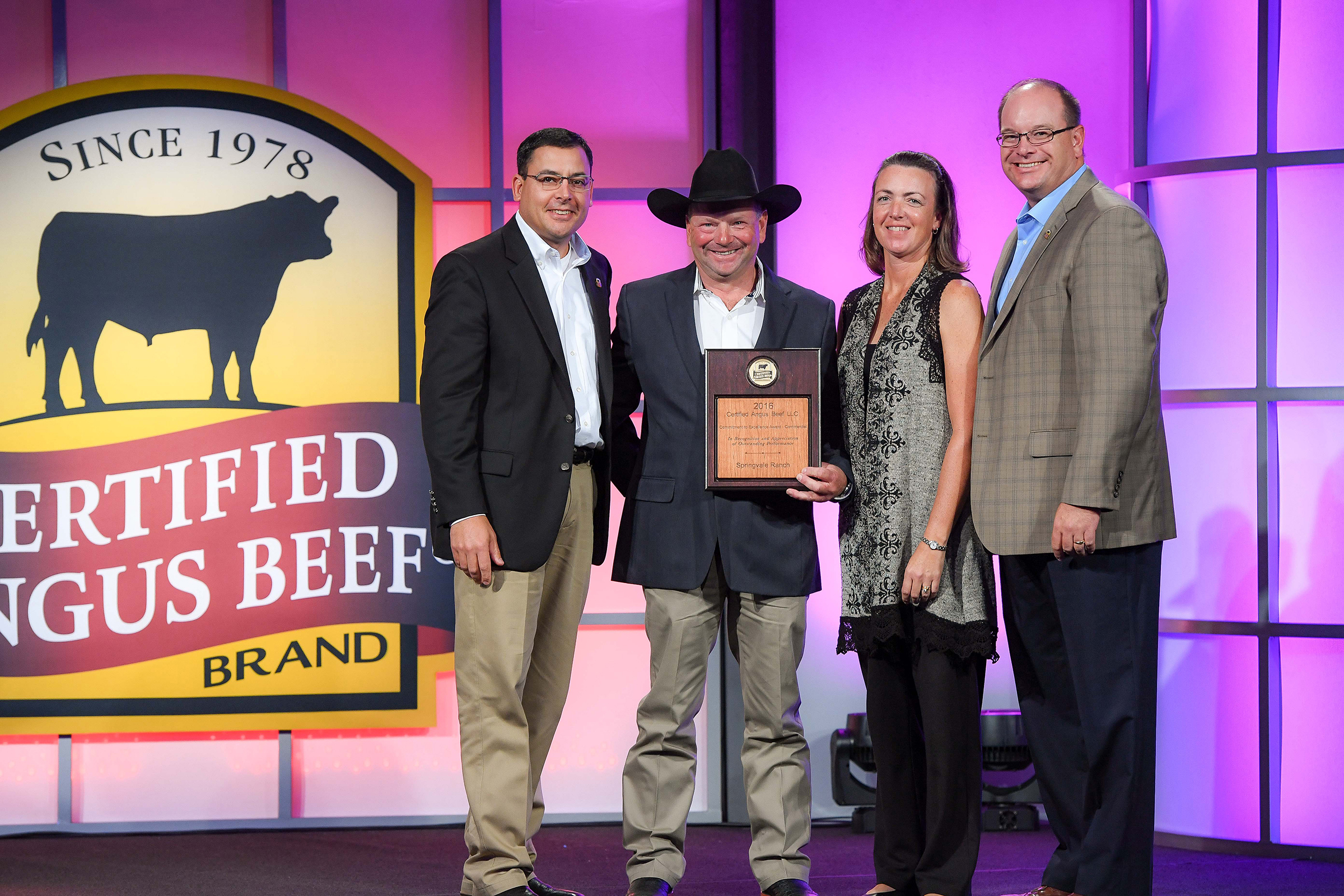
It’s hard to pinpoint when the transformation began, but on the Christensen family’s western ranch, it’s evident that it happened: a commitment to excellence. The views of the Rocky Mountains look much the same as they did when Grandpa Karl homesteaded near Hot Springs, Mont., a century ago, but third-generation rancher Shawn Christensen and wife Jen now raise their two daughters there.
Politics aside, every sense of “progressive” describes Chuck Backus. From his 36 years in education and research to the overlapping 39 years in ranching, this former provost of Arizona State University embodies the aspects of applied innovation, growth by accumulating knowledge, experimenting and expanding boundaries.
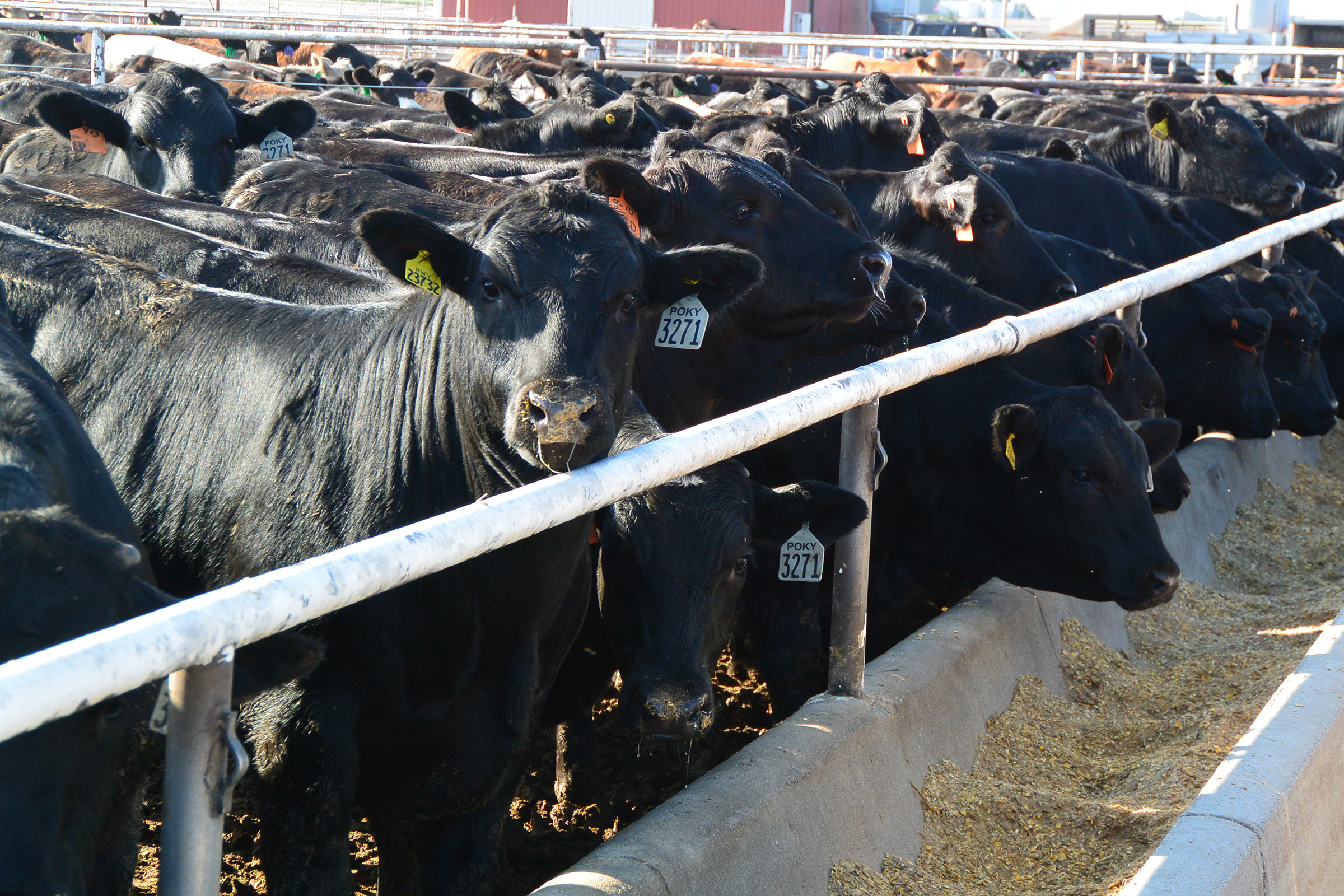
One of the largest cattle feeders in the country aims for high-quality results and hits that target every day. Poky Feeders, Scott City, Kan., turns 3,700 head per week, and nearly 37% of 120,000 Poky-fed Angus cattle earned the Certified Angus Beef ® brand at National Beef Packing last year.
“Five Star Land & Livestock” the barn reads. The curious eyes that travel 30 miles south of Sacramento to the Wilton, Calif., ranch meet the name that started it all. “Do you think it’s too bright?” Abbie Nelson asks of the chosen shade of new red paint that surrounds the white block letters of text. It’s just right, but even so it will surely fade under the California sun.
When cattle prices erratically head lower, it’s easy to take issue with reports of higher packer margins or retail beef prices that still seem relatively high. But in a volatile market, the segments along beef’s supply chain often see much above- or below-average returns.
Manage Consent
To provide the best experiences, we use technologies like cookies to store and/or access device information. Consenting to these technologies will allow us to process data such as browsing behavior or unique IDs on this site. Not consenting or withdrawing consent, may adversely affect certain features and functions.
Functional
Always active
The technical storage or access is strictly necessary for the legitimate purpose of enabling the use of a specific service explicitly requested by the subscriber or user, or for the sole purpose of carrying out the transmission of a communication over an electronic communications network.
Preferences
The technical storage or access is necessary for the legitimate purpose of storing preferences that are not requested by the subscriber or user.
Statistics
The technical storage or access that is used exclusively for statistical purposes.The technical storage or access that is used exclusively for anonymous statistical purposes. Without a subpoena, voluntary compliance on the part of your Internet Service Provider, or additional records from a third party, information stored or retrieved for this purpose alone cannot usually be used to identify you.
Marketing
The technical storage or access is required to create user profiles to send advertising, or to track the user on a website or across several websites for similar marketing purposes.