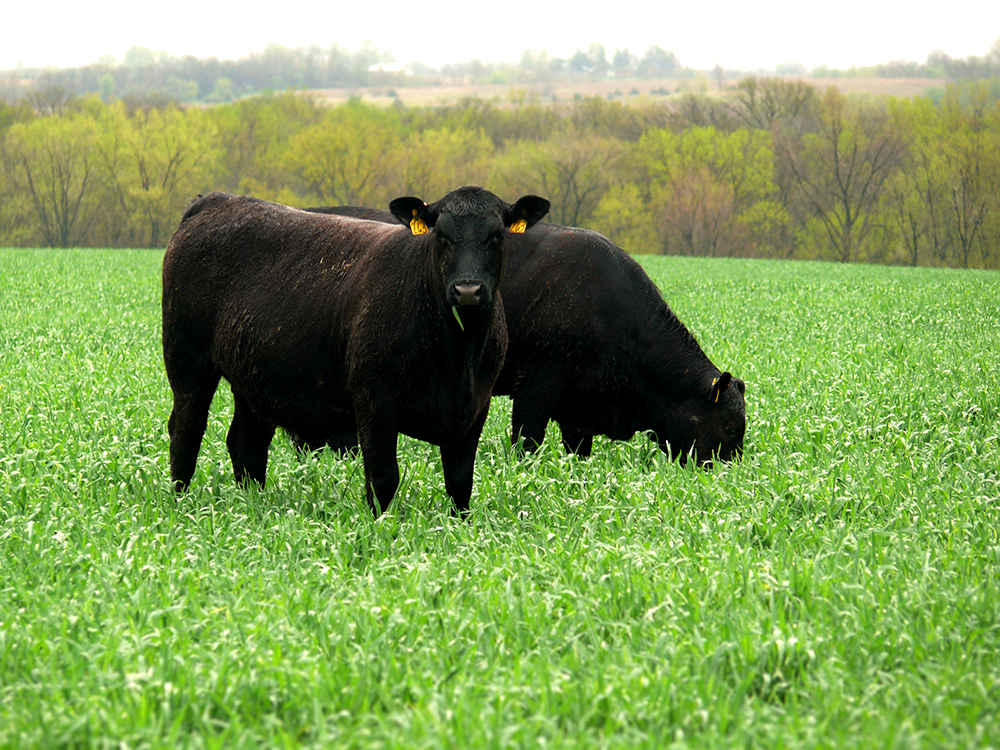
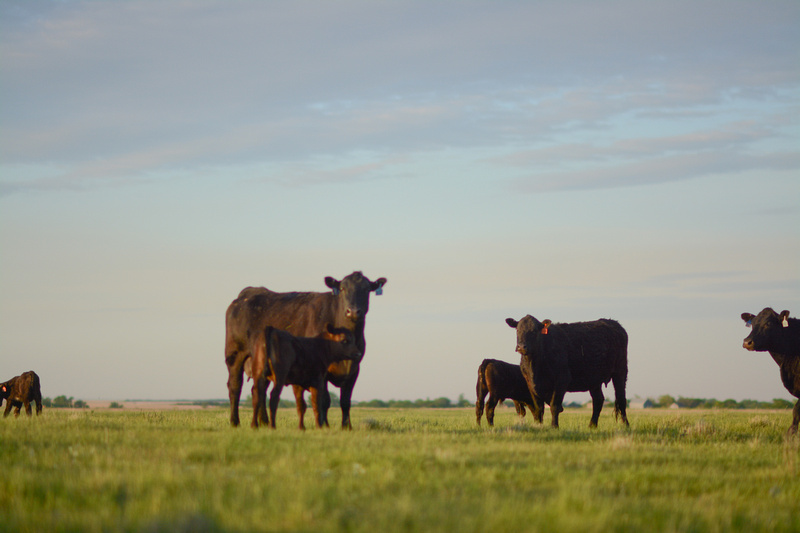
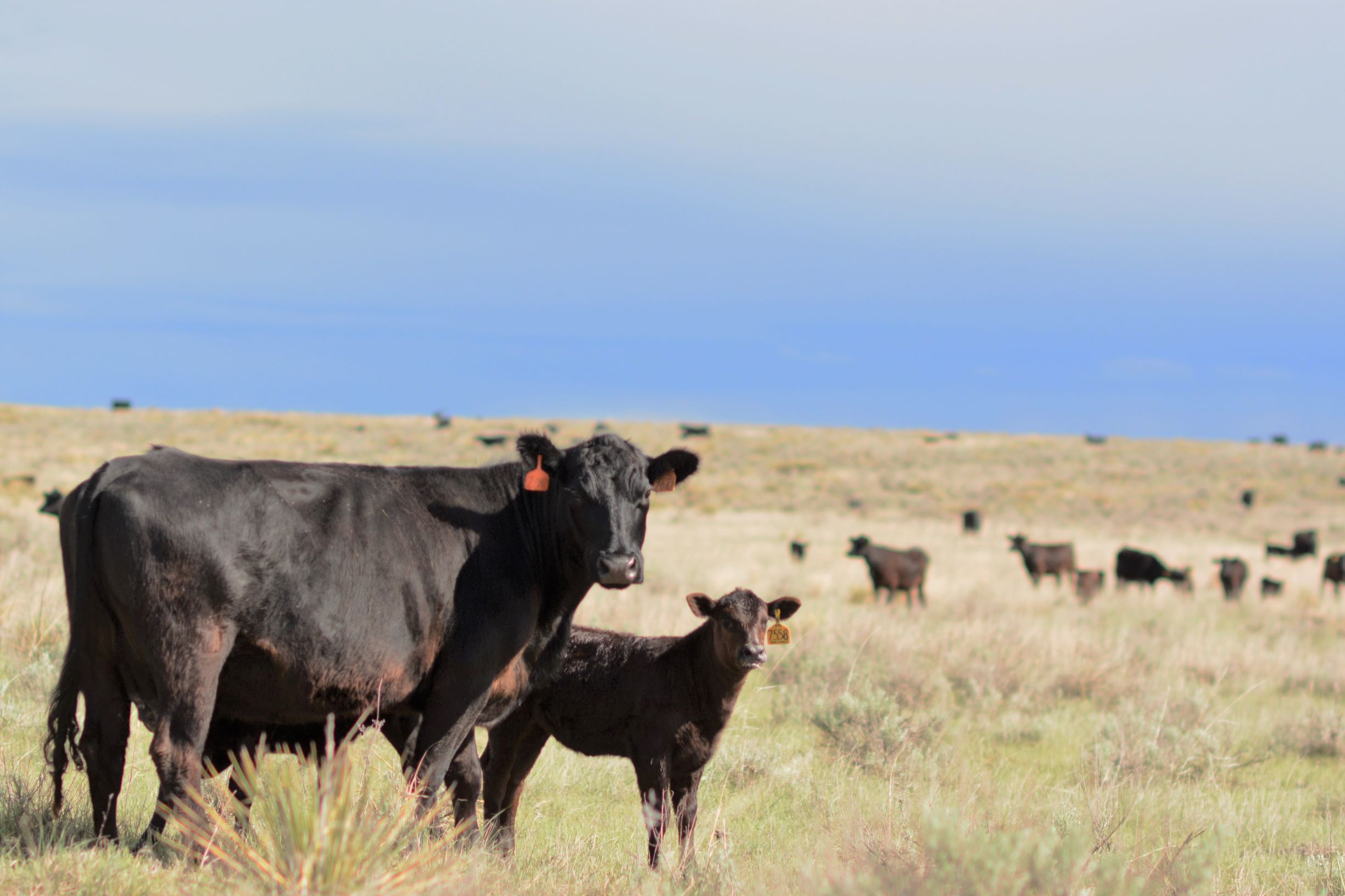
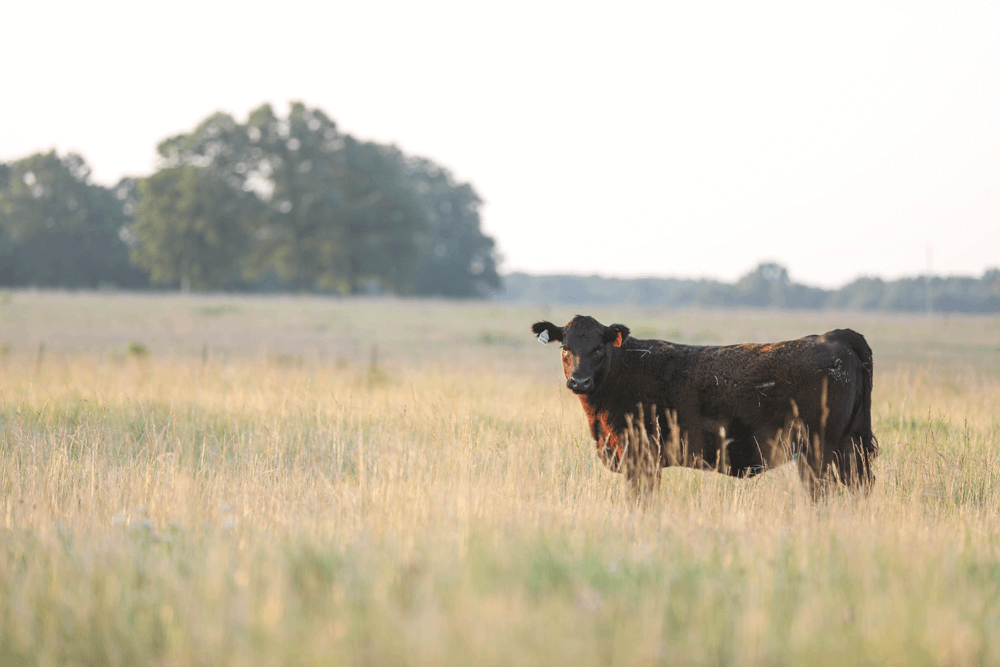
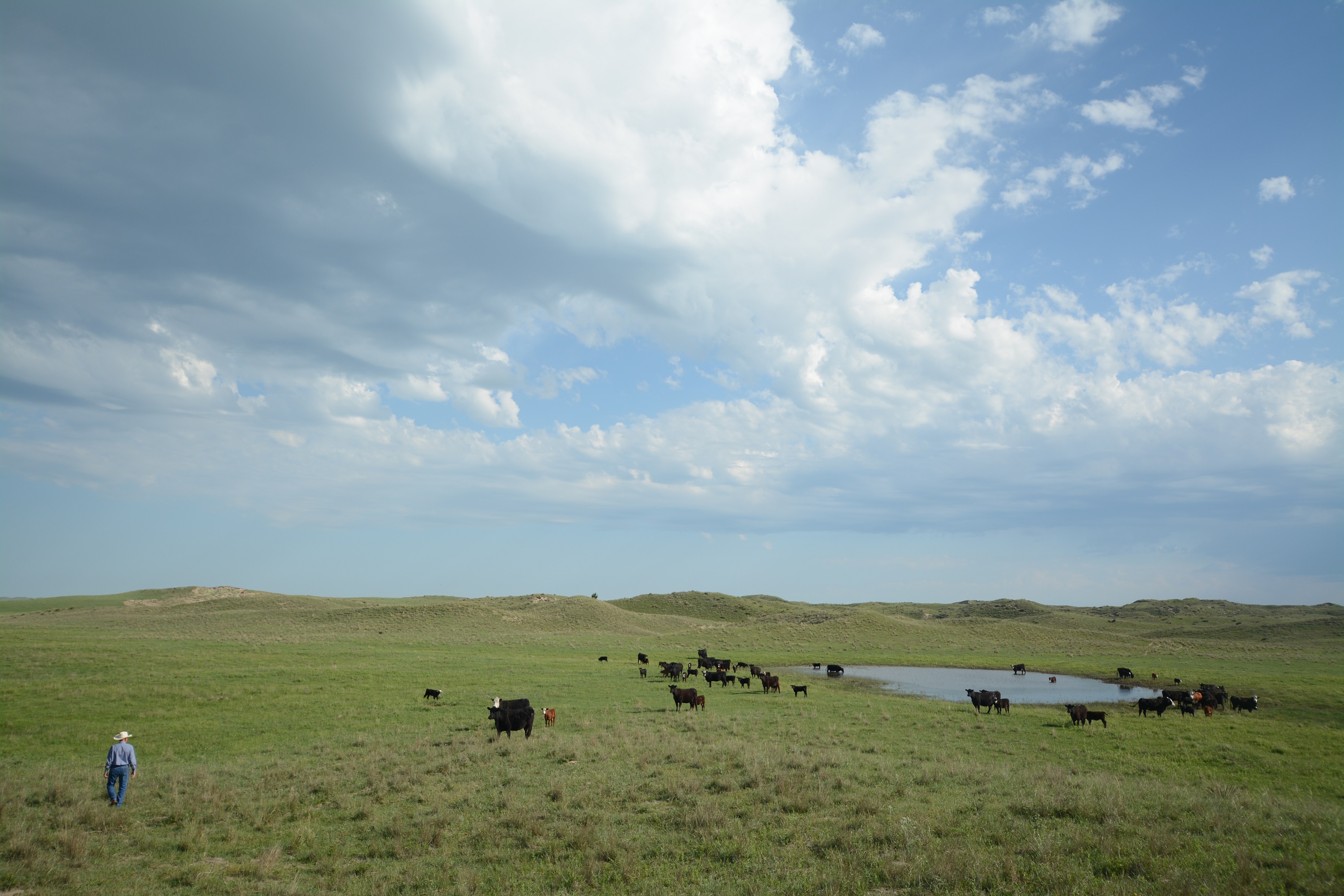
My commercial Angus cows are every bit as important to me as the registered Angus bulls I use, and that is why I stay with the most predictable sires in the world.
I make no correlation between condition of outbuildings and expectations for the herd I’m about to see. A brand new pickup does not mean anything in terms of cattle genetics.
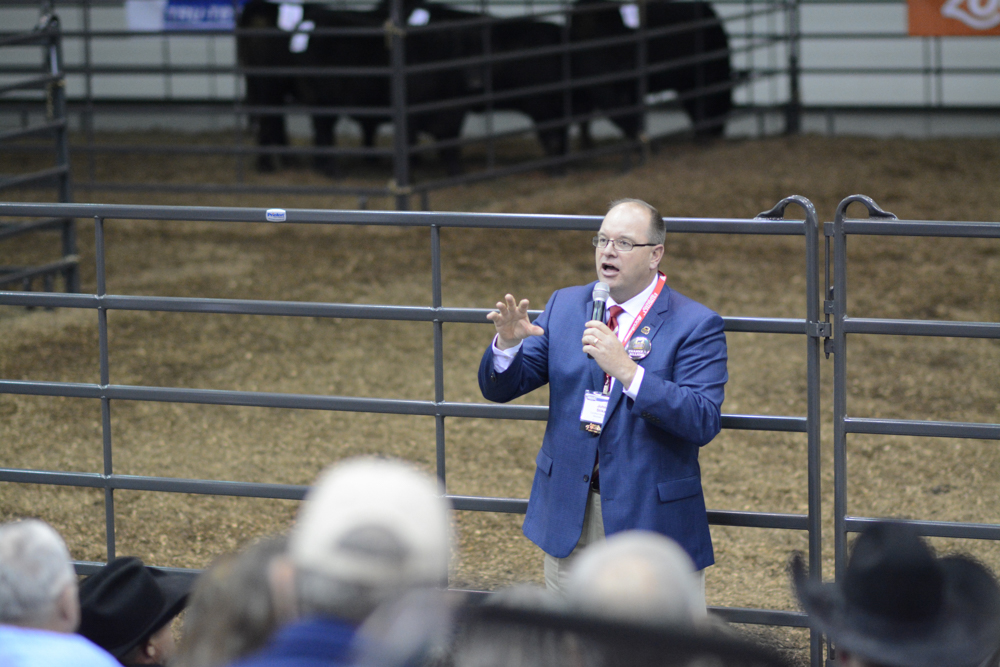
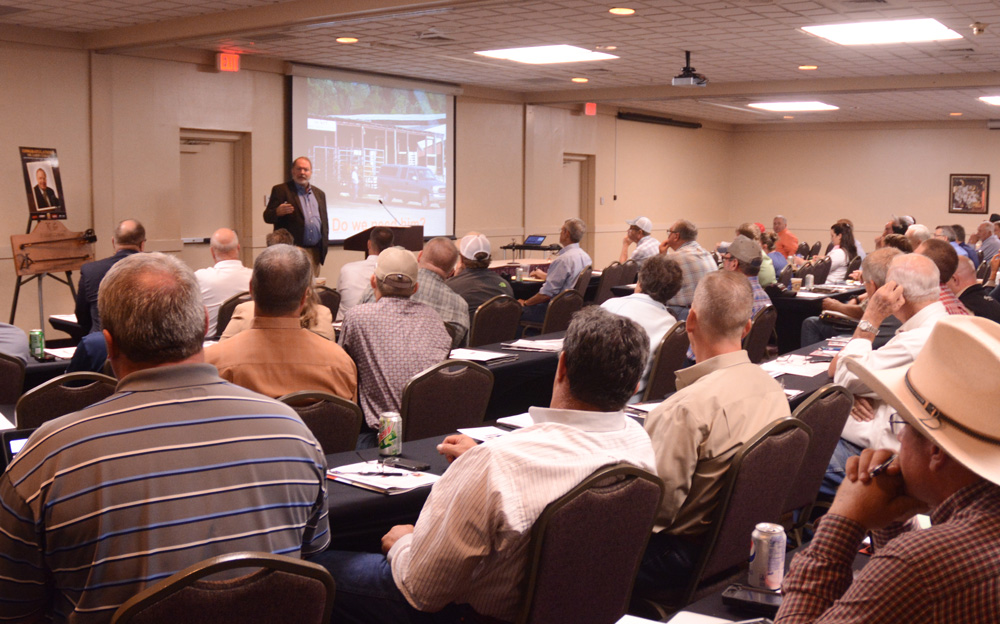
Angus cattle need to do more than ever before. Carcass quality, functional females, feedlot performance—they all matter. That theme was evident at the Innovation Workshops during the National Angus Convention, Nov. 4 to 7, in Indianapolis, Ind.
Politics aside, every sense of “progressive” describes Chuck Backus. From his 36 years in education and research to the overlapping 39 years in ranching, this former provost of Arizona State University embodies the aspects of applied innovation, growth by accumulating knowledge, experimenting and expanding boundaries.
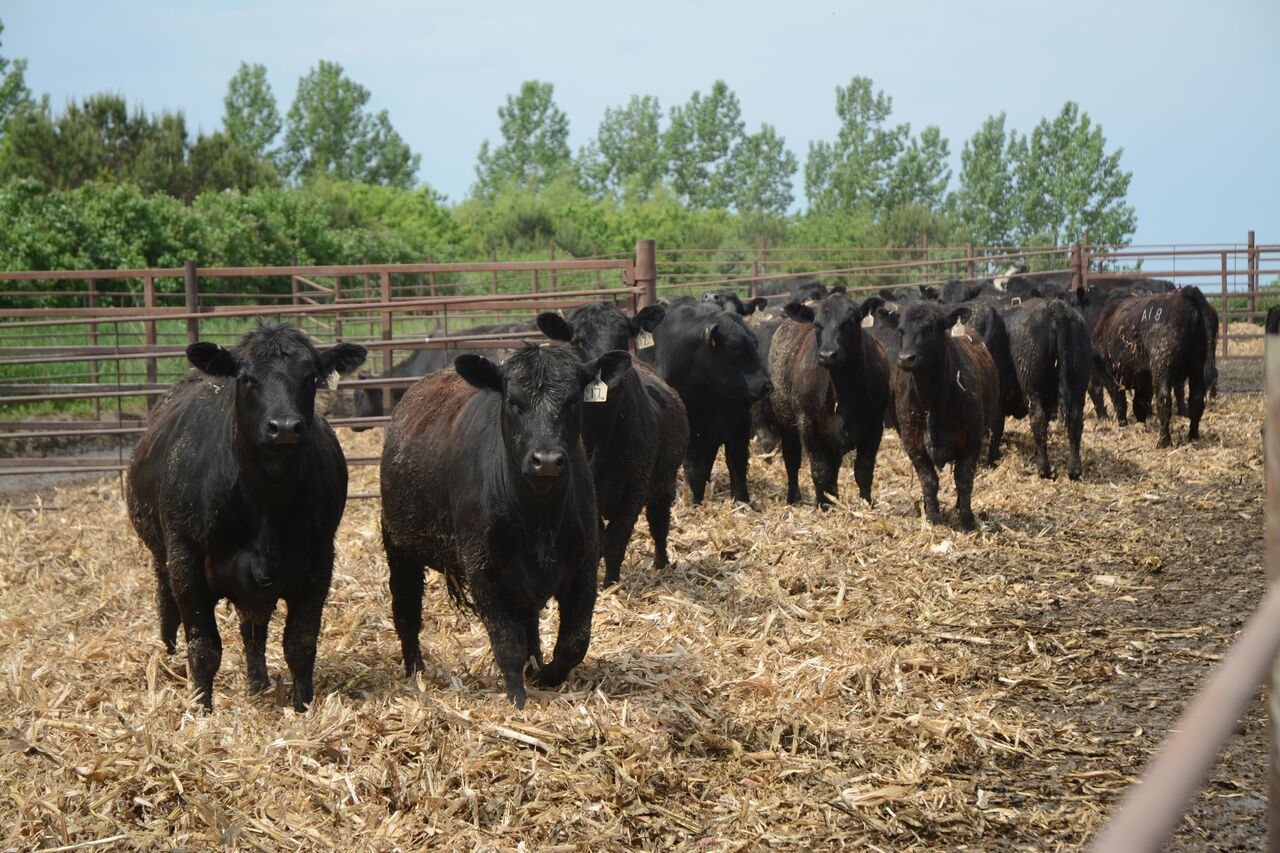
If you think you have the cattle feeding business all figured out, you’re probably mistaken. That’s according to speakers at the Feeding Quality Forum in Grand Island, Neb., and Amarillo, Texas, last week. The experts addressed what they “used to know” that’s no longer so.
If your opinion of artificial insemination (AI) for the beef cattle herd is “been there, done that,” you may want to give it another look. New protocols and synchronization methods have eased the pressure. “There’s no question that fixed-time AI has gotten easier,” says Cliff Lamb, University of Florida animal scientist. That’s important for those who tried other AI programs in the past but did not find success, and also noteworthy for those who have never tried AI.
We use cookies to ensure that we give you the best experience on our website. By continuing to use this site, we will assume that you are in agreement.