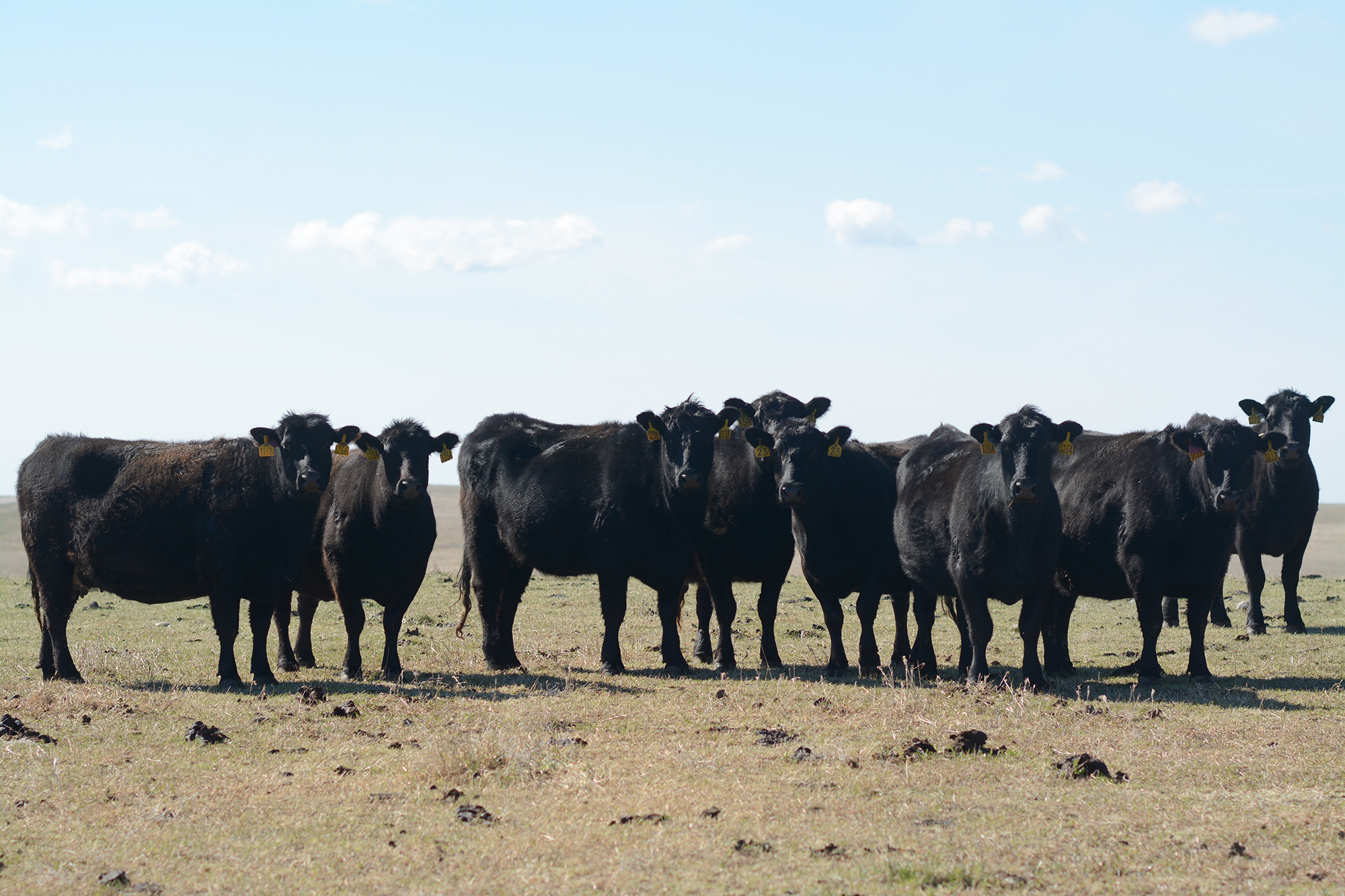
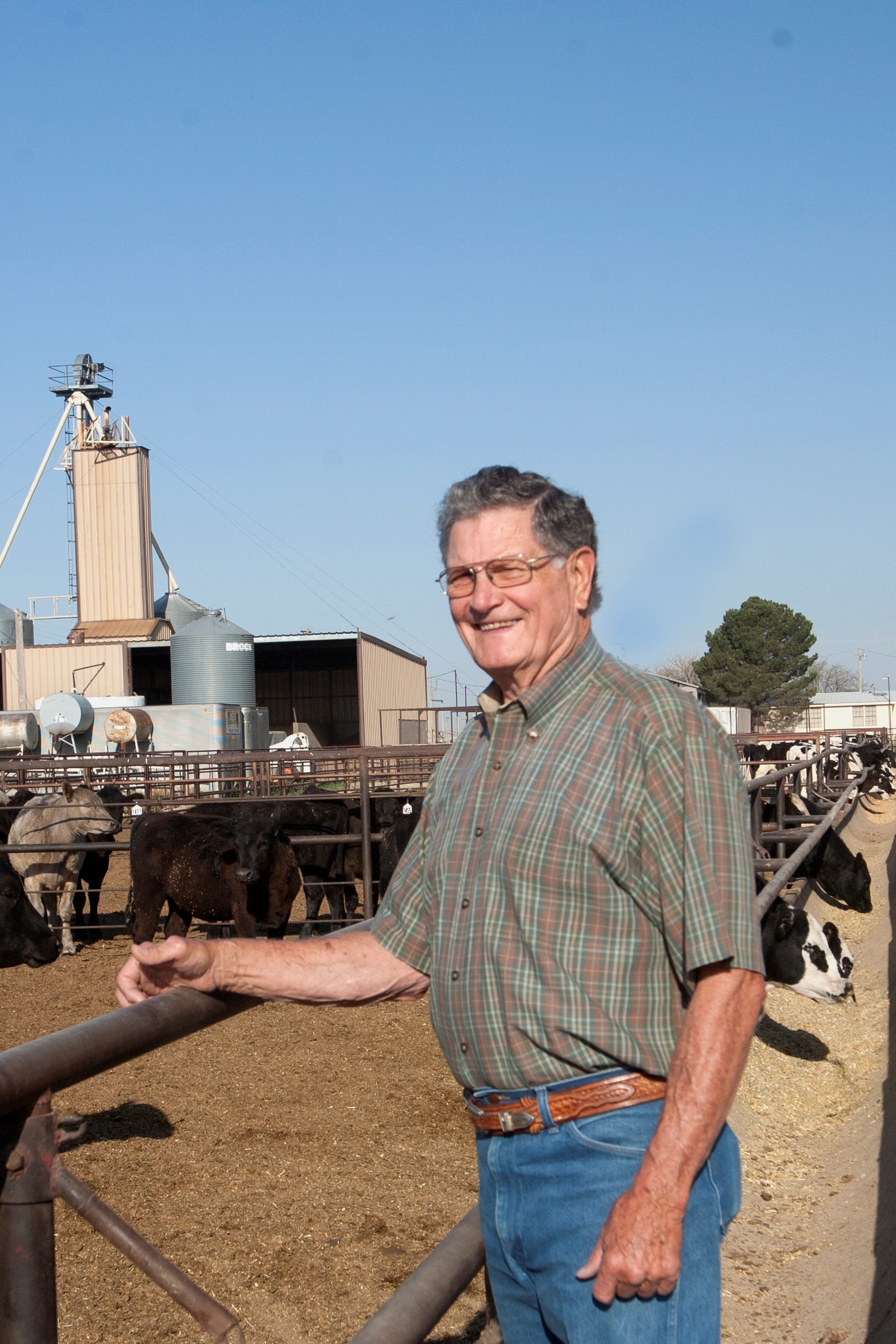
Joe Mayer has always looked for better ways. That’s second nature to anyone whose family has made a living on harsh land for generations. All who thrive on the 35,000 acres that comprise Mayer Ranch near Guymon, Okla., must continually adapt. For his example that proves high-quality ideals and cattle can flourish here, Mayer earned the 2013 Certified Angus Beef LLC (CAB) Commercial Commitment to Excellence Award, presented at the CAB annual conference in Palm Desert, Calif., Sept. 18-20.
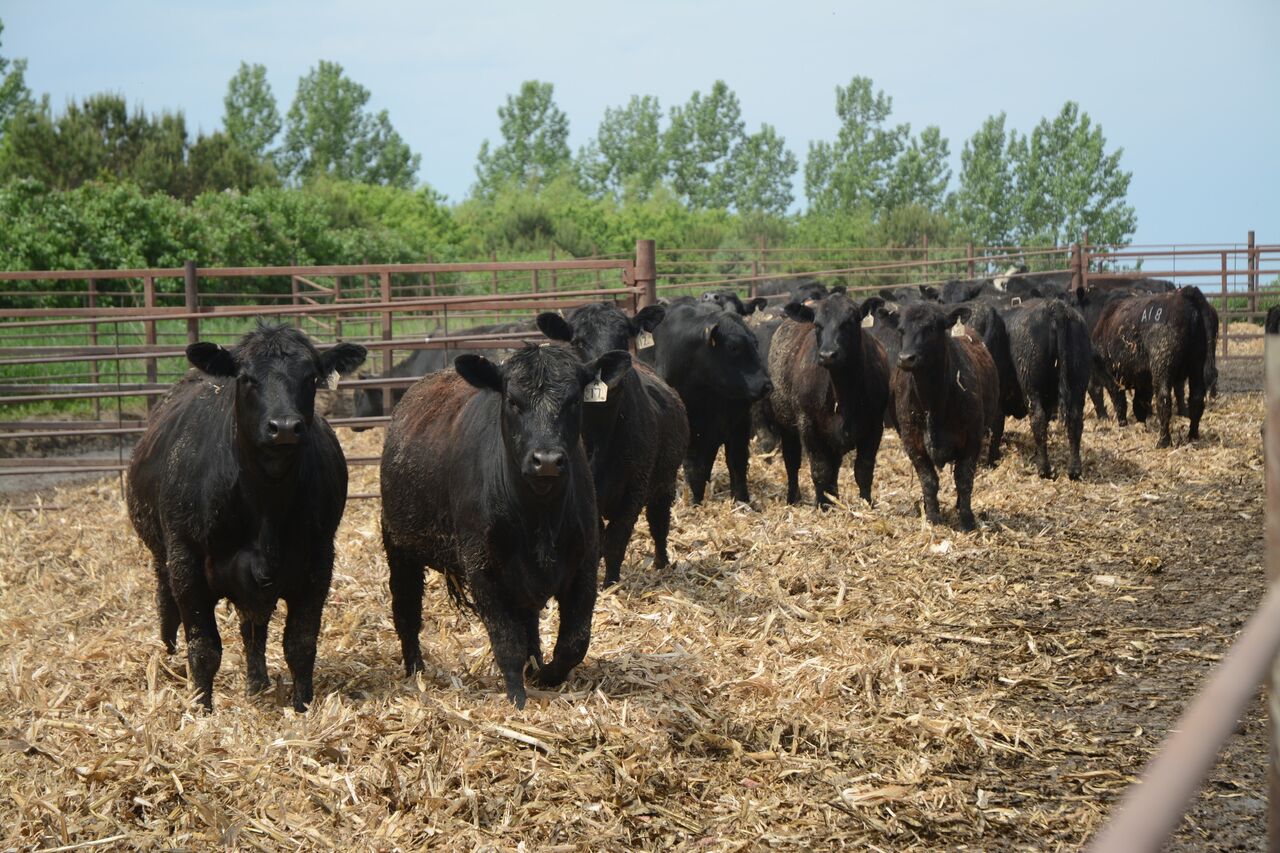
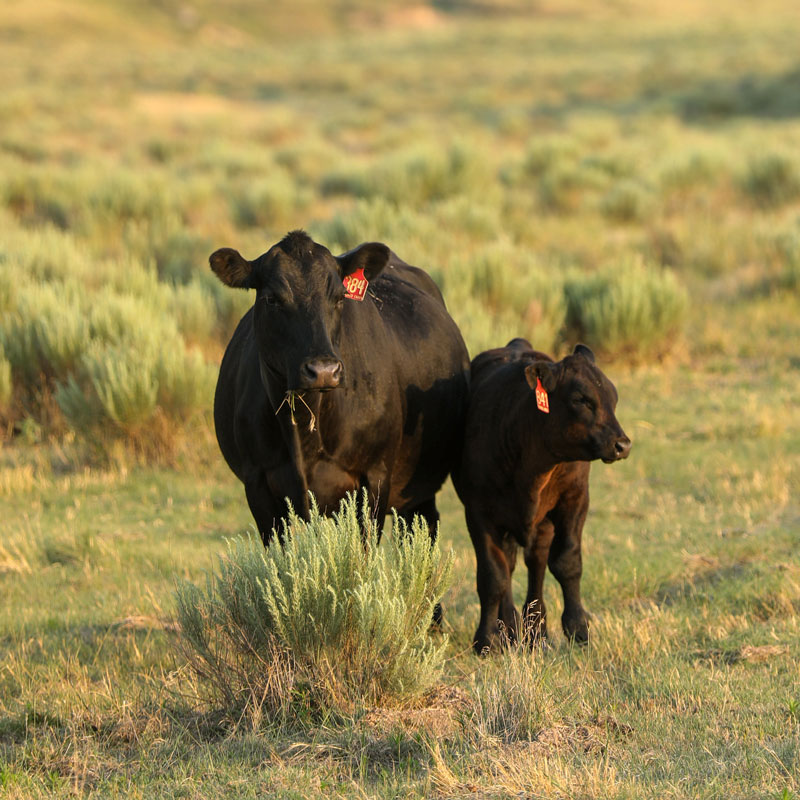
In a roomful of cattle feeders, an Oklahoma State University (OSU) livestock marketing specialist had everyone’s full attention as he said there is no way around it: In the next two to three years, the already short supply of feeder cattle will only get tighter. OSU Breedlove Professor Derrell Peel described the current feeder cattle situation and the circumstances leading to it at the eighth annual Feeding Quality Forum in Omaha, Neb., and Garden City, Kan., last month.
Prosperity for any industry depends on consumer demand, a Western Kentucky University animal scientist points out. Of course, that includes the beef industry or cattle community. Nevil Speer, in a new white paper, “Consumers, Business and Breeding Systems: Charting the Beef Industry’s Path,” says the implications are clear. “All business decisions on the ranch, as everywhere along the beef supply chain, should be made with an eye on consumer demand for beef,” he says.
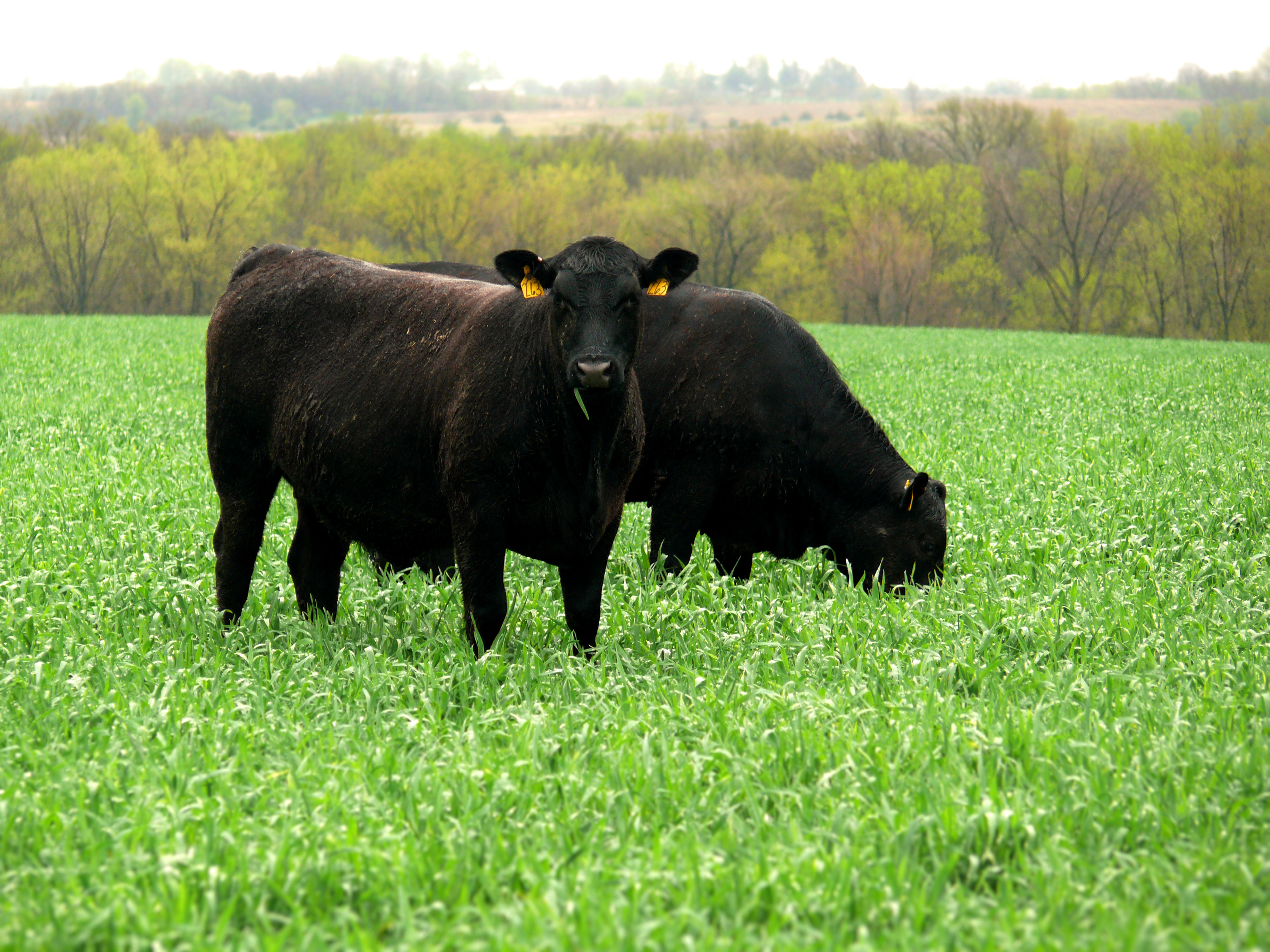
Winners of the 2013 Carcass Data Project (CDP) didn’t leave a lot of room for outliers. The top three contestants’ data in the Kansas Angus Association (KAA) annual contest were of exceptional quality and within 3 percentage points, at 89%, 88% and 86% Prime and Certified Angus Beef ® (CAB®) brand acceptance. Final standings were based on the top three calves from any owner, taking gain and CAB acceptance into account. With eight of John Wendling’s nine steers qualifying for the CAB brand, he edged out the competition and took home top honors with a $500 cash prize.
When Daryl Strohbehn retired as an Iowa State Extension beef specialist there was one project he wasn’t ready to give up the reins to.
Since 2003, he has tracked the profit values for sires of calves enrolled in the Tri-County Steer Carcass Futurity (TCSCF). “To make things work in the cattle business today, it takes information based on sound data,” Strohbehn says. “I enjoy figuring out what that sound data is and what it might tell us.” The cooperative’s Sire Profit Analysis has grown from data on 35 sires in the initial report to 3,451sires evaluated in 2012.
When David Bechtol is honored at the 2013 Feeding Quality Forums with the Industry Achievement Award, colleagues and clients will catch a glimpse of recent history that laid the foundation for many of the ways they handle cattle health today. “As one of the very first veterinary feedlot consultants, he evolved with a very young cattle feeding industry as it was starting up and maturing,” John Pollreisz said. “The role of the veterinary feedlot consultant grew as the industry did – it went hand in hand.”
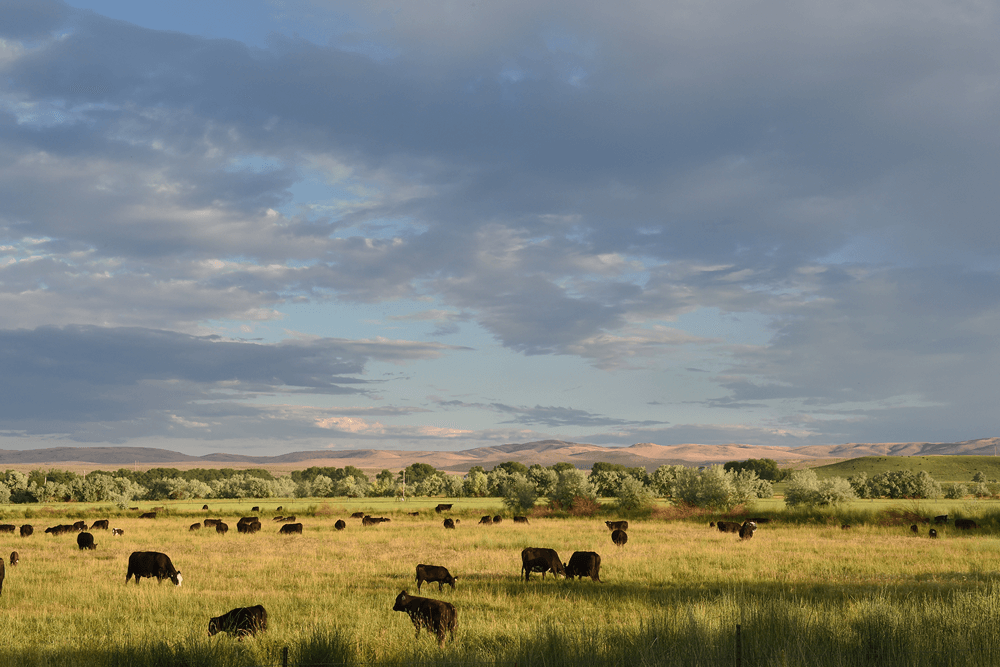
The drought has eased in places, but it persists in 40% of the U.S. and another 10% could revert if seasonal rains stay away this summer. That outlook from the USDA Drought Monitor has many ranchers short on grazing or water at a crossroads. Do they sell out with hopes of getting back in once the drought subsides? Or do they spend the money to feed and water their cows to preserve the genetics? “It’s a scenario we’ve heard an awful lot about,” says Vern Anderson, Extension animal scientist at North Dakota State University. “Farmers and ranchers are scrambling for ways to keep their cowherds.”
Nobody wants cattle with too much “attitude,” but it takes focused genetics and handling to improve docility in a herd. “We’ve always tried to be careful about selecting bulls for disposition,” says Roger Jones, of Tri-Tower Farm, near Shenandoah, Iowa. “It’s very important to us to have a cowherd that we can handle, without a lot of wild calves in it. You know, the cattle do better in the feedlot when they aren’t wild.” Since he operates both enterprises, Jones knows how those issues carry from the field to the feedlot.
Manage Consent
To provide the best experiences, we use technologies like cookies to store and/or access device information. Consenting to these technologies will allow us to process data such as browsing behavior or unique IDs on this site. Not consenting or withdrawing consent, may adversely affect certain features and functions.
Functional
Always active
The technical storage or access is strictly necessary for the legitimate purpose of enabling the use of a specific service explicitly requested by the subscriber or user, or for the sole purpose of carrying out the transmission of a communication over an electronic communications network.
Preferences
The technical storage or access is necessary for the legitimate purpose of storing preferences that are not requested by the subscriber or user.
Statistics
The technical storage or access that is used exclusively for statistical purposes.The technical storage or access that is used exclusively for anonymous statistical purposes. Without a subpoena, voluntary compliance on the part of your Internet Service Provider, or additional records from a third party, information stored or retrieved for this purpose alone cannot usually be used to identify you.
Marketing
The technical storage or access is required to create user profiles to send advertising, or to track the user on a website or across several websites for similar marketing purposes.