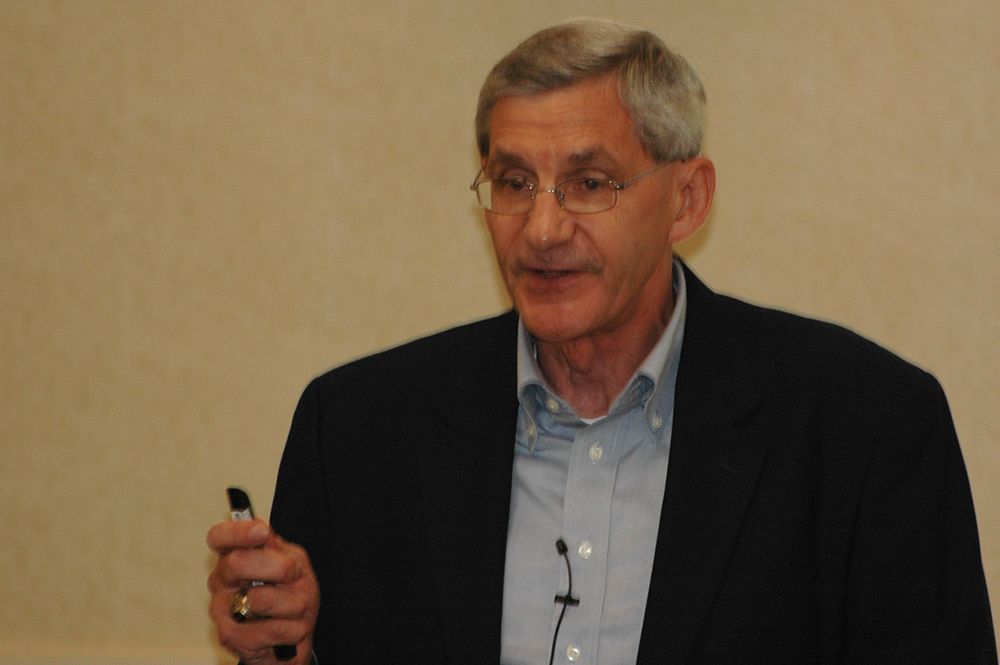
I’ve been to all but one of the forums, which we’ve held with allied industry partners since 2006, and the overwhelming summary is LOTS of good information.
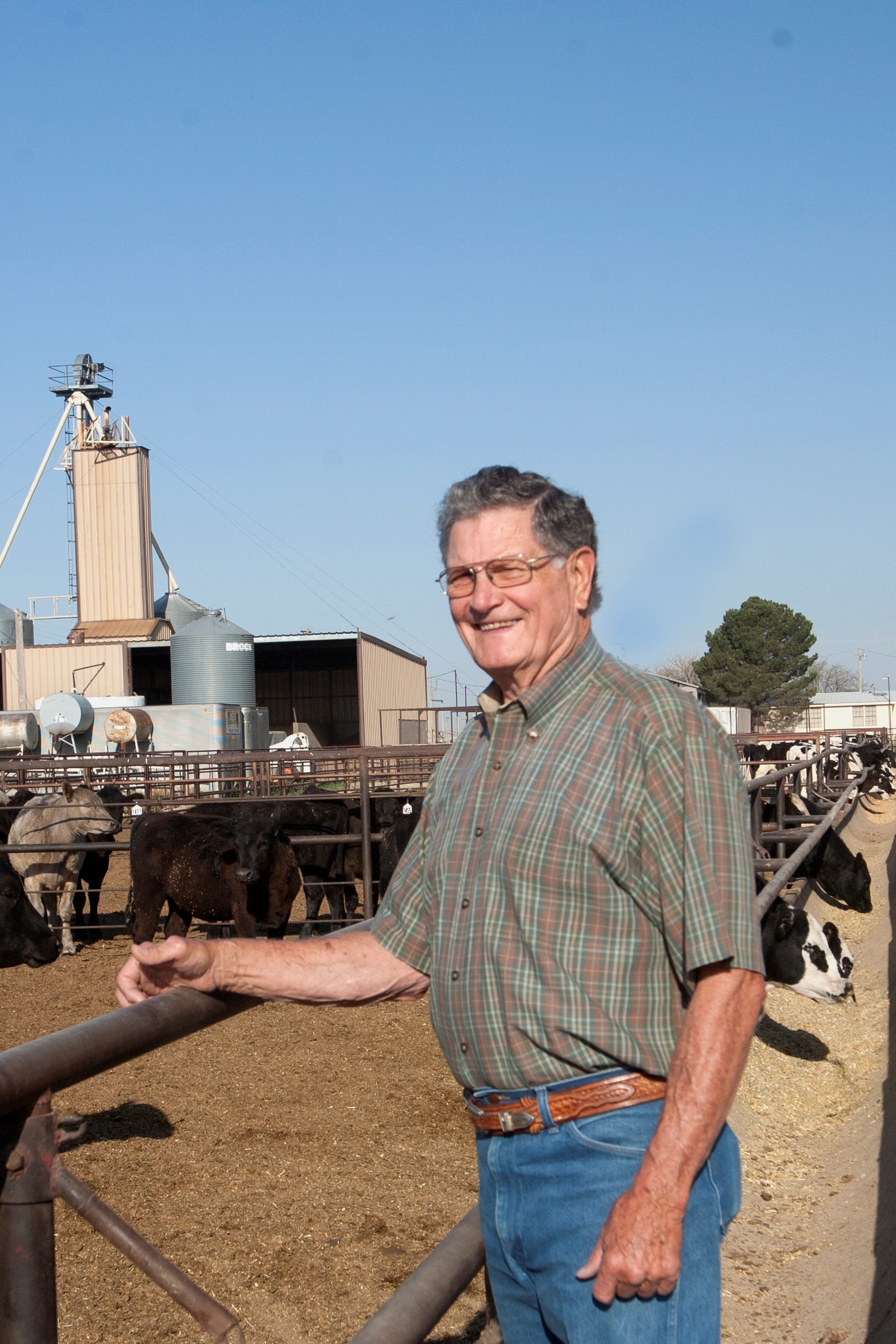
Seven years ago when Larry Corah suggested adding a people element to the Feeding Quality Forum (FQF) he helped launch in 2006, he certainly didn’t expect to be a recipient of the Industry Achievement Award one day.
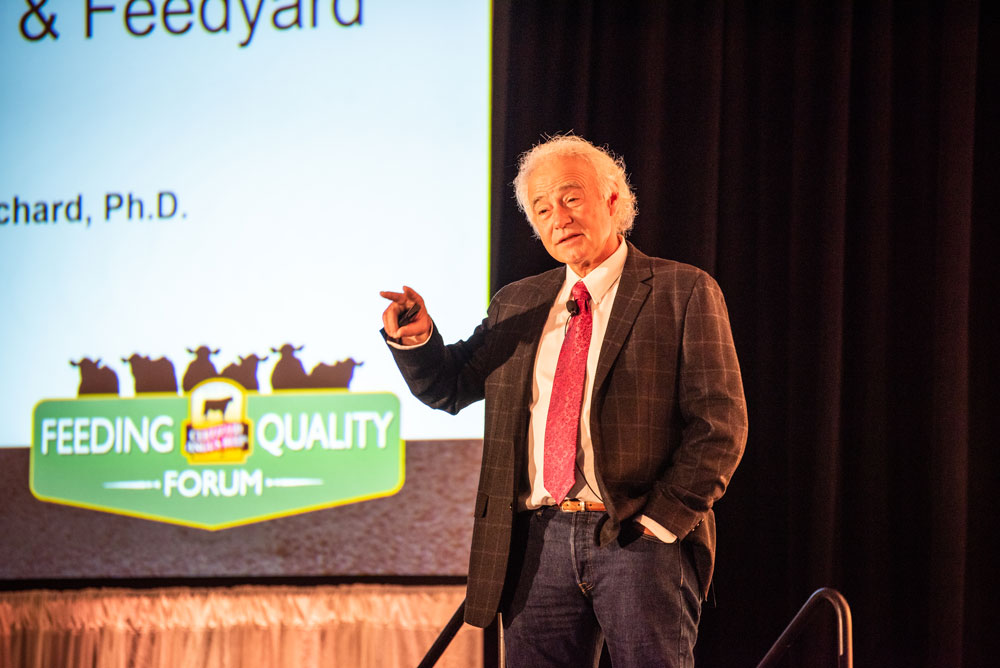
If you don’t believe the global factors affecting the U.S. cattle market are numerous and complicated, you probably haven’t heard Dan Basse, president of Ag Resource Company, give an economic outlook. By 2040, Japan’s population will drop by 25.3 million people. Today, the Black Sea region exports 34% of the world’s wheat. Brazil’s currency, the real, has been weak for several years versus the U.S. dollar.
In a cyclical business, when you’re riding the good times, it probably means you’re not far from the bad ones. So it is with the cattle business, said Dan Basse, president of Ag Resource Company, as he kicked off the Feeding Quality Forum in La Vista, Neb., and Garden City, Kan., this week. “It’s not like the mid-1980s, with land values collapsing. It’s more like a slow bleed,” Basse said of the general “downturn” in agricultural commodities. Ag equipment sales have slowed, land prices are going down and grain trade has softened as the dollar strengthened.
Paying the feed bill has cleaned out bank accounts faster than Jesse James in recent years, as high corn prices left cattlemen everywhere looking for the cheapest, most efficient alternatives. Answering that search, Galen Erickson shared research results and insight on distillers grains at the Feeding Quality Forums in Omaha, Neb., and Garden City, Kan., in August. As of late summer, the ethanol byproducts were selling at near corn prices. Many cattlemen responded by cutting back or removing it, but Erickson, feedlot Extension specialist at the University of Nebraska-Lincoln, said that could be a mistake.
In a roomful of cattle feeders, an Oklahoma State University (OSU) livestock marketing specialist had everyone’s full attention as he said there is no way around it: In the next two to three years, the already short supply of feeder cattle will only get tighter. OSU Breedlove Professor Derrell Peel described the current feeder cattle situation and the circumstances leading to it at the eighth annual Feeding Quality Forum in Omaha, Neb., and Garden City, Kan., last month.
When David Bechtol is honored at the 2013 Feeding Quality Forums with the Industry Achievement Award, colleagues and clients will catch a glimpse of recent history that laid the foundation for many of the ways they handle cattle health today. “As one of the very first veterinary feedlot consultants, he evolved with a very young cattle feeding industry as it was starting up and maturing,” John Pollreisz said. “The role of the veterinary feedlot consultant grew as the industry did – it went hand in hand.”
If you’ve ever tossed leftovers or overripe fruit without considering tomorrow’s lunch or creative baking, you’re part of the problem. “We throw away 242 pounds of food per person per year,” said Brad Morgan, senior food safety and production efficiency specialist with Pfizer Animal Health.
Getting cattle bought right. That’s normally a feeder’s first challenge, but today it’s just plain getting cattle.
“The total size of the cattle industry has been shrinking, and shrinking rather abruptly for the last couple of years,” said Mike Sands, Informa Economics vice president.
We use cookies to ensure that we give you the best experience on our website. By continuing to use this site, we will assume that you are in agreement.