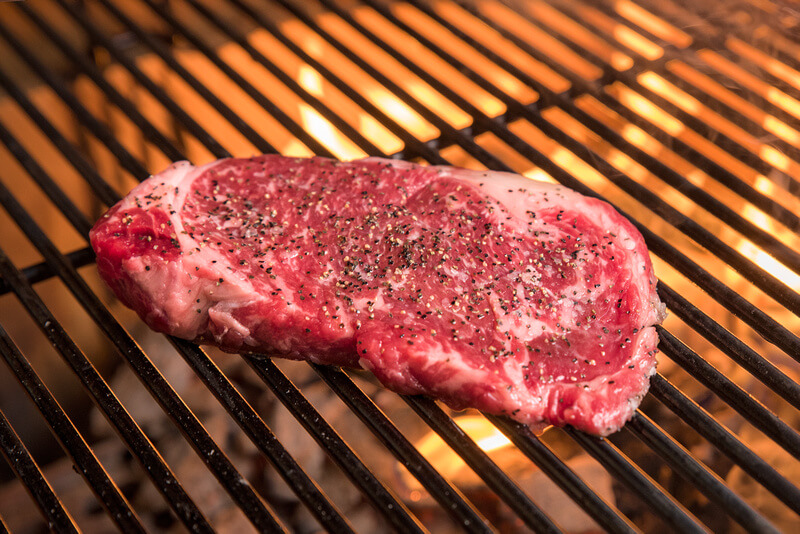
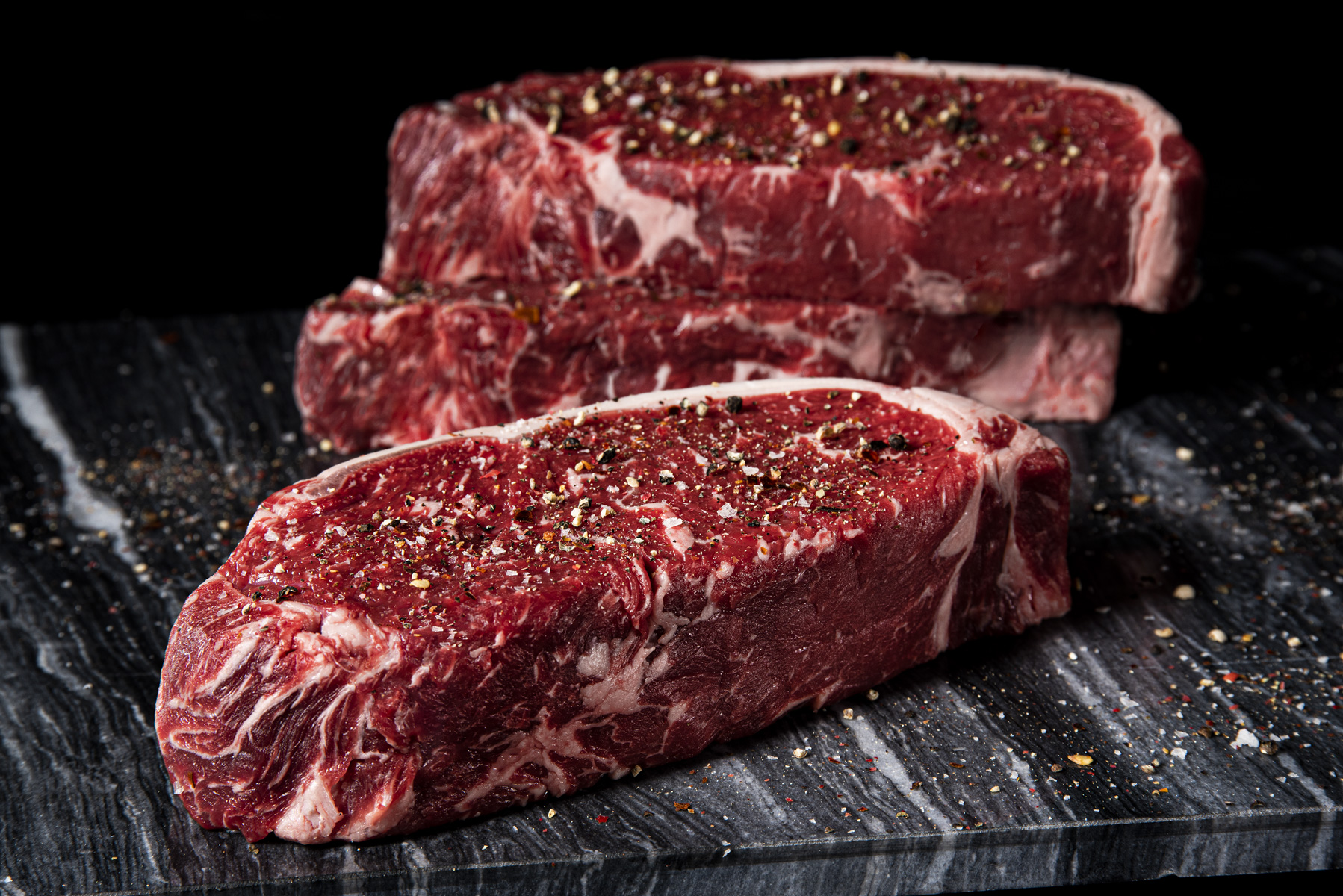
For many cattle across the United States that’s the difference in a marbling score of 492 versus 500. Those commodity Choice carcasses are just a few fat flecks away from upper two-thirds Choice and their share of the $50 million that packers pay each year for cattle earning that high-quality designation.
Certified Angus Beef ® is the Brand that Pays®. At a rate of $8,500 per hour, 24-7, that was $75 million for 2017, up from the $52 million paid in 2015; the linking year came in at $63 million. That brings the 20-year total for CAB premiums to $688 million, more than half of it paid in the last seven years.
Angus producers can increase supply for the world’s leading premium beef brand in just two years—and still earn 44% more premium dollars for the greater supply.
When Steve Knoll went to buy a few Angus bulls to put on his registered Salers herd, it changed everything. “I was blown away with what the bulls were bringing. The bulls I thought I would just go and buy and bring home, I couldn’t afford,” says the Hereford, Texas, rancher. Instead, his trailer carried two registered Angus cow-calf pairs. One nursing a heifer, the other, a bull.
Cattle have changed. If your management hasn’t, animal scientist Robbi Pritchard suggests you take a look to be sure it’s still relevant. The South Dakota State University emeritus professor addressed cattle feeders and allied industry at the Feeding Quality Forum in August.
Price is important in nearly every buying decision. However, when it comes to groceries, a new study shows consumers place more value on quality and service than price alone. The doctoral research by Ken Wicker through Capella University’s School of Business is titled, “A study of customer value and loyalty in the supermarket industry.”
We use cookies to ensure that we give you the best experience on our website. By continuing to use this site, we will assume that you are in agreement.