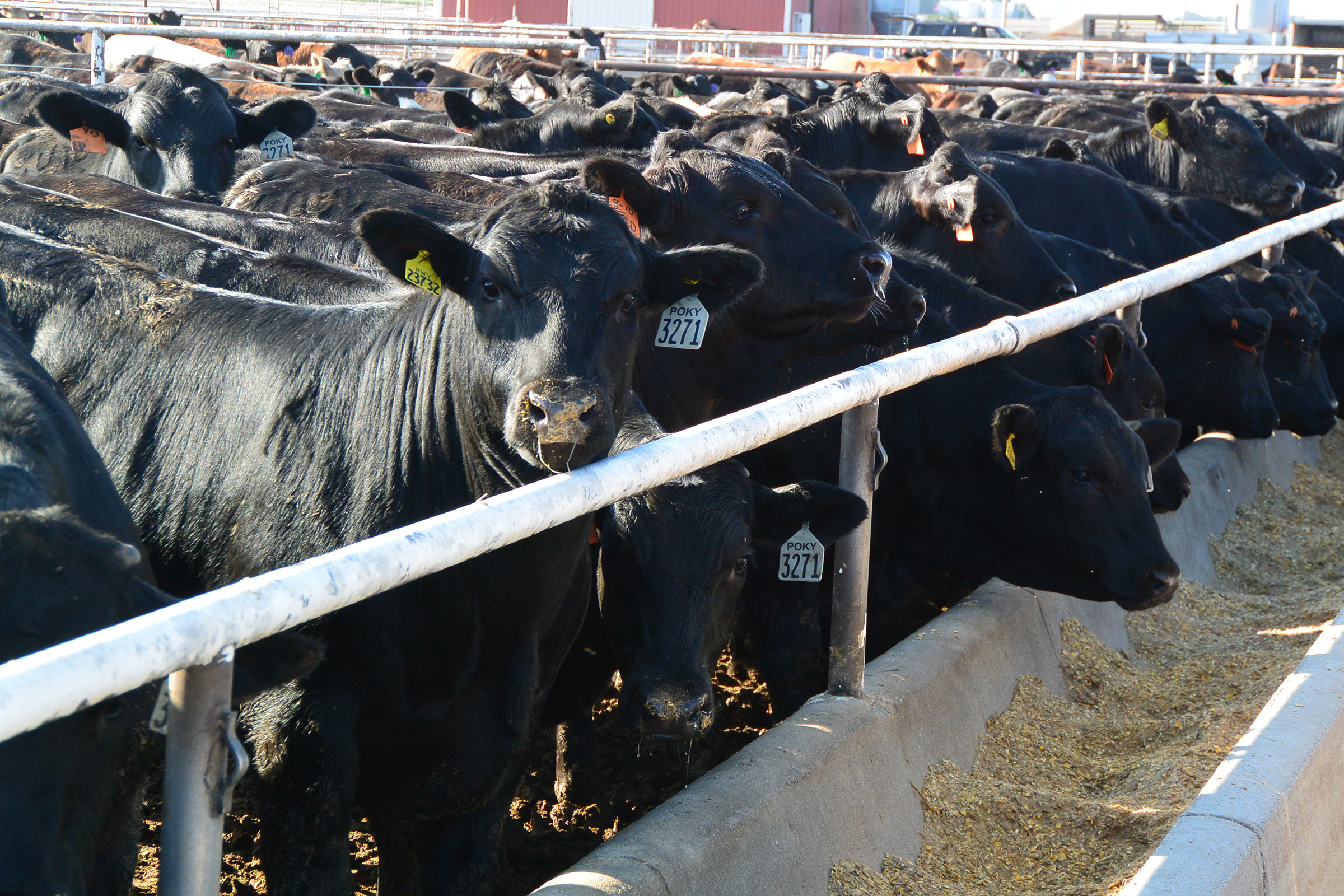
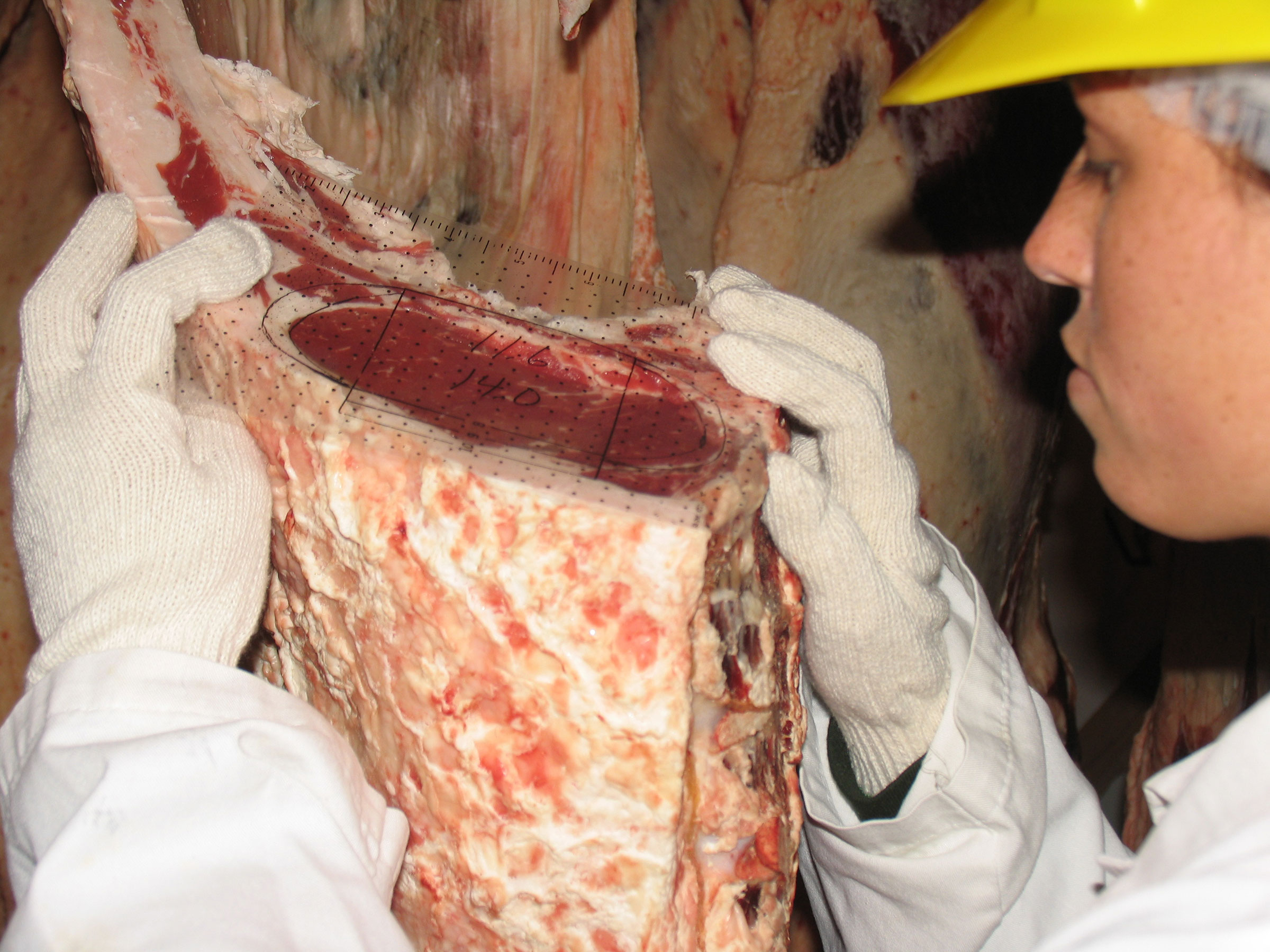
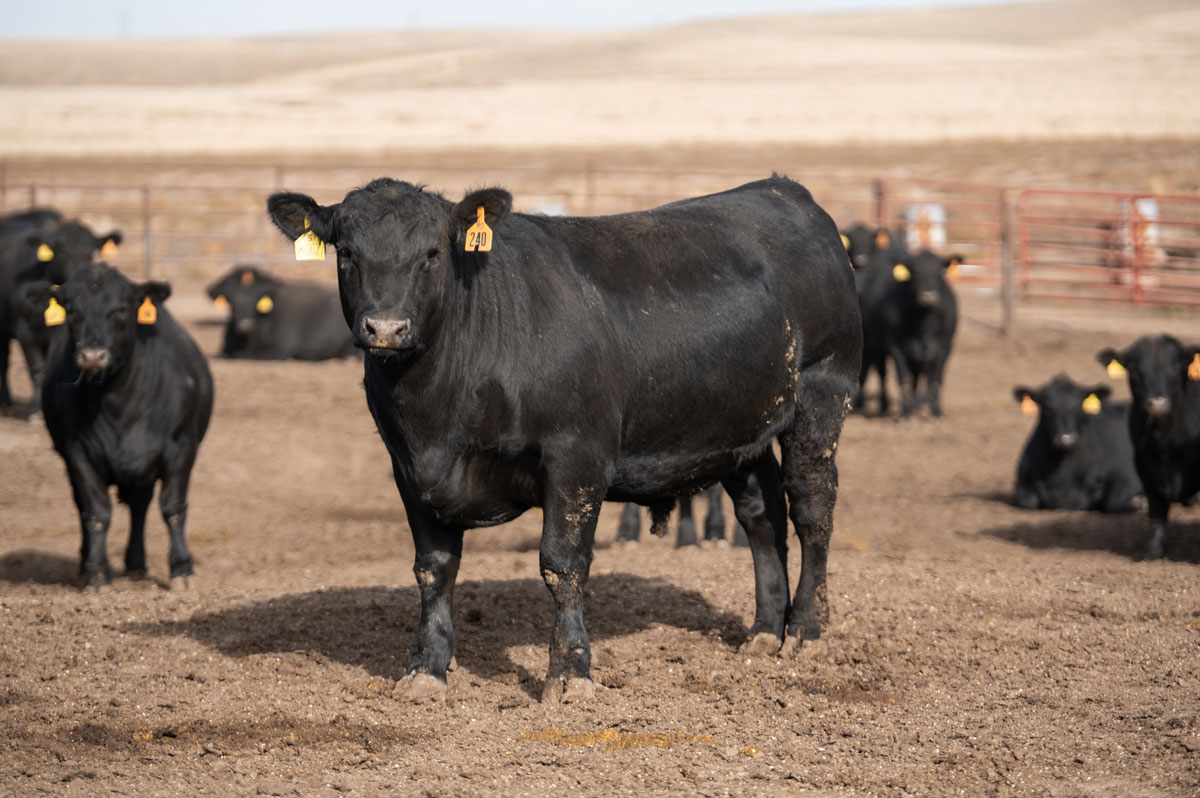
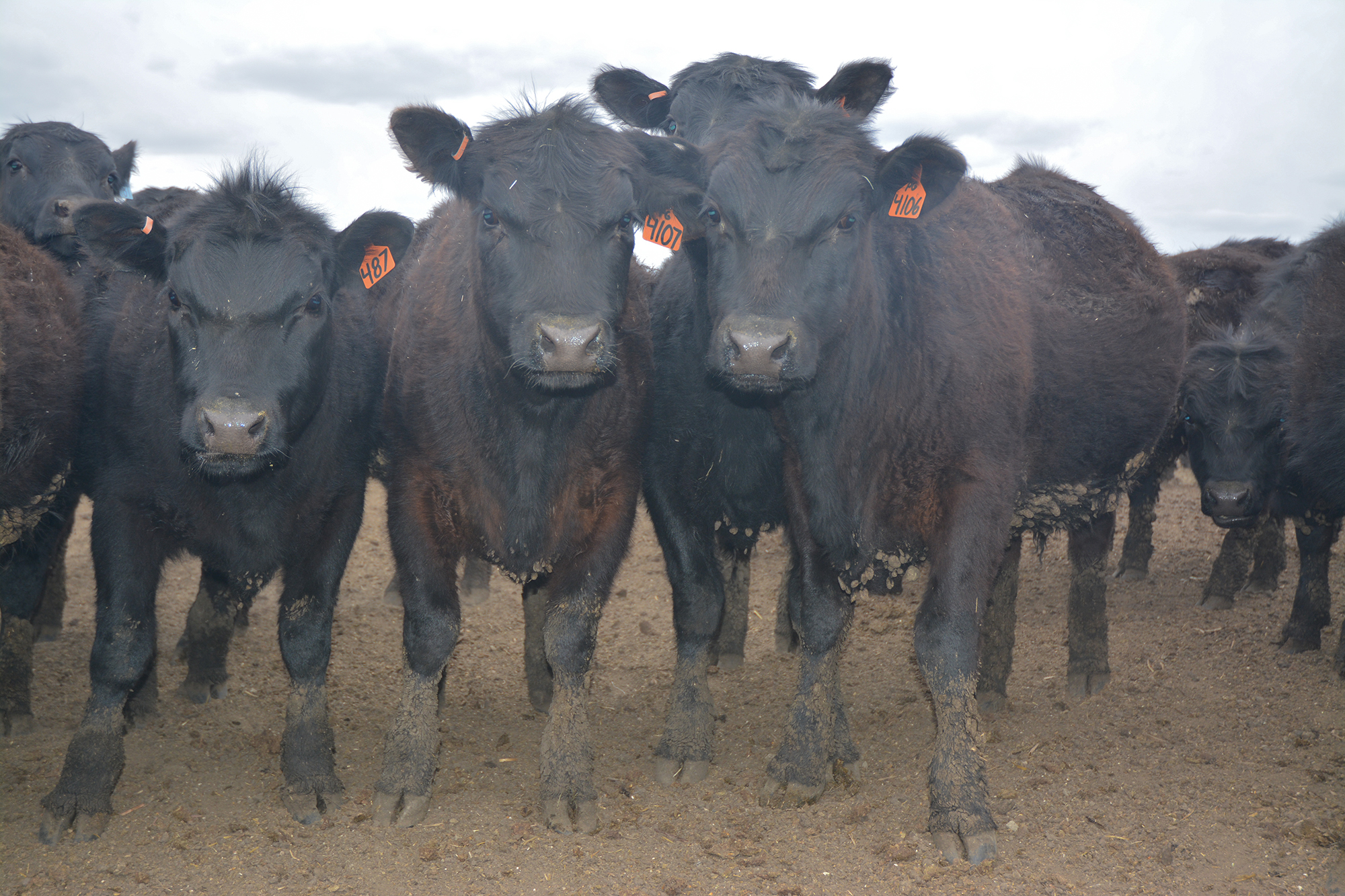
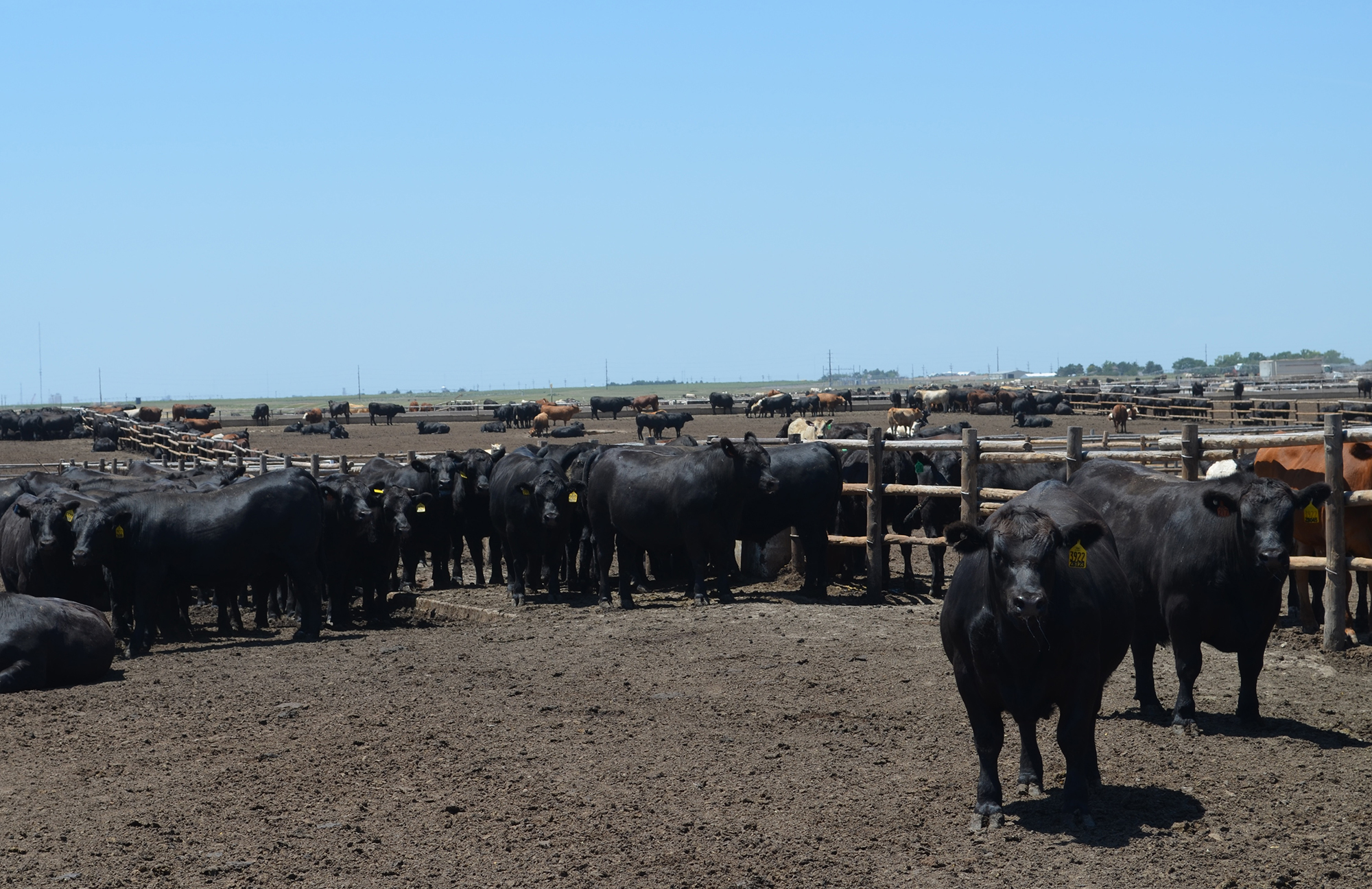
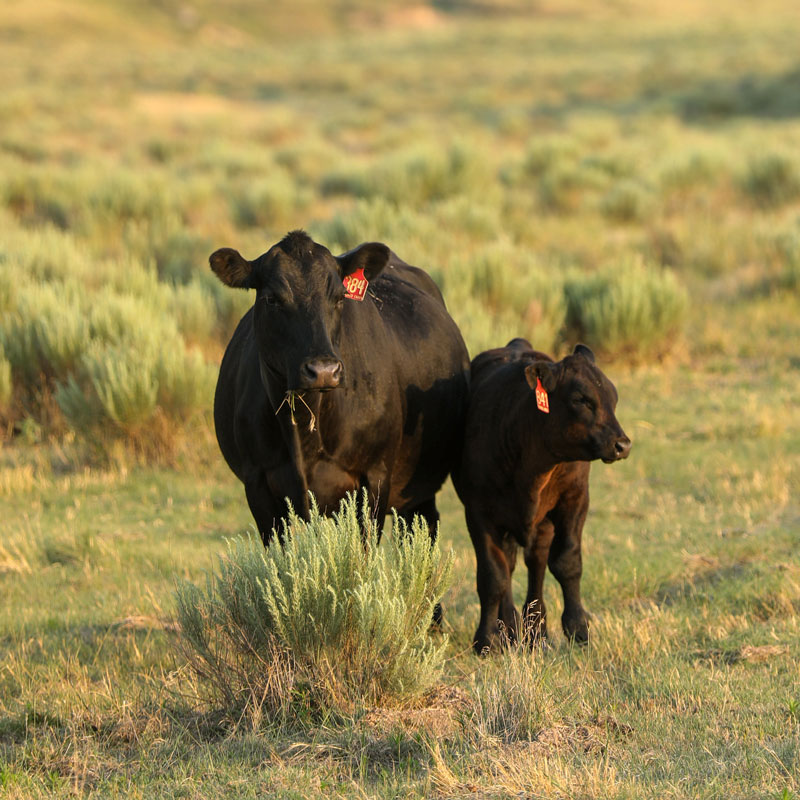
One of the largest cattle feeders in the country aims for high-quality results and hits that target every day. Poky Feeders, Scott City, Kan., turns 3,700 head per week, and nearly 37% of 120,000 Poky-fed Angus cattle earned the Certified Angus Beef ® brand at National Beef Packing last year.
Moving your cattle along to meet the goals of everyone in the beef supply chain takes focus on the data-backed decisions to add and capture value. Without people like Kenny Montgomery, Ruth Ammon and Meg Groves, those dollars from down the chain might never make it back to the ranch. These are some of the people who keep the plan on course when your cattle enter the feedyard and packing plant. Montgomery is a cowboy in the classic sense. He’s tough, unassuming and resilient – maybe that’s why Pratt Feeders, Pratt, Kan., has made him a part of its team for so long.
It’s been talked about for 60 years. It’s better for animals, preferred by most cattle feeders and could provide a 169% return on investment. “2014 was the biggest ‘no brainer’ year in history to precondition your calves,” says Purdue University veterinarian W. Mark Hilton. “2015 could be even better.” Crunching the numbers, Hilton first turns to an 11-year analysis of Indiana beef herds that showed weight alone added $50.84 average profit on preconditioned calves.
Paying the feed bill has cleaned out bank accounts faster than Jesse James in recent years, as high corn prices left cattlemen everywhere looking for the cheapest, most efficient alternatives. Answering that search, Galen Erickson shared research results and insight on distillers grains at the Feeding Quality Forums in Omaha, Neb., and Garden City, Kan., in August. As of late summer, the ethanol byproducts were selling at near corn prices. Many cattlemen responded by cutting back or removing it, but Erickson, feedlot Extension specialist at the University of Nebraska-Lincoln, said that could be a mistake.
Ford County Feed Yard is a big one. In fact, Certified Angus Beef LLC (CAB) has never licensed a larger feedyard, but the 50,000-head-capacity business runs like a collection of smaller yards. Maybe that’s because it is family owned and operated, and 22-year manager Danny Herrmann is the youngest son of a founding partner. Wheat-stocker and feeder George Herrmann went in with four others, including three from what later became National Beef in Dodge City, to build the feedyard 15 miles to the southeast, near Ford, Kan., starting in 1972.
Nobody likes to lose a customer, but to see a cattle feeder get emotional over the thought of a ranching client having to sell out… that’s when you know his heart is really in the business. Terry Beller, of Lindsay, Neb., can tell you the last time the Sandhills and points west received a measureable rain. It matters to his bottom line, certainly, but the owner-manager of the 6,000-head Beller Feedlot talks about ranchers dealing with drought as if one of his own children were facing a major obstacle.
When Daryl Strohbehn retired as an Iowa State Extension beef specialist there was one project he wasn’t ready to give up the reins to.
Since 2003, he has tracked the profit values for sires of calves enrolled in the Tri-County Steer Carcass Futurity (TCSCF). “To make things work in the cattle business today, it takes information based on sound data,” Strohbehn says. “I enjoy figuring out what that sound data is and what it might tell us.” The cooperative’s Sire Profit Analysis has grown from data on 35 sires in the initial report to 3,451sires evaluated in 2012.
Manage Consent
To provide the best experiences, we use technologies like cookies to store and/or access device information. Consenting to these technologies will allow us to process data such as browsing behavior or unique IDs on this site. Not consenting or withdrawing consent, may adversely affect certain features and functions.
Functional
Always active
The technical storage or access is strictly necessary for the legitimate purpose of enabling the use of a specific service explicitly requested by the subscriber or user, or for the sole purpose of carrying out the transmission of a communication over an electronic communications network.
Preferences
The technical storage or access is necessary for the legitimate purpose of storing preferences that are not requested by the subscriber or user.
Statistics
The technical storage or access that is used exclusively for statistical purposes.The technical storage or access that is used exclusively for anonymous statistical purposes. Without a subpoena, voluntary compliance on the part of your Internet Service Provider, or additional records from a third party, information stored or retrieved for this purpose alone cannot usually be used to identify you.
Marketing
The technical storage or access is required to create user profiles to send advertising, or to track the user on a website or across several websites for similar marketing purposes.