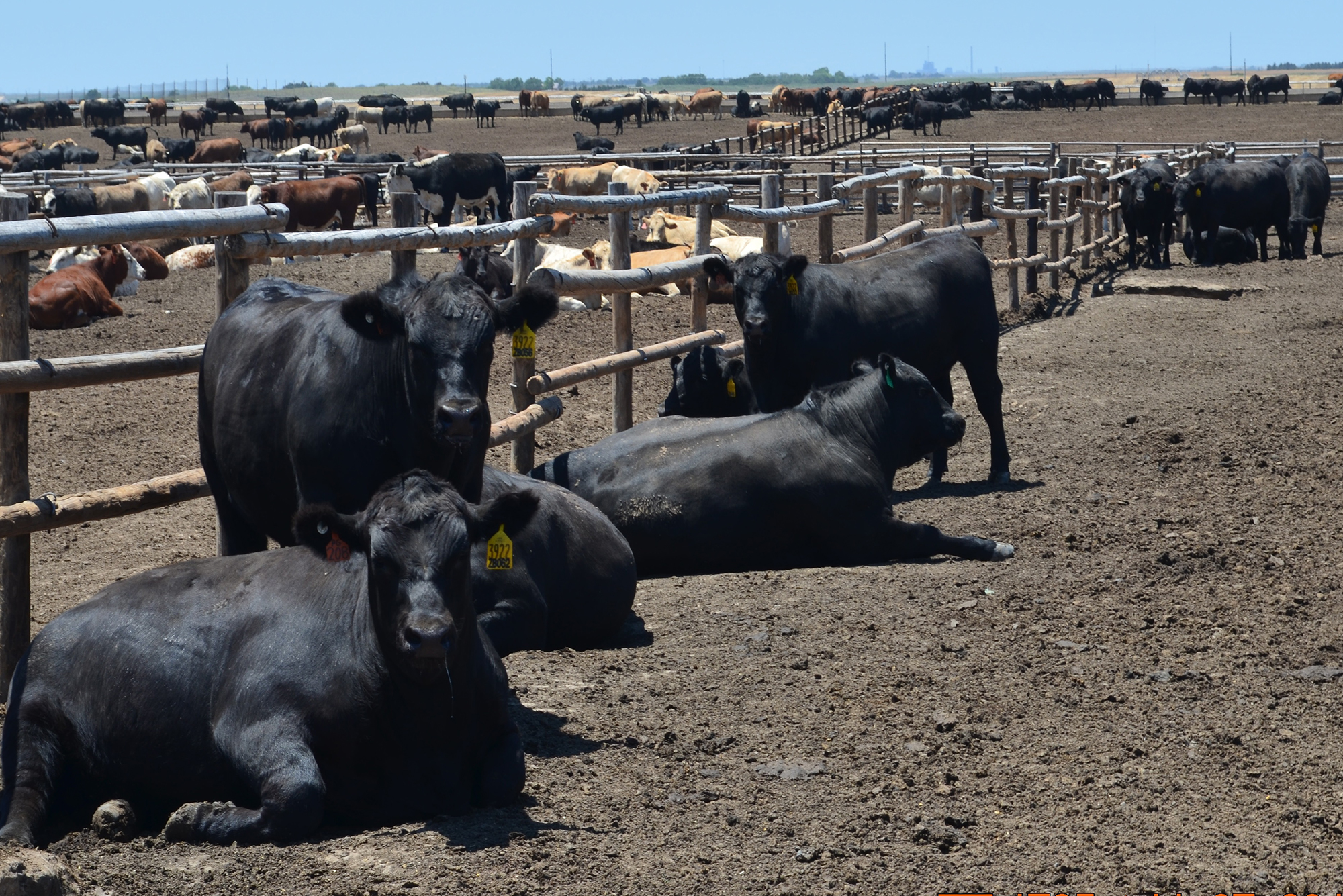
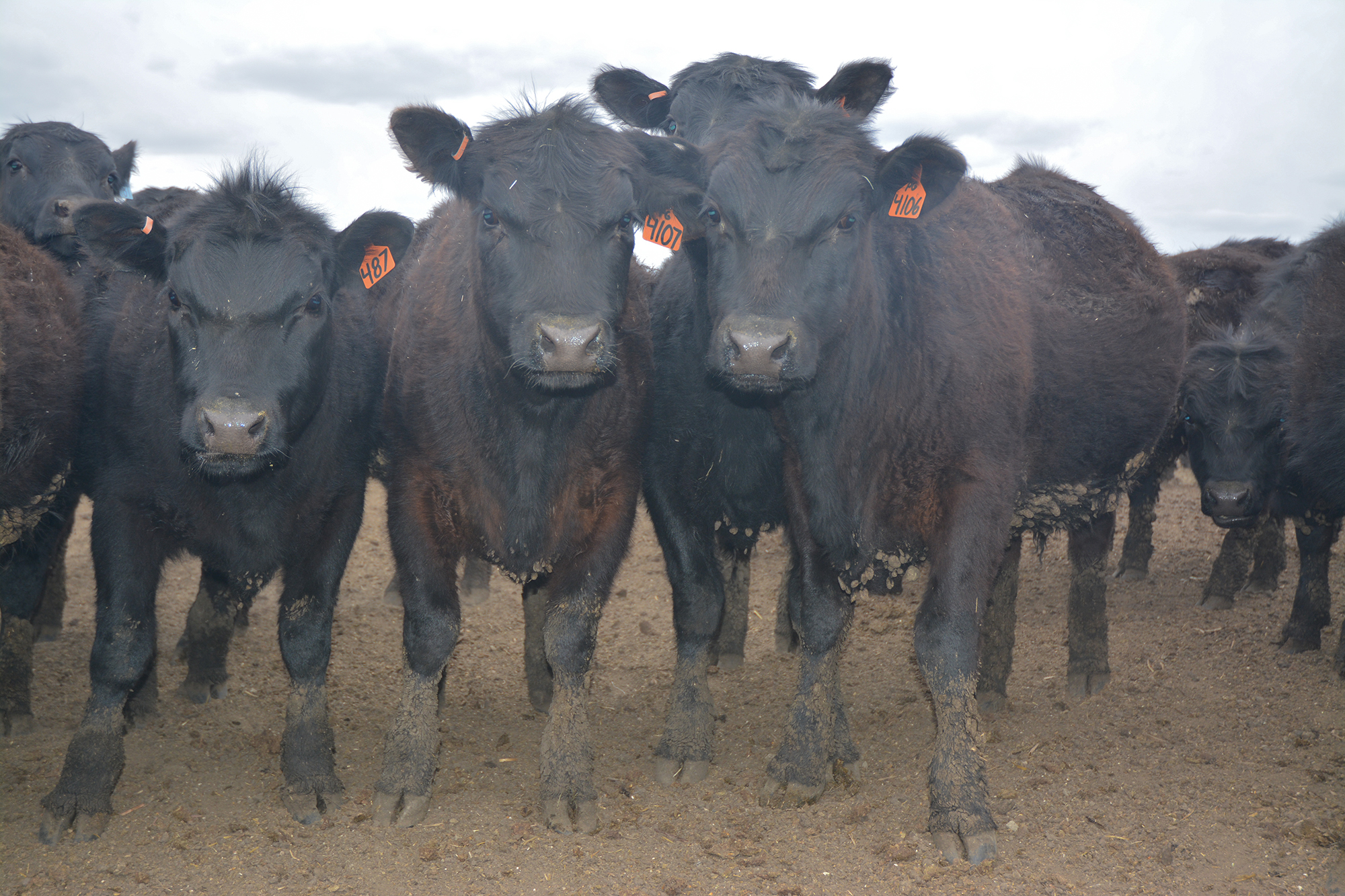
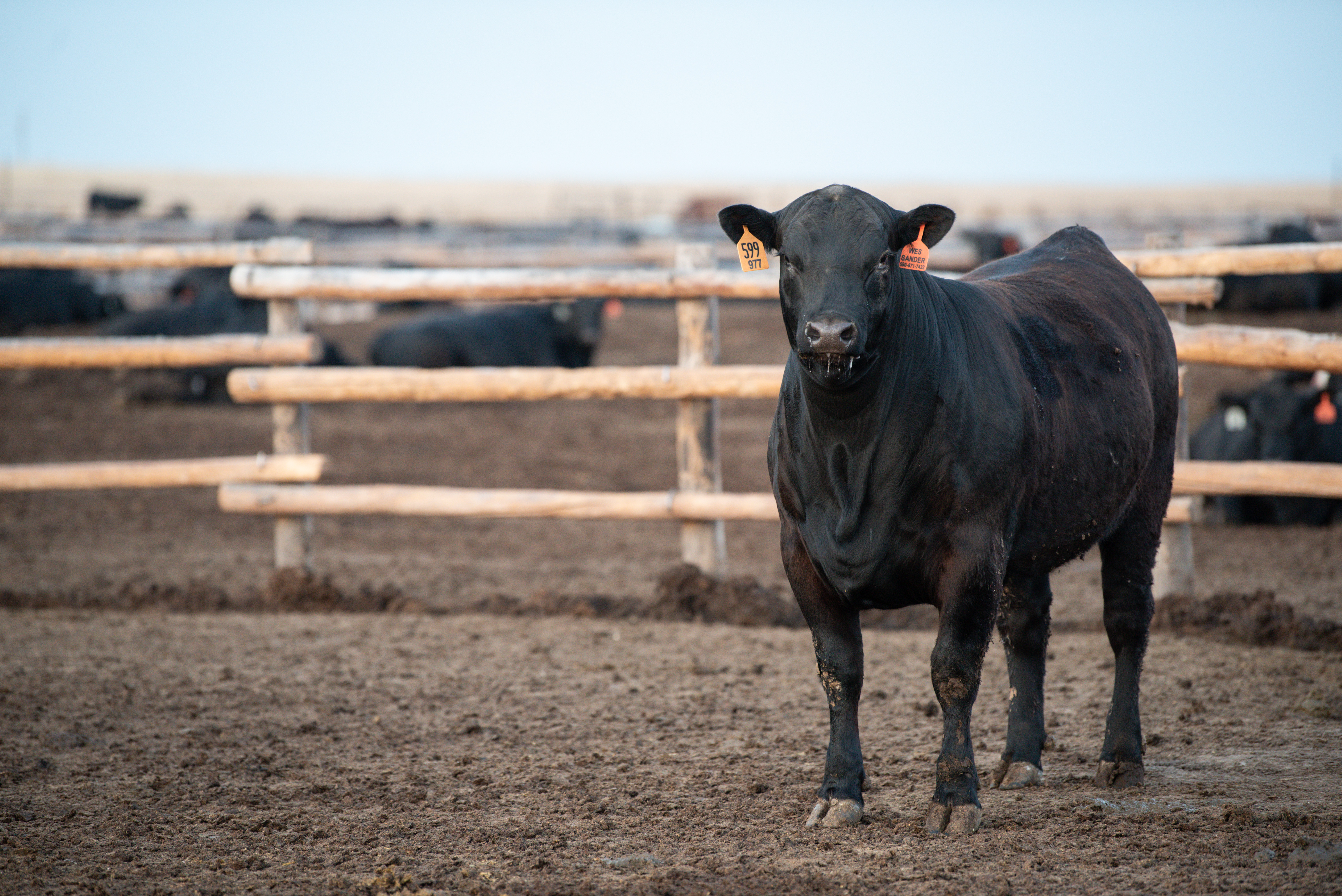
A 38,000-head feedlot near Pratt, Kan., shows what can be done with a systematic approach to higher quality beef. Pratt Feeders committed to quality in 2003 by licensing with Certified Angus Beef LLC (CAB), and won a national CAB award the next year because of manager Jerry Bohn’s plans.
It’s fun to hit the target. Osborn Farms, Savannah, Mo., repeated its 2010 achievement with even better numbers as the Certified Angus Beef LLC (CAB) 2011 Quality Focus Award winner for partner yards with less than 15,000-head capacity.
Corn is high. Logically, that means feeders will sell cattle lighter with fewer days on feed, right? Not exactly. That’s what Shawn Walter, Professional Cattle Consultants (PCC), told attendees at the recent Feeding Quality Forum.
In this decade, Jimmy and Tracy Taylor’s data-driven herd south of Cheyenne, Okla., expanded to its practical capacity of 600 Angus cows on 12,000 acres in 38 pastures.
The leading Angus brand has increased the number of pounds sold every year since 2005, but does that really mean demand for the product is soaring? Economists said there was not enough information to tell.
You don’t hear of too many September graduations. But then again, there aren’t that many MBA programs that consist of ranch visits, meats labs and sales sessions. Certified Angus Beef LLC (CAB) launched its Master’s of Brand Advantages program in late 2010 and the first class will receive their degrees at the company’s annual conference in Sunriver, Ore., later this month. The second class is in progress.
If there was ever a good news/bad news story in the cattle feeding industry, this year is a classic example. Market analyst Dan Basse, AgResource Company, warned cattle feeders of continued upward pressure on input prices while also pointing out the “bright spots” of increasing exports and high cattle prices. Basse spoke at the Feeding Quality Forum in Omaha, Neb., and Garden City, Kan., last month.
Jenny Gillespie, a Master’s student at Oklahoma State University (OSU), has joined the team working for the Certified Angus Beef ® (CAB®) brand as the fall 2011 Industry Information intern.
“Going green” is a stirring buzz phrase everywhere, no less in cattle feeding. Some shudder as they think of the regulations it entails. Others argue that agriculture is the original green industry and producers are closer to the land and natural resources than anybody else.
We use cookies to ensure that we give you the best experience on our website. By continuing to use this site, we will assume that you are in agreement.