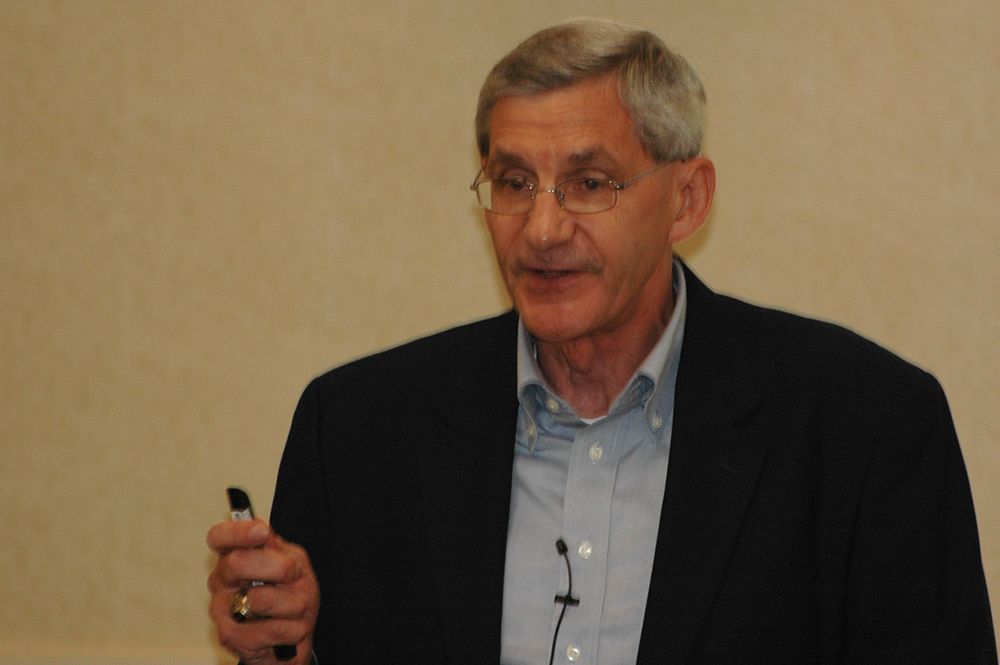
You decide. Each time you buy a bull, keep a heifer or cull a cow, you choose a future for your herd and, collectively, for a beef industry that is either blessed or burdened with high prices. “I don’t want record prices because of the lowest beef supplies in 50-some-odd years, said a University of Missouri livestock economist. “I want the highest price because demand is pulling us along.” Most everybody in the cattle business would want what Scott Brown wants. There were certainly nods of agreement at the March 12 Midwest Section, American Society of Animal Scientists meetings in Des Moines, Iowa.
T-bones, sirloins, filets and strips—these are the beef cuts referred to as “middle meats.” Such steaks make up 12% of the carcass, but represent just under half of its total value. That and the difference in cooking method lead many to believe it’s the only place where beef grades matter. Not according to experts like longtime market reporter Bruce Longo, of Urner Barry, and the data he tracks.
Earlier this week Mark told you a herd bull is a big investment, and getting more so all the time. That’s why we asked Mark for his top tips for bull buying.
Record-high calf prices last year spelled good news for most U.S. ranchers, but there was an extra bonus for many of them. That came in the form of record-high premiums paid for Angus calves at auction compared to non-Angus contemporaries, as reported to Certified Angus Beef LLC (CAB). The database on more than 300,000 calves sold in 13,794 lots at 10 markets since 1999 is part of the company’s “Here’s the Premium” project.
The opportunity is there. Seize it! It is simply a decision you’ve got to make. Do you want to be in the business of raising a high-quality product for the consumer and receive a premium for it? The decision is in your hands.
Getting cattle bought right. That’s normally a feeder’s first challenge, but today it’s just plain getting cattle.
“The total size of the cattle industry has been shrinking, and shrinking rather abruptly for the last couple of years,” said Mike Sands, Informa Economics vice president.
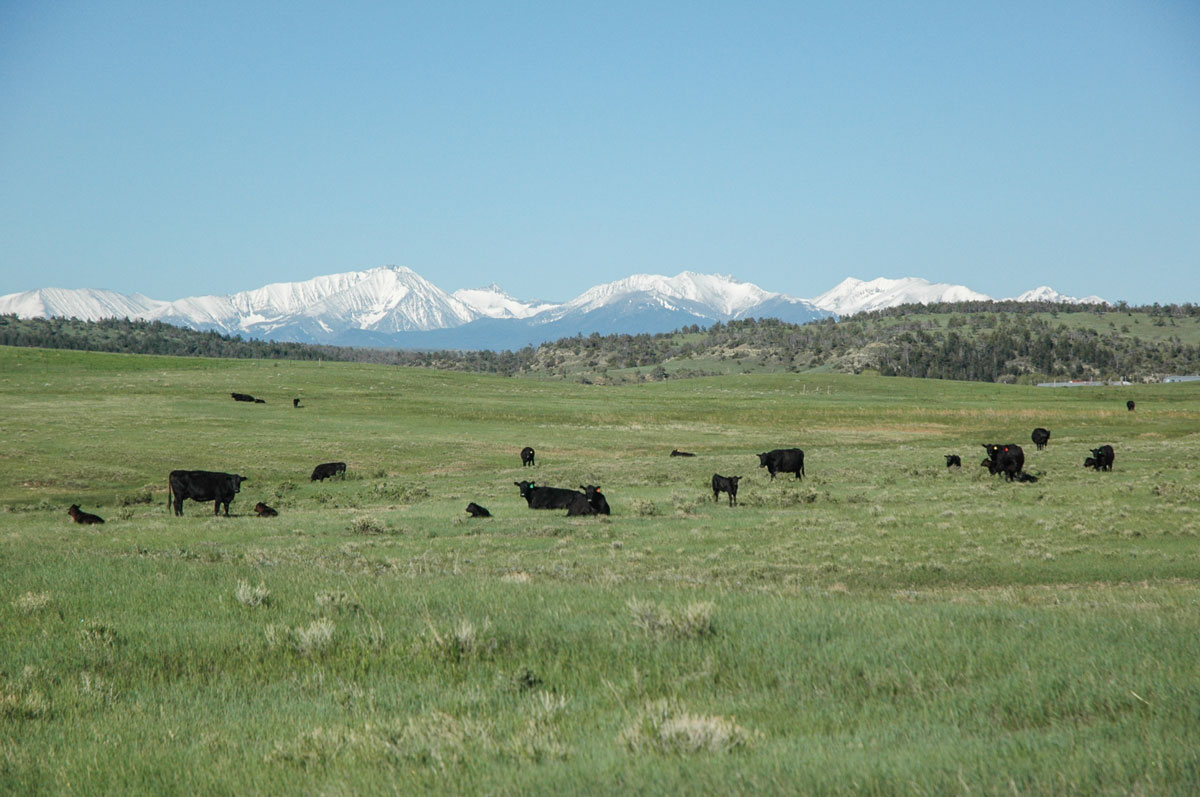
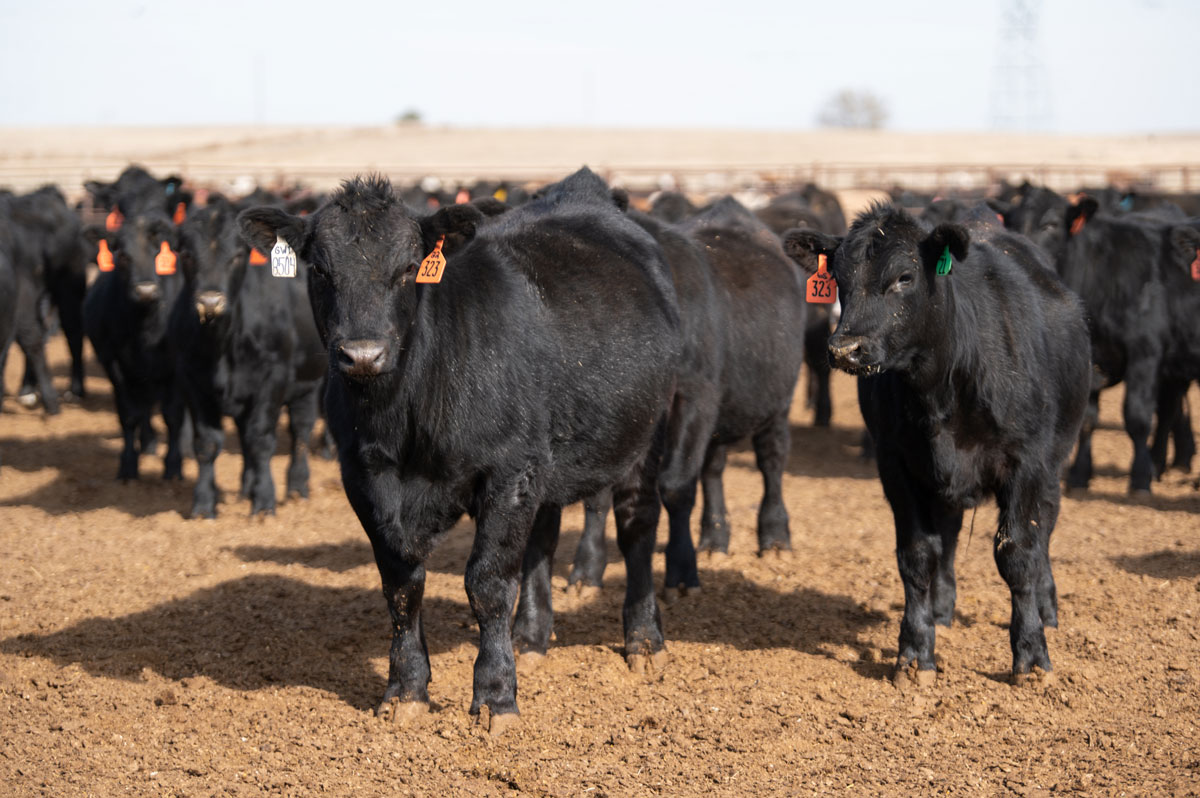
Every auction barn study says the larger the group and the more uniform the cattle, the higher the premiums. Work from Arkansas to North Dakota proves it’s true on individual lots, but what of that logic when it’s applied to the nation’s cowherd?
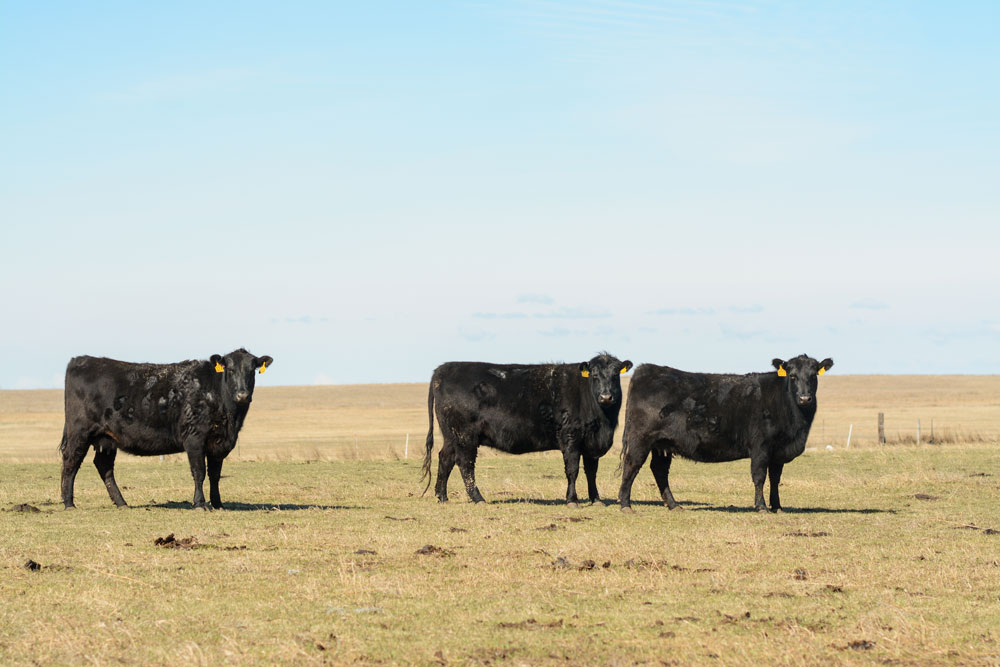
Black-hided. It’s the initial requirement for more than 80 beef brands certified by USDA.
That also means it’s the first limiting factor for supply of programs like the largest and longest-running of those: the Certified Angus Beef® (CAB®) brand.
We use cookies to ensure that we give you the best experience on our website. By continuing to use this site, we will assume that you are in agreement.