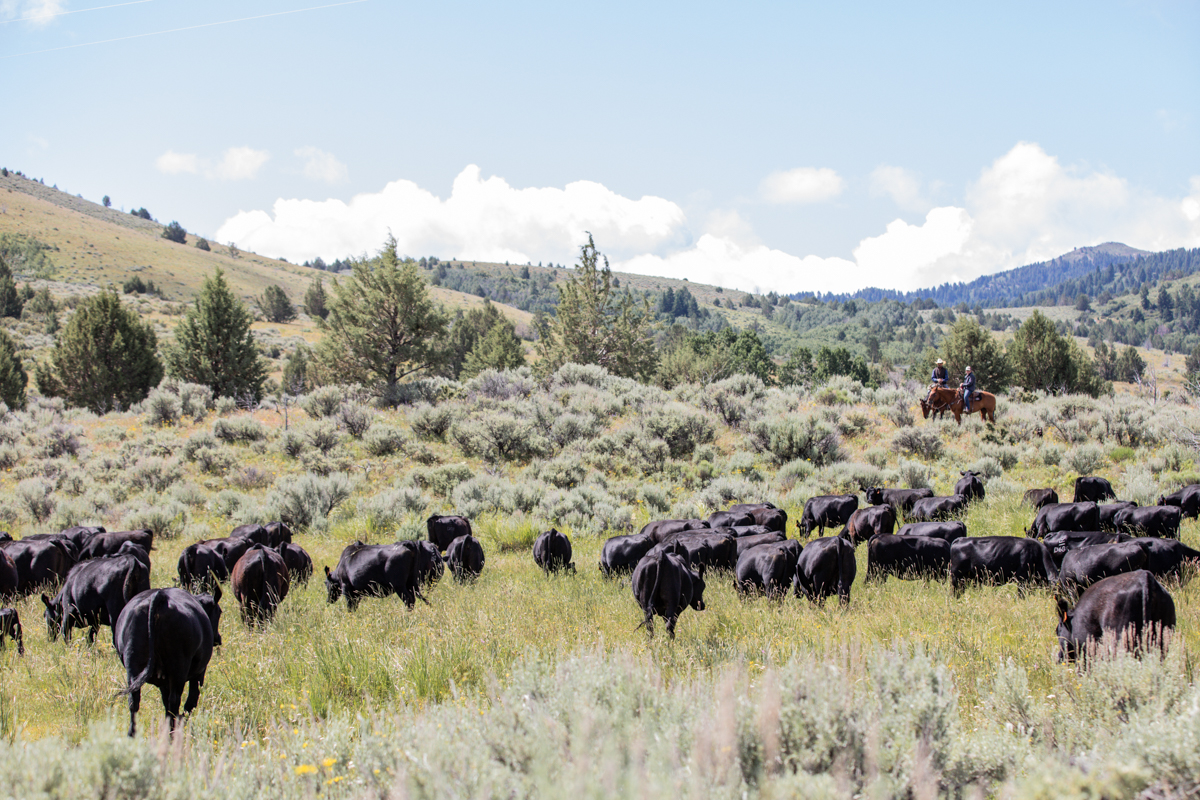
It’s become a running joke in the Evert family that ranches near Brady, Neb.: The first year Virginia was at the clipboard during preg-checking time, mysteriously all the wild cows came up “open.”
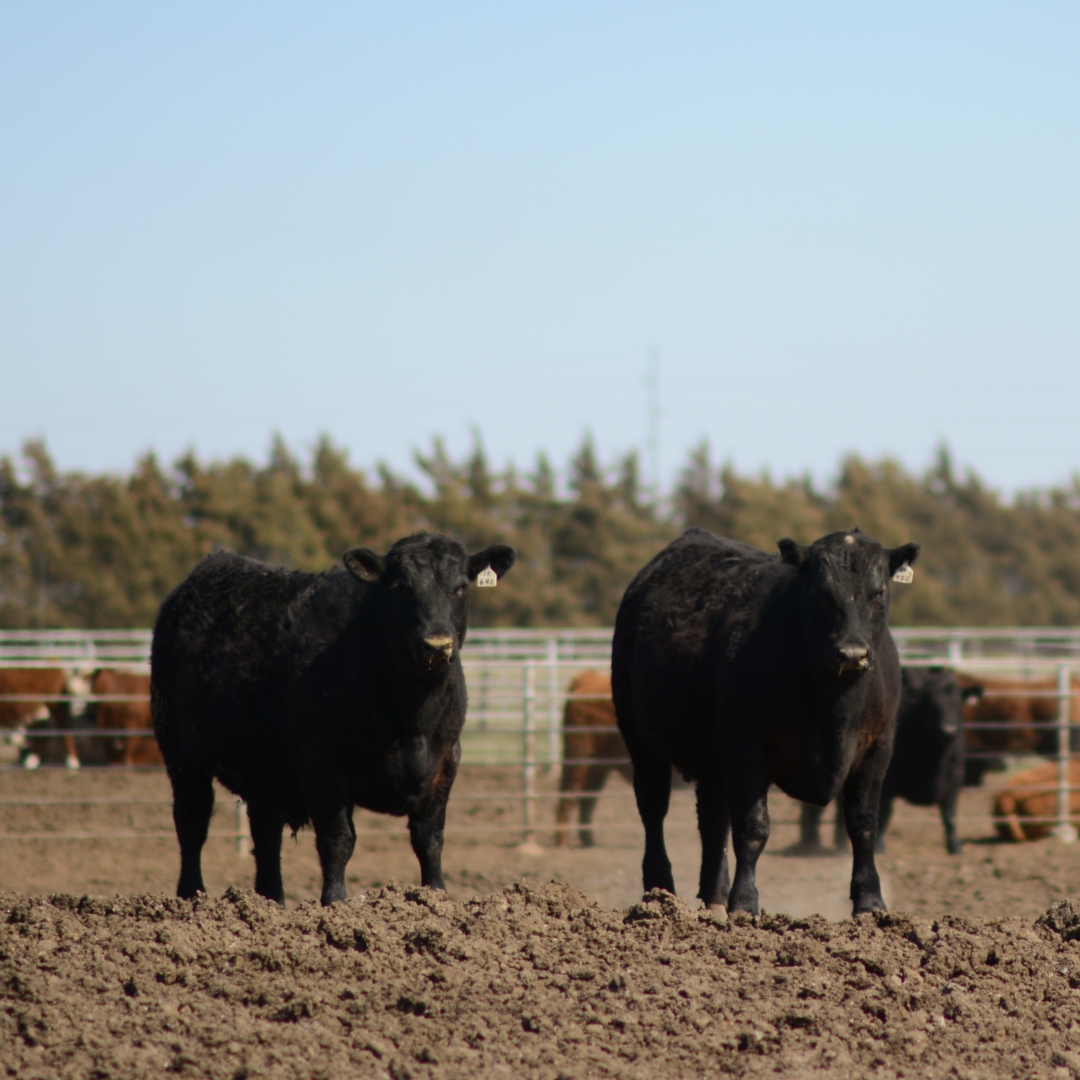
As soon as the planters are in the shed, the crew at Weborg Feeding Co. near Pender, Neb., will unpack the shades in preparation for summer in the yard.
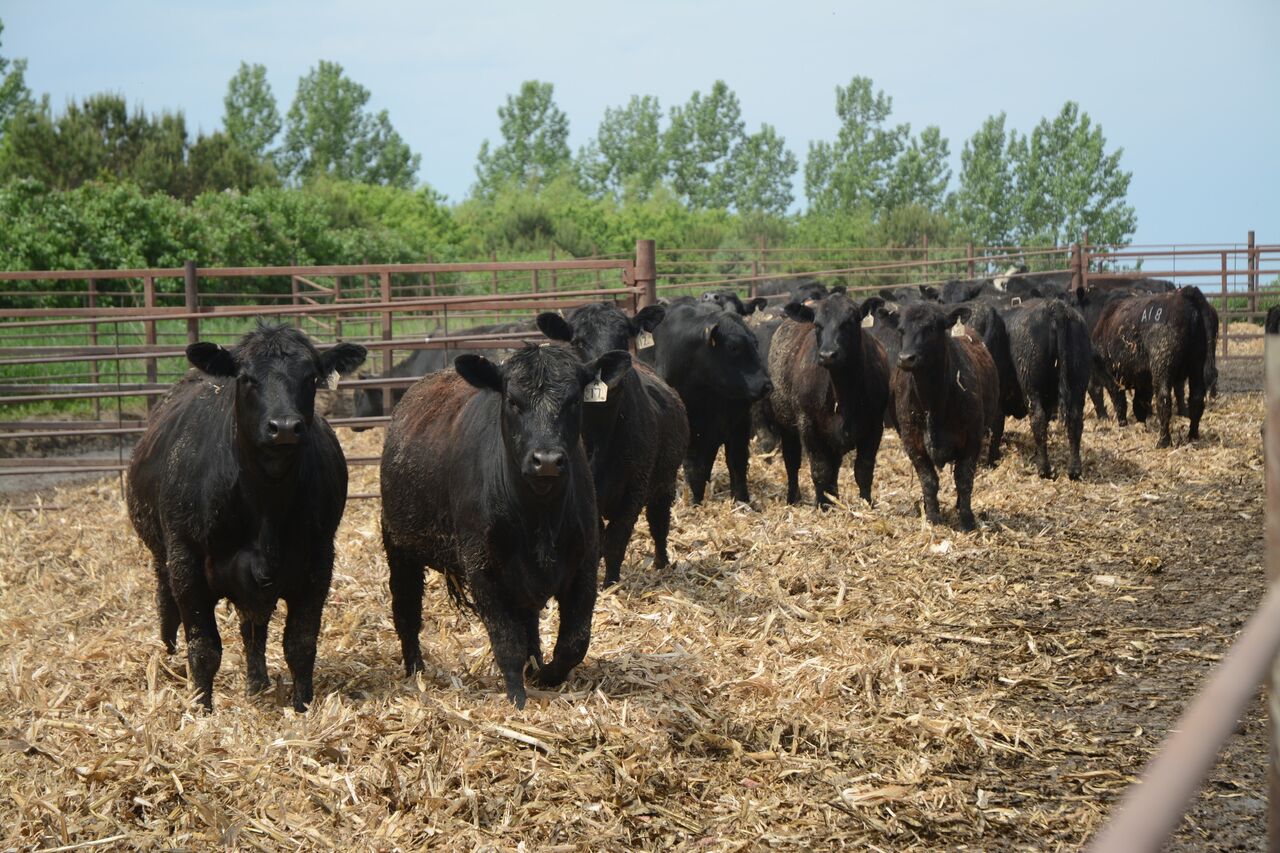
At his Cattlemen’s College session last month, I heard Mark present a pretty convincing case for preconditioning (a 11-year analysis of Indiana producers showed a profit of more than $80 per head, on average for 60+ day programs, for example).
But it wasn’t just about the economics of it all. It was about the principle.
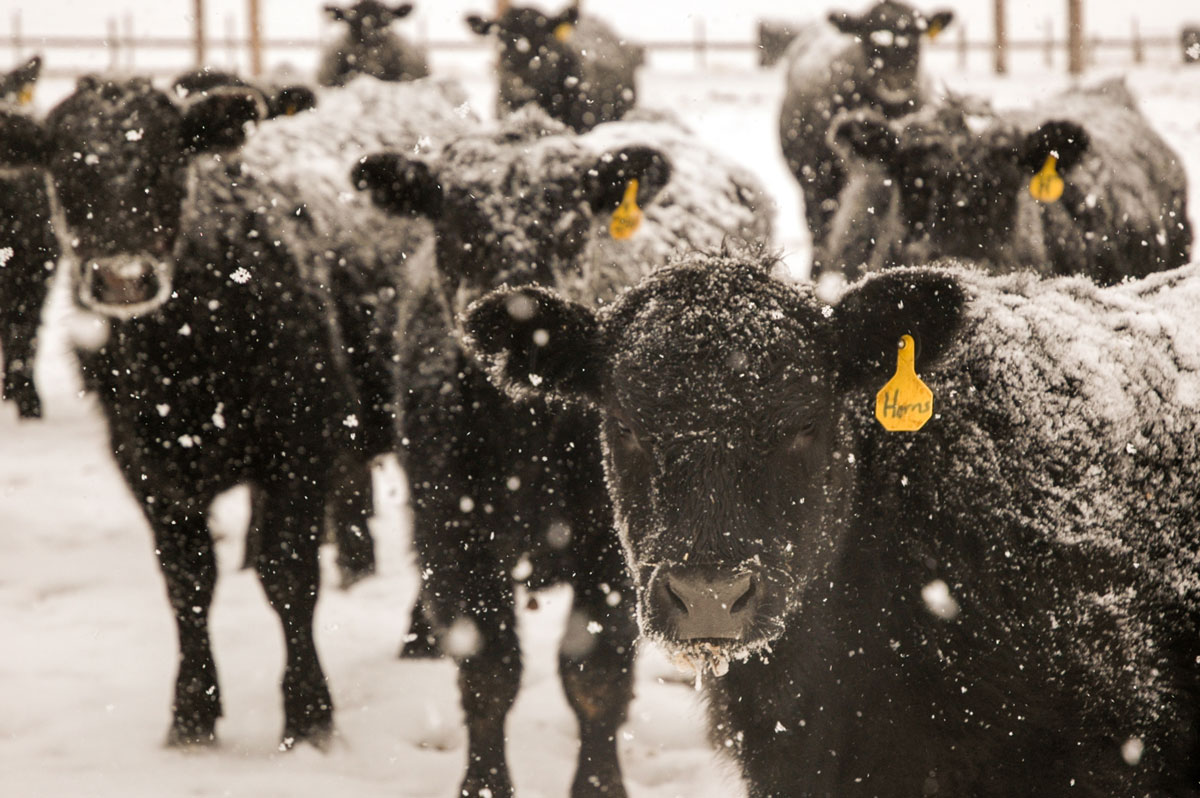
Nobody wants cattle with too much “attitude,” but it takes focused genetics and handling to improve docility in a herd. “We’ve always tried to be careful about selecting bulls for disposition,” says Roger Jones, of Tri-Tower Farm, near Shenandoah, Iowa. “It’s very important to us to have a cowherd that we can handle, without a lot of wild calves in it. You know, the cattle do better in the feedlot when they aren’t wild.” Since he operates both enterprises, Jones knows how those issues carry from the field to the feedlot.
Manage Consent
To provide the best experiences, we use technologies like cookies to store and/or access device information. Consenting to these technologies will allow us to process data such as browsing behavior or unique IDs on this site. Not consenting or withdrawing consent, may adversely affect certain features and functions.
Functional
Always active
The technical storage or access is strictly necessary for the legitimate purpose of enabling the use of a specific service explicitly requested by the subscriber or user, or for the sole purpose of carrying out the transmission of a communication over an electronic communications network.
Preferences
The technical storage or access is necessary for the legitimate purpose of storing preferences that are not requested by the subscriber or user.
Statistics
The technical storage or access that is used exclusively for statistical purposes.The technical storage or access that is used exclusively for anonymous statistical purposes. Without a subpoena, voluntary compliance on the part of your Internet Service Provider, or additional records from a third party, information stored or retrieved for this purpose alone cannot usually be used to identify you.
Marketing
The technical storage or access is required to create user profiles to send advertising, or to track the user on a website or across several websites for similar marketing purposes.