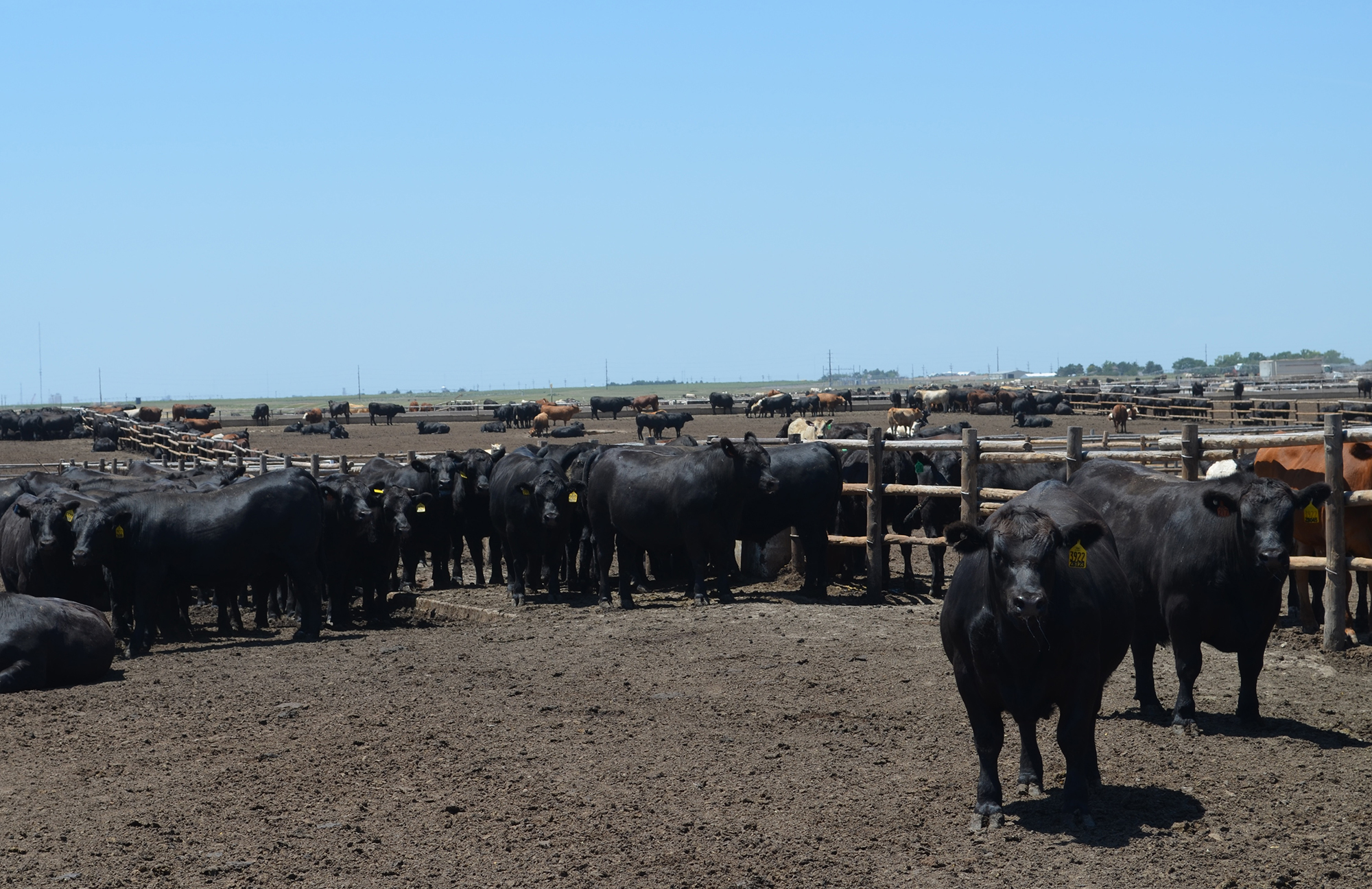
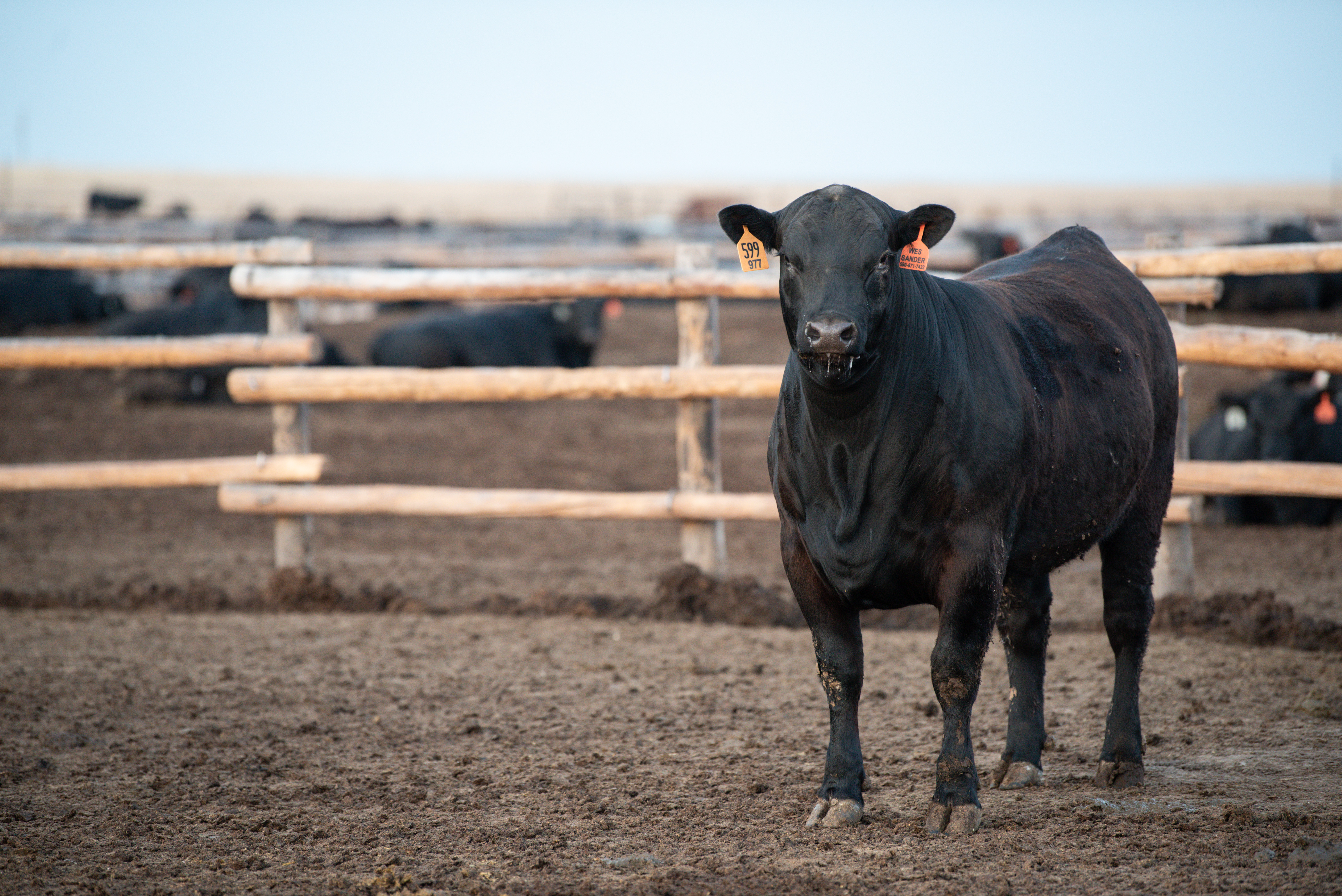
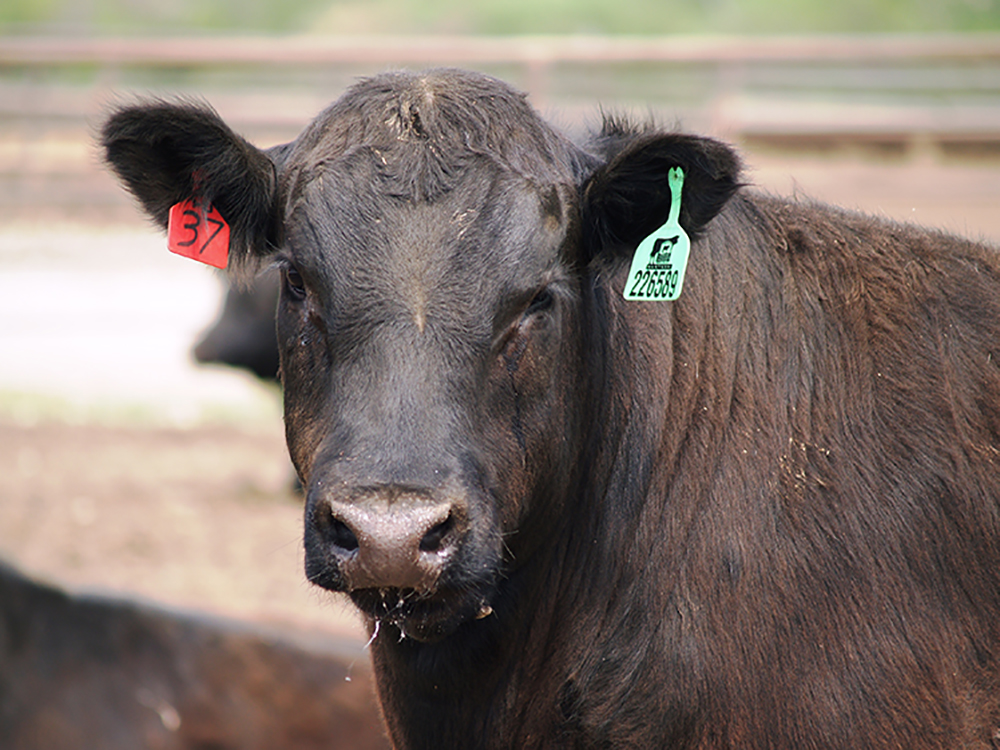
But there is one thing I DO know, and that is we have high calf prices (if you’re buying to put on feed) and we have high corn prices (if you’re buying corn to put in those cattle), and the feedlot sector has been sustaining some horrible losses during the last 15-18 months.
T-bones, sirloins, filets and strips—these are the beef cuts referred to as “middle meats.” Such steaks make up 12% of the carcass, but represent just under half of its total value. That and the difference in cooking method lead many to believe it’s the only place where beef grades matter. Not according to experts like longtime market reporter Bruce Longo, of Urner Barry, and the data he tracks.
Selling fed cattle on a live basis is no longer standard practice, and some day it could end up as no more than historical reference. “The old selling-them-live method has given way to formula sales,” says Mark McCully, assistant vice president for Certified Angus Beef LLC (CAB). Data from Cattle-Fax and the U.S. Department of Agriculture shows a sharp decline in cash sales in the past seven years, from 52.1% in 2005 to just 26% in 2012. The inverse of that is the steep gain in negotiated sales, like grid marketing and other arrangements, which moved up from less than half of sales to more than three-quarters during those years.
Getting cattle bought right. That’s normally a feeder’s first challenge, but today it’s just plain getting cattle.
“The total size of the cattle industry has been shrinking, and shrinking rather abruptly for the last couple of years,” said Mike Sands, Informa Economics vice president.
Some cattle grow like weeds; some hit the high-grade targets. Some do both, some neither. That’s the way it goes in the world of commodity cattle. But cattle can be so much more, adding profit throughout the supply chain.
Of all the words that could describe Pratt Feeders, “quality” best fits the staff, the cattle they feed and the way they feed them. Over the past year, the south-central Kansas yard has ramped up its connection with the “Q” word.
It is a big decision, but it can be painless and pretty easy. If you’ve decided you want to feed your calves, partner with a feedlot or just build relationships with one you can market to directly, it just takes a little homework.
Some people set out to make a lasting change on their industry, but Max Deets, Beloit, Kan., says he never thought of himself in that light. Instead the cattle feeder’s natural leadership ability, quest for improvement and genuine respect for others led him to some of the most influential roles in the beef business.
Manage Consent
To provide the best experiences, we use technologies like cookies to store and/or access device information. Consenting to these technologies will allow us to process data such as browsing behavior or unique IDs on this site. Not consenting or withdrawing consent, may adversely affect certain features and functions.
Functional
Always active
The technical storage or access is strictly necessary for the legitimate purpose of enabling the use of a specific service explicitly requested by the subscriber or user, or for the sole purpose of carrying out the transmission of a communication over an electronic communications network.
Preferences
The technical storage or access is necessary for the legitimate purpose of storing preferences that are not requested by the subscriber or user.
Statistics
The technical storage or access that is used exclusively for statistical purposes.The technical storage or access that is used exclusively for anonymous statistical purposes. Without a subpoena, voluntary compliance on the part of your Internet Service Provider, or additional records from a third party, information stored or retrieved for this purpose alone cannot usually be used to identify you.
Marketing
The technical storage or access is required to create user profiles to send advertising, or to track the user on a website or across several websites for similar marketing purposes.