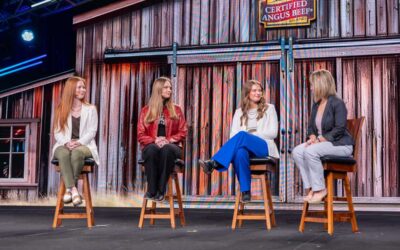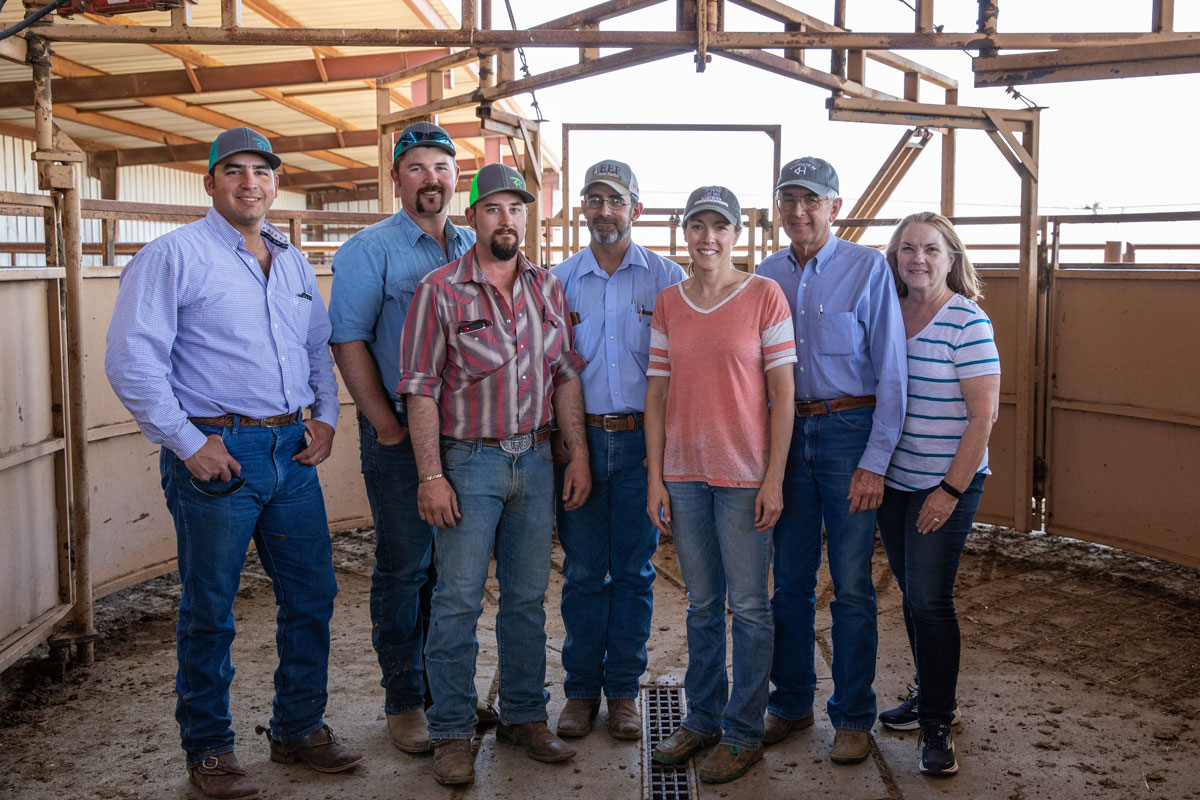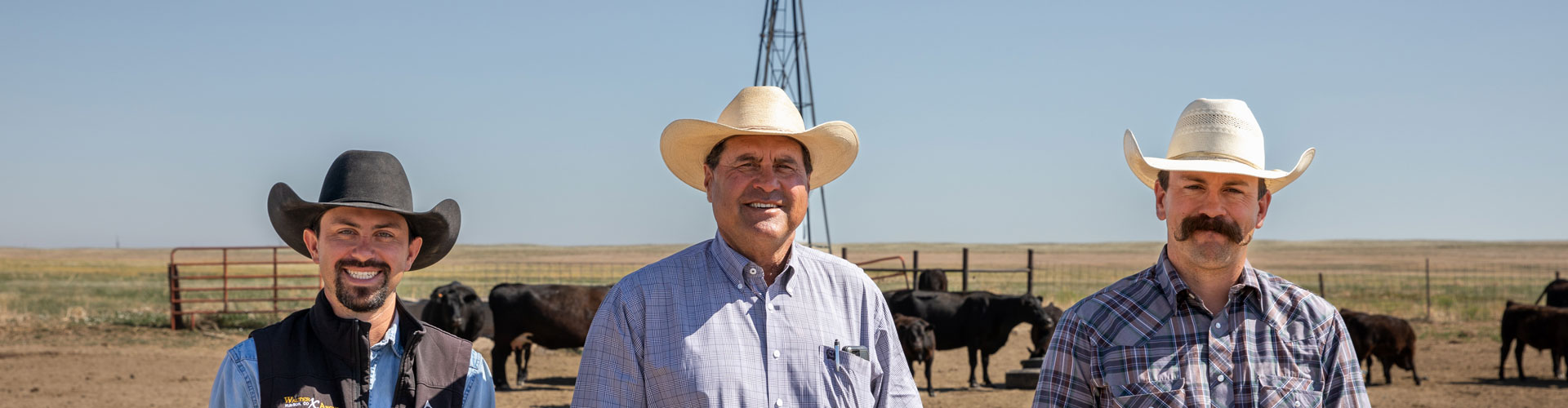
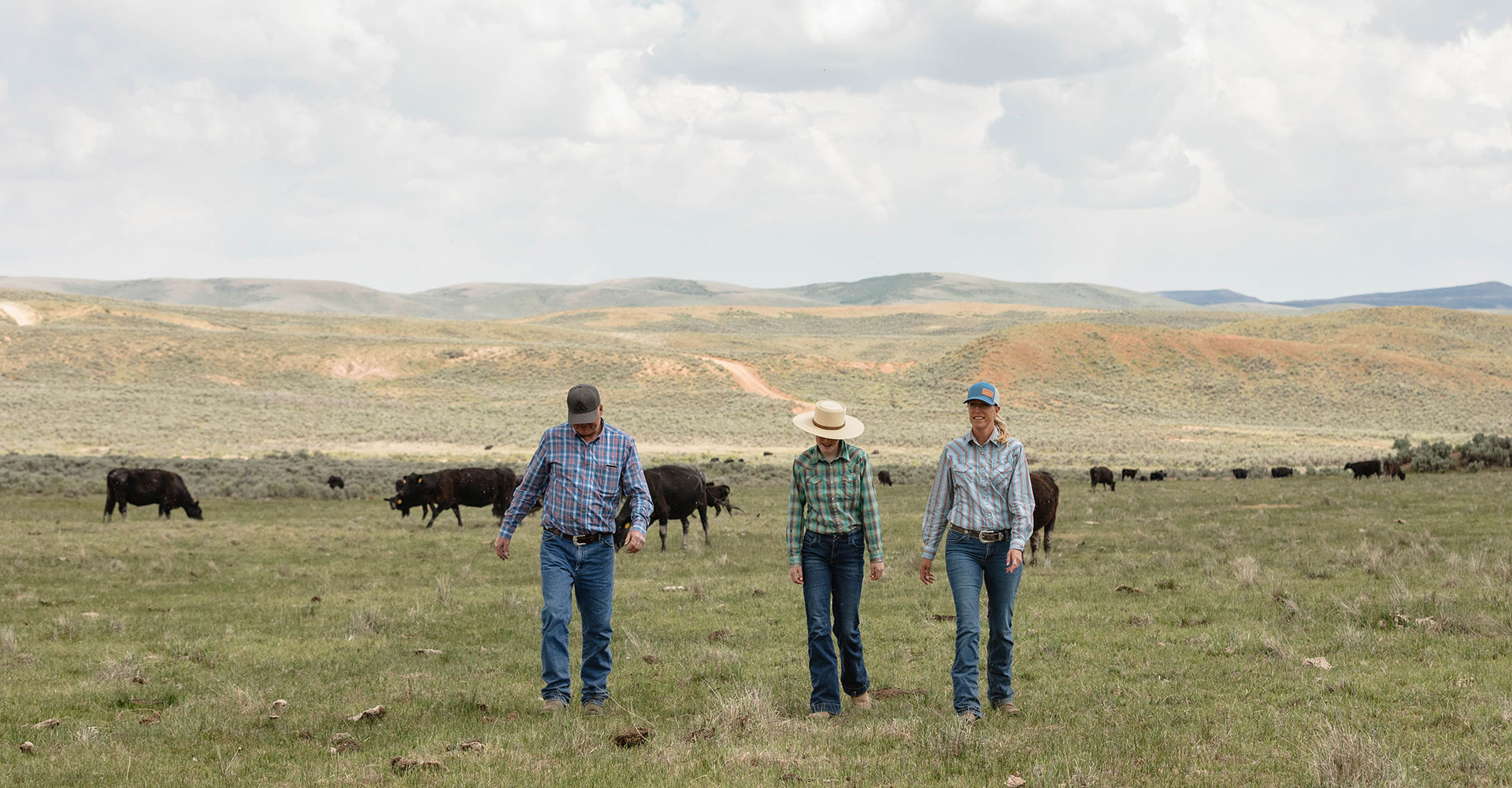
Jordan, Joslyn and Jennie Willis

A Means to an End

Wyoming commercial ranch uses Angus genetic tools to meet high-quality targets, earning them CAB honors.

by Morgan Boecker

Six generations of Willises have made a living on their ranch lands in Wyoming and Utah. But only the last two have turned out Angus cows.

Starting in 1969, Roland and Linda Willis had 916 acres with 125 Hereford cows, but they wanted better. Angus was the answer.

“We always bought the best genetics we could possibly afford,” Linda says, noting the budget increased over the years. “With Angus, we felt that we got the quality and the production we wanted.”

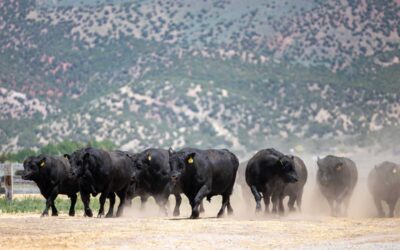
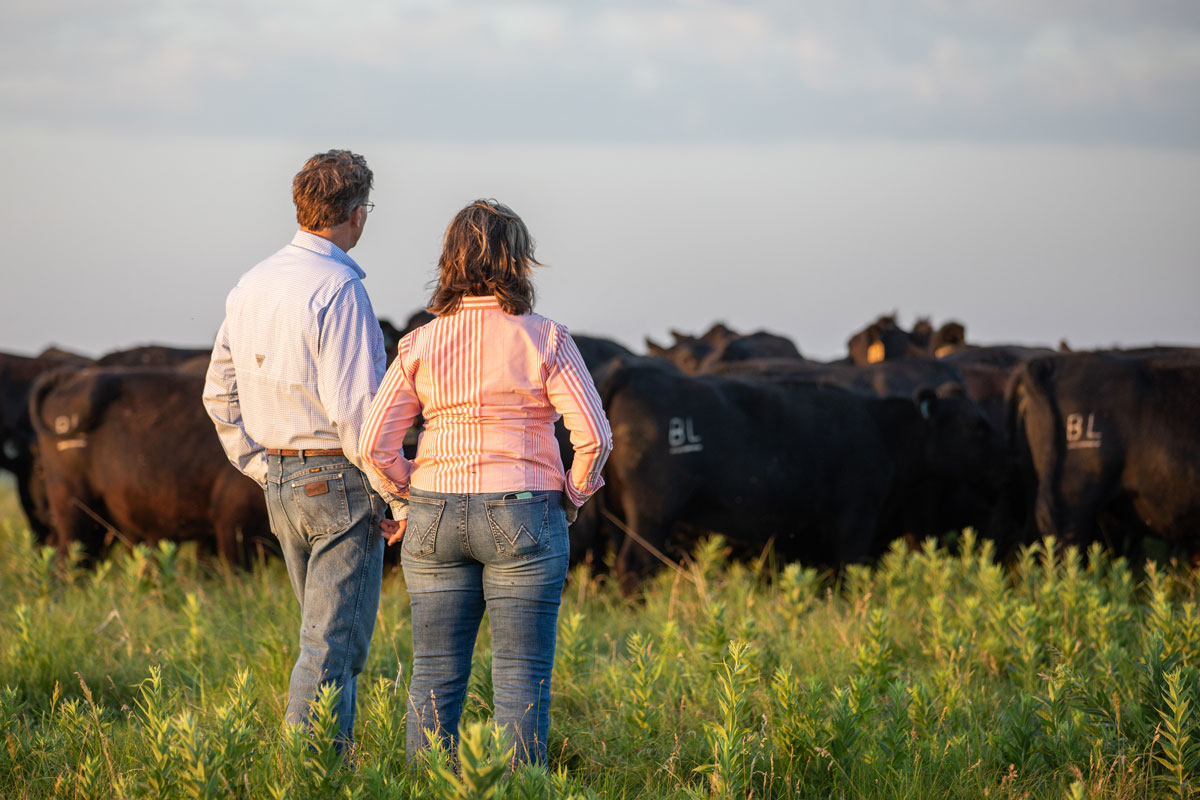
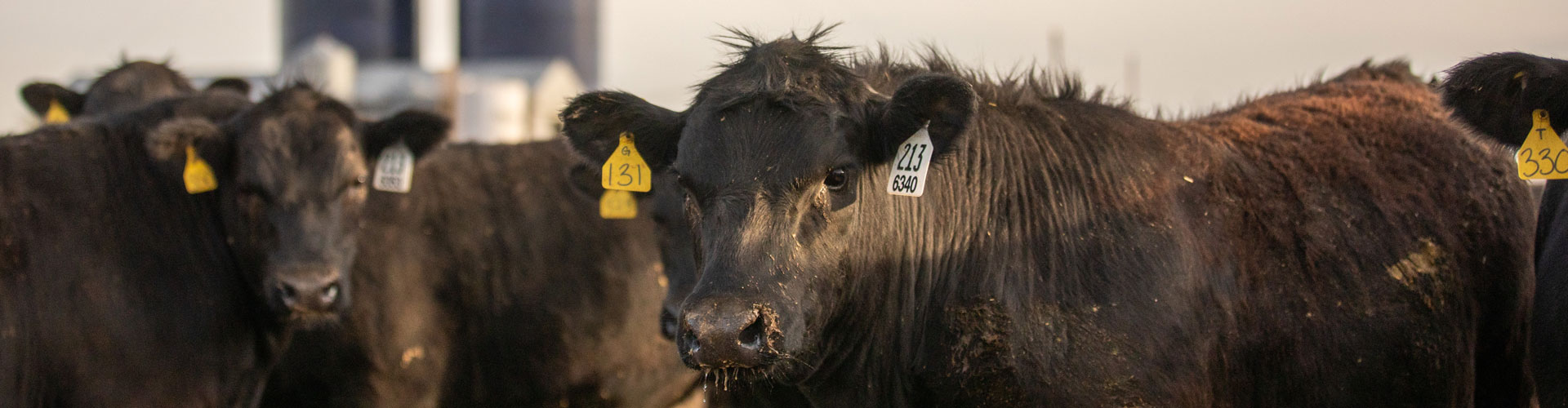
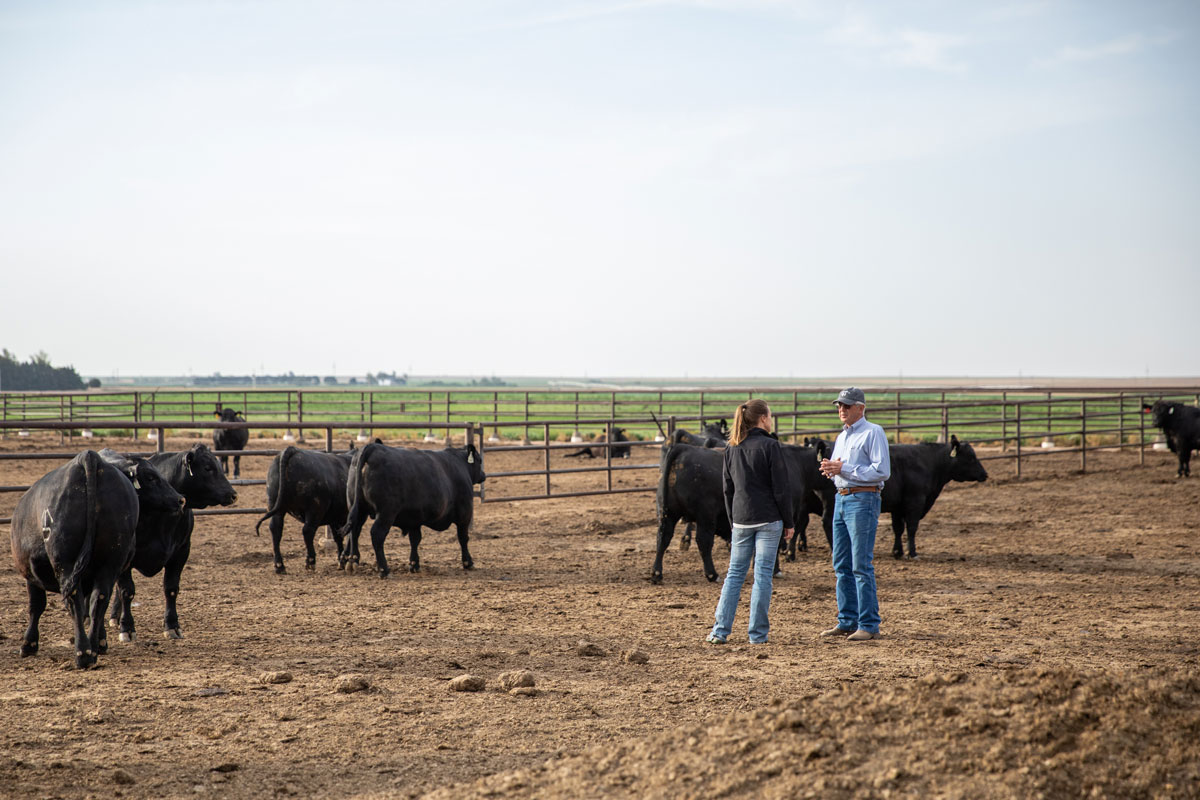
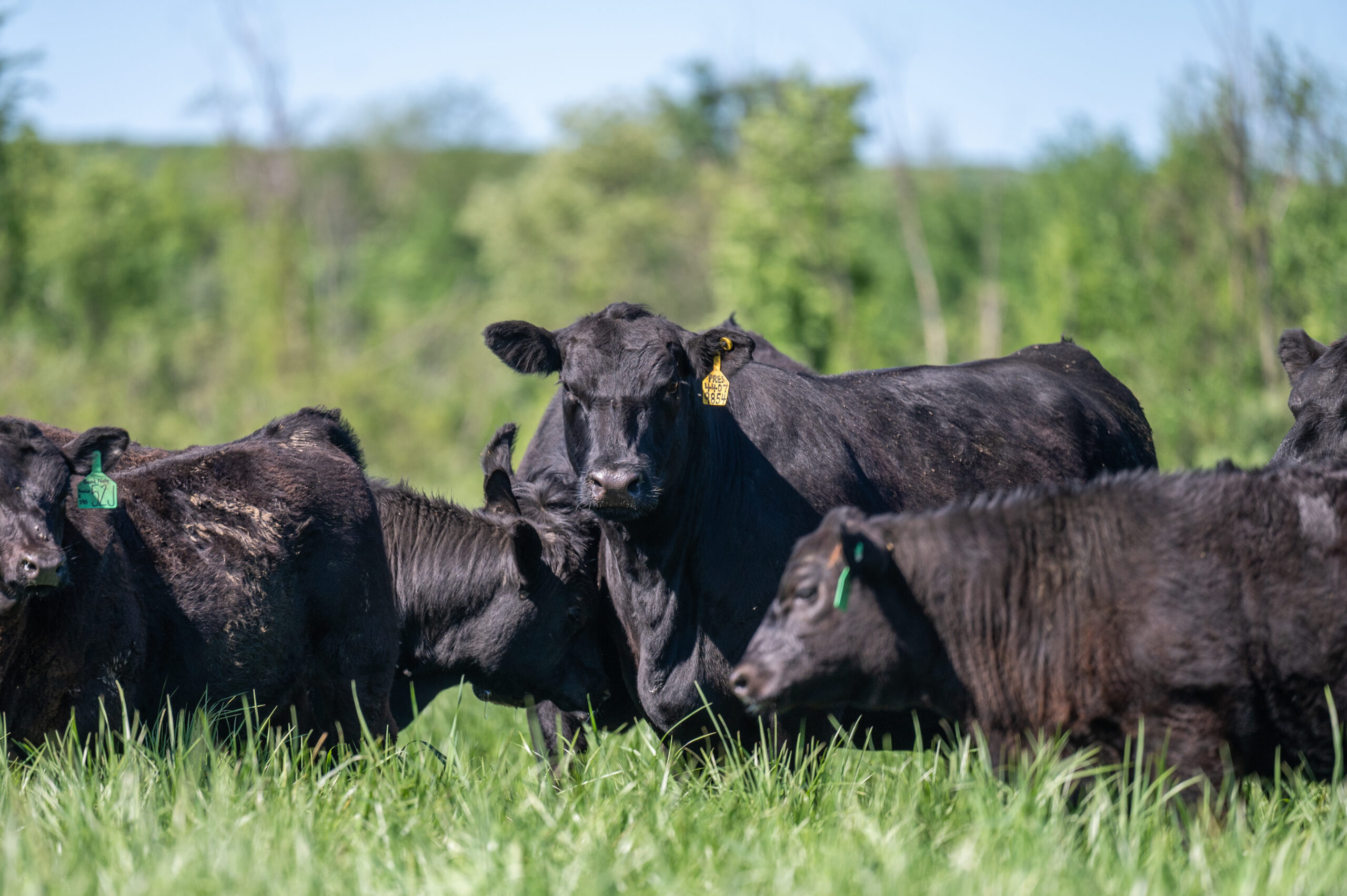
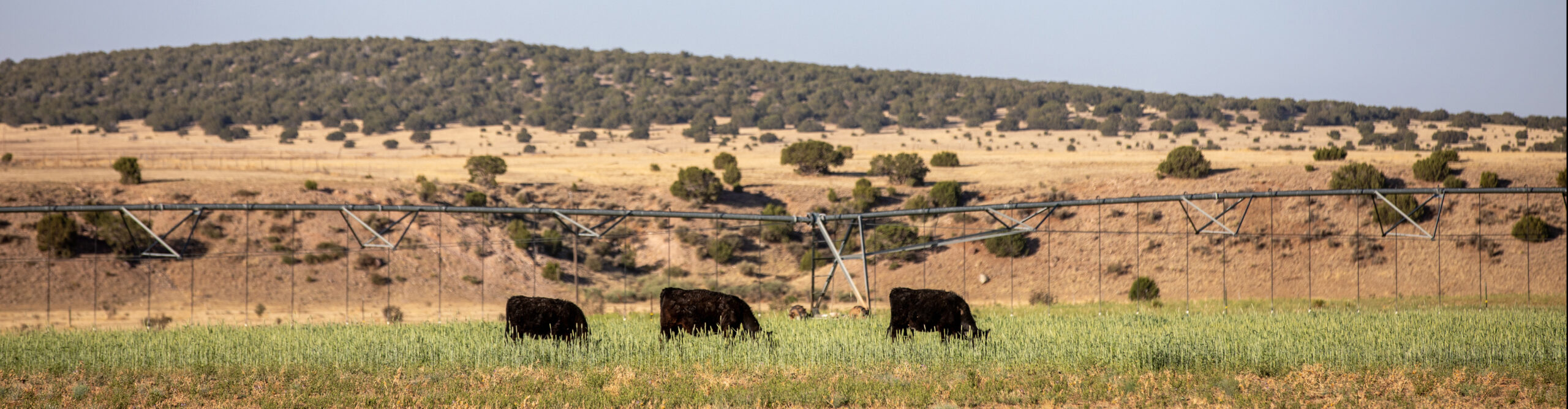
For Willis Ranch, the best Angus cattle thrive in the high desert and produce calves that can become productive replacement females or high-quality carcasses.  

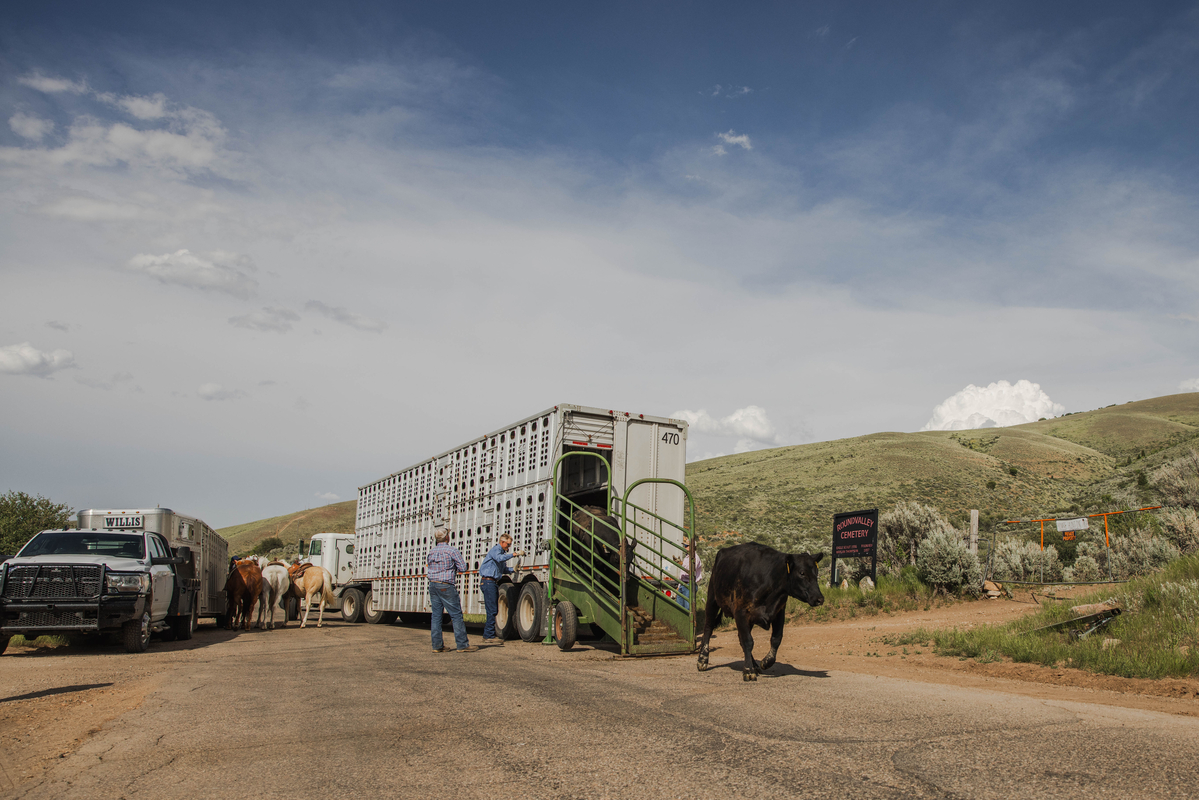
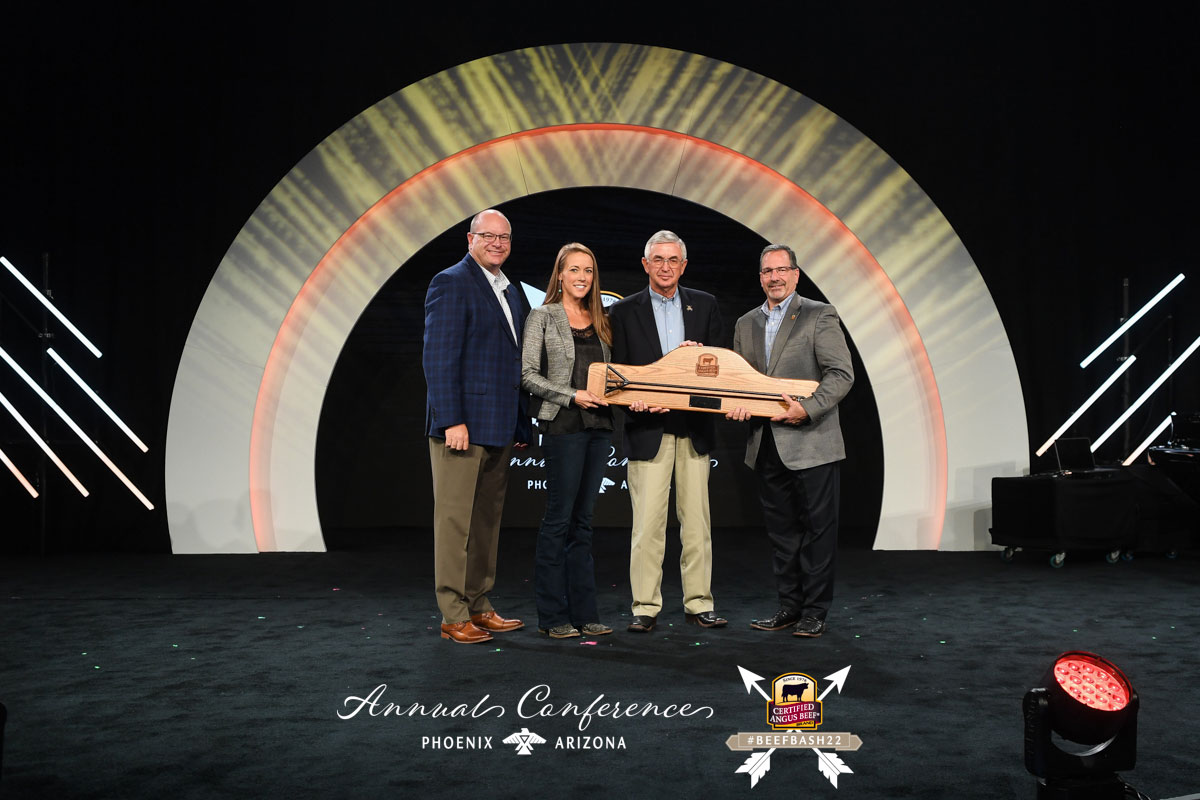
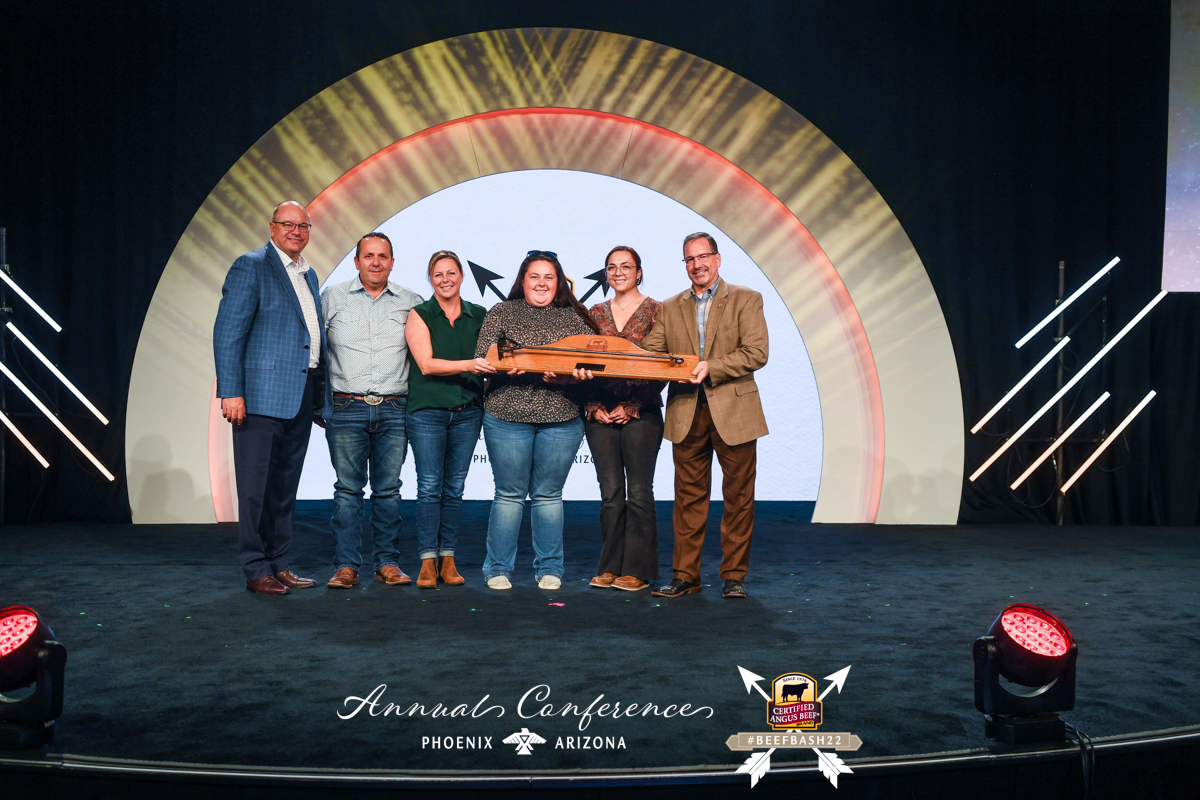
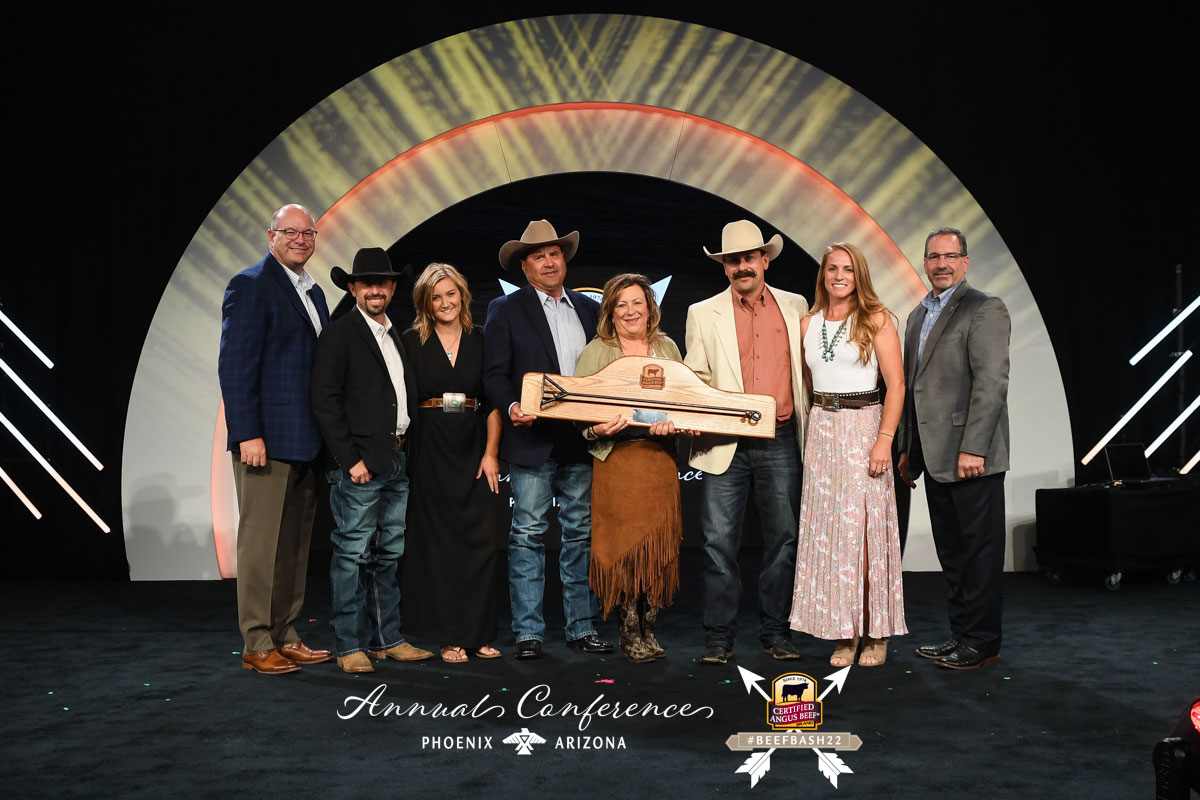
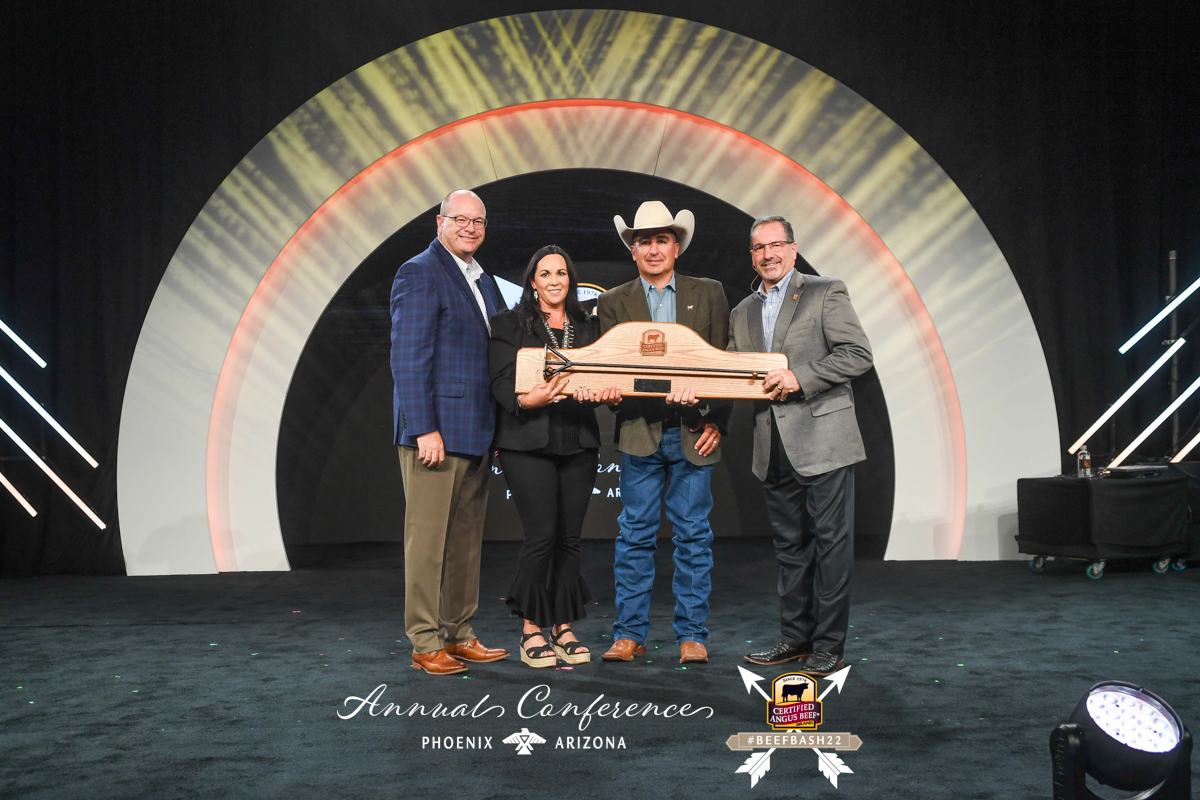
Their decades-long and successful mission to produce truly premium beef earned the Willis family the 2025 Commercial Commitment to Excellence award from Certified Angus Beef (CAB). They were recognized at the brand’s annual conference in September.

Though Roland passed on in 2017, he always encouraged his boys to “figure it out” on their own, Linda says. His legacy of old-fashioned cowboy knowledge, along with the next generation’s embrace of the latest technology, helped find a means to an end.
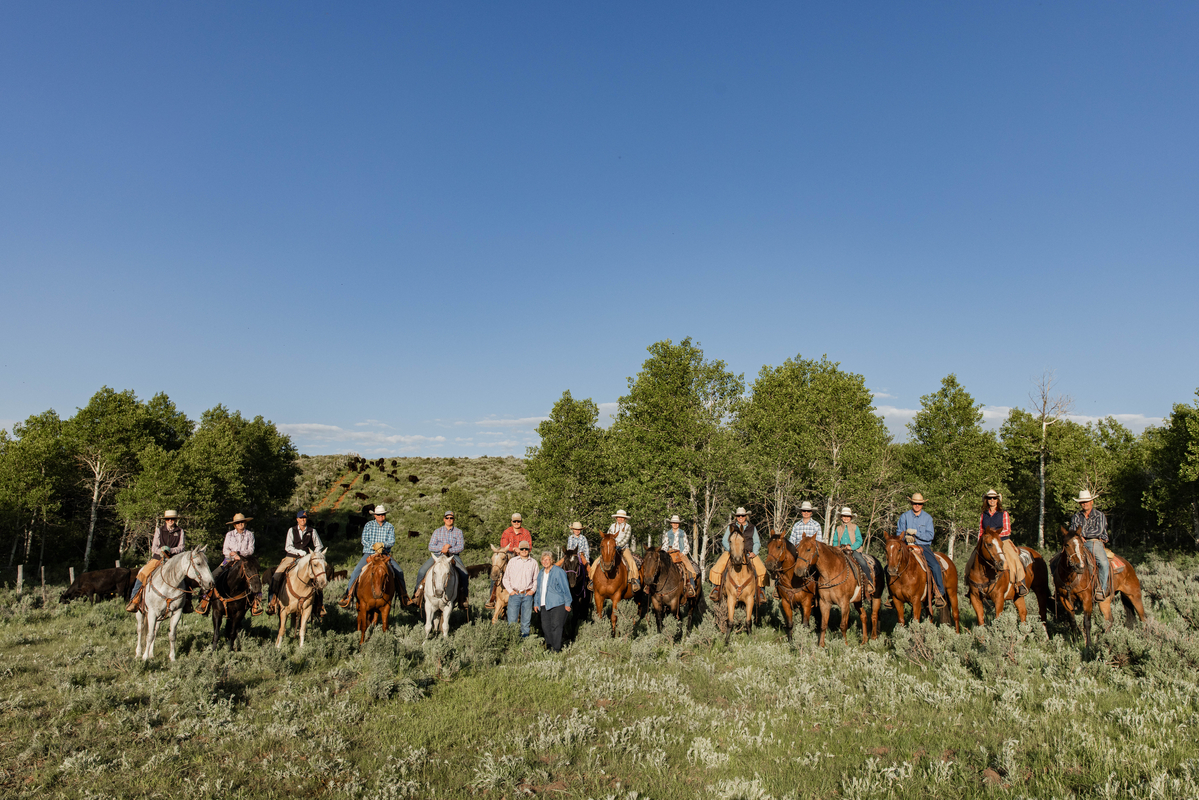
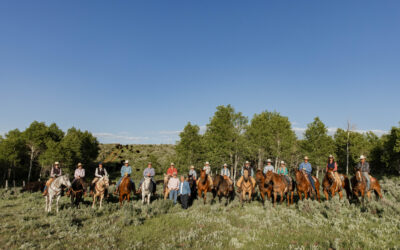
Willis family on horses

The means

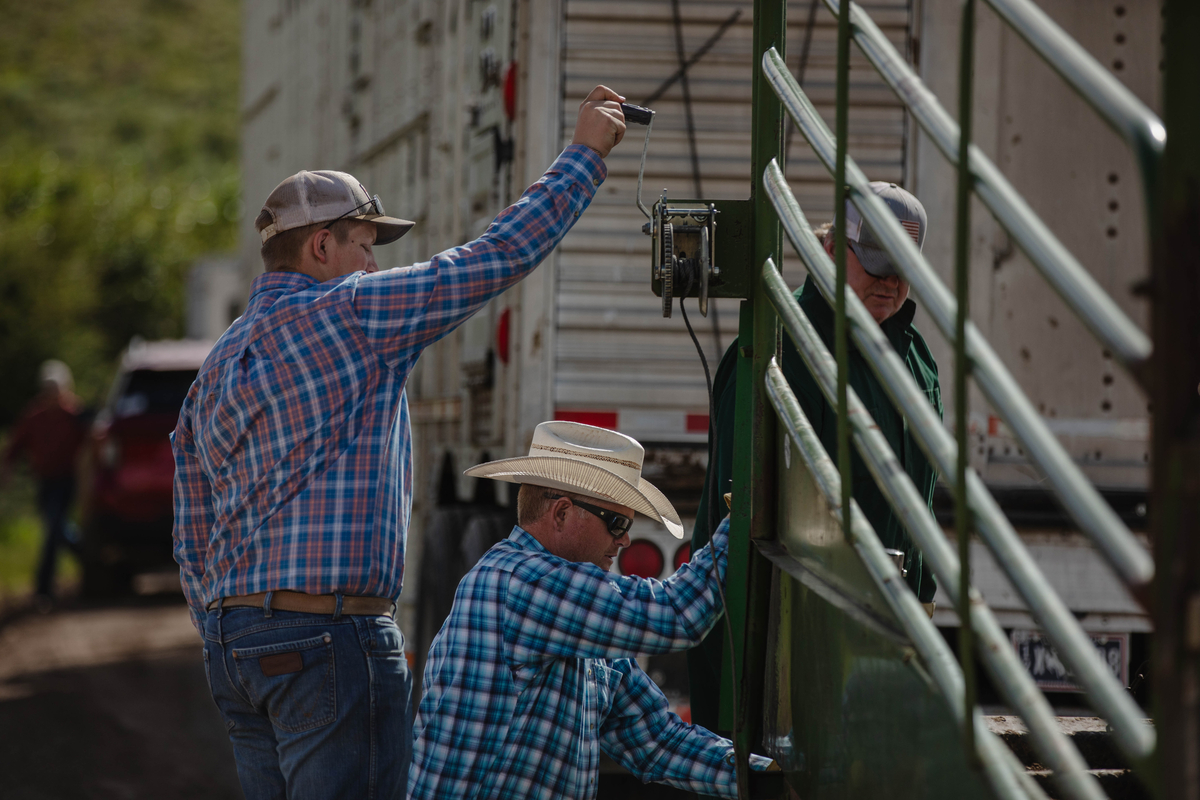
Sons Jordan and Jed manage the Angus cows while James grows crops that feed the cattle. Jordan’s wife, Jennie, provides support, whether it’s feeding the crew, running errands, hauling bulls or her favorite job, baling hay.

Jordan is always learning new tricks of the trade by attending meetings and trying new programs to progress forward and stay on the leading edge of what’s new, Jed says.

“Something my dad told me years ago, [and I’ll never forget, and someone had told him,] if you want to be successful in this business, you got to buy the best,” Jordan says.  

They found a seedstock partner in Basin Angus in Montana and began buying bulls there.

“With all the technology and tools that we have at our hands today, you can have it all,” Jordan says. “But you still need to be a cattleman and you still got to have an eye for cattle.”

He likes an easy-fleshing, maternal cow that thrives in their dry environment. Calm disposition so their kids can safely join in on the work. Well-rounded, because not only is she raising replacement heifers, but also the calves that carry carcass merit to qualify for the Certified Angus Beef ® brand.

The Willises rely on available tools for what the eye of a stockman can’t measure, such as expected progeny differences (EPDs) and DNA testing. For 13 years, Jordan has used GeneMax® Advantage™ to select replacement heifers. These tools are his means to a highly marketable calf crop—whether he’s selling heifers or feeder calves–and a premium end product.

Taking tissue samples at branding allows time to get data back, analyze it and use that information chute-side during preconditioning and sorting calves at weaning.  

Jennie says it’s Jordan’s perfectionist attitude that motivates the entire family.

“He likes things done just right and wants to do a good job every day. So, we try to do our best and work hard,” she says. “Jordan doesn’t think he’ll be able to improve, but he does.”

Every year, calves are better because of their investment in tools like GeneMax.

“For a small investment, GeneMax Advantage testing offers much more in return,” Jordan says. “My theory is that it takes as much grass or feed or resources to feed a poor animal. You may as well have a good one.”
The end

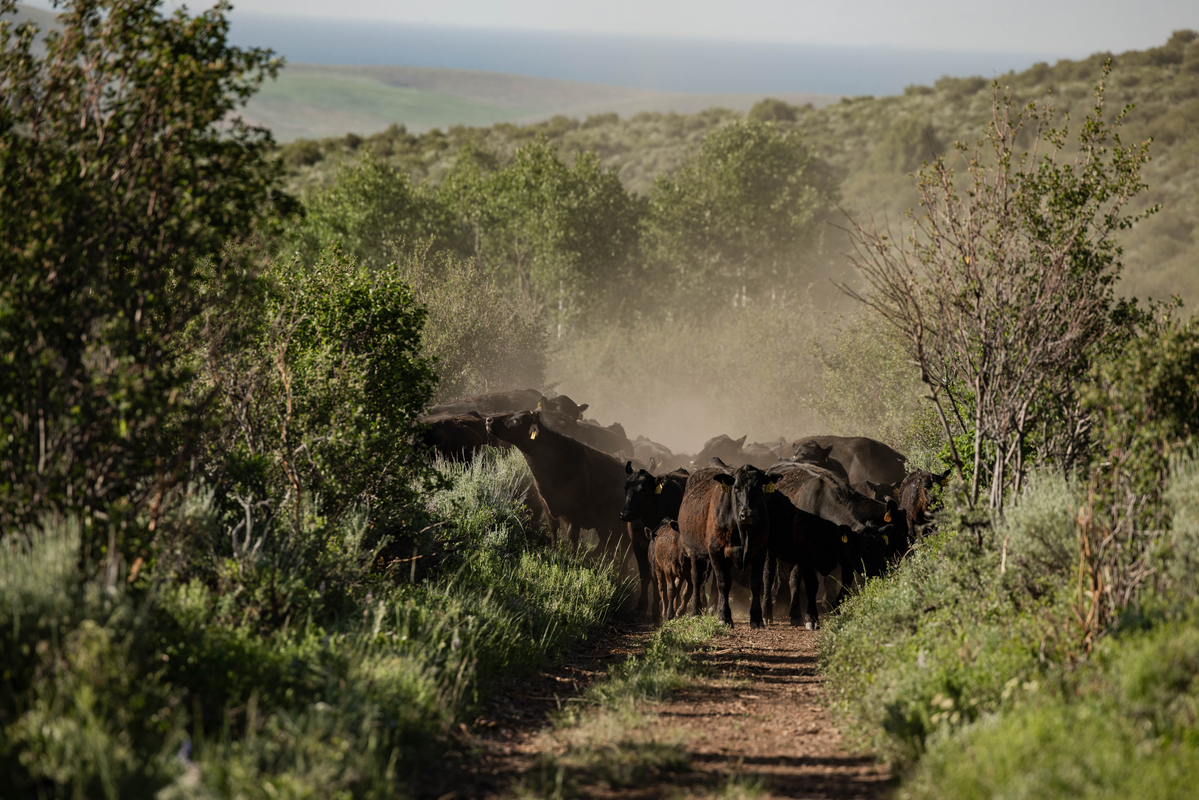
The females are bought by Noble Ranch in Colorado to be developed into bred heifers. Ryan Noble, commercial rancher, and Jordan met through Basin Angus.  

“Between the elevation challenges, long, tough winters and sparse range conditions in the summer, every cow is tasked with bringing home a calf that will get on a truck and go out to add value to whomever buys it,” Noble says. “It’s a daunting challenge, but Willis Ranch seems to have put all of the pieces together.”

 Noble says he buys a lot of heifers from several states, but when other cattlemen stop to visit, “it seems like we always take a few extra minutes to look at the Willis heifers because of the obvious quality and uniformity.” 

After fall and winter grazing, Noble brings the heifers into the grow yard to synchronize and artificially inseminate. Heifers that are open after being exposed to cleanup bulls head to a feedyard. Bred heifers are sold to commercial ranchers, including Willis, as replacements.  

The steers are marketed with AngusLinkSM at weaning. They enroll in the AngusVerifiedSM and Genetic Merit ScorecardSM (GMS). While AngusVerified guarantees calves are at least 50% Angus (sired by a registered Angus bull), GMS describes genetic potential for a group of feeder calves. It bridges a gap between buyers and sellers, giving their customers insight into how calves should perform at the feedyard.

“So many cattle are sold on video auctions,” Jordan says. “How do you distinguish yourself from the others? AngusLink provides that tool.”

Recent carcass data from multiple calf crops representing more than 1,500 head revealed the Willis calves achieved 52% Prime and 94% upper 2/3 Choice.

Not by chance, but by a deliberate and consistent drive to be the best.

“The market isn’t always going to be this great,” Jordan says. “And you need to keep moving your herd forward because when the market goes down, you’re going to need the cow herd and the programs to make ends meet.”  
The why

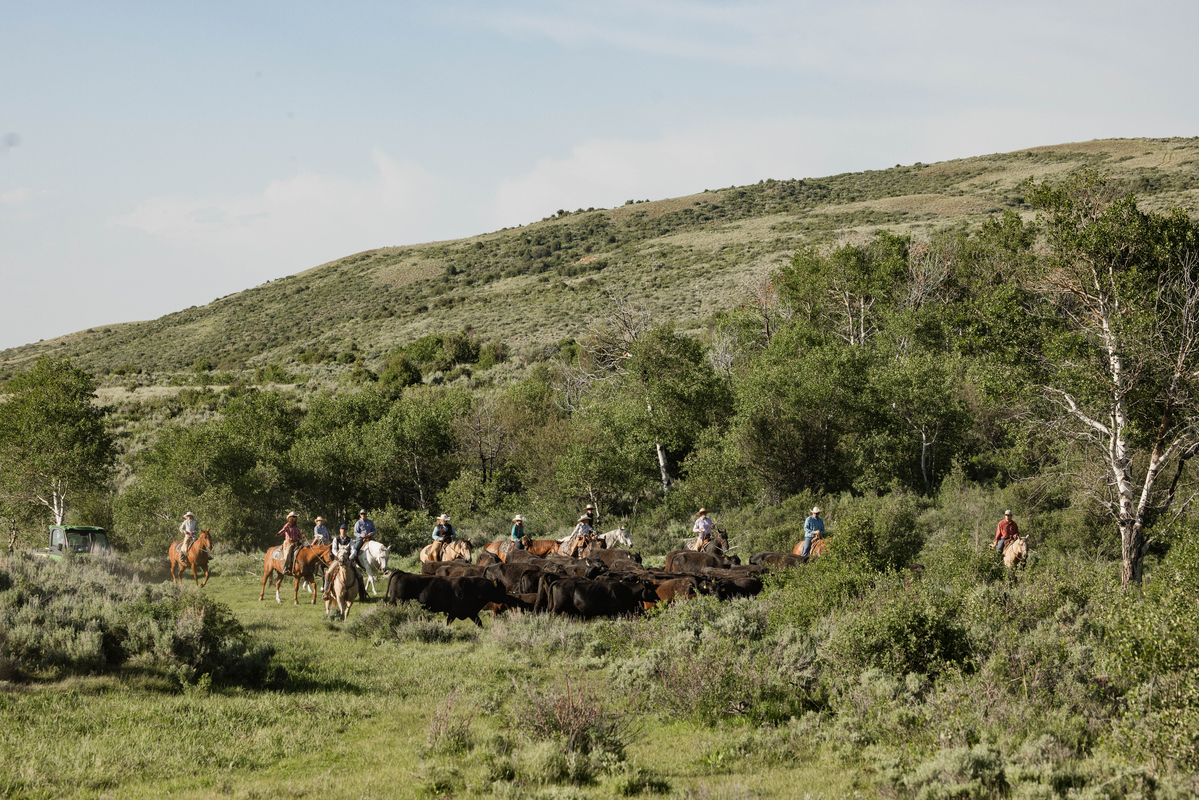
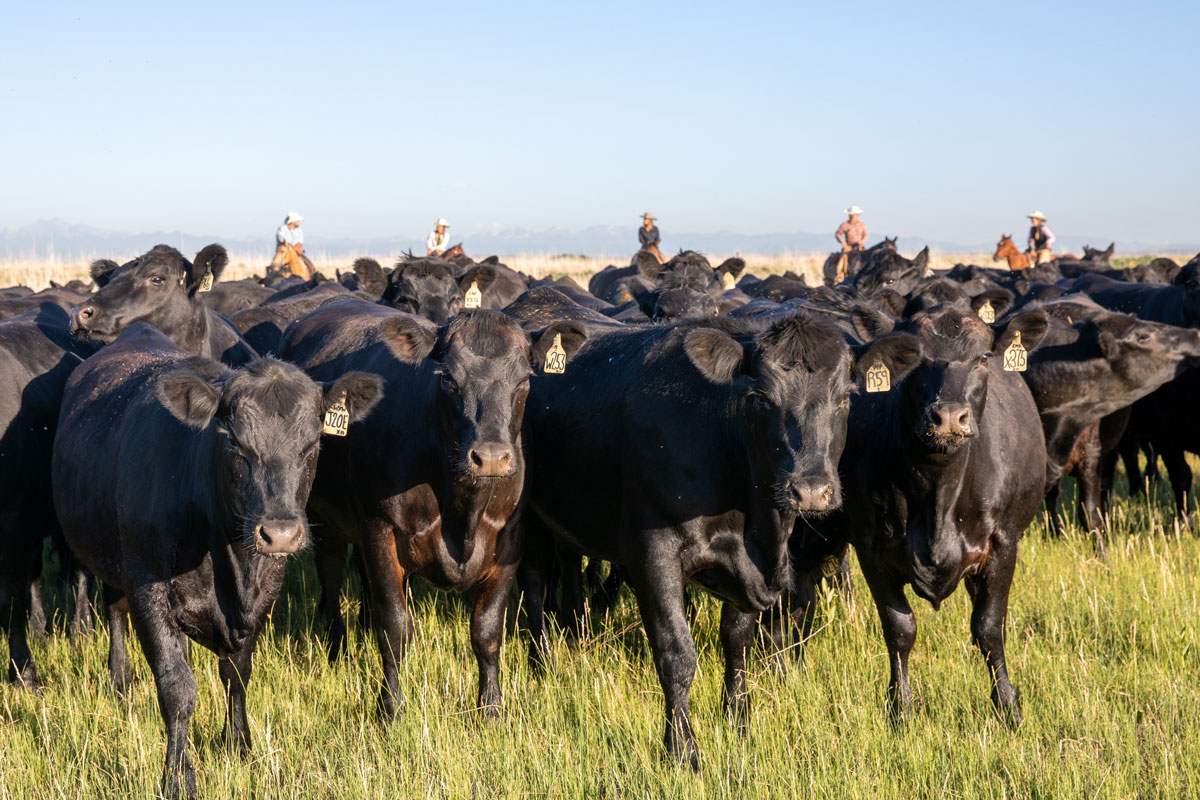
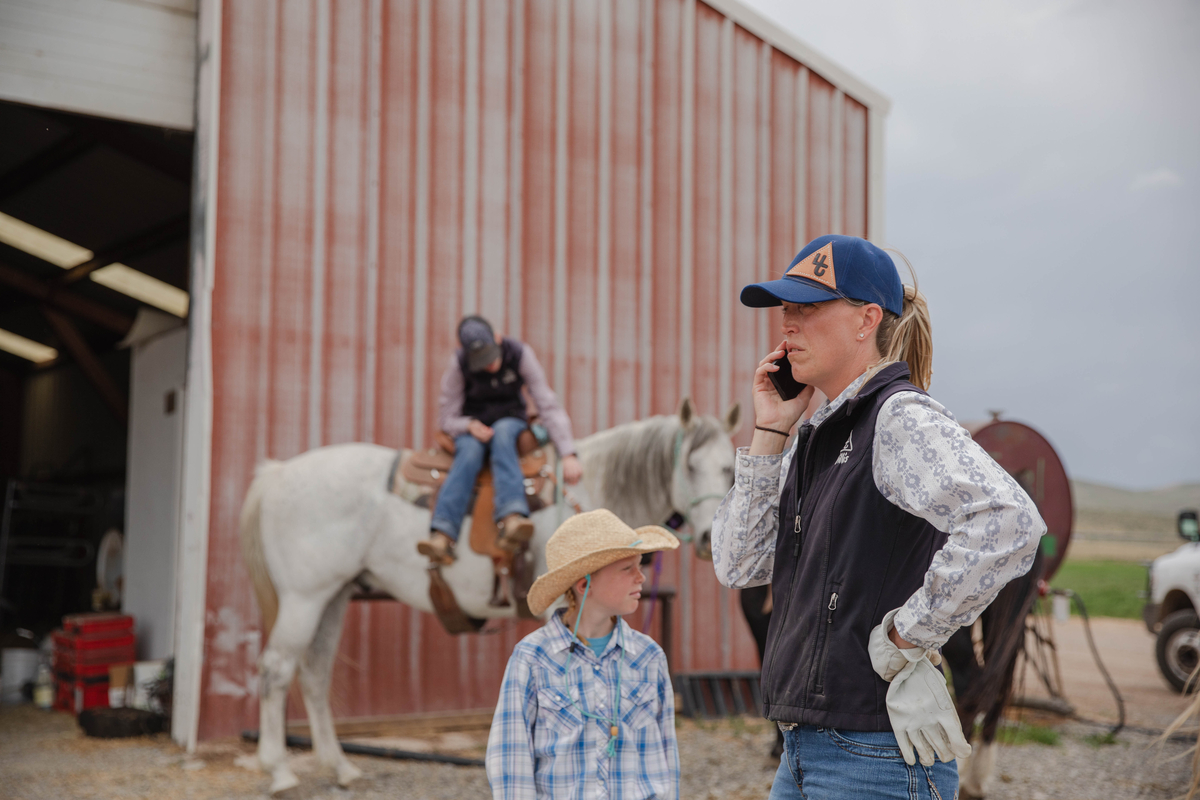
The Willis family is blessed by numbers. The days they move cows are a sight—nine young cowboys and cowgirls atop their horses (or four-wheelers) peek out above the sagebrush.

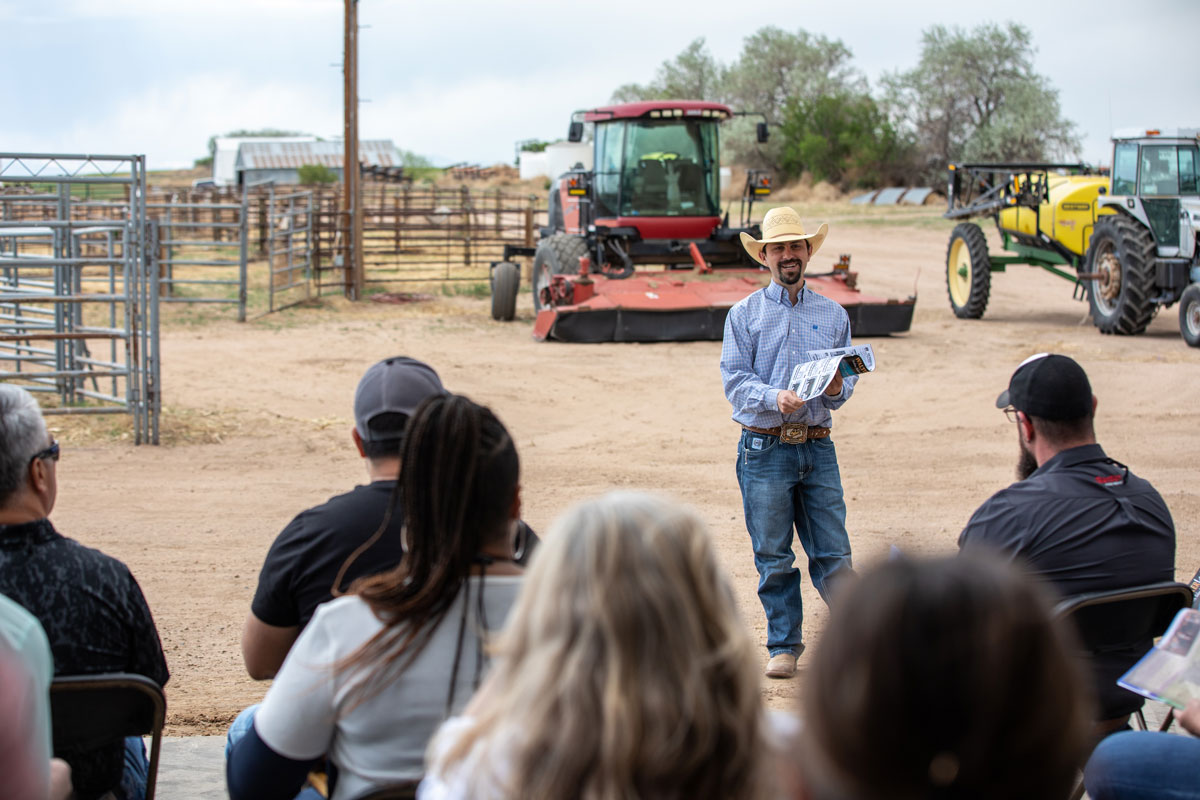
“We work with our family, with our kids, every day,” Jordan says. “One reason we continue our education, through programs like Beef Quality Assurance, is for the next generation. So our kids can grow up and do what we’re doing today.”

While the ranch has grown in quantity and quality, their “why” is the same.

“We love cattle, love family, love being ranchers, love helping people and taking care of people,” Linda says. “And cooking dinner for them even.”  

They feed a big crew but know their daily work puts beef on many family tables. They hope those families have confidence in the quality of beef they are raising.

“When other moms are at the grocery store, I hope they look for the Certified Angus Beef logo and they take that home to their families and feel like they have bought something really, really delicious and nutritious for their family,” Jennie says. 

They want to provide the same thing for their family. That’s why it’s important to hit a high target, like CAB, Jordan says.

When the target moves higher, they’ll adjust to keep getting better.

This story was originally published in the October 2025 Angus Journal.

You May Also Like…
An Unforgiving Land

An Unforgiving Land

What makes a ranch sustainable? To Jon, it’s simple: the same family, ranching on the same land, for the last 140 years. The Means family never could have done that without sustainability. Responsible usage of water, caring for the land and its wildlife, and destocking their herd while the land recovers from drought.
Double Down on Angus

Double Down on Angus

South of Calgary, Alberta, brothers Austin and Malcolm Cross carry on a century-old family history. Their great-great-grandfather staked his future on this land. Today, the Cross brothers are building one of their own—with Angus cattle that not only perform in the harsh environment but consistently meet the highest standards for beef quality.
A Means to an End

A Means to an End

For Willis Ranch, the best Angus cattle thrive in the high desert and produce calves that can become productive replacement females or high-quality carcasses. Every year, calves are better because of their investment in tools like GeneMax and AngusLink. But behind it all is one man’s perfectionist mindset that keeps the entire family moving in the same direction.
System Over Scale

Minnesota cattle feeder earns 2025 Certified Angus Beef Feedyard Commitment to Excellence Award.

By Kylee Sellnow

October 2025

For Dallas Knobloch, it’s not about being the biggest feedyard—it’s about building a high-quality system that works.

After custom feeding cattle with his father, Larry, for decades Dallas and wife Amy took the giant step of downsizing to gain focus. They proved attention to details, relationships and quality can outperform scale.

In the last decade, Amy quit her 18-year banking career to come home, just as their son and daughter, Tory and Claire, were growing up and interested in the farm.

“That’s really when we were able to start focusing on the details, streamline our process and start to move forward again,” says Dallas.

Today, with Tory’s wife Sadie and daughter Ivy, the Knobloch family owns and operates 4K Cattle. They feed 2,500 cattle at eight locations within 10 miles of home, manage 1,000 acres of crops and run a 125-head cow herd, all near Hills, Minn. You can almost see Iowa and South Dakota from there.

Their successful reinvention and networking from packer to ranching customers earned the Knobloch family the 2025 Certified Angus Beef (CAB) Feedyard Commitment to Excellence Award.

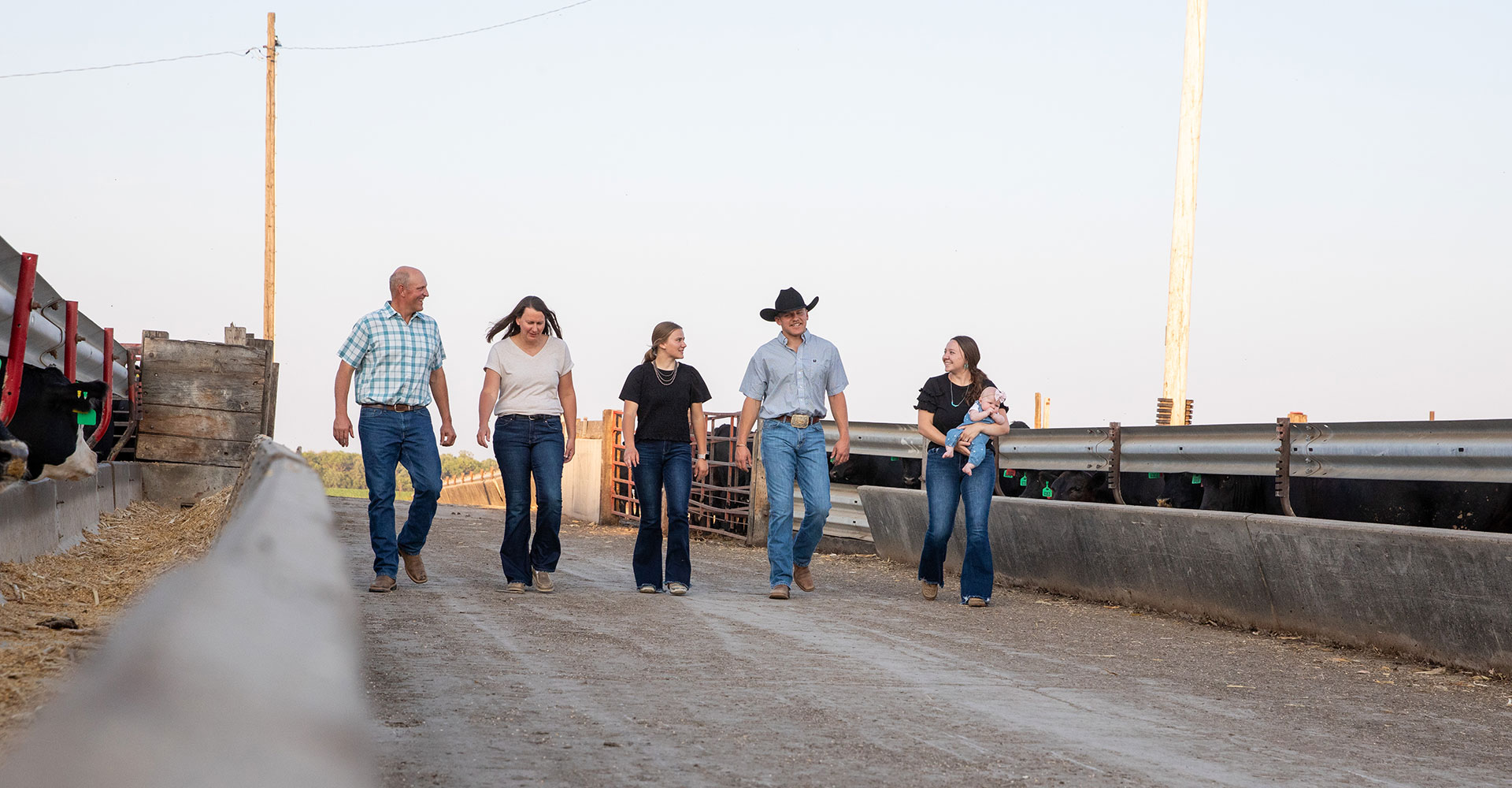
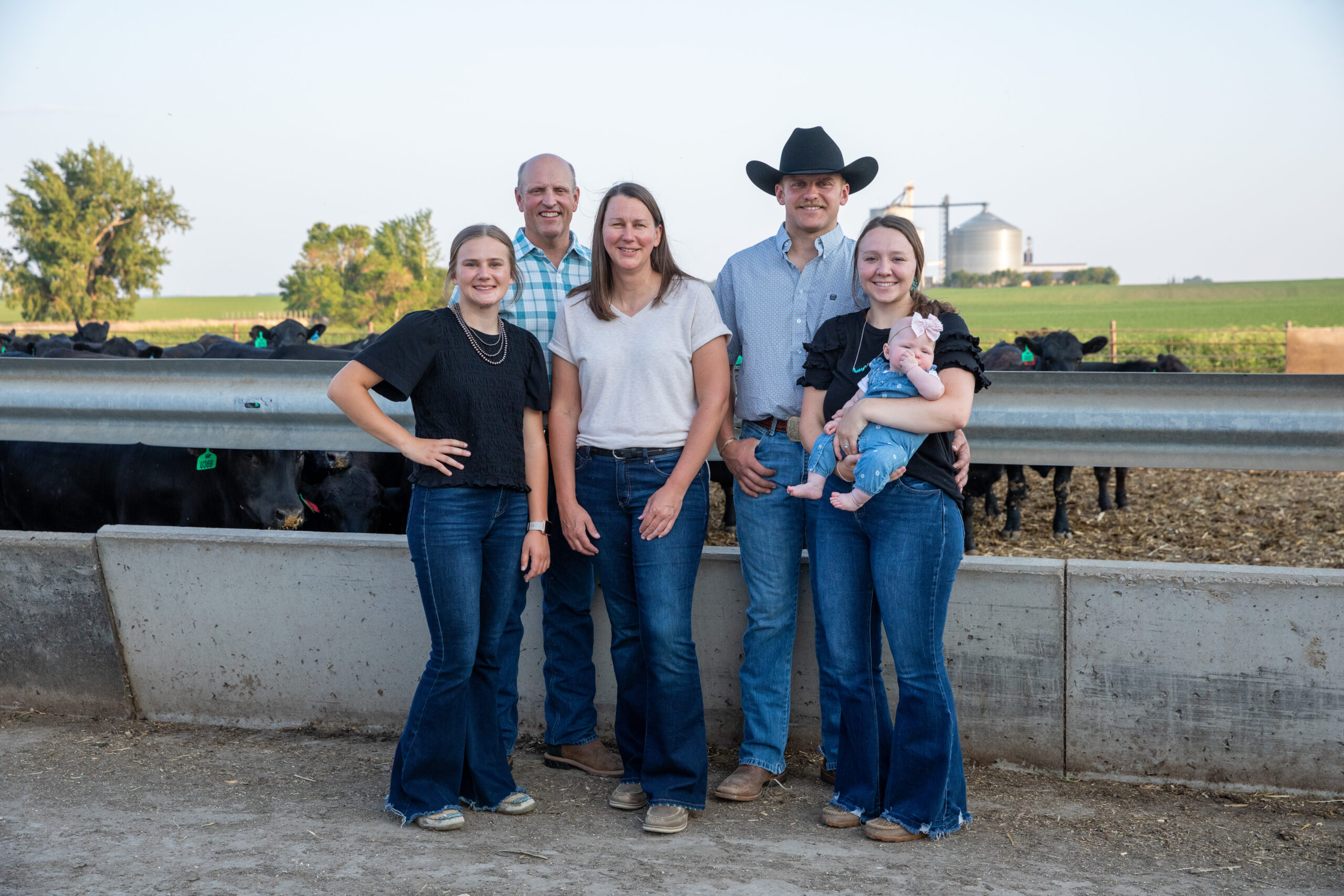
Knobloch family

(left to right) Claire, Dallas Amy Knobloch, Tory, Sadie, Ivy Knobloch

Details Add Up

When Amy came back to help, Dallas grew the cow herd to finish their own calves and began managing other small yards nearby. Partnering with everyone involved, he looked for consistency in his pens and focused on details to improve results. 

“To really make it work, to be sustainable and to pass this to the next generation, you have to hone in on those details,” he says. “Timing and quality of feed, shrink, genetics, herd health—it all adds up.”

When they started marketing through Upper Iowa Beef in 2020, Dallas realized he could play a critical role in adding value through the entire supply chain.

Targeting CAB was the first step to capturing those few extra dollars.

He built relationships across the cattle feeding system, from neighbors to ranchers to packers like Upper Iowa Beef.

Buying calves directly from Dakota ranches has been a game-changer, and it began with cultivating connections with Angus seedstock producers at the turn in the market in 2020. They saw a way to boost calf demand for their bull customers and save everyone time and money.

“In today’s weight market, there’s $50 to $100 per head difference between the producer and me,” Dallas explains. “So if you figure he loads them up, hauls them to the barn, he’s got shrink, commission, and to pay for his trucking to the sale barn. Then they run around, shrink a little more, I pay commission. One day I added it up—I was paying over $50,000 just in commission.”

On top of that, not knowing the management on those cattle made for a herd health battleground.

So, direct they went.

“When the market is really low, I take those 50 to 70 bucks and give them to the rancher,” Dallas says. Lately though, strong relationships have turned the other way. Ranchers have let 4K Cattle hold onto the margin, happy with a handshake that he’ll return next year.

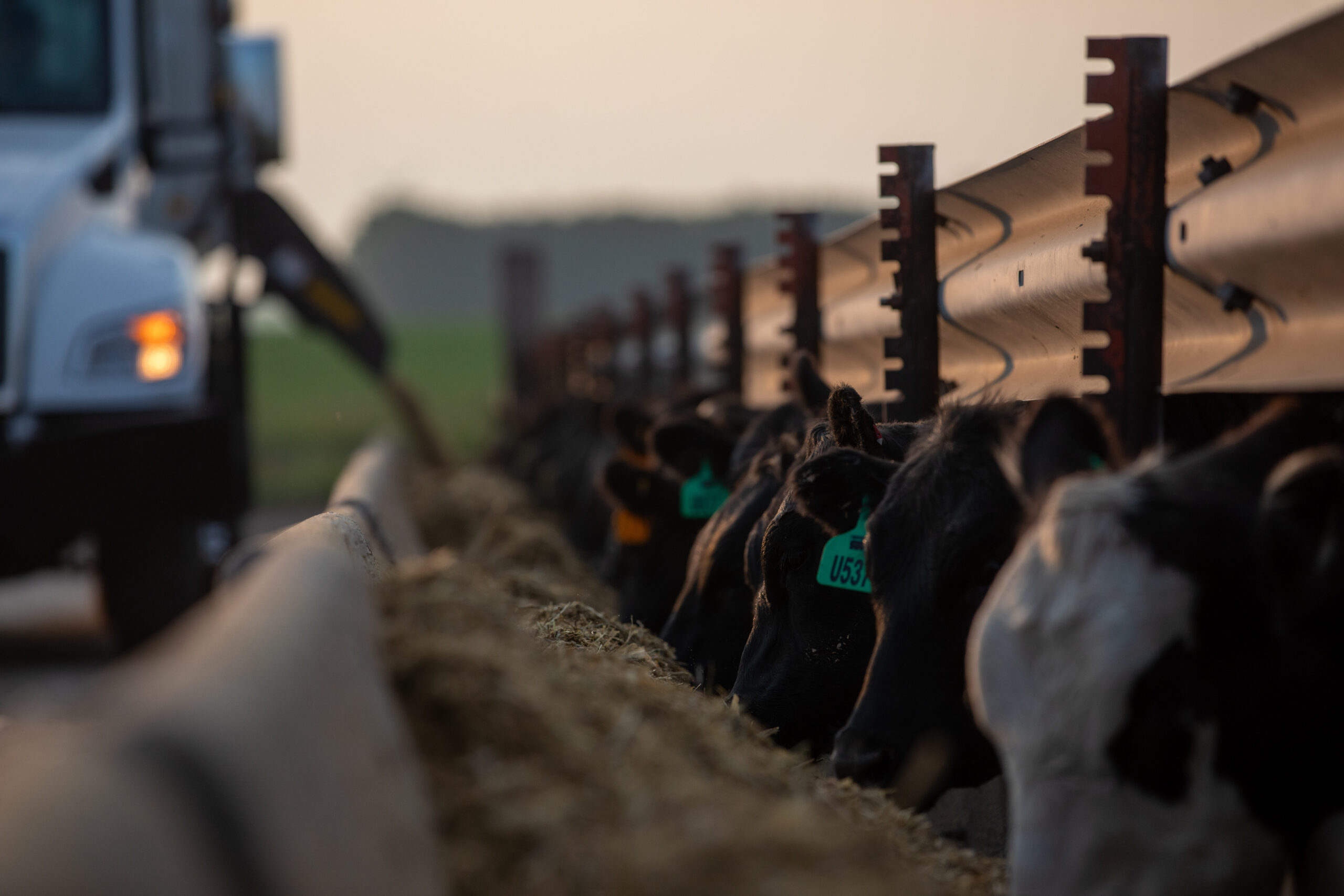
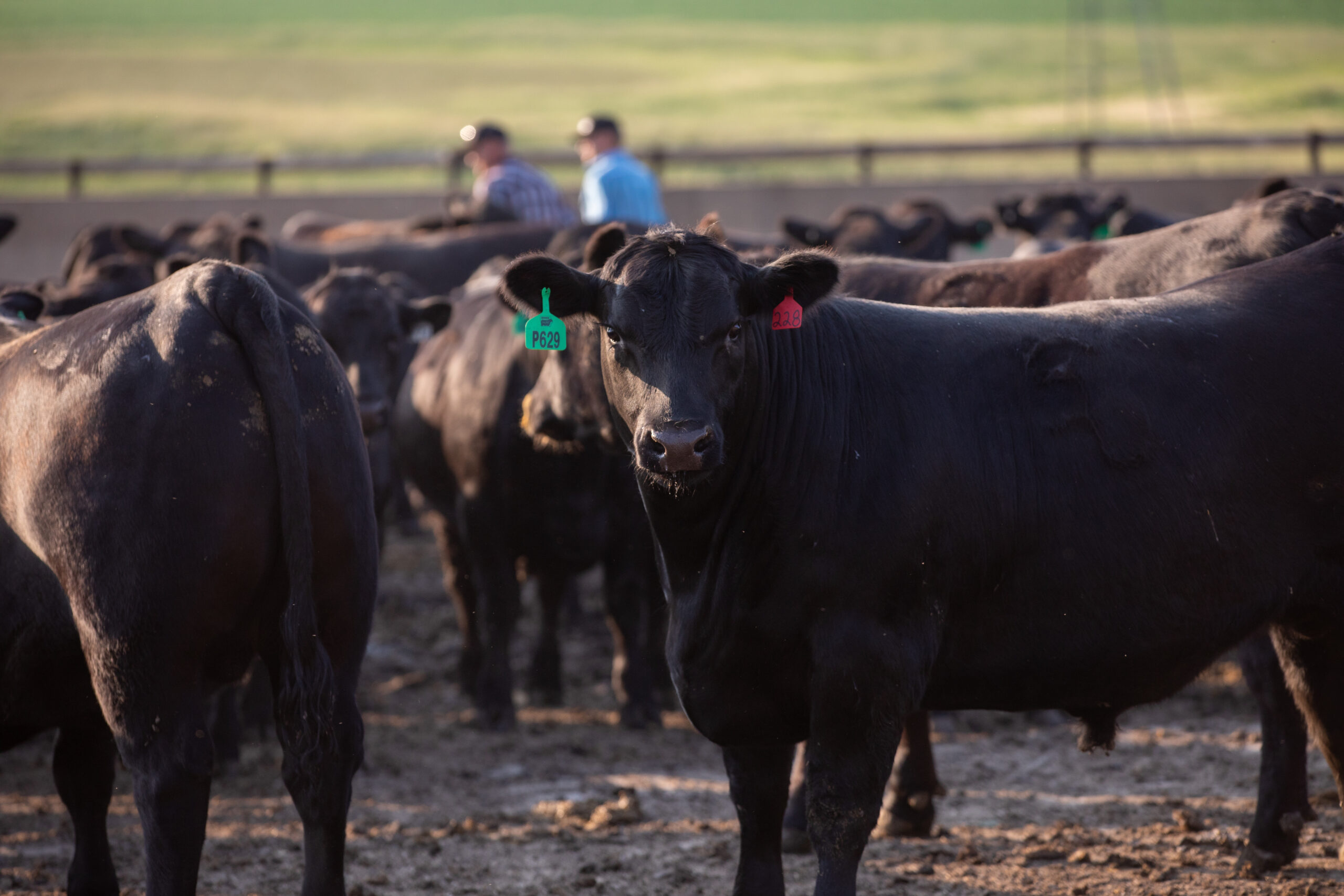
Angus cattle in Minnesota feedyard
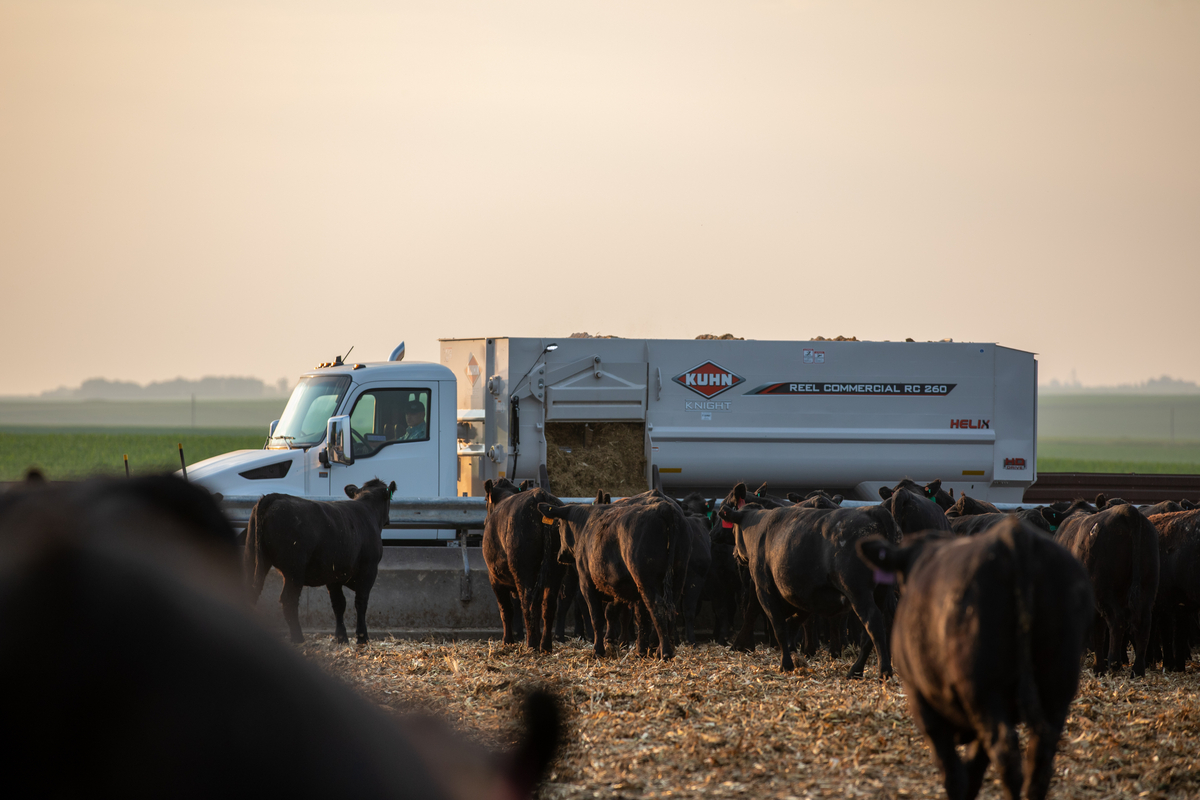
feedtruck at small feedyard
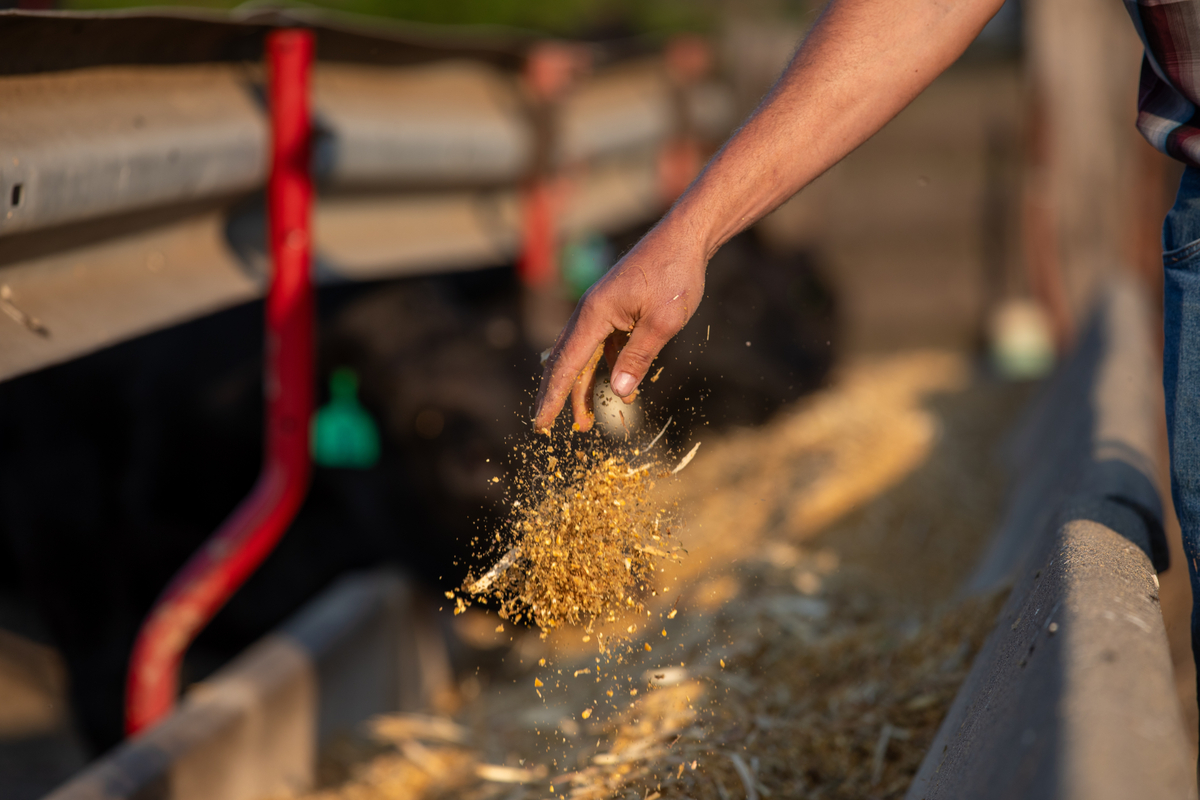
man's hand dropping cattle feed into bunk

Data, Cattle Return

Knowing the background and genetics in his pens has helped the cattle feed more efficiently while maintaining health – and the overall consistency that “return cattle” provide is huge. Of course, Dallas takes what he learns from carcass data back to the ranchers.

“It’s going to take us two and a half years to really find those details, and asking a producer to drastically change something may disrupt a lot of the things that he set up in 30 years,” says Dallas. “It’s just one of those challenges, but it’s had a great reward.”

Rather than push change, Dallas invites ranchers to see pens of cattle ready for harvest and opens conversations about genetics, vaccination protocols, and animal handling.

David Scott raises 250 commercial Angus calves each year in the rugged terrain of western South Dakota. He started selling directly to Dallas seven years ago, resulting in less stress for his family and the cattle, with a simple yet rewarding transaction. They make the trip to the feedyard before their pens head to Upper Iowa.

“I really appreciate his insight,” Scott says. “Sometimes what works for him doesn’t always work for us, so we focus on finding a really happy medium: a good, honest, moderate, efficient cow, yet not sacrificing too much in terms of end pounds, carcass weight and things like that.”

Shared progress strengthens the relationship and keeps the other coming back for more, year after year.

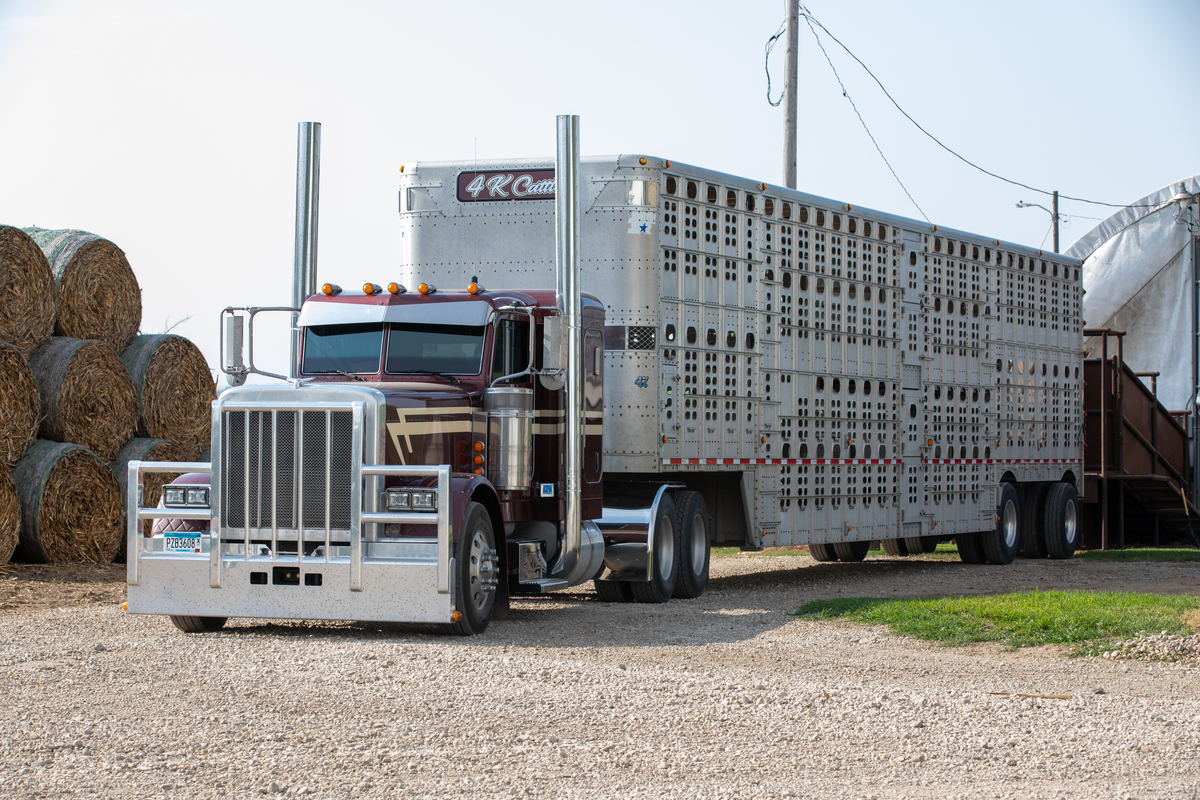
4K Cattle LLC semi truck

A Prime Target

The results of working directly with ranchers speak for themselves.

“Targeting Certified Angus Beef has opened many doors and different relationships,” says Tory. “We get more information on things we can change or tweak to better our premiums and cattle quality.” 

4K Cattle markets one to three loads of fed cattle per week for 45 weeks of a year. Working with Upper Iowa Beef allows for timely data and open communication.

“It’s critical to our success,” says Dallas. “The communication tells us what’s working, what’s not, and how to get a premium to our cow-calf breeder.”

It all starts with genetics.

“Every breed has its challenges, but Angus cattle are required to make that grid work,” he says. “Feed efficiency, meat quality and hitting Prime grades—it’s critical.”

They delivered some 3,700 head to Upper Iowa in 2024, about 90 percent of them black-hided, all marketed on the grid, targeting Certified Angus Beef. Recent loads have graded over 60 percent Prime.

“Certified Angus Beef has become much more of a priority as we’ve moved into the last three to four years because we understand the consumer better,” says Dallas. Their size allows them to focus on the finer details that deliver quality and consistency.

Tory puts it simply: “We expect the same quality on our plates as we expect on theirs.”

records at a feedyard
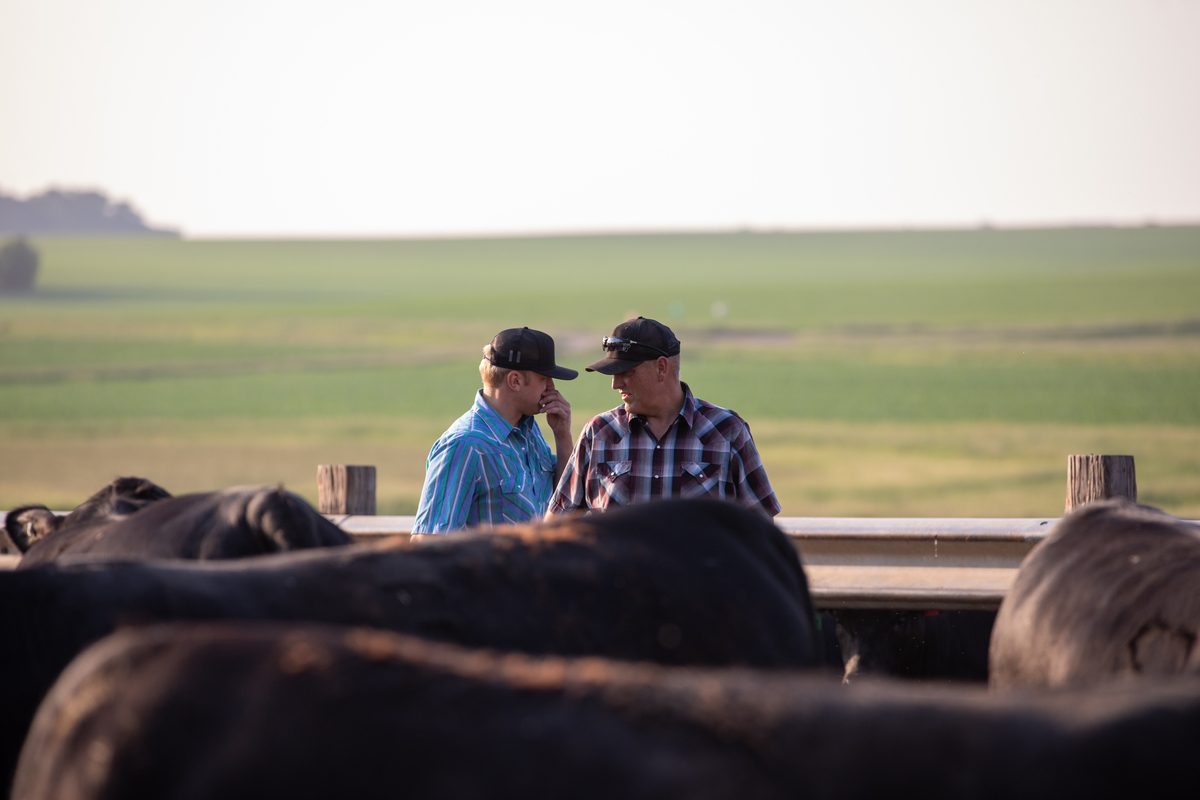
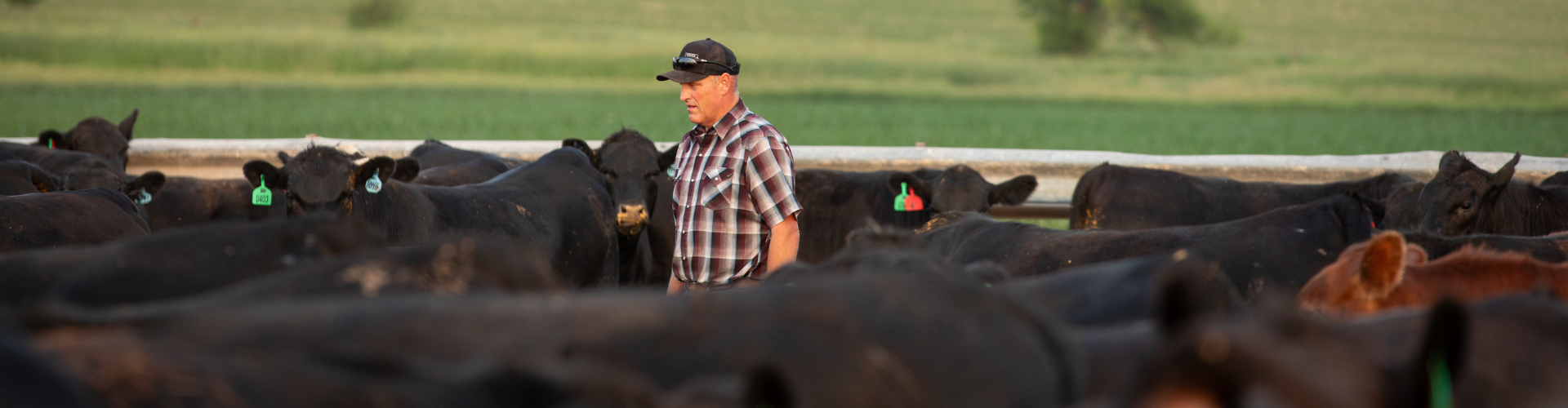
Tory and Dallas Knobloch walking pens in their feedyard

Detail Discipline 

Dallas, Amy and Tory all work to build their database to better understand their true cost of gain. Always crunching the numbers, the family works as a team to stay consistent.

In every market, pounds pay. But discipline in the details can make them pay more. Even with marketing and cash flow spread out, Dallas says health maintenance is key to pocketing premiums.

“Every morning, we walk cattle,” he says. “It’s the highest-paying job on the farm right now.”

Consistency is paramount in herd health, record keeping, pen management, feed quality and timing. That’s why Beef Quality Assurance (BQA) is the basis for consumer confidence as well as cattle performance.

The Knoblochs demonstrate dedication with schedules geared mainly to suit cattle, leaving at 2:30 a.m. to haul calves home from the Dakotas because it means less stress.

Working alongside their veterinarian in Hills, Dallas helped his commercial cattlemen fine-tune vaccination protocols.

“When I visit in August for my ranch tour,” he says, “I actually give my ranchers the one vaccine I really want cattle to have before they get here. I don’t even charge them. It’s a 56-cent shot that saves me thousands of dollars a year.”

Tory adds, “My dad is particular about the details and the numbers because we chase quality.”

Since returning full-time two years ago, Tory’s helped move ahead on care and management. A new feed truck and semi-trailer truck improved feeding consistency and animal handling—with Tory in the driver’s seat.

As the Knoblochs continue to finesse their system, they keep proving excellence isn’t about scale – it’s about intention.

“It’s not just about the dollars and cents, it’s about the opportunity and for our kids to find an interest and have a few more open doors than we may have had,” says Amy.

With every load of cattle, every walk through a pen, and every conversation across the supply chain, they build a legacy rooted in quality.


The Knobloch family received their award in September at the 2025 Certified Angus Beef Annual Conference in Austin, Texas. This story was originally published in the October 2025 Angus Journal. 

You May Also Like…

An Unforgiving Land

An Unforgiving Land

What makes a ranch sustainable? To Jon, it’s simple: the same family, ranching on the same land, for the last 140 years. The Means family never could have done that without sustainability. Responsible usage of water, caring for the land and its wildlife, and destocking their herd while the land recovers from drought.

Double Down on Angus

Double Down on Angus

South of Calgary, Alberta, brothers Austin and Malcolm Cross carry on a century-old family history. Their great-great-grandfather staked his future on this land. Today, the Cross brothers are building one of their own—with Angus cattle that not only perform in the harsh environment but consistently meet the highest standards for beef quality.

A Means to an End

A Means to an End

For Willis Ranch, the best Angus cattle thrive in the high desert and produce calves that can become productive replacement females or high-quality carcasses. Every year, calves are better because of their investment in tools like GeneMax and AngusLink. But behind it all is one man’s perfectionist mindset that keeps the entire family moving in the same direction.
4K Cattle Receives Feedyard Commitment to Excellence Award

The Minnesota cattle feeder was recognized at Certified Angus Beef’s 2025 Annual Conference.

by Kylee Sellnow

September 29, 2025

For Dallas Knobloch, success isn’t about being the biggest—it’s about building a high-quality system that works.

After decades of custom feeding cattle with his father, Larry, Dallas and wife Amy downsized to focus on quality. Their attention to detail, relationships, and consistency proved that excellence can outperform scale.

A decade ago, Amy left her 18-year banking career to join the farm full-time, just as their children, Tory and Claire, were growing up and showing interest. That shift allowed the family to streamline operations and move forward.

Today, with Tory’s wife Sadie and daughter Ivy, the Knoblochs run 4K Cattle near Hills, Minn., feeding 2,500 cattle across eight nearby locations, managing 1,000 acres of crops, and maintaining a 125-head cow herd. Their success earned them the 2025 Certified Angus Beef (CAB) Feedyard Commitment to Excellence Award.

Details Add Up

Amy’s return helped Dallas expand the cow herd and begin managing nearby small yards. He focused on consistency and honed in on the details—timing and quality of feed, shrink, herd health—all of which added up to better results.

Dallas built relationships across the system, from neighbors to packers like Upper Iowa Beef. Buying calves directly from Dakota ranches became a game-changer, sparked by connections with Angus seedstock producers during the 2020 market shift.

“In today’s weight market, there’s a $50 to $100 per head difference between the producer and me,” Dallas explains. “I realized I was paying over $50,000 just in commission.”

Beyond cost, unknown management practices led to herd health challenges. So, they went direct.

“When the market is low, I give those 50 to 70 bucks to the rancher,” Dallas says. “Lately, ranchers let us keep the margin, trusting we’ll return next year.”


Data, Cattle Return

Knowing the background and genetics of his cattle improves feed efficiency and herd health. Dallas shares carcass data with ranchers, fostering long-term improvement.

“It takes two and a half years to find those details,” he says. “Asking a producer to change something drastically may disrupt decades of work.”

Instead of pushing change, Dallas invites ranchers to see harvest-ready pens and discuss genetics, vaccination protocols, and handling.

David Scott, a South Dakota rancher, began selling directly to Dallas seven years ago. The result: less stress and a simple, rewarding transaction.

“I appreciate his insight,” Scott says. “We find a happy medium—a moderate, efficient cow without sacrificing carcass weight.”

Shared progress strengthens relationships and keeps ranchers coming back.

A Prime Target

Working directly with ranchers has paid off.

“Targeting Certified Angus Beef has opened doors,” says Tory. “We get more information to improve premiums and cattle quality.”

4K Cattle markets one to three loads weekly for 45 weeks a year. Their partnership with Upper Iowa Beef provides timely data and open communication.

“It’s critical to our success,” Dallas says. “It tells us what’s working and how to get a premium to our cow-calf breeder.”

It all starts with genetics.

“Angus cattle are required to make the grid work,” Dallas says. “Feed efficiency, meat quality, Prime grades—it’s critical.”

In 2024, they delivered 3,700 head to Upper Iowa, 90% black-hided, all marketed on the grid. Recent loads graded over 60% Prime.

“Certified Angus Beef has become a priority,” Dallas says, noting their size allows them to focus on the finer details that deliver quality and consistency consumers are looking for.

Tory notes, “We expect the same quality on our plates as we expect on theirs.”

Detail Discipline

Dallas, Amy, and Tory work together to build a database and understand their true cost of gain. They crunch numbers and stay consistent.

In every market, pounds pay—but discipline in the details pays more. Health maintenance is key to pocketing premiums.

“Every morning, we walk cattle,” Dallas says. “It’s the highest-paying job on the farm.”

Consistency in herd health, record keeping, pen management, feed quality, and timing is paramount. That’s why Beef Quality Assurance (BQA) is foundational to both consumer confidence and cattle performance.

The Knoblochs demonstrate dedication with schedules tailored to cattle needs—like leaving at 2:30 a.m. to haul calves home from the Dakotas to reduce stress.

Dallas works with his veterinarian to fine-tune vaccination protocols. During ranch visits, he even provides a key vaccine to ranchers at no charge.

“It’s a 56-cent shot that saves me thousands a year,” he says.

Tory adds, “My dad is particular about the details and the numbers because we chase quality.”

Since returning full-time two years ago, Tory has helped improve care and management. A new feed truck and semi-trailer enhanced feeding consistency and handling—with Tory behind the wheel.

As the Knoblochs continue refining their system, they prove excellence isn’t about scale—it’s about intention.

“It’s not just about dollars and cents,” Amy says. “It’s about opportunity—for our kids to find interest and have more open doors than we had.”

With every load, every pen walk, and every conversation across the supply chain, they’re building a legacy rooted in quality.

The Knobloch family received their award in September at the 2025 Certified Angus Beef Annual Conference in Austin, Texas.

You may also like

Apply by April 1 for Colvin Scholarship

Apply by April 1 for Colvin Scholarship

The production agriculture, undergraduate and graduate scholarship categories each have tailored requirements. In 2025, the Colvin Scholarship Fund supported 27 students with awards ranging from $2,000 to $7,500.

Working in Balance

Working in Balance

Cattlemen have a responsibility to look critically at their own herd, determine the areas that warrant improvement, and select animals accordingly. Stockmen bring immense value by objectively evaluating phenotypes, regardless of what the numbers say, and setting individual breeding objectives.

Healthier Soils and Stronger Herds

Healthier Soils and Stronger Herds

Effective land stewardship requires an understanding of how each decision affects forage growth, cattle performance and long-term stocking rates. When land is the foundation of the business, producers are more likely to invest time and resources into managing it intentionally.

Angus cow at sunset

Kansas Family’s Forward Thinking Earns 2022 Progressive Partner Award

By Kylee Kohls Sellnow

October 11, 2022

Progress. For many, the word is one that often feels intangible, hard to grasp or clearly define.

“Progress means that we are measuring improvement, coming up with a benchmark and knowing where we are today and where we want to go,” says Debbie Lyons-Blythe. “Not always making change, but always moving forward.”

Adapting Angus cattle to perform better, in tandem with the land, and create a better end product is a labor of love 33 years in the making for the Blythe family. Every year they’ve improved one breeding decision, management change, farm tour and conversation at a time.

“Cattle producers and consumers are all vitally important to the progress of our environment, animal welfare and making sure our businesses are profitable,” Debbie says.

Working toward a better beef business for themselves and the industry earned Blythe Family Farms the 2022 Certified Angus Beef (CAB) Progressive Partner Award. They accepted the award at the brand’s Annual Conference in Phoenix on Sept. 30.

Succession plans aren’t traditional dinner table conversation for most parents and their 20-something years-old children and spouses. But it’s a frequent topic at Blythe Sunday dinners.

Duane and Debbie may have many more able years ahead, but they’re already transitioning the farm to their five children.

“Working together, we’ve helped them and created an opportunity for them to learn the best practices from us,” Duane shares. “They’re going to find ways to build a better fence down the road, but they’re not going to make the same mistakes I made.”

The transition kit includes digital photos of pastures, plants and notes on weather and dates. Debbie says it’s easy to reference management when questions arise on when to move cattle or burn a pasture.

This record-keeping practice and forward-thinking model helps find ways to make the farm better.

“Progress is difficult to define without the ability to compare to a baseline,” Debbie says. “We have to be able to utilize this land in such a way that it will raise more food. We have to follow best-management practices and make sure we are doing a better job with what we have.”

Doing so led to 175 registered Angus cows, 225 commercial females and a 375-head heifer development program.

With the rich native grass resource, they decided 17 years ago their time, skills and resources would be best spent in a commercial heifer program.

Duane and Debbie Blythe

“We typically purchase heifers from families with cattle that have genetics we know,” Debbie says. “I prefer weaned and preconditioned with two shots and bunk broke, but we’re willing to do the work. The longer we own them, the better those heifers settle to AI.”

After artificially inseminating (AI) once to a proven sire, heifers go to native grass with Blythe Angus bulls for 60 days for a tight calving interval starting February 1. Debbie uses an EPD (expected progeny difference) benchmarking system created to find ideal matings. Birth weight, weaning weight and marbling are priorities.

“We rely heavily on genomics when we’re selecting bulls,” she explains. “I believe strongly in carcass EPDs, especially marbling. If the hot new bull doesn’t have a good marbling score, I won’t use him. I just feel like it’s my responsibility to be able to create good beef.”

Bull customers rely on her decisions, too.

Blythe family receiving CAB Progressive Partner award

Many have commercial herds and retain ownership of their calves, but they leave the EPDs to Debbie. Making sure they meet both cattle customer and beef consumer demands, the Blythes often retain ownership on their calves at Tiffany Cattle Company.

A pen sold in 2021 graded 97% Choice or Prime, with 90% making CAB or Prime. Just more data pointing to progress, if not quite perfection.

The connection to the plate doesn’t stop there. The Blythes are constantly building bridges for people who want to know who raised their food. The modern cattle business is only sustainable with demand for high-quality beef raised on productive land and food influencers and customers who understand that.

Many food bloggers, chefs, foodservice salespeople and retailers have had their first ranch experience at Blythe Family Farms. Whether it’s opening the gate or giving time to industry endeavors, the beef industry can often count on the Blythe’s to share their time, talents and treasures. Most recently, Debbie was elected Chairman of the U.S. Roundtable for Sustainable Beef (USRSB).

“Sustainability is taking care of the land, animals, people and making money,” she says. “My involvement in the USRSB is part of what will make it possible for my kids to continue to farm and ranch.”

Progress with tools, data, continuing education and a willingness to have the hard conversations over the dinner table or in the board room make their legacy a defining one that will only get better with time.

You May Also Like…

Certified Angus Beef Launches New Podcast

Certified Angus Beef Launches New Podcast

Certified Angus Beef Launches New Podcast By Certified Angus Beef April 8, 2026 Ever wondered how Certified Angus Beef (CAB) got its start—or how the brand continues to drive demand for Angus genetics today? The CAB Bite podcast will answer those questions and more....

Protecting Brand Integrity

Protecting Brand Integrity

Protecting the brand’s integrity has been a core pillar since 1978. Integrity is so foundational that the brand was built around the premise: with integrity, nothing else matters, and without it, nothing else matters.

Choice-Select Spread Inverted

Choice-Select Spread Inverted

MARKET UPDATE The fed cattle market has traded in a steady range around $235/cwt. live and $372/cwt. dressed in the past two weeks, roughly $10/cwt. lower than the late February high on a live basis.  The post-report adjustment to the harvested head count two weeks...

Angus fed calf

Triangle H Named CAB Feedyard Commitment to Excellence Honoree

Sam Hands and Marisa Kleysteuber recognized for feeding high-quality Angus at the Certified Angus Beef 2022 Annual Conference.

by Morgan Boecker

October 5, 2022

Rocking in Adirondack chairs on the patio, a glass of tea in hand, Sam Hands and daughter Marisa Kleysteuber make their game plan. It’s the only slow part of their day, reflecting on what happened, how to improve and what needs attention next at Triangle H.

Together, they care for more than 8,000 feeder cattle between a feedyard at Garden City, Kan., and another 20 miles west near Deerfield. 

For Hands, there are no short answers. Problems are met with careful consideration of every possible outcome, solutions executed with care and evaluation. It’s simply the Triangle H way to deal with every challenge from people to cattle to equipment. Work to be the best in everything they do – a mindset Hands is passing on to his daughter.

Their sharp focus on quality and thoughtful customer service earned Triangle H the 2022 Feedyard Commitment to Excellence Award from Certified Angus Beef (CAB), presented Sept. 23 at the brand’s Annual Conference in Phoenix.

Triangle H family recognized

Located in the heart of prime cattle country where genetics excel equally at the ranch and feedyard, bulls for the family’s own commercial Angus herd are selected knowing calves will be in their feeding pens within 15-18 months.

“I just hope from a feeder’s standpoint that we don’t prevent them from reaching their genetic potential,” Hands says.

Raising premium beef starts with genetics, then it’s on the shoulders of the caretakers.

“Good cattle can’t afford to have a bad day,” Kleysteuber says. “So we do everything in our power to give them every opportunity to perform and express the genetics that are there.”

Hands is the kind who wants to understand an entire process. In the 1970s and ’80s, he and wife Janet spent hours in the packing plant coolers tracking their cattle through harvest to know exactly how they were performing.

“If I’m going to produce beef knowing I’m going to sell on the rail, then I want to know if I’m getting the dollars that I hope to reach,” he says. “I’ve got to be on target.”

Size, scale and decades of experience allow them to uniquely tailor each customers’ feedyard and carcass data to best cattle performance.

“This is a powerful tool that we can share with our customers to make improvements with their herd and add more value to their bottom line,” Kleysteuber says.

Through the U.S. Premium Beef grid, Hands knows individual carcass performance. As long as a pen stays above average, they see black in their bottom line.

And they do. In the first quarter of 2022, Triangle H averaged 97% Choice or better, 18% Prime and 44% CAB resulting in a $91.60 per head premium. At certain times of the year, premiums can reach more than $200 per head.

Triangle H crew
Marisa Kleysteuber and Sam Hands

But cattle don’t perform to their greatest potential without the right people. A reoccurring question for the father-daughter duo is how to bring in good employees and then help them grow and develop.

“We may not be a big yard, but we feel there are some natural niches where we can give opportunities to a person to have a career opportunity,” Hands says. “Especially those who may not be in a position to marry into ag or inherit it.”

Their investments pay off with tenured employees.

“We give them a lot of responsibility to make decisions and keep things moving,” he says. “This lets us focus on more of the business side at the office.”

“Over time dad has helped me gain more confidence in different areas of the business,” Kleysteuber says. Every day she accepts more of the daily weight that comes with managing a feedyard.

She naturally fills the role but continues to take full advantage of the time spent with her dad. “As long as he can get up and come out here, I plan on us working side-by-side.”

You may also like

Apply by April 1 for Colvin Scholarship

Apply by April 1 for Colvin Scholarship

The production agriculture, undergraduate and graduate scholarship categories each have tailored requirements. In 2025, the Colvin Scholarship Fund supported 27 students with awards ranging from $2,000 to $7,500.

Working in Balance

Working in Balance

Cattlemen have a responsibility to look critically at their own herd, determine the areas that warrant improvement, and select animals accordingly. Stockmen bring immense value by objectively evaluating phenotypes, regardless of what the numbers say, and setting individual breeding objectives.

Healthier Soils and Stronger Herds

Healthier Soils and Stronger Herds

Effective land stewardship requires an understanding of how each decision affects forage growth, cattle performance and long-term stocking rates. When land is the foundation of the business, producers are more likely to invest time and resources into managing it intentionally.

Angus cow at sunset

Ranch Covey Hill Earns Canadian Commitment to Excellence Award

By Miranda Reiman, freelancer for Certified Angus Beef

October 10, 2022

“To have cattle on a hill.” That was Emmanuel Chenail’s dream. In 2015, after a career as president of the family’s construction business, the Havelock, Québec, dreamer sold his company and Ranch Covey Hill was born.

“My wife Brigette and I were out on a drive when the name came to us, just like that,” he says. “It’s perfect for this hillside.”

That’s where a winding driveway leads through front pastures and up to the well-appointed ranch headquarters. Bits of history mix with modern buildings and their completely remodeled home. Off to the west, the maple forest or “sugar bush” flourishes with more than 20,000 taps ready to produce syrup come late winter. Near the sugar shack sits the carefully planned salebarn.

“What inspires me every morning is, we’ve started something that isn’t over yet. It’s just beginning,” Emmanuel says. 

The family saw potential in what was a run-down country estate.

“When we first bought this place, I don’t think anybody would believe it looked that way, compared to now,” says eldest daughter Sabrina. “We couldn’t get through the main driveway, couldn’t even tell there was a pasture there – no fences, rock chains everywhere, no barns – the house was not habitable.”

The family, which includes daughter Camille and son Raphael, checked projects off the list one by one, dedicated employees providing steady support.

“One day we might be done, but we’re always working on it,” Sabrina says.

That continual pursuit of the best and finding the right people to get there caught the attention of the world’s premium beef brand. Their eagerness to support the Certified Angus Beef ® (CAB) brand mission earned Ranch Covey Hill the 2022 CAB Canadian Commitment to Excellence award.

Their first 10 Angus females came from neighbor, mentor and friend David Sample, Mac Angus Ranch.

“One thing I’ve learned about Angus breeders is they’re always willing to share what they know,” Emmanuel says. “That’s a huge advantage that I really appreciate.”

Quickly growing the herd to 75 cows, the family hosted their first annual Hillspride Sale in February, along with Mac Angus Farm and PJ Ranch from nearby Hemmingford.  

The three operations have separate programs but similar philosophies.

“The ideal cow is moderately-sized, good-tempered, not too demanding and maternal—easy to look at,” Emmanuel says. “You can’t overlook how important the cow is in terms of herd continuity, easy keeping and ultimately marbling.”

They had to learn basically everything, but that had its advantages, too—no preconceived notions about carcass being at odds with maternal traits.

Becky Larson using EID scanner

“Customers want quality. That’s not negotiable: you need to get it right the first time. It’s a priority,” Emmanuel says. “Customers come to us to buy a good breeding bull and maybe to produce cows for their operation. They’re looking for sound legs, calving ease, healthy teats, and meat for Angus steers is known for its marbling.

“At the end of the day, we do it to put food on people’s tables,” he says.

That enthusiasm led the family to CAB in search of educational resources.

“They don’t want to keep the secret of quality to themselves as something only they can be good at,” says Kara Lee, CAB director of producer engagement. “They want to help their customers understand how they can continue to excel at the ranch, and from the perspective of consumer eating satisfaction”

This spring’s salebook included materials from the brand, and Ranch Covey Hill invited CAB staff to participate in their fall customer event.

“They had a very fresh set of eyes in terms of the value in pursuing maternal and carcass traits in the cow herd. They realized there are tools and diversity in the Angus breed that let us achieve improvement in tandem,” Lee says.

Sabrina started doing the registrations as the conduit between the English-speaking Canadian Angus Association staff and her French-speaking father. She got hooked.

“Sabrina looks after the genetics and calving. She likes to find which bull will provide the best genetic mix,” Emmanuel says. “Camille is responsible for sales and marketing. She works with cuts of meat to imagine very creative dishes. Brigette takes care of everybody and makes sure we’re all happy.”

Raphael is away at school right now but comes back as he’s able.

“I like working with my family because we’re all kind of the same, and we’re intense people,” Camille says. Each has a unique skill they bring to the table. “So when we work together, we balance things up and make things work out.”

A little at a time, Emmanuel’s dream is coming true.

“It’s like I imagined,” he says, “but I didn’t think it would be this beautiful.”

You May Also Like…

Certified Angus Beef Launches New Podcast

Certified Angus Beef Launches New Podcast

Certified Angus Beef Launches New Podcast By Certified Angus Beef April 8, 2026 Ever wondered how Certified Angus Beef (CAB) got its start—or how the brand continues to drive demand for Angus genetics today? The CAB Bite podcast will answer those questions and more....

Protecting Brand Integrity

Protecting Brand Integrity

Protecting the brand’s integrity has been a core pillar since 1978. Integrity is so foundational that the brand was built around the premise: with integrity, nothing else matters, and without it, nothing else matters.

Choice-Select Spread Inverted

Choice-Select Spread Inverted

MARKET UPDATE The fed cattle market has traded in a steady range around $235/cwt. live and $372/cwt. dressed in the past two weeks, roughly $10/cwt. lower than the late February high on a live basis.  The post-report adjustment to the harvested head count two weeks...

Ty, Terry and Trevor Walter

Walter Angus Recognized as 2022 CAB Ambassador Honoree

The Walter family opens the gates to share their passion for Angus cattle.

by Jessica Travis

October 4, 2022

Teaching an appreciation for Angus cattle comes naturally to Terry and Becky Walter. Along with their children Trevor, Ty and Katelyn, they’ve built Walter Angus into a fifth-generation seedstock ranch that specializes in high quality at a high elevation.

Hudson, Colo., provides awe-inspiring views of the pristine Rocky Mountains as a backdrop to their picture-perfect cattle. It’s the ideal spot to introduce visitors to the place where beef begins.

Their spirit of hospitality and work to share how they raise high-quality beef earned the Walter family the 2022 Certified Angus Beef (CAB) Ambassador Award.

Many of the groups that visit Walter Angus include foodservice sales staff who merchandise CAB or chefs serving the brand at their restaurant. They’ve also hosted food bloggers, media, video and photo crews to capture their story to share in CAB training and promotional materials.

“I enjoy talking to people, especially as society gets more disconnected from agriculture,” Terry says. “I want people to know that ranching isn’t easy; it takes a lot of work producing high-quality cattle so people can feel good about eating beef.”

Walter Family at Annual Conference

Opening their ranch is more than putting a face to the hands that raise a delicious steak, but understanding the intention behind each decision, taking care of both the land and livestock.

That includes taking cattle to new heights.

The Walter Angus herd spends at least six months grazing mountain pastures that range from 6,000 to 11,000 feet in elevation. Bred to handle the altitude, management also helps cattle adjust with gradual rotations during the warm summer and fall months before the cows come home.

While the mountain pastures are great for cattle, the Walters want people to know those cows are great for the pastures, too.

“The cattle help break up the decomposing trees that have succumbed to beetle rot,” Trevor says. “Grazing helps prevent wildfires and creates a positive ecosystem for the land they’re on.”

Their grazing encourages deeper roots and healthier grasses.

“We make the land better with our cattle,” Ty says, noting the increased forage production and soil health. “God created this land to be grazed by cattle. Without them, and the grasses and sagebrush, the land would blow away to Kansas.”

Ty Walter
Angus cows

Docility is another key component of breeding for balance. The family creates cattle that can be good working partners on the ranch, knowing it ties to performance on the plate.

“We’re always trying to make balanced cattle,” Terry says. “We’re trying to put as much marbling in these cattle as we can without sacrificing functionality. But in my opinion, marbling is what pays bills.”

 That intentional breeding pays off. A look through sale catalogs shows the CAB Targeting the Brand™ logo next to most of their bulls. A mark to help their customers identify bulls with greater potential to sire calves that earn a CAB stamp.

Their focused approach is put to the test by retaining ownership and the carcass data lets them see how they’re doing. Over the last four years, 97% of their cattle graded Choice or higher, with 51% qualifying for CAB and 13% Prime.

Raising great bulls to produce calves that meet the demand for high-quality beef is a feat on its own, but the Walters take the next step to connect with people at the other end of the supply chain.  

Pulling out of the driveway, visitors head home with more than a camera full of beautiful pictures and cow selfies to post on social media. They leave as friends who know that the cattle behind the brand are raised by good families, in a way that’s good for animals and the environment.

“I want groups to leave our ranch knowing that there’s a family in Hudson, Colorado, that loves Angus cattle,” Terry says. “That we’re striving to make the best beef possible, and our mission here is hitting that CAB target. But more than that, it’s knowing that we care about the cattle.”

The Walter family was recognized for the Ambassador Award at the Certified Angus Beef Annual Conference in Phoenix on September 30, 2022.

You may also like

Apply by April 1 for Colvin Scholarship

Apply by April 1 for Colvin Scholarship

The production agriculture, undergraduate and graduate scholarship categories each have tailored requirements. In 2025, the Colvin Scholarship Fund supported 27 students with awards ranging from $2,000 to $7,500.

Working in Balance

Working in Balance

Cattlemen have a responsibility to look critically at their own herd, determine the areas that warrant improvement, and select animals accordingly. Stockmen bring immense value by objectively evaluating phenotypes, regardless of what the numbers say, and setting individual breeding objectives.

Healthier Soils and Stronger Herds

Healthier Soils and Stronger Herds

Effective land stewardship requires an understanding of how each decision affects forage growth, cattle performance and long-term stocking rates. When land is the foundation of the business, producers are more likely to invest time and resources into managing it intentionally.

Larson Angus Ranch

New Mexico Ranch Earns Certified Angus Beef Sustainability Award 

by Kylee Kohls Sellnow

September 30, 2022

Producing beef in the desert Southwest takes a certain resolve, faith that the rain will come and grit to do the hard things and smile through the work when it doesn’t.  

This is the grit engrained in Manny and Corina Encinias and their seven children operating Buffalo Creek Ranch.  

Sustainability runs deep for these stewards of a legacy that dates back to 1777, when the first generations of their family began herding sheep near Galisteo, N.M. Today they focus on cattle well-suited to the harsh desert range east of Albuquerque, fostering community strength and creating opportunities for others. 

My ranching philosophy is adapting to the ever-changing environment and marketing climates,” Encinias says. 

Their holistic approach earned this ranching family the 2022 Certified Angus Beef (CAB) Sustainability Award.  


Restoring the Land 

Manny and Corina purchased Buffalo Creek Ranch in 2016 with a vision to restore the land and help it flourish. 

“The first part of sustainability is consideration for the natural resources,” he says. “In the desert Southwest, those are fragile, yet resilient.”  

Dormant grasses, the sound of a creek bed crunching beneath boots and a lone, green cottonwood point to the tenacity life requires in this part of the world. Named for the creek that typically runs through its heart, Buffalo Creek Ranch relies on water from a closed basin – and a monsoon season not seen in many years – to nourish its native grasses. 

“Our gold in this country is water,” Encinias says. “And it’s what keeps me up at night. Water will always be of concern, for myself and future generations, because it is so precious. I don’t believe people recognize it as a fragile resource in everyday living here in the United States.”  

Cattle are part of his plan to restore the land, taking care to only stock as many as the acreage can maintain. 

In 2021, the family responded to persistent and extreme drought by downsizing to 90 of their best Angus-influenced cows. They stock at only 30% today – one cow for every 40 to 100 acres depending on the pasture.   

Their genetic goals are multifaceted. Key considerations include Angus cattle that can adapt to the unforgiving environment yet achieve carcass merit and qualify for the Certified Angus Beef ® brand. Cows that stay must be easy fleshing and structurally sound, with maternal instincts and adapted to handle the 6,300-foot elevation. Those still thriving prove Angus cows can meet consumer demand for high quality in ways that work for both caretaker and landscape on which crops could never thrive. 

The 98% 

“The consumer drives a lot of what we do,” Encinias says. “We have embraced that as a responsibility. I think it’s important to have a seat at the table with the 98% not directly involved in agriculture, not only as beef consumers but as policy makers.” 

Transparency across varied platforms helps define responsibility to the industry and welcomes visitors. 

Foodservice salespeople and chefs stop in as part of CAB Ranch Days, learning what goes into a day’s work and a long-term plan. For example, Encinias explains the effect of water-saving night irrigation to limit evaporation and the stewardship of rotational grazing.  

His efforts go beyond simply opening the ranch gate. Further education and helping with beef industry programs fit in with the family’s own progress and readiness to share principles on or off the ranch.  

“I think Beef Quality Assurance (BQA) as a program has evolved to really take in a lot more of the important consumer-based issues like animal welfare,” Encinias shares.  

As a former BQA trainer and state extension beef cattle specialist, I can attest to the program being about evaluating systems through the BQA principles, he says.

“We can all lend ourselves to becoming better better handlers of animals and our environments,” he says. 

Encinias teaches animal and meat sciences and ag business at Mesalands Community College, drawing on years of consulting on ranches from Hawaii to North Dakota. In the between hours, he also translates for Mexican veterinarians at U.S. feedyards and ranches. 

“Instead of just performance or profitability, we try to be the kind of ranch you’d want to live next to if you weren’t in production agriculture,” the rancher and educator says. “This just expresses who we are, who we’ve always been, who we were when we first arrived here in this region. And it’s really being a good neighbor, caring for each other.”  

You may also like

Apply by April 1 for Colvin Scholarship

Apply by April 1 for Colvin Scholarship

The production agriculture, undergraduate and graduate scholarship categories each have tailored requirements. In 2025, the Colvin Scholarship Fund supported 27 students with awards ranging from $2,000 to $7,500.

Working in Balance

Working in Balance

Cattlemen have a responsibility to look critically at their own herd, determine the areas that warrant improvement, and select animals accordingly. Stockmen bring immense value by objectively evaluating phenotypes, regardless of what the numbers say, and setting individual breeding objectives.

Healthier Soils and Stronger Herds

Healthier Soils and Stronger Herds

Effective land stewardship requires an understanding of how each decision affects forage growth, cattle performance and long-term stocking rates. When land is the foundation of the business, producers are more likely to invest time and resources into managing it intentionally.