We are used to slow change in the cattle business. After decades at that pace, however, the North American cattle and beef industries are undergoing a rapid transition. “Farming and food production in total are no longer local industries,” said Pete Anderson, Midwest PMS research director.
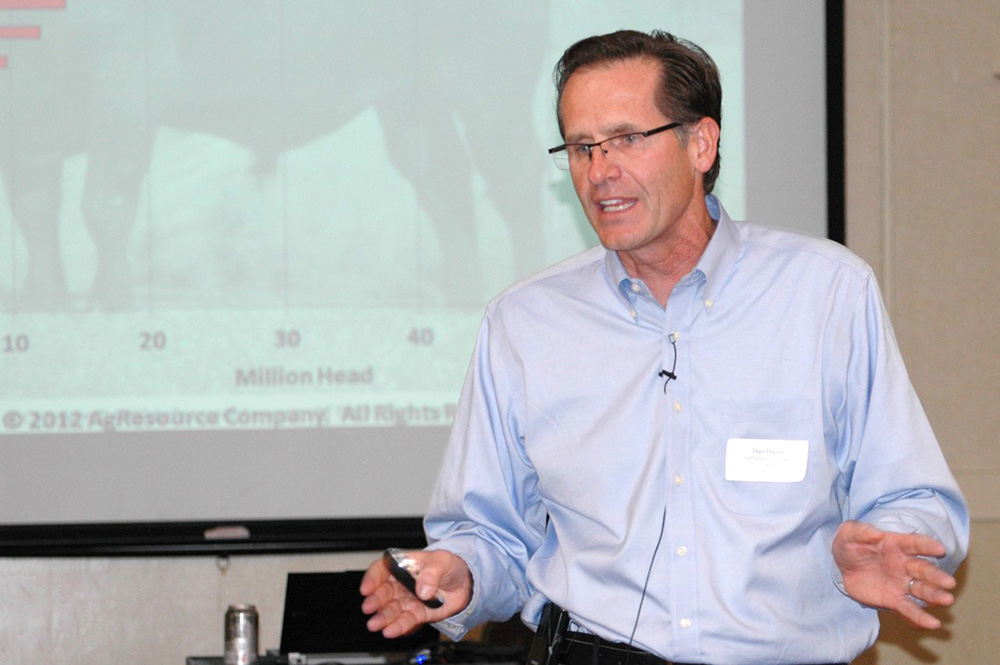
“Who is going to flinch first?” Dan Basse, president of AgResource Co., said that’s the main question he and his team ponder when looking at this “plateau” phase in the ag markets.
The cattle market zig-zags up and down more than ever, but so do prices for the end product, says a boxed beef reporter for Urner Barry, in Toms River, N.J. “Ranchers understand not only what it takes to raise an animal, the science of it, but also for what market and when,” says Bruce Longo. “The same happens in the beef market.”
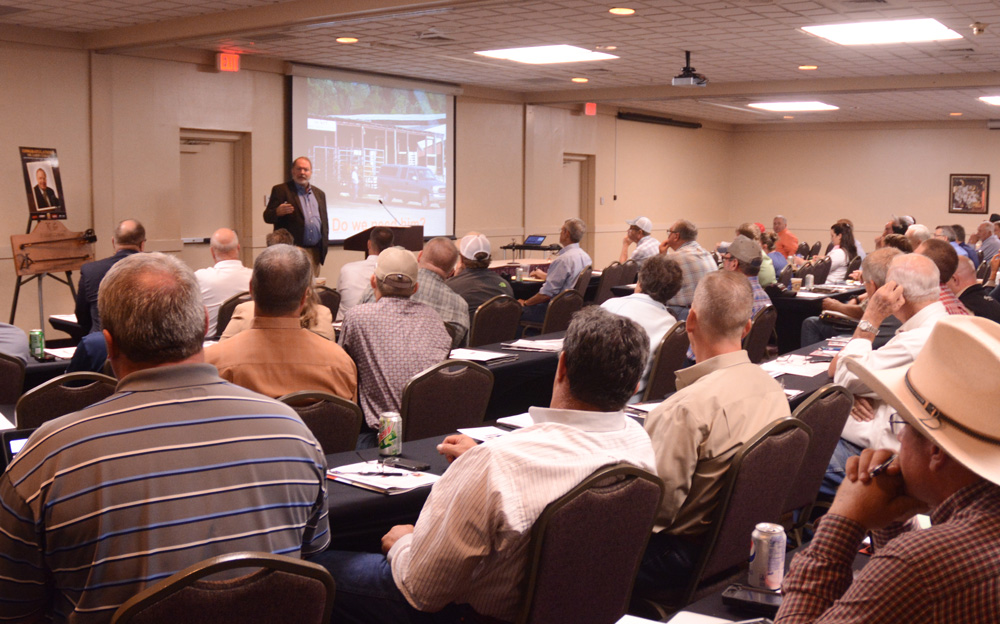
If you think you have the cattle feeding business all figured out, you’re probably mistaken. That’s according to speakers at the Feeding Quality Forum in Grand Island, Neb., and Amarillo, Texas, last week. The experts addressed what they “used to know” that’s no longer so.
If your opinion of artificial insemination (AI) for the beef cattle herd is “been there, done that,” you may want to give it another look. New protocols and synchronization methods have eased the pressure. “There’s no question that fixed-time AI has gotten easier,” says Cliff Lamb, University of Florida animal scientist. That’s important for those who tried other AI programs in the past but did not find success, and also noteworthy for those who have never tried AI.
Cattlemen have focused on quality from the beginning. Their success at delivering cattle that perform for the next owner kept them in business through market ups and downs. The approach seems to work, but can it keep working in an era of relatively higher beef prices? Mark McCully, vice president of production for the Certified Angus Beef ® brand (CAB®), challenged producers at the inaugural Canadian Beef Industry Conference to consider looking at their business in reverse.
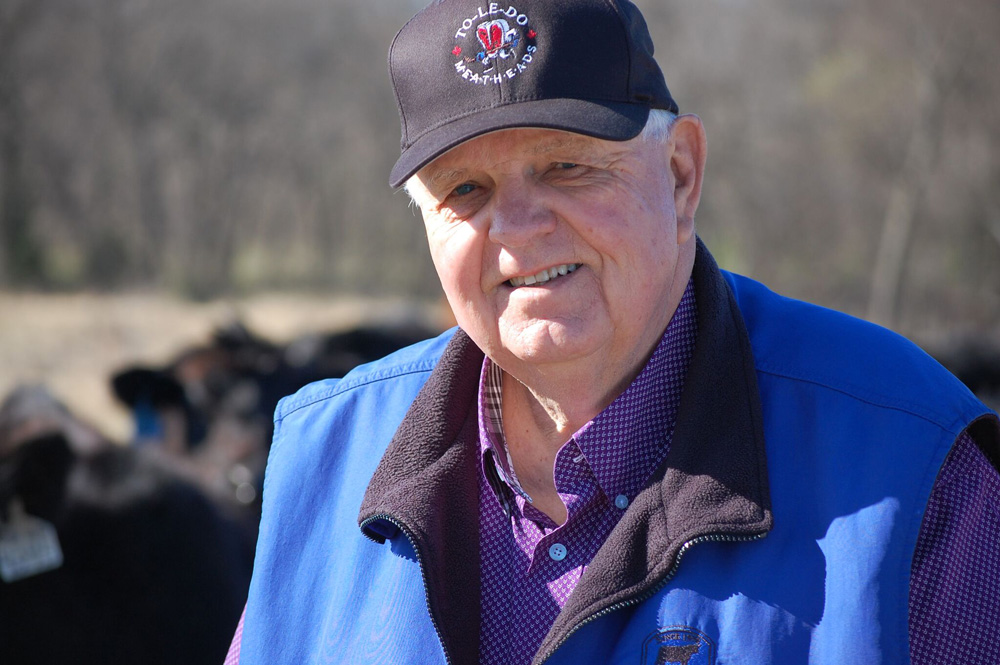
Seven years ago when Larry Corah suggested adding a people element to the Feeding Quality Forum (FQF) he helped launch in 2006, he certainly didn’t expect to be a recipient of the Industry Achievement Award one day.
If there’s an easier way to home-grill the best steaks – and the search continues at Greeley’s Colorado Premium Beef, which brought Truly Simple™ to market this year – it’s hard to imagine. But it’s easy to see why the concept featuring the Certified Angus Beef ® (CAB®) brand just won honors: First Place in Refrigerated & Frozen Foods magazine “Top 5 Best New Retail Products” contest.
Trends in the food business affect people far beyond restaurant diners and retail shoppers. They reach back to the farm and ranch to shape the way food is produced, keeping consumer demand for high-quality, sustainable beef top of mind in the country.
A branded beef program that owns no cattle or beef still takes an active interest in both. That can be hard to explain, but it’s a key to understanding and improving the Certified Angus Beef ® (CAB®) brand, says Clint Walenciak, director of packing for the Ohio-based subsidiary of the American Angus Association.
Manage Consent
To provide the best experiences, we use technologies like cookies to store and/or access device information. Consenting to these technologies will allow us to process data such as browsing behavior or unique IDs on this site. Not consenting or withdrawing consent, may adversely affect certain features and functions.
Functional
Always active
The technical storage or access is strictly necessary for the legitimate purpose of enabling the use of a specific service explicitly requested by the subscriber or user, or for the sole purpose of carrying out the transmission of a communication over an electronic communications network.
Preferences
The technical storage or access is necessary for the legitimate purpose of storing preferences that are not requested by the subscriber or user.
Statistics
The technical storage or access that is used exclusively for statistical purposes.The technical storage or access that is used exclusively for anonymous statistical purposes. Without a subpoena, voluntary compliance on the part of your Internet Service Provider, or additional records from a third party, information stored or retrieved for this purpose alone cannot usually be used to identify you.
Marketing
The technical storage or access is required to create user profiles to send advertising, or to track the user on a website or across several websites for similar marketing purposes.