Following the calves: A success story in the making
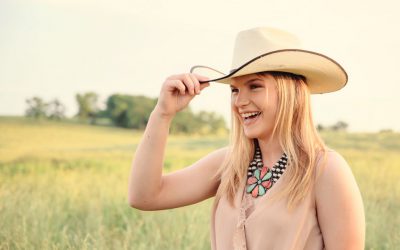
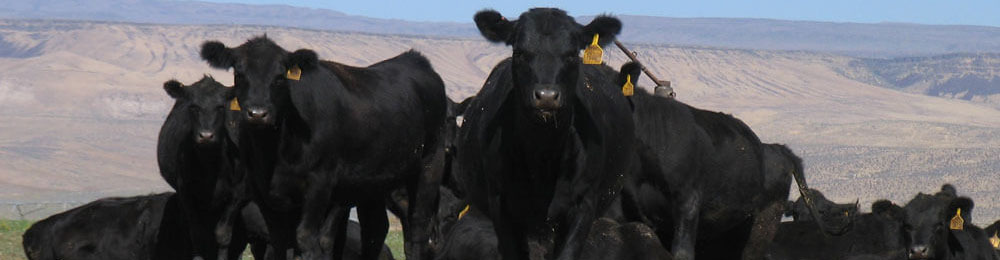
Her father-in-law and her husband’s uncle, who started the commercial Angus herd, still give her a hard time about it, but even that generation can’t deny the attitude adjustment since Virginia and her cousin-in-law Rachael have taken over the day-to-day operations on the ranch.
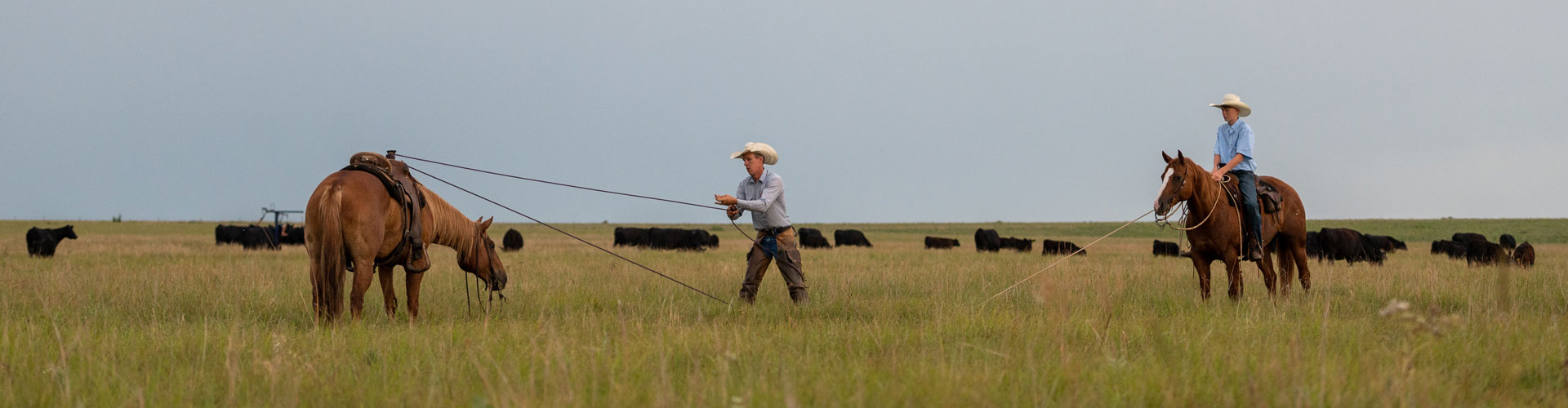
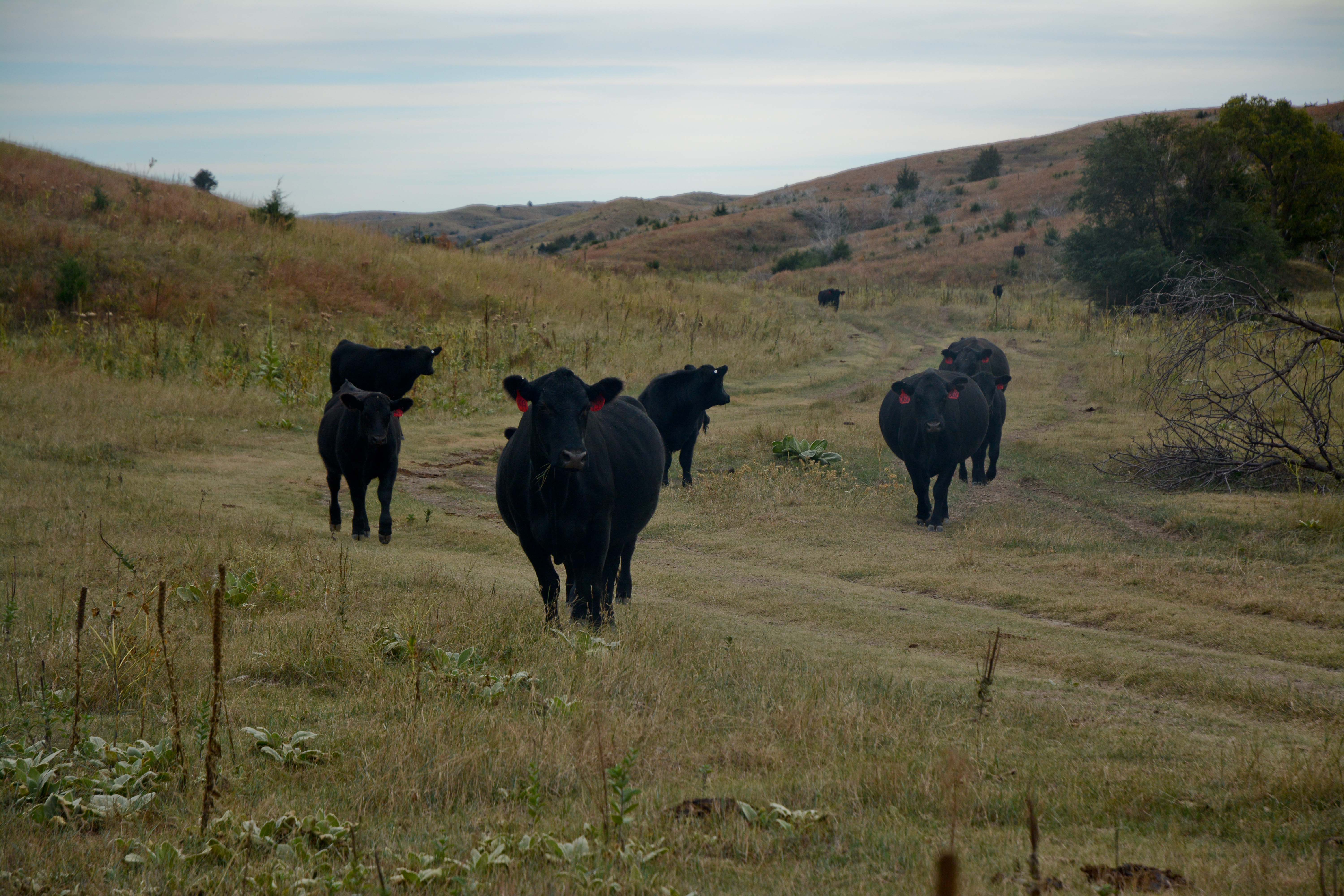 As I sat around their kitchen table recently, they told of how “pulling bulls” used to be a weekend-long event that involved several horseback riders, dirt bikes and some tense moments. There are tales of broken saddles and injuries.
“Now we can just get them in with a sack of cake,” Rachael says.
That’s been possible with both genetics and management working together.
“They need to have a docile temperament, otherwise we’re not going to be able to handle them by ourselves,” Rachael says, recalling one set of bulls they’d considered. They walked in the pen and the bulls threw their heads up high. “Virg and I looked at each other and turned around and walked out.”
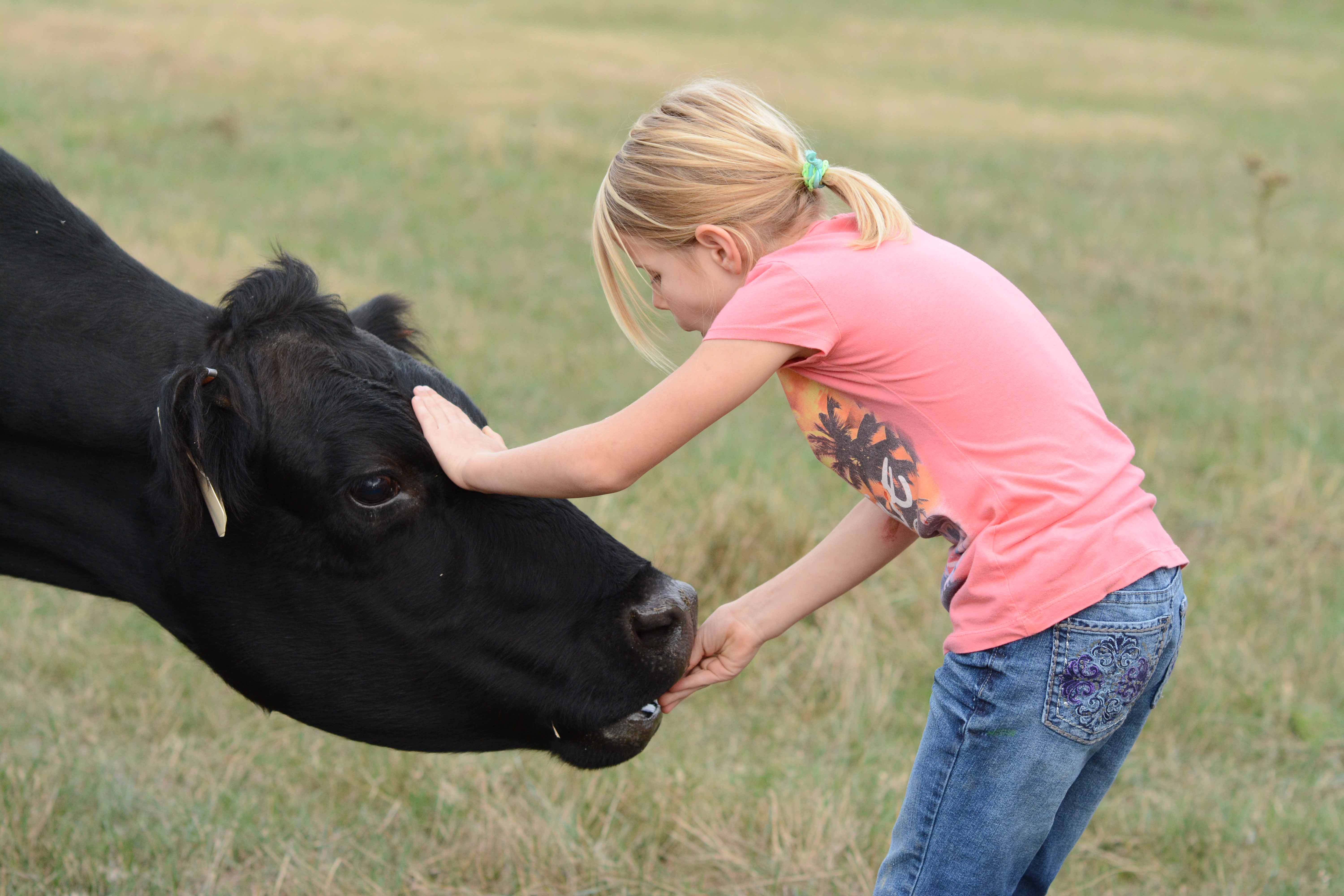 Between the two couples (Brandon and Virginia, Kirk and Rachael) there are five girls, 10 and under, who are often found tagging along.
“Life’s too short…we’ve got too many other things going on for somebody to get hurt,” Virginia says.
They’ve also made facilities upgrades—including a hydraulic squeeze chute and portable corral—and the handling has improved in tandem. “You can work cattle without having to use a hot shot,” Brandon says.
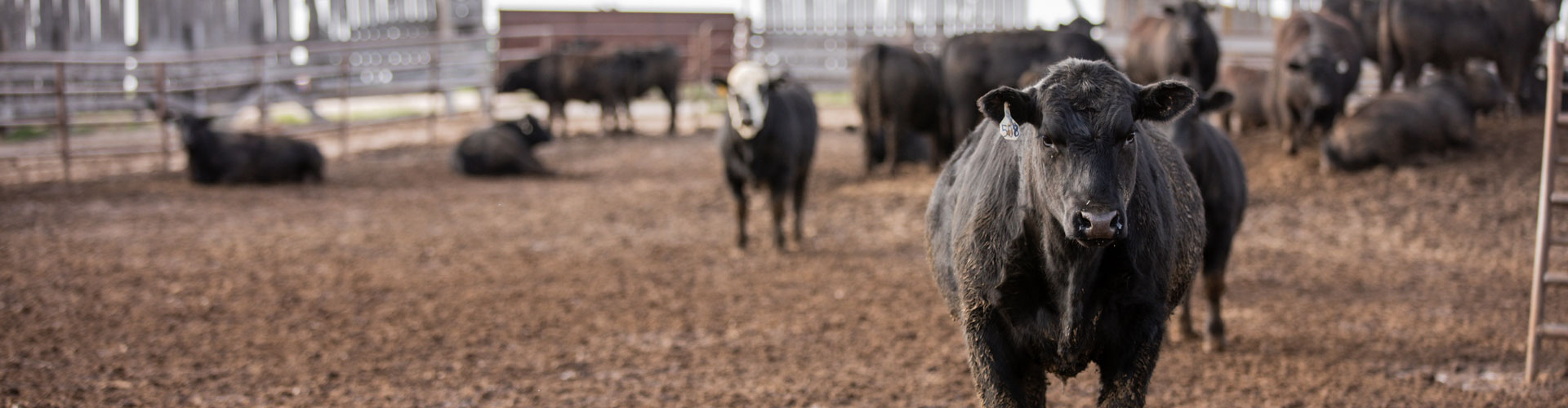
Tuesday was weaning day on the ranch. The heifers moved to pen space at Rachael’s parents, where they’ll grow for a few more months before the family will pick replacements.
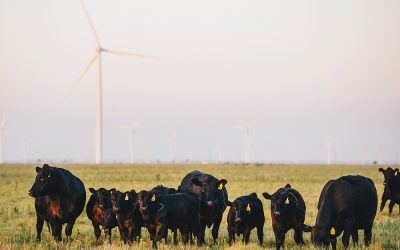
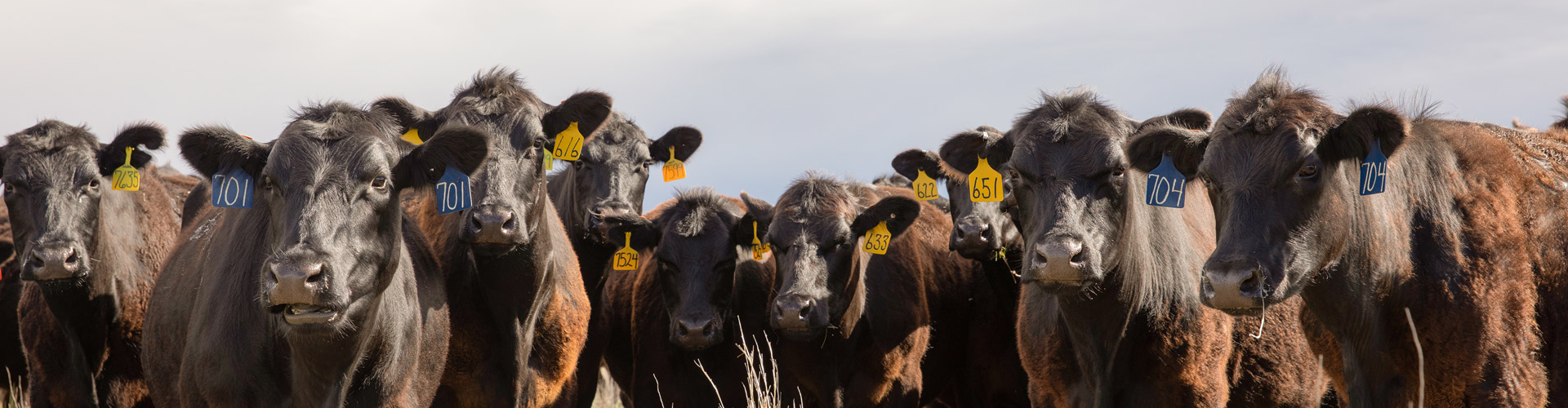
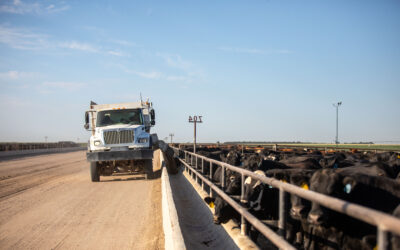
Weekend rain left the pastures muddy, but with the help of family and friends trailering the cattle over to Will Feed at Cozad, Neb., the steer calves arrived by early afternoon.
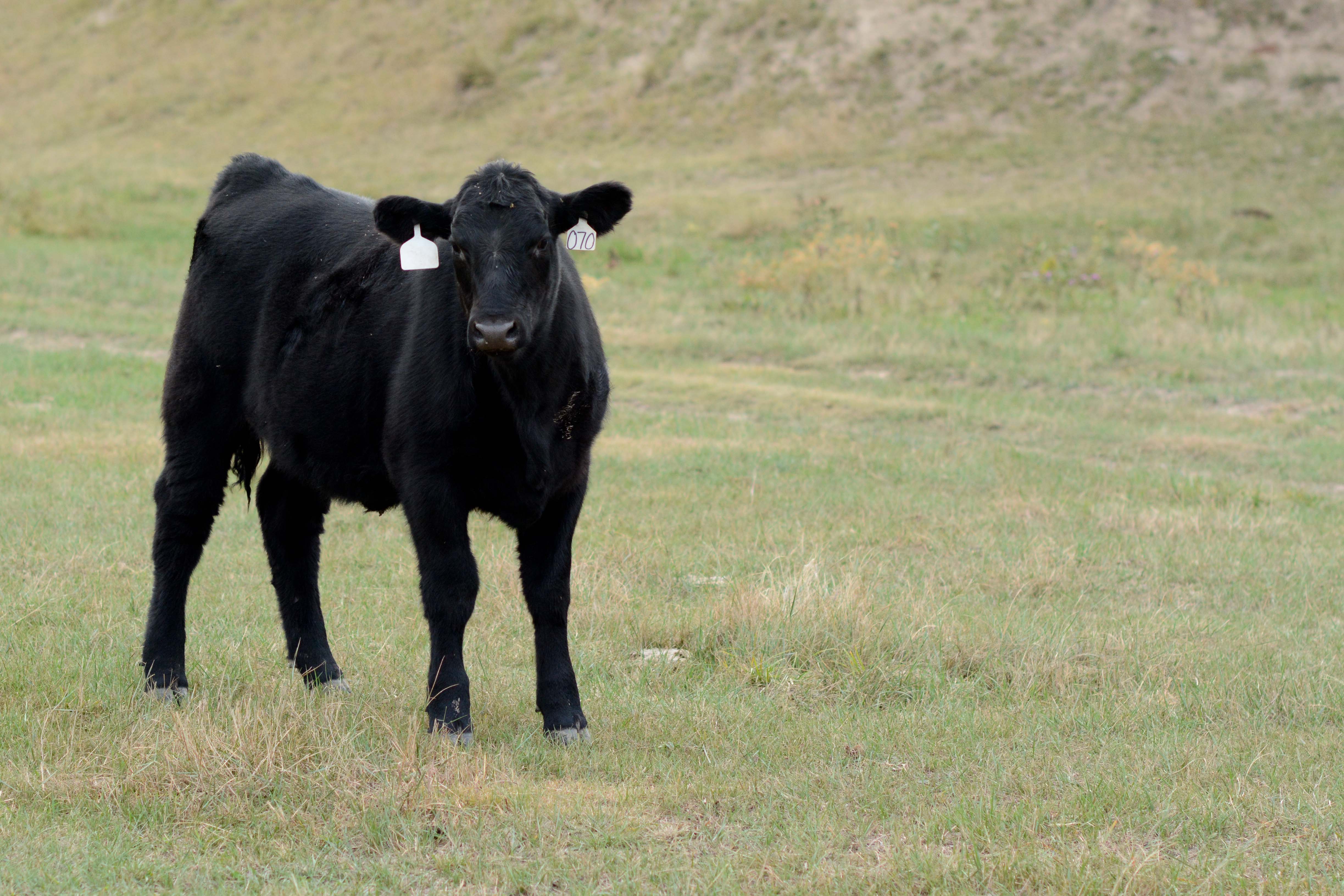 And Anne Burkholder was happy to get them.
“I view them as one of my biggest success stories,” the feeder says. Since she first bought the calves in 2012, the women have worked together with their local veterinarian to improve health, starting with cowherd nutrition, and that’s had an impact on the calves.
Upon arrival, the calves got their booster shot and an additional nasal vaccination, and were dewormed. They won’t get an implant for 30 days.
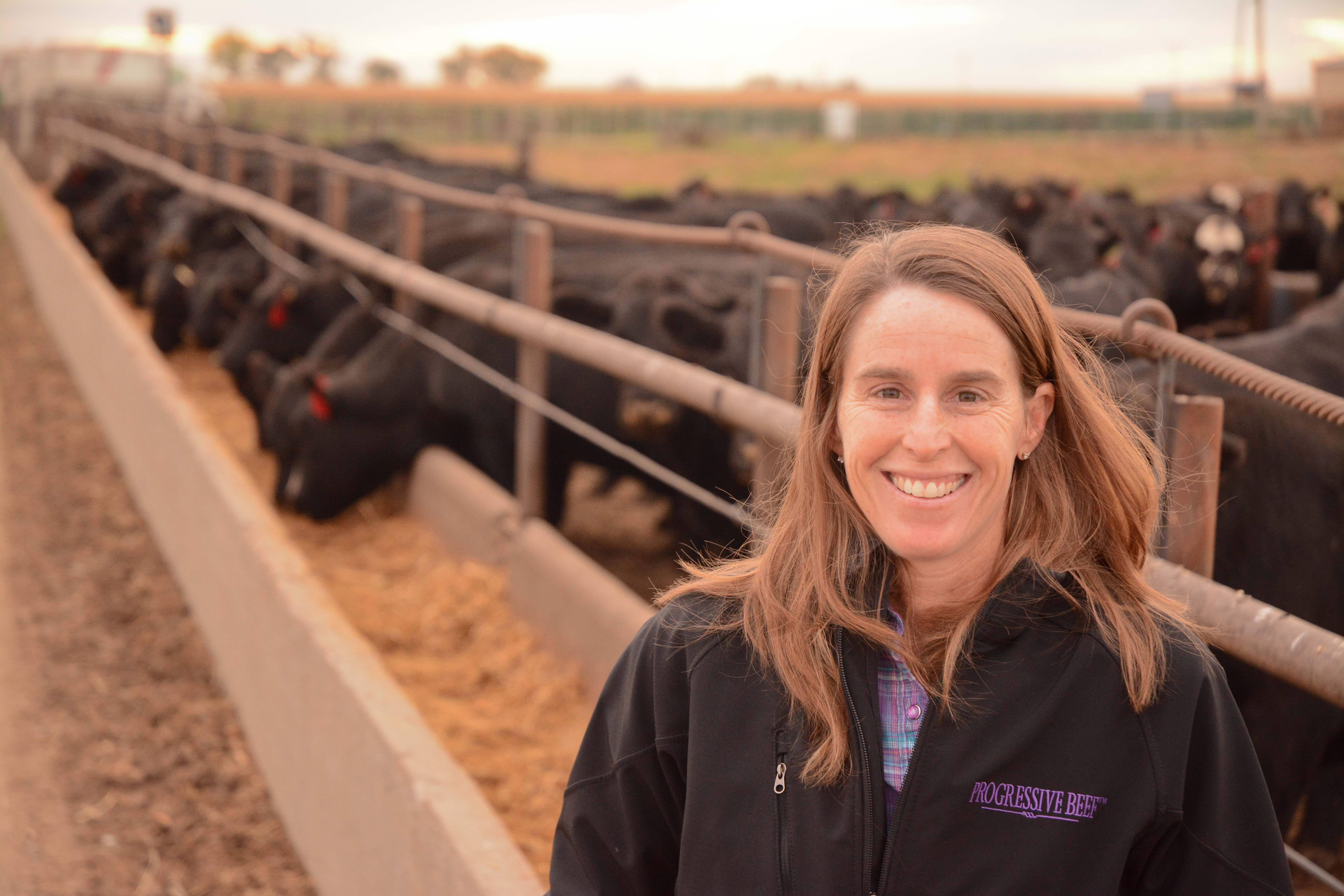
“I do that to preserve quality grade,” Anne says. When cattle are weaned into the yard, the program is pretty standard: “lots of prairie hay top-dressed with a calf ration.”
Gradually that hay will decrease as the ration increases. “We move them up pretty slowly,” she says.
It’s been a busy week at the ranch, an exhausting week at the feedyard. But it’s an exciting point in the journey. The “team” will get to see how another year’s worth of time and monetary investments paid off.
Even though they no longer own the calves, it’s apparent that the Evert family cares as much as ever.
“The cow-calf guys can’t think, ‘It’s not my calf anymore,’” Brandon says. “If the feedlot is not making any money, they won’t come back. It’s all intertwined.”
May your bottom line be filled with Black Ink,
Miranda
Catch the Evert family’s whole story with these posts:
- Everything Evert
- A success story in the making
- The herd-changer
- Decisions, decisions
- Relishing the routine
Our “Following the calves” series also takes you to Arizona and Florida in these posts:
- Following the calves
- A Florida weaning
- Florida calves backgrounded
- High quality from the high desert
- 86% CAB and Prime: “still OK”
- Gearing up for spring in AZ
- Florida cattle head for harvest
You may also like
Double Down on Angus
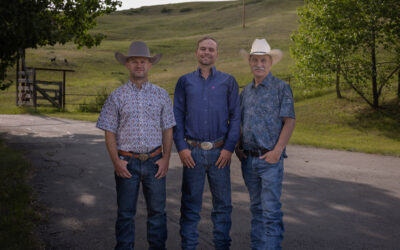
South of Calgary, Alberta, brothers Austin and Malcolm Cross carry on a century-old family history. Their great-great-grandfather staked his future on this land. Today, the Cross brothers are building one of their own—with Angus cattle that not only perform in the harsh environment but consistently meet the highest standards for beef quality.
A Means to an End
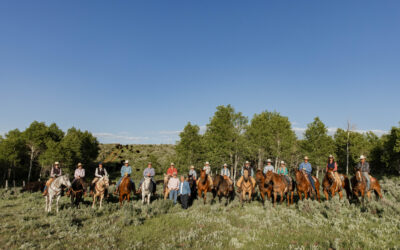
For Willis Ranch, the best Angus cattle thrive in the high desert and produce calves that can become productive replacement females or high-quality carcasses. Every year, calves are better because of their investment in tools like GeneMax and AngusLink. But behind it all is one man’s perfectionist mindset that keeps the entire family moving in the same direction.
System Over Scale
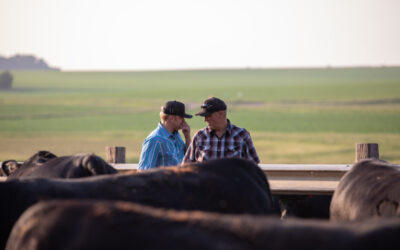
For Dallas Knobloch, it’s not about being the biggest feedyard—it’s about building a high-quality system that works. Today, with Tory’s wife Sadie and daughter Ivy, the Knobloch family owns and operates 4K Cattle. They feed 2,500 cattle at eight locations within 10 miles of home, manage 1,000 acres of crops and run a 125-head cow herd, all near Hills, Minn.
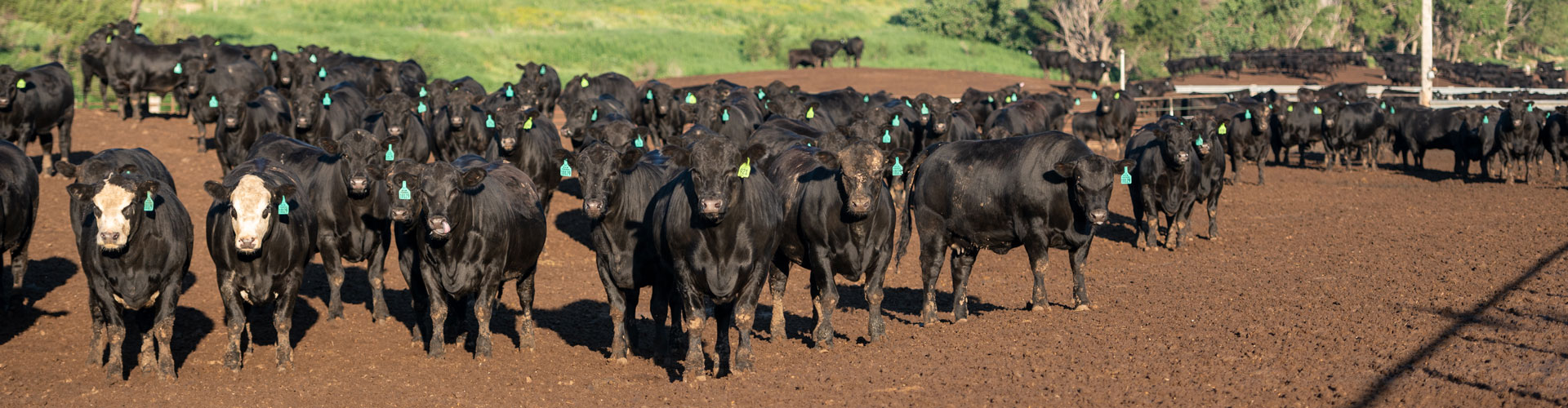

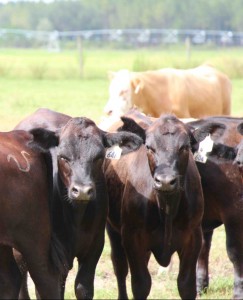
 When we first visited with Ken Griner’s cattle back in May, they were coming off of their mommas to begin their backgrounding debut on the family’s property near Chiefland, Fla.
 As you may recall from my
 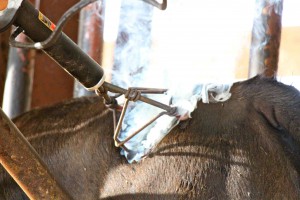 To start things off, every weaned calf was vaccinated with a full stocker protocol followed by a 21 or 28-day revac program, depending on the calf group. They stayed on a medicated starter ration “for a handful of days” simply because they were younger. Then it was a starter ration as well as grass pasture and hay.
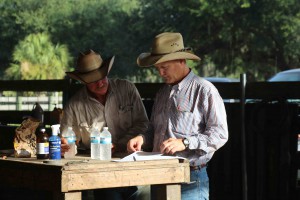 Ask Ken how the past few months have gone with the summer’s busy schedule of cattlemen’s meetings and putting up silage and he’ll answer with his characteristic candor and certainty.
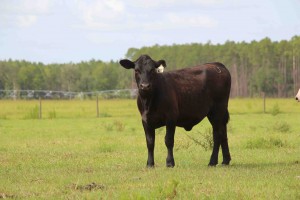 So where are they going? Last time we asked, there was a decision to be made over going to grass in Kansas versus skipping that step entirely and heading straight for the feedyard.
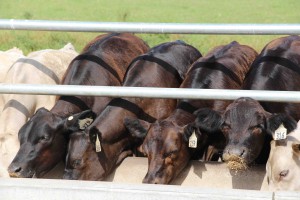 “In the past we could put that gain on them pretty cheap,” he says. “Right now you can’t put 50 pounds on a calf for nothing. I suspect our cost of gain in the yard will be no higher than it is here. Plus it would delay when they finish, too.”
 With keeping heifers separated and health in check, it seems the inevitable departure is the one thing looming.
 Look at the cattle, the bulls and AI genetics purchased – 400 cows and heifers were AI’d this year – and you’ll see an “investigation” in full swing.
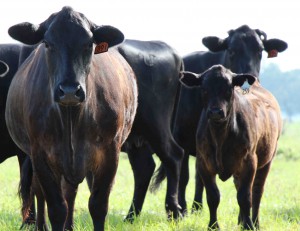 Developing your own genetics with both quality and performance as markers of success takes time. On the maternal side, Ken looks at yearling height and scrotal circumference, “as much marbling as we can get,” structural soundness, good udders and fertility, all in a moderate cow.
 On an early May visit, the cows that roam the family land know well the drill. Mornings are for grazing, afternoons for rest, followed by some more grazing. With confidence, calves venture out past their mothers, frolicking in the crisp, yet warm Florida daybreak, showing off for my camera, yet unaware of what the day will bring. It’s weaning time at Usher and the stillness of the morning will soon be interrupted with the sound of displeased youngsters.
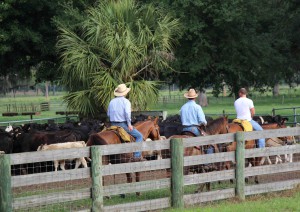 With the majority already weighing 550 lbs. the calves are slightly younger than Ken is accustomed to at weaning, implying they’ll be handled a bit differently when preconditioned on the ranch. But it’s time.
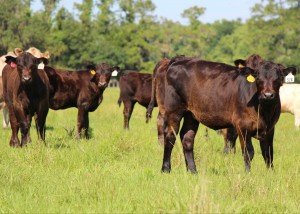 As the day’s events come to an end, the calves take a break. They settle down, relax, and begin the 60 days it will take to prepare for the trip to Kansas where the Griners have pasture in the Flint Hills. But with the price of corn where it is, will they instead go straight to feed?