What’s in your freezer, Frobose-style
Date: Sep 17 2013
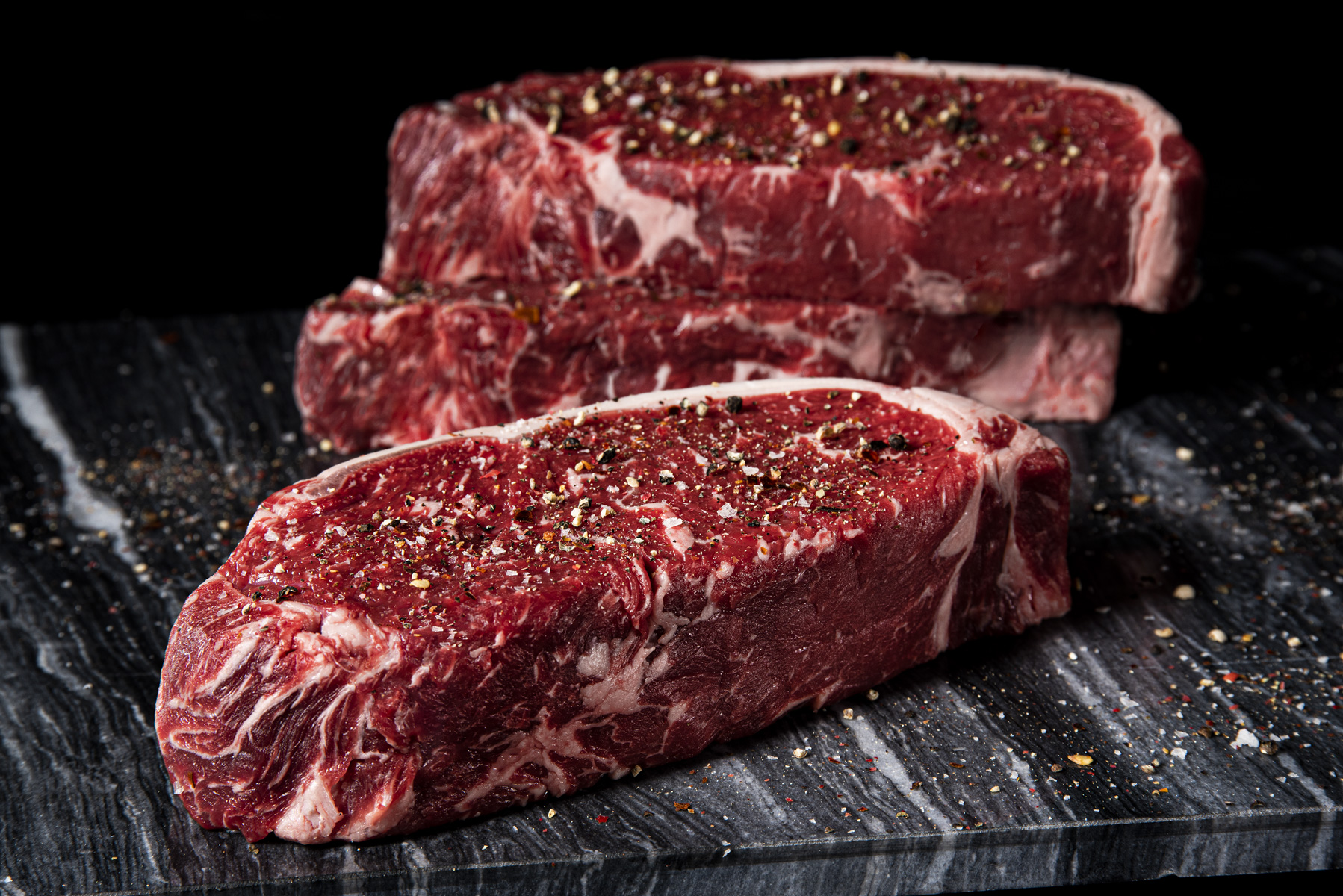
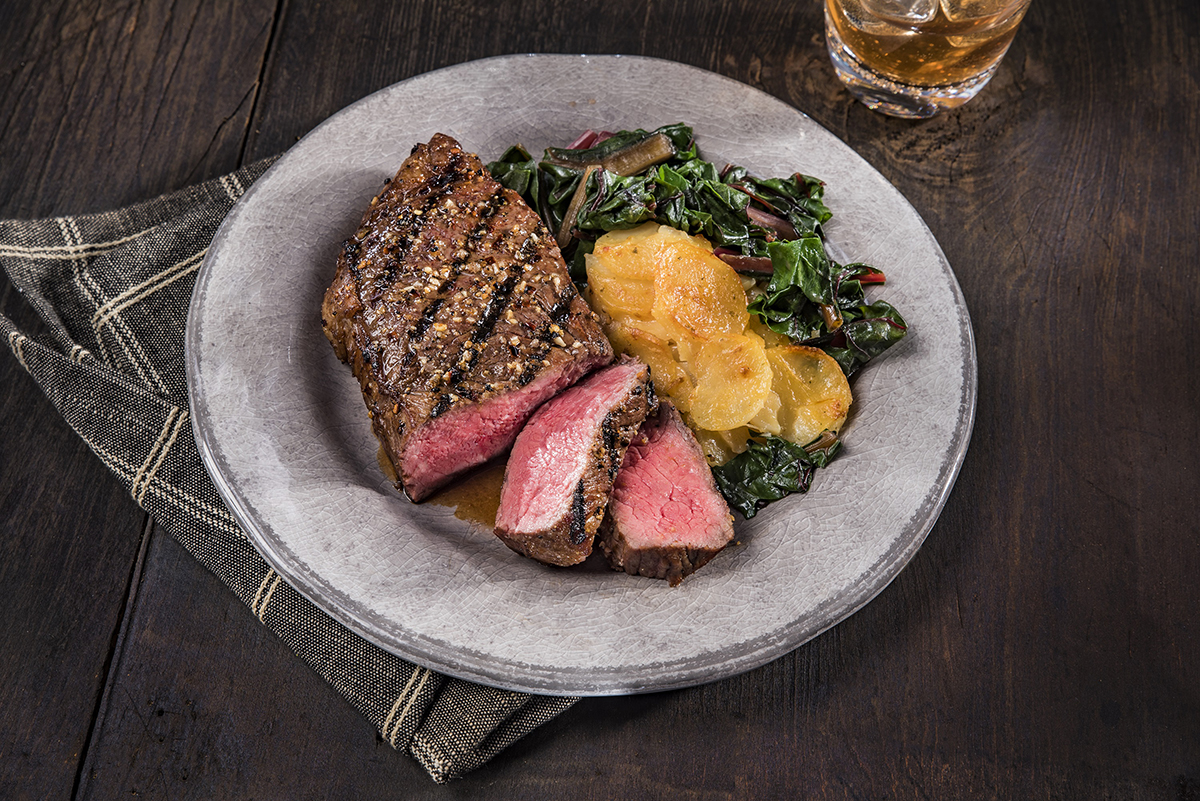
| Blog & Consumer ConnectionI hope this little description has given some perspective into the options we have at the Frobose house for our “center of the plate” selections.
Date: Sep 17 2013
| Blog & Consumer ConnectionI hope this little description has given some perspective into the options we have at the Frobose house for our “center of the plate” selections.
Date: Sep 13 2013
| Feeder Calf Marketing & Feeding Quality Forum & News ReleaseIn a roomful of cattle feeders, an Oklahoma State University (OSU) livestock marketing specialist had everyone’s full attention as he said there is no way around it: In the next two to three years, the already short supply of feeder cattle will only get tighter. OSU Breedlove Professor Derrell Peel described the current feeder cattle situation and the circumstances leading to it at the eighth annual Feeding Quality Forum in Omaha, Neb., and Garden City, Kan., last month.
Date: Sep 11 2013
| Blog & Consumer ConnectionI choose to eat beef for two reasons: I like the taste and I have no doubt that it is wholesome and safe.
Date: Sep 10 2013
| Cattle Markets & Consumer Connection & News ReleaseProsperity for any industry depends on consumer demand, a Western Kentucky University animal scientist points out. Of course, that includes the beef industry or cattle community. Nevil Speer, in a new white paper, “Consumers, Business and Breeding Systems: Charting the Beef Industry’s Path,” says the implications are clear. “All business decisions on the ranch, as everywhere along the beef supply chain, should be made with an eye on consumer demand for beef,” he says.
Date: Sep 10 2013
| Blog & Consumer ConnectionChad Mackay, chief operating officer of CAB partner El Gaucho restaurants, traveled to Cottonwood Station last Saturday.
Date: Sep 09 2013
| Blog & Premium PotentialWe suspect many cattle producers have walked into a grocery store, seen a CAB® brand filet mignon priced at $25/lb., and were tempted to call the police.
Date: Sep 06 2013
| Blog & WeaningMax Irsik, Extension veterinarian at the University of Florida, says while a solid weaning program probably benefits cow-calf producers more if they’re retaining ownership, it’s the responsible thing to do regardless. “Even if they feel that they are not getting paid for it, it’s the job of the cow-calf producer to prepare those animals for the next stage of production,” he says.
Date: Sep 05 2013
| Big Thinkers & BlogI recently visited with Mike and Aaron Atterholt, their wives — both named Mandy, and their daughters.
Date: Sep 04 2013
| Blog & Feeder Calf Marketing & WeaningThat’s for you and your vet to decide, but it all comes down to one thing: how you plan to market these calves.
Date: Sep 03 2013
| BlogWeaning. It’s one of the most critical times in an animal’s life. A time when any little thing going wrong (or right) could have a lifelong impact on performance. This week, we’ll share some of our top tips for making the best of the situation in our three-part series covering general management (today), health (tomorrow) […]