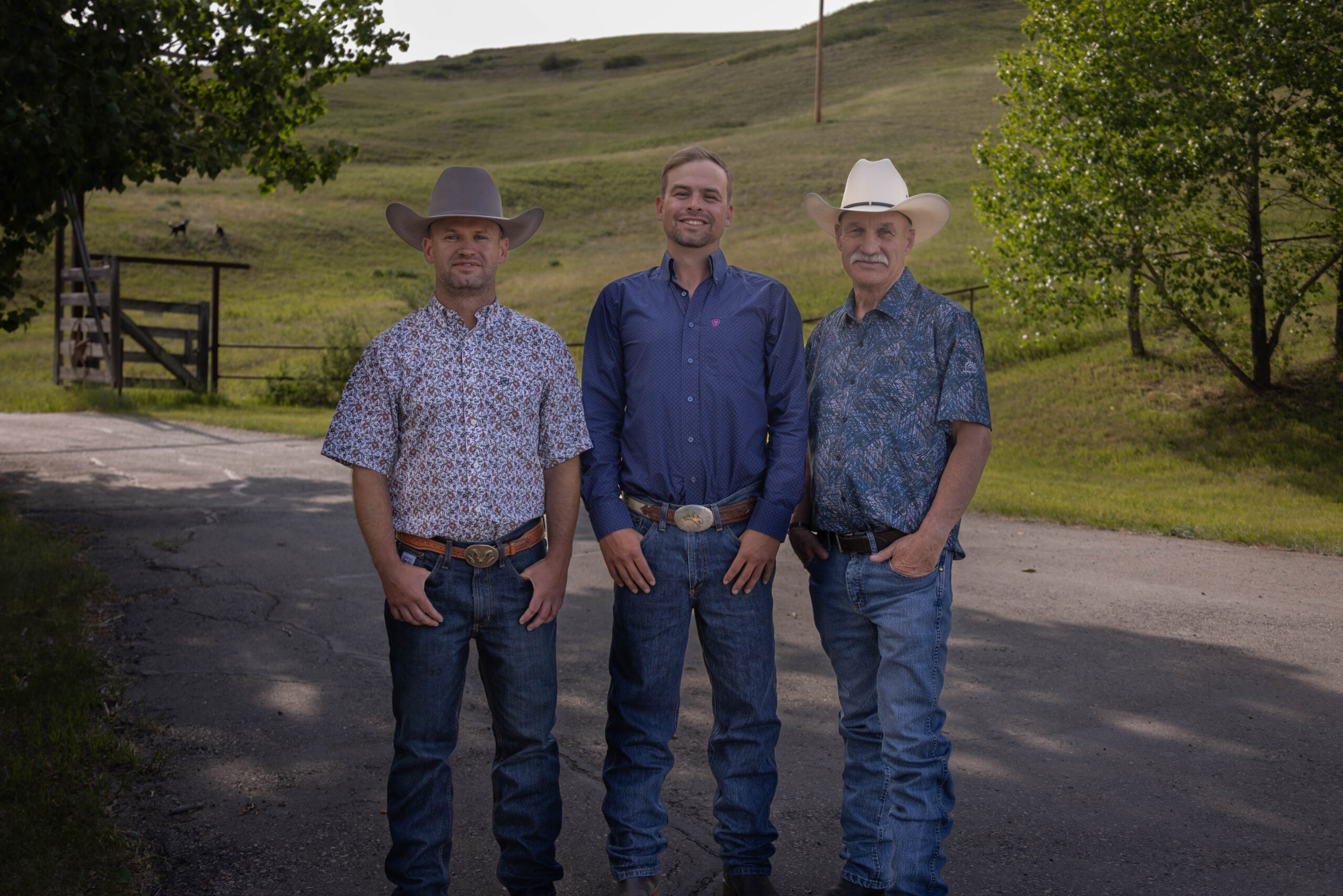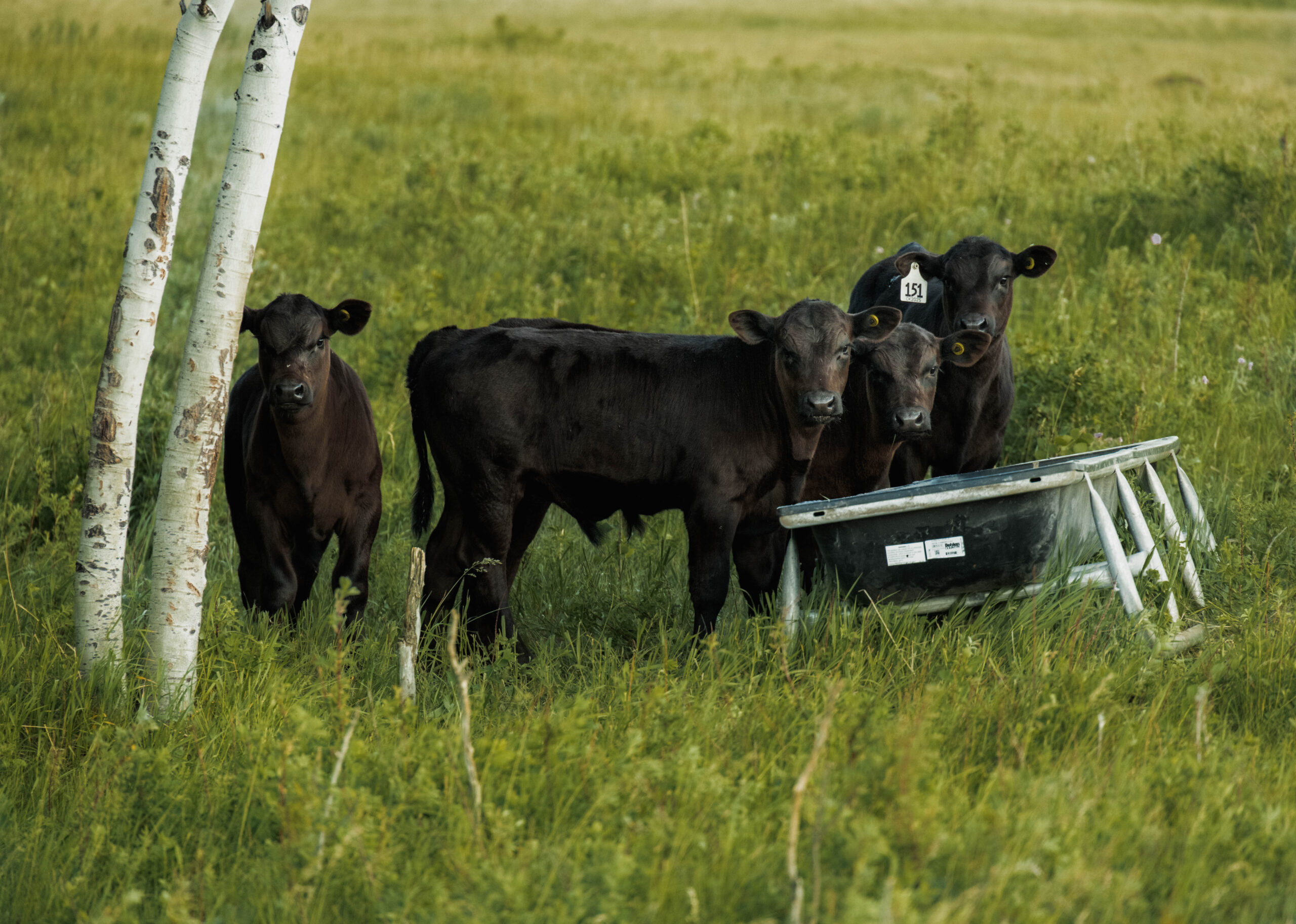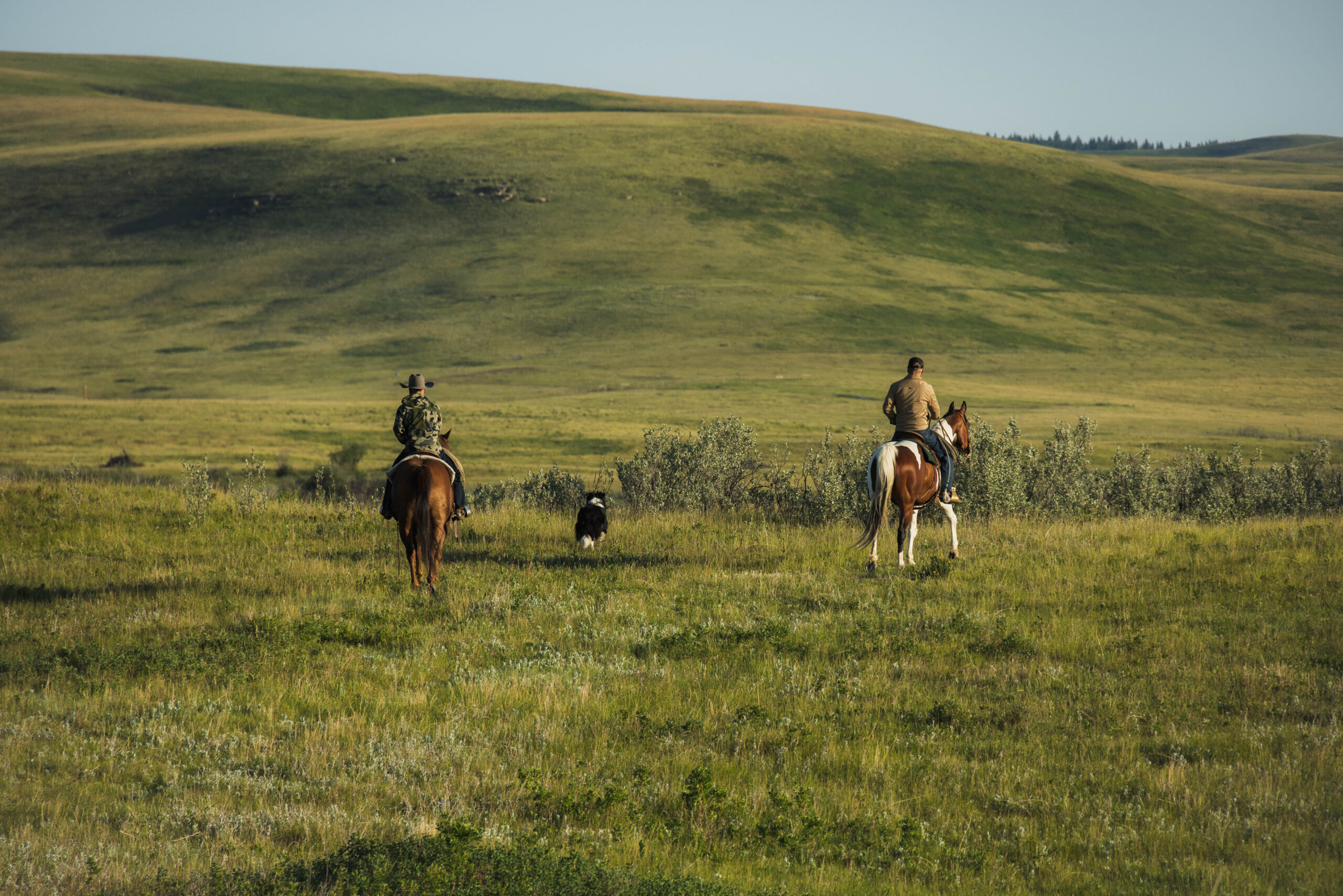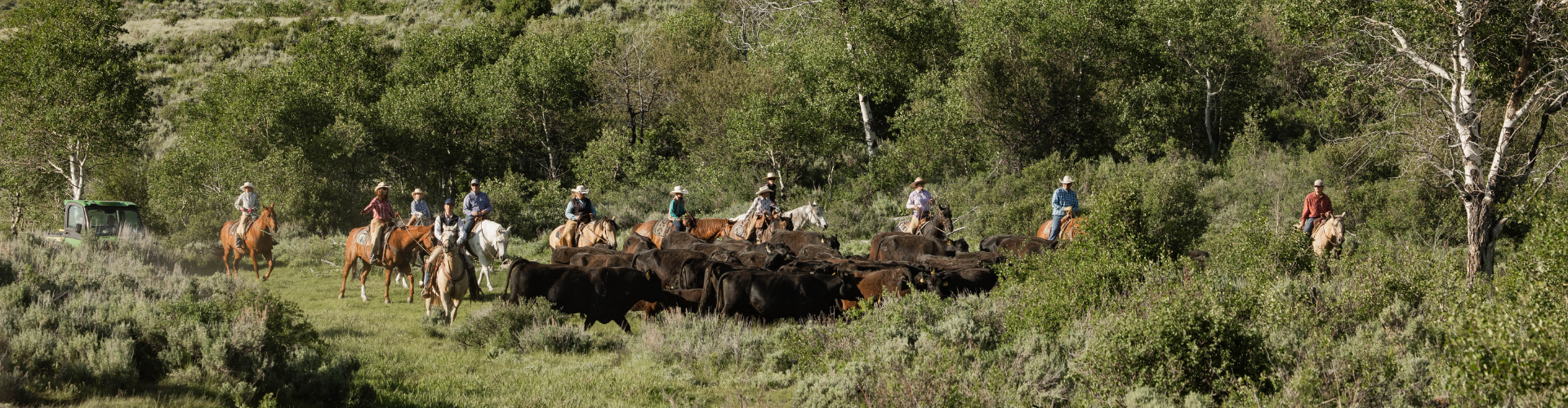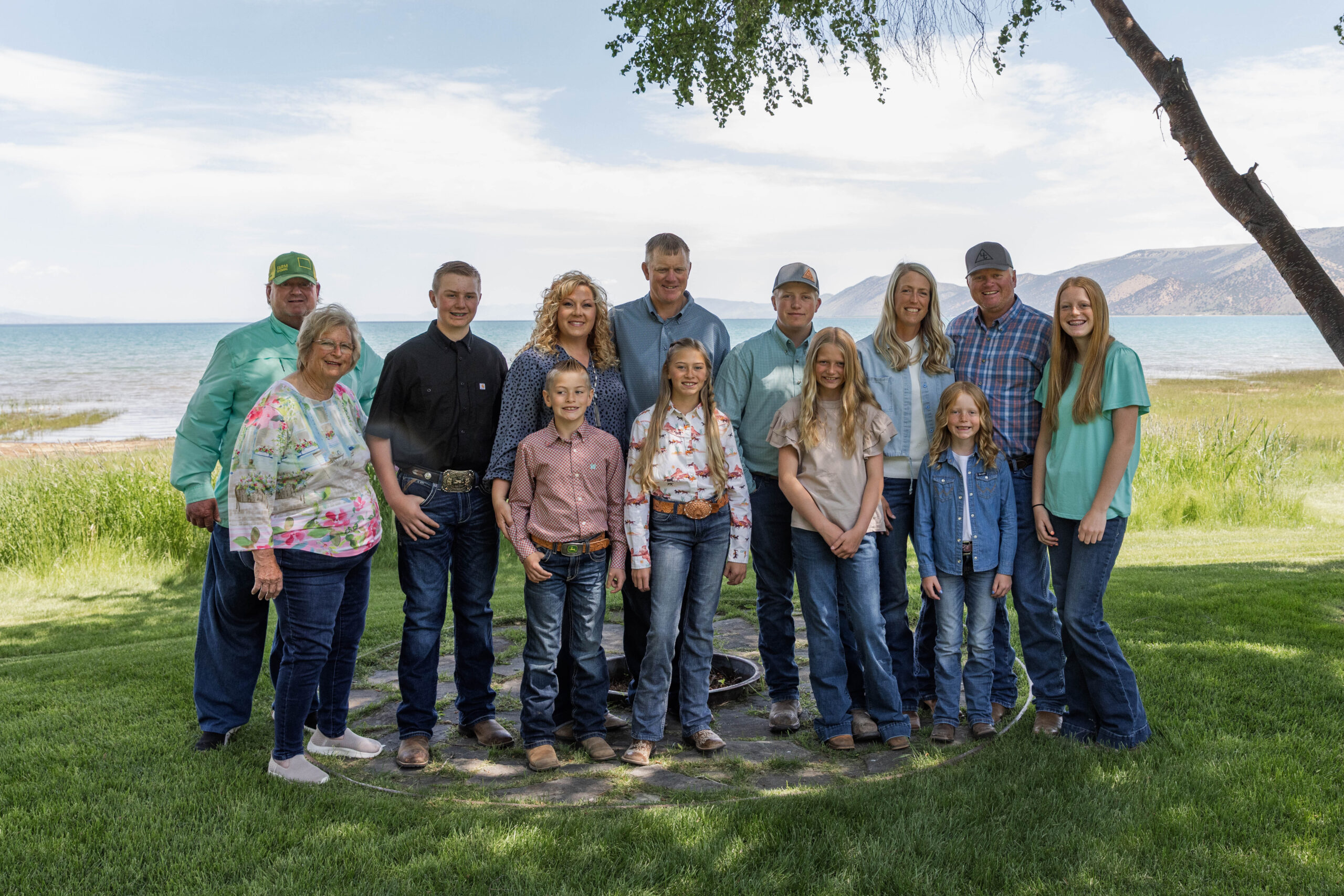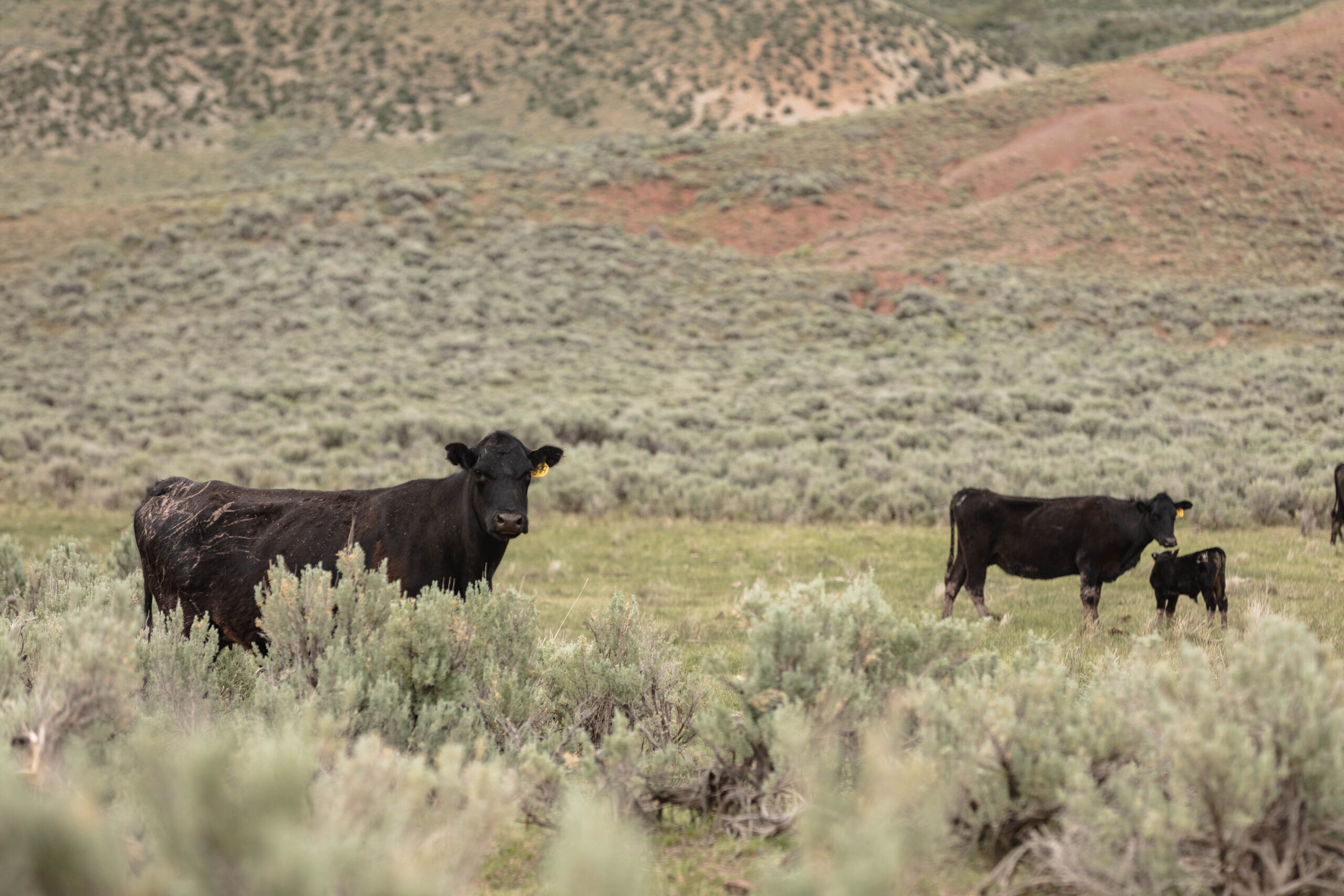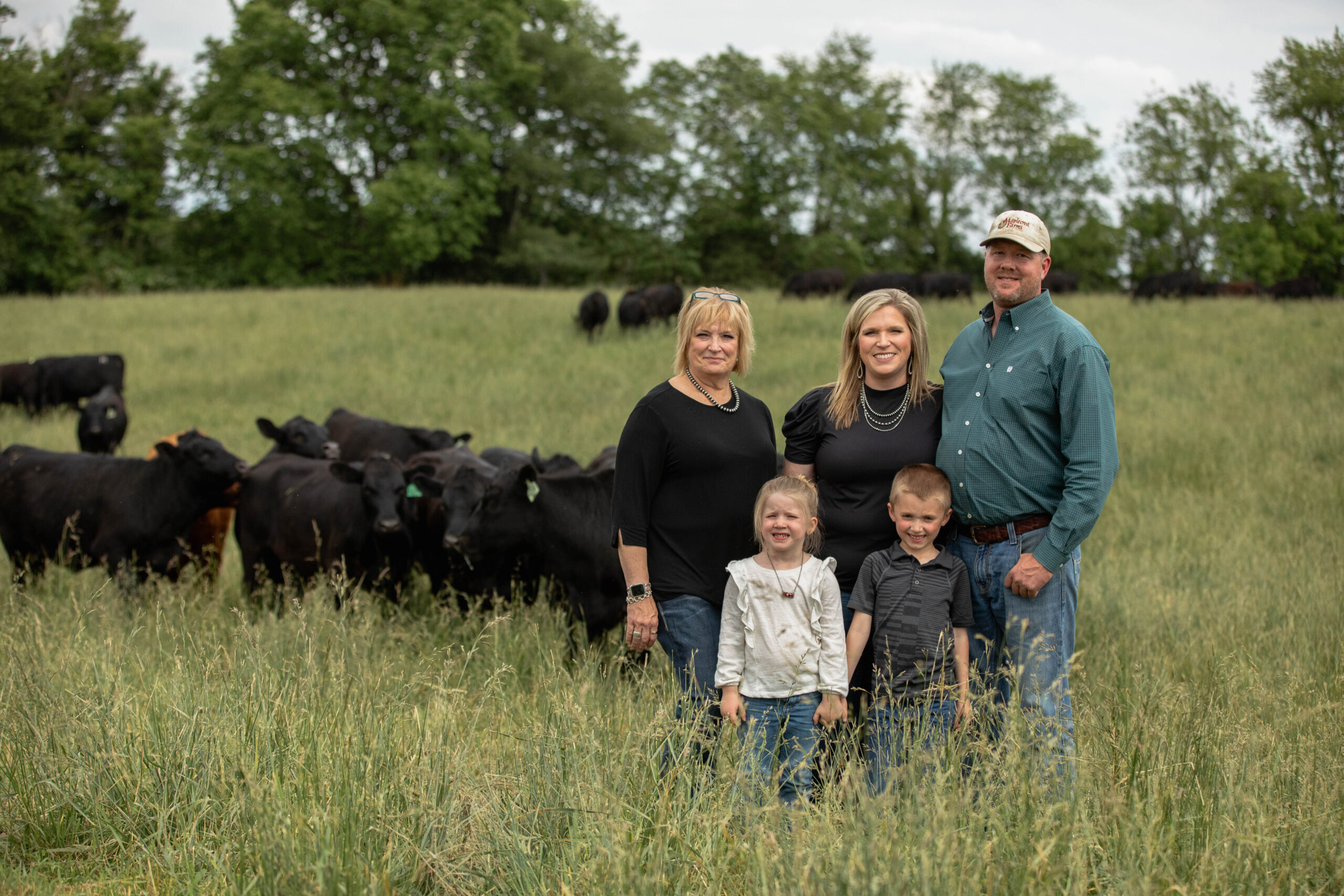
Zybach Angus Receives Certified Angus Beef Progressive Partner Award

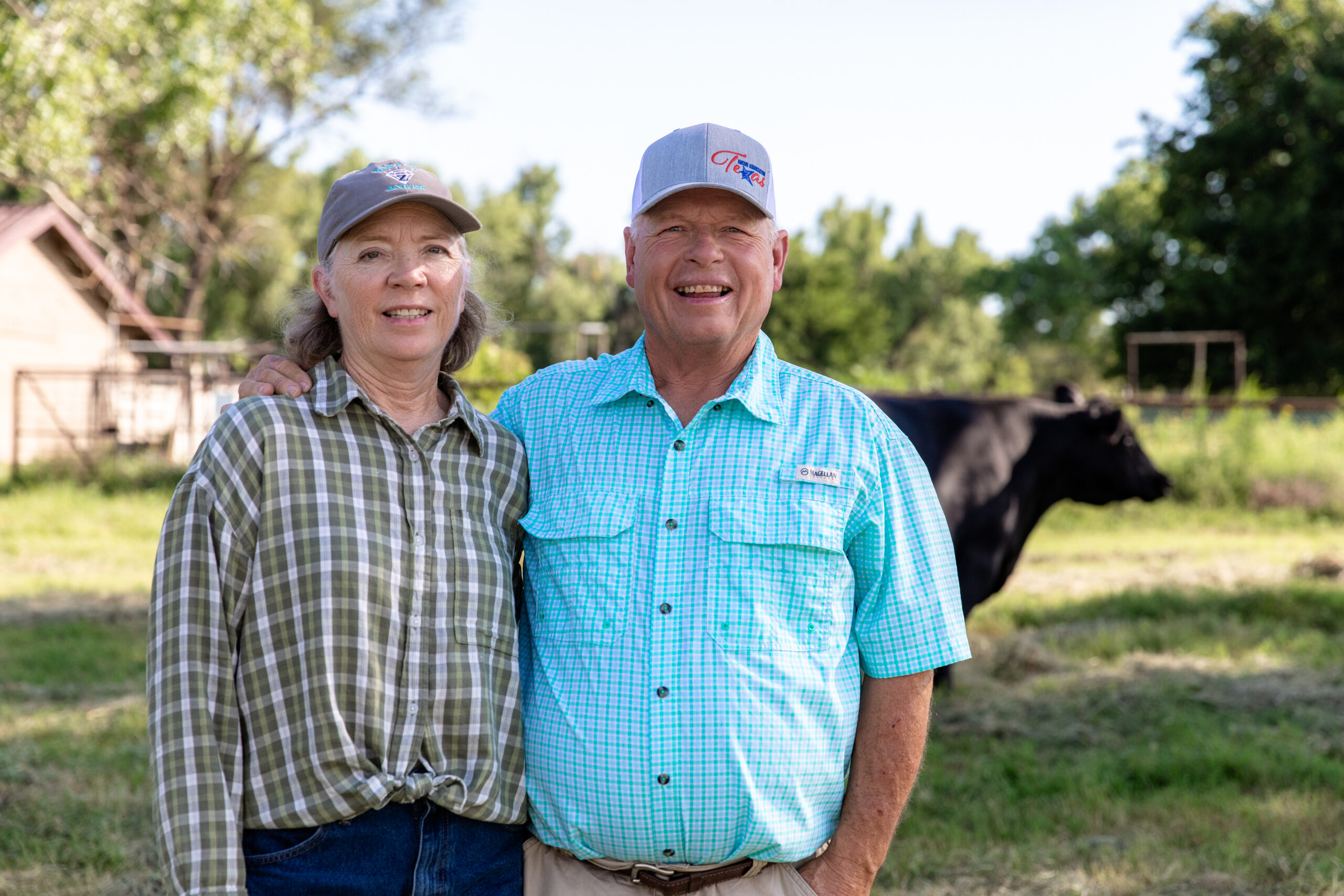
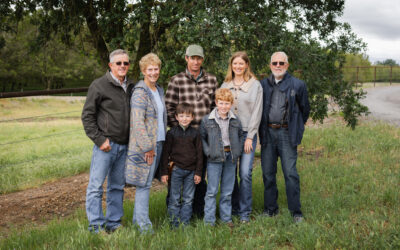
Steve and Joy Zybach were honored at the brand’s 2025 Annual Conference in September.

by Briley Richard, freeland writer for Certified Angus Beef

September 29, 2025

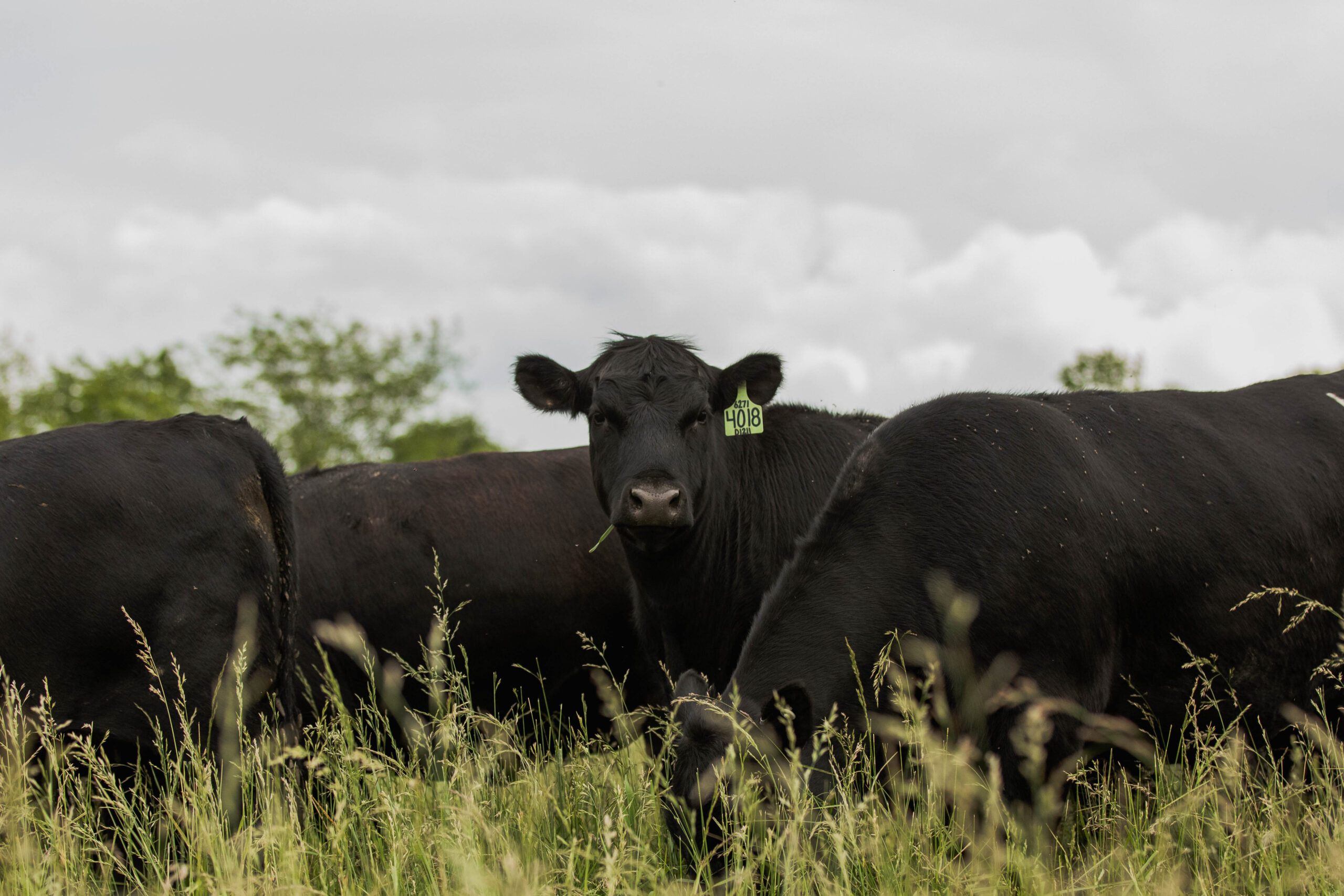
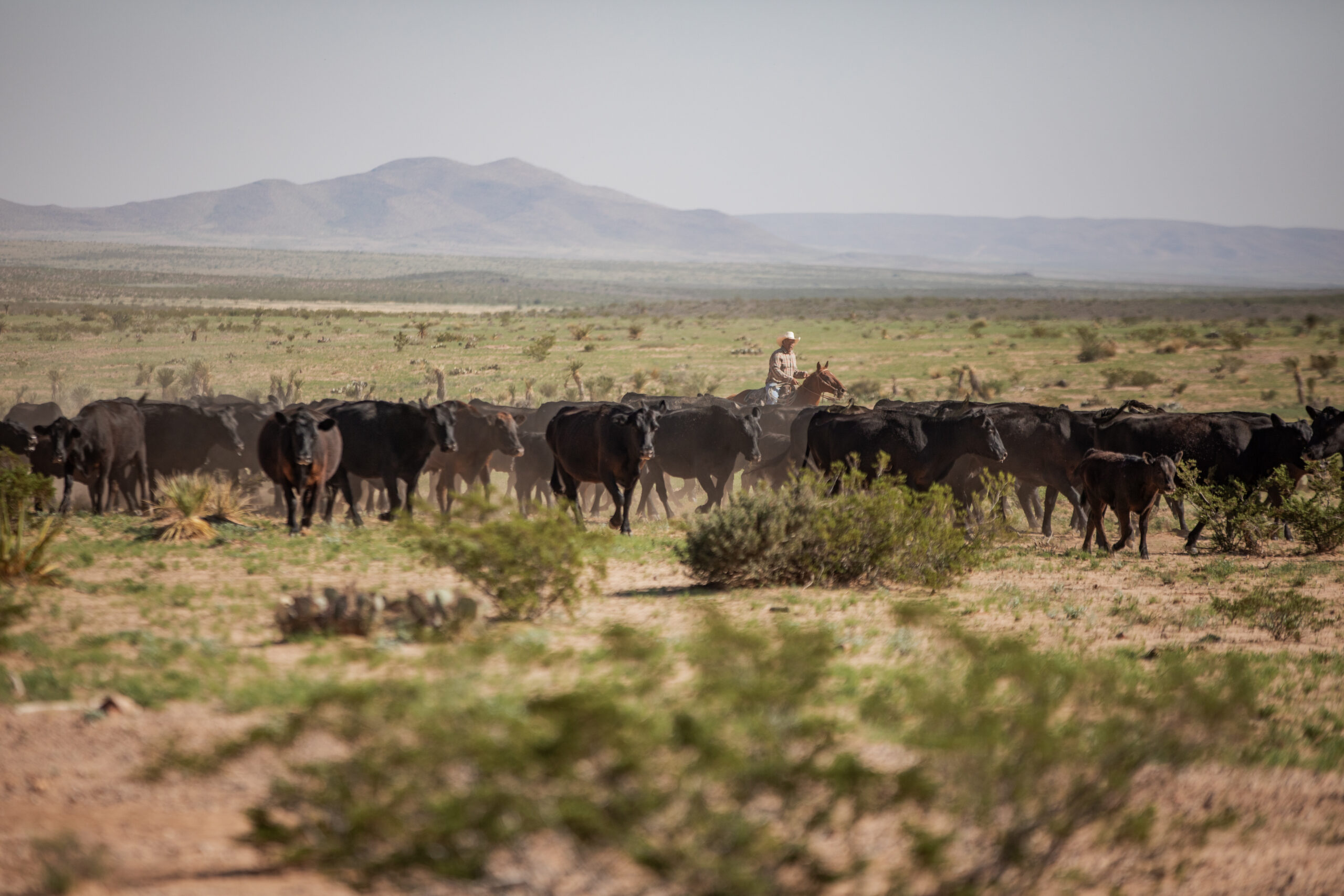
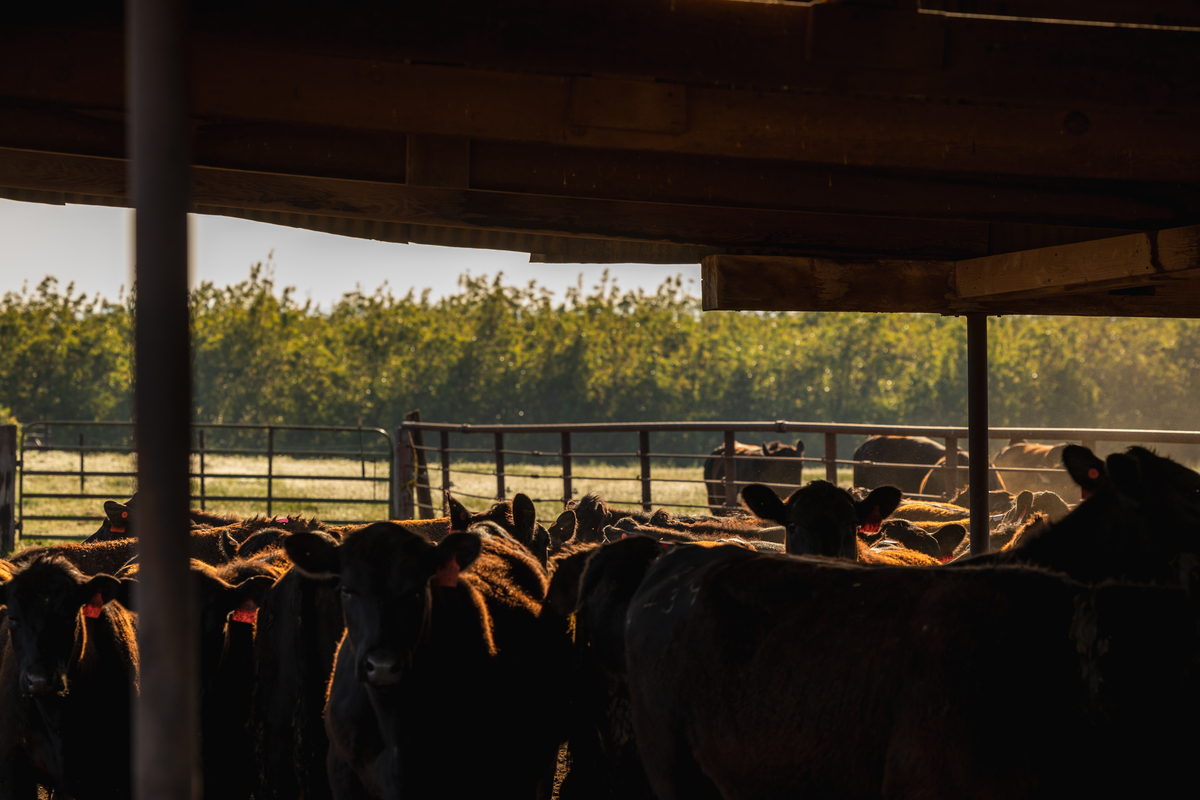
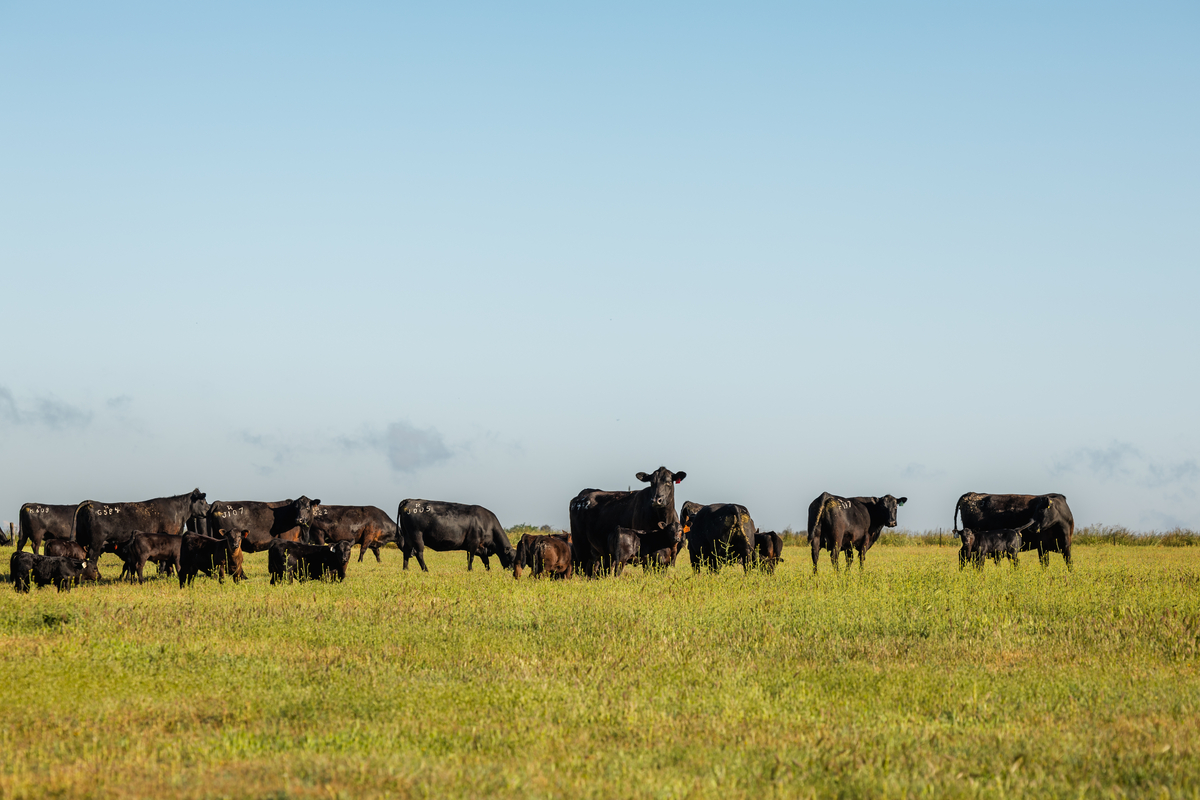
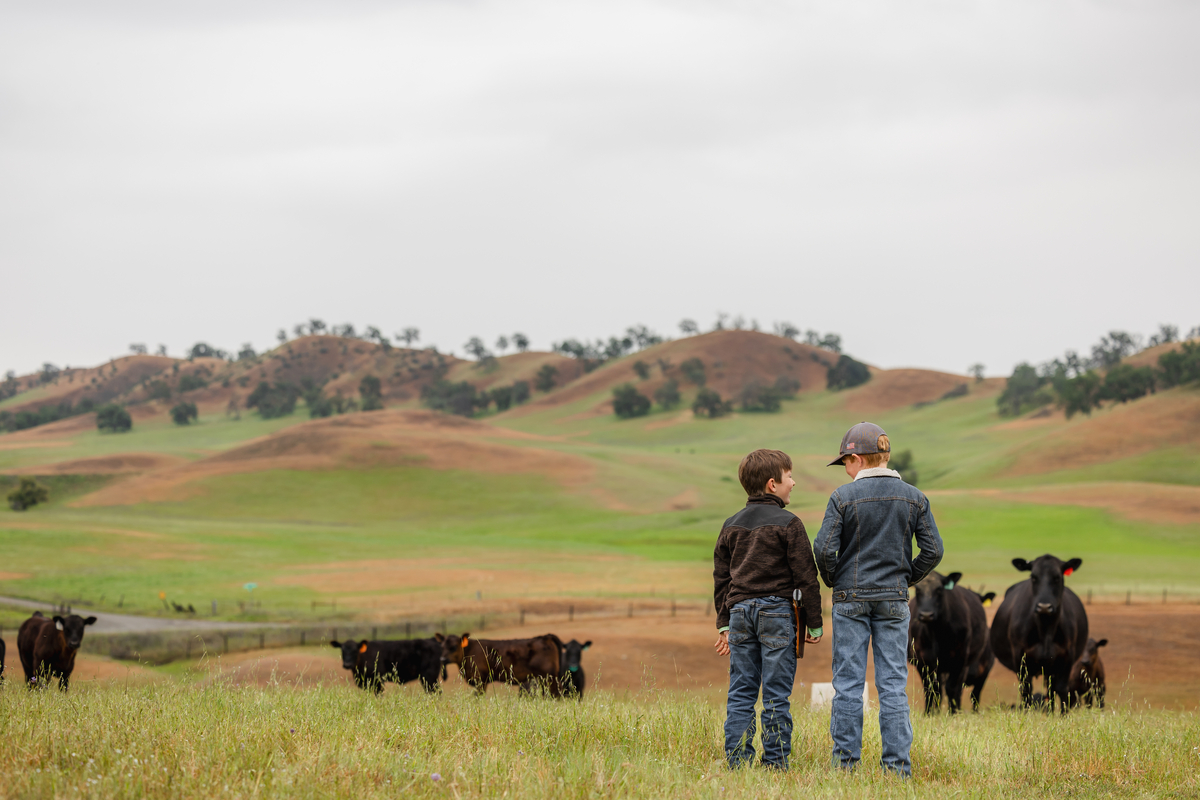
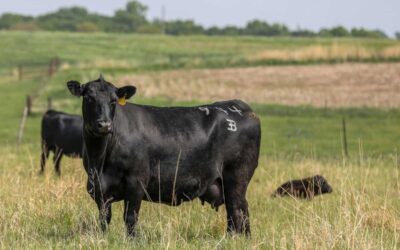
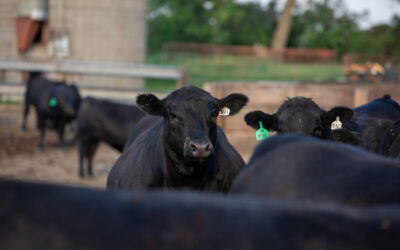
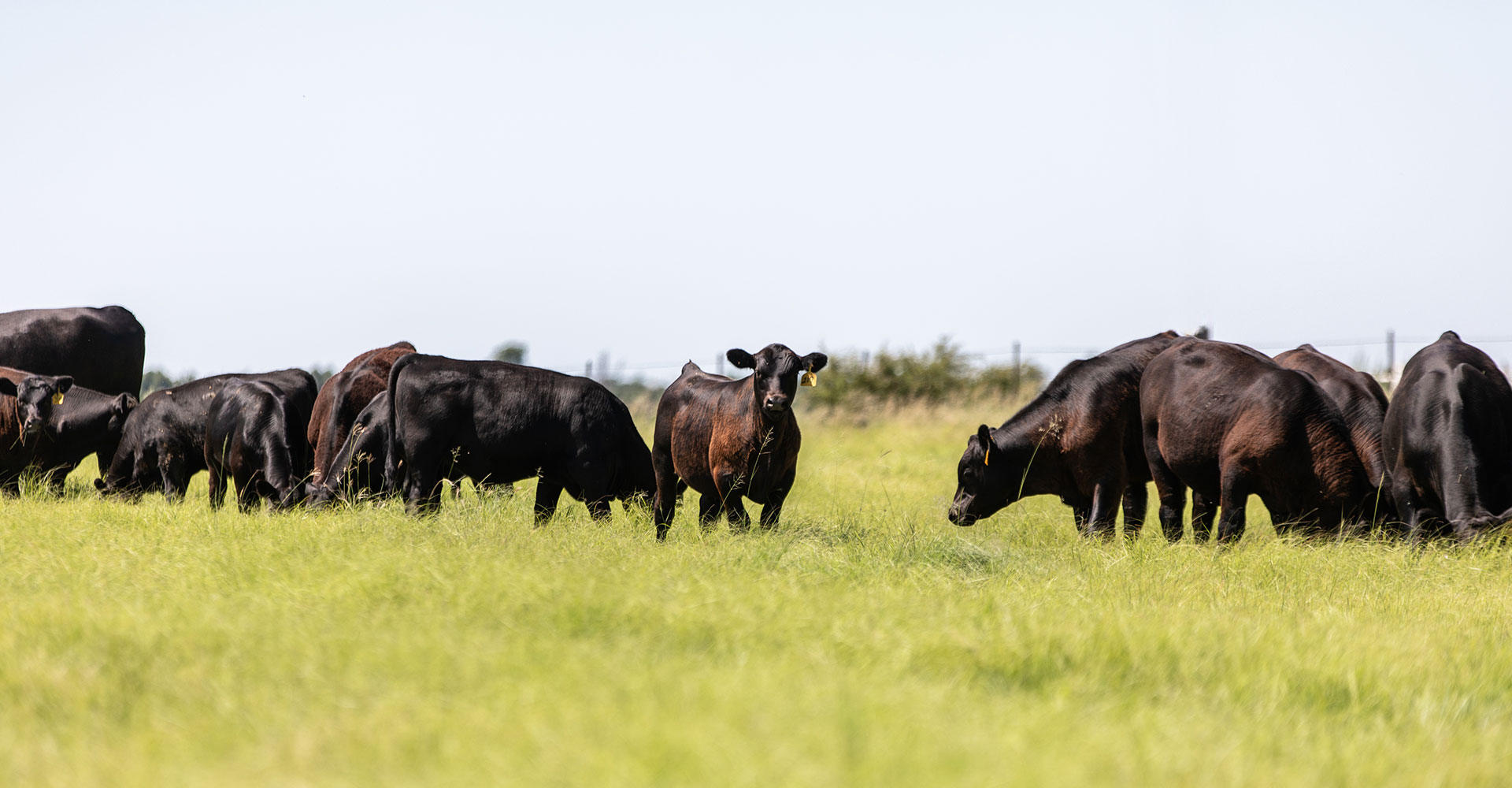
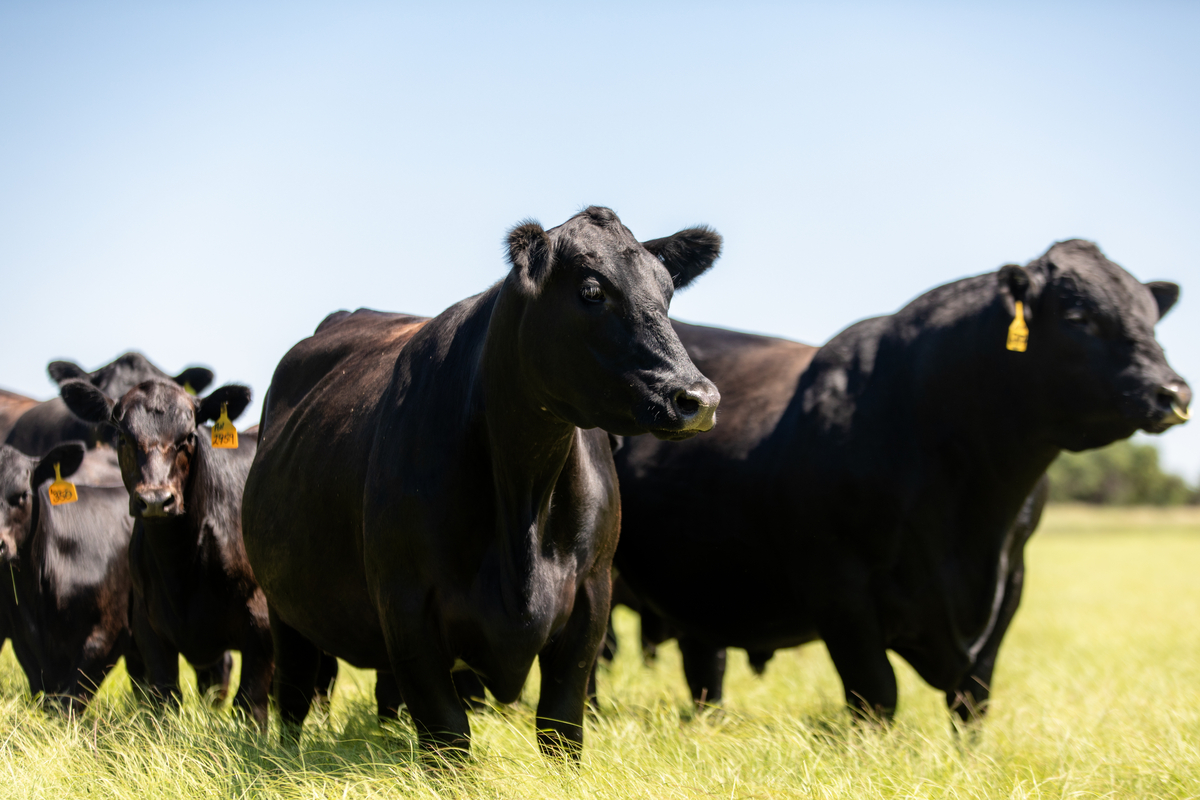
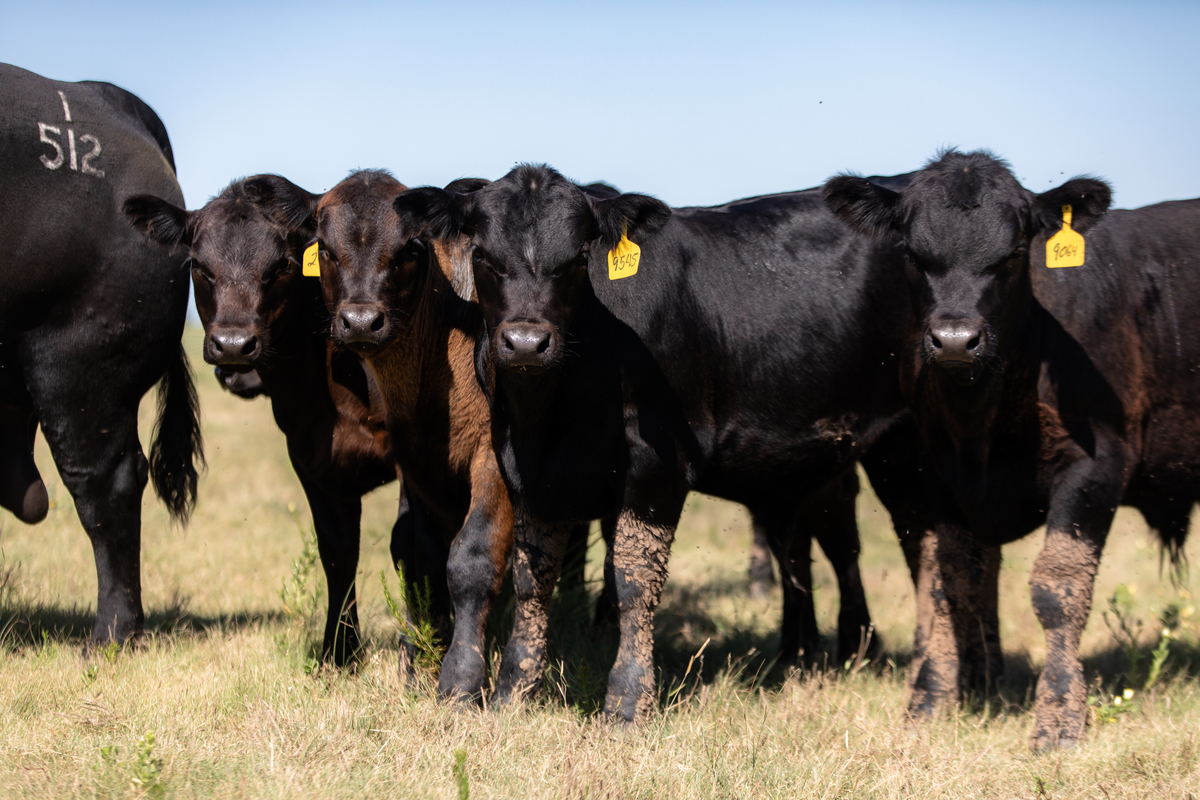
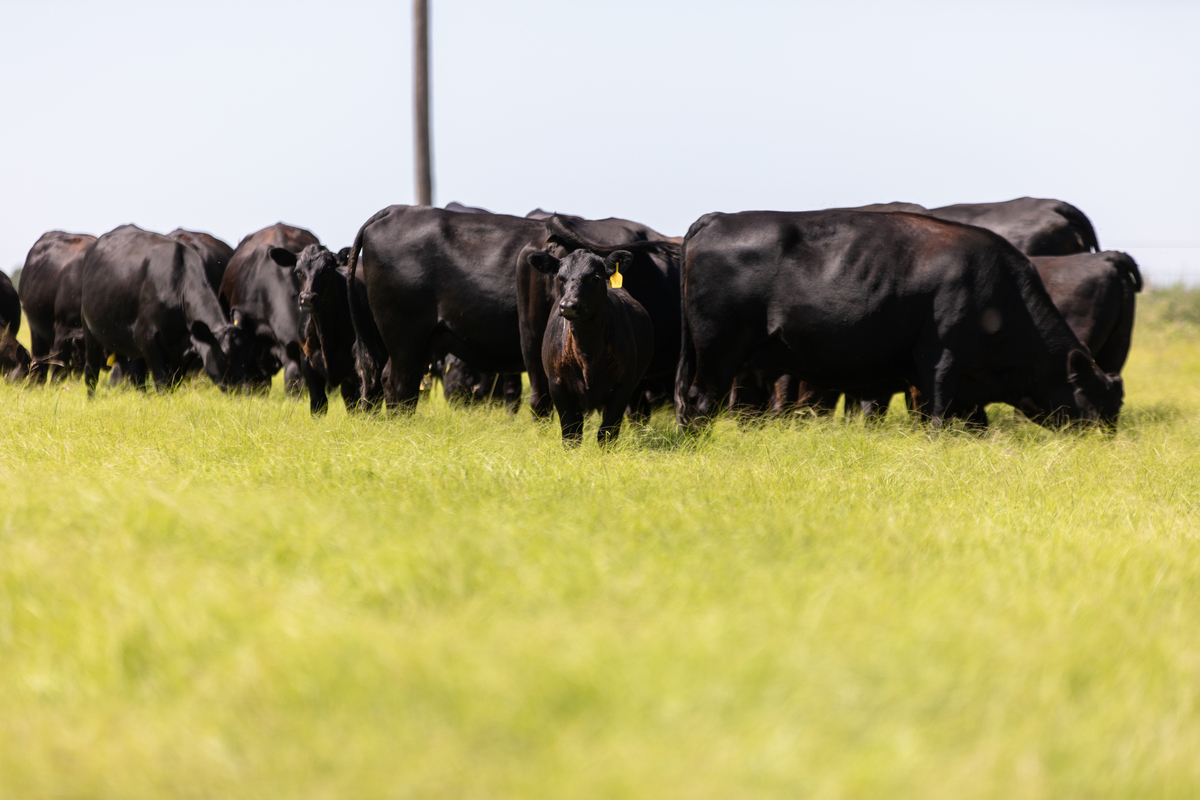
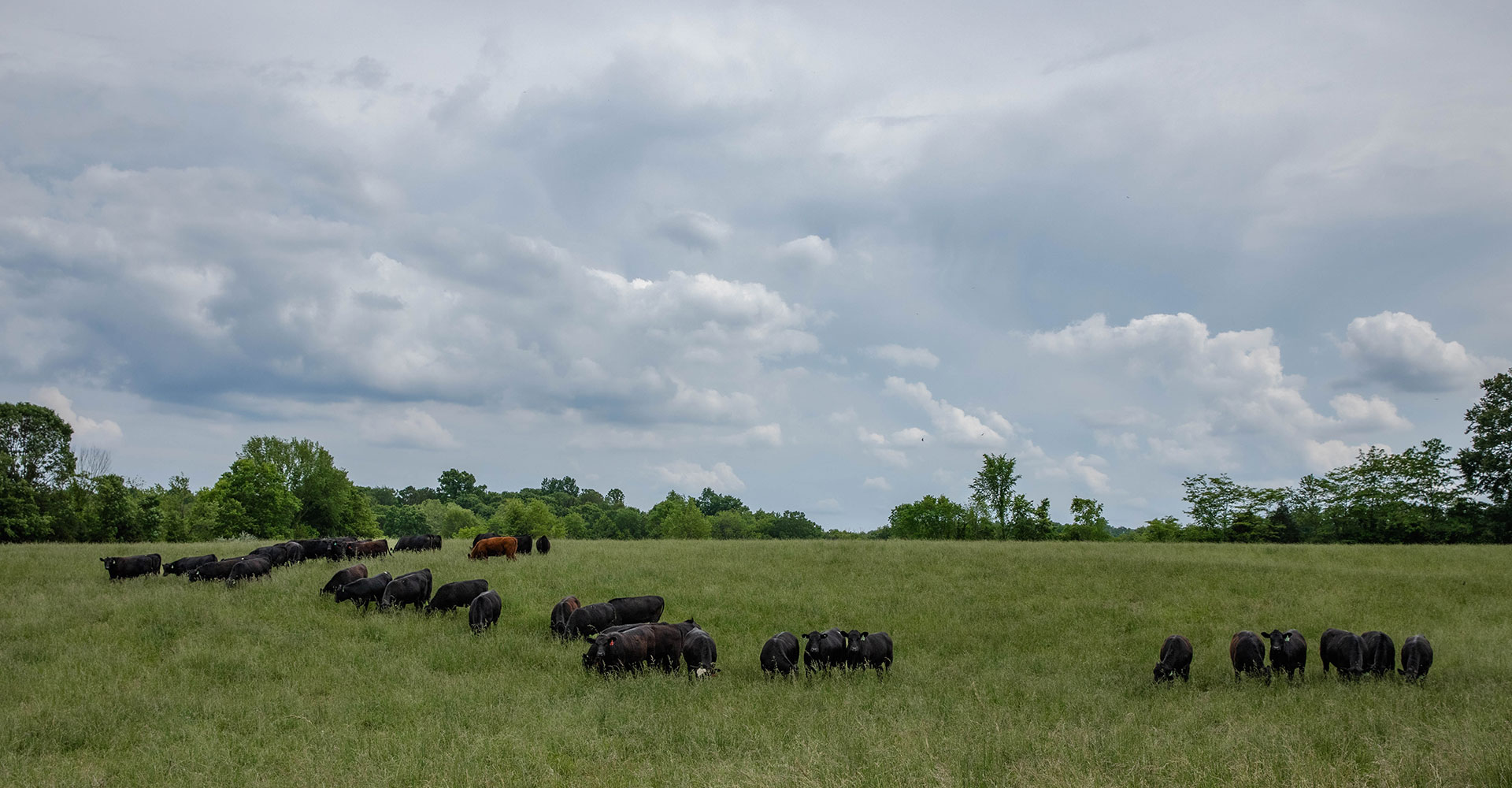
At Zybach Angus, no ounce of cattle care is up for question. Their motivation for this level of dedication to their Angus cattle is simply love.  

“It’s not always an easy lifestyle, but it’s one of the best there is because I love being with the cattle and working, and just the rural atmosphere,” says Steve’s wife and top hand, Joy. “There’s just nothing like it.” 

An equal driving force is the fulfilment of moving ahead and lifting others along the way.

“There’s always room for improvement,” Steve says. “And there’s always room to help people.”  

That dedication to wider progress earned recognition as the 2025 Certified Angus Beef (CAB) Progressive Partner.
A Shared Passion 

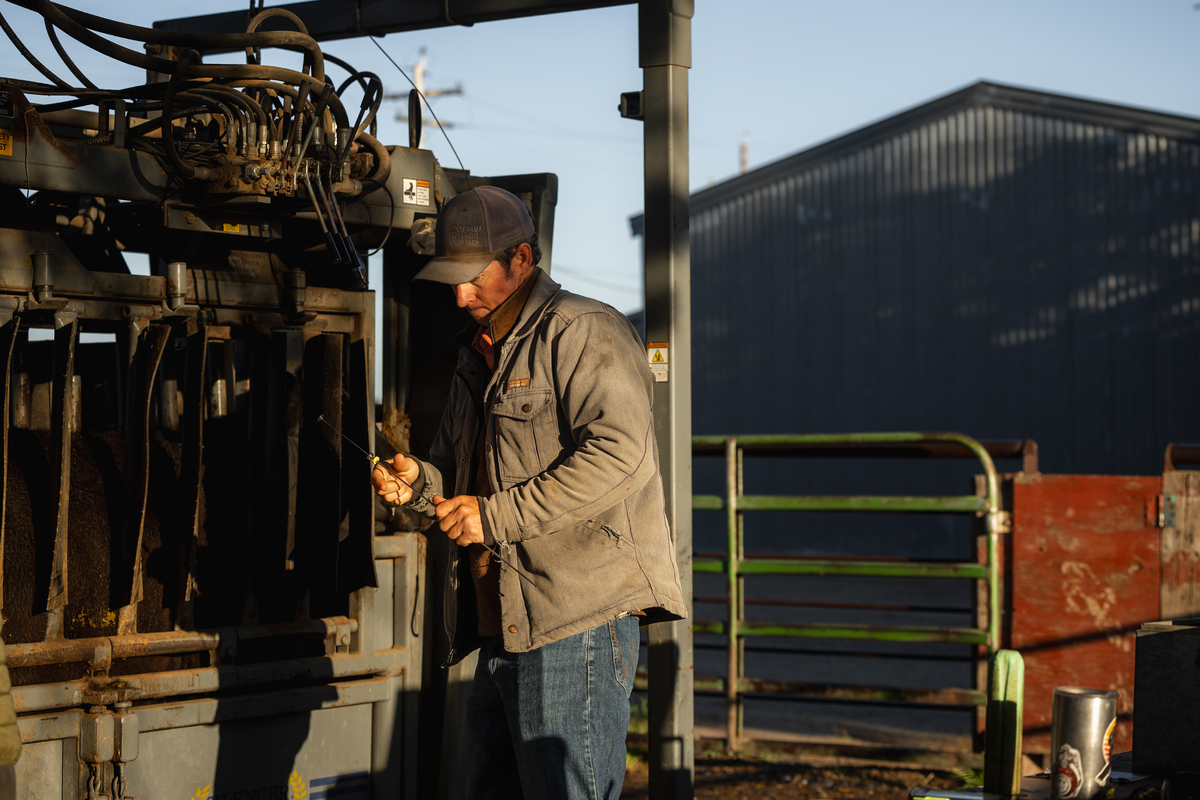
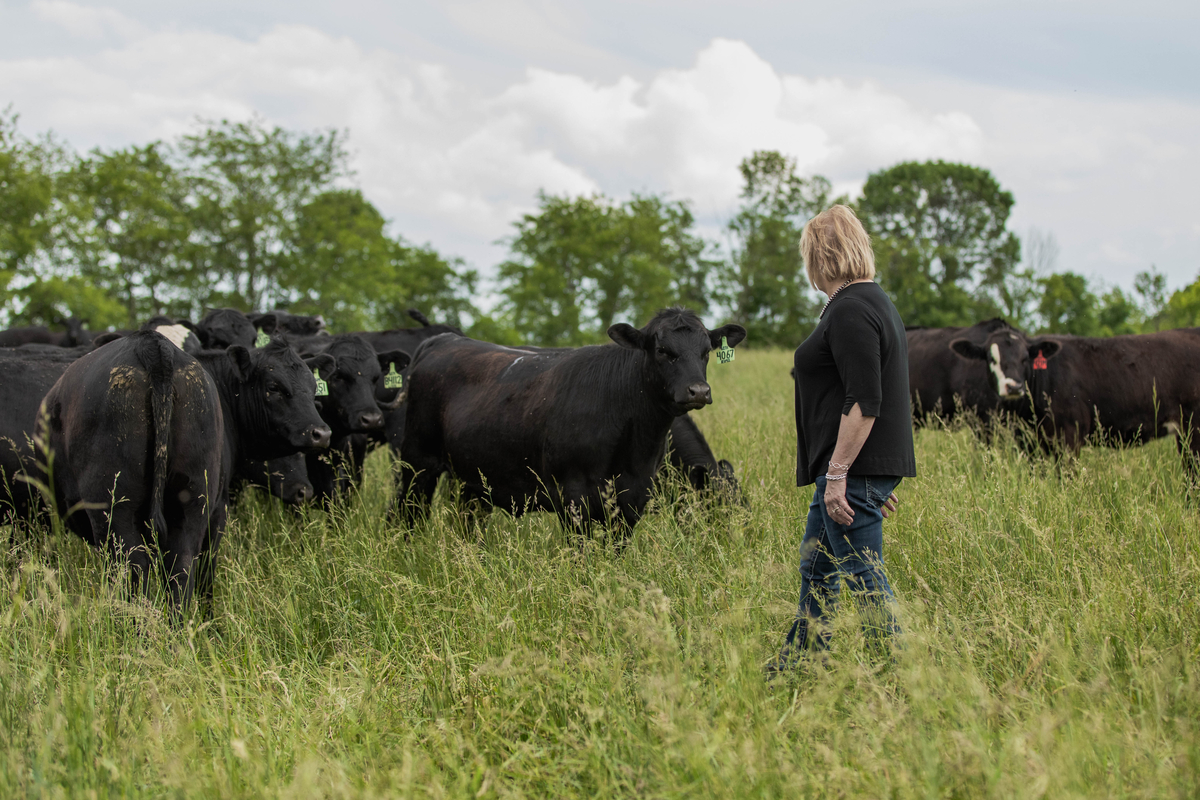
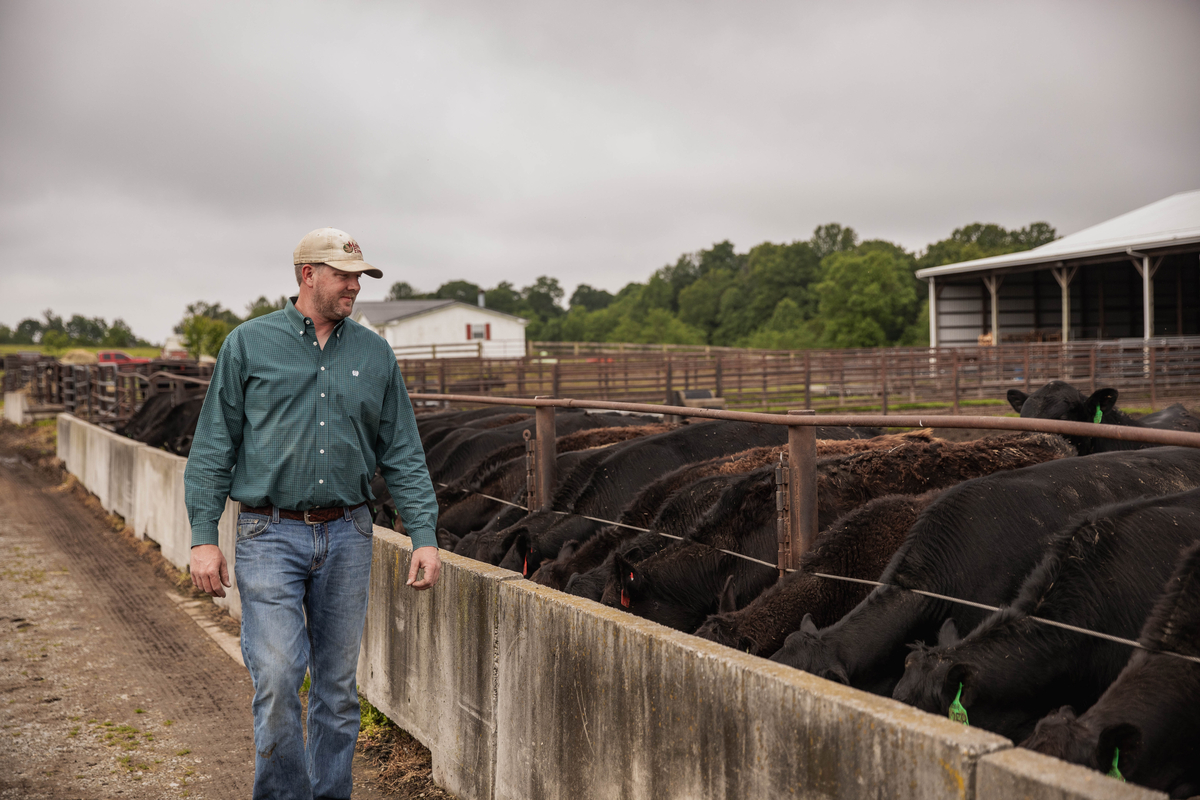
Zybach Angus is exclusively run by power couple Steve and Joy. The two complement each other’s work. Joy takes feeding, daily rounds and administrative duties—practically a jack of all trades.  

“I don’t really doctor calves,” she says, knowing when to call reinforcements. “If something needs to be doctored, that’s where Steve comes in.” 

The resident cow man makes all the mating decisions and uses the Zoetis HD50K test to support his selections with genomically-enhanced EPDs. The science only confirms much of what he already knows by instinct. He can pick out his favorites in a sea of black hides.

“He’s been around cows all of his life,” Joy says. “His parents tell stories of them having to go out and find him, and Steve would be in the corral with the cows.”  

The operation conducts one female sale and two bull sales annually, together with a few local ranchers. But the preparation is continuous. 

“Every day is sale day,” Steve says. “They’ve got to look the part so if some guy calls tomorrow, our cows are good enough and nice enough looking, we can sell them.”  

Creating Opportunity 

Not only does Steve have a knack for cattle, but for helping others, too. When he saw an opportunity to serve the Texas Angus Association (TAA), he jumped in to play a role in moving the needle forward.  

“The first year I was on [the board], I didn’t say much,” he recalls. “After that, I decided, if you’re going to be on this board, you better make a difference.”  

So he dove in headfirst, identifying the need for more ways to make commercial cattlemen money. And he acted on it, implementing feeder calf sales in conjunction with special sales at various auction barns across the state.  

“It’s just another way to expand the avenues of the commercial guy to make more money,” Steve says, though the effects are felt at both ends of the market. “It’s also for the breeders to be able to merchandise their bulls and help their customers come back and return the favor.”  

The TAA encourages use of AngusLinkSM paired with other value-added programs to garner more profit. And so far, TAA Angus feeder calf sales beat all other sale opportunities.  

“I’ll be the first one to say, ‘I don’t think we can beat this price in Oklahoma or Dalhart or wherever—’ and so far, I haven’t had to eat those words!”  

Steve’s efforts aren’t about building a name for himself, but building something others can count on, especially those often overlooked. 

All are welcome, he says, but the focus is on those with smaller herds because “they’re kind of the ones that get a little more neglected.” These sales allow those who can’t support their own production sale to market their Angus genetics for a premium.  

“It’s just to help people,” Steve says. “The market’s crazy right now, but when that market drops—and it always does—we will have our operations in place and those guys will hopefully come to us and let us help them.” 

Radale Tiner, Texas regional manager for the American Angus Association, highlights the excitement Steve helped drum up in the state.  

“He’s sparked momentum that’s gotten commercial cattlemen genuinely excited about participating and marketing high-quality Angus genetics,” Tiner says. “The seedstock business works best when the commercial guy sees value in the bulls they’re buying, and Steve’s helped bring that full circle.” 

Progress With a Purpose 

The Zybachs progression is fueled by a fear of complacency. 

“If you don’t continue to push the envelope, you do get a little stale,” Steve says. “We want to keep enthusiasm for Angus cattle going forward.” 

That’s what keeps Steve and Joy striving for more.  

“I help everyone if I can,” he says. And with that top of mind, the cattle business will keep progressing a little more every day.

Find the original story published in the October 2025 Angus Journal.

You may also like

Certified Angus Beef Launches New Podcast

Certified Angus Beef Launches New Podcast

Certified Angus Beef Launches New Podcast By Certified Angus Beef April 8, 2026 Ever wondered how Certified Angus Beef (CAB) got its start—or how the brand continues to drive demand for Angus genetics today? The CAB Bite podcast will answer those questions and more....

Sysco Highlights the Value of Beef Quality Assurance

Sysco Highlights the Value of Beef Quality Assurance

Sysco Highlights the Value of Beef Quality Assurance By Briley Richard, freelance writer for Certified Angus Beef March 25, 2026 The best beef is raised the right way. This message was reinforced by remarks from Joe Don Eilers, vice president of merchandising for...

Cross Cattle Company earns Certified Angus Beef Canadian Commitment to Excellence award

The Cross family was recognized at Certified Angus Beef’s Annual Conference in September.

by Courtney Weekley

September 29, 2025

At Cross Cattle Company, every decision starts with one question: how do we raise Angus cattle that meet the highest standards?

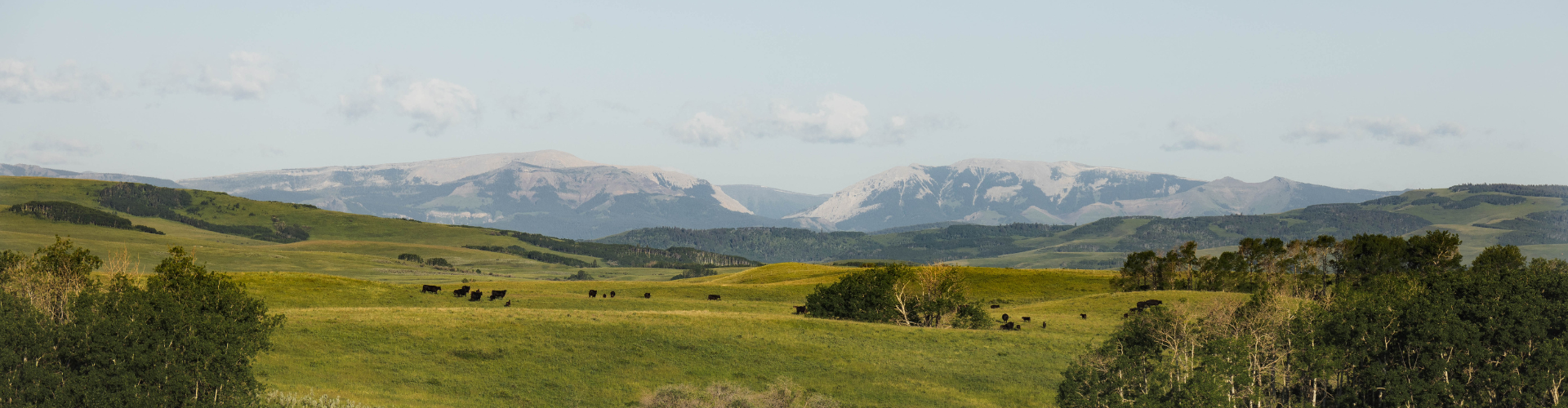
In the foothills of the Canadian Rockies, brothers Austin and Malcolm Cross are building on a century of family history on this land. Today, they’re raising Angus cattle that not only perform in the harsh environment but consistently sets the bar for beef quality.

That dedication has earned Cross Cattle Company the 2025 Certified Angus Beef Canadian Commitment to Excellence award.

Double Down on Quality   

In much of Canada’s cattle industry, the focus often lands on pounds and size rather than premium beef. The Cross family leads with a focus on quality from the start, with clear intentions to raise cattle that perform well in the pasture and consistently meet high standards for carcass merit. 

“We raise our cattle with the best intentions,” Austin says. “If they’re not gaining, we’re not doing our job.” 

They select genetics to improve and complement their maternal strength and terminal performance, aiming to produce calves that hit the Certified Angus Beef ® brand and Prime targets. That’s a rare feat here, where regular carcass data is scarce and quality grades can be an afterthought. 

Without frequent feedback from packers, the Crosses rely on historic results, visual appraisal and a disciplined bull selection strategy with seedstock programs aligned to their quality goals.  

“Our main selector for bulls is EPDs. Appearance matters, but not as much as producing better calves,” Austin says. “Good data helps us weed out weaker bulls and steadily improve the herd.” 

Just down the road, the Crosses work closely with their trusted local seedstock provider, Cudlobe Angus. The brothers’ father, Bill, has sourced bulls from them since 1986, building a partnership that feels like family. 

This combination of phenotype and performance drives their breeding decisions, helping them raise calves that consistently meet high-quality standards. 

While their ancestors raised Herefords, Shorthorns and Galloways, the Cross family made a clear choice to focus on Angus for its proven efficiency, adaptability and consistent carcass quality. 

“This is the perfect place for a cow to live,” Austin says. “The land isn’t meant for crops. It’s meant for cattle. And Angus work here.” 

Of Grass and Water 

The Crosses know cattle need resilient land. Native prairie grasses with roots reaching 10 to 15 feet deep give the land a natural advantage during drought by accessing moisture far below the surface. 

“Native grass does better than invasive species, especially when drought hits,” Malcolm says. “Once it’s gone, it’s gone. You can’t just buy seed from somewhere else and expect it to thrive here.” 

Still, drought remains a challenge. To adapt, the Crosses have shifted management, grazing their grass reserves for a while before feeding their cattle more heavily through winter to keep them in optimal condition. 

Rotational grazing and long rest periods let the land recover while cattle return vital nutrients to the soil. Chinook winds, warm dry air descending from the Rockies, melt snow quickly and make winter grazing possible even in the coldest months.  

Equally essential are the spring-fed water systems. In a region where dugouts freeze solid and ice chipping isn’t sustainable, gravity-fed springs funnel water into tire troughs. The setup is simple and effective, even at -40°C. 

“The springs are the bread and butter of the place,” Austin says. “You can go without grass for a while, but you need water. That’s the difference between making it and not.” 

Family First 

The grit behind Cross Cattle Company comes from its family roots. Austin and Malcolm grew up with the harsh realities of ranch life: droughts, tough seasons and the discipline to prepare for the unknown. 

While the brothers lead the operation, their parents have stepped back to give them space to lead. Malcolm’s wife, Sam, also supports the operation and raises their young sons Talon and Steel, already dreaming of the day they might carry on the family legacy. 

“Family is everything,” Malcolm says. “And with her support, I’m able to do this. She’s right there, every step.” 

The Cross family knows their hard work honors the past and builds a future for generations to come. 

“We want to build it bigger and better,” Austin says. “It’s a lot of sacrifice, working extra hours, missing out on things. But at the end of the day, it’s not just for us. It’s for the generations that come after.” 

The Crosses doubled down on Angus because they know quality starts with care. Every decision reflects their commitment to the land, the cattle and the future they’re building for the next generation. 


You may also like

Certified Angus Beef Launches New Podcast

Certified Angus Beef Launches New Podcast

Certified Angus Beef Launches New Podcast By Certified Angus Beef April 8, 2026 Ever wondered how Certified Angus Beef (CAB) got its start—or how the brand continues to drive demand for Angus genetics today? The CAB Bite podcast will answer those questions and more....

Sysco Highlights the Value of Beef Quality Assurance

Sysco Highlights the Value of Beef Quality Assurance

Sysco Highlights the Value of Beef Quality Assurance By Briley Richard, freelance writer for Certified Angus Beef March 25, 2026 The best beef is raised the right way. This message was reinforced by remarks from Joe Don Eilers, vice president of merchandising for...

Willis Ranch Earns Commercial Commitment to Excellence award

The Wyoming ranch was recognized at Certified Angus Beef’s 2025 Annual Conference.

by Morgan Boecker

September 29, 2025

“With all the technology and tools that we have at our hands today, you can have it all,” Jordan Willis says. “But you still need to be a cattleman and you still got to have an eye for cattle.”

Six generations of Willises have made a living on their ranch lands in Wyoming and Utah. But only the last two have turned out Angus cows.

“We always bought the best genetics we could possibly afford,” Jordan’s mom, Linda, says. “With Angus, we felt that we got the quality and the production we wanted.”

For Willis Ranch, the best Angus cattle thrive in the high desert and produce calves that can become productive replacement females or high-quality carcasses.

Their decades-long and successful mission to produce truly premium beef earned the Willis family the 2025 Commercial Commitment to Excellence award from Certified Angus Beef (CAB). They were recognized at the brand’s annual conference in September.

Developing the herd

Brothers Jordan and Jed manage the Angus cows while James grows crops that feed the cattle. Jordan’s wife, Jennie, provides support, whether it’s feeding the crew, running errands, hauling bulls or her favorite job, baling hay.

Jordan is always learning new tricks of the trade by attending meetings and trying new programs to stay on the leading edge of what’s new, Jed says.

In their search for genetics that meet their checklist, they found a seedstock partner in Basin Angus in Montana and began buying bulls there.

Jordan likes maternal, well-rounded cows to work in their high desert environment. Not only is she raising replacement heifers, but also the calves that carry carcass merit to qualify for the Certified Angus Beef ® brand.

The Willises rely on available tools for what the eye of a stockman can’t measure, such as expected progeny differences (EPDs) and DNA testing. For 13 years, Jordan has used GeneMax® Advantage™ to select replacement heifers. These tools are his means to a highly marketable calf crop—whether he’s selling heifers or feeder calves–and a premium end product.

Taking tissue samples at branding allows time to get data back, analyze it and use that information chute-side during preconditioning and sorting calves at weaning.

Every year, calves are better because of their investment in tools like GeneMax.

“My theory is that it takes as much grass or feed or resources to feed a poor animal. You may as well have a good one,” Jordan says.

Following a marketing plan

The females are bought by Noble Ranch in Colorado to be developed into bred heifers. Ryan Noble, commercial rancher, and Jordan met through Basin Angus.

“Between the elevation challenges, long, tough winters and sparse range conditions in the summer, every cow is tasked with bringing home a calf that will get on a truck and go out to add value to whomever buys it,” Noble says. “It’s a daunting challenge, but Willis Ranch seems to have put all of the pieces together.”

Noble says he buys a lot of heifers from several states, but when other cattlemen stop to visit, “it seems like we always take a few extra minutes to look at the Willis heifers because of the obvious quality and uniformity.”

The steers are marketed with AngusLinkSM at weaning. They enroll in the AngusVerifiedSM and Genetic Merit ScorecardSM (GMS). While AngusVerified guarantees calves are at least 50% Angus (sired by a registered Angus bull), GMS describes genetic potential for a group of feeder calves. It bridges a gap between buyers and sellers, giving their customers insight into how calves should perform at the feedyard.

“So many cattle are sold on video auctions,” Jordan says. “How do you distinguish yourself from the others? AngusLink provides that tool.”

Recent carcass data from multiple calf crops representing more than 1,500 head revealed the Willis calves achieved 52% Prime and 94% upper 2/3 Choice.

Not by chance, but by a deliberate and consistent drive to produce a highly desirable product.

“The market isn’t always going to be this great,” Jordan says. “And you need to keep moving your herd forward because when the market goes down, you’re going to need the cow herd and the programs to make ends meet.”


It takes everyone

The Willis family is blessed by numbers. The days they move cows are a sight—nine young cowboys and cowgirls atop their horses (or four-wheelers) peek out above the sagebrush.

While the ranch has grown in quantity and quality, their “why” is the same.

“We love cattle, love family, love being ranchers, love helping people and taking care of people,” Linda says. “And cooking dinner for them even.”

They feed a big crew but know their daily work puts beef on many family tables.

“When other moms are at the grocery store, I hope they look for the Certified Angus Beef logo and they take that home to their families and feel like they have bought something really, really delicious and nutritious for their family,” Jennie says.

They want to provide the same thing for their family. That’s why it’s important to hit a high target, like CAB, Jordan says.

When the target moves higher, they’ll adjust to meet it.

You may also like

Certified Angus Beef Launches New Podcast

Certified Angus Beef Launches New Podcast

Certified Angus Beef Launches New Podcast By Certified Angus Beef April 8, 2026 Ever wondered how Certified Angus Beef (CAB) got its start—or how the brand continues to drive demand for Angus genetics today? The CAB Bite podcast will answer those questions and more....

Sysco Highlights the Value of Beef Quality Assurance

Sysco Highlights the Value of Beef Quality Assurance

Sysco Highlights the Value of Beef Quality Assurance By Briley Richard, freelance writer for Certified Angus Beef March 25, 2026 The best beef is raised the right way. This message was reinforced by remarks from Joe Don Eilers, vice president of merchandising for...

Maplecrest Farms Receives Certified Angus Beef Ambassador Award

The Grimes and Hall families were recognized at CAB’s annual conference late September.

by Morgan Boecker

September 29, 2025

Good partners drive successful businesses.

At Maplecrest Farms, Joanie Grimes and her family have forged relationships across the supply chain, aligning their high-performing Angus genetics and customer-first mentality to elevate both their businesses and the breed. The outcome? A reputation for trust, quality and an unwavering commitment to the cattle industry.

Joanie, with daughter Lindsey and her husband, Adam Hall, raise registered Angus cattle with two primary goals: producing high-quality seedstock that perform well in a wide variety of environments and ensuring end-user satisfaction.

Their unique position brings together opposite ends of the supply chain—promoting everything from high-quality Angus genetics to the Certified Angus Beef ® brand with partners and consumers—and earned them the 2025 CAB Ambassador Award. They were recognized at the brand’s Annual Conference in September.

Champions for the breed

Joanie’s late husband John had a teacher’s heart, and his favorite topic was Angus cattle.

Whether cattlemen he met had 10 head or thousands, he understood everyone’s part and shared those insights with his family.

“The one thing he was never willing to sacrifice was quality,” Lindsey says. “We weren’t ever going to cut corners. We have to take care of our customers, treat them with respect and always teach.” 

In 1998, Joanie and John road tripped across Kansas, which led them to change direction at Maplecrest Farms. What started as 40 cows has grown and expanded to an Angus seedstock business with more than 300 cows.

They’ve also broadened their customer base.

“Folks in our region want their cows to look good, but we also understand and respect the bigger picture and our role as registered Angus breeders in the beef production chain,” Lindsey says. “It’s a delicate balance and you have to be very disciplined.”

Patient study of pedigrees, examining how cattle are built and then choosing careful mating combinations has paid off. 

“There’s some thought in the industry that you can’t have both,” Joanie says. “John was very successful in breeding cattle that not only produce Prime carcasses but also are very fine individuals that you are proud to look at in the front pasture.” 

A growing connection

Hillsboro is only three hours from the CAB office and in closer proximity to many brand partners. The family is always willing to attend food shows to represent Angus producers and share how cattle are cared for on the farm. They also host CAB ranch days throughout the year.

After dozens of tours, Lindsey says the biggest surprise is when guests realize the science and technology ranchers use. They walk through the barn and see the semen tanks and where embryos are kept. They show them where cows are flushed and then bred using in vitro fertilization

“Those are things they can relate to because they understand from a human perspective,” Lindsey says. “It’s so fun to see their faces light up because they had no idea we use the same technology.”

Being ambassadors for CAB has shown them that everyone has a role in the beef supply chain.

“Even though we’re at the beginning of the production chain, we’re always thinking about the restaurateur and foodservice distributors and how the decisions we make at breeding affect the eating experience they deliver to their customers,” Lindsey says.

And ultimately, the success of both their businesses.

From farm to fork

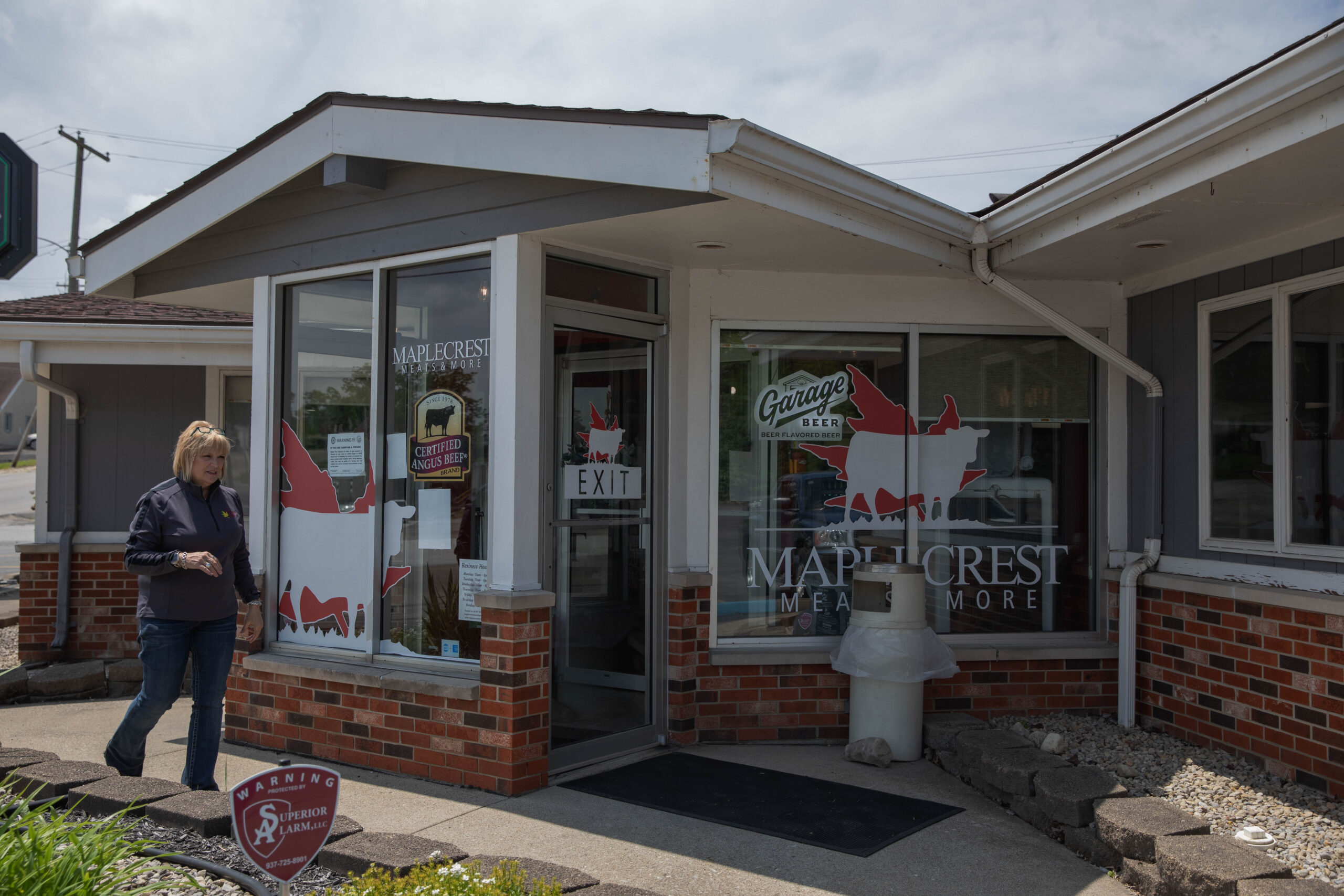
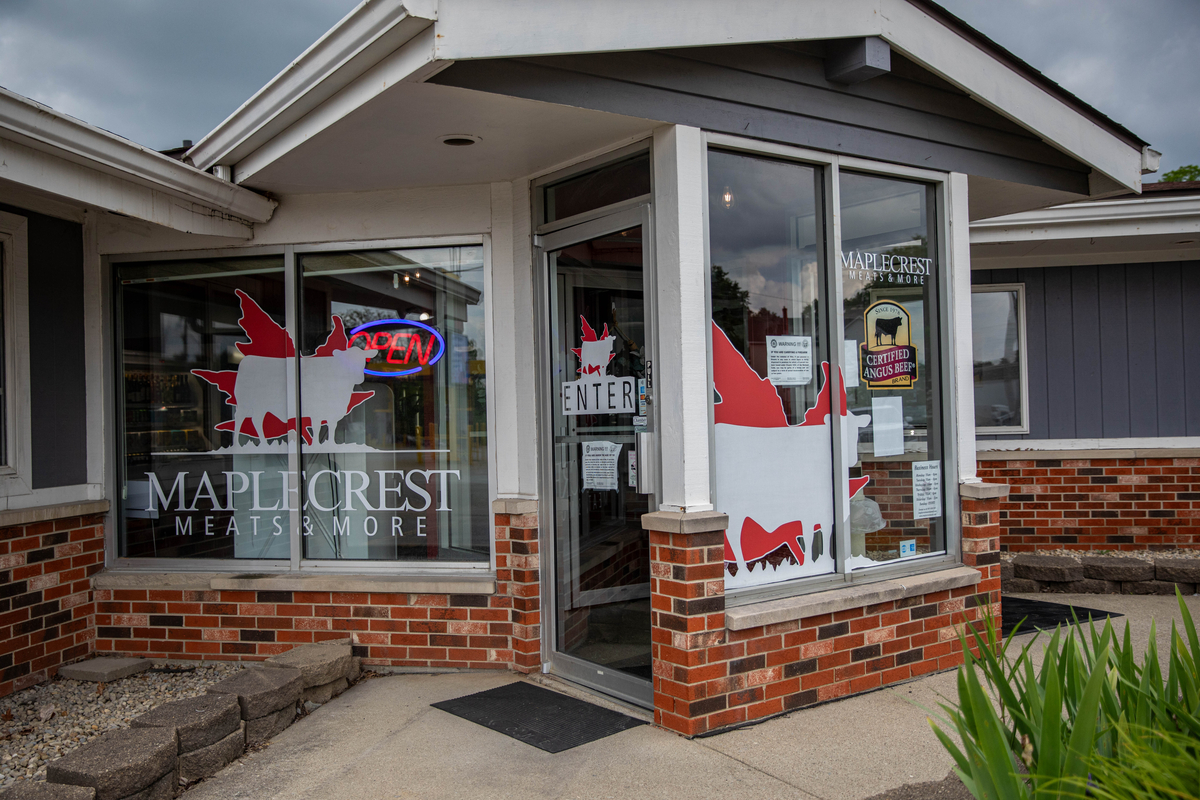
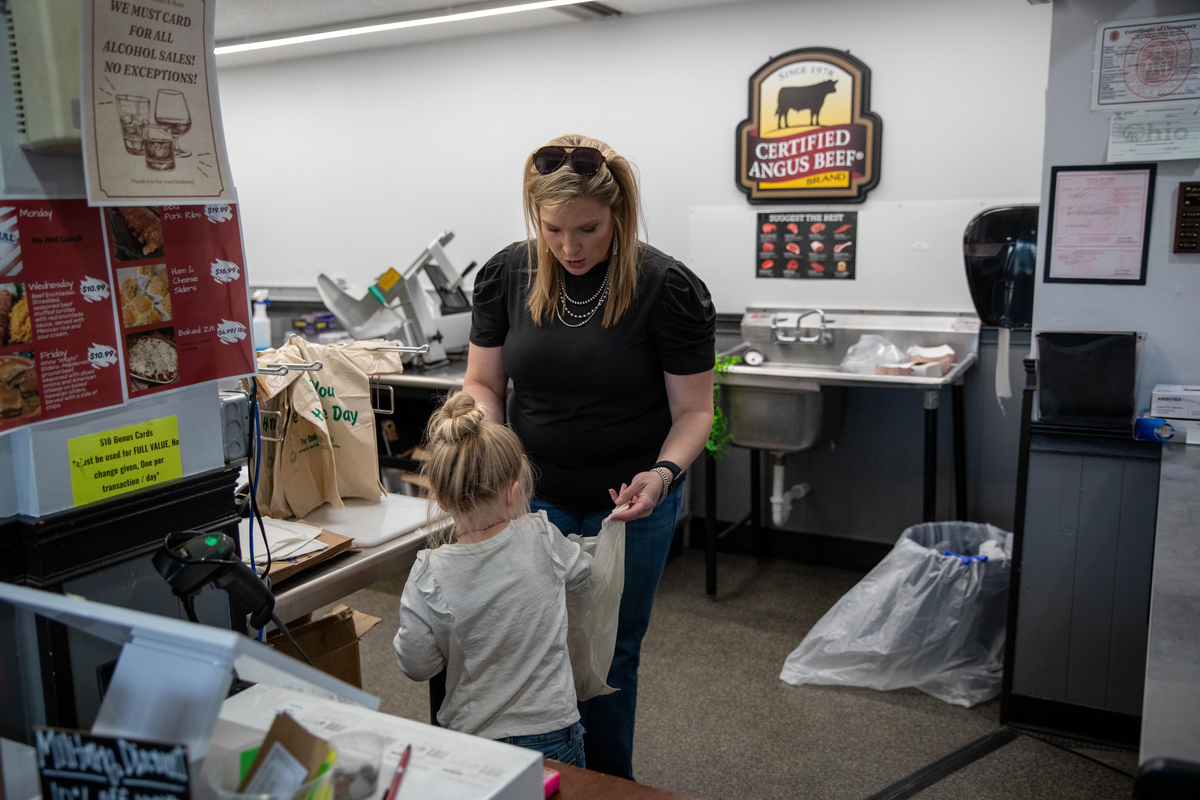
In the spring of 2021, they launched Maplecrest Meats, a direct-to-consumer meat business. 

The new store not only gave Lindsey a larger role with the family business, but it also gave them another way to work with their customers to source beef. They tap into a supply of calves, still using Maplecrest genetics, to source a wider variety of ages for the store year-round. This also gives their local bull customers another market for their feeder calves, Joanie says.

To be successful, they needed the right partner. That’s how they became one of the first CAB Ranch to Table™ licensees.

Maplecrest Meats also gives them a direct avenue to engage and talk with consumers.

“When we tell people our story at the store, one of the things we tell them is that everything that is in that freezer and every mama cow and every bull we own has had a 23andMe test,” Joanie says. “They kind of look at you [puzzled] and we tell them how we know genetically what makes them up.”

They test DNA for each animal and submit phenotype and performance data to the American Angus Association. For years, this improved their cattle; now it’s helping their store succeed and grow.

All that work done today will be enjoyed on someone’s dinner table years down the road. Realizing that, they’ll always be strong ambassadors for every step of the beef supply chain.

You may also like

Certified Angus Beef Launches New Podcast

Certified Angus Beef Launches New Podcast

Certified Angus Beef Launches New Podcast By Certified Angus Beef April 8, 2026 Ever wondered how Certified Angus Beef (CAB) got its start—or how the brand continues to drive demand for Angus genetics today? The CAB Bite podcast will answer those questions and more....

Sysco Highlights the Value of Beef Quality Assurance

Sysco Highlights the Value of Beef Quality Assurance

Sysco Highlights the Value of Beef Quality Assurance By Briley Richard, freelance writer for Certified Angus Beef March 25, 2026 The best beef is raised the right way. This message was reinforced by remarks from Joe Don Eilers, vice president of merchandising for...

Means Ranch Company Earns Certified Angus Beef Sustainability Award

Jon and Jackie Means recognized at the 2025 Certified Angus Beef Annual Conference.

by Lindsay Graber Runft

September 29, 2025

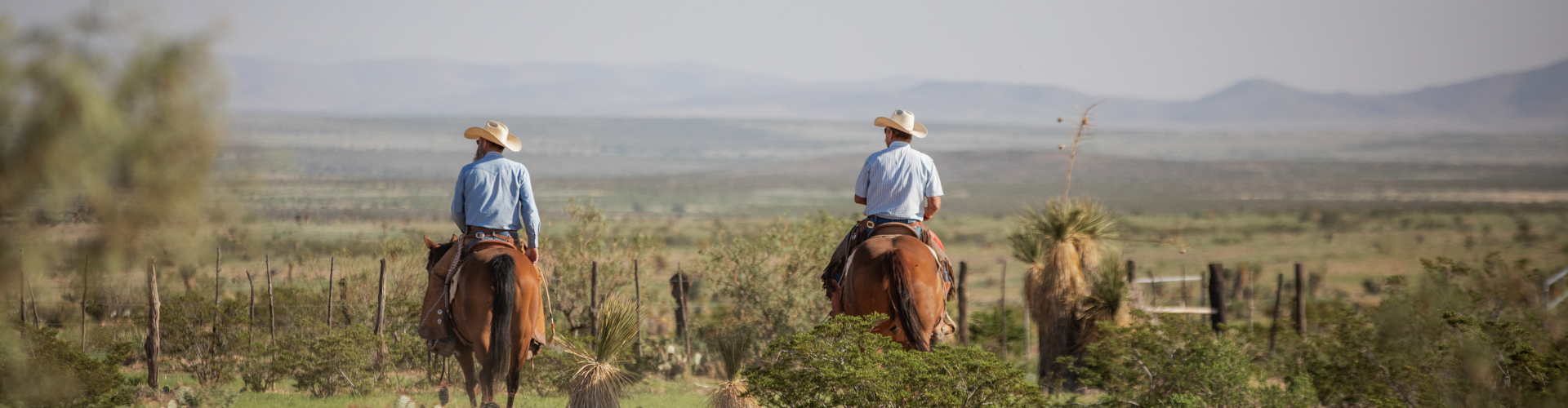
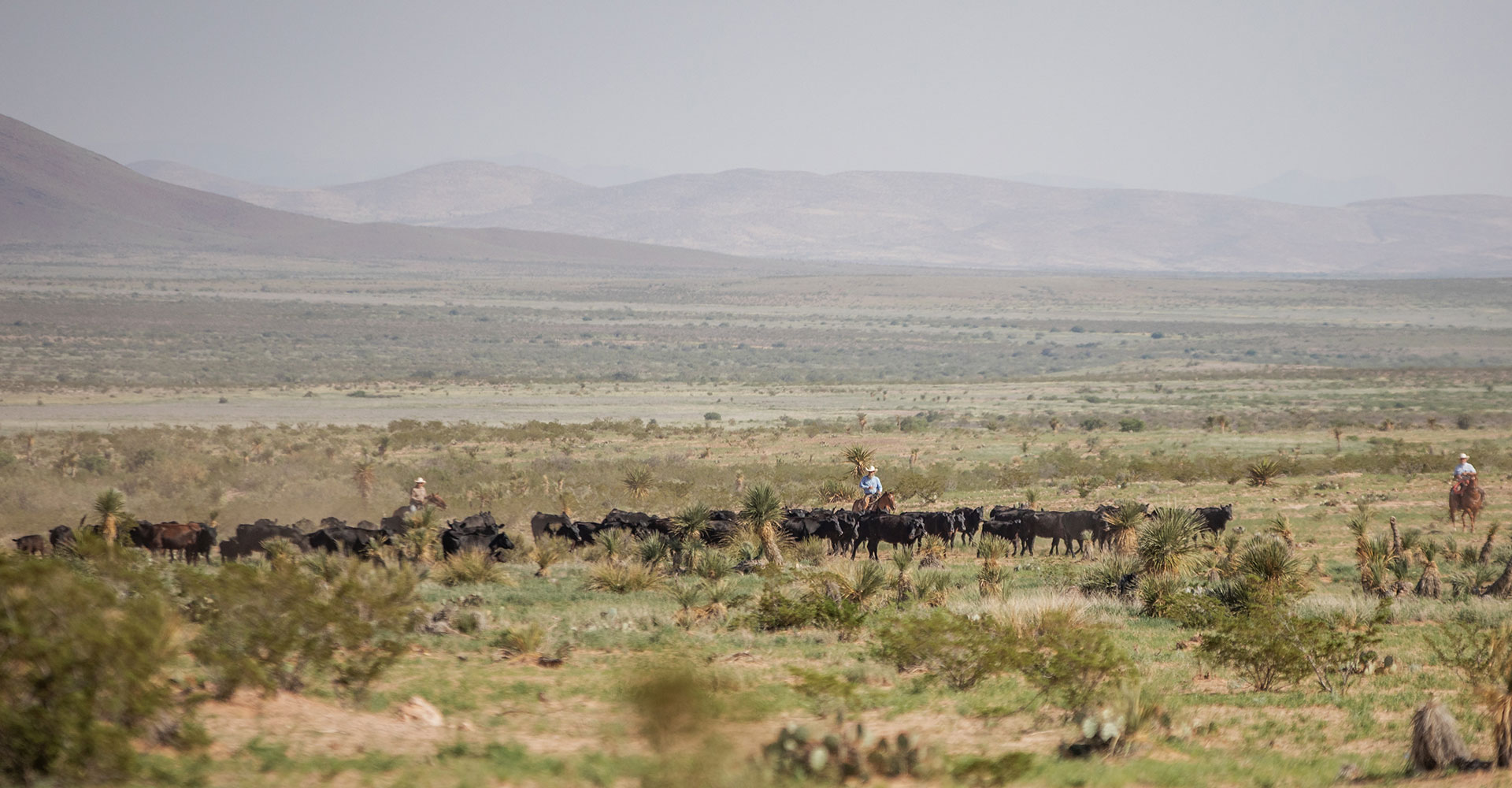
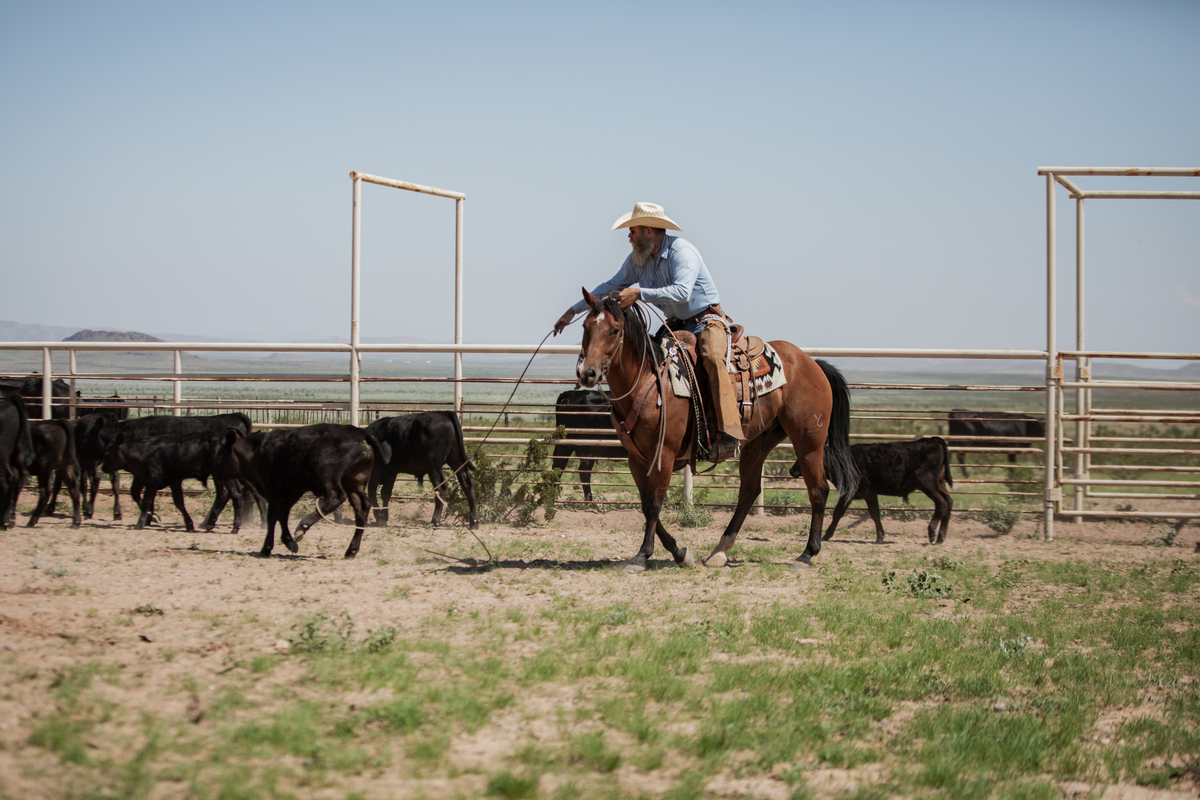
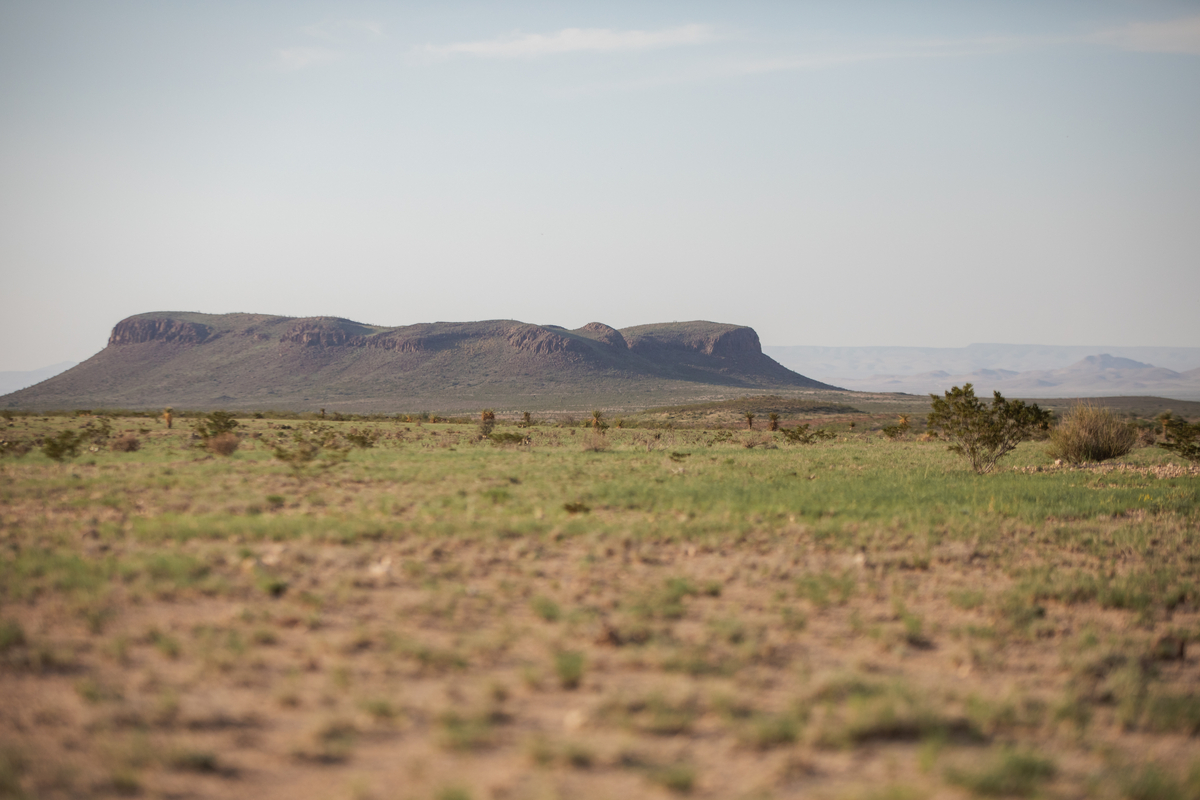
A far horizon swallows the sky across sparse grama and greasewood that sway under a pitiless sun while jackrabbits dart between cactus spines. Just over the Davis Mountain foothills, cowboys drive Angus cows toward catch pens.

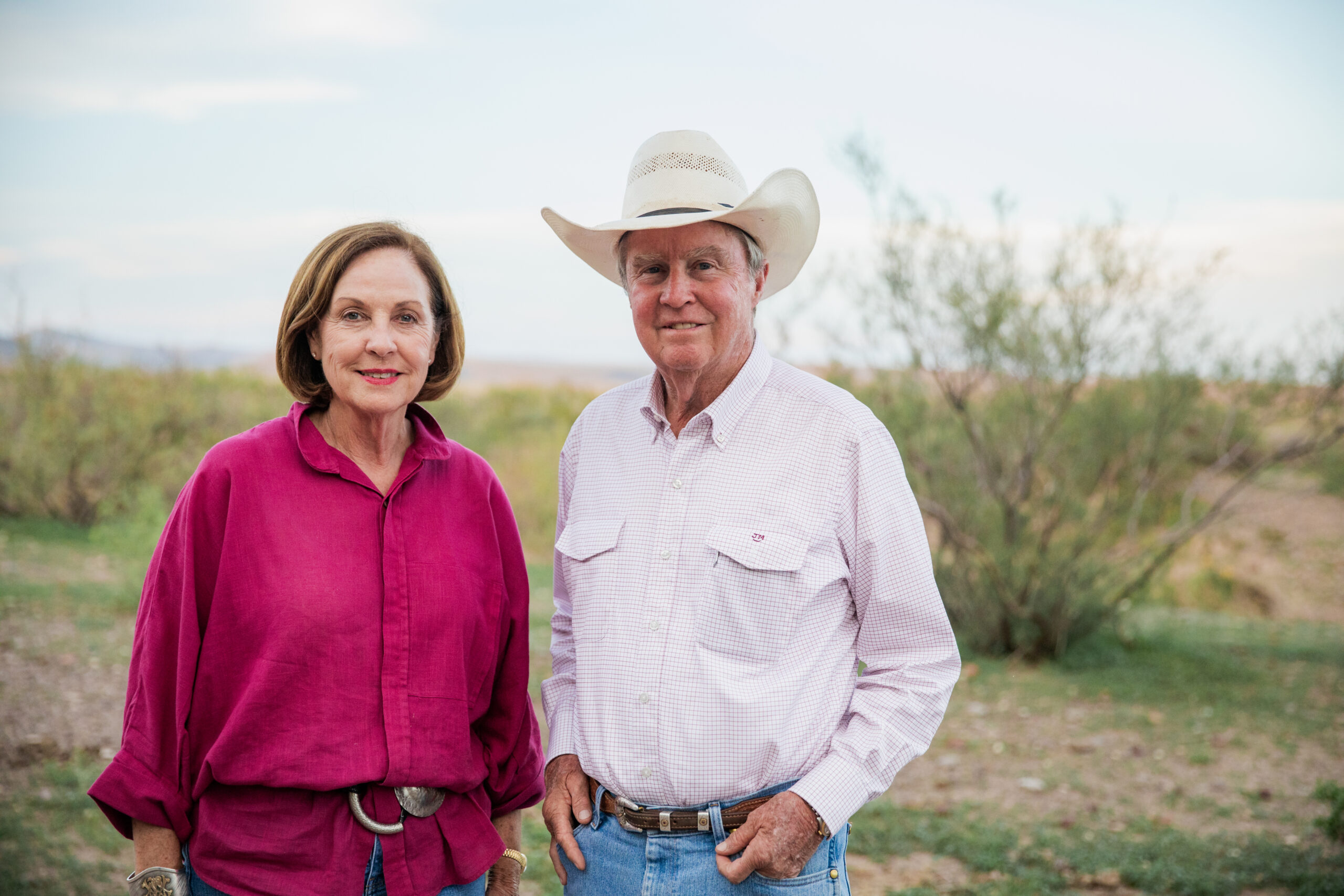
It’s ranching, romanticized. Until you live it. On the Means Ranch, beauty is a thin veil over a desolate land. For four generations, the Means family has ranched in Texas. With a commitment to environmental sustainability, alongside quality Angus genetics, they earned the 2025 Certified Angus Beef (CAB) Sustainability Award.

What makes a ranch sustainable? To Jon Means, it’s simple: the same family, ranching on the same land, for the last 140 years. They could not have done that without sustainability. Responsible use of water, caring for the land and its wildlife, destocking the herd for drought recovery and then building back with an eye toward grid premiums.

Every Inch

In 1979, Jon and Jackie Means were married and the El Paso girl moved three hours east to the Moon Ranch. She used a bleak term for their view.

“Don’t call it that,” Jon had bantered. “It’s not a desert. We have grass.”

Joined with the Chispa Ranch to span 90,000 acres, it’s a big chunk of the Means Ranch Company, a decades-old enterprise the couple own. The original Y-6 ranch, established in the 1880s, was only split once and all remains in family hands.

“This land here is diverse,” longtime Means Ranch cowboy Clay Miller says. “And unforgiving.”

Gravel roads wind through wide-open spaces, bending around mountains to catch pens and cowboy camps. It all looks the same, and although framed plat maps line Jon’s office wall, he knows it like the back of his hand: Where and why fencelines were drawn, shifted to share a water tank with the Y-6 or to let cows get to the other side of a mountain.

Ranching revolves around the environment. Cow numbers are down from the typical 1,200 head because of long, extreme drought. Jackie says running the ranch takes constant management with the diligence of “operating on the margins.”

And probably some faith, too, that enough rain will fall at the right time. The 40 types of native grass are resilient but still need some moisture, and summer rains are key.

Thirty to 40 years ago, average annual rainfall was 10 inches, but Jackie cannot remember a year in this century when they got that much. Multi-year droughts have challenged natural resources to where rotational grazing and water conservation are mandatory.

“We use every inch of this ranch as best we can,” Jackie says.

Jon says they’ve been deliberate with pasture use, careful not to overgraze and allowing time for the land to heal. Standard stocking allows 60 acres per cow, but they add range cake when necessary.

When Jon’s grandfather was growing up, the Y-6 and Moon Ranch (combined) had only six wells. Today, the Moon Ranch has more than 150 miles of pipeline running water to troughs for cattle.

Solar panels replaced windmills on all 22 wells, while covers limit evaporation on storage tanks.

Birds and wildlife benefit from sustained conservation too, Jackie says. Lacking native trees on the ranch, the Meanses planted adaptable multi-purpose trees—shade for cattle and habitat for birds. They added programs to feed quail and deer.

Everything works in harmony.

“How else would we use it?” Jon says. “The land needs the cattle and the cattle have to have the land to survive.”

Quality, No Excuses

In the early 1960s, Jon’s father was among the first here to begin switching from Herefords to Angus. Fifty years of striving to breed hardy Angus cattle to fit the terrain led to good structure, with sound feet and legs to travel long distances over rough terrain.

Through the years, Jon and Jackie have traveled the United States to find new genetics and expand their bull battery. Besides phenotype, Jon uses EPDs, looking closely at birthweight, fertility and carcass traits.

“We buy bulls that will work for us here first,” he says, noting essential fertility. “We’ve got to have a live calf and get that live calf to the feedyard.”

He culls cows that do not breed back. Angus cows are dual-purpose here, with mothering ability as well as terminal traits. To stay in production, cows must be thrifty, have nice udders and raise a calf that performs in the feedyard and on the rail.

After processing and weaning, steers and heifers part. The latter are developed for replacements while steers are shipped to wheat pasture till they average 800 lb. Then it’s on to the Triangle H feedyard at Garden City, Kan., where the Meanses retain ownership and sometimes partner with the yard.

Progress With a Purpose 

The Zybachs progression is fueled by a fear of complacency. 

“If you don’t continue to push the envelope, you do get a little stale,” Steve says. “We want to keep enthusiasm for Angus cattle going forward.” 

That’s what keeps Steve and Joy striving for more.  

“I help everyone if I can,” he says. And with that top of mind, the cattle business will keep progressing a little more every day.

Find the original story published in the October 2025 Angus Journal.

You may also like

Certified Angus Beef Launches New Podcast

Certified Angus Beef Launches New Podcast

Certified Angus Beef Launches New Podcast By Certified Angus Beef April 8, 2026 Ever wondered how Certified Angus Beef (CAB) got its start—or how the brand continues to drive demand for Angus genetics today? The CAB Bite podcast will answer those questions and more....

Sysco Highlights the Value of Beef Quality Assurance

Sysco Highlights the Value of Beef Quality Assurance

Sysco Highlights the Value of Beef Quality Assurance By Briley Richard, freelance writer for Certified Angus Beef March 25, 2026 The best beef is raised the right way. This message was reinforced by remarks from Joe Don Eilers, vice president of merchandising for...

Tehama Angus Ranch Receives Seedstock Commitment to Excellence Award

The Borror family was honored at Certified Angus Beef’s 2025 Annual Conference.

by Briley Richard, freelance writer for Certified Angus Beef

September 29, 2025

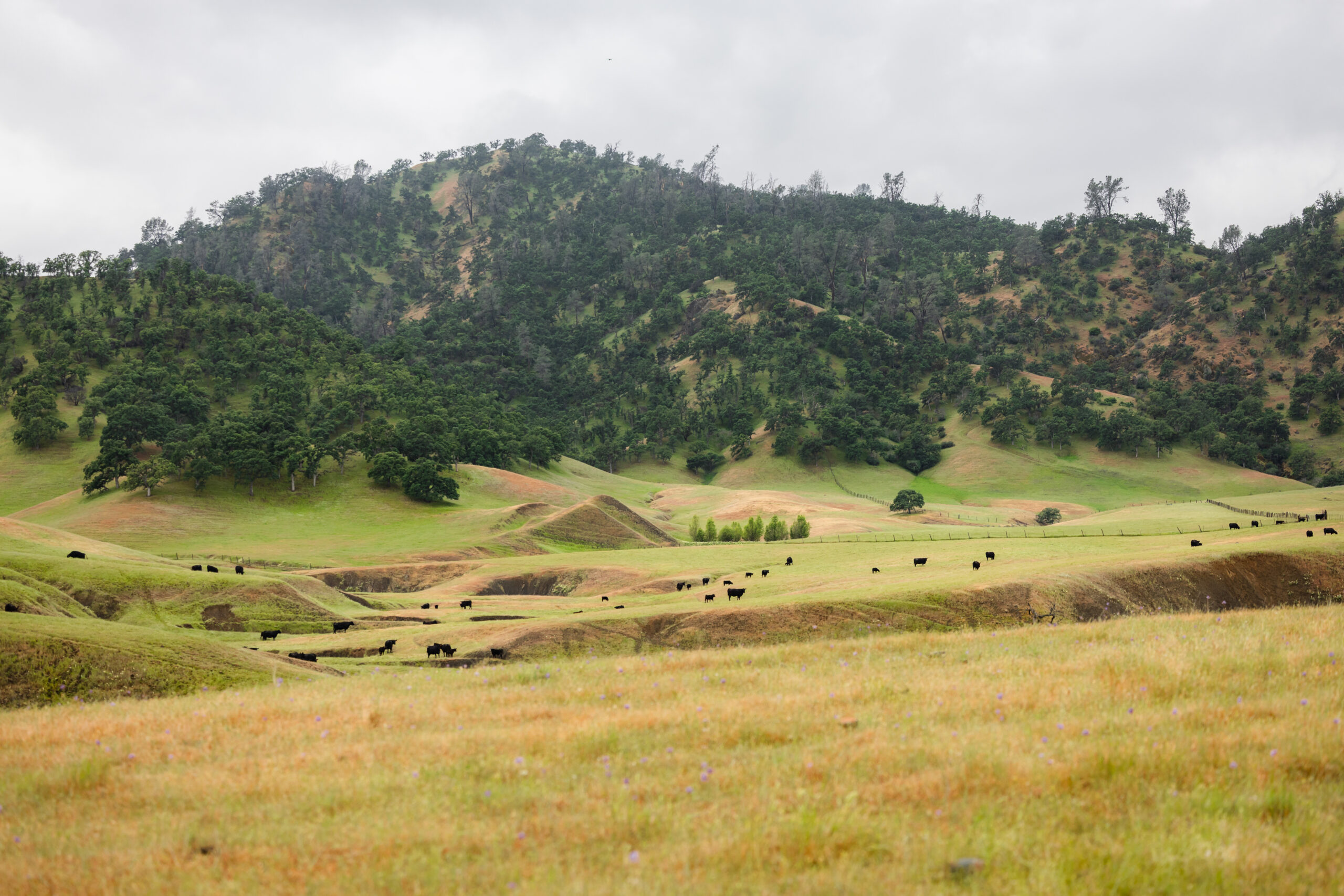
Stretches of orchard flash by in rows. Tucked into a horseshoe of mountain ranges, sunbeams cascade across a landscape more known for celebrities and coastlines than diverse farmland. 

But on a quiet stretch of Northern California rangeland, a different story unfolds. The Borror family’s legacy speaks through the cattle they raise, the ground they steward. The generations who’ve made a life here demonstrate commitment to doing things right, even when no one is watching. 

“We don’t take it lightly,” Erin Borror says. “We are gifted with this land to be stewards of it, not only for our generations, but for everyone around us as well.”

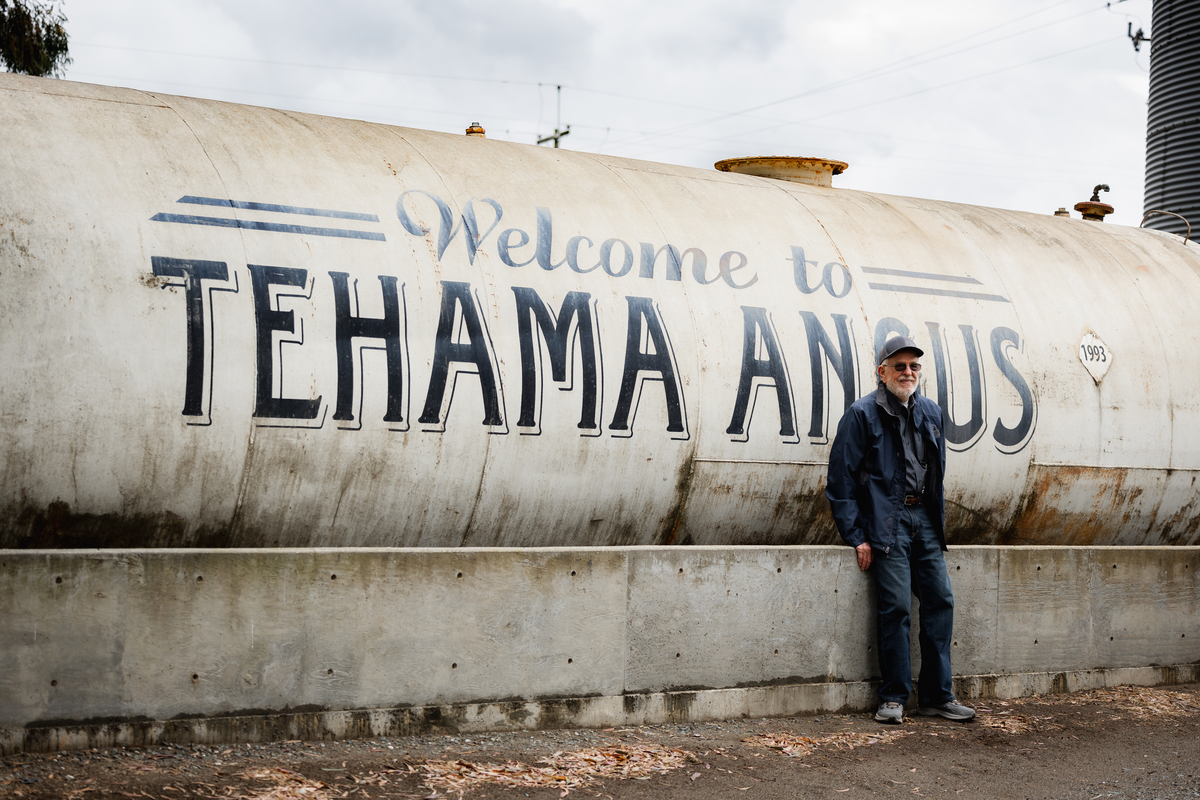
This attitude applies to every aspect of Tehama Angus Ranch. For that, and their dedication to high-quality Angus genetics, the Borror family earned the 2025 Certified Angus Beef (CAB) Seedstock Commitment to Excellence award. They were recognized at CAB’s Annual Conference in September.  

Early Transitions

With humble beginnings, William “Bill” Borror, set the foundation decades ago with his passion for cattle. Not a salesman by nature, he believed the cattle should speak for themselves. He relied on data and visual appraisal to make selection decisions. That same quiet approach carried through to his son Kevin, and now his grandson Bryce, who serves as herdsman.

“Dad focused on the cattle,” Kevin says. “The cattle were his dream, and his passion was raising the best cattle that he could.” 

Now in the role of mentor more than manager, Kevin recalls his own transition into leadership years ago, following a family pattern.  

“My dad took over from his dad at a younger age, and I took over from my dad at a younger age. So I’m letting Bryce take over for me at a younger age.” 

Bryce hit the ground running, paying attention to where the cattle live and what they consume nearly as much as the cattle themselves. The operation makes use of its diversified crops by converting walnut and almond hulls into supplemental feed and growing much of its own forage. Summer rotational grazing on irrigated pastures ensures the land that supported this family for more than half a century is well-equipped for generations to come. 

“These pastures have been planted for 50 or 60 years,” Bryce explains. “We try to keep our land in the best shape we can by refreshing it and protecting it.” 

Balance by Design 

Bryce has embraced his role with a focus on data-driven genetics and customer results. Tehama Angus Ranch hosts an annual bull sale, serving a customer base as diverse as the region. But in the high desert or down on the coast, there’s one thing they’re all looking for: balance.  

“Our customers are looking for balance-trait genetics,” he says. “They’re looking for bulls that’ll sire a really nice set of replacement females. So when we add in some carcass traits, that returns more to them when they go to sell their calves.” 

Striking that balance means selecting genetics with strong maternal traits and solid carcass value, both tied to customer profitability. The CAB Targeting the Brand™ logo has become an invaluable tool for aligning their cattle with expectations. 

“Our customers’ main goal is to hit CAB premiums and get rewarded for those carcasses,” Bryce says. “Targeting the Brand is the easiest way for us to bring out bulls that meet those specifications.” 

For two years running, 62% of their bulls have earned the logo, sending a clear signal to customers. 

He adds, “Having that information so that they can flip through a sale book and say, ‘This is what I’m trying to shoot for,’ and then make sure it meets the rest of their requirements for their environment.” 

Since most of their customers sell calves on a video sale, having a reputation for data-backed consistency is crucial. Whether it’s weights from start to finish, ultrasound or genomics, the Borrors not only collect vast data, but use it as a tool to help customers.  

“We provide most all the information that’s out there,” Bryce says. “We prioritize that for both ourselves and our customers. If we don’t share what we collect, then it’s just all a waste.”  

That deep understanding of customers results in repeat business. The closed cow herd builds their reputation for consistent quality. 

“Most of our customers are repeat customers,” Bryce says. They expect similarity over the years, “but as we make improvement, they’re going to make improvement.”  

A Lasting Impact 

This theme of tenacity and thoughtfulness led to Tehama Angus Ranch earning the 2025 CAB Seedstock Commitment to Excellence award. For a family that doesn’t ask for recognition, it is meaningful. 

“It’s truly an honor,” Kevin says. “And for my father, it’s well deserved. He’s put his heart and soul into these cows.”  

From Bill to Kevin to Bryce, three generations now tend Tehama land, with likely more to come. For the Borrors, the goal isn’t reinvention but staying true. True to the cattle, true to the land and true to what got them where they are today. 

Find the original story published in the October 2025 Angus Journal.

You may also like

Certified Angus Beef Launches New Podcast

Certified Angus Beef Launches New Podcast

Certified Angus Beef Launches New Podcast By Certified Angus Beef April 8, 2026 Ever wondered how Certified Angus Beef (CAB) got its start—or how the brand continues to drive demand for Angus genetics today? The CAB Bite podcast will answer those questions and more....

Sysco Highlights the Value of Beef Quality Assurance

Sysco Highlights the Value of Beef Quality Assurance

Sysco Highlights the Value of Beef Quality Assurance By Briley Richard, freelance writer for Certified Angus Beef March 25, 2026 The best beef is raised the right way. This message was reinforced by remarks from Joe Don Eilers, vice president of merchandising for...

Legacy in the Golden Land

Tehama Angus Ranch honored for multi-generational commitment to balanced genetics and stewardship.

By Briley Richard, freelance writer for Certified Angus Beef

Stretches of orchard flash by like the rhythm of a lullaby in rows. Tucked into a horseshoe of mountain ranges, sunbeams cascade across a landscape more known for celebrities and coastlines than its vast, diverse farmland.

But on a quiet stretch of Northern California rangeland, a different story unfolds. The Borror family’s legacy modestly speaks through the cattle they raise, the ground they steward. The generations who’ve made a life here demonstrate commitment to doing things right, even when no one is watching.

“We don’t take it lightly,” Erin Borror says. “We are gifted with this land to be stewards of it, not only for our generations, but for everyone around us as well.”

This attitude applies to every aspect of Tehama Angus Ranch.

The Borror Family

Caption: Front Row (L to R): Nolan and Clayton Borror; Back Row (L to R): Kevin, Linda, Bryce, Erin, Bill Borror

Balance by Design

With humble beginnings, William “Bill” Borror, set the foundation decades ago with his passion for cattle. Not a salesman by nature, he simply believed in raising the best cattle, leaning heavily on data and an unwavering eye for quality. That same quiet approach carried through to his son Kevin, and now his grandson Bryce, who serves as herdsman.

“Dad focused on the cattle,” Kevin says. “The cattle were his dream, and his passion was raising the best cattle that he could.”

Now in the role of mentor more than manager, Kevin recalls his own transition into leadership years ago, following a family pattern.

“My dad took over from his dad at a younger age, and I took over from my dad at a younger age. So I’m letting Bryce take over for me at a younger age.”

Bryce hit the ground running, paying keen attention to where the cattle live and what they consume nearly as much as the cattle themselves. The operation makes use of its diversified crops by converting walnut and almond hulls into supplemental feed and growing much of its own forage. Summer rotational grazing on irrigated pastures ensures the land that supported this family for more than half a century is well-equipped for generations to come.

“These pastures have been planted for 50 or 60 years, some of them,” Bryce explains. “We try to keep our land in the best shape we can by refreshing it and protecting it.”

Caption: Bill Borror, founder of Tehama Angus Ranch. 

Bryce has embraced his role with a focus on data-driven genetics and customer results. The Tehama Angus Ranch hosts an annual bull sale, serving a customer base as diverse as the region. But in the high desert or down on the coast, there’s one thing they’re all looking for: balance.

“Our customers are looking for balance-trait genetics,” he says. “They’re looking for bulls that’ll sire a really nice set of replacement females. So when we add in some carcass traits, that returns more to them when they go to sell their calves.”

Striking that balance means selecting genetics with strong maternal traits and solid carcass value, both tied to customer profitability. The Certified Angus Beef Targeting the Brand™ logo has become an invaluable tool for aligning their cattle with expectations.

“Our customers’ main goal is to hit CAB premiums and get rewarded for those carcasses,” Bryce says. “Targeting the Brand is the easiest way for us to bring out bulls that meet those specifications.”

And they don’t just talk the talk. For two years running, 62% of their bulls have earned the logo, which sends a clear signal to customers.

He adds, “Having that information so that they can flip through a sale book and say, ‘Okay, this is what I’m trying to shoot for,’ and then make sure it meets the rest of their requirements for their environment.”

Since most of their customers sell calves on a video sale, having a reputation for data-backed consistency is crucial. Whether it’s weights from start to finish, ultrasound or genomics, the Borrors not only collect vast data, but use it as a tool to help customers.

“We provide most all the information that’s out there,” Bryce says. “Obviously a lot of work to keep track of and collect, but we prioritize that for both ourselves and our customers. If we don’t share what we collect, then it’s just all a waste.”

That deep understanding of customers results in repeat business. The closed cow herd builds their reputation for consistent quality.

“Most of our customers are repeat customers; they’ve been with us a long time,” Bryce says. They expect similarity over the years, “but as we make improvement, they’re going to make improvement.”

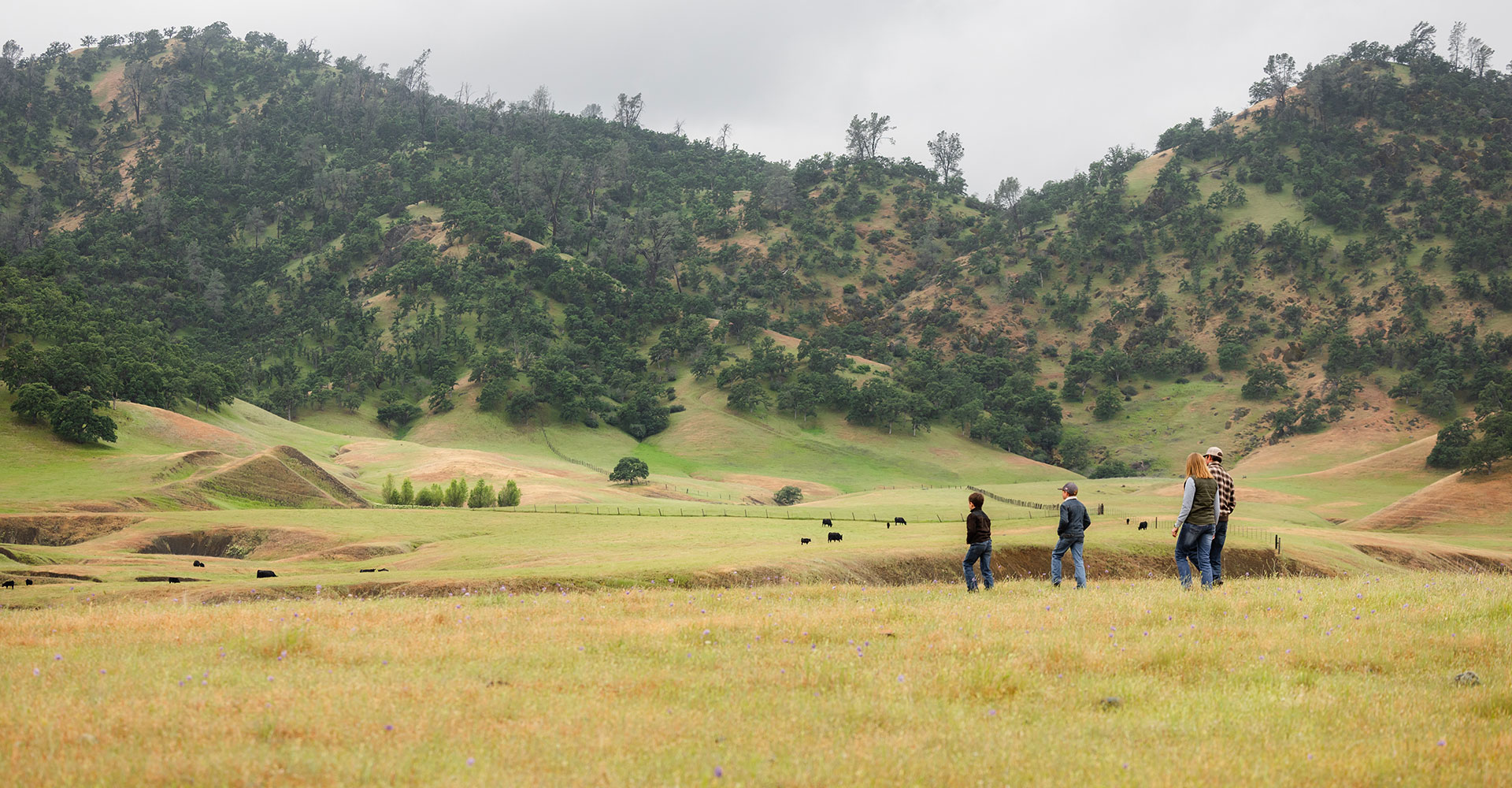
Borror family walking through a mountain pasture

Staying the Course 

Erin, Bryce’s wife and vice president of access and analysis at the U.S. Meat Export Federation, sees that ripple effect on a global scale. She also sees it at home. 

“We think about how best to use these animals to make the land better,” she says. “We’re using cattle to improve our land and reduce fire risk here in California, but we’re also providing a superior eating experience with the beef that we raise.” 

Erin balances her remote role with helping out on the ranch—riding along to check cows in the evenings, tagging calves and raising two boys who already idolize the generations above them. 

“The time they spend with Kevin and Linda, with great-grandpa, it really is a kind of magic to have the generations together,” she says. “I hope that the pride in what we do they carry with them, even if they end up doing something else.” 

Behind the scenes, much of the glue holding everything together is Linda, Kevin’s wife. From financials to cattle records to keeping the calendar straight, she manages it all. Raised on a commercial cow-calf operation herself, she understood the rhythm of ranch life before she married into it, but the weight of responsibility evolved as the family operation did. 

“We kind of grew into it,” she says. “Kevin’s dad encouraged me to leave my job and start working with him. That gave me time to really learn it.” 

Now everyone knows her recordkeeping is critical, “integral to the ranch.”  

“But really,” Linda says, “I just do what needs done.” 

That sense of quiet reliability runs deep in the Borror family. While the cattle operation has grown over the years—spreading out across more land while adapting to market and environmental pressures—it’s never been about chasing scale for the sake of it. 

“Our growth wasn’t anything spectacular, not like the guy that starts with 50 acres, and then in 10 years grows to 5,000 acres,” Kevin says. “It’s always been moderate, but we can take care of it.” 

A measured approach is one reason the Borrors remain sustainable. They’ve stayed grounded in California despite challenges, attributing family, customers and a deep sense of responsibility. 

“There were times I just wanted out,” Kevin admits. “But you realize, our customers are here, our history is here, and if those guys stuck it out, why can’t I?” He adds assuringly, “So we’re here and we’re going to stay here.” 

A Lasting Impact 

This theme of tenacity and thoughtfulness factored into what led Tehama Angus Ranch earning the 2025 CAB Seedstock Commitment to Excellence award. For a family that doesn’t ask for recognition, it was meaningful. 

“It’s truly an honor,” Kevin says. “And for my father, it’s well deserved. He’s put his heart and soul into these cows and he’s the one that fired the whole thing up years and years ago.”  

As for the future, the family sees strength in its multi-generational structure. 

“Life is great,” Kevin says. “We’re so fortunate to be in this business, not only the Angus business, but in agriculture. It has its struggles, especially in this state, but there will always be agriculture in California.” 

Perhaps most importantly, Bryce and Erin’s sons are already learning what it means to be part of this legacy.  

“We can’t imagine raising children any other way, especially both of us coming from ranching operations,” Erin says. “So it is a huge blessing to be able to bring these boys up the way we were both raised.” 

Bill, past president of both the American Angus Association and the Beef Improvement Federation, echoes those sentiments, adding gratitude for decades of work and dreams.  

“It’s a blessing for me to see all this in my career, because all we dreamed about doing 50 years ago has come to fruition,” he says 

From Bill to Kevin to Bryce, three generations now tend Tehama land, with likely more to come. For the Borrors, the goal isn’t reinvention but staying true. True to the cattle, true to the land and true to what got them where they are today. 

This story was originally published in the October 2025 Angus Journal.

You May Also Like…

Beef Month Anticipation: Cattle and Beef Values

Beef Month Anticipation: Cattle and Beef Values

MARKET UPDATE Fed cattle prices moderated slightly in last week’s trade with a $2/cwt. decline to average $246/cwt., just off the record high observed two weeks ago. Last week’s 529K harvested total appears robust in a season when an erratic pattern of weekly head...

Heavy Cattle Challenges

Heavy Cattle Challenges

MARKET UPDATE The fed cattle market has been on an exceptionally bullish trend for the past two weeks. As if the wildly aggressive $10/cwt. price increase two weeks ago wasn’t enough, last week’s trade featured yet another $3/cwt. jump to the amazement of most market...

calf standing in grass

Helping Hands, Helping Herds

How the Zybachs built a reputation on cattle care, community service and a commitment to doing things right. 

By Briley Richard, freelance writer for Certified Angus Beef 

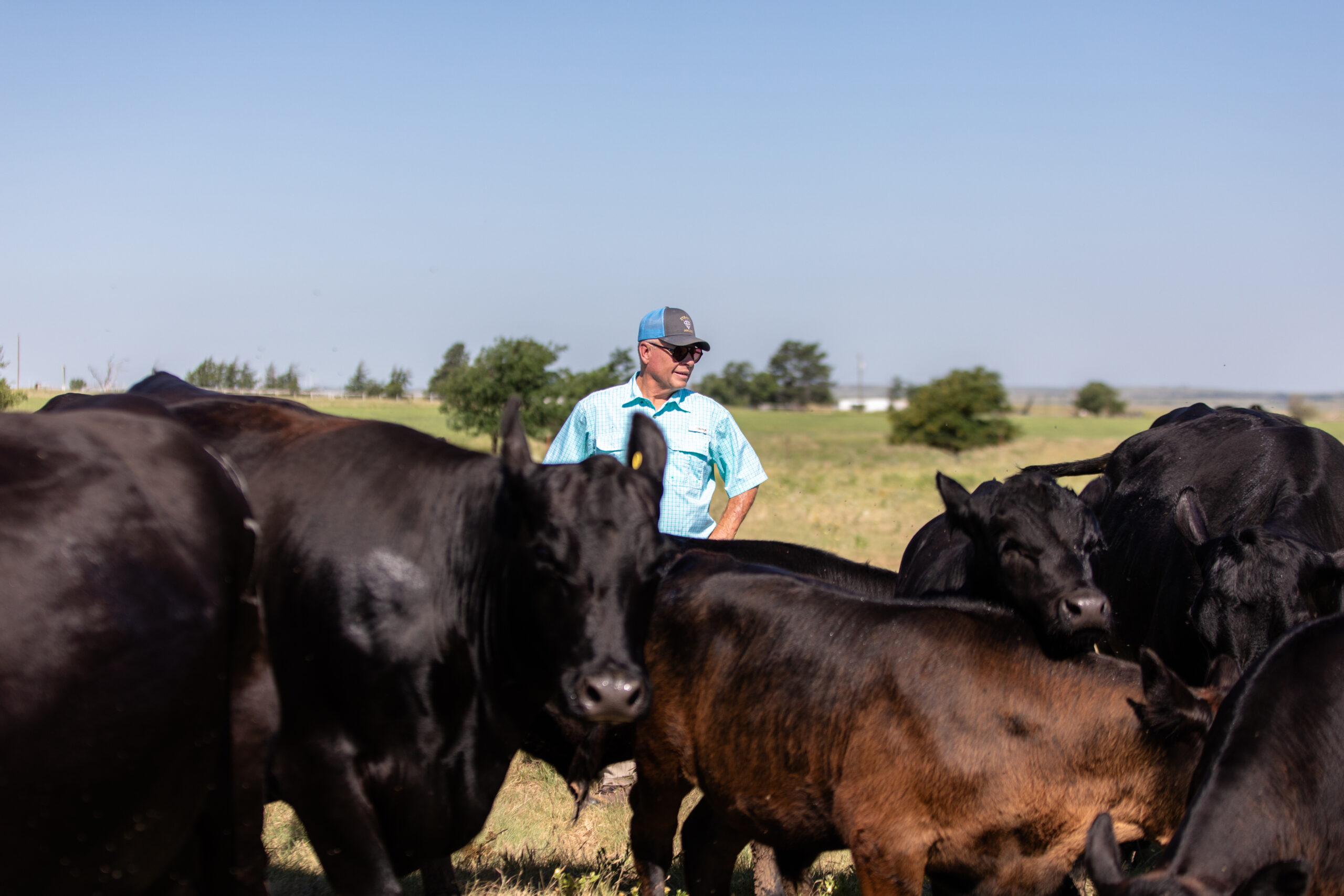
 “When I die, I want to come back as one of your cows,” murmurs a friend to Steve Zybach. Full to the brim from an alfalfa ration every day, bountiful fields of lovegrass stretched out across the Texas Panhandle—and owners who leave no ounce of cattle care up for question.  

The Zybachs’ motivation for this level of dedication to their Angus cattle is simply love.  

“It’s not always an easy lifestyle, but it’s one of the best there is because I love being with the cattle and working, and just the rural atmosphere,” says Steve’s wife and top hand, Joy. “There’s just nothing like it.” 

An equal driving force is the fulfilment of moving ahead and lifting others along the way.

“There’s always room for improvement,” Steve says. “And there’s always room to help people.”  

That dedication to wider progress earned recognition as the 2025 Certified Angus Beef (CAB) Progressive Partner at the brand’s annual conference in September.

A Shared Passion

Zybach Angus is exclusively run by power couple Steve and Joy. The two complement each other’s work. Joy takes feeding, daily rounds and administrative duties—practically a jack of all trades.

“I don’t really doctor calves,” she says, knowing when to call reinforcements. “If something needs to be doctored, that’s where Steve comes in.”

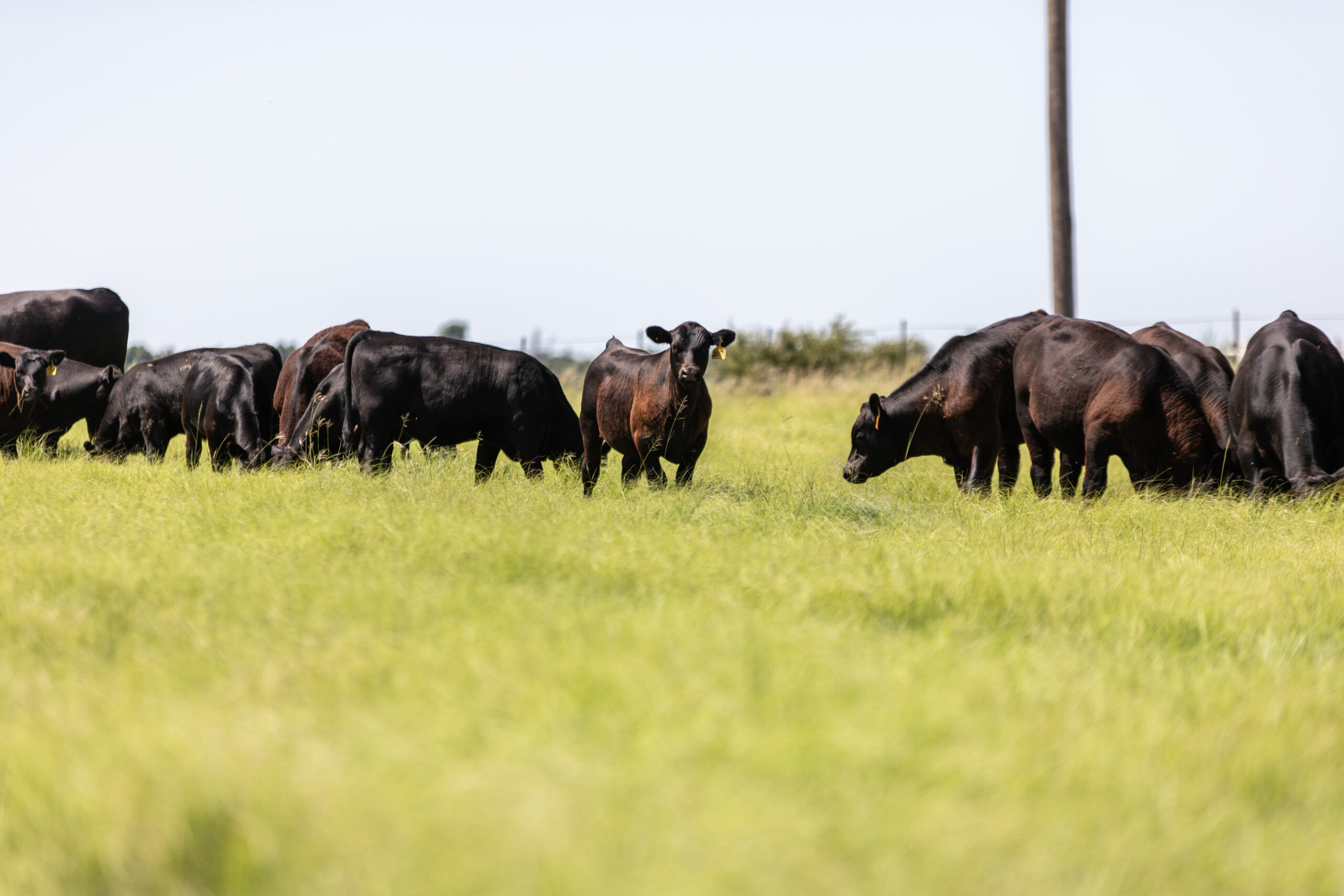
The resident cow man makes all the mating decisions and uses the Zoetis HD50K test to support his selections with genomically-enhanced EPDs. The science only confirms much of what he already knows by instinct. He can pick out his favorites in a sea of black hides.

“He’s been around cows all of his life,” Joy says. “His parents tell stories of them having to go out and find him, and Steve would be in the corral with the cows.”

The operation conducts one female sale and two bull sales annually, together with a few local ranchers. But the preparation is continuous.

“Every day is sale day,” Steve says. “They’ve got to look the part so if some guy calls tomorrow, our cows are good enough and nice enough looking, we can sell them.”
Creating Opportunity

Not only does Steve have a knack for cattle, but for helping others, too. When he saw an opportunity to serve the Texas Angus Association (TAA), he jumped in to play a role in moving the needle forward.

“The first year I was on [the board], I didn’t say much,” he recalls. “After that, I decided, if you’re going to be on this board, you better make a difference.”

So he dove in headfirst, identifying the need for more ways to make commercial cattlemen money. And he acted on it, implementing feeder calf sales in conjunction with special sales at various auction barns across the state.

“It’s just another way to expand the avenues of the commercial guy to make more money,” Steve says, though the effects are felt at both ends of the market. “It’s also for the breeders to be able to merchandise their bulls and help their customers come back and return the favor.”

The TAA encourages use of AngusLinkSM paired with other value-added programs to garner more profit. And so far, TAA Angus feeder calf sales beat all other sale opportunities.

“I’ll be the first one to say, ‘I don’t think we can beat this price in Oklahoma or Dalhart or wherever—’ and so far, I haven’t had to eat those words!”

Steve’s efforts aren’t about building a name for himself, but building something others can count on, especially those often overlooked.

All are welcome, he says, but the focus is on those with smaller herds because “they’re kind of the ones that get a little more neglected.” These sales allow those who can’t support their own production sale to market their Angus genetics for a premium.

“It’s just to help people,” Steve says. “The market’s crazy right now, but when that market drops—and it always does—we will have our operations in place and those guys will hopefully come to us and let us help them.”

Radale Tiner, Texas regional manager for the American Angus Association, highlights the excitement Steve helped drum up in the state.

“He’s sparked momentum that’s gotten commercial cattlemen genuinely excited about participating and marketing high-quality Angus genetics,” Tiner says. “The seedstock business works best when the commercial guy sees value in the bulls they’re buying, and Steve’s helped bring that full circle.”
Progress With a Purpose 

The Zybachs progression is fueled by a fear of complacency. 

“If you don’t continue to push the envelope, you do get a little stale,” Steve says. “We want to keep enthusiasm for Angus cattle going forward.” 

That’s what keeps Steve and Joy striving for more.  

“I help everyone if I can,” he says. And with that top of mind, the cattle business will keep progressing a little more every day.

This story was originally published in the October 2025 Angus Journal.

You May Also Like…

Beef Month Anticipation: Cattle and Beef Values

Beef Month Anticipation: Cattle and Beef Values

MARKET UPDATE Fed cattle prices moderated slightly in last week’s trade with a $2/cwt. decline to average $246/cwt., just off the record high observed two weeks ago. Last week’s 529K harvested total appears robust in a season when an erratic pattern of weekly head...
Heavy Cattle Challenges

Heavy Cattle Challenges

MARKET UPDATE The fed cattle market has been on an exceptionally bullish trend for the past two weeks. As if the wildly aggressive $10/cwt. price increase two weeks ago wasn’t enough, last week’s trade featured yet another $3/cwt. jump to the amazement of most market...
cows grazing in a pasture

An Ambassador for All

Maplecrest Farms recognized for promoting each segment of the beef industry.
by Morgan Boecker​

The beef business is built on partnerships, some sealed by pen, some with a handshake.

“We look for those we can belly up with and go through thick and thin,” says Joanie Grimes, owner of Maplecrest Farms, Hillsboro, Ohio. “That’s how we approach Certified Angus Beef (CAB) as a partner.”

It’s a mindset that makes Maplecrest Farms a strong ambassador, not just for the brand, but for the entire breed.

Joanie, with daughter Lindsey and her husband, Adam Hall, raise registered Angus cattle with two primary goals: producing high-quality seedstock that perform well in a wide variety of environments and ensuring end-user satisfaction. Those goals tie everything together, from promoting Angus to other producers to sharing their story with CAB partners and beef consumers.

Their deep understanding of the cattle industry and demand drivers, along with exemplary support for CAB’s mission earned the 2025 CAB Ambassador Award. They were recognized at the brand’s Annual Conference in September.

Joanie Grimes, Lindsey, Adam, Henley and Holden Hall

Caption: (from left) Joanie Grimes, Lindsey, Adam, Henley and Holden Hall  

Champions for the breed

Joanie’s late husband John had a teacher’s heart. The topic he loved most was Angus cattle.

Whether cattlemen he met had 10 head or thousands, he understood everyone’s part and shared those insights with his family.

“The one thing he was never willing to sacrifice was quality,” Lindsey says. “We weren’t ever going to cut corners. We have to take care of our customers, treat them with respect and always teach.”  

The Grimes’ hobby of raising show heifers went awry after one road trip across Kansas in 1998 changed their direction, Joanie says. What started as 40 cows has grown and expanded to an Angus seedstock business with more than 300 cows.

Since that road trip, they’ve also broadened their customer base.

“Folks in our region want their cows to look good, but we also understand and respect the bigger picture and our role as registered Angus breeders in the beef production chain,” Lindsey says. “It’s a delicate balance and you have to be very disciplined.”

They like their cows moderate-framed, easy-fleshing and sound-structured, Adam says. She should check the box for maternal and functional traits, but also carry strong carcass traits, for their commercial customers.

Approximately half of their Angus bulls are shipped to Kansas and developed for Gardiner Angus spring and fall sales. Their Ohio customers pay more attention to phenotype than genotype, so they hold back some Angus and Sim-Angus bulls to sell closer to home. They also host a female sale every September. 

Patient study of pedigrees, examining how cattle are built and then choosing careful mating combinations has paid off. 

“There’s some thought in the industry that you can’t have both,” Joanie says. “John was very successful in breeding cattle that not only produce Prime carcasses but also are very fine individuals that you are proud to look at in the front pasture.” 

Watching John teach cattlemen for years and his leadership on the American Angus Association board of directors turned the entire family into champions for the beef industry.

“There was nothing Dad loved more or was more passionate about than raising a high-quality steak for someone’s plate,” Lindsey says.

A growing connection

As Ohio natives, Joanie says watching CAB take off was like watching a hometown kid make it to the big leagues for John.

Hillsboro is only three hours from the CAB office and in closer proximity to many brand partners. The family is always willing to attend food shows to represent Angus producers and share how cattle are cared for on the farm. They also host CAB ranch days throughout the year.

Guests flood the yard, filing into an open-sided tent eager to learn what it takes to raise the Certified Angus Beef ® brand that fills shelves in Sysco distribution centers. They make it interactive, bringing cows to the pens by the yard.   

After hosting dozens of tours, Lindsey says the biggest surprise is when guests realize the science and technology ranchers use. They walk through the barn and see the semen tanks and where embryos are kept. They show them where cows are flushed and then bred using in vitro fertilization

“Those are things they can relate to because they understand from a human perspective,” Lindsey says. “It’s so fun to see their faces light up because they had no idea we use the same technology.”

Being ambassadors for CAB has shown them that everyone has a role in the beef supply chain. From the suburban mom buying and cooking meals for her family or the dad who’s grilling steaks for a holiday weekend, Lindsey says her family is passionate about raising premium beef for all kinds of families. But she’s also thinking a step ahead.

“Even though we’re at the beginning of the production chain, we’re always thinking about the restaurateur and foodservice distributors and how the decisions we make at breeding affect the eating experience they deliver to their customers,” Lindsey says.

And ultimately, the success of both their businesses.

Maplecrest Meats storefront
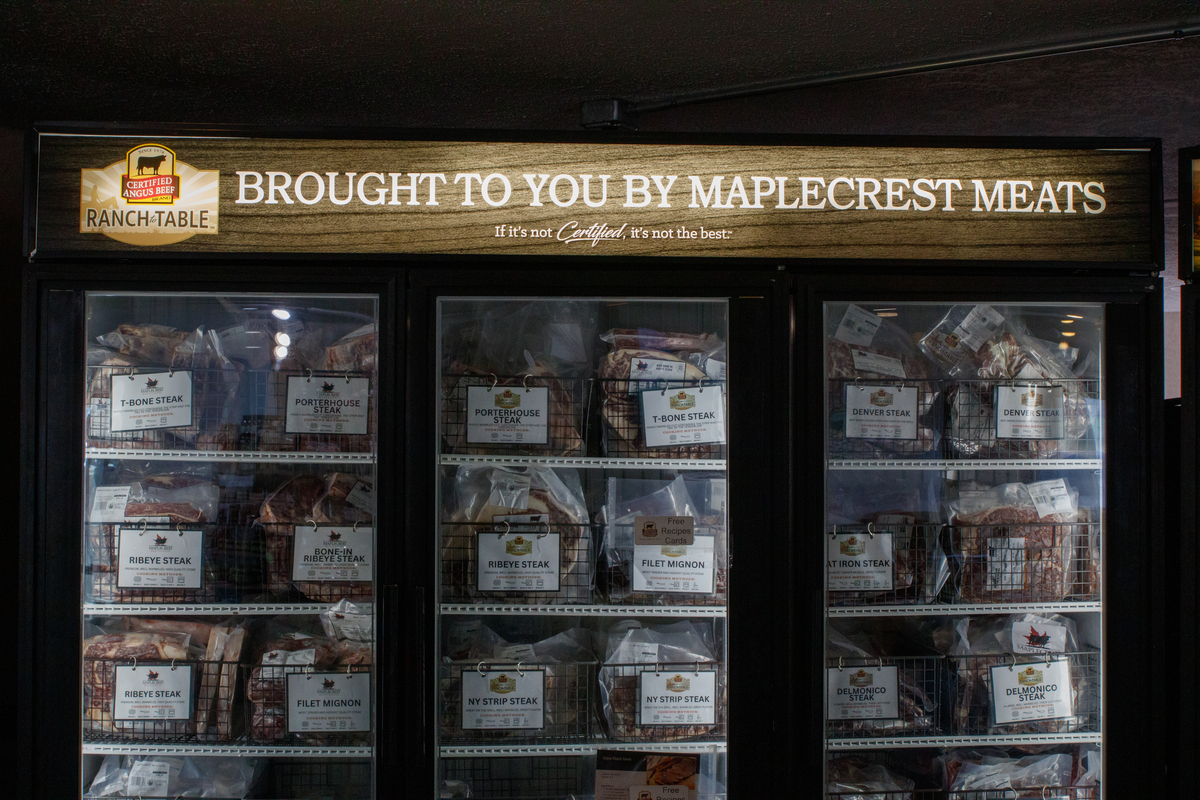
Maplecrest Meats freezer

From farm to fork

They’re early adopters of science and technology that help make genetic progress. But being far from feedyards made it hard to see the full effects of their work. They wanted to know just how their cattle were performing on the plate. In the spring of 2021, they went all-in on a direct-to-consumer meat business: Maplecrest Meats. 

The new store not only gave Lindsey a larger role with the family business, but it also gave them another way to work with their customers to source beef. They tap into a supply of calves, still using Maplecrest genetics, to source a wider variety of ages for the store year-round. This also gives their local bull customers another market for their feeder calves, Joanie says.

To be successful, they needed the right partner. That’s how they became one of the first CAB Ranch to Table™ licensees.

Maplecrest Meats also gives them a direct avenue to engage and talk with consumers.

“When we tell people our story at the store, one of the things we tell them is that everything that is in that freezer and every mama cow and every bull we own has had a 23andMe test,” Joanie says. “They kind of look at you [puzzled] and we tell them how we know genetically what makes them up.”

They test DNA for each animal and submit phenotype and performance data to the American Angus Association. For years, this improved their cattle; now it’s helping their store succeed and grow.

“We make all these decisions as far as pushing the envelope where ribeye and marbling are concerned, and it’s nice to be able to see the actual fruits of those labors,” Lindsey says. “And realizing, ‘Oh yeah, there’s definitely a method to the madness,’ and if you believe in the science and embrace the science, it does work.”

All that work done today will be enjoyed on someone’s dinner table years down the road. Realizing that, they’ll always be strong ambassadors for every step of the beef supply chain.

This story was originally published in the October 2025 Angus Journal.

You May Also Like…

Legacy in the Golden Land

Legacy in the Golden Land

On a quiet stretch of Northern California rangeland, a different story unfolds. The Borror family’s legacy modestly speaks through the cattle they raise, the ground they steward. The generations who’ve made a life here demonstrate commitment to doing things right, even when no one is watching.

Helping Hands, Helping Herds

Helping Hands, Helping Herds

“When I die, I want to come back as one of your cows,” murmurs a friend to Steve Zybach. Full to the brim from an alfalfa ration every day, bountiful fields of lovegrass stretched out across the Texas Panhandle—and owners who leave no ounce of cattle care up for question. The Zybachs’ motivation for this level of dedication to their Angus cattle is simply love.

An Ambassador for All

An Ambassador for All

Joanie, with daughter Lindsey and her husband, Adam Hall, raise registered Angus cattle with two primary goals: producing high-quality seedstock that perform well in a wide variety of environments and ensuring end-user satisfaction. Those goals tie everything together, from promoting Angus to other producers to sharing their story with CAB partners and beef consumers.

cowsboys trailing cows in south Texas

An Unforgiving Land

Means Ranch earns 2025 Certified Angus Beef Sustainability Award.

by Lindsay Graber Runft

The horizon swallows the sky in every direction—miles of sparse grama grass and greasewood swaying under a pitiless sun, jackrabbits darting between cactus spines. Just over the foothills of the Davis Mountains, cowboys are horseback, driving a herd of Angus cow-calf pairs toward catch pens.

If you close your eyes, you can almost hear the first few notes of The Theme from Lonesome Dove.

It’s the picture of ranching, romanticized. Until you live it. On the Means Ranch, beauty is a thin veil over a land that is barren and desolate. Unforgiving.

Jackie and Jon Means

Every Inch
Forty-six years ago, Jon and Jackie Means were married and a new partnership was forged. Jackie, an El Paso girl, moved three hours east to the Moon Ranch, one of a few divisions of the larger company. Surveying the land, she remarked at how desert-like the terrain was.

“Don’t call it that,” Jon had bantered. “It’s not a desert. We have grass.”

Together, the Moon and Chispa ranches span 90,000 acres—one big chunk of the Means Ranch Company, a decades-old enterprise the couple owns. The original Y-6 ranch, established by forebears in the 1880s, was split once but all land remains in family hands.

“This land here is diverse,” longtime Means Ranch cowboy Clay Miller says. “And unforgiving.”

Gravel ranch roads wind through the wide-open space, bending around the Davis Mountains and leading to catch pens or camps housing ranch employees. To the naked eye, it all looks the same.

Jon, a self-proclaimed “map freak,” has framed plat maps lining the walls of his office. But he doesn’t need them to describe the landscape or find his way. He knows the pastures like the back of his hand. He knows where and why the fence lines were drawn—shifted so a water tank could be shared with the neighboring Y-6—or a property line bumped over to enable cows to access land on the other side of a mountain.

Ranching that revolves around the landscape.

Typically, the Means cow inventory is 1,200 head, but extreme and lengthy drought has thinned those numbers. They have managed to maintain most of a herd, a feat for the conditions. Jackie says, with their landscape and climate, running the ranch takes constant management and the diligence of “operating on the margins.”

And probably some faith too—that they’ll get a good rain at the right time. While resilient in the face of drought, their 40 types of native grass still need some moisture to grow. Summer rains are the key. 

Thirty to 40 years ago, the ranch would have an average annual rainfall of 10 inches. But Jackie cannot remember a year in the last 25 when they got that much. Multi-year stretches of drought have plagued the land, challenging natural resources like water and forages.

Rotational grazing and water conservation are necessities.

“We use every inch of this ranch as best we can,” Jackie says.

Jon says they’ve been deliberate with pasture use, careful to not overgraze and allowing time for the land to heal from extreme drought. A standard stocking rate is approximately 60 acres to one cow, but when necessary, they will supplement with range cake.

The Meanses don’t rely on groundwater for the cattle, and they’ve learned how to disperse what they have to water the herd. When Jon’s grandfather was growing up, the ranch (Y-6 and Moon Ranch, combined) only had six water wells. Today, the Moon Ranch has more than 150 miles of pipeline running water to troughs for cattle.

Over the years, windmills have been replaced with solar panels on all 22 wells. They have added covers to the water storage tanks, a conservation effort to prevent evaporation. And in their own front yard, there’s no watering the grass—it’s artificial turf.

Their conservation efforts have expanded to include birds and wildlife, too.

By participating in various conservation programs, the Meanses have improved sustainability on the land. Nature didn’t establish any, but the couple planted multi-purpose trees that offer shade for cattle and a habitat for birds. And to keep the wildlife around, they feed the quail and deer.

Jackie says they want to make sure the land works for native wildlife, as well as for the cattle.

“How else would we use it?” Jon asks. “I think they go hand in hand; the land needs the cattle and the cattle have to have the land to survive.”

Quality, No Excuses

In the early 1960s, Jon’s father switched from the Hereford breed to Angus, one of the first ranchers to do so in their area. They have now been in the Angus business for 50 years, striving to breed hardy cattle that can handle the tough terrain. Their cattle must have good structure with sound feet and legs so they can travel long distances over the hills.

Through the years, Jon and Jackie have traveled the United States to find new genetics and expand their bull battery. In addition to phenotypic evaluation, Jon utilizes EPDs in his breeding decisions, looking closely at birthweight, fertility and carcass traits.

“We buy bulls that will work for us here first,” Jon says. “We’ve got to have a live calf and get that live calf to the feedyard.”

From sire to dam, fertility is critical. Jon diligently culls cows that do not breed back and he pays close attention to the development of replacement females.

The Angus cow is dual-purpose, he says, placing value on mothering ability and terminal traits. To stay on the Means Ranch, cows must be thrifty, have nice udders and raise a calf that performs in the feedyard and on the rail.

After processing and weaning, they split steers and heifers. The steers are shipped to wheat pasture and the heifers are retained for replacements. At approximately 800 pounds, the steers are put on feed at Triangle H feedyard near Garden City, Kan. Typically, they retain ownership but will occasionally partner with the yard.

It’s the three Ps: predictability, performance and profitability.

“All of our cattle go through that program and they do amazingly well,” Jon says. “We know what they’re going to do at the feedyard, and we know what they’re going to do hanging on the rail.”

They’re predictable. And they show performance on feed. It all ladders up to profitability. In recent years, Means Ranch Company cattle have had a 53% CAB acceptance rate and 48% graded Prime.

“It always surprises us that our cattle can be as healthy, and big as they are, in a land that’s as arid as this,” Jackie says.

It’s a humble statement. Jon and Jackie do what it takes to raise high-quality cattle in a challenging environment—no excuses.

The Definition of Sustainable

What makes a ranch sustainable? To Jon, it’s simple: the same family, ranching on the same land, for the last 140 years. The Means family never could have done that without sustainability. Responsible usage of water, caring for the land and its wildlife, and destocking their herd while the land recovers from drought.

Then building back with quality Angus genetics, geared toward grid premiums.

With Jon and Jackie at the helm, Means Ranch Company has more than survived—it has thrived. For that, they earned the 2025 Certified Angus Beef Sustainability Award.

This story was originally published in the October 2025 Angus Journal.

You May Also Like…

Legacy in the Golden Land

Legacy in the Golden Land

On a quiet stretch of Northern California rangeland, a different story unfolds. The Borror family’s legacy modestly speaks through the cattle they raise, the ground they steward. The generations who’ve made a life here demonstrate commitment to doing things right, even when no one is watching.

Helping Hands, Helping Herds

Helping Hands, Helping Herds

“When I die, I want to come back as one of your cows,” murmurs a friend to Steve Zybach. Full to the brim from an alfalfa ration every day, bountiful fields of lovegrass stretched out across the Texas Panhandle—and owners who leave no ounce of cattle care up for question. The Zybachs’ motivation for this level of dedication to their Angus cattle is simply love.

An Ambassador for All

An Ambassador for All

Joanie, with daughter Lindsey and her husband, Adam Hall, raise registered Angus cattle with two primary goals: producing high-quality seedstock that perform well in a wide variety of environments and ensuring end-user satisfaction. Those goals tie everything together, from promoting Angus to other producers to sharing their story with CAB partners and beef consumers.