Givers and Takers
Early on in my Extension career, we hosted a minimum tillage meeting in western Kansas, along with the (what we used to call) SCS; or Soil Conservation Service. It was about 1984; and while minimum tillage in farming operations was not an entirely new concept, it hadn’t really gathered much steam and a lot of folks were still trying to learn more about it. It was plowing new ground (bad pun intended).
So, we invited the chemical companies to come in and talk about their herbicides and the role they play in these systems. The companies all had booths with literature, plus caps, ink pens, and other give-away items. In comes this one farming couple, presumably to listen to the speakers. They made the rounds through the booth area, picking up every free item in existence. We introduced the first speaker; I sat down and began listening. This couple who had been gathering freebies into their plastic bag came by and asked, “Is this all the stuff you are giving away?” I nodded, not wanting to be talking while our guest was lecturing. They said, “OK!” and walked out. They had no interest in listening to the program at all!
These folks are, what I term, the “takers.” However, they don’t always just come to trade shows and fill their bags with free goodies. They show up at the pre-fair cleanup; after it’s all been cleaned up, pens put into place, extension cords run, buildings swept out, and bathrooms cleaned. When the fair is over, they take their exhibits and head home.
On the flip side, there are people who wouldn’t take anything: these are the “givers.” They’re volunteering, spending personal time and resources to advance the cause; value a job well done, and spend most of their time giving of their time and talents to worthy endeavors. They help clean the fairgrounds before and after and stay until the last minute. They put others before themselves and bring a whole new meaning to the word service.
Of course, there are lots of people that are “in-betweeners”. And, different situations warrant different responses. However when it’s all boiled down, you’ll find out when things are tough, it’s the “givers” who shine and the “takers” who tarnish.
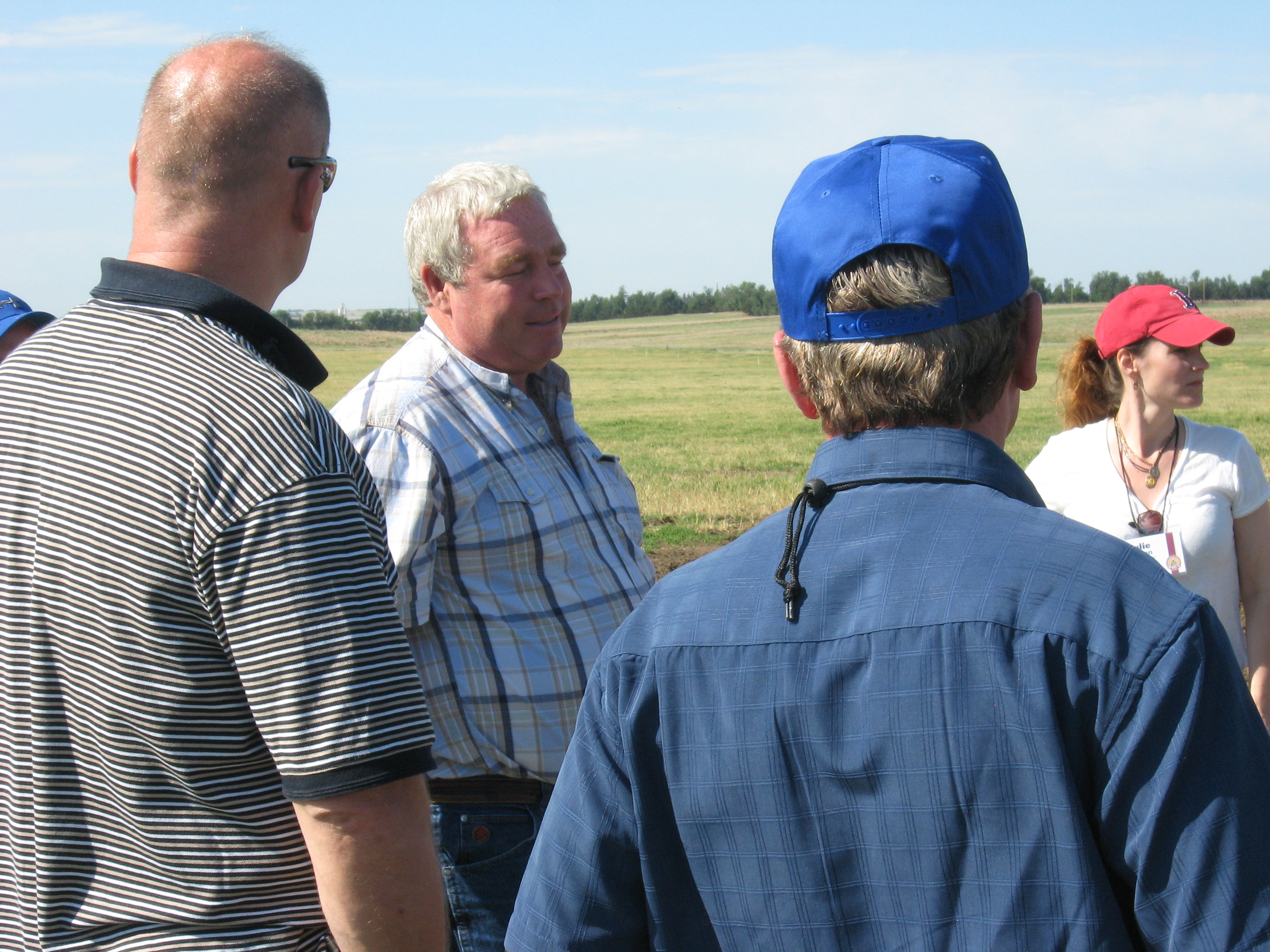
Fortunately, at Certified Angus Beef, we are surrounded by “givers.” We host many farm, ranch, and feedlot visits so our business partners can learn more about how the cattle are produced. I spend a fair bit of time “on the road” helping with these events. Most recently, we hosted a group for our own MBA program (Master of Brand Advantages).
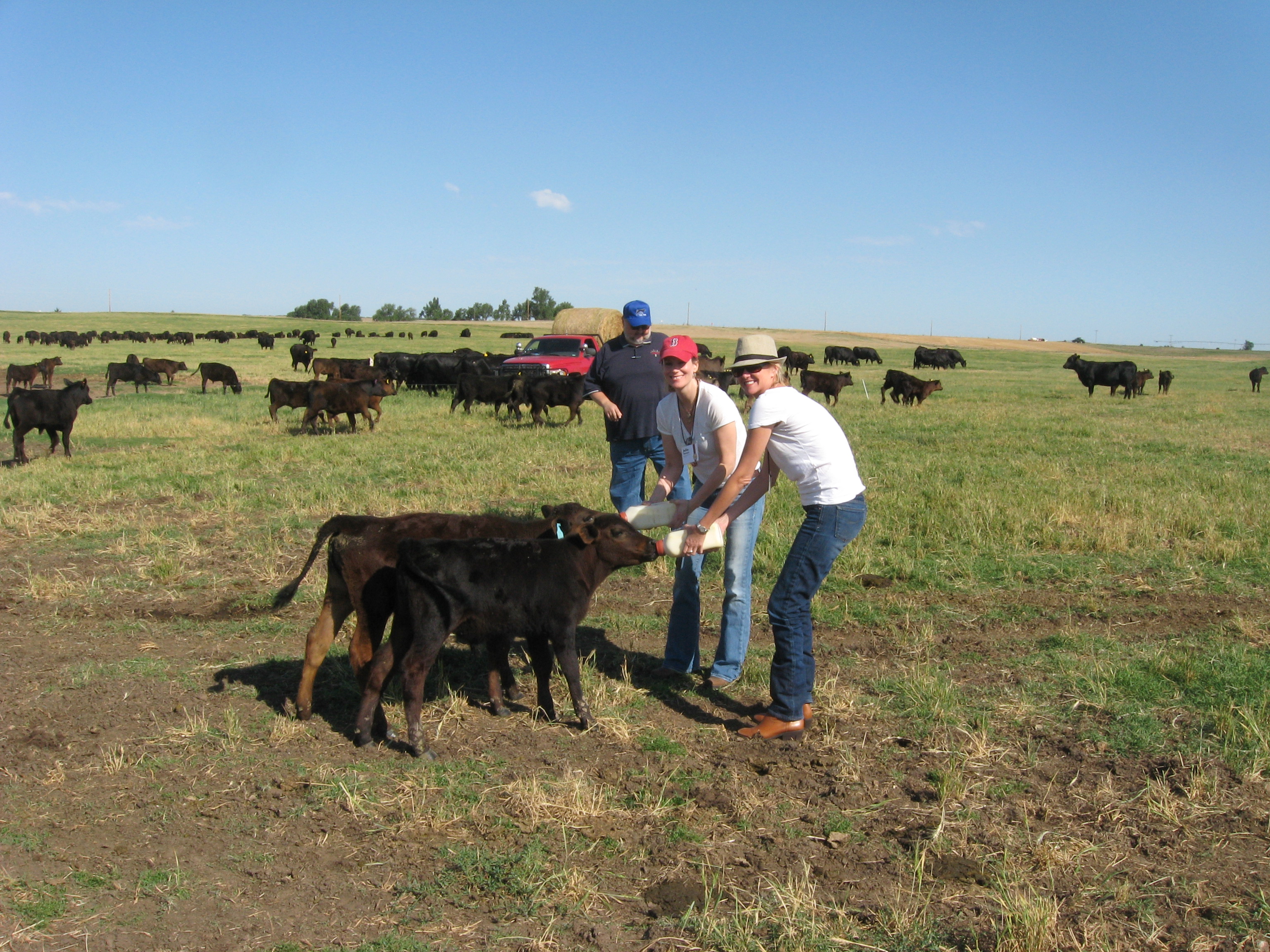
We also have feedlots who go above and beyond by sharing data, news, and their facilities to help conduct field trials, host international groups, and are willing to share information. It’s really something to see when all parties involved are willing to give a little (a lesson our government could learn right now).
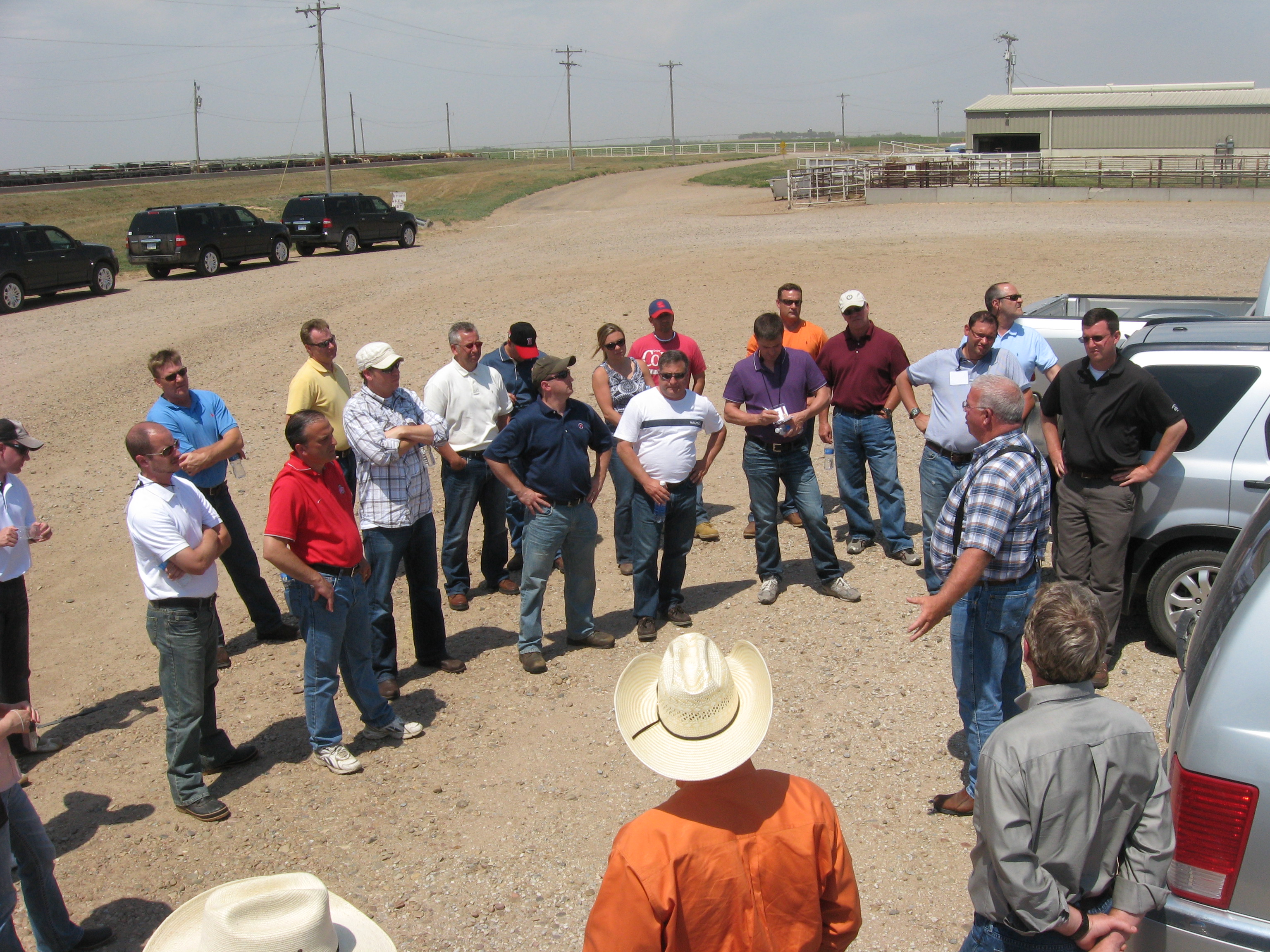
The purpose of this post is nothing more than to thank our “givers” for their time and talents in helping us educate those who will continue to carry the torch for the CAB brand. Thanks to you all!
Until next time,
Gary
You may also like
From Decline to Dominance
Initiated from a simple yet visionary idea, and pursued through the grit and tenacity of Angus breeders seeking a better future for the breed and Association members, it’s no accident that Certified Angus Beef is where it is today.
Smitty’s Service on CAB Board
Lamb continues to find himself struck by just how far-reaching the Angus breed has become. The brand’s growing demand and rising prime carcasses left a strong impression. He hopes everyone recognizes the vital connection built between consumers and Angus producers. Humbled by the opportunity to serve, Lamb reflects on his time as chairman with gratitude.
Success, Despite Challenges
Today’s market is complex and competitive. The collective effort of stakeholders across the supply chain positions Certified Angus Beef to meet the record demand for premium beef moving forward. Signals across the beef industry are clear and Angus farmers and ranchers seeking high-quality genetics that deliver premium beef are producing a product in high demand.