Colvin Scholarship Applications Now Open
Certified Angus Beef supports college students through three categories of scholarships closing April 30.
by Kylee Kohls
March 31, 2022
Certified Angus Beef (CAB) will award more than $50,000 in scholarships this year to students who are honing their interests through a variety of education options in the pursuit of a career in agriculture.
Helping make these student’s dreams become a reality, CAB created the Colvin Scholarship Fund to honor Louis M. “Mick” Colvin, CAB co-founder and executive director for its first 22 years. This fund was established to carry his vision of creating a stronger beef business.
The Colvin Scholarship Fund supports the next generation of agricultural leaders who are dedicated to preserving farm and ranch traditions, researching and developing improved beef quality practices, and devoting their careers, studies and activities to making the beef industry even better.
Over the last 23 years, 101 students have received $348,500 in Colvin Scholarships. In 2021, the brand awarded $59,000 to 15 graduate and undergraduate scholars. With increasing support from brand partners, this amount continues to grow.
“We recognize there are different avenues for the next generation to prepare for their future beyond a four-year institution,” John Stika, CAB president says. “Thanks to the generosity of our licensees, we have the opportunity to continue to provide scholarships and expand the reach of those resources.”
This year, the Colvin Scholarship Fund includes a new category: the Colvin Production Agriculture Scholarship. This is for students enrolled in a variety of educational programs such as trade school, junior college, university or formal certification program with the intention of being involved in Angus production at a ranch, farm or feedyard.
“This new category gives a nod to the students who share the same grassroots passion that Mick had as a herdsman and farm manager before he changed beef quality,” Stika says. “Beyond scholastic qualification, the production agriculture scholarship is created to support a broader cross-section of the next generation with plans to go back to production agriculture.”
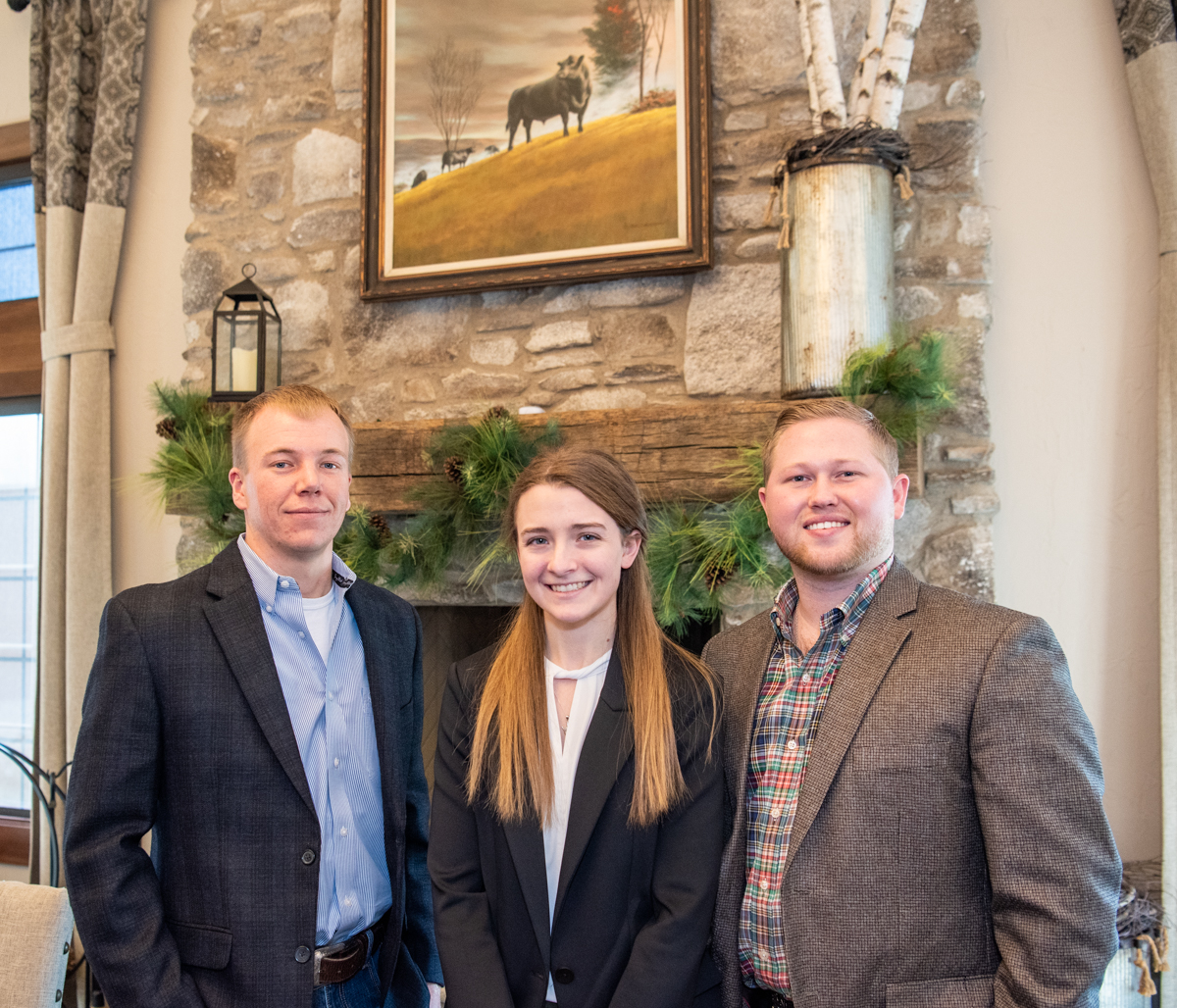
Applications for all scholarships are open until April 30, 2022, for students pursuing a degree in meat science, animal science, economics, marketing, business, communications, or other beef-related fields or trades. To apply, visit the brand’s careers webpage and click on one of the three 2022 Colvin Scholarship links under “Scholarship and Seminar Opportunities.”
The production agriculture, undergraduate and graduate scholarship applications each have unique requirements including, but not limited to, essay questions, resumes and letters of recommendation. The Colvin Scholarship Fund Committee selects applicants based on activities, scholastic achievement, communication skills and reference materials. Scholarship recipients will be notified in July.
First-place winners in each division will receive $7,500 and an all-expense-paid trip to the 2022 CAB Annual Conference in Phoenix, Ariz., Sept. 28 to 30, where they can connect with the brand’s partners in production, packing, retail and foodservice.
You may also like
$100,000 to Future Beef Leaders
Interest in quality beef production continues to grow. This year, the Colvin Scholarship Fund awarded $100,000 to 24 students across the country, helping them continue their education and prepare for careers that will contribute to the strength and advancement of the beef industry.
From Data to Dollars
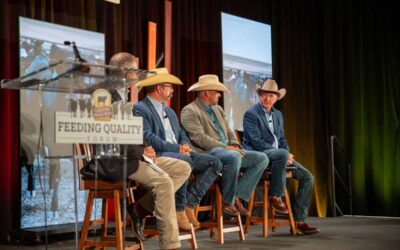
The journey to produce high-quality beef presents market volatility and management challenges. But today, there are data, technology, tools and partners to identify the best value and how to attain it. At the 2026 Feeding Quality Forum, each speaker added to the same message on Aug. 4 and 5 in Amarillo, TX.
Curiosity Changed the Beef Industry
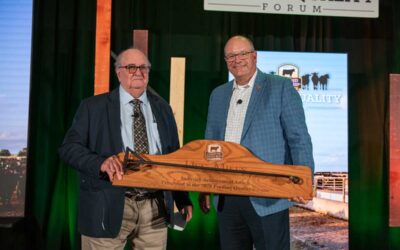
Dr. Del Miles built a career on asking better questions to inform smarter decisions. Throughout his career, he challenged assumptions, advanced science-based management and helped cattle feeders prevent problems before they started. His influence reaches beyond feedyards, shaping the way veterinarians, researchers and cattlemen think about herd health.