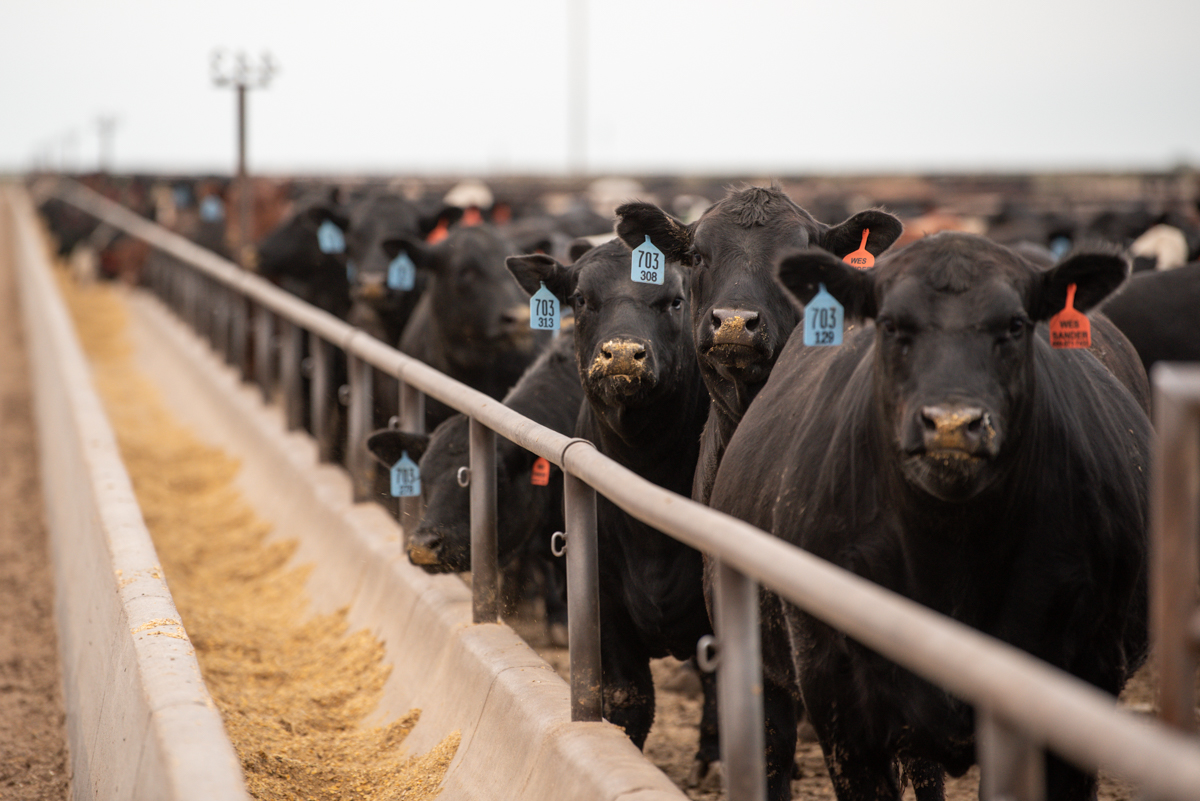
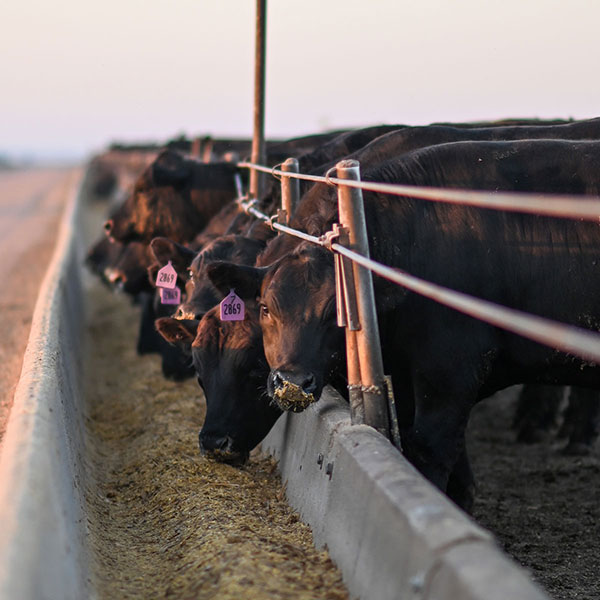
The couple has been ranching in the Nebraska panhandle for decades, but it wasn’t until they started feeding cattle that they placed an emphasis on performance and carcass traits in tandem.
Better the devil cows I knew than the devil cows I did not know. Notice that as we think about culling, it’s all about keeping highest quality in what remains. Until next time… Steve Suther says let’s aim for profit, target the brand and build tomorrow together.
Finished beef animals tend to have fuller, more rounded muscling, that results in the appearance consumers and chefs consider more desirable when they cut into steaks.
Yes, that rosy picture gets a little dose of reality when one ponders things like loading cattle onto boats and market access. Just serves as a good reminder that ranching is never easy, even if it looks like paradise to an outsider.
I know that supply chain isn’t news to you, but it’s fascinating to me to grasp what a small (yet hugely significant) part of the entire beef production process the actual cattle-focused segment plays.
When winter weather restricts grazing, you have to step up your attention to detail just a bit. Get ahead of the weather and prepare to feed hay and break ice until the sun returns.
My key contribution may be writing and editing to make a direct connection with the day-to-day concerns of commercial cattlemen. I know that we all take risks to stay in this business because, at least in most cases, we love it.
I decided that unknown cows were the enemy of progress, hence that first title, “Know Thy Cows.” Most of mine were crossbreds in the late 1990s and about half were black, but ID was tenuous at best.
So come along — in this blog, you’ll get to ride shotgun with us as we travel cattle country and share the stories that make up the Certified Angus Beef brand”s BlackInk team.
Manage Consent
To provide the best experiences, we use technologies like cookies to store and/or access device information. Consenting to these technologies will allow us to process data such as browsing behavior or unique IDs on this site. Not consenting or withdrawing consent, may adversely affect certain features and functions.
Functional
Always active
The technical storage or access is strictly necessary for the legitimate purpose of enabling the use of a specific service explicitly requested by the subscriber or user, or for the sole purpose of carrying out the transmission of a communication over an electronic communications network.
Preferences
The technical storage or access is necessary for the legitimate purpose of storing preferences that are not requested by the subscriber or user.
Statistics
The technical storage or access that is used exclusively for statistical purposes.The technical storage or access that is used exclusively for anonymous statistical purposes. Without a subpoena, voluntary compliance on the part of your Internet Service Provider, or additional records from a third party, information stored or retrieved for this purpose alone cannot usually be used to identify you.
Marketing
The technical storage or access is required to create user profiles to send advertising, or to track the user on a website or across several websites for similar marketing purposes.