Inheriting good things
September 26, 2011
People are always pointing out whose personality a child inherited, which parent he or she takes after.
I’m a night owl like my dad, but almost every other personality trait is often credited to my mother’s linage. When I was younger the older generations would reference my “Buchan (mom’s maiden name) temper” and any time I channel my inner Betty Crocker or Martha Stewart my maternal grandma’s family gets the credit.
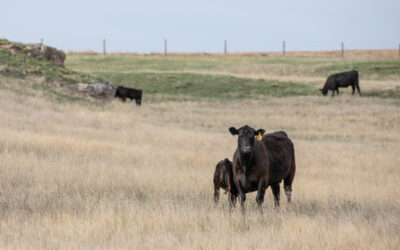
I hear people talking about the same relationships in their family all the time, so why is it so hard for some folks to believe that cattle disposition follows similar patterns?
Myth—Some cattle are just wild. There’s not much a rancher can do to change that.
Fact—You might get one bad one in a bunch, but, overall, crazy cattle can be addressed through both genetics and management. (Are you seeing a pattern in these posts? Seems almost everything—even prices—gets rosier when focusing on both in tandem.)
As for genetics, the American Angus Association reports a docility EPD, so that you can use that as one of the traits you select for in your breeding program.
Relating to management, Laura shared all the ways that renowned animal-handling expert Tom Noffsinger suggests you “teach” your cattle to handle better. Catch back up on these posts:
- Start early to make calving season a breeze, part I
- Make calving season (and beyond) a breeze,Part II
I have been stomped on, head-butted and kicked enough times to know I don’t like it. Who does? It makes sense that on that premise alone you might want to eliminate the problem cow families or sires that produce “wild ones.” But did you know there’s also a financial advantage (even beyond all those fences you don’t have to fix)?
Darrell Busby heads up the Iowa Tri-County Steer Carcass Futurity where they’ve studied the effect of disposition for years. Check out why he’s completely sold on calm cattle:
http://www.youtube.com/watch?v=rJsJHxLzbrM?rel=0&w=560&h=315
You may also like
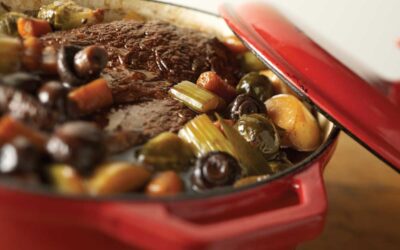
Seasonal Demand Shifts Carcass Values
January often presents the lowest beef demand, while February likely vies second. Also, we see a shift in consumer preference away from holiday middle meat roasts toward end cuts for “comfort food” meals.
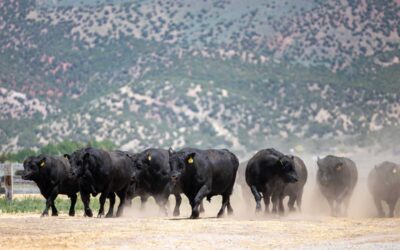
Working in Balance
Cattlemen have a responsibility to look critically at their own herd, determine the areas that warrant improvement, and select animals accordingly. Stockmen bring immense value by objectively evaluating phenotypes, regardless of what the numbers say, and setting individual breeding objectives.
Price Speaks Volumes
While the tightest fed cattle supplies in the cycle are projected this year, consumer demand has issued directional support that tight supplies do not necessitate narrowing of price differentiation for quality.