It’s not about size
June 27, 2011
I grew up near a small town. (There are about 300 folks in the unincorporated village of East Chain, MN.)
I went to a small country church. (I got to play Mary several years in a row for our Christmas program, since I was the only girl in the right age range.) And I went to a small, consolidated school district where I graduated with 22 people.
In some sense, I guess this philosophy that smaller is better was sort of ingrained in me from an early age and I think many of our rural readers could identify with that.
So sometimes it’s hard to keep it in perspective. Much of the time it’s not about size, but quality. Sometimes it’s about the experience. It’s about the people involved. It’s about opportunities.
All of those things have little to do with size or shape, and that’s why I feel compelled to set the record straight on this little rumor that floats around our industry:
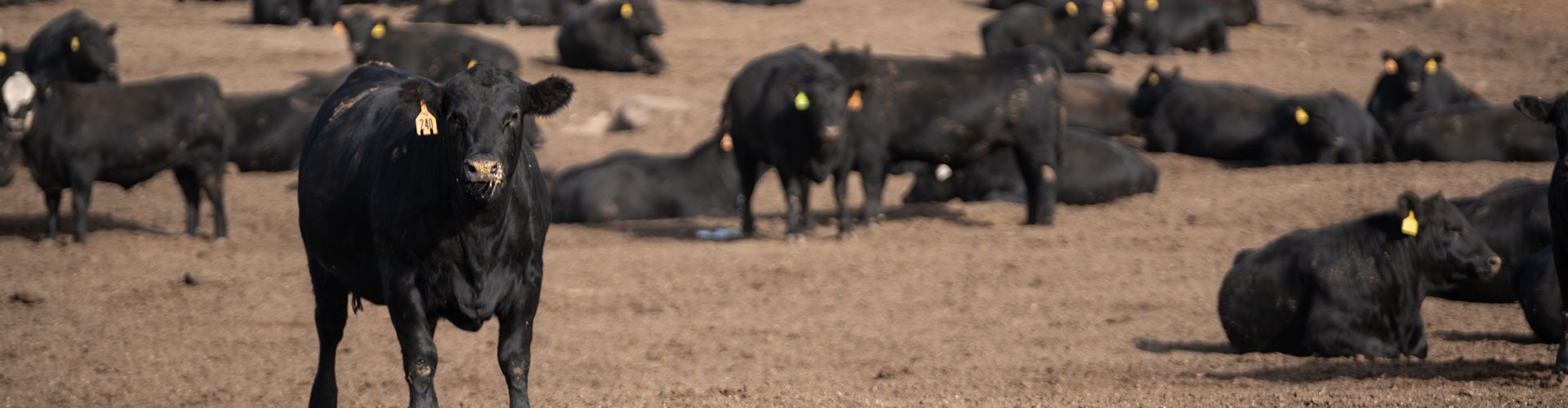
Myth—Large feedlots are just commodity focused. They are too big to care about quality.
Fact—I’ve visited small “farmer feedlots,” large company owned yards and everything in between, and I’ve found that the management and crew dictate the feeding philosophy much more than their capacity.
Our CAB-licensed feedlot partners vary a great deal in size, ranging from about 500 to 50,000-head capacities, but they all share a focus on procuring and managing quality cattle. That’s why they align with our company in the first place.
But there are many,of all different sizes,outside of that network who know that sustained profitability is tied to pleasing the consumer.
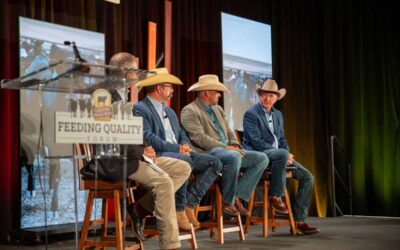
At our Feeding Quality Forum last fall, Tom Brink told the audience that Five Rivers Cattle Feeding, which annually markets up to 2 million finished cattle per year, believes that very thing.
“The topic of quality cattle is always relevant, because the commodity business simply doesn’t pay that well. We have worked for a lot of years in this industry to differentiate our product and have the opportunity to capture additional value,” he said.
And in this video, Tom Fanning, who manages Buffalo Feeders—a past CAB Large Feedlot Partner of the Year—says you can’t judge a feedyard on size.
May your bottom line be filled with black ink,
-Miranda
You may also like
The Power of Curiosity
Dr. Del Miles built a career on asking better questions to inform smarter decisions. Throughout his career, he challenged assumptions, advanced science-based management and helped cattle feeders prevent problems before they started. His influence reaches beyond feedyards, shaping the way veterinarians, researchers and cattlemen think about herd health.
$100,000 to Future Beef Leaders
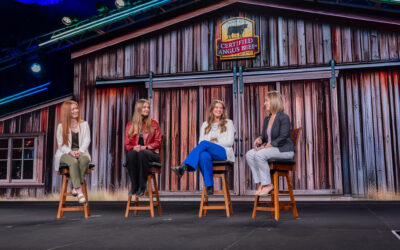
Interest in quality beef production continues to grow. This year, the Colvin Scholarship Fund awarded $100,000 to 24 students across the country, helping them continue their education and prepare for careers that will contribute to the strength and advancement of the beef industry.
From Data to Dollars
The journey to produce high-quality beef presents market volatility and management challenges. But today, there are data, technology, tools and partners to identify the best value and how to attain it. At the 2026 Feeding Quality Forum, each speaker added to the same message on Aug. 4 and 5 in Amarillo, TX.