This shoe fits
The German immigrant came west with a wife and young children to build shoes for the pupils at the school, but by night he was building up a homestead.
Last month I was riding shotgun with Jerry Kusser, talking cattle and all the progress they’ve made, as we went by that homestead and the old mission.

Jerry, along with a brother, two cousins and a nephew, raise Angus cattle and crops on the same land, and I couldn’t help but think of what a legacy that first-generation South Dakotan had given his family.
He could have just made shoes and come home at night to rest. Instead, he put in a full day’s work and then decided to work at something that he could pass on.
Today, Jerry and his family could just raise “good” cattle and stop there. After all, the generation before them set them up well.
“His dad was always on the cutting edge, not dragging his feet on anything,” says Jerry’s fiancé, Jody Landgrebe.
They’d switched to Angus and started collecting carcass data as early as the 1980s.

“We wanted to know if we were going in the right direction and which ones made the most money,” Jerry explains.
Complacency just isn’t in Jerry’s genes.
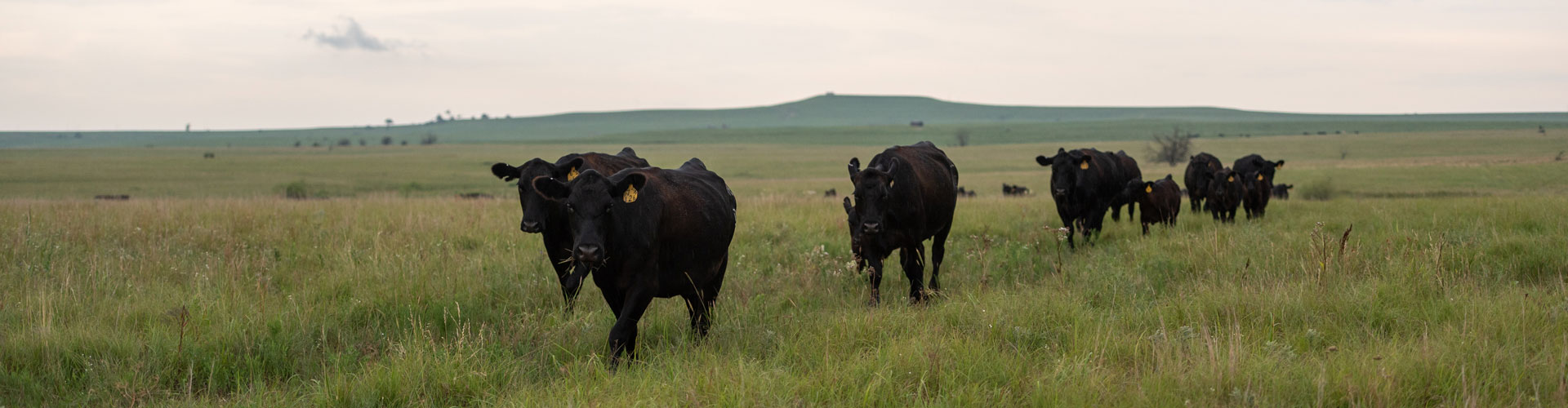
Today, they artificially inseminate (AI) nearly three-quarters of the females, because “there’s no faster way to improve your herd.”
Just under a decade ago, with bulls like New Design 1407 influencing his herd, the carcass data showed nearly 100% Choice.
Good cattle, but Jerry wasn’t going to stop there.
“We don’t chase big weaning weights. We don’t chase big yearling weights, because that just makes a big cow,” Kusser says, noting they were trying to reduce cow size. Yet, they still want all the marbling they can get, with a cow who will keep her job. “If you get too much milk, they’re going to work themselves out of a cycle.”

Instead, the cattleman has seen winter feed intake decrease (and he knows because he weighs it all), while also improving quality grade….a lot.
In fact, it was mention of his steers going 68% Prime that sent me up to the Highmore, S.D. ranch. Turns out that was on 458 head, that also had 925-lb. hot carcass weights.
Lee Leachman, of Fort Collins, Colo., has carcass tested bulls in Jerry’s herd for a number of years (and also happens to know a good CAB story when he sees one). He says results like Jerry’s are repeatable.
“It comes back to really studying where your EPDs are and then consciously choosing goals that are going to significantly improve it,” he says.
Now that’s something that the Kusser family can get behind. Their drive goes back a long way….to 1884 you might say.
May your bottom line be filled with black ink,
Miranda
PS–Watch for Jerry’s story, the third in my 3-part series on Prime, in the July Angus Journal.
You may also like
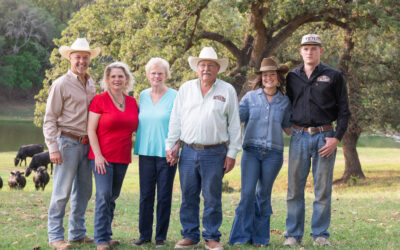
Texas Ranch Received CAB Ambassador Award
Visitors to 2 Bar C Ranch near Luling, Texas, often describe the quiet first. That peace reflects low-stress cattle care, seedstock bred for the whole beef chain and a family that opens its gates, earning the 2026 CAB Ambassador Award.
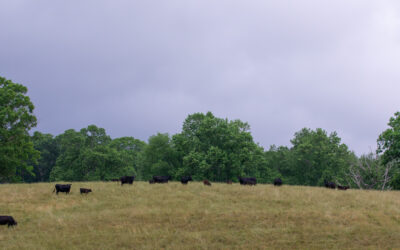
Built For the Long Haul
Thirty-one inches of rain in 48 hours tested Biltmore Estate’s 130-year commitment to remain a profitable, working agricultural estate. Through Hurricane Helene recovery and high-quality Angus genetics, Biltmore stewards its land, livestock and community, earning the 2026 CAB Sustainability Award.
Jett Stream to Prime
In the Oklahoma Panhandle, four generations built a herd defined not by the odds against it, but by standards never lowered. That commitment drove decades of genetic and management improvements, taking Jett Ranch from struggling to reach Prime to more than 70% Prime today, and earned the ranch the 2026 CAB Commercial Commitment to Excellence award.