Future riding on the semi to feedlot
By Steve Suther
November 22.2011
Hey seekers (my jargon for all of us looking to optimize quality and maximize profit) —
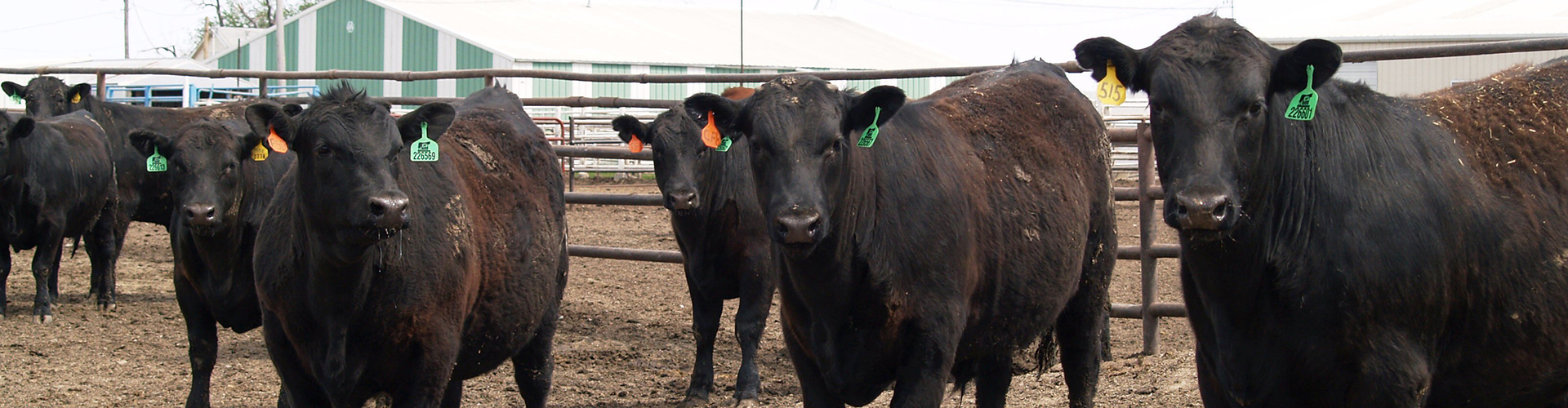
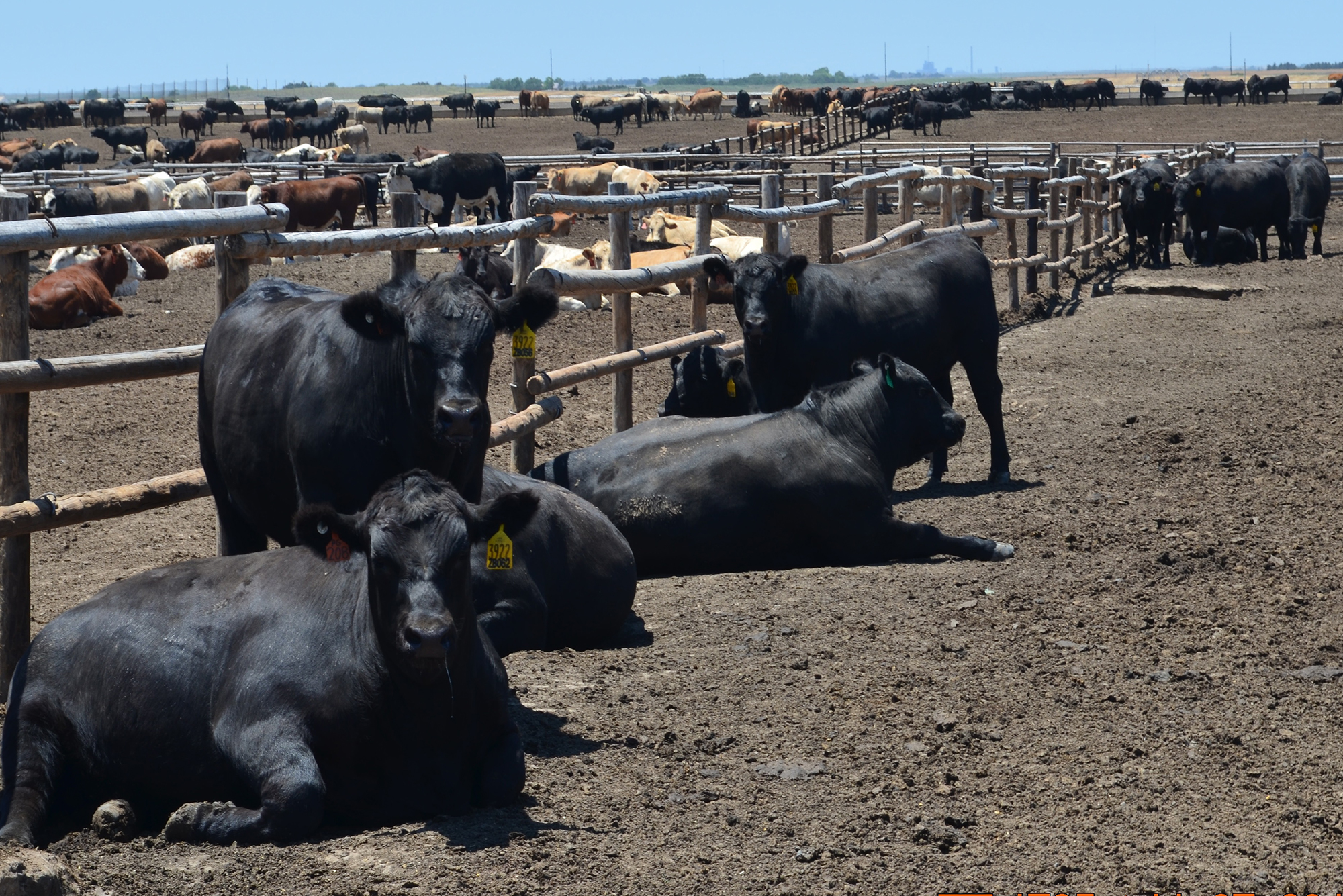
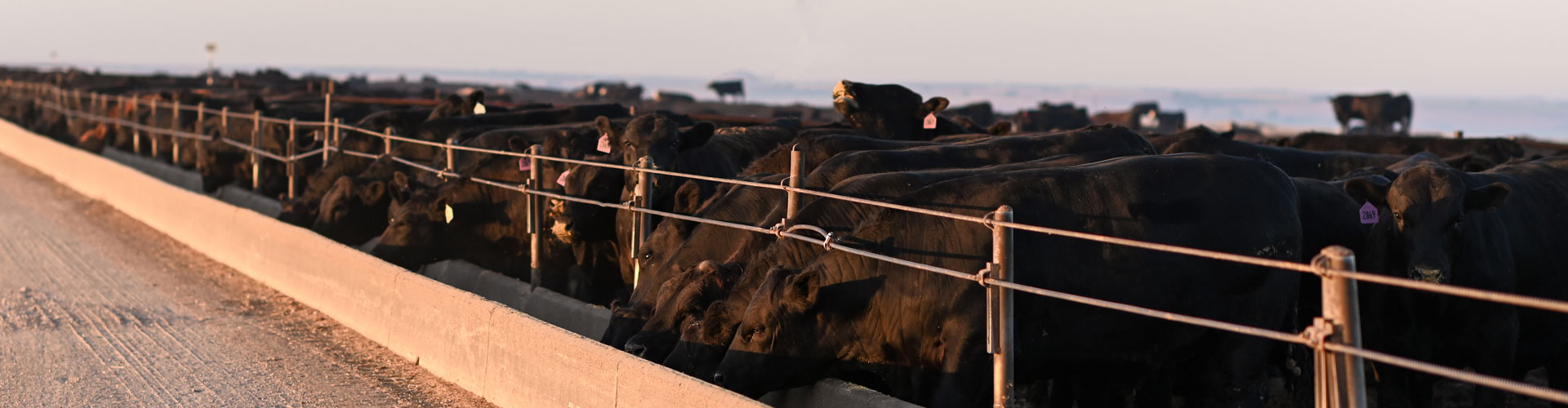
This is just a report, really, with thoughts at the “digression” before the end. We loaded a semi Nov. 11, and I thought the 5 light steers sold in September at 450 pounds probably would have been all right to join the load that went to our custom feeding partners. Some of the steers gained more than 160 lb. in seven weeks of preconditioning on silage with grain topping, and the 46 steers we retained half interest in weighed 717 lb. on arrival in at the Iowa yard. The 77-head load averaged 715 lb., and other family members retained a little interest in their steers as well.
Since then, the markets have been anything but calm. Is the world coming to financial Armageddon or is this a corn-buying opportunity? Consensus less than 90 days ago was that any chance to buy corn under $6.50 wouldn’t last long. UNLESS… or as Sonic the Hedgehog often wonders, What could POSSIBLY go wrong?
Extreme volatility is part of the market this fall. I have tried to use “The Boards” with mixed results, but my main strategy to limit risk is using planned genetics with a planned health and weaning protocol. The steers need about $1.27 on April Live Cattle to break even on $6.60 corn, but that’s before this dip in corn and before premiums that history says I can expect, if I knock on wood often enough. And WOW, look at the differential spread—if CAB is still $30 higher than Select next April, we should do all right.
I could digress here and consider asking my feeding partner to throw every high-tech growth enhancement at these cattle. I mean we know they COULD go 70% CAB. It was recently suggested to me that such cattle are the perfect match for the kind of technology that has been proven to reduce quality grade (and tenderness) in the process of delivering more pounds (beta-2 agonist). Enough more that it supposedly always shows a profit (even though some packers won’t buy cattle that have been fed it). With all my years of trying to produce better cattle, I am not sorely tempted to try for a few more bucks in the near term that hinder consumer demand in the long run. What do YOU think?
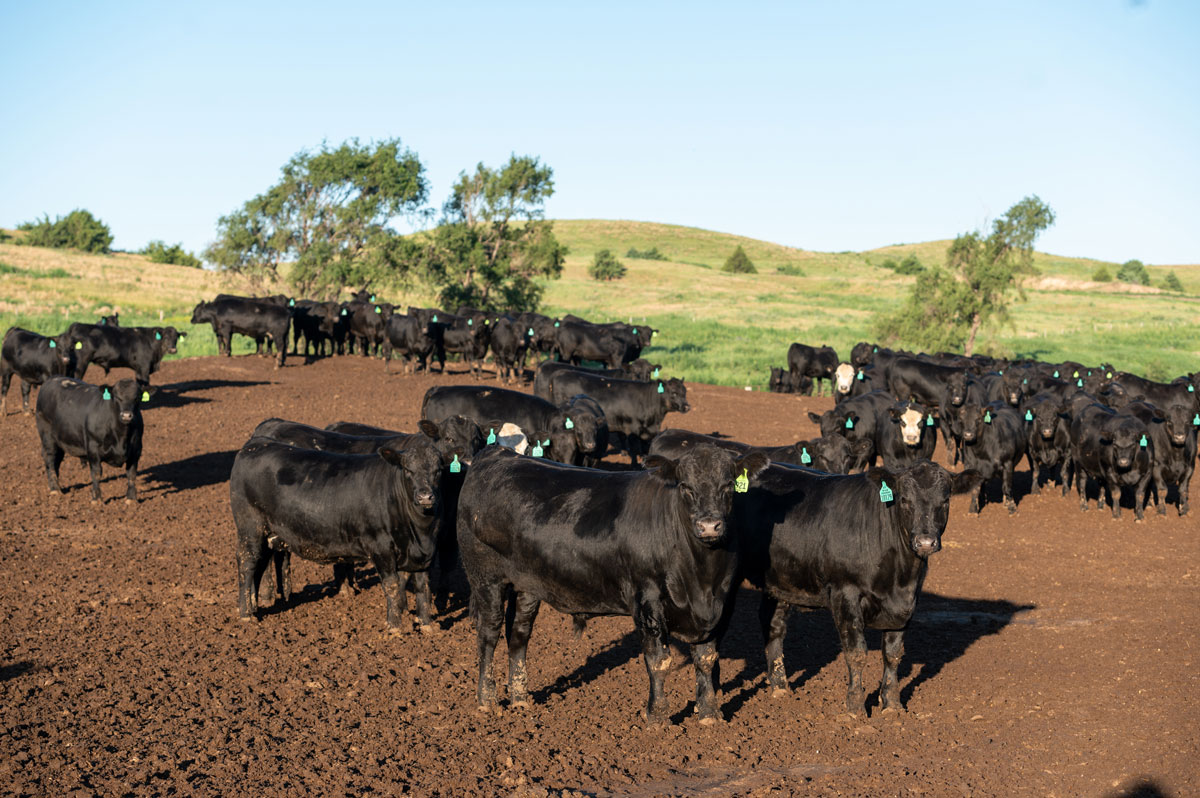
Anyway, when I got the inweights back on a spreadsheet, first thing I did was compare to preweaning weights, then enter ages and calculate weight per day of age (WDA). Next I entered the sire and dam of each steer followed by cow weight and negative comments, if any. No news is good news there. Backgrounding ADG is a guestimate based on other family cattle at weaning, since mine had 21 days back on the cow after weights were recorded. I put in a column for percentage cow weight, too, and noted how great most of the heifers did. A few got negative comments like, ONE more chance…
It was a great report, but lacking the 1/3 of cows that had daughter last spring, so I added them in, guessing at 95% of backgrounding gain. This project never ends because you can always cross-link more facts, but the next data I’ll look up will be relevant sibling performance and carcass merit.
Until next time, let’s keep targeting the brand and building tomorrow together,
–Steve
You may also like
The Power of Curiosity
Dr. Del Miles built a career on asking better questions to inform smarter decisions. Throughout his career, he challenged assumptions, advanced science-based management and helped cattle feeders prevent problems before they started. His influence reaches beyond feedyards, shaping the way veterinarians, researchers and cattlemen think about herd health.
$100,000 to Future Beef Leaders
Interest in quality beef production continues to grow. This year, the Colvin Scholarship Fund awarded $100,000 to 24 students across the country, helping them continue their education and prepare for careers that will contribute to the strength and advancement of the beef industry.
From Data to Dollars
The journey to produce high-quality beef presents market volatility and management challenges. But today, there are data, technology, tools and partners to identify the best value and how to attain it. At the 2026 Feeding Quality Forum, each speaker added to the same message on Aug. 4 and 5 in Amarillo, TX.