Packer says cooperate, modern technology
By Miranda Reiman
October 12, 2011
If national trends are the equivalent of a beef industry report card, then ranchers and feeders are making the grade.
But Glen Dolezal, of Cargill Meat Solutions, warns that they need to pay attention to stay at the top of the class.
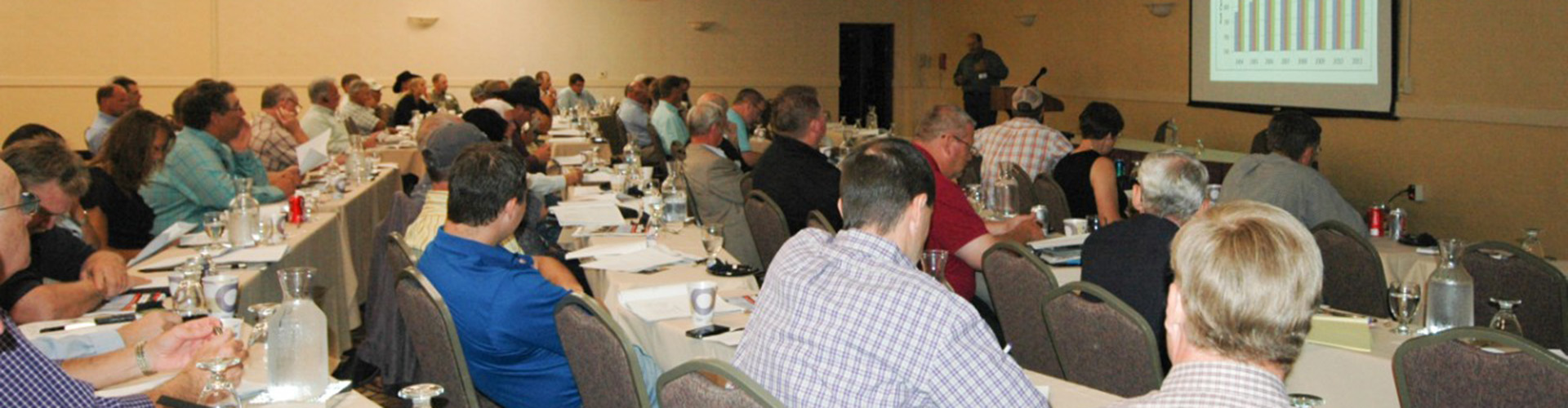
“Beef quality has been up each of the last three years, but we do have some concerns,” he said during a presentation at the Feeding Quality Forum. The company’s assistant vice president of business development and field sales leader outlined both the bright spots and challenges at the meetings in Omaha, Neb., and Garden City, Kan., in late August.
“Beef demand is linked to the great taste of beef,” Dolezal said. “We like to think of it as a three-legged stool made of tenderness, juiciness and flavor. If any one of them is broken, the eating experience doesn’t work.”
Trying to ensure that consistency, three out of every four carcasses in Cargill’s plants are destined for branded programs, and the increased quality of the past few years has helped them fill those orders.
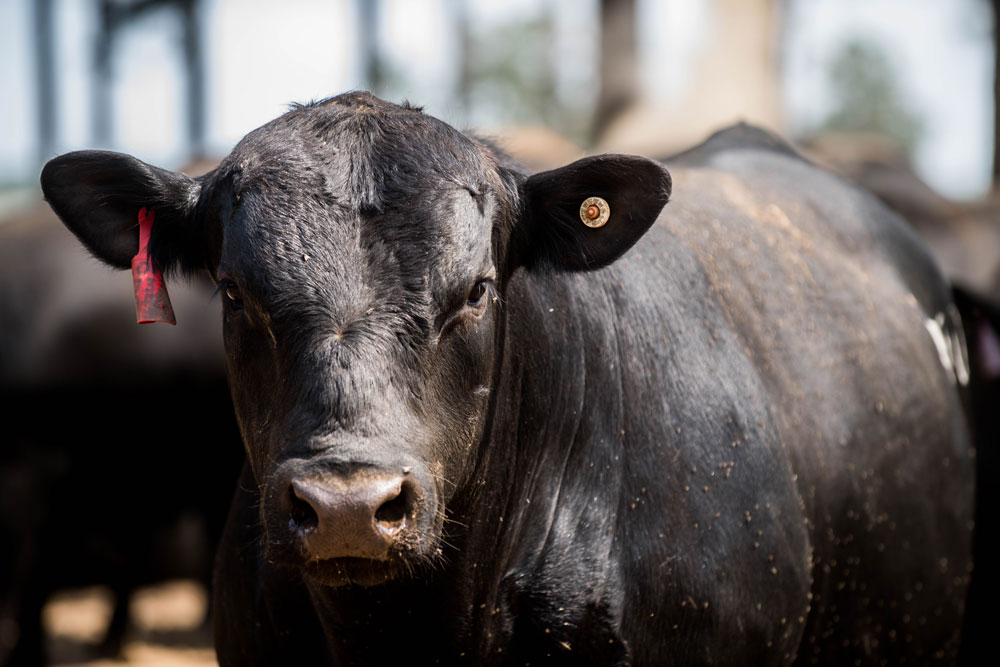
“We think a lot of that is related to changes in genetics,” he said. “We’re seeing a high percentage of black-hided cattle entering our facilities.”
Dolezal talked about a Colorado State University study that evaluated eating experience at several different marbling levels. He noted that as the researchers selected carcasses with trace amounts of marbling or Standards, only 49% were “A-stamped,” denoting “Angus-type” at the plant. Compared to 92% of all moderately abundant (Prime) that received the same classification.
Cattle feeders are also using more ethanol co-products to economically extend days on feed.
“We think all of this is positive to beef quality,” he said.
What’s not? The increased intensity of implants along with the use of strong beta-agonist feed additives.
“At Cargill, we won’t buy cattle that knowingly have been fed zilpaterol [beta-2 agonist],” Dolezal said.
“Our point of view is that if we get too aggressive (with regard to growth) throughout the animal’s lifetime it can have an impact on the consumer attributes of size, quality and tenderness,” he said. “So we need to find a balance. The message there is that we ask you to be careful.”
As cattlemen make genetic and management decisions, it’s important to have good data to compare year-to-year.
“If you were trying to make genetic change or changing an implant program or feeding ration and you drew a grader that required more marbling to call it Choice, you’d think your cattle aren’t very good,” he said. “But on a different day you could draw a grader that required less, and you’d think you had really good cattle.”
The USDA and packers worked together for many years calibrating and testing camera systems before implementing them to call marbling scores. Currently about 10 plants in the U.S. use the technology to determine quality grade.
“The cameras have been a big win, a big success story,” Dolezal said. “Our customers have been very pleased with the consistency they’re getting box to box, based on marbling levels and other traits.”
Cattle producers should be happy, too.
“Data for grid payments and pre-harvest decisions are more accurate, consistent and repeatable,” he said.
Dolezal said that each part of the beef industry needs to rally together to continue pleasing the consumer.
“We’re all in this together, and if we can ever get in the same spirit on the same page, working together, we’re going to put out a greater product and more of it to compete with other proteins or even the vegan diet,” he said. “We have to be on the same page to promote beef and grow demand for it for every segment to be profitable into the future.”
The Feeding Quality Forums were co-sponsored by Pfizer Animal Health, Certified Angus Beef LLC (CAB), Feedlot Magazine and Purina Land O’Lakes. More information and proceedings are available at www.cabcattle.com.
You may also like

The Power of Curiosity
Dr. Del Miles built a career on asking better questions to inform smarter decisions. Throughout his career, he challenged assumptions, advanced science-based management and helped cattle feeders prevent problems before they started. His influence reaches beyond feedyards, shaping the way veterinarians, researchers and cattlemen think about herd health.

$100,000 to Future Beef Leaders
Interest in quality beef production continues to grow. This year, the Colvin Scholarship Fund awarded $100,000 to 24 students across the country, helping them continue their education and prepare for careers that will contribute to the strength and advancement of the beef industry.
From Data to Dollars
The journey to produce high-quality beef presents market volatility and management challenges. But today, there are data, technology, tools and partners to identify the best value and how to attain it. At the 2026 Feeding Quality Forum, each speaker added to the same message on Aug. 4 and 5 in Amarillo, TX.