Beyond looks: Choosing replacements, part one
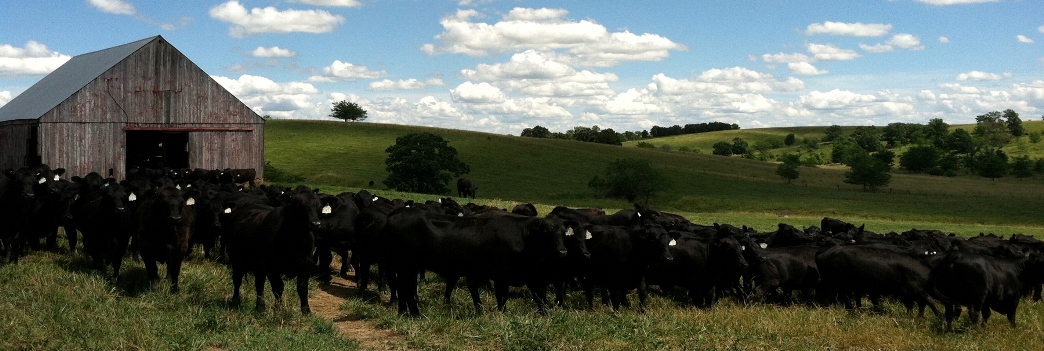 For the producer with high-quality herd goals who strives to raise better replacements than he can buy, it’s vital to really know those prospects beyond appearance. We asked Mark exactly what that should entail. Here’s what he had to say:
Biosecurity and animal health
Enlist your veterinarian to visit with that of a potential seller to find out exactly how big of a priority animal health is to them. Bottom line: Don’t buy into any health problems that could potentially harm your entire herd.
Reputation is everything
Are you comfortable doing business with this seller? Have they been in business long enough to be considered reputable? These are two important questions to ask yourself. If the answer to both is yes, it’s time to ask questions of others — their customers. As with any other business deal, Mark says he recommends getting references,
preferably producers with similar operations and in similar environments as yours for the most accurate assessment.
Basic stats
Age, weight and calving date (for bred females) should all be considered before writing the check. Will these females fit into your herd as seamlessly as possible? If you’re looking at first-calf heifers, ideally they’d be due to calve slightly ahead of the rest of your cow herd, giving you a little more time and energy to focus on those animals in case they need additional assistance. It’ll also help at re-breeding time, to make sure they stay on pace with their peers.
Likewise, if you’re buying open heifers that you’re going to breed, their weight and age need to coincide with when you want to get them bred and ultimately when you want them calving.
Join us tomorrow for part two of Mark’s heifer-buying advice, focusing on the genetic side of selection.
You may also like
Working in Balance
Cattlemen have a responsibility to look critically at their own herd, determine the areas that warrant improvement, and select animals accordingly. Stockmen bring immense value by objectively evaluating phenotypes, regardless of what the numbers say, and setting individual breeding objectives.
Legacy in the Golden Land
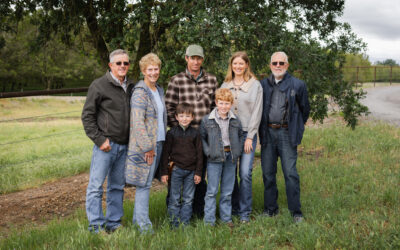
On a quiet stretch of Northern California rangeland, a different story unfolds. The Borror family’s legacy modestly speaks through the cattle they raise, the ground they steward. The generations who’ve made a life here demonstrate commitment to doing things right, even when no one is watching.

Marbling, Feet and Fertility: Are they related?
The Angus breed has enough genetic diversity to allow breeders, and their commercial bull customers, to make progress across multiple traits simultaneously. One bloodline may be high in marbling but does not check the boxes you need for other traits. That does not mean marbling is the cause—it simply means your search for the ideal genetic pairing is not done.