The past couple of weeks have offered little excitement in the fed cattle trade. Consumer driven economic signals have been passed back to producers because the marketplace has been allowed to differentiate price for cattle and beef product based on quality specifications and other merits.
Packers have proven capable of not only large weekly production but of daily headcounts on par or larger than a year ago. The turnaround in the cattle cycle and the abnormalities of 2020 will further incentivize producers to shrink the nation’s herd.
With increased boxed product supplies comes a strong demand from the buying side to secure previously scarce supplies. These days, price is more favorable for end users. Fed cattle supplies are overwhelming and packer margins still leave room for boxes to be marked cheaper on larger production volume.
Federally inspected headcounts have seen rapid recovery since the lows experienced in April. For the past two weeks, the FI harvested headcount has been 86% and 89% of the same two weeks a year ago. Fed cattle prices have remained steady, averaging $116/cwt., with carcass weights steadily creeping higher.
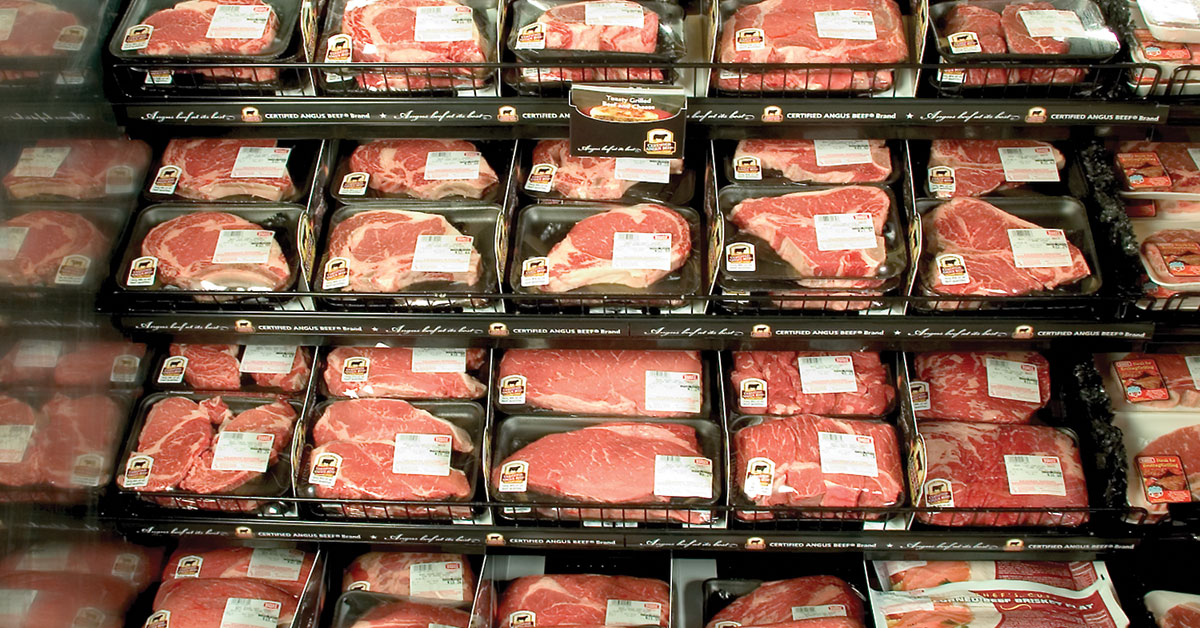
From a beef demand perspective, nothing is normal as we are just a week removed now from all-time cutout highs. However, end-users are still buying what beef they can and consumers are generally clearing meat case inventories.
The challenges presented now are very important to cattlemen and brand partners up and down the chain. However, the health of people at the packing level and throughout the country is the priority that must receive full focus and priority.
The many challenges the beef market is facing today are serious short term problems but are not indicative of long term trends. Price and demand signals will also realign as the pandemic subsides. The interrupted flow of cattle and boxed beef has implications now impacting the pricing structure on a carcass value basis.
One does not need to look far to see the gyrations that COVID-19 has brought to the beef supply chain. Many end meat whole muscle cuts and trim also find their way to the in-store grinder to fulfill America’s propensity toward ground beef consumption.
As many Americans are scrambling to find a new normal during the COVID-19 crisis, restaurants are being forced to find creative ways to keep food moving as dine-in is ceased. Meanwhile, retailers are scrambling to find beef to put in the meat case. Many CAB partners are lending helping hands.
Seasonal factors are impacting the CAB carcass headcount. Feeders have older, heavier cattle and more in the yard, lending to a higher supply while CAB acceptance is staying at a steady 36%.
Manage Consent
To provide the best experiences, we use technologies like cookies to store and/or access device information. Consenting to these technologies will allow us to process data such as browsing behavior or unique IDs on this site. Not consenting or withdrawing consent, may adversely affect certain features and functions.
Functional
Always active
The technical storage or access is strictly necessary for the legitimate purpose of enabling the use of a specific service explicitly requested by the subscriber or user, or for the sole purpose of carrying out the transmission of a communication over an electronic communications network.
Preferences
The technical storage or access is necessary for the legitimate purpose of storing preferences that are not requested by the subscriber or user.
Statistics
The technical storage or access that is used exclusively for statistical purposes.The technical storage or access that is used exclusively for anonymous statistical purposes. Without a subpoena, voluntary compliance on the part of your Internet Service Provider, or additional records from a third party, information stored or retrieved for this purpose alone cannot usually be used to identify you.
Marketing
The technical storage or access is required to create user profiles to send advertising, or to track the user on a website or across several websites for similar marketing purposes.