Following the Calves: Florida calves backgrounded
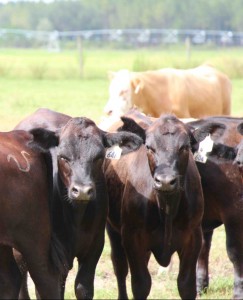
 When we first visited with Ken Griner’s cattle back in May, they were coming off of their mommas to begin their backgrounding debut on the family’s property near Chiefland, Fla.
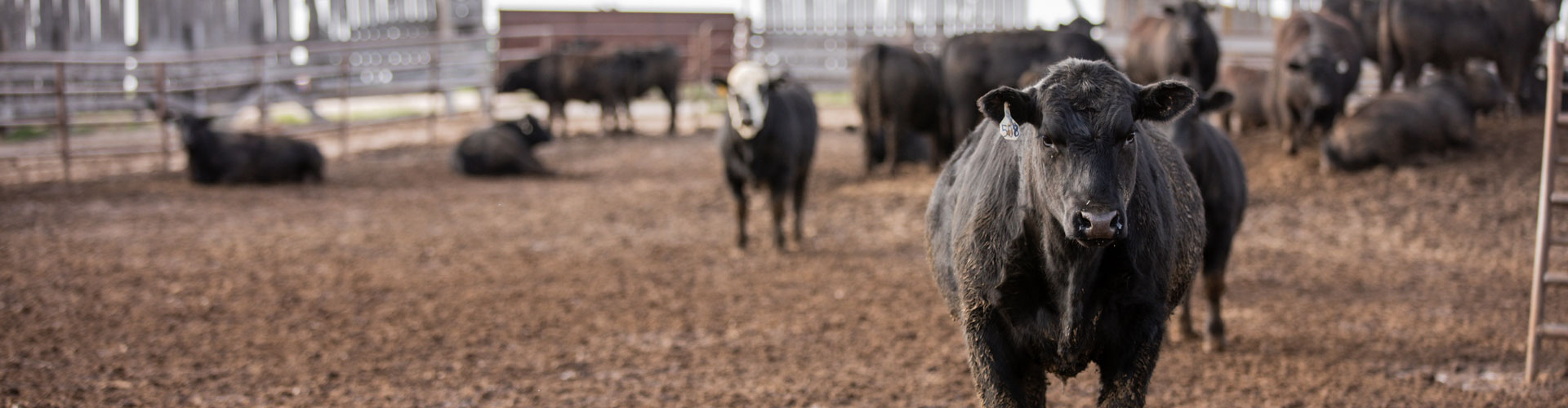
With two months of independence behind them, the Usher calves today are growthy, bright eyed and full of vigor.
 As you may recall from my previous post, this group of youngsters was weaned a bit earlier than Ken and Korey are accustomed to, but what was showcased in size then and maturity now says the calves are right where they should be.
So what’s happened over the past 60 days? In a rancher’s world, that amount of time can mean the difference between a fall blunder and a spring bonus.
First there was rest. Given that these calves had been vaccinated while on the cow, Ken and his crew were able to let them calm down and get acquainted with their new living quarters for a few days before running them through the chutes.
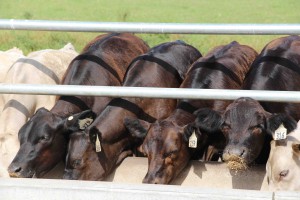
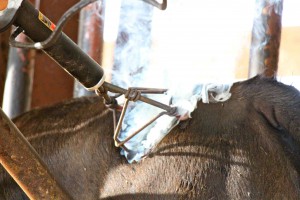 To start things off, every weaned calf was vaccinated with a full stocker protocol followed by a 21 or 28-day revac program, depending on the calf group. They stayed on a medicated starter ration “for a handful of days” simply because they were younger. Then it was a starter ration as well as grass pasture and hay.
“When we’re weaning a bigger calf, we’re not as aggressive with how we feed them,” Ken says, “and we may not put a complete feed in front of them (calves received a 12% protein ration). Here we made sure to because they didn’t weigh 600-650 pounds.”
 Ask Ken how the past few months have gone with the summer’s busy schedule of cattlemen’s meetings and putting up silage and he’ll answer with his characteristic candor and certainty.
“They’ve done well,” he begins. “We’ve had some eye problems here and there as far as pink eye,” which can be expected with the time of year and flies. “We use an IGR mineral with fly control and we’ve had excellent success, but this year it seems the flies have had a little more success,” he chuckles. “We have battled them.”
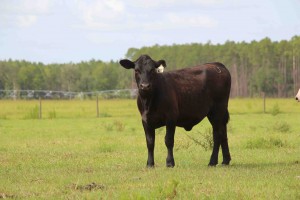 So where are they going? Last time we asked, there was a decision to be made over going to grass in Kansas versus skipping that step entirely and heading straight for the feedyard.
While the cattle haven’t stepped hoof on the cattle hauler just yet, Ken says he’s inclined to “send them on.” To feed that is.
Part of the decision is market driven, he explains.
 “In the past we could put that gain on them pretty cheap,” he says. “Right now you can’t put 50 pounds on a calf for nothing. I suspect our cost of gain in the yard will be no higher than it is here. Plus it would delay when they finish, too.”
When they finish may be the main driving force of the entire cattle game.
“It’s an opportunity where we have weaned them early, let’s go ahead and put them in the market early and see how they do this year when they finish. ‘Do we have more cattle? Are all of them gone by April?’”
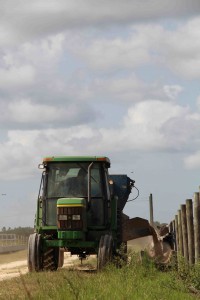 With keeping heifers separated and health in check, it seems the inevitable departure is the one thing looming.
“They’re ready to go right now. It’s just the matter of us doing the leg work and having time to get them sorted, weighed and sent off.”
But exactly where will they go?
That’s an answer Ken has yet to finalize – one where seasonality holds the trump card.
“Being in the stocker business, a calf you buy in August versus one you buy in October or November, there can be a $150 difference in the value of the same animal, and it’s no different on the other end of these fed cattle,” Ken says.
So we have to go somewhere where they can finish in March and April to try to give that animal every chance to experience it’s genetic potential.”
Interested in where they’ll end up?— be sure to Follow the Calves.
Laura
P.S. To read more of our Following the Calves series, follow these links:
You may also like
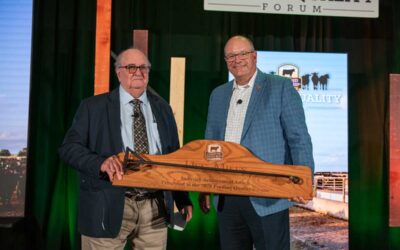
Curiosity Changed the Beef Industry
Dr. Del Miles built a career on asking better questions to inform smarter decisions. Throughout his career, he challenged assumptions, advanced science-based management and helped cattle feeders prevent problems before they started. His influence reaches beyond feedyards, shaping the way veterinarians, researchers and cattlemen think about herd health.
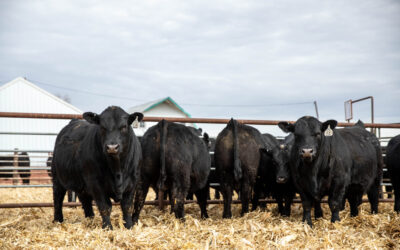
Prime on Purpose
The data-driven approach to carcass grading and marketing helps you reduce variability and capture more premiums. Achieving Prime pays off, and genetics can help you hit your quality goals faster.
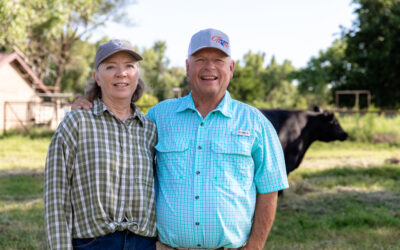
Helping Hands, Helping Herds
“When I die, I want to come back as one of your cows,” murmurs a friend to Steve Zybach. Full to the brim from an alfalfa ration every day, bountiful fields of lovegrass stretched out across the Texas Panhandle—and owners who leave no ounce of cattle care up for question. The Zybachs’ motivation for this level of dedication to their Angus cattle is simply love.