Nebraska Sandhills rancher leads CAB board
by Meg Drake
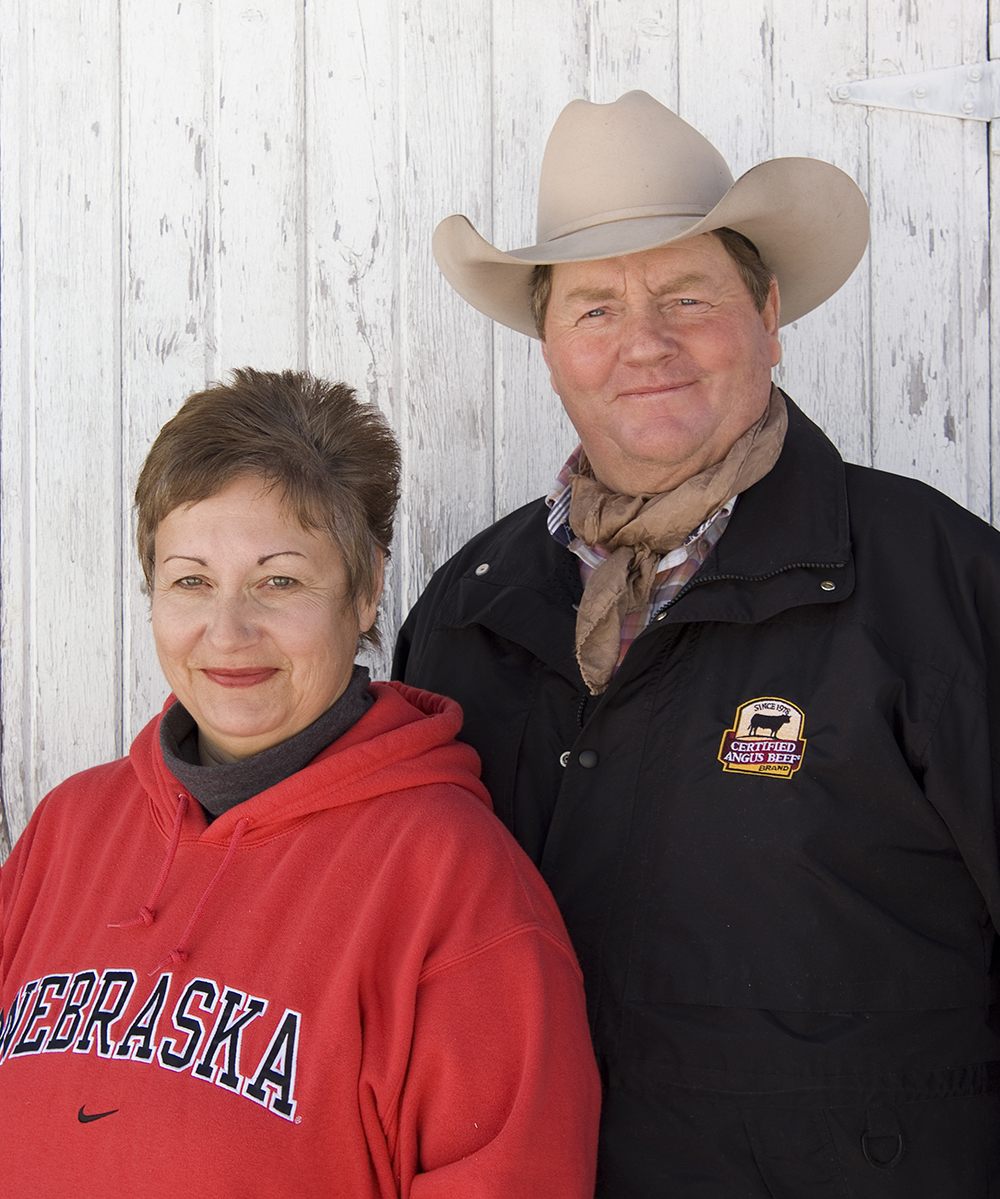
A full-time, professional cattleman provides the critical connection between the <em>Certified Angus Beef</em><sup> ®</sup>brand, its 30,000 producer-members of the American Angus Association and their thousands of customers. Arlen Sawyer, chairman of the CAB board of directors, fills that bill this year.
With wife Becky, he owns the seedstock Angus ranch A & B Cattle near Bassett, Neb.; daughter Jessica in Billings, Mont., and son Adam in Roswell, N.M., are involved as well.
“I’m lucky enough to make a living in the cattle business and live in an area where cattle is the major industry, where people take so much care and pride in what they raise,” says Sawyer. “I take that appreciation to board members and staff at CAB who may not have that luxury.”
The third-generation Angus producer moved to the Bassett area from South Dakota the year after marrying in 1975. “Growing up in a seedstock operation and then living here in the Sandhills for thirty-some-odd years makes us very aware of the nuts and bolts of the core cattle business,” he says.
Demand for Angus cattle was not as strong in those early days. “Back in the ’70s and early ’80s there was a movement in the beef industry that we had only to be concerned about putting edible protein forward, and we had to do that in an efficient manner,” Sawyer recalls.
Aware of CAB since its inception in 1978, Sawyer credits the brand now with stimulating more demand for Angus cattle over the years since then. “I think there’s a definite role for beef: it is a matter of taste, it is a matter of a quality eating experience. If we can’t provide that, then we have to compete on a price basis with other proteins and that makes it difficult.” He also credits CAB’s carcass specifications and monitoring system for “making sure that quality eating experience is never at risk.”
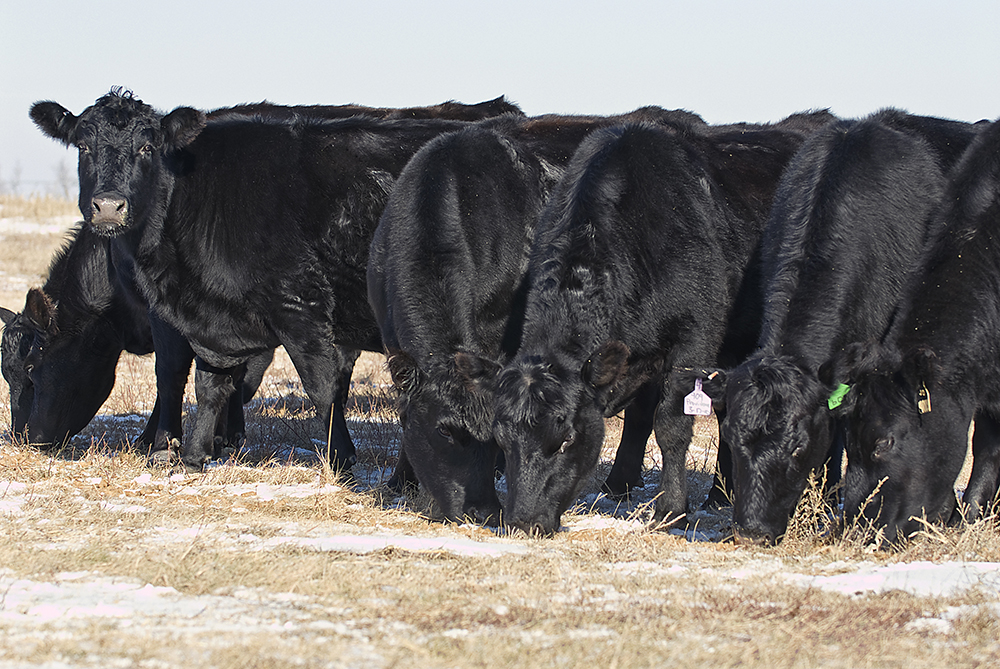
Meanwhile, the market rewards high-quality cattle. That fact plus strong competition bodes well for CAB supplies. Sawyer says Angus breeders are the most competitive there are: “That forces you to produce a better product.”
Aside from raising seedstock, Sawyer made it a point to become familiar with all sectors of the production chain. “Several customers have retained ownership, and we have fed out some of our own steers as a means to collect data for feedback.” He notes that documentation of feedlot and packing house performance helps everyone when trying to breed for specific traits.
Sawyer’s solid production background is a great asset to CAB. “Arlen does a nice job of keeping our focus squarely on the mission that has guided us since 1978,” says company president John Stika. “In an industry that constantly throws new things at us, we just make sure everything we do adds value to registered Angus cattle.”
One of the highlights since being appointed chairman in December, Sawyer says, was attending the grand opening of the CAB Education & Culinary center in Wooster, Ohio, in May. “It became evident to me that this is a big step in making sure the chefs and preparers are involved in bringing out the value and the taste of this Angus beef.”
Encompassing all the links that make up today’s production chain, CAB shares a common goal with its chairman, who confronts each day with a positive attitude and a simple solution: “The only option is to get better.”
You may also like
Eye on the Target
Regardless of a producer’s goal, each genetic decision takes you a step closer or further from achieving it. Targeting the Brand is a tool for cattlemen pursuing quality gains, helping commercial producers know and best leverage the value of their Angus cattle on sale day.
Defining the Margins of Quality
Driven by genetic selection and improved management, carcass quality has advanced significantly, most notably through more marbling. Yet, with nearly two-thirds of Angus-type carcasses falling short of brand standards, understanding why is critical to balance the economic incentives of added weight against CAB® product size and consistency requirements.
Brand Production Beyond Borders
Domestic or international, the objective has remained clear over the years: to access additional CAB® carcasses to support growing domestic and international demand, without compromising product quality and consistency, brand integrity, and value to Association members.