Ranchers and chefs have a common customer
November 3, 2011
I live in central Nebraska. Although I love this place—and many of our local restaurants—you don’t have to tell me how far I am from five-star resorts or fancy cuisine. (After all, I am about halfway between Denver and Omaha.)
But yesterday I was lucky enough to have them come to me. Okay, not just for me, but since I was in the area I got to tag along.
You see, just down the road from my cozy home office is Eagle Hills Ranch. Brothers Shane and Todd Geiken run the cattle enterprise of the family’s agriculture business and they’ve been building up the cowherd, both in quantity and quality, since returning from college at the University of Nebraska.

So what do these fantastic producer “neighbors” have to do with five-star resorts? Well, a few chefs and foodservice distributors who sell to the upscale accounts flew out to Omaha and then made the trek down I-80 to visit a feedlot, packing plant and eventually Eagle Hills Ranch.
The beef end-users wanted to know how it’s done in cattle country and the Geikens were just the people to show them. (They calve about 1,500 momma cows each year.)
It started with lunch catered by Uncle Ed’s, which was a real treat and much preferable to the leftovers I usually grab from my fridge.
Then we headed out to the calving and weaning facilities. (Since it was a windy, rainy day we made great use of those facilities,too.) There Todd and Shane told us about their management. They may have had to explain a few terms like AI and EID,but I think the main point was conveyed. They know what they’re doing and there’s a reason for why they do it. And they care.
Even though they sell weaned calves to feedlots, they’re very interested in the end product that they’re raising: beef. They know: the higher the quality, the better for the industry. And as Todd noted, “We like our steaks as good as anybody else.”

Pretty simple, but powerful philosophy. They know what they like and it turns out that, at least in terms of taste buds, a consumer in central Nebraska isn’t so different from the clientele at a destination resort in North Carolina.

Today I’m back in the office, but glad I got to observe this connection taking place. Since the group was busy learning from the experts–Todd and Shane–I didn’t get to spend much time recording their reactions to all this info. They’re traveling home today, but I plan to call a few of them to chat, so you can expect an update from their perspective sometime on down the road.
Until then, may your bottom line be filled with black ink,
~Miranda
You may also like
Texas Ranch Received CAB Ambassador Award
Visitors to 2 Bar C Ranch near Luling, Texas, often describe the quiet first. That peace reflects low-stress cattle care, seedstock bred for the whole beef chain and a family that opens its gates, earning the 2026 CAB Ambassador Award.
Built For the Long Haul
Thirty-one inches of rain in 48 hours tested Biltmore Estate’s 130-year commitment to remain a profitable, working agricultural estate. Through Hurricane Helene recovery and high-quality Angus genetics, Biltmore stewards its land, livestock and community, earning the 2026 CAB Sustainability Award.
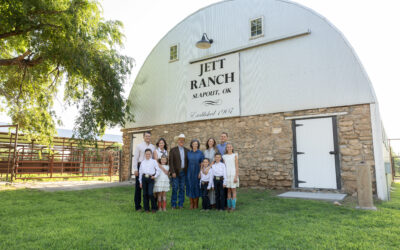
Jett Stream to Prime
In the Oklahoma Panhandle, four generations built a herd defined not by the odds against it, but by standards never lowered. That commitment drove decades of genetic and management improvements, taking Jett Ranch from struggling to reach Prime to more than 70% Prime today, and earned the ranch the 2026 CAB Commercial Commitment to Excellence award.