Testament to plan well executed
Pratt Feeders wins CAB award
by Steve Suther
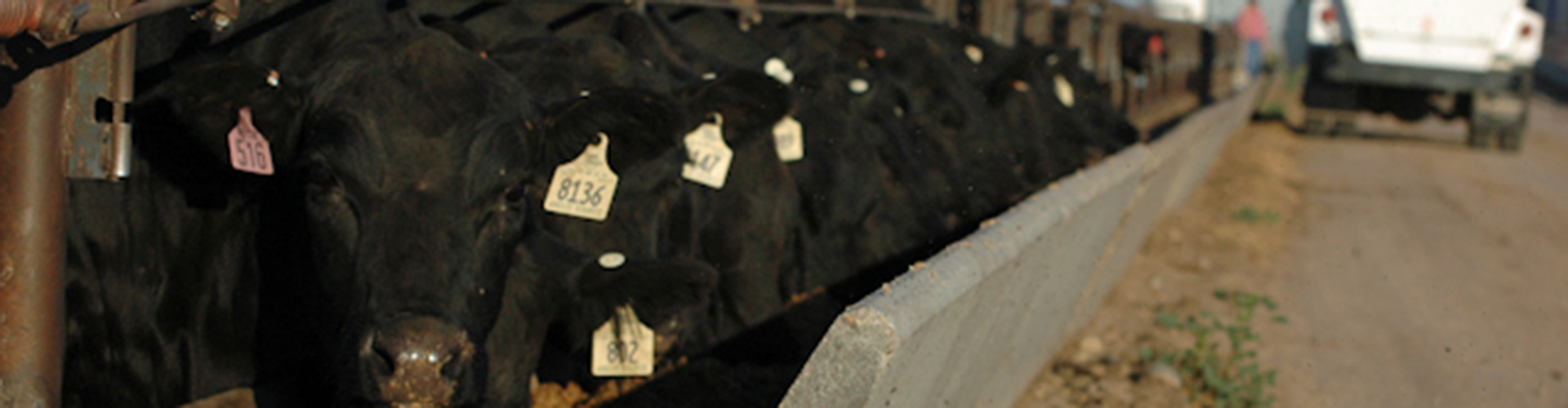
A 38,000-head feedlot near Pratt, Kan., shows what can be done with a systematic approach to higher quality beef.
Pratt Feeders committed to quality in 2003 by licensing with Certified Angus Beef LLC (CAB), and won a national CAB award the next year because of manager Jerry Bohn’s plans.
With universal staff support, the feedyard gathered data as never before, sharing it with CAB and customers to upgrade cattle and profitability.
Back then, its 11% Certified Angus Beef ® (CAB®) brand acceptance rate on 17,000 cattle was a benchmark to leave in the dust. In the same June-May period ending this spring, a similar number of enrolled and harvested cattle made nearly 32% CAB and Prime.
That was 7 percentage points above the 2010 Pratt Feeders mark, too. It’s why, at the CAB annual conference in Sunriver, Ore., Sept. 20-22, assistant manager Dave Latta accepted the 2011 Quality Focus Award for partners with more than 15,000-head capacity.
“We made a conscious effort to procure more of the right kind of cattle,” he says. “But our retained ownership customers have made great progress as well.”
Latta heads up both areas of procurement.
“Our cattle from Florida and Louisiana customers fit in with those from Kansas, Oklahoma, Kentucky and South Dakota, pretty much all Angus,” he says. Per-head premiums earned in June ranged from the mid-$40s to twice that above the cash market.
Bohn says a key to earning premiums is learning how to feed high-quality cattle as a category, and specific to repeat customers.
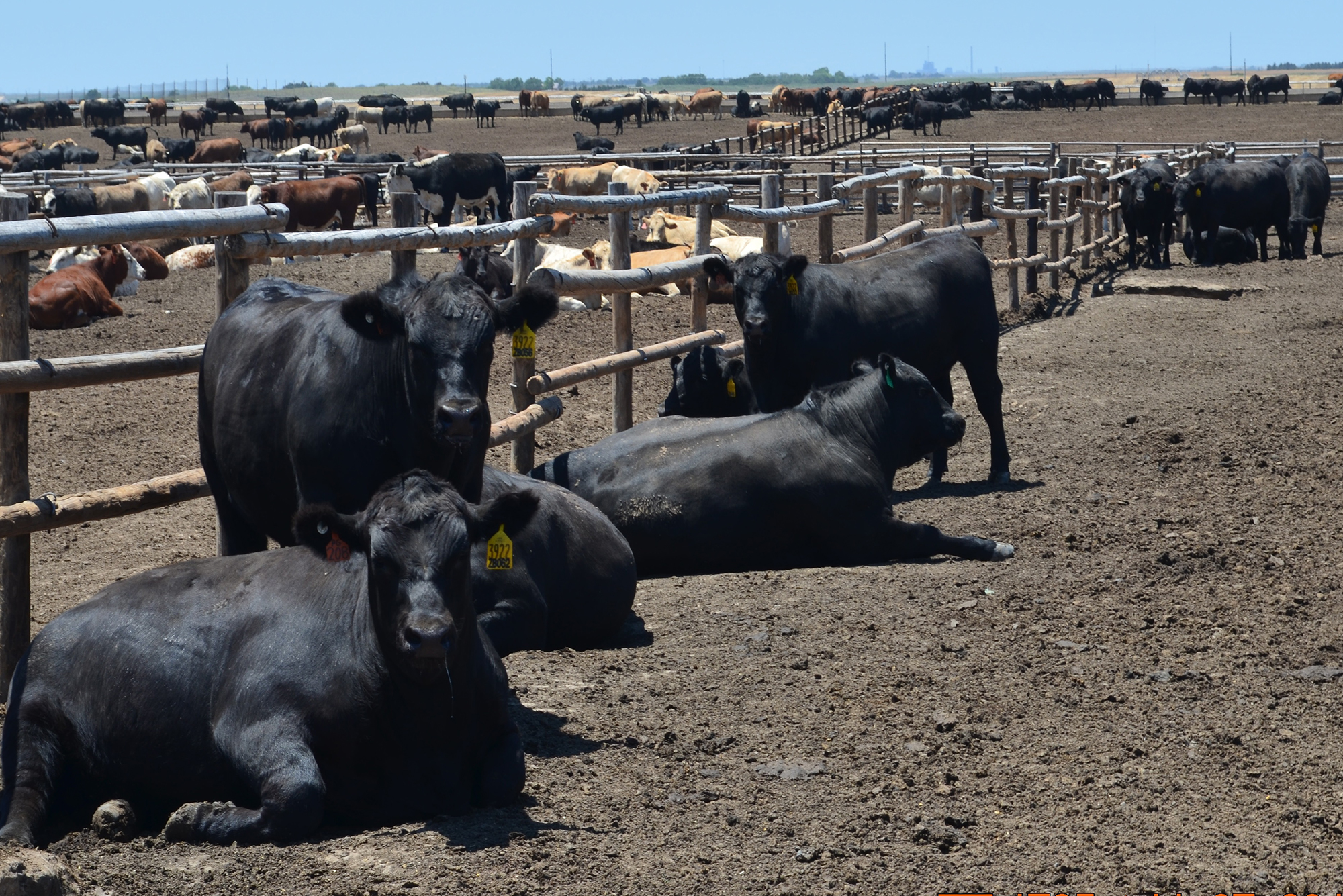
He set the course for success years ago with a strategy to learn as much as possible about the cattle he feeds while inviting higher quality placements. The feedyard has enrolled more than 150,000 cattle in the CAB database since licensing. It opened doors to Angus producers for networking and a series of options to return data, even when the feedlot buys up to full interest.
“Angus customers have made a pretty intensive selection for quality as we learned to feed them a bit more and returned the data,” Bohn says. In 2003, he knew something about the genetic potential in 15% of the cattle fed. Today that stands at 35% to 40%.
Other factors have affected quality, too, he says, including weather and instrument grading.
Over the last couple of years, Pratt Feeders has been increasingly involved with CAB in training foodservice and beef sales teams.
“Our industry has to become a little more transparent,” Bohn says. “The beef consumer is quite removed from the rural roots of years ago. We have to become advocates for our industry.”
That’s why the feedlot keeps looking for more ways to bridge the cultural and information gap between segments in the food chain.
From rancher to feeder, packer to purveyor and consumer, “everybody in the system is more willing to share information than they used to be,” he says. “All the volatility and higher prices in the system put more pressure on the need to share if we are all going to move ahead.”
You may also like
The Power of Curiosity
Dr. Del Miles built a career on asking better questions to inform smarter decisions. Throughout his career, he challenged assumptions, advanced science-based management and helped cattle feeders prevent problems before they started. His influence reaches beyond feedyards, shaping the way veterinarians, researchers and cattlemen think about herd health.
$100,000 to Future Beef Leaders
Interest in quality beef production continues to grow. This year, the Colvin Scholarship Fund awarded $100,000 to 24 students across the country, helping them continue their education and prepare for careers that will contribute to the strength and advancement of the beef industry.
From Data to Dollars
The journey to produce high-quality beef presents market volatility and management challenges. But today, there are data, technology, tools and partners to identify the best value and how to attain it. At the 2026 Feeding Quality Forum, each speaker added to the same message on Aug. 4 and 5 in Amarillo, TX.