Quality beef starts with you
April 13, 2011
Consumer demand for high-quality beef has been on the rise, and so have cattle prices. A more secure future for ranching points toward quality, but what does it take to get there?
This month Certified Angus Beef LLC (CAB) teamed up with Purina Land O’Lakes, Pfizer, Oklahoma State University and the Oklahoma Angus Association to bring Sooner beef producers a series on “Managing for Success.”
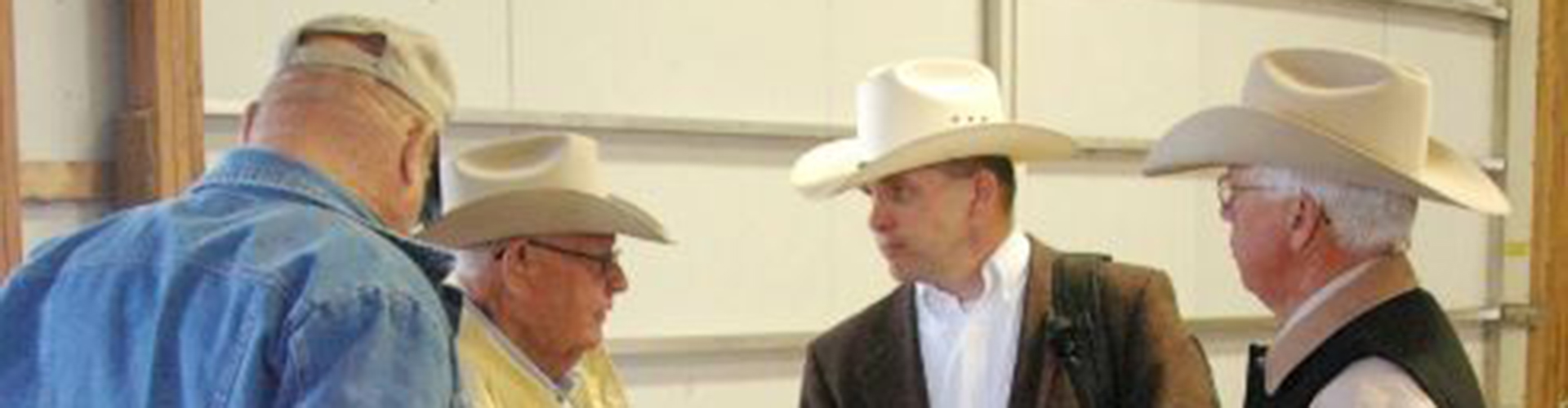
The seminars kicked off April 6 at Haines Land and Cattle, near Lexington, followed the next two days with similar events at McAlester and Claremore, Okla.
Larry Corah set the stage: “The consumer is a real key to this beef industry – it’s their money and they don’t have to buy beef.” The CAB vice president discussed trends in the beef industry, telling participants, “Consumers like brands, and that includes braded beef.”
To improve herd quality, producers can turn to a variety of tools including the strategic use of genetic selection using EPDs (expected progeny differences) and DNA markers.
“EPDs are the best predictor of high quality cattle,” said Mark Johnson of Oklahoma State University. “Knowing your intended market will help you decide which numbers will work for you.”
The use of genomics testing for DNA markers can make EPDs more reliable and maximize the value of an animal’s genetic profile. “Integrity of pedigree is everything,” said Kevin Millner of Pfizer Animal Genetics. “Genomics testing does not replace EPDs; it enhances them.”
Chris Richards, Oklahoma State University animal scientist, turned the discussion to the use of growth implants. “Implanting is part of a complete management plan,” he said. But if average gains are less than 1.75 pounds (lb.) per day, the benefits of implanting cattle may be limited. Above that threshold of gain, the implants have more of a chance to drive lean tissue growth.
Even with all of these management tools, proper herd health is crucial to ensuring cattle reach their full genetic potential. Michael Nichols, Pfizer Animal Health DVM, discussed treatment, control and prevention strategies.
“We have to build a health program based on what we need to protect our cow herd from,” he said. “Cowherd protection has an effect on how calves ultimately perform at the feed yard.”
Dale Moore of Cattleman’s Choice Feedyard brought the day’s discussion full circle with a message about buying cattle from a feedlot perspective.
“What you guys do goes all the way to the plate,” he said. “We’re going to pay for quality, and it starts at the ranch.”
Over the three-day series, Oklahoma cattlemen gained a toolbox of information and best management practices to improve their herds and aim for high-quality beef. Corah concluded with inspiring advice: “Target something you believe in – it starts with you.”
You may also like
Sysco Highlights the Value of Beef Quality Assurance
Sysco Highlights the Value of Beef Quality Assurance By Briley Richard, freelance writer for Certified Angus Beef March 25, 2026 The best beef is raised the right way. This message was reinforced by remarks from Joe Don Eilers, vice president of merchandising for...
Apply by April 1 for Colvin Scholarship
The production agriculture, undergraduate and graduate scholarship categories each have tailored requirements. In 2025, the Colvin Scholarship Fund supported 27 students with awards ranging from $2,000 to $7,500.
Working in Balance
Cattlemen have a responsibility to look critically at their own herd, determine the areas that warrant improvement, and select animals accordingly. Stockmen bring immense value by objectively evaluating phenotypes, regardless of what the numbers say, and setting individual breeding objectives.