Backgrounding can add value, flexibility
How backgrounding may boost feeder calf value
by Morgan Boecker
July 15, 2021
Getting maximum value when marketing cattle is a constantly evolving process that takes careful planning.
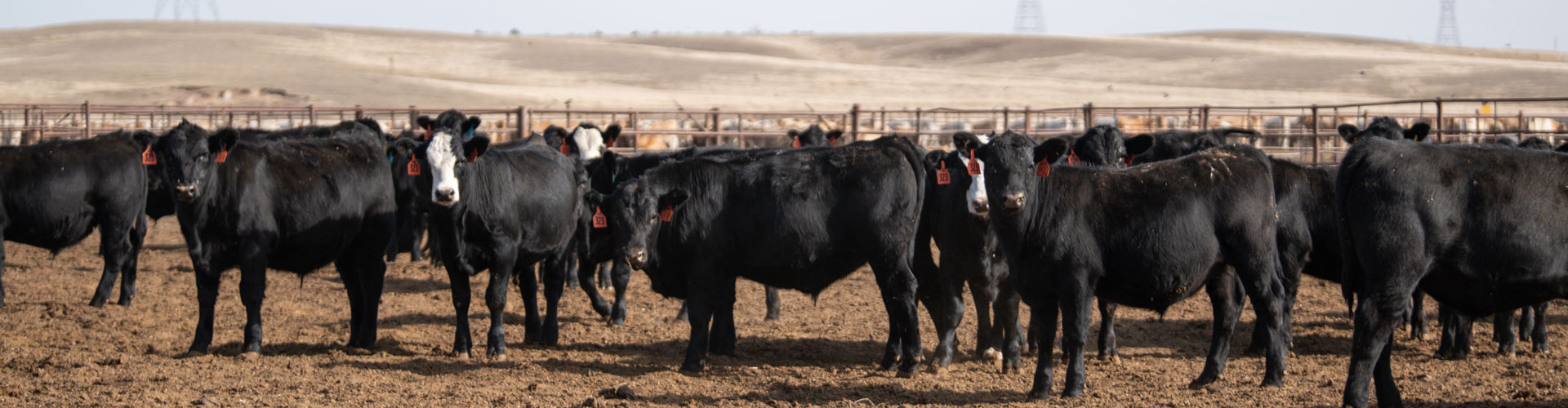
USDA National Agricultural Statistics Service 2017 data reports 70% or more of beef calves are born in the spring. Come fall, this leaves the glut of 550 pound calves at a prices disadvantage compared to their contemporaries that are held and sold after the first of the year.
Backgrounding calves can open gates to new revenue paths, though not without risk. When more cattle are sent to the grazing fields or grow yards, there’s a shift in the seasonal pattern of the market and more opportunity to take advantage of better prices.
Weight adds dollars
Even for just a couple months, backgrounding can add weight and gross income without using limited grazing resources year-round to stock more cows.
Adding weight may boost income, but requires strategy, says Dan Loy, director of the Iowa Beef Center at Iowa State University. He suggests backgrounding the lighter half of steers to reach heavier average sale weights.
“If you market the heavier ones direct from weaning, and have done that for years, you’ll have a more uniform group,” he says. “That in itself may help the price on those heavier calves.”
If it seems overwhelming to add a backgrounding enterprise, don’t be afraid to hire expertise, says Chad Cargill, of Cargill Ranch LLC, Medicine Lodge, Kan. He provides services for larger cattle feeders at his custom yard, with help from a nutritionist, veterinarian and environmental consultant, plus pharmaceutical representatives.
Every producer has different needs, but the staples are the same. Bunk space with some kind of concrete apron or a grass trap on which feed can be delivered with a mixer wagon, are necessities, as are a chute and working facilities to vaccinate or treat sick calves.
“These resources are a substantial investment but necessary for successful backgrounding,” advises Dale Blasi, extension beef specialist at Kansas State University.
Time boosts health
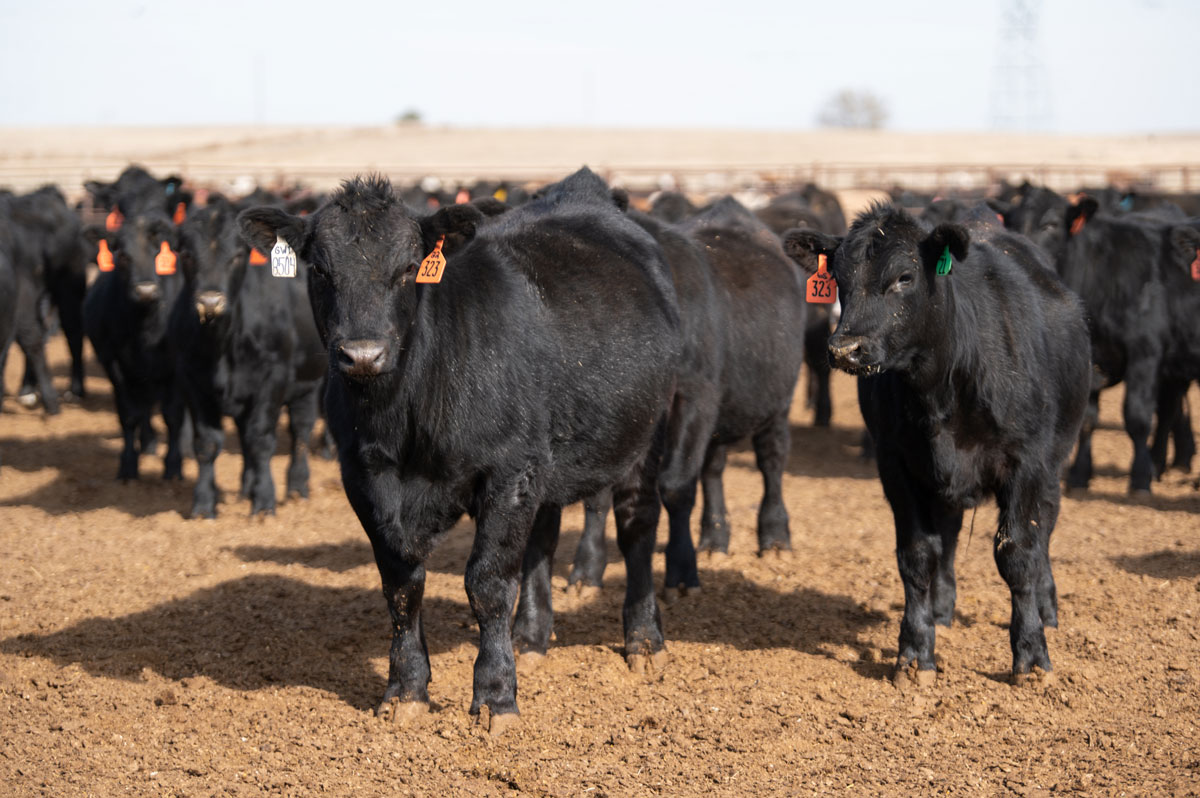
Calf health is often the highest concern for feedyards, so this also gives calves’ immunity time to get through the most stressful event in their lives.
“To me, backgrounding should include preconditioning,” Loy says. “That verifies health and lets the vaccines kick in, plus getting calves eating out of a bunk and drinking from new waterers.”
The dollar-advantage of weaning is well clear. According to the 2020 Iowa Precondition Sales data, Loy says preconditioned calves vaccinated for respiratory and clostridial disease, treated for parasites and weaned for 45 days brought at least $50 per head more than unweaned contemporaries.
“One issue is easy to handle, but those things together add up to bigger issues,” Cargill says.
As calves mature, their immunity improves. That’s important as natural beef labels and other process verified programs become popular. The biggest challenge for those kinds of programs is ensuring calves’ health so they aren’t disqualified due to antibiotics.
Yesterday’s most valuable feeder calf may only be average moving forward. That’s because buyers still look for groups with uniform weight and hide color, but verification is gaining importance. The market may soon require certified pre-weaned and vaccinated, age-source-and-genetics verified, records for performance and carcass history, along with animal welfare claims.
When it’s time to head down a new road of marketing, learn from others who have made the trip before you, Blasi suggests.
Those are the lessons from peers and mentors, he adds. Participate in a marketing network, or join local and state beef association meetings to learn from each other.
You may also like
Jett Stream to Prime
In the Oklahoma Panhandle, four generations built a herd defined not by the odds against it, but by standards never lowered. That commitment drove decades of genetic and management improvements, taking Jett Ranch from struggling to reach Prime to more than 70% Prime today, and earned the ranch the 2026 CAB Commercial Commitment to Excellence award.
Nebraska Feedyard Recognized for Excellence
Motivation starts the feed truck before sunrise, keeps going through adversity and drives pursuit of the next goal.
It has more than fueled daily routines for Terry Beller. It’s helped his family and crew build the multigenerational Beller Feedlot into one long-known for customer service and high-quality beef.
The Capstone Approach to Modern Cattle Feeding
Taking aim without a target is like fishing without bait. It just doesn’t work. The cattle market lures with premiums for targets hit, but the bar keeps rising. Getting better in this dynamic setting takes detailed feedback. Capstone Beef provides that to its commercial customers with report cards that track progress and reveal needed change.