Get the CAB Insider
For Cattle Market Clarity
For more than 10 years, Paul Dykstra has written a bi-weekly market column for the brand which evolved into the CAB Insider e-newsletter. He shares current market updates, trends and observations with a closer look at the cattle market from the beef-product side than you can find anywhere else. Yes, there’s an emphasis on the Certified Angus Beef ® brand, and you will also find the latest research exploring carcass quality.
We want you to have confidence in what is relevant and drives value in your cattle business to help you make profit-driven decisions at home. And the CAB Insider helps you do that.

Meet the Author
A native of Colorado, Paul Dykstra grew up on a commercial cow-calf ranch in western Colorado and later earned a degree in animal science from Colorado State University. Paul worked as a feedyard manager for the U.S. Meat Animal Research Center in Clay Center, Neb., before joining the brand’s supply development team in 2002.
As the Director of Supply Management and Analysis for the brand, Paul combines his experience and knowledge to work closely with ranchers and feedyard managers to raise Angus cattle using the best management practices to enhance profitability by producing quality beef.
READ THE LATEST INSIDERS
Shifting July Markets
The July beef market has undergone a seasonal downtrend characteristic of historical performance for the month. Conclusion of the Independence Day holiday normally brings about a marked decline in middle meat demand as summer temperatures elevate.
Seasonal Carcass Impacts
An overriding theme across the past 18 months in the beef sector has been increased carcass weights. In general, fed steer and heifer carcasses averaging 25-30 lb. heavier year over year has been a net positive for the industry.
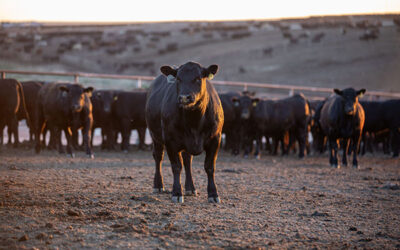
Margins Sqeeze, Markets Cool: What It Means for Fed Cattle
Focused marketing of a premium beef brand demands some attention to tracking price spreads across differing quality specifications. The USDA quality grade scale provides the domestic measuring stick by which the trade differentiates demand across the quality spectrum.