Where’s the premium?
January 30, 2011
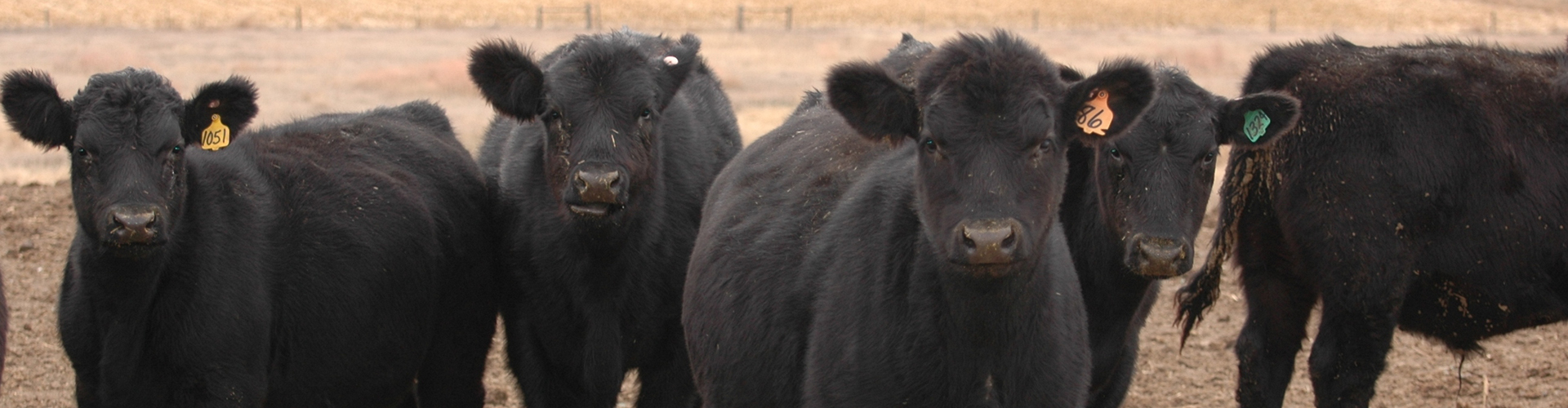
High percentage Angus calves continue to outsell non-Angus calves of similar weight and frame at livestock auctions across the U.S.
Data collected from eight cooperating markets in fall 2010 reveal steers of that breed brought $6.32 per hundredweight (/cwt.) more than their non-Angus counterparts.
That’s a $32.58/head Angus advantage for the average 516-pound (lb.) steer.
Certified Angus Beef LLC (CAB) has tracked similar patterns regionally and nationwide since 1999 through its “Here’s the Premium” study. Average premiums have trended higher for Angus genetics over the years, with the most recent figure just 47 cents/cwt. below the 2008 record spread, but on slightly heavier average weights. The Angus heifer premium over non-Angus was 44 cents/cwt. more than in 2008.
The 2010 comparison study included more than 10,000 head from nearly 600 lots; the overall database contains records on 12,721 lots and approximately 275,000 cattle from 13 states. The markets participate in the study on condition that exact locations remain confidential.
“We’ve seen the premium grow because cattle feeders have learned from experience that high-percentage Angus cattle are healthier and more profitable to feed than other types, said Steve Suther, the CAB director of industry information who initiated the study. “When they bid accordingly, there are more dollars for Angus cow-calf producers compared to those with other cattle.”
The premium has endured independent of commodity cattle market trends (note top line in historical graph).
Kevin Dhuyvetter, an agricultural economist at Kansas State University, has been providing statistical expertise from the start.
“This was the second highest Angus premium among 10 sets of fall values for steers,” Dhuyvetter said. “It was the third highest Angus premium for heifers.”
For the first eight years of the project, fall surveys compared prices for Angus and non-Angus calves weighing 400 lb. to 599 lb., and spring surveys compared those for 600 lb. -799 lb. feeders. Since 2008, the survey is only conducted every other fall. While the overall average price per head tends to increase for the lighter fall-sold calves, premiums for all Angus-influenced cattle have remained consistent and strong throughout the study.
As the last two HTP installments have shown strong Angus-influenced premiums, the average historical premium for all Angus steers in the database moved up by $2.96/head from 2008 to average $24.22 in the 2010 report.
All calf prices were consistently $12 to $14/cwt. higher at northern and western locations, compared to the base of Oklahoma, but Kentucky calf prices averaged $5.86/cwt. lower, Dhuyvetter noted.
Auction markets from states that also include Kansas, North Dakota, South Dakota, Wyoming, California and Nebraska reported breed type, sex, weight, and price of calves personally known as Angus genetics compared to non-Angus calves on four different sale dates. One Dakota market manager said roughly 80% of the cattle sold there are high-percentage Angus; providing listings for similar but non-Angus calves is often reported as a challenge across the country.
You may also like
$100,000 to Future Beef Leaders
Interest in quality beef production continues to grow. This year, the Colvin Scholarship Fund awarded $100,000 to 24 students across the country, helping them continue their education and prepare for careers that will contribute to the strength and advancement of the beef industry.
From Data to Dollars
The journey to produce high-quality beef presents market volatility and management challenges. But today, there are data, technology, tools and partners to identify the best value and how to attain it. At the 2026 Feeding Quality Forum, each speaker added to the same message on Aug. 4 and 5 in Amarillo, TX.
Curiosity Changed the Beef Industry
Dr. Del Miles built a career on asking better questions to inform smarter decisions. Throughout his career, he challenged assumptions, advanced science-based management and helped cattle feeders prevent problems before they started. His influence reaches beyond feedyards, shaping the way veterinarians, researchers and cattlemen think about herd health.