Excellent and getting better
The Angus world wonders, how good can these cattle get?
by Steve Suther
It’s fun to hit the target. Osborn Farms, Savannah, Mo., repeated its 2010 achievement with even better numbers as the Certified Angus Beef LLC (CAB) 2011 Quality Focus Award winner for partner yards with less than 15,000-head capacity.
This is just a 600-head yard that enrolled 535 head with CAB last year, but the point is 90% of those were accepted for the Certified Angus Beef ® (CAB®) brand, including 28% CAB Prime.
An hour spent talking shop with owner-manager John Osborn and his longtime consultant and cattle partner Pete Mitts is like an hour on the Blue Collar Comedy Tour. Many of the jokes are inside, obscure, personal insults or physiological, but you catch the drift and join in the grins.
In reference to the CAB acceptance, Osborn will deadpan, “Is that good?” Mitts completes the thought, “Because we know we can do better.”
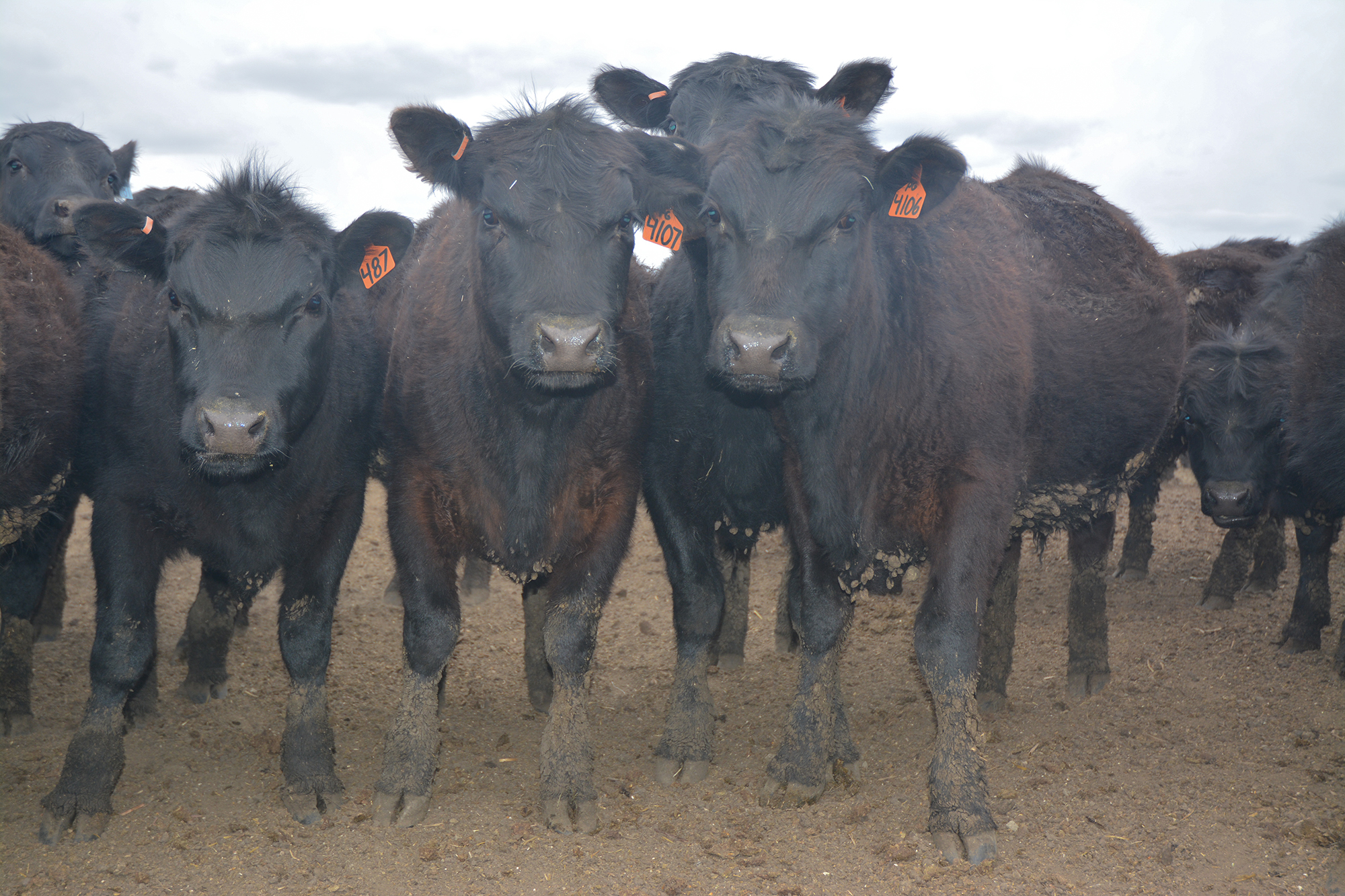
There’s evidence to support that. If you followed the AngusSource® Carcass Challenge last year, you might recall their champion pen of 42 heifers went 100% CAB and 55% Prime. The September 2010 harvest date fit the contest year for this June-through-May annual CAB award, too.
Still, the award wasn’t automatic or easy. This is the fourth consecutive year that a Missourian won the category, and the top three contenders nationwide were in Missouri this time as well.
The other two were Circle A Feedlot, Huntsville, Mo., and Performance Blenders, Jackson, Mo., and depending on the week, each of them spent time in the top spot. The contest was not decided until the last few weeks of May.
All three feature cattle of known genetics.
Osborn and Mitts have proven that their already excellent cattle will keep getting better. They all trace back to bulls from Green Garden Angus, Lorraine, Kan., genetics stacked in cow families backed by Mitts’ no-nonsense records and the duo’s program of low-stress management.
That’s low stress on the cattle, they would point out. Stress for the cattlemen is sometimes unavoidable in these days of volatile markets.
They find time to get away from it all sometimes. Mitts and his wife Lois have a fishing boat, and sometimes they travel to the Missouri lake country or down to his western Oklahoma home county where son Miles now works at another CAB partner yard.
Osborn and his wife Toni got away from the farm Sept. 20-22 to accept the award at the CAB Annual Conference in Sunriver, Ore. That was after a tractor pulling season when he and son Joel like to see what their somewhat modified John Deere models can do for fun.
When it comes to performance and cattle, these guys are all business. They know their pool of 1,200 related cows. They either own or used to own most of them, and all current owners are friends, neighbors and associates. They know the market is crazy, but they also know carcass data feedback still runs the engine of herd improvement and keeps it on track.
As long as Osborn Farms can feed these predictable cattle, no current quality records will be safe. Fair warning.
You may also like
$100,000 to Future Beef Leaders
Interest in quality beef production continues to grow. This year, the Colvin Scholarship Fund awarded $100,000 to 24 students across the country, helping them continue their education and prepare for careers that will contribute to the strength and advancement of the beef industry.
From Data to Dollars
The journey to produce high-quality beef presents market volatility and management challenges. But today, there are data, technology, tools and partners to identify the best value and how to attain it. At the 2026 Feeding Quality Forum, each speaker added to the same message on Aug. 4 and 5 in Amarillo, TX.
Curiosity Changed the Beef Industry
Dr. Del Miles built a career on asking better questions to inform smarter decisions. Throughout his career, he challenged assumptions, advanced science-based management and helped cattle feeders prevent problems before they started. His influence reaches beyond feedyards, shaping the way veterinarians, researchers and cattlemen think about herd health.