Angus capital
Keeling Cattle Feeders shares data and family-style connections
by Wyatt Bechtel and Steve Suther
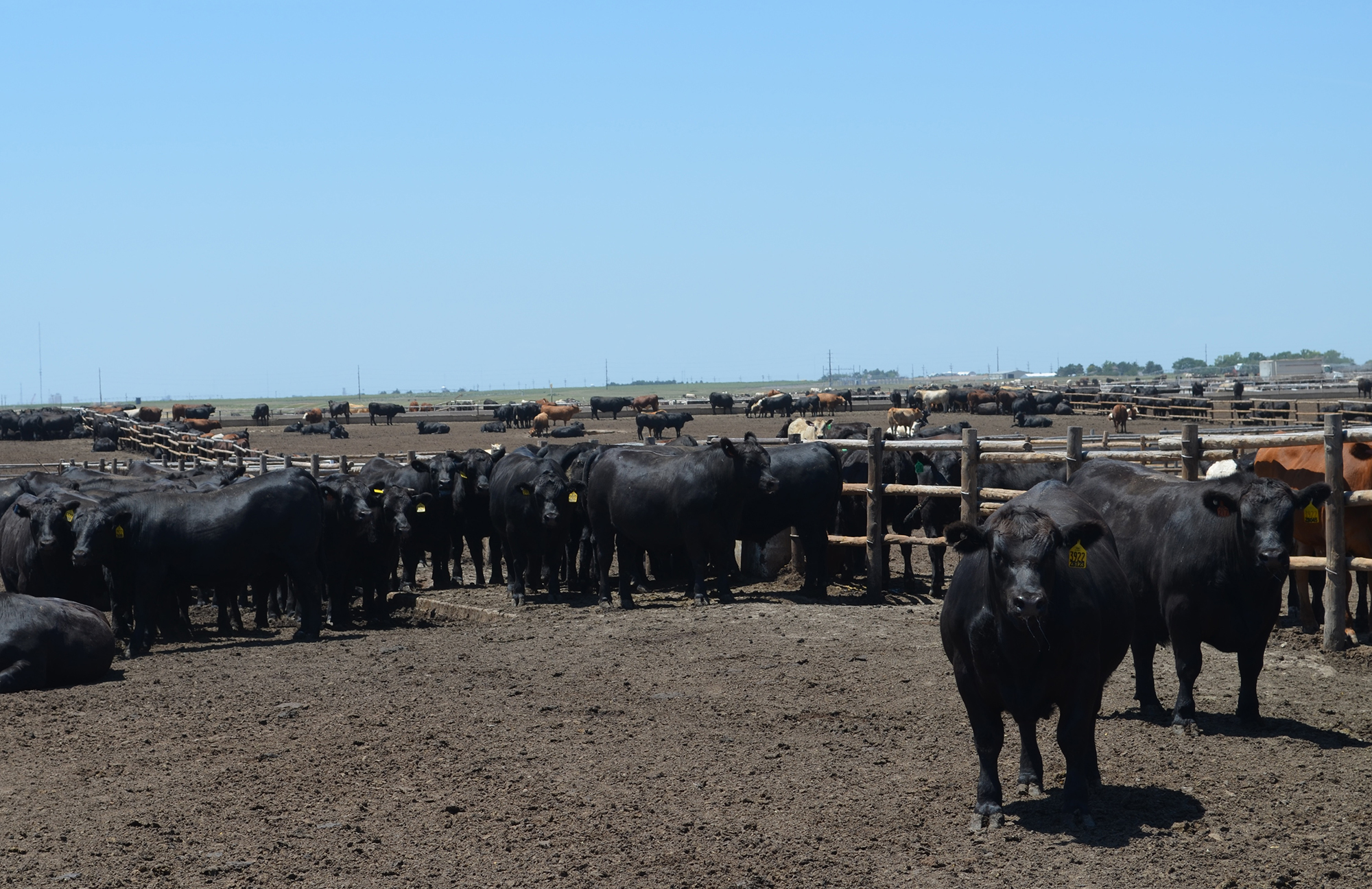
Hereford, Texas, is known as the “Beef Capital of the World.” It is also home to Keeling Cattle Feeders, CAB 2011 Feedlot Partner of the Year for all yards with more than 15,000-head capacity.
In 2007, only about one-quarter of the feedlot’s 17,000 head were Angus type, and of those just 9.6% reached Certified Angus Beef ® (CAB®) brand acceptance. Becoming a CAB partner that year added an Angus focus to the Keelings’ overall commitment to quality. Last year, the yard enrolled 6,200 head that made 21% CAB – well above the Texas average.
“We changed our whole business over the last few years,” says Scott Keeling, who owns the yard with wife Karen. The couple accepted the CAB award at the brand’s annual conference in Sunriver, Ore., Sept. 20-22.
Risk management has been increasingly important as the feedlot moved up from 25% to 50% cattle ownership while upgrading animal type. Oldest son Tyler has been a big help in that regard. He’s a commodity broker in Amarillo, and with wife Trudy, parents of the Keelings’ only grandchild, Reid.
Second-oldest son Levi is a feedlot-operations major in a nearby junior college, and Tom, the youngest at 13, is just getting into the junior-high school years with lots of activities. The Keelings always made time to attend local sporting events for the sons who span 16 years in age, devoting time to teach life’s lessons along with golf and fly fishing.
Grading effects, weather and variable lot sizes are a few of the challenges the feedlot faces. “Sometimes it’s like trying to nail Jell-O to the wall,” Keeling says. “But that’s part of what I like about our business.”
He also likes the results, as real opportunities get nailed down, herds improve and everybody from rancher to consumer wins.
“There’s a circle of friends that comes with being a CAB partner,” says Keeling, who was honored in 2008 as CAB Progressive Partner of the Year.
One of those friends is state and nationally prominent Angus producer Steve Olson, who started feeding with Keeling when it became a CAB-licensed yard.
“The feedlot is the right size to give personal attention,” Olson says. “He’s involved himself in the marketing and feeding. He knows what’s going on in his yard and that is a plus to me.”
Olson was looking for a feeder who could provide carcass data on the calves he was raising.
Keeling Cattle Feeders has served as a tour stop for chefs from big cities and other beef specialists who want to learn more about the products they sell, prepare and serve.
“We do a lot of things like that; we’re really transparent with what we do and I love to show it to people,” Keeling says. “They ask good questions and appreciate what you’re doing.”
The feedlot is a model with its beef-industry advocacy and a commitment to quality; much of its business revolves around building bridges.
“Those relationships have only gotten stronger with our CAB affiliation,” Keeling says.
You may also like
$100,000 to Future Beef Leaders
Interest in quality beef production continues to grow. This year, the Colvin Scholarship Fund awarded $100,000 to 24 students across the country, helping them continue their education and prepare for careers that will contribute to the strength and advancement of the beef industry.
From Data to Dollars
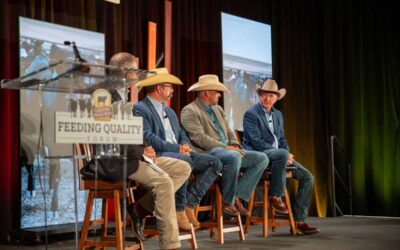
The journey to produce high-quality beef presents market volatility and management challenges. But today, there are data, technology, tools and partners to identify the best value and how to attain it. At the 2026 Feeding Quality Forum, each speaker added to the same message on Aug. 4 and 5 in Amarillo, TX.
Curiosity Changed the Beef Industry
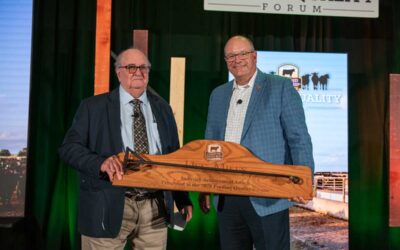
Dr. Del Miles built a career on asking better questions to inform smarter decisions. Throughout his career, he challenged assumptions, advanced science-based management and helped cattle feeders prevent problems before they started. His influence reaches beyond feedyards, shaping the way veterinarians, researchers and cattlemen think about herd health.