
Buy better
by Miranda Reiman
People who have been at it for decades, the second or third generation in this idea that carcass quality matters, with a well-tested recipe for success. These are the farmers and ranchers who often appear in my articles.
They are good examples other people can learn from, the innovators and leaders by example. Many of them saw the movement coming before it really took off and helped make it happen.
But these early adopters aren’t the only people in the cattle business.
I’ve visited with cattlemen across the country at various points of their journey. In Iowa, I enjoyed a visit with the first farmer in his family to take as much interest in the cows as they had in their corn. There was the middle-aged South Dakota man who left a career in another state to start over as a rancher. A producer in Montana talked about getting to make the bull selection decisions, nearing 70 and just taking over that chore from his dad.
These are the people I had in mind as I lobbed out a new story idea: What about an informational piece for those who have decided they want to improve the carcass quality of their cattle, but find the idea somewhat daunting?
I brought the idea to my team. “The working title could be, something like, ‘How to get started in aiming for quality.’”
A teammate quickly responded, somewhat in jest but also with bedrock truth.
“That’d be pretty short: buy better bulls.”
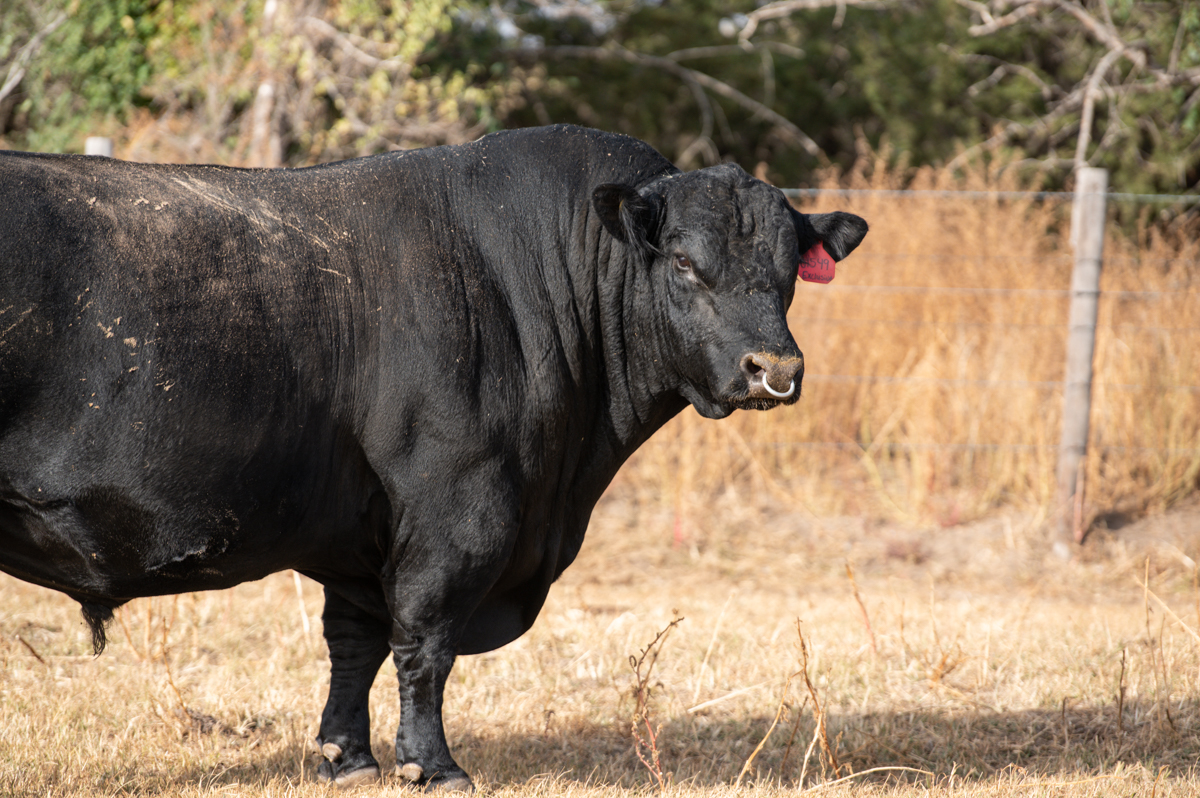
Of course, it’s broader and more nuanced than that, because genetic improvement has so many ways and means. Natural service or artificial insemination? The latter might get you there quicker, but it takes labor and facilities. Maybe it’s a combination of both, applied strategically to different groups of females. There are variables like how much better the sire needs to be, and for what traits.
That all depends on how much you know about your herd now and any benchmarks you’ve already established. Land and feed resources, final marketing method and even the level of record keeping make a difference.
Management affects that final measure, too, everything from health and handling to nutrition. With no shortage of factors to scrutinize, pretty soon the simple article could become a book or a semester-long class.
But at the core it really comes back to that simple beginning. You can’t improve something if you don’t have a starting benchmark and then make use of better ingredients and ideas.
At the foundation of your herd is a decision you probably only make a couple of times a year. Make sure it’s always one that moves toward your target.
If you want better cattle, buy better bulls.
Next time in Black Ink® I will cover reevaluation.
You May Also Like…
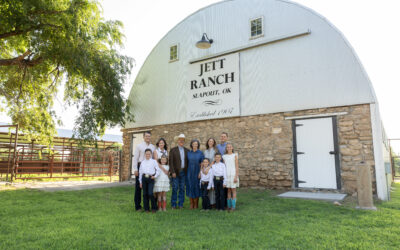
Jett Stream to Prime
In the Oklahoma Panhandle, four generations built a herd defined not by the odds against it, but by standards never lowered. That commitment drove decades of genetic and management improvements, taking Jett Ranch from struggling to reach Prime to more than 70% Prime today, and earned the ranch the 2026 CAB Commercial Commitment to Excellence award.
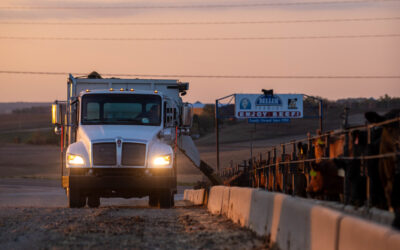
Nebraska Feedyard Recognized for Excellence
Motivation starts the feed truck before sunrise, keeps going through adversity and drives pursuit of the next goal.
It has more than fueled daily routines for Terry Beller. It’s helped his family and crew build the multigenerational Beller Feedlot into one long-known for customer service and high-quality beef.
The Capstone Approach to Modern Cattle Feeding
Taking aim without a target is like fishing without bait. It just doesn’t work. The cattle market lures with premiums for targets hit, but the bar keeps rising. Getting better in this dynamic setting takes detailed feedback. Capstone Beef provides that to its commercial customers with report cards that track progress and reveal needed change.