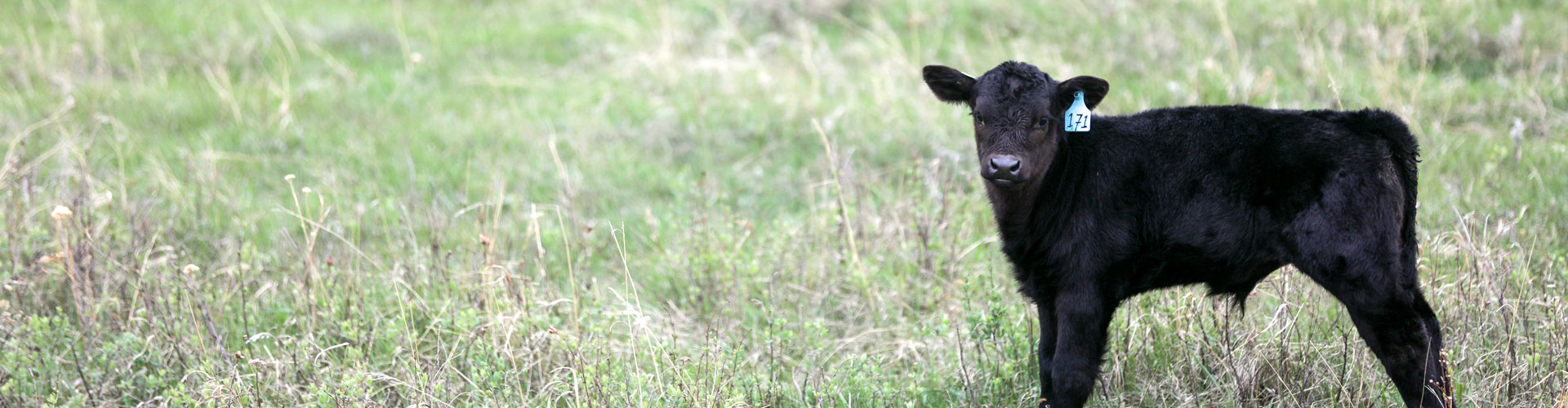
A scours change?
Plan to prevent, prepare to treat calf scours
by Morgan Marley Boecker
September 2020
New oil and filter? Check. Tires rotated? Done. Air filters? Good to go. For every 5,000 miles you drive, these are the questions to answer.
Regular oil changes are a prevention strategy to maintain your vehicle’s health.
Adequate nutrition to make colostrum? Clean calving environment? Scours vaccine?
Just like regular maintenance on your vehicle, prevention is the best way to ward off scours in your cow-calf herd.
But sometimes the best treatment plans fail, with lasting effects on calf performance. That’s why Mark Alley, senior technical service veterinarian at Zoetis, says ranchers should try to get ahead of the problem.
Prevention before treatment
Proactive maintenance for a cow herd differs from that for a truck of course, but a local veterinarian knows how to prevent scours based on local pathogens.
“Having that valid client-patient relationship is the key to success for the industry,” Alley says.
Ensure cows will have good colostrum quality by closely monitoring body condition and nutrition in the third trimester. Colostrum begins to form six to eight weeks before calving, which is the suggested advance time for most calf scour vaccines.
A clean environment reduces scouring, and the Zoetis veterinarian points to the Sandhills Calving System as one that moves pregnant cows to fresh pasture while leaving newly calved pairs behind. That minimizes the chance for disease transmission from older calves.
Accurate recordkeeping helps, too, he says, noting Beef Quality Assurance (BQA) guidelines for recording ID, age, symptoms, diagnosis, treatment drug and outcome.
Knowing what was done to treat problems in the past “can result in strategies to hopefully prevent the same thing from happening in the future,” Alley says.
When strategies fail
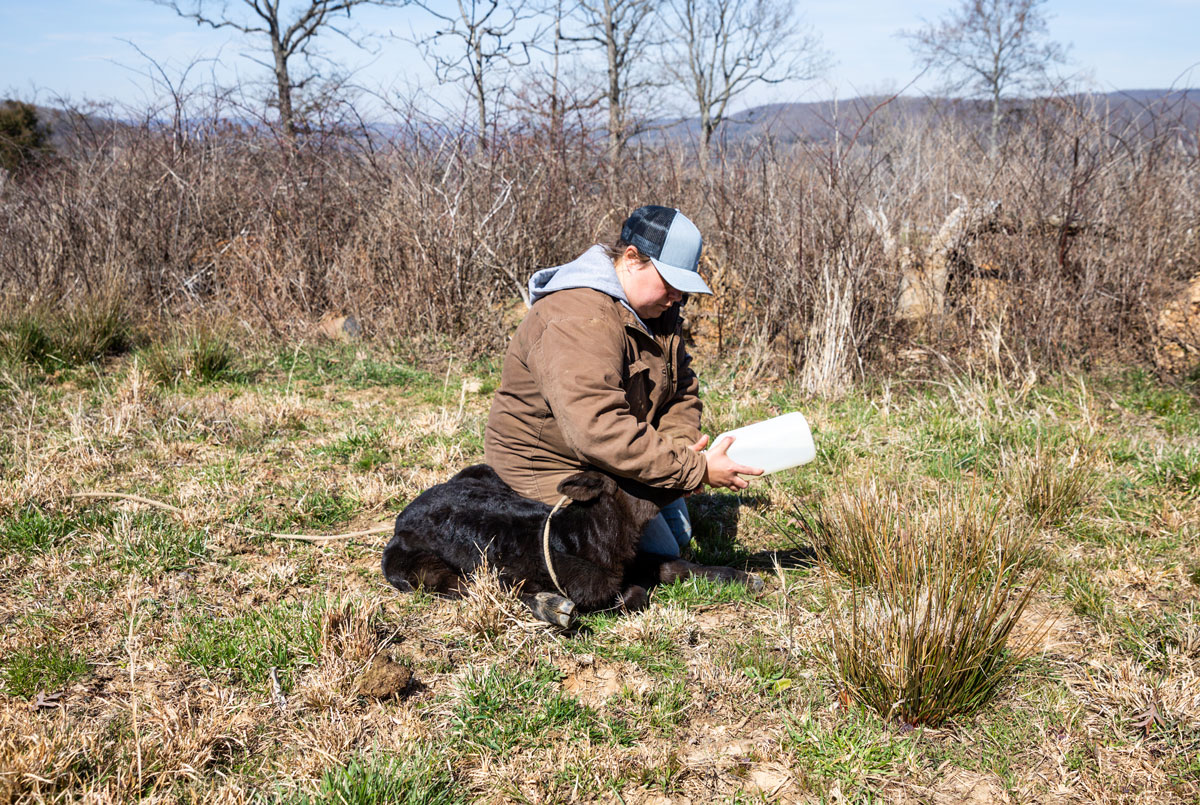
Just like you buy car insurance for the unavoidable fender bender, work with your veterinarian to create a thorough treatment plan when calves scour.
“Usually more than one bacteria or virus may be present in those animals,” Alley says, and age provides clues.
E. coli is closely associated with calves less than five days old, while rota- and coronavirus are more typical in 7- to 10-day-old calves. After three weeks, coccidia bacteria is the more common culprit.
Even with the right diagnosis, scouring calves can die, usually because of dehydration, Alley says.
“When calves have diarrhea, they’re losing a lot of electrolytes,” he says. “First on the agenda for treatment should be correcting both fluid deficits and electrolyte losses, especially for potassium and sodium.”
Dehydration can be estimated by tenting skin at the neck and counting the seconds until its return to normal. Less than 2 seconds is normal, but 2 to 6 seconds indicates 8% dehydration. Alley says you can calculate the need for electrolytes by taking that percentage times a calf’s weight in kilograms. A 99-pound calf is about 45 kg, so it would need about 3.6 liters (almost a gallon) of electrolytes to recover.
Dehydration combined with electrolyte losses often causes metabolic acidosis. A calf’s natural reaction to recover is to breathe faster, which could play to producer instincts to reach for an antibiotic for pneumonia. Resist that urge, he says, because simply keeping them hydrated and well fed is the best course of recovery in scouring calves. Work with your veterinarian to determine when and if an antibiotic is needed.
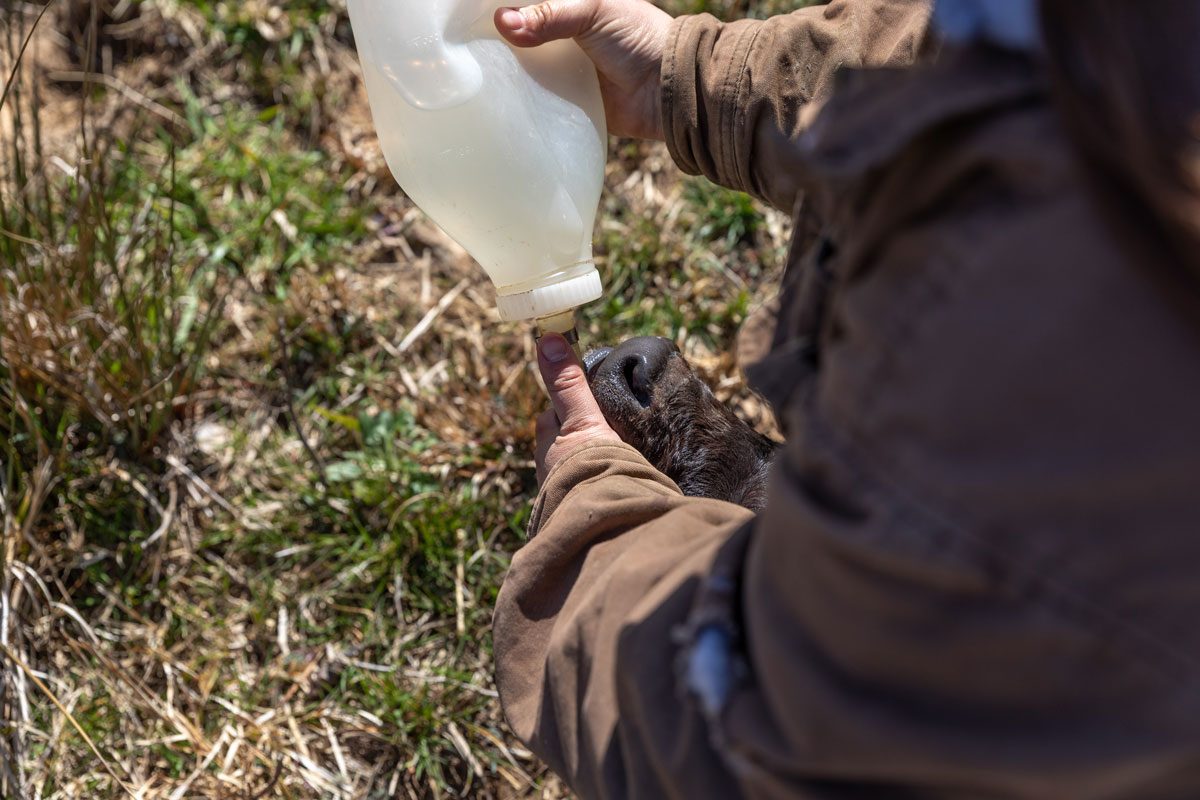
“If treated appropriately, scours usually will get worse before it’s better, but not providing electrolytes may be the most detrimental thing we could do,” Alley says. That and taking those calves off the dam.
“Without the right nutrition, the villi in the gut will not be able to regenerate,” he explains. “And those calves don’t have enough body fat to actually survive what’s going on.”
A calf’s eyes and ears won’t lie about how it’s feeling.
“Bright and alert calves, even if they still have clinical signs, are probably on the right track,” Alley says, “regardless of what’s going on under the tail.”
Today affects tomorrow
From gestation through the feedyard, variables along the way set calves up for success or failure in reaching their genetic potential for efficiency, gain and carcass quality.
“If we have those animals that become diseased at any point prior to weaning, we’re losing pounds,” Alley says, pointing to Montana data. Calves there that had scours and survived through weaning were 20 pounds lighter than those that were never sick.
Just as we all pay for car insurance but hope we never need it, cattlemen should have a plan to prevent but also treat scouring calves. It pays to be prepared.
Alley’s presentation at this year’s Cattle Industry Convention in San Antonio provided the basis for this article.
Originally published in the Angus Journal.
You may also like

Jett Stream to Prime
In the Oklahoma Panhandle, four generations built a herd defined not by the odds against it, but by standards never lowered. That commitment drove decades of genetic and management improvements, taking Jett Ranch from struggling to reach Prime to more than 70% Prime today, and earned the ranch the 2026 CAB Commercial Commitment to Excellence award.

Nebraska Feedyard Recognized for Excellence
Motivation starts the feed truck before sunrise, keeps going through adversity and drives pursuit of the next goal.
It has more than fueled daily routines for Terry Beller. It’s helped his family and crew build the multigenerational Beller Feedlot into one long-known for customer service and high-quality beef.
The Capstone Approach to Modern Cattle Feeding
Taking aim without a target is like fishing without bait. It just doesn’t work. The cattle market lures with premiums for targets hit, but the bar keeps rising. Getting better in this dynamic setting takes detailed feedback. Capstone Beef provides that to its commercial customers with report cards that track progress and reveal needed change.